Hotel
Milam.

4 critic reviews
filed.
Yes, with a caveat. The architecture and the Key are earned; anyone who cares about design will leave satisfied. The caveat is that Milam is genuinely inland, and the hype does not prepare you for how different that is from the beach road experience. It is a different kind of Tulum trip, not a cheaper version of one.
The Xunáan Spa. Milam's in-house spa runs a shaman-guided temazcal that is smaller, quieter and more ceremony-focused than the larger beach-road equivalents, and because Milam is inland it rarely books out more than a week ahead. Ask the concierge to hold a slot on your first full day; the pace of the rest of the stay improves noticeably afterwards.
angles.
A Key That Broke the Rules
The MICHELIN Key methodology weights beach access heavily in coastal destinations. Milam overcame that by being architecturally unclassifiable: part hotel, part sculpture, part dream sequence. The Guide explicitly noted that it sits outside the beach zone and still earned the Key on pure quality. For inland Tulum, that is the ceiling-breaker.
Psychedelic Plaster Interiors
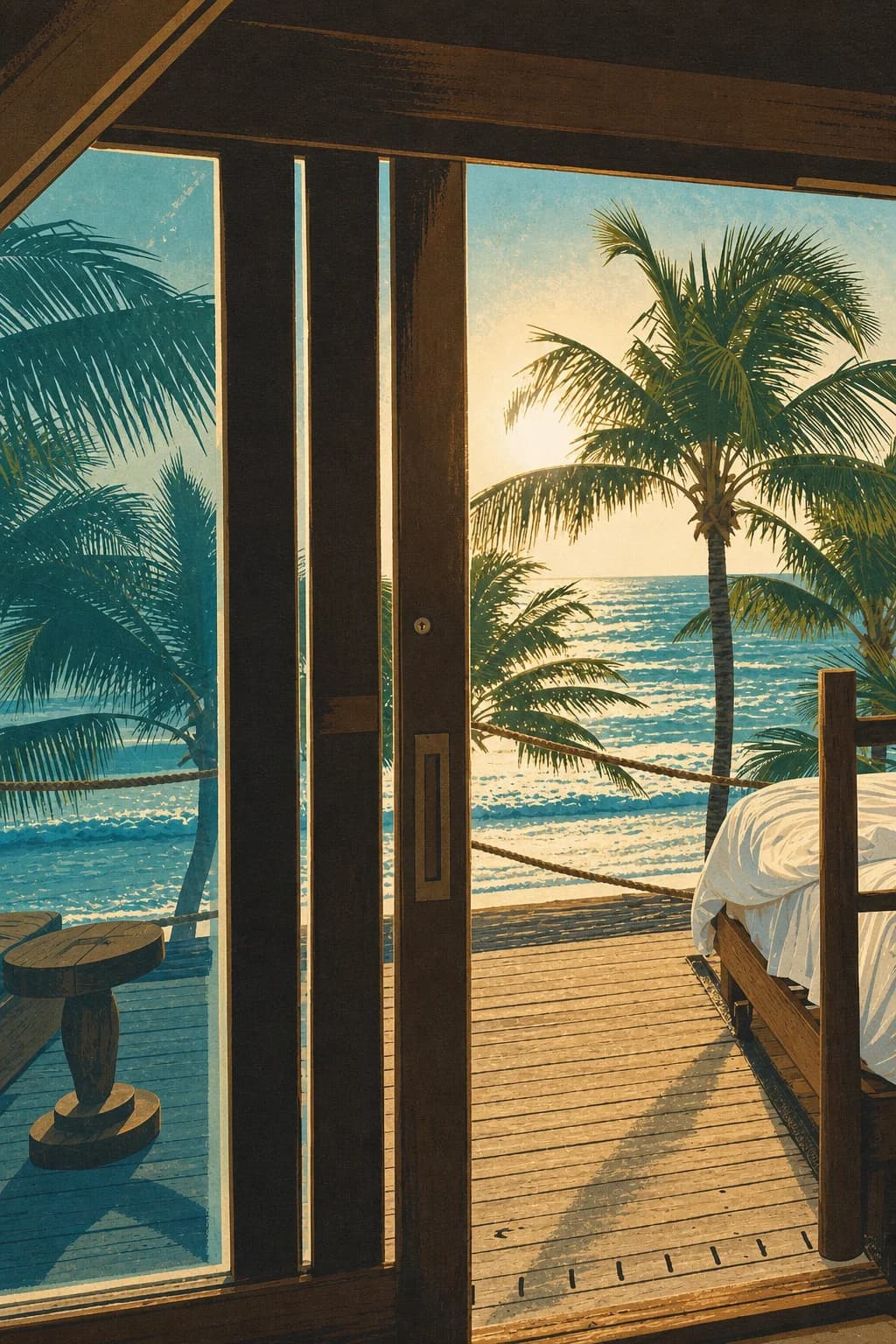
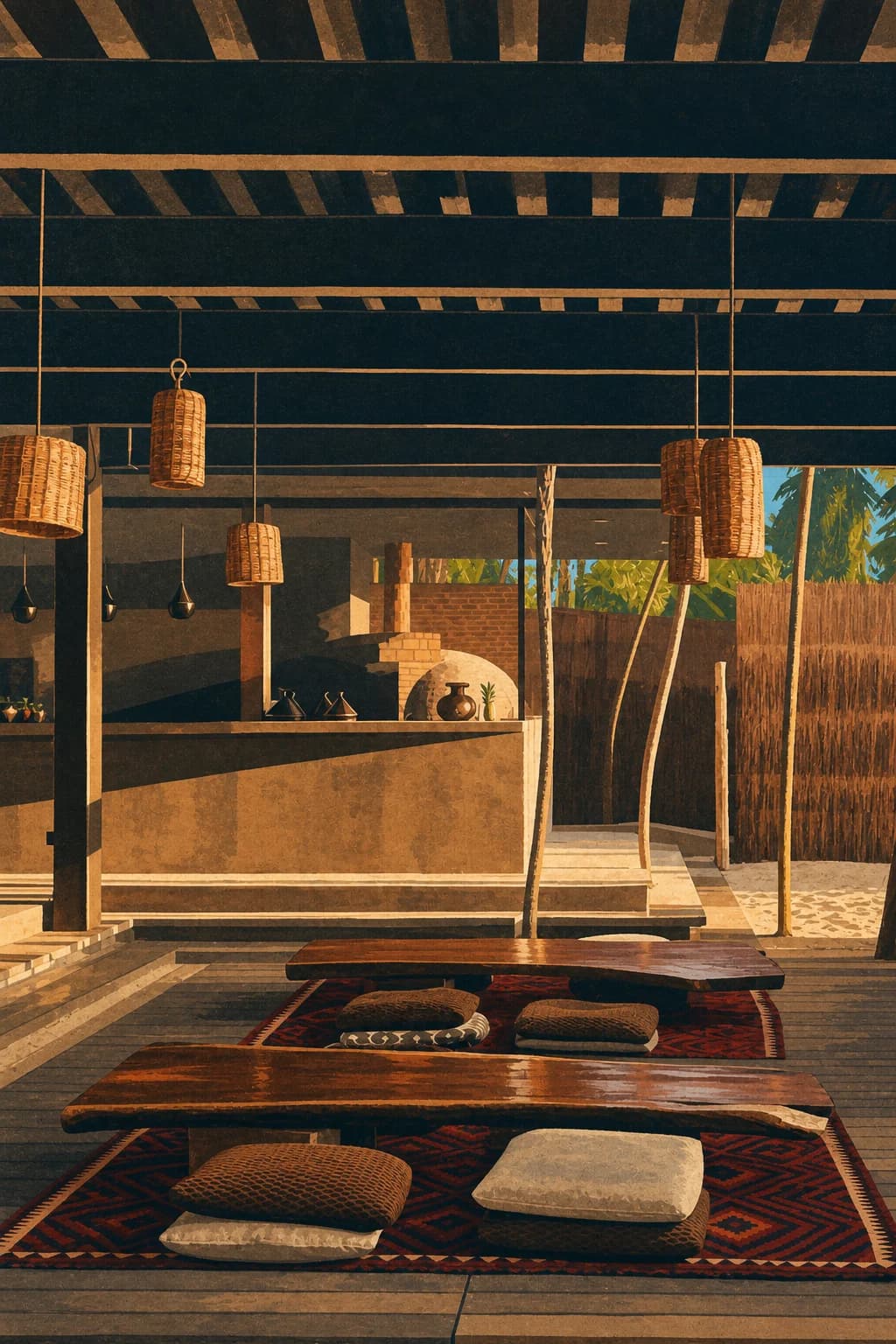
Every villa at Milam has plaster walls treated to resemble cave interiors, bone, or sculpted skin depending on the light. The local clay and macramé accents add texture without cluttering the palette. Grupo Bardo's in-house design team treats the rooms as individual pieces, not a repeatable template. The result is that every villa feels slightly different and the photographs never quite prepare you for the real thing.
The Grupo Bardo Network
Milam is one of three hotels under the Grupo Bardo umbrella alongside Hotel Bardo and Una Vida, all within a short drive of each other in La Veleta. Guests get access to the sister properties' restaurants and bars, which gives a Milam stay the reach of a small portfolio rather than a single address. It is the most coherent inland group in Tulum right now.
talk.
mapped.
“Hotel Milam has been awarded a MICHELIN Key, an honor that places it among the most outstanding destinations in the world.”
record.
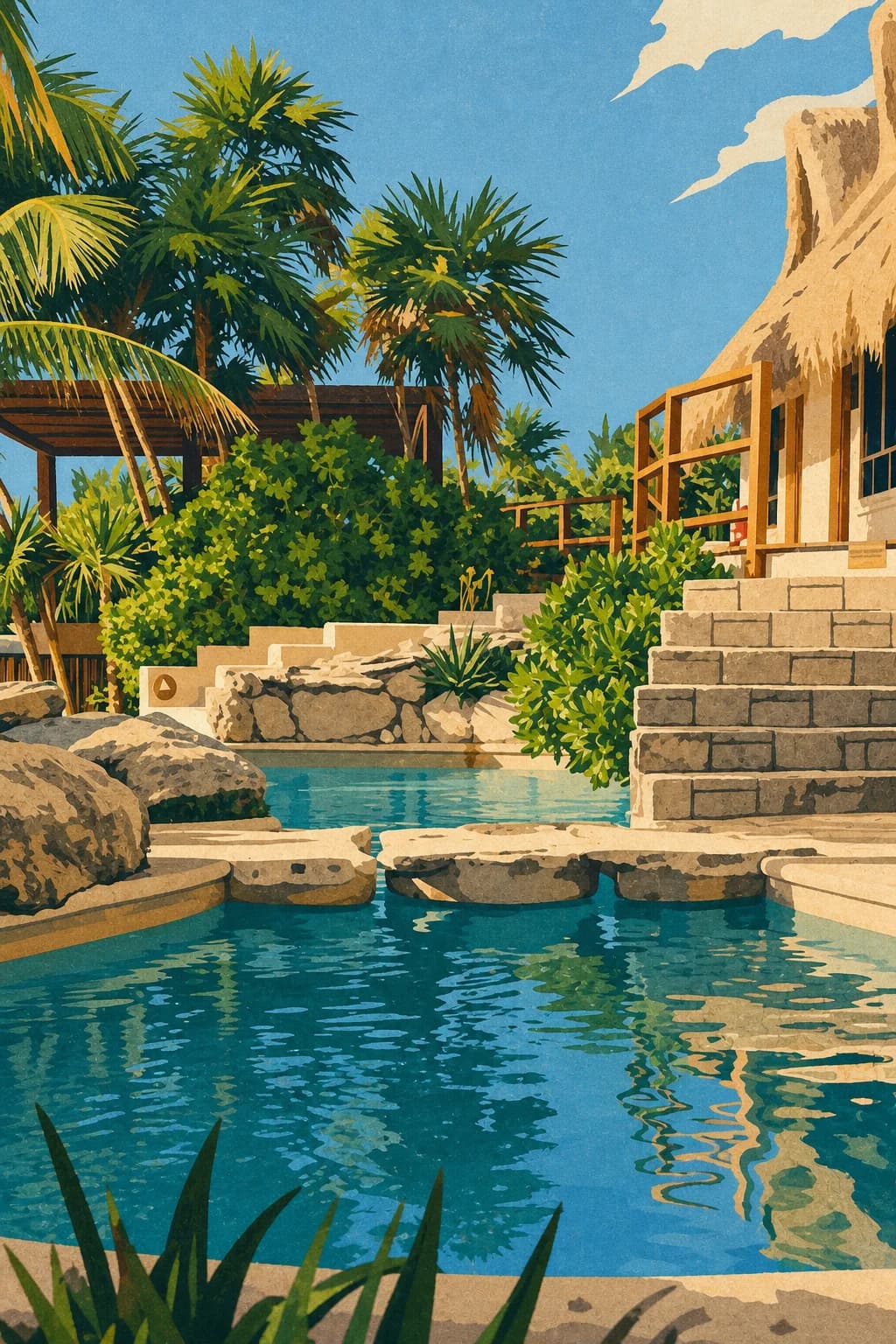
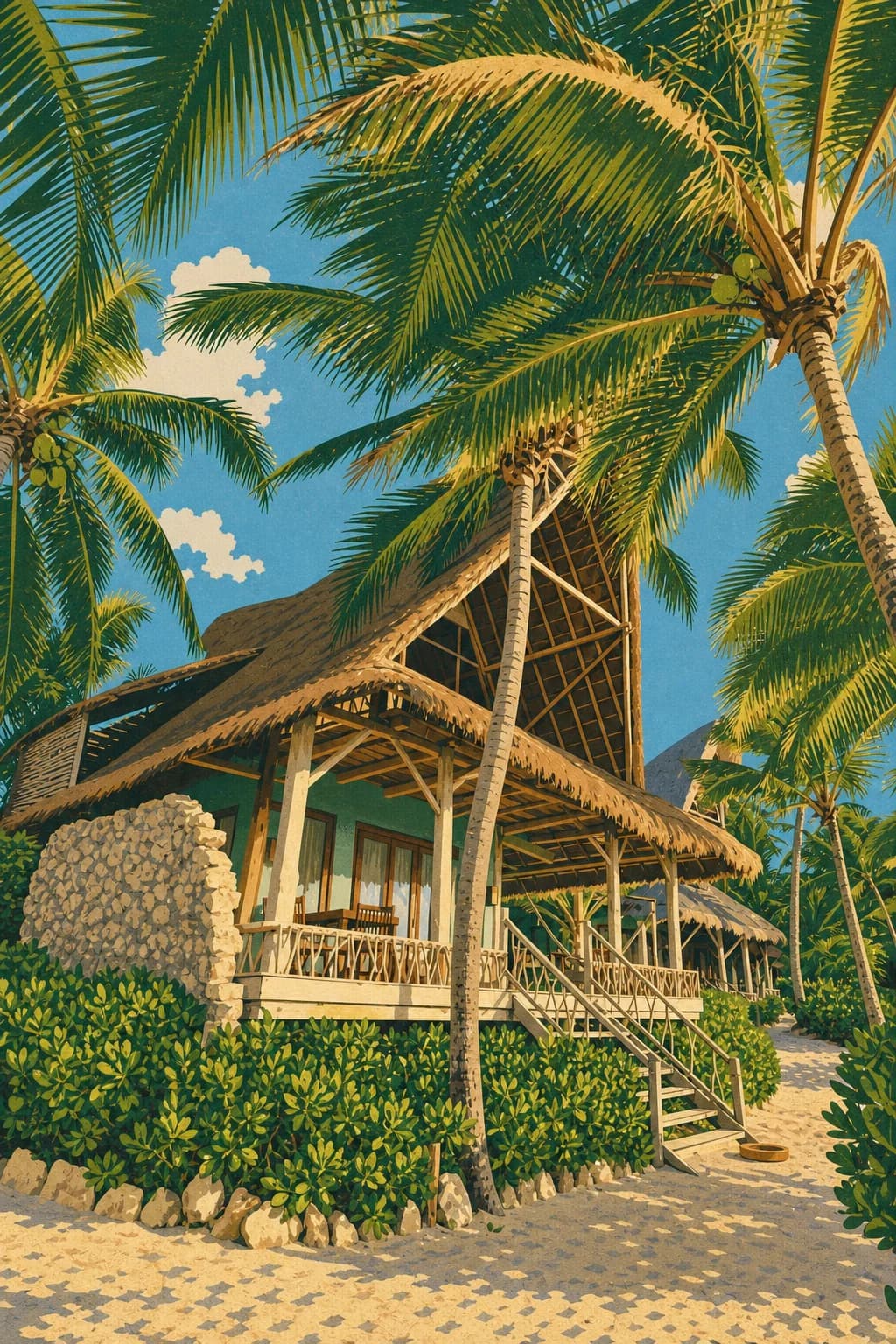
When the Guide awarded Keys in 2024, only Be Tulum got one on the beach; Milam got the only Key anywhere else in the municipality. That is the headline, but the story underneath it is Grupo Bardo, the team behind Hotel Bardo and Una Vida, applying the same sinuous concrete-and-plaster vocabulary to a thirty-six-villa property in La Veleta.
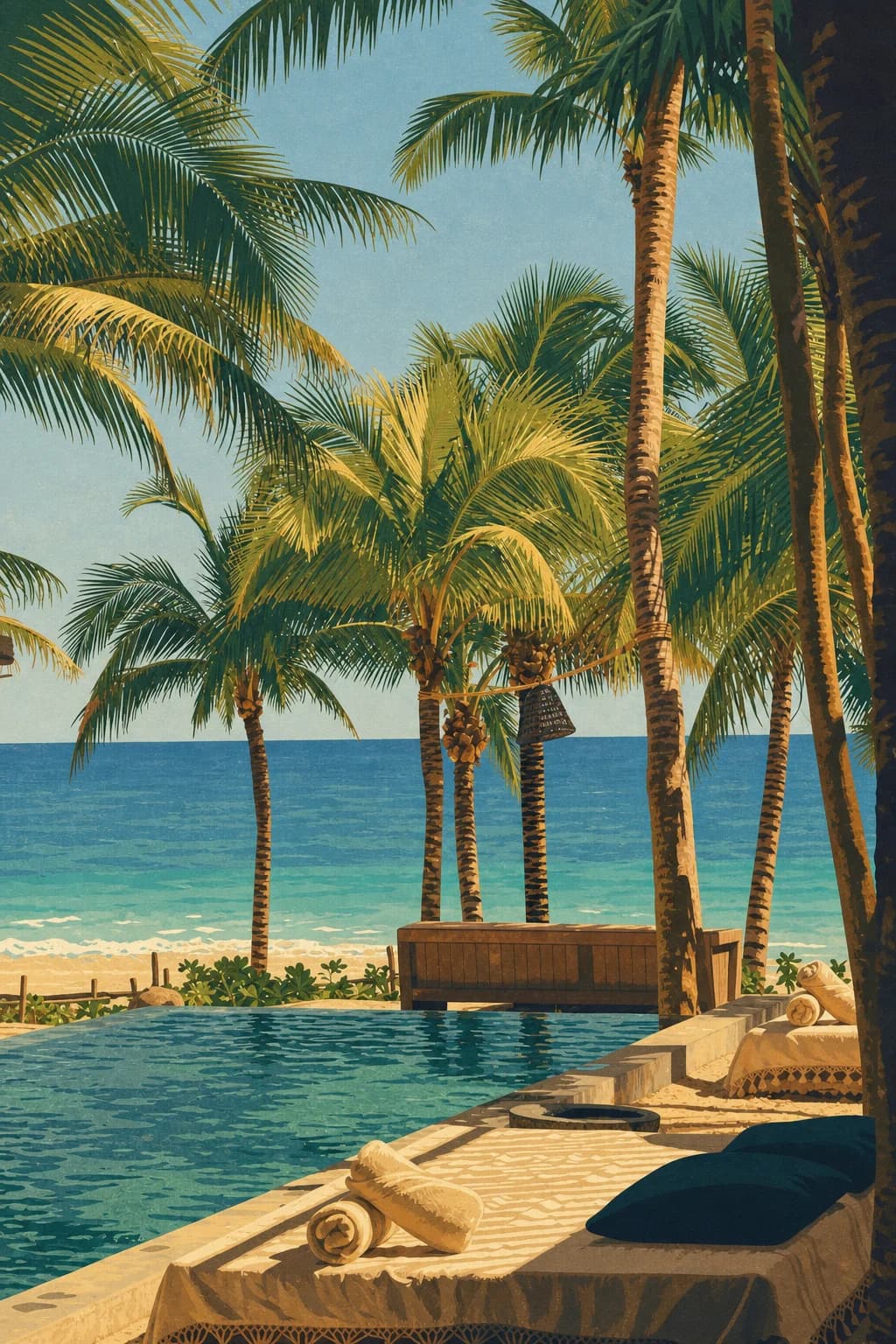
The name references the tantric Buddhist practice of lucid dreaming; the architecture follows, with organic forms, whimsical lighting, and plaster interiors that verge on psychedelic. Private pools in every villa, the Xunáan Spa with shaman-guided temazcal, and a Booking.com 9.3 rating inside a year of opening. For an inland property in a beach-obsessed zone, that is an outlier result.
changed.
December through March peaks. November is the value window. Avoid September: sargassum and hurricane risk peak together.
Tulum runs on three overlapping forces — weather, crowd density, and sargassum seaweed — and misreading any one of them can wreck a trip. That triangulation matters more here than at almost any other Caribbean destination.
December through March is peak season, and it earns the title. Humidity drops, rain turns rare, and the Caribbean hits its clearest. December carries maximum demand on Christmas and New Year's pricing, while January through March hold steady before a March Spring Break surge fills South Beach Zone properties weeks out. For Ultra or Very High tier properties that book direct only, plan 60 to 90 days ahead — Nomade and Hotel Esencia both manage their own reservations and sell out specific room categories well before arrival.
April is the bridge. Easter and Semana Santa bring a final demand spike, driven largely by Mexican domestic travelers. Once that holiday window closes, both rates and crowds ease.
May through November is where the trade-offs live. Hurricane season officially runs June 1 through November 30, but statistical risk concentrates in September and October, with September carrying a 15 to 20% probability of tropical cyclone activity. June also opens the worst sargassum stretch: the floating brown algae, carried by Atlantic currents, piles onto Tulum's east-facing beaches from roughly May through October, peaking in July and August. Tulum's open coastline orientation means it catches more than Cancun or Playa del Carmen, and University of South Florida forecasts suggest 2026 could be among the heaviest sargassum years on record for the Mexican Caribbean.
Hotels with dedicated beach cleanup crews manage the situation daily; properties without them can have significant accumulation.
September is the genuine low point. Demand bottoms out, hurricane risk peaks, sargassum lingers, and some smaller properties cut hours or close for maintenance. October begins a slow recovery, with Day of the Dead at month's end marking the cultural pivot back toward high season. November is a legitimate value window: sargassum fades, hurricane odds drop sharply, and pricing hasn't yet climbed to December levels.
approach.
briefing.
“Elegant modern comfort blended into a relaxed tropical feel with Mediterranean and Mexican cuisine at a 36-room boutique property.”
stands.
demand's going.
The real Instagram following over time, plus where this hotel sits for demand in Tulum. Pick a range, toggle the lines. Followers are reach and demand, not engagement.
assessment.
File closes at HIGH. Book direct three to four months out for peak after the MICHELIN Key bumped demand. Skip if you want resort scale; the residences start to feel more like a rental than a hotel.
The numbers behind the tiers
Hotel Milam · SOURCE READINGS · REDACTED- Availability density · sampled
- Monthly search volume · raw
- TikTok hashtag views · raw
- YouTube total views · raw
- TikTok following · latest sweep
- Pinterest saves · latest sweep
More from Tulum.





Get the hotel's Unbookable Score.
Any post or reel with a hotel in it. Booking.com hotel pages work too. One free check, no account needed.