Jashita
Hotel (Relais & Châteaux).
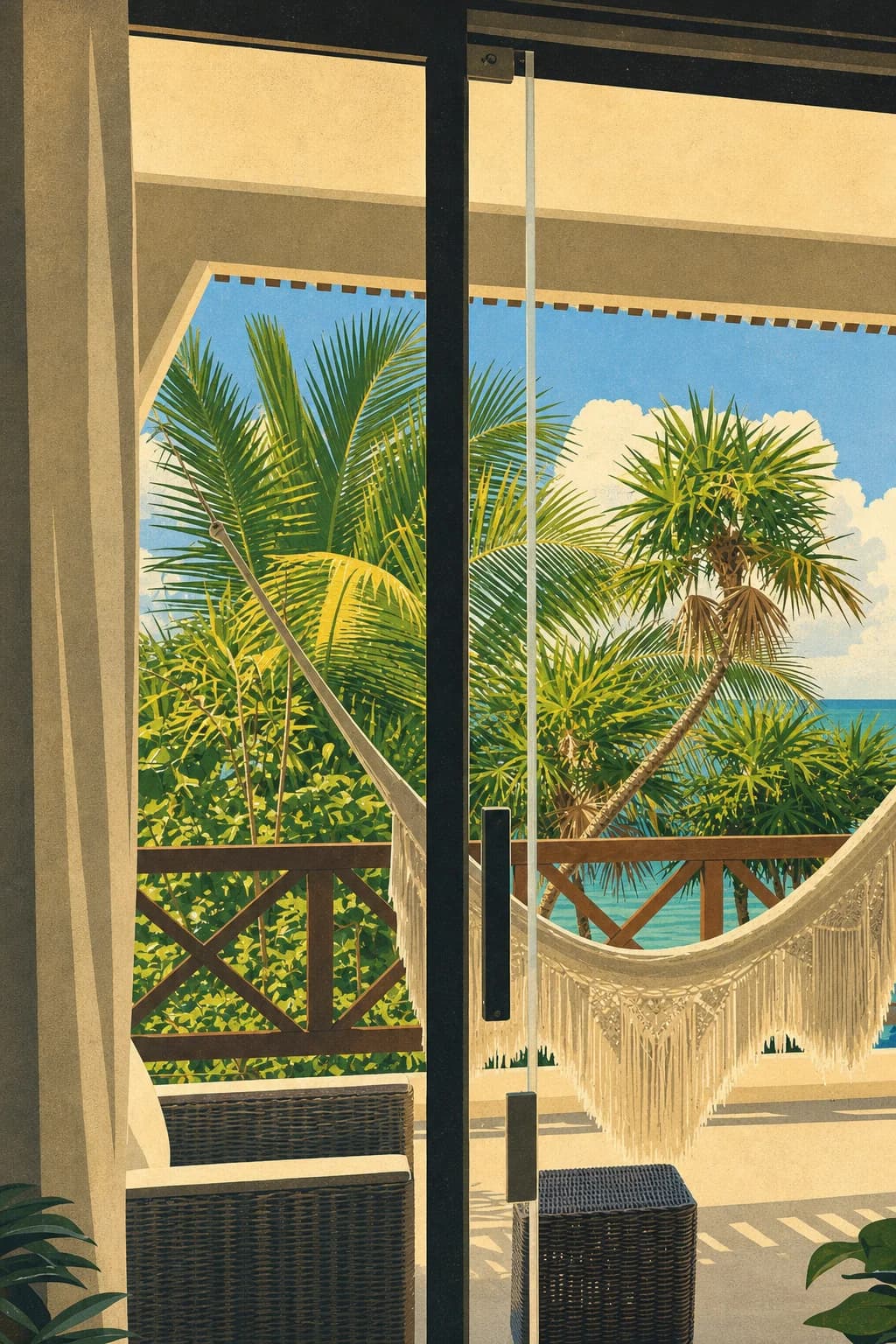
7 critic reviews
filed.
The Relais & Châteaux label is earned, not decorative, and the food genuinely lives up to it. What the reviews undersell is just how quiet the bay actually is compared with anywhere on the beach road, which for some travellers is the whole point and for others will feel a little too removed.
Very few people mention the desalination plant and plastic-free operation, but on a coast where water and waste are real problems, Jashita quietly runs a more responsible beach hotel than most of the places getting sustainability press further south.
angles.
Relais & Châteaux refinement
The 2024 induction into Relais & Châteaux is the shortest way to explain Jashita. This is the only property in the entire Tankah and Soliman corridor wearing that badge, and the club is strict about food, service, and sense of place. What you get in practice: white-glove hospitality without the stiffness, an Italian family running a Mexican beach hotel, and a kitchen that actually earns the fuss.
A beach that isn't the beach road
Soliman Bay is a horseshoe of shallow turquoise water ringed almost entirely by private homes. Only two traditional hotels operate on the whole bay, so the beach never feels like the main Tulum strip. No beach clubs pumping house music at noon, no influencers blocking the shoreline. Sargassum also tends to hit this cove less brutally than the exposed stretches further south.
Pandano at the water's edge
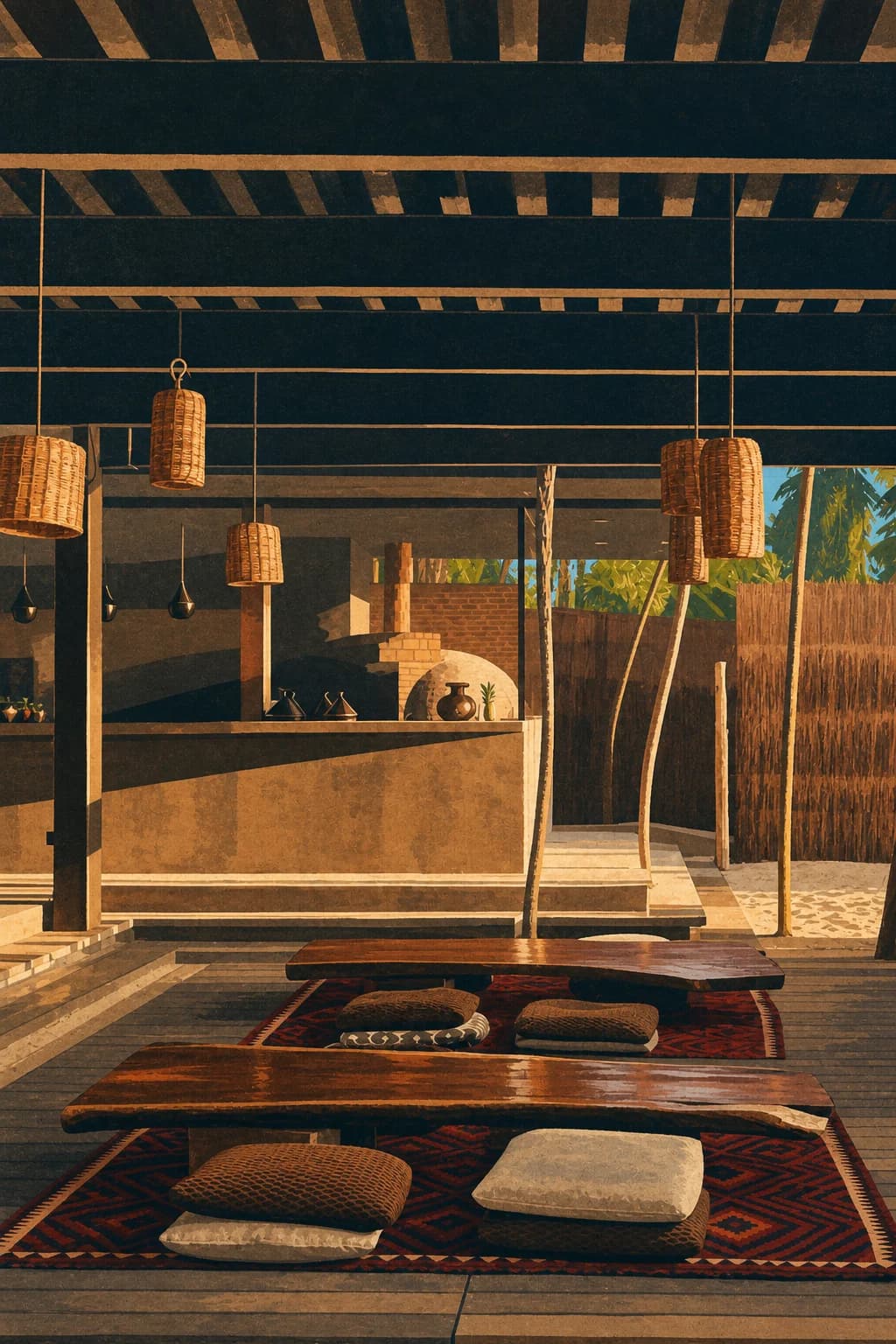
The onsite restaurant, Pandano, is the reason several travel writers keep coming back. Handmade pasta from an Italian kitchen married to Yucatán seafood, served a few metres from the sand. AFAR singled out the specialization in fresh pasta and same-day catch when Jashita joined Relais & Châteaux, and it is the kind of room where a long lunch quietly becomes dinner.
talk.
mapped.
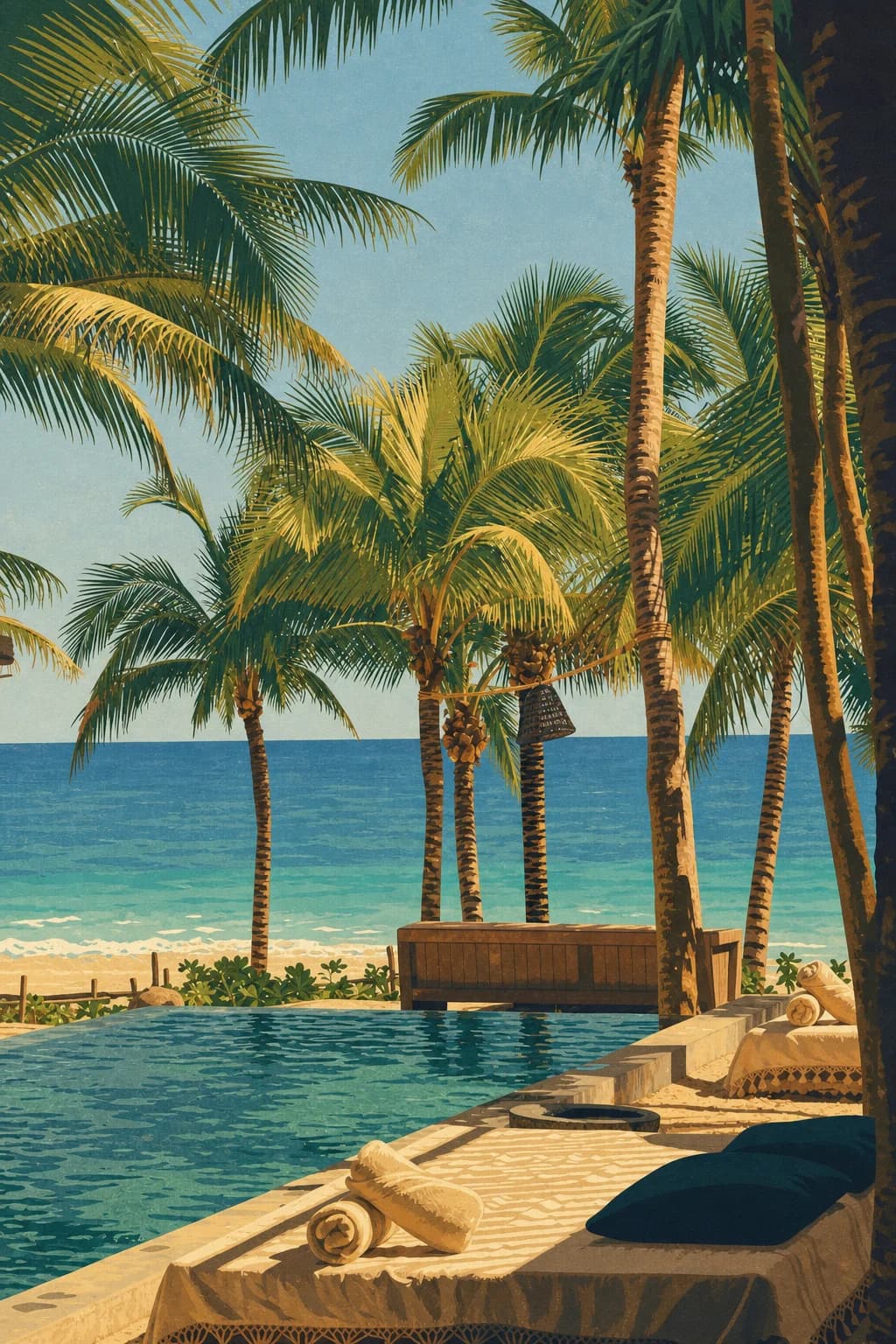
“Two small swimming pools nestle in a garden of palms, with junior suites that have large terraces with private plunge pools and well-made Mexican classics served at the restaurant.”
record.
Jashita opened in 2010 as a family-run Italian-Mexican boutique and, in 2024, became the only Relais & Châteaux member in the corridor. The signature is Pandano, a beachfront restaurant built around handmade pasta and the catch that came in that morning.
Three pools, an adults-only infinity edge, a waterside spa, complimentary watersports, and a plastic-free operation with its own desalination plant. The aesthetic is Venetian-Zen, barefoot, quiet. Because most of Soliman Bay is private villas, the hotel inventory here is thin, so when anyone wants the bay without a villa commitment, this is the room they want.
changed.
December through March peaks. November is the value window. Avoid September: sargassum and hurricane risk peak together.
Tulum runs on three overlapping forces — weather, crowd density, and sargassum seaweed — and misreading any one of them can wreck a trip. That triangulation matters more here than at almost any other Caribbean destination.
December through March is peak season, and it earns the title. Humidity drops, rain turns rare, and the Caribbean hits its clearest. December carries maximum demand on Christmas and New Year's pricing, while January through March hold steady before a March Spring Break surge fills South Beach Zone properties weeks out. For Ultra or Very High tier properties that book direct only, plan 60 to 90 days ahead — Nomade and Hotel Esencia both manage their own reservations and sell out specific room categories well before arrival.
April is the bridge. Easter and Semana Santa bring a final demand spike, driven largely by Mexican domestic travelers. Once that holiday window closes, both rates and crowds ease.
May through November is where the trade-offs live. Hurricane season officially runs June 1 through November 30, but statistical risk concentrates in September and October, with September carrying a 15 to 20% probability of tropical cyclone activity. June also opens the worst sargassum stretch: the floating brown algae, carried by Atlantic currents, piles onto Tulum's east-facing beaches from roughly May through October, peaking in July and August. Tulum's open coastline orientation means it catches more than Cancun or Playa del Carmen, and University of South Florida forecasts suggest 2026 could be among the heaviest sargassum years on record for the Mexican Caribbean.
Hotels with dedicated beach cleanup crews manage the situation daily; properties without them can have significant accumulation.
September is the genuine low point. Demand bottoms out, hurricane risk peaks, sargassum lingers, and some smaller properties cut hours or close for maintenance. October begins a slow recovery, with Day of the Dead at month's end marking the cultural pivot back toward high season. November is a legitimate value window: sargassum fades, hurricane odds drop sharply, and pricing hasn't yet climbed to December levels.
approach.
briefing.
“Leading Tulum's quest for decadent desert-island chic on the tranquil martini-clear waters of Soliman Bay, Jashita supersedes your expectations.”
stands.
demand's going.
The real Instagram following over time, plus where this hotel sits for demand in Tulum. Pick a range, toggle the lines. Followers are reach and demand, not engagement.
assessment.
File closes at HIGH. Book direct three to four months out and try late April through early June for shoulder pricing. Skip if you want central Tulum; this one sits 40 minutes north of the Hotel Zone.
The numbers behind the tiers
Jashita Hotel (Relais & Châteaux) · SOURCE READINGS · REDACTED- Availability density · sampled
- Monthly search volume · raw
- TikTok hashtag views · raw
- YouTube total views · raw
- TikTok following · latest sweep
- Pinterest saves · latest sweep
More from Tulum.







Get the hotel's Unbookable Score.
Any post or reel with a hotel in it. Booking.com hotel pages work too. One free check, no account needed.