Ahau
Tulum.

7 critic reviews
filed.
The sculpture is the real thing and the Kapok kitchen stands up to the MICHELIN recognition. What the hype misses is how much the day-visitor traffic shapes the mid-afternoon guest experience. If you understand that going in, the property works. If you expected seclusion, it will not.
The yoga shala runs morning classes that most guests skip in favour of the beach. The instructors are long-tenured, the 7am sunrise slots run without the Instagram crowd, and the shala itself is one of the quietest corners of the property. Ask reception for the weekly schedule on arrival.
angles.
Kapok Is Genuinely Good
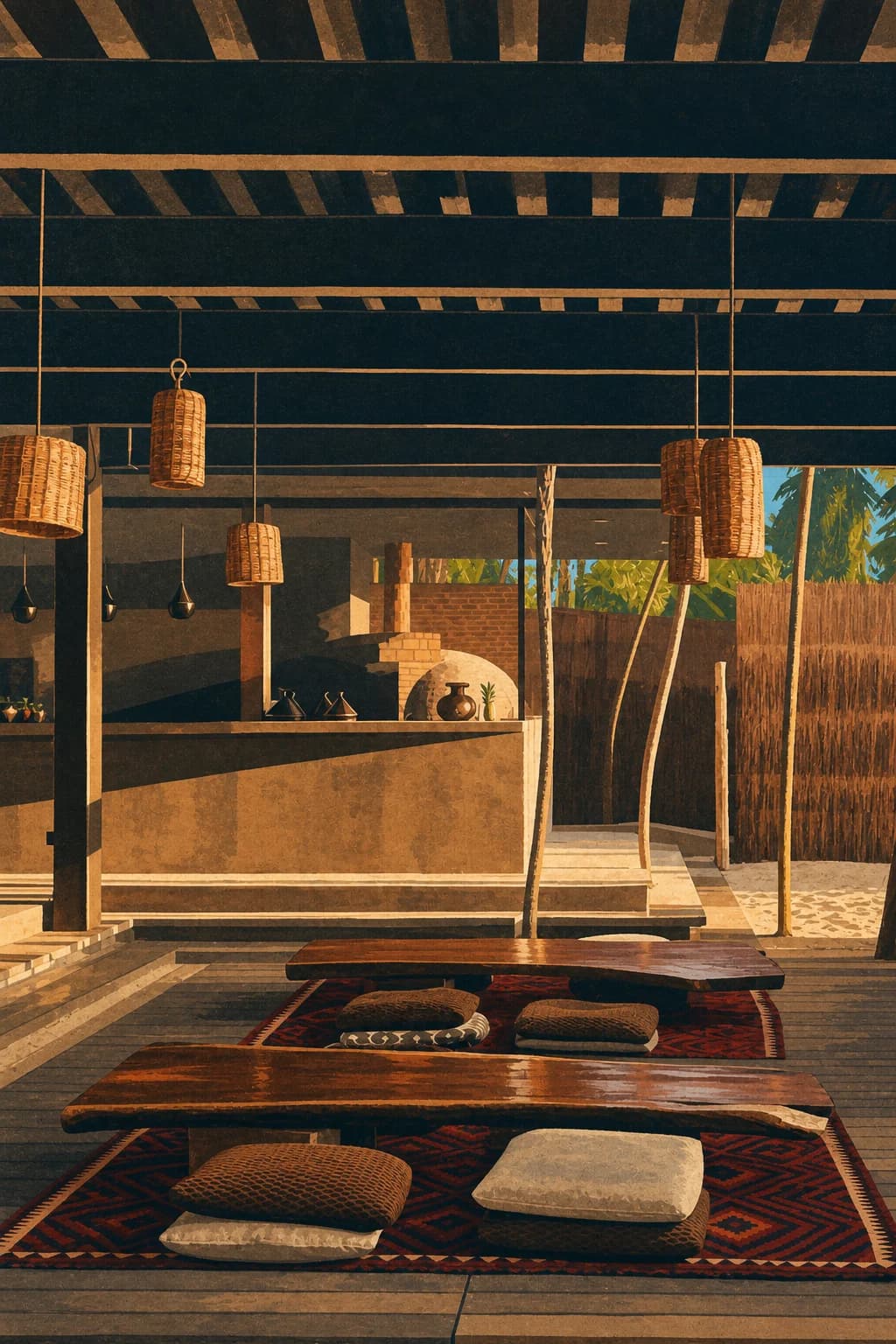
Most hotel restaurants in Tulum are decorative. Kapok is a MICHELIN Bib Gourmand holder and is entirely vegan, which is unusual for a Mexican beach resort. The MICHELIN Guide called out the Bali huts as some of the most interesting room types in Tulum in a December 2024 article. The kitchen is not there as a captive-audience service, it is a standalone culinary project.
Bali Huts and Treehouses
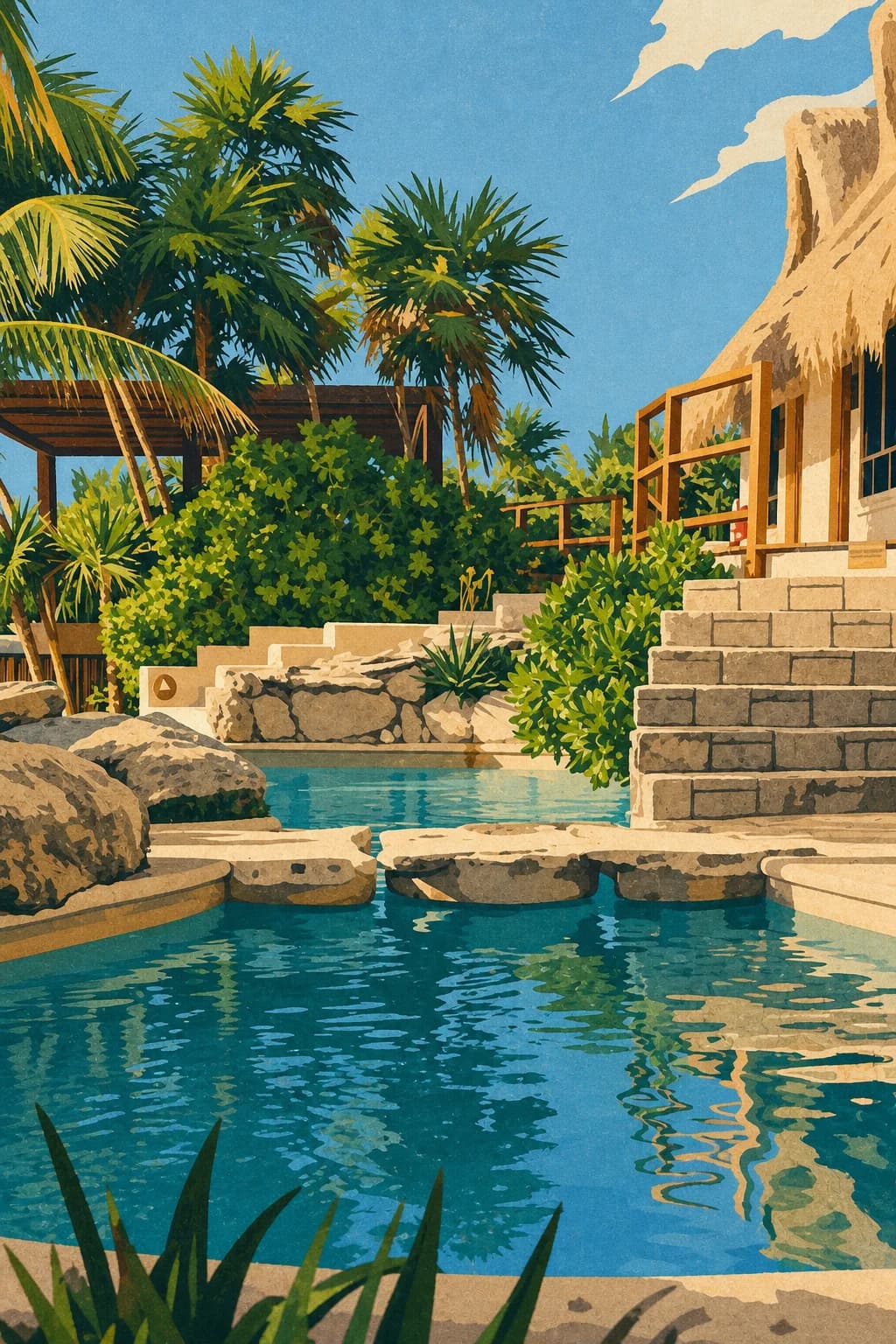
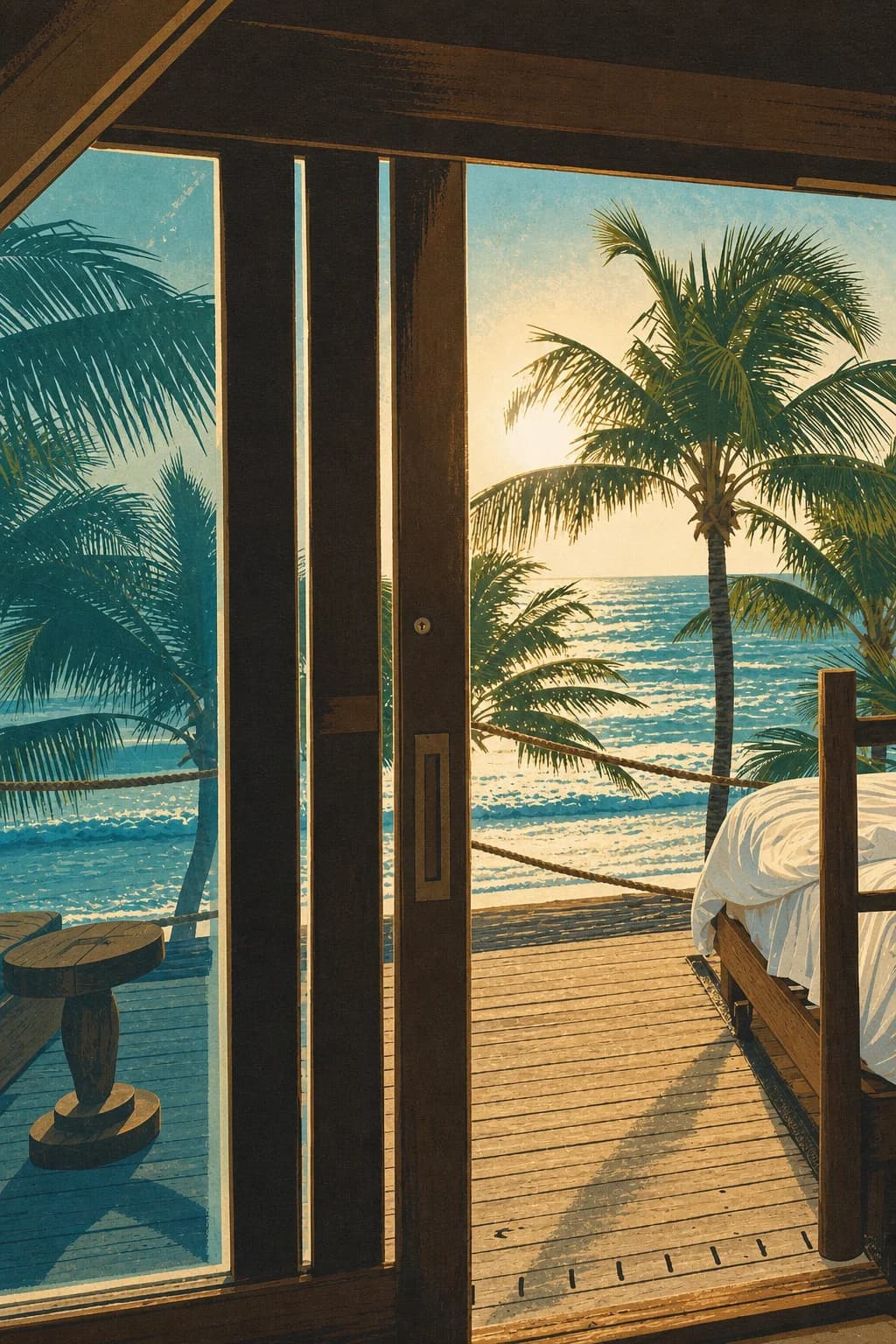
Two signature room types distinguish Ahau from the rest of the beach road. The Bali huts are Indonesian-style thatched cabanas on stilts, and the treehouse rooms climb into the jungle canopy behind the beach. Both were reworked in the 2021 renovation. They photograph differently from every other Tulum room category, which is why the property developed such a heavy Instagram footprint early.
Permaculture, Not Performance
Ahau runs on solar and wind, holds Green Key certification, and was designed using permaculture principles. The eco credentials are not a wellness-brochure afterthought, they are how the buildings actually function. This is one of a handful of beach-road properties where the sustainability story survives a hard look rather than falling apart under it.
talk.
mapped.
“The Ahau Hotel could best be described as eco-chic. An upper-middle-range property that has hosted the likes of Richard Branson, blending handcrafted artwork with rustic architecture.”
record.
Daniel Popper's Ven a la Luz sculpture lives on its grounds, and it is one of the most photographed pieces of contemporary art in Mexico. The hotel opened in 2012 and went through a major renovation in September 2021, after which the Bali huts and treehouse cabanas became the signature room types.
The restaurant Kapok is entirely vegan and holds a MICHELIN Bib Gourmand. Power runs on a solar-wind mix and the property is Green Key certified. It is part of Ahau Collection, which also operates Alaya, Villa Pescadores, and Kanan nearby. The booking friction is mostly sculpture-driven: day-trippers and couples on photo-shoot schedules buy up the front-of-house rooms with the sculpture sightlines, so the quieter back cabanas are the better hold.
changed.
December through March peaks. November is the value window. Avoid September: sargassum and hurricane risk peak together.
Tulum runs on three overlapping forces — weather, crowd density, and sargassum seaweed — and misreading any one of them can wreck a trip. That triangulation matters more here than at almost any other Caribbean destination.
December through March is peak season, and it earns the title. Humidity drops, rain turns rare, and the Caribbean hits its clearest. December carries maximum demand on Christmas and New Year's pricing, while January through March hold steady before a March Spring Break surge fills South Beach Zone properties weeks out. For Ultra or Very High tier properties that book direct only, plan 60 to 90 days ahead — Nomade and Hotel Esencia both manage their own reservations and sell out specific room categories well before arrival.
April is the bridge. Easter and Semana Santa bring a final demand spike, driven largely by Mexican domestic travelers. Once that holiday window closes, both rates and crowds ease.
May through November is where the trade-offs live. Hurricane season officially runs June 1 through November 30, but statistical risk concentrates in September and October, with September carrying a 15 to 20% probability of tropical cyclone activity. June also opens the worst sargassum stretch: the floating brown algae, carried by Atlantic currents, piles onto Tulum's east-facing beaches from roughly May through October, peaking in July and August. Tulum's open coastline orientation means it catches more than Cancun or Playa del Carmen, and University of South Florida forecasts suggest 2026 could be among the heaviest sargassum years on record for the Mexican Caribbean.
Hotels with dedicated beach cleanup crews manage the situation daily; properties without them can have significant accumulation.
September is the genuine low point. Demand bottoms out, hurricane risk peaks, sargassum lingers, and some smaller properties cut hours or close for maintenance. October begins a slow recovery, with Day of the Dead at month's end marking the cultural pivot back toward high season. November is a legitimate value window: sargassum fades, hurricane odds drop sharply, and pricing hasn't yet climbed to December levels.
approach.
briefing.
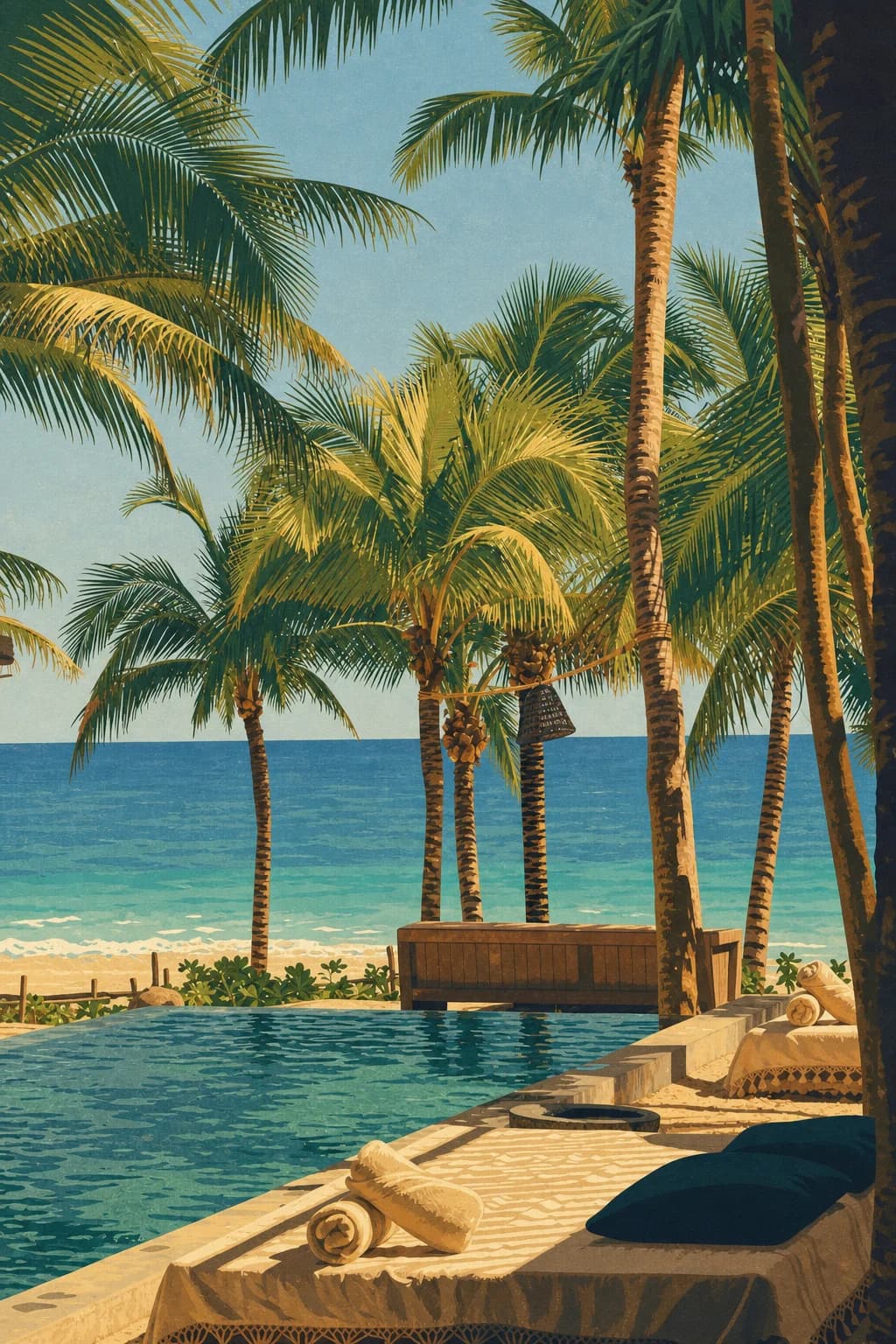
“A collection of cabañas, palapas, and Balinese-style huts set right on the beach with ecologically designed accommodation that feels rustic yet with modern luxuries.”
stands.
demand's going.
The real Instagram following over time, plus where this hotel sits for demand in Tulum. Pick a range, toggle the lines. Followers are reach and demand, not engagement.
assessment.
File closes at VERY HIGH. Book direct two to three months out and skip the entry-level garden rooms. Skip if day-visitor traffic bothers you; ask for a treehouse cabana set back from the beach.
The numbers behind the tiers
Ahau Tulum · SOURCE READINGS · REDACTED- Availability density · sampled
- Monthly search volume · raw
- TikTok hashtag views · raw
- YouTube total views · raw
- TikTok following · latest sweep
- Pinterest saves · latest sweep
More from Tulum.






Get the hotel's Unbookable Score.
Any post or reel with a hotel in it. Booking.com hotel pages work too. One free check, no account needed.