Encantada
Tulum.
6 critic reviews
filed.
Mostly yes. The hype focuses on the smallness and the location, and both are real. What it misses is the material intelligence: this is one of the very few Tulum hotels where every object in the room traces back to a local maker. The missing note is that Encantada has no pool, so if you want a swim that isn't the ocean, you are out of luck.
The Namron cluster effect. Staying at Encantada gives you informal access to the other four Namron properties within walking distance. Booking a dinner at La Valise or a drink at XELA's rooftop becomes a concierge formality rather than a scramble, and it expands your footprint on the beach road without changing hotels.
angles.
The Eleven-Key Constraint
Eleven rooms is not a business decision, it is an identity. Encantada sits on a plot that could fit thirty keys, and the owners chose not to. That choice is why breakfast feels like a dinner party, why staff remember your coffee order by day two, and why everyone on the beach is either staff or guest. It is also why a booking in February requires patience.
Yucatán Crafts, Not Concepts
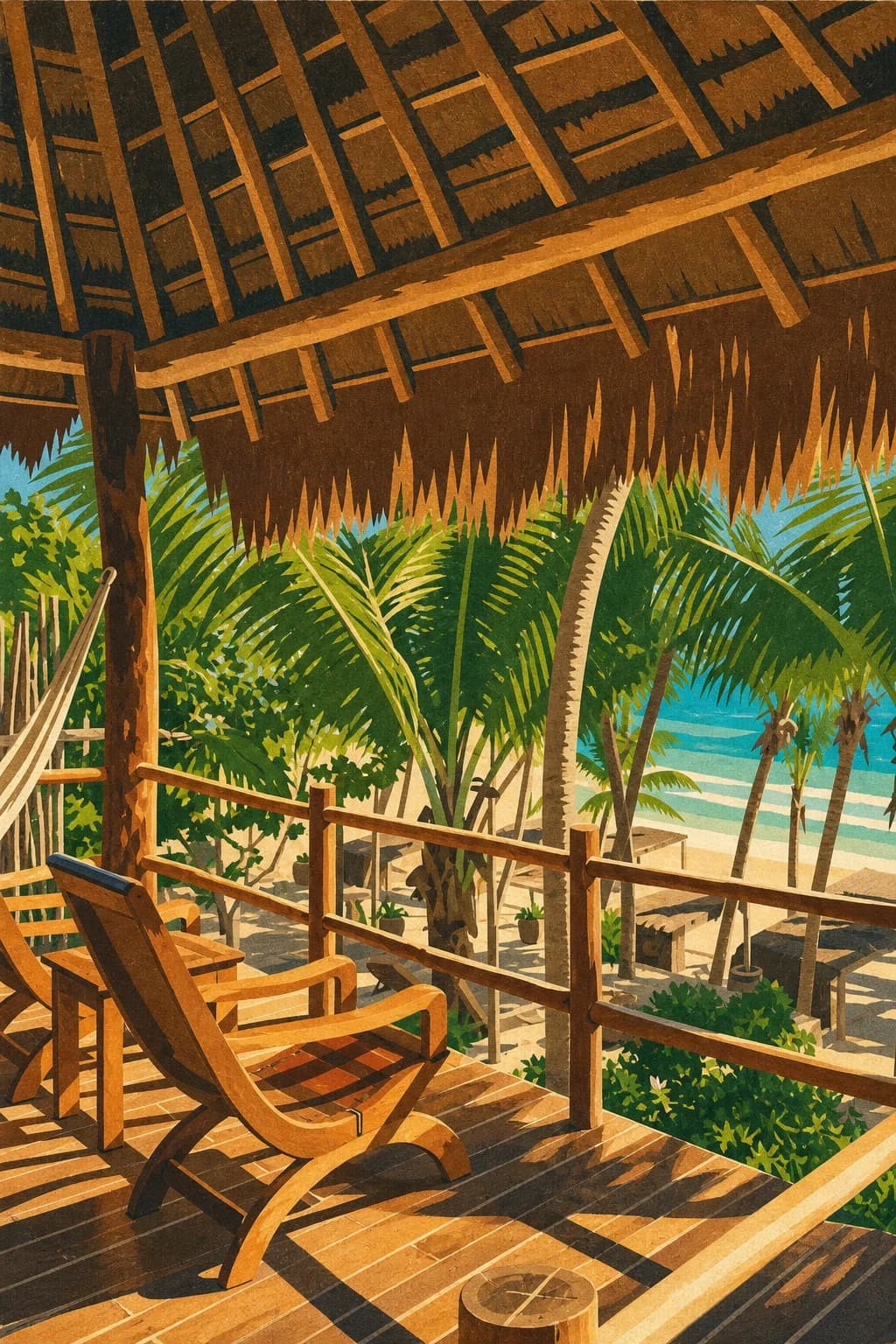
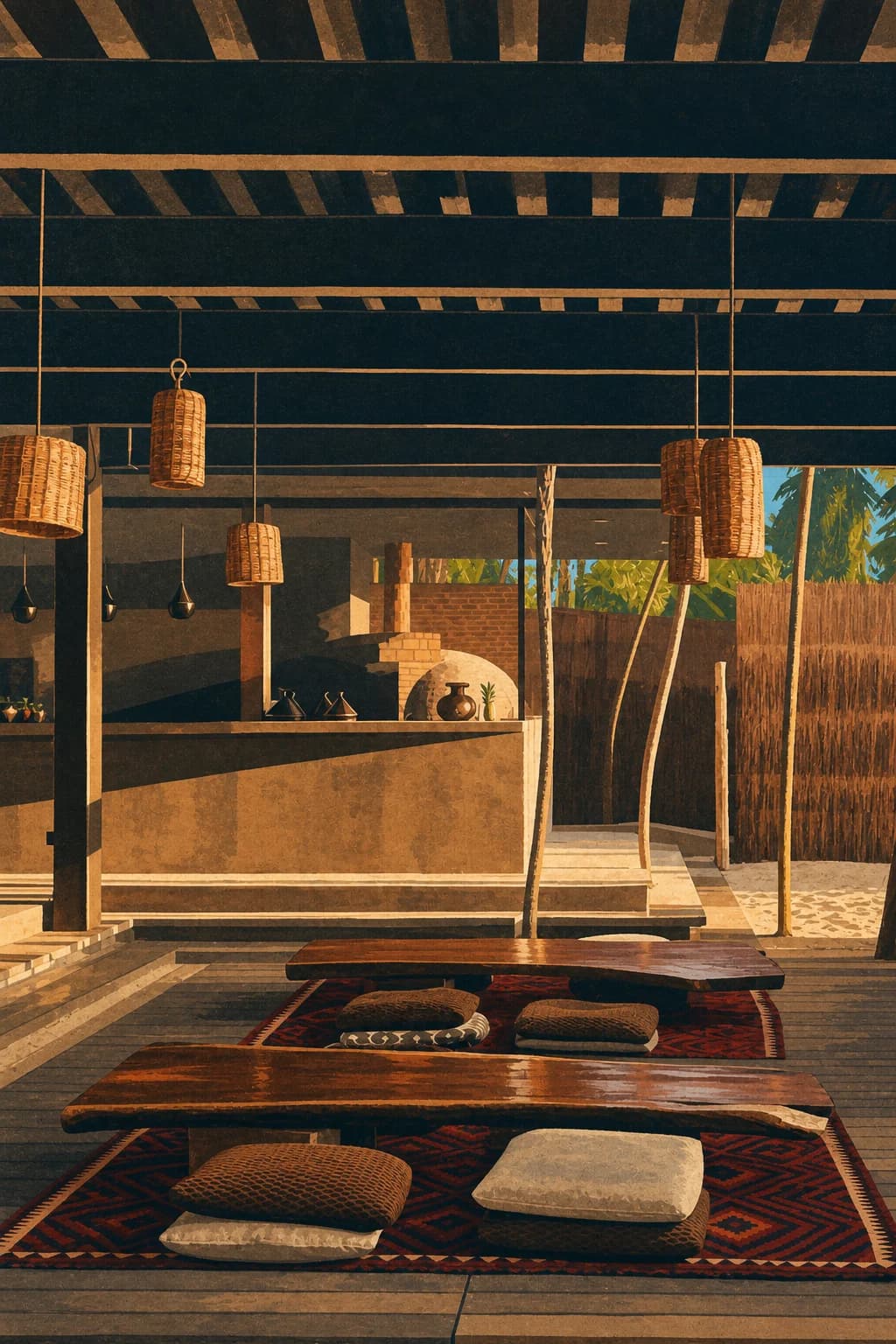
Where newer neighbours lean into Instagram-ready concrete, Encantada was built around the local material economy. Handwoven textiles, Yucatán wood, ceramic work commissioned from regional artisans. The couple's stated goal from 2012 was to preserve local culture through cuisine and goods, and two decades later the result feels like a genuine extension of the region rather than a set dressing for it.
South-End Sian Ka'an Position
Km 8.7 on Boca Paila puts you south enough that you feel the biosphere, not the beach clubs. Walk ten minutes south and you are at the Sian Ka'an gate. Walk ten minutes north and you reach Be Tulum and Nômade. It is the sweet spot on the beach road: close enough to eat well, far enough to sleep in silence.
talk.
mapped.
“Encantada strikes a chord with its distinctly relaxed style. From here, you'll be in one of the best locations to explore Tulum's burgeoning restaurant scene.”
record.
A San Franciscan couple built it in 2012 on an unspoiled slice of beach near Sian Ka'an, put eleven rooms on the sand, and then refused to add more. It is now part of Namron Hospitality's tight south-end cluster alongside La Valise, Nest and XELA, but it still runs like a private house.
Zero Waste Certification in 2023, Yucatán crafts in every room, an adults-only rule that keeps the soundscape to waves and wind. The MICHELIN Guide calls it the smallest hotel on their Tulum list, and the math of eleven keys shared between couples from five continents means peak weeks close out months early.
changed.
December through March peaks. November is the value window. Avoid September: sargassum and hurricane risk peak together.
Tulum runs on three overlapping forces — weather, crowd density, and sargassum seaweed — and misreading any one of them can wreck a trip. That triangulation matters more here than at almost any other Caribbean destination.
December through March is peak season, and it earns the title. Humidity drops, rain turns rare, and the Caribbean hits its clearest. December carries maximum demand on Christmas and New Year's pricing, while January through March hold steady before a March Spring Break surge fills South Beach Zone properties weeks out. For Ultra or Very High tier properties that book direct only, plan 60 to 90 days ahead — Nomade and Hotel Esencia both manage their own reservations and sell out specific room categories well before arrival.
April is the bridge. Easter and Semana Santa bring a final demand spike, driven largely by Mexican domestic travelers. Once that holiday window closes, both rates and crowds ease.
May through November is where the trade-offs live. Hurricane season officially runs June 1 through November 30, but statistical risk concentrates in September and October, with September carrying a 15 to 20% probability of tropical cyclone activity. June also opens the worst sargassum stretch: the floating brown algae, carried by Atlantic currents, piles onto Tulum's east-facing beaches from roughly May through October, peaking in July and August. Tulum's open coastline orientation means it catches more than Cancun or Playa del Carmen, and University of South Florida forecasts suggest 2026 could be among the heaviest sargassum years on record for the Mexican Caribbean.
Hotels with dedicated beach cleanup crews manage the situation daily; properties without them can have significant accumulation.
September is the genuine low point. Demand bottoms out, hurricane risk peaks, sargassum lingers, and some smaller properties cut hours or close for maintenance. October begins a slow recovery, with Day of the Dead at month's end marking the cultural pivot back toward high season. November is a legitimate value window: sargassum fades, hurricane odds drop sharply, and pricing hasn't yet climbed to December levels.
approach.
briefing.
“This place is anything but over-polished, highlighting the hotel's approach as a counterpoint to overdevelopment in Tulum.”
stands.
demand's going.
The real Instagram following over time, plus where this hotel sits for demand in Tulum. Pick a range, toggle the lines. Followers are reach and demand, not engagement.
assessment.
File closes at HIGH. Book direct four to five months out for December through March, or take May or November for shoulder value. Skip if you skim OTAs; Namron holds best inventory for direct guests.
The numbers behind the tiers
Encantada Tulum · SOURCE READINGS · REDACTED- Availability density · sampled
- Monthly search volume · raw
- TikTok hashtag views · raw
- YouTube total views · raw
- TikTok following · latest sweep
- Pinterest saves · latest sweep
More from Tulum.






Get the hotel's Unbookable Score.
Any post or reel with a hotel in it. Booking.com hotel pages work too. One free check, no account needed.