Casa
Malca.
8 critic reviews
filed.
The art, the grotto pool, and the press coverage are all genuine and the property delivers an experience nothing else on the beach road is trying to replicate. Where the hype overreaches is on the Escobar story, which is more lobby conversation than verified history, and on exclusivity, because at 71 rooms this is firmly a medium-large hotel.
Almost nobody talks about Philosophy, the locavore restaurant on property, as a destination in its own right, but it is the strongest farm-to-table kitchen on the beach road and a reservation worth making even if you are staying elsewhere in Tulum for the week.
angles.
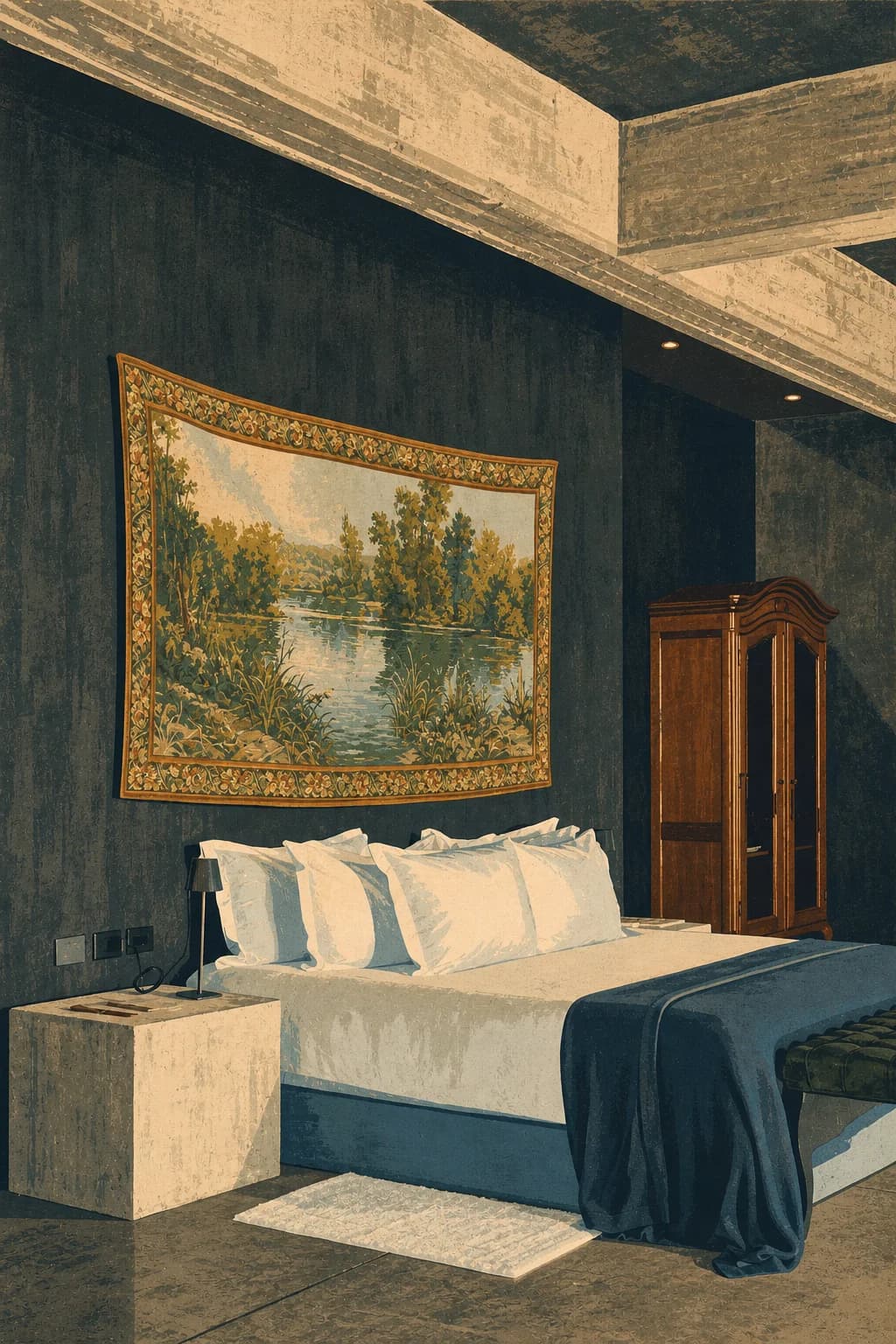
A contemporary art collection you sleep in
Casa Malca is not a hotel with art on the walls, it is an art collection that also rents rooms. Owner Lio Malca runs a serious New York gallery and the works hanging in the lobby, corridors, and restaurants rotate out of his personal collection. AFAR and Tablet Hotels both cover it as a gallery project first and a hotel second.
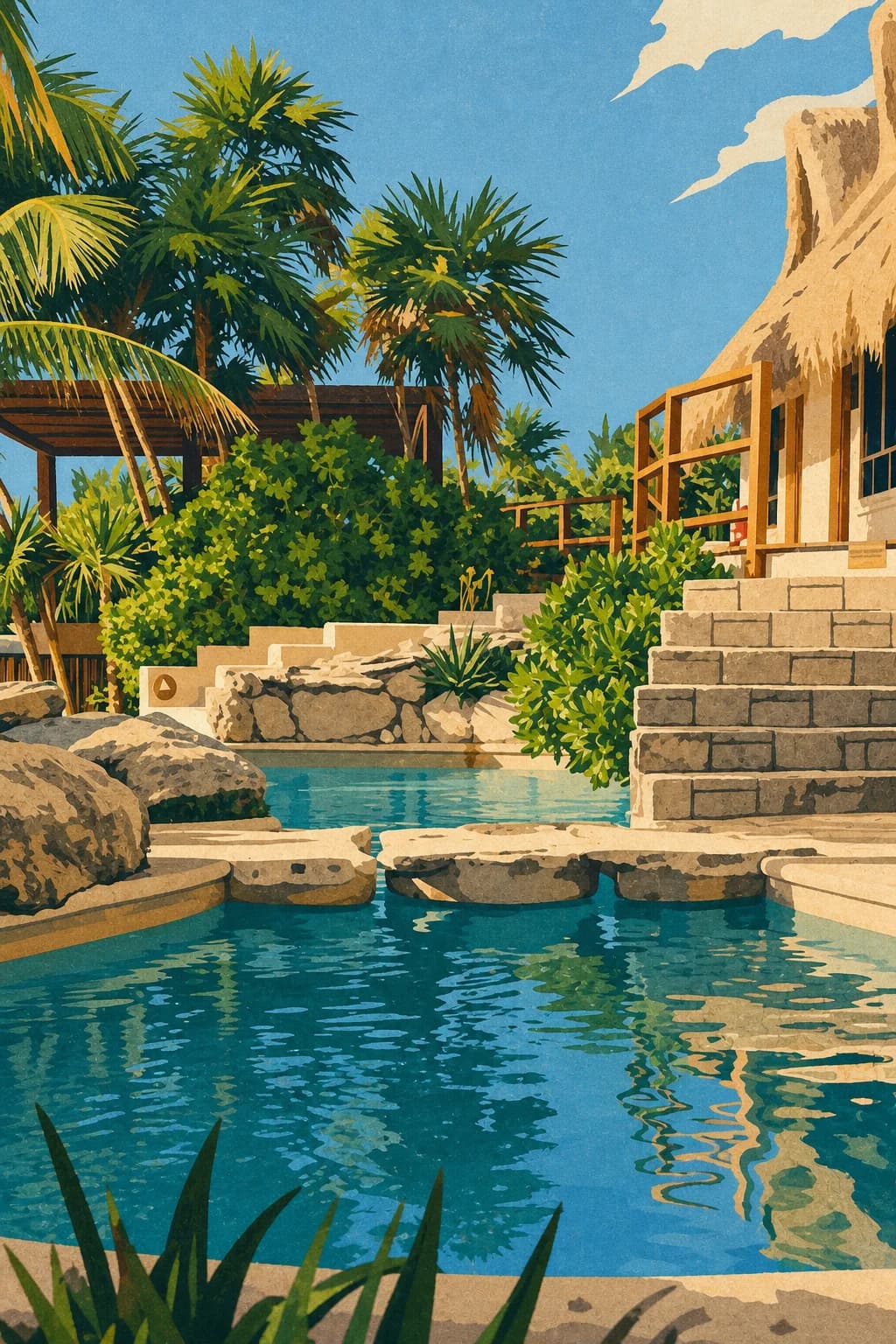
The underground grotto pool
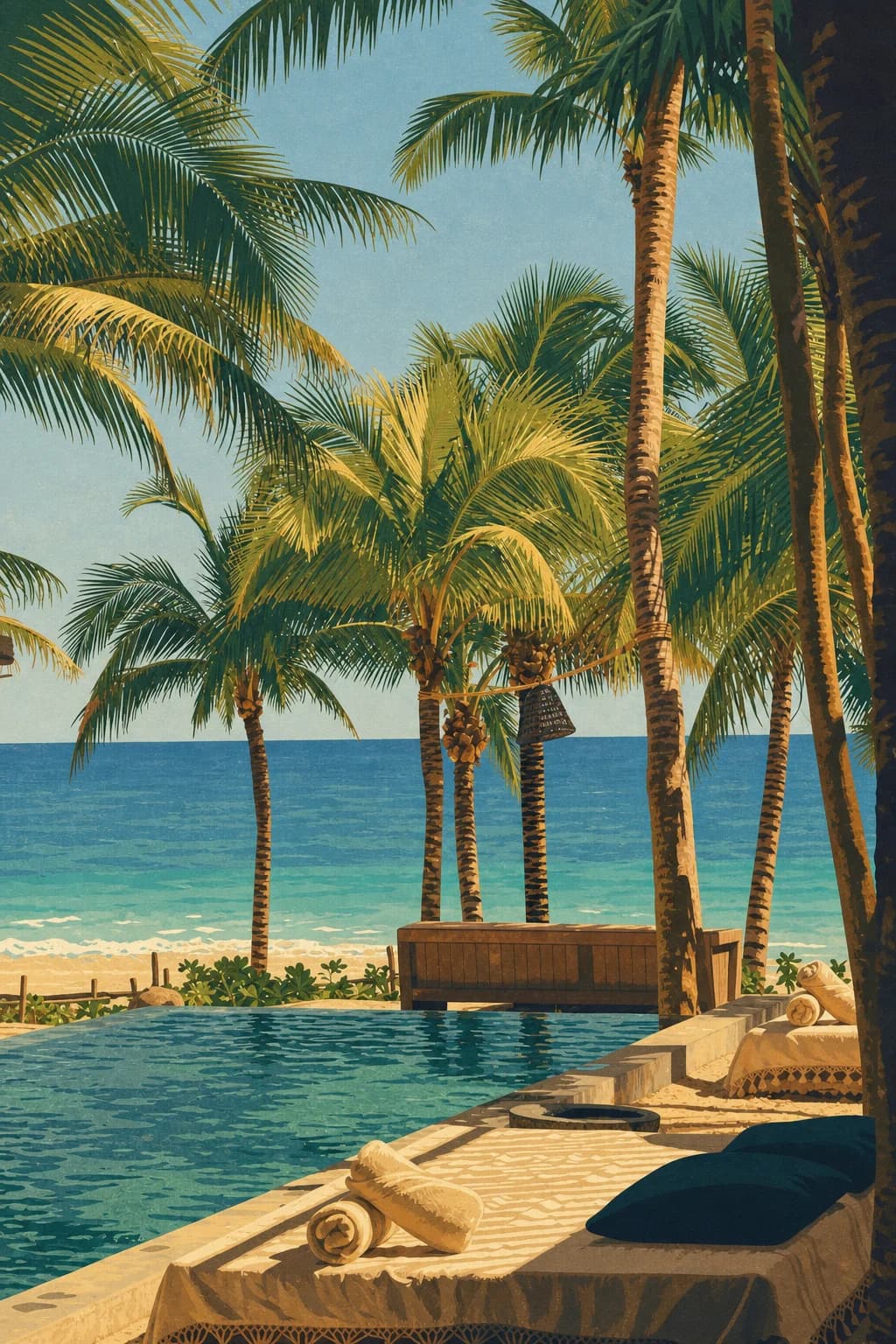
Beneath the main house is a subterranean pool lit from above, one of the most photographed swimming spaces on the entire Tulum coast. It is the detail Dezeen built its 2017 architecture feature around. Add the two open-air pools and the beach, and guests have four different swims to choose from, which is an unusually generous configuration for a 71-room property and part of why the hotel never feels as big as its room count suggests.
Three kitchens including a lunchtime sushi bar
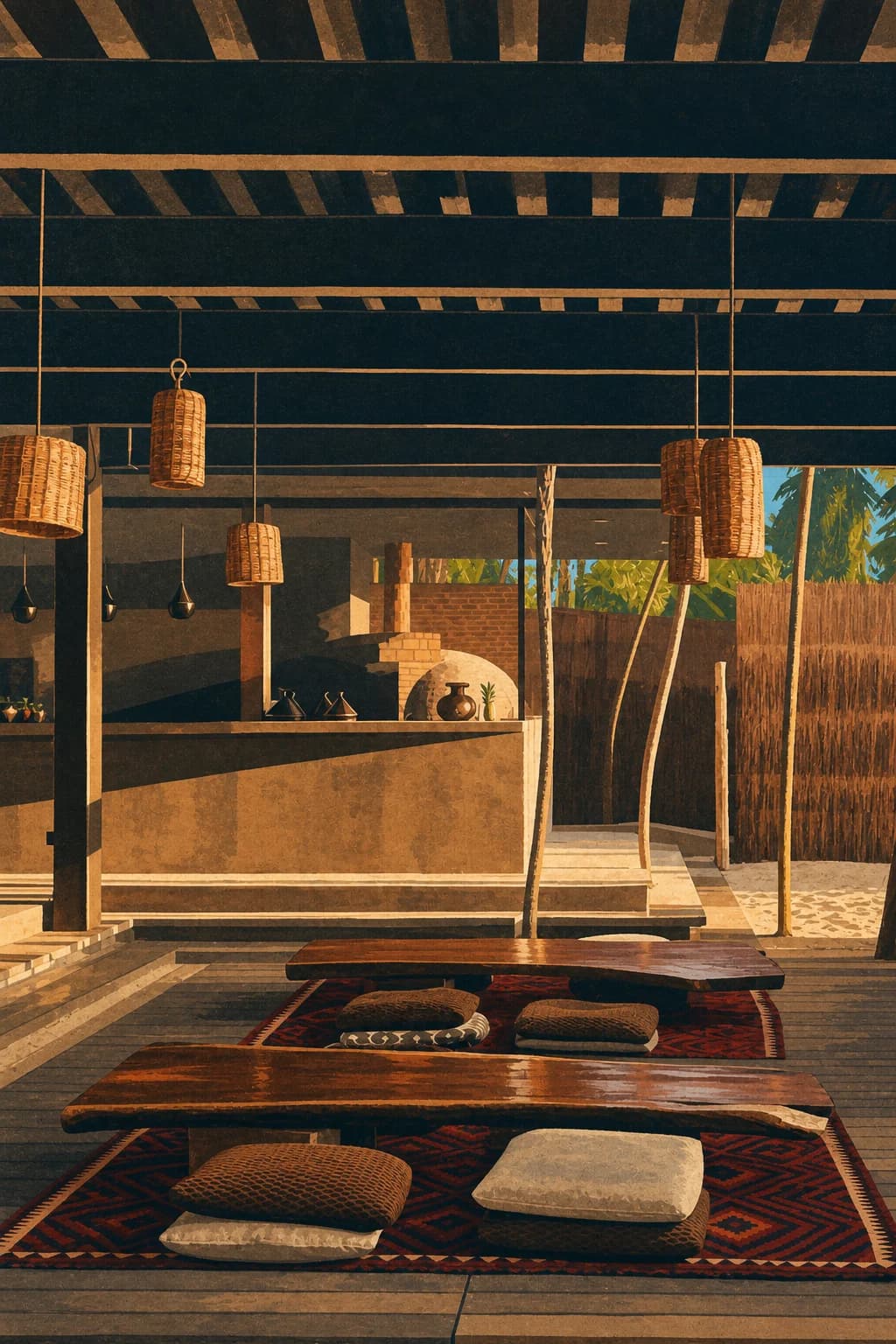
Casa Malca runs three restaurants on site: Philosophy, which handles the main locavore evening menu, plus Ambrosia, a lunchtime sushi joint that's become a quiet favorite with guests, and a third beachside venue. Having a sushi option at lunch on a Tulum beach day is underrated, and it is part of why guests rarely leave the property for meals unless they are doing a specific restaurant pilgrimage.
talk.
mapped.
“Reported to be drug baron Pablo Escobar's former hideaway, now a cool beachfront boutique with artworks from Lio Malca's personal collection.”
record.
Casa Malca opened in 2014 with nine rooms and expanded to its current footprint by 2017. Works by KAWS, Keith Haring, Basquiat, Kenny Scharf, and Jeff Koons hang throughout.
Three pools including an underground grotto under the main house, three restaurants, a Design Hotels membership, and heavy press coverage across outlets including AFAR, Tablet Hotels, and U.S. News. It is also one of the larger beach hotels in the zone, which means it is more available than the 20-room boutiques next door but sells out fast around Art Week and New Year.
changed.
December through March peaks. November is the value window. Avoid September: sargassum and hurricane risk peak together.
Tulum runs on three overlapping forces — weather, crowd density, and sargassum seaweed — and misreading any one of them can wreck a trip. That triangulation matters more here than at almost any other Caribbean destination.
December through March is peak season, and it earns the title. Humidity drops, rain turns rare, and the Caribbean hits its clearest. December carries maximum demand on Christmas and New Year's pricing, while January through March hold steady before a March Spring Break surge fills South Beach Zone properties weeks out. For Ultra or Very High tier properties that book direct only, plan 60 to 90 days ahead — Nomade and Hotel Esencia both manage their own reservations and sell out specific room categories well before arrival.
April is the bridge. Easter and Semana Santa bring a final demand spike, driven largely by Mexican domestic travelers. Once that holiday window closes, both rates and crowds ease.
May through November is where the trade-offs live. Hurricane season officially runs June 1 through November 30, but statistical risk concentrates in September and October, with September carrying a 15 to 20% probability of tropical cyclone activity. June also opens the worst sargassum stretch: the floating brown algae, carried by Atlantic currents, piles onto Tulum's east-facing beaches from roughly May through October, peaking in July and August. Tulum's open coastline orientation means it catches more than Cancun or Playa del Carmen, and University of South Florida forecasts suggest 2026 could be among the heaviest sargassum years on record for the Mexican Caribbean.
Hotels with dedicated beach cleanup crews manage the situation daily; properties without them can have significant accumulation.
September is the genuine low point. Demand bottoms out, hurricane risk peaks, sargassum lingers, and some smaller properties cut hours or close for maintenance. October begins a slow recovery, with Day of the Dead at month's end marking the cultural pivot back toward high season. November is a legitimate value window: sargassum fades, hurricane odds drop sharply, and pricing hasn't yet climbed to December levels.
approach.
briefing.
“At first glance, Casa Malca is just another hippie-chic Tulum hotel: sunrise yoga, hammocks on the beach, and pop art in the restaurant.”
stands.
demand's going.
The real Instagram following over time, plus where this hotel sits for demand in Tulum. Pick a range, toggle the lines. Followers are reach and demand, not engagement.
assessment.
File closes at VERY HIGH. Book three to four months out and avoid Art Basel week in early December. Skip if a resort row is what you want; the main house is the actual reason to come.
The numbers behind the tiers
Casa Malca · SOURCE READINGS · REDACTED- Availability density · sampled
- Monthly search volume · raw
- TikTok hashtag views · raw
- YouTube total views · raw
- TikTok following · latest sweep
- Pinterest saves · latest sweep
More from Tulum.


Get the hotel's Unbookable Score.
Any post or reel with a hotel in it. Booking.com hotel pages work too. One free check, no account needed.