Bukchon Binkwan
by Rakkojae.
3 critic reviews
filed.
The quiet the reviewer described is genuine, and staying inside Bukchon rather than visiting it is the real upgrade. Just go in knowing it is a small traditional house with hanok tradeoffs, not a hotel.
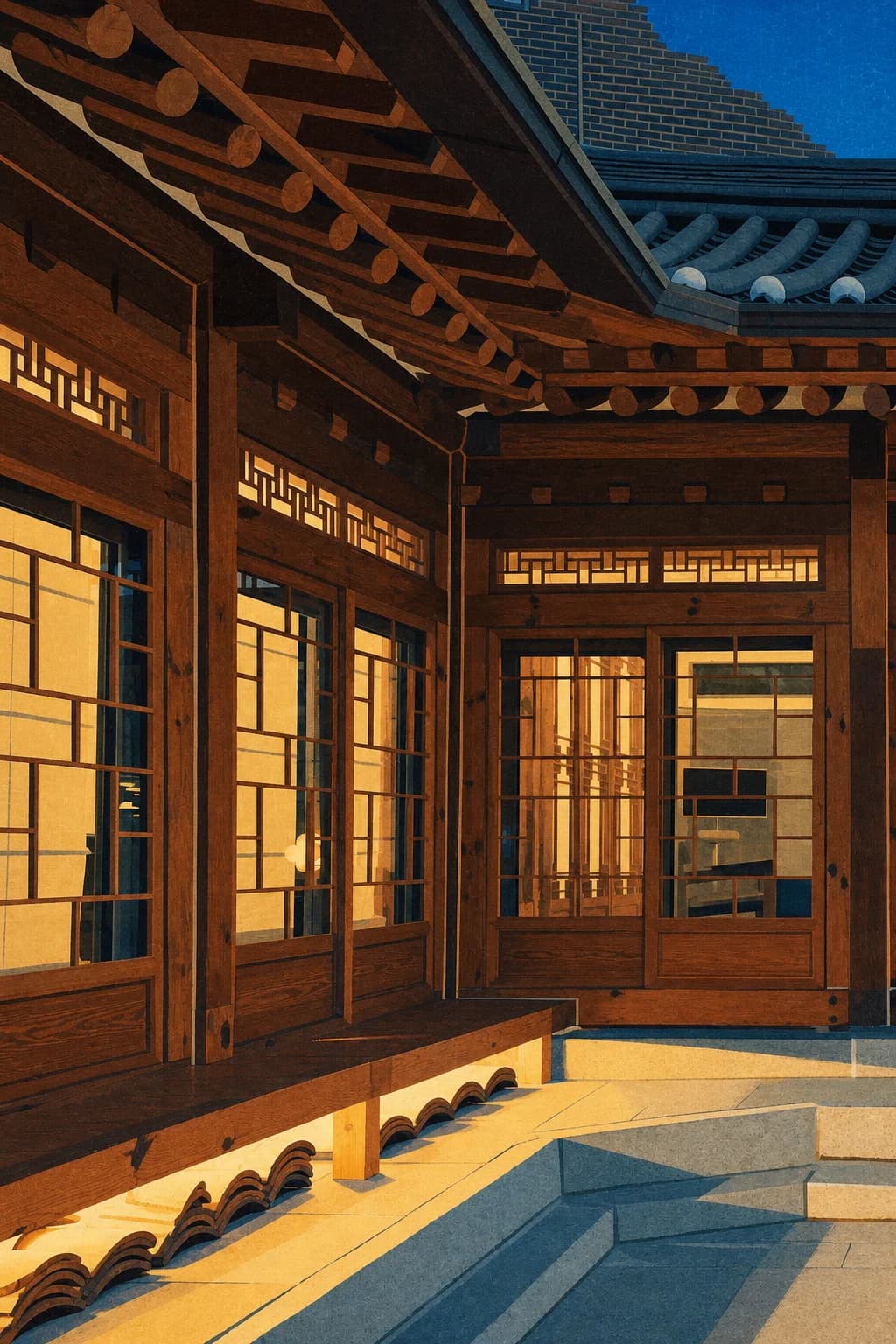
A three-room courtyard house behind the walls of Seoul's busiest hanok lanes, where guests get the slope at dawn and dusk while day visitors only ever see it at its most crowded.
angles.
A RESPITE FROM THE NOISE.
In a neighbourhood that draws crowds all day, the quiet is the product. Behind the courtyard walls the street noise drops away, and a hanok's timber and paper construction makes for a calm, low-lit kind of stillness that a city hotel rarely manages. You feel the difference most in the early morning and after dark, when the lanes outside empty and the house keeps its own slower pace.
THE RAKKOJAE NAME.
The house belongs to the Rakkojae collection, the group behind the Rakkojae Seoul flagship. This is the smaller sister, not the flagship, but the lineage tells you how it is run: hanok hospitality is the group's whole specialism, not a side project. For a traveller weighing an independent guesthouse against a house with an established operator behind it, that backing is a genuine point of reassurance.
ON THE BUKCHON SLOPE.
The address sits in Bukchon Hanok Village, the lane-laced slope between Gyeongbokgung and Changdeokgung that is the picture most people carry of old Seoul. Staying inside it changes the visit: you get the early mornings and late evenings, before and after the day-trippers, when the alleys are quiet and the rooflines do their best work. Both palaces and the galleries of Samcheong-dong are a short walk downhill.
talk.
mapped.
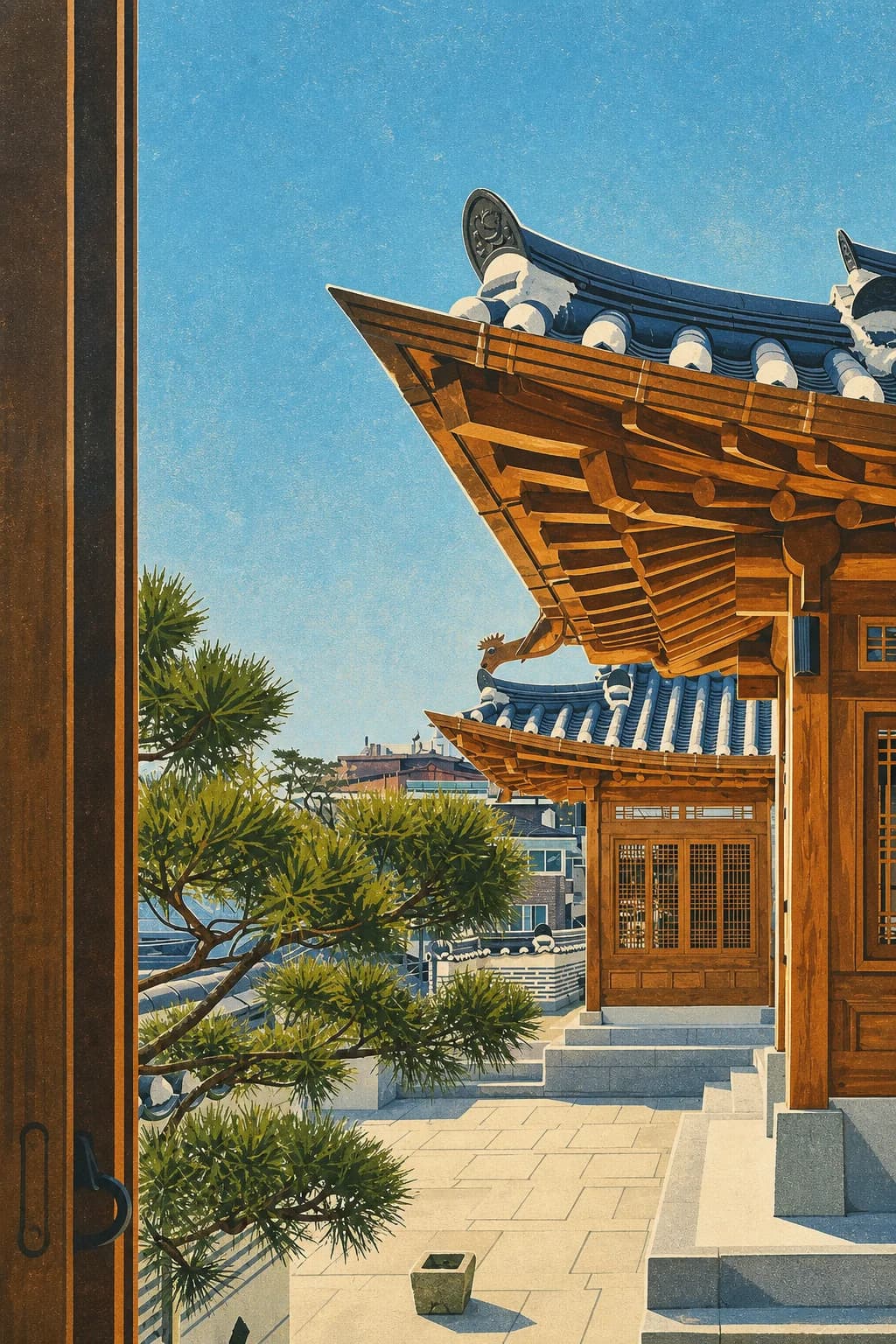
“The hanok was majestic. It was built over 100 years ago but has been rejuvenated, blending traditional light brown wood with modern concrete walls.”
record.
It belongs to the Rakkojae collection, the group behind the better-known Rakkojae Seoul flagship, though this is a separate, smaller house rather than the flagship itself. A hanok is a traditional courtyard home of timber and paper screens, and at three rooms this one is intimate by any measure.
One reviewer, writing for Middle Class, found that "Bukchon Binkwan by Rakkojae provided a comfortable experience, acting as a respite from the usual noise of the city." That respite is the pitch: a quiet courtyard in a neighbourhood that fills with day visitors and empties again by evening. The Google rating is high across a modest set of reviews, and rooms open on most nights through the usual channels, so this is a stay you can plan rather than chase.
changed.
Seoul's demand curve tracks two things travelers chase and one they flee. They chase the cherry blossom window in April and the maple-and-ginkgo turn in October — the two visual set-pieces that drive the city to its yearly peaks, with May riding the tail of spring into Seoul's most comfortable stretch. What they flee is the summer: July and August collapse into the monsoon and a wet, heavy heat that pushes demand to its annual low, even though the city never closes and the air-conditioned interiors of Gangnam and Myeongdong barely register the season.
The shoulder months are where the real strategy lives. March and November sit just below peak, and both are genuinely undervalued. March catches the pre-blossom palace quiet before the crowds land; November delivers crisp, dry, blue-sky weather after the foliage tourists have gone home. September is the same bet on the back end of summer.
If your trip is flexible, these are the months where the scarce hanok stays and downtown boutiques are reachable without booking a full season out.
For the peaks, lead time is everything — and it's sharpest where the rooms are fewest. A five-room hanok like Rakkojae Seoul or an eight-room stay like arr.dep. can sell out its April and October dates months ahead, because the cherry-blossom and autumn windows concentrate the entire year's demand into a few weeks against a room count that never grows. The larger design hotels and Gangnam boutiques give you more runway, but even Hotel28 Myeongdong tightens noticeably around the blossom peak.
December through February is the contrarian's season. Cold and dry, but clear, cheaper, and paired with the city's best indoor life — its bathhouses, night markets, and endless barbecue. Nothing shuts down. If you can handle the temperature, this is when Seoul is most bookable and least crowded, and when even the scarce rooms open up.
Time the visit to the neighborhood you want, then book the scarce end of the roster first. The hanoks and small boutiques set the pace; everything larger follows. Get those locked, and the rest of the trip falls into place around them.
approach.
briefing.
“Rakkojae Hanok Collection has opened Bukchon Binkwan, a new urban sanctum that boasts the most pristine views in Bukchon Hanok Village.”
stands.
demand's going.
The real Instagram following over time, plus where this hotel sits for demand in Seoul. Pick a range, toggle the lines. Followers are reach and demand, not engagement.
assessment.
File closes at ACCESSIBLE. Rooms open most nights via rakkojae.com and the usual channels, so book a few weeks ahead and the three-room count rarely bites. Skip if you only want to visit Bukchon rather than wake inside it, because that quiet courtyard at dawn is the whole point.
The numbers behind the tiers
Bukchon Binkwan by Rakkojae · SOURCE READINGS · REDACTED- Availability density · sampled
- Monthly search volume · raw
- TikTok hashtag views · raw
- YouTube total views · raw
- TikTok following · latest sweep
- Pinterest saves · latest sweep
More from Seoul.
Get the hotel's Unbookable Score.
Any post or reel with a hotel in it. Booking.com hotel pages work too. One free check, no account needed.