Ananti at
Gangnam.
4 critic reviews
filed.
Mostly, yes. The design is the real draw and it delivers in person, from the brick arches to the duplex lofts, and having four restaurants on site is a genuine convenience. Just go in wanting calm and architecture, not nightlife or a view-from-the-clouds tower.
Somewhat. As Ananti Group's first branded hotel it has drawn design-press attention and a steady stream of photo-led reviews, so it is not a secret. But it stays quieter than Seoul's big-name luxury towers, and plenty of visitors still book those on autopilot instead.
angles.
Brick and hush, not glitz
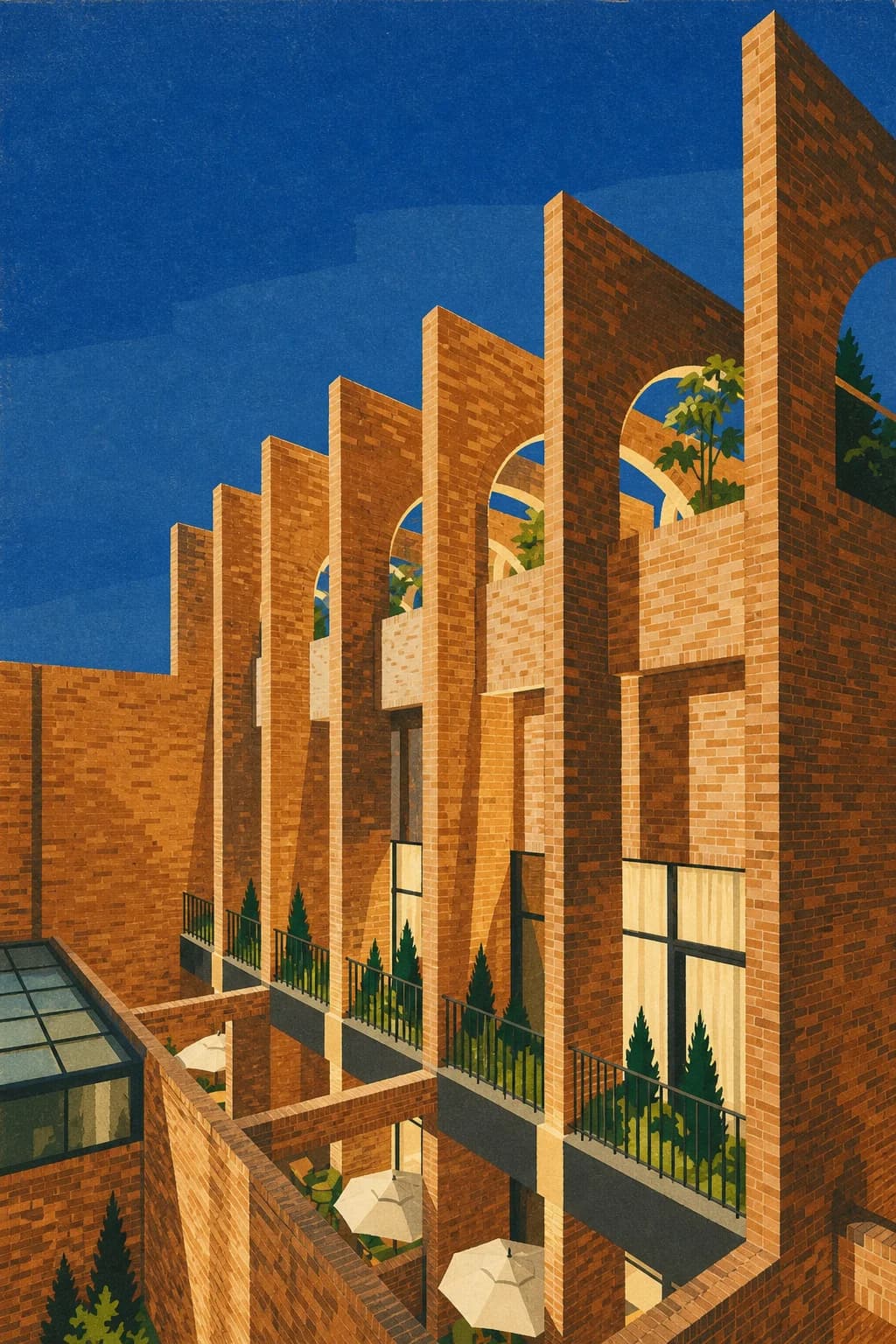
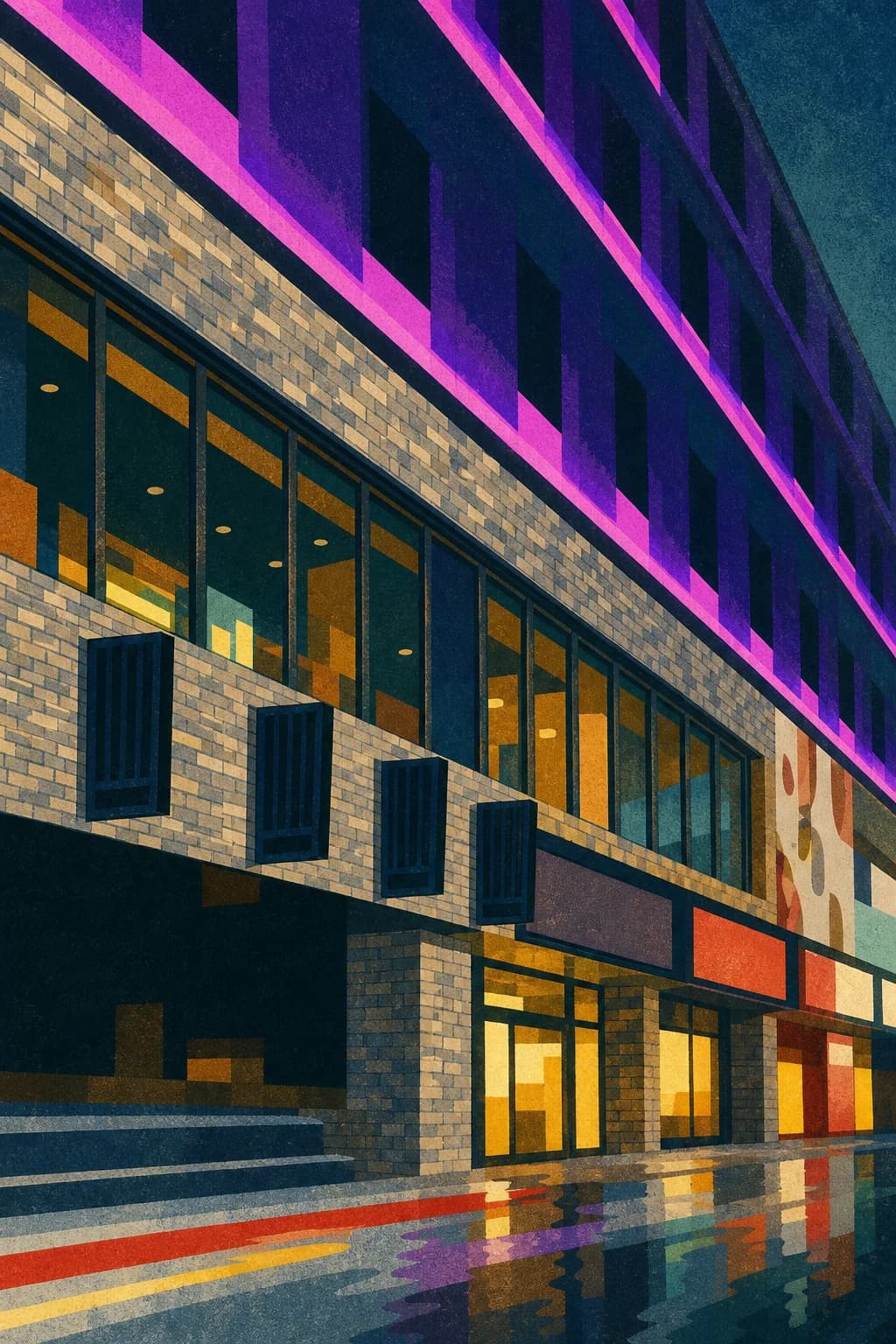
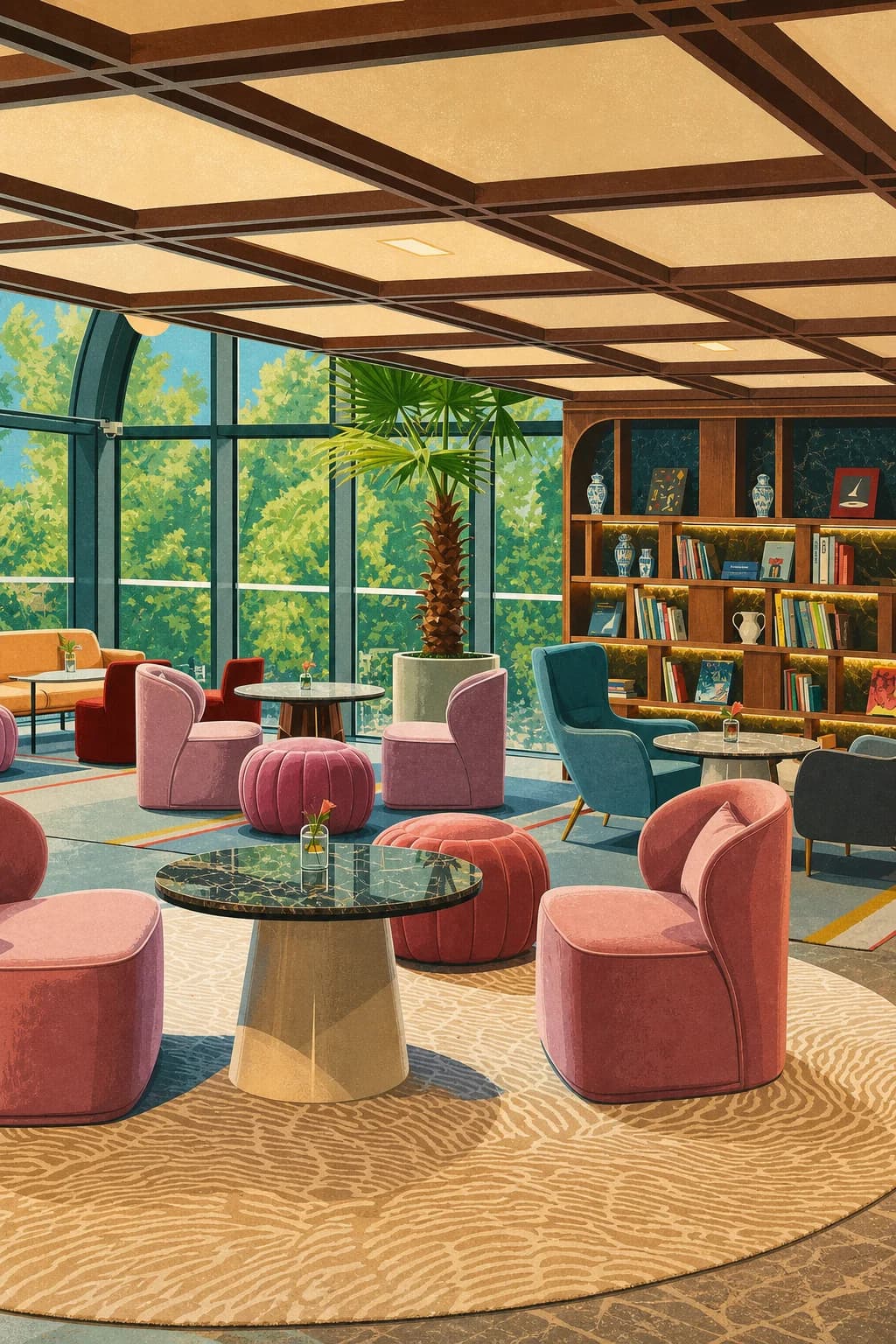
SKM Architects, led by Ken Sungjin Min, skipped the marble-and-chrome playbook that defines most of the district. Instead you get arched red brick, crystal chandeliers, curved corridors and soft lighting, a look SPACE magazine ran as a design feature in November 2023. The indoor pool, wrapped in brick arches, is the piece everyone photographs. It reads as calm first, luxury second.
Four restaurants, one seafood standout
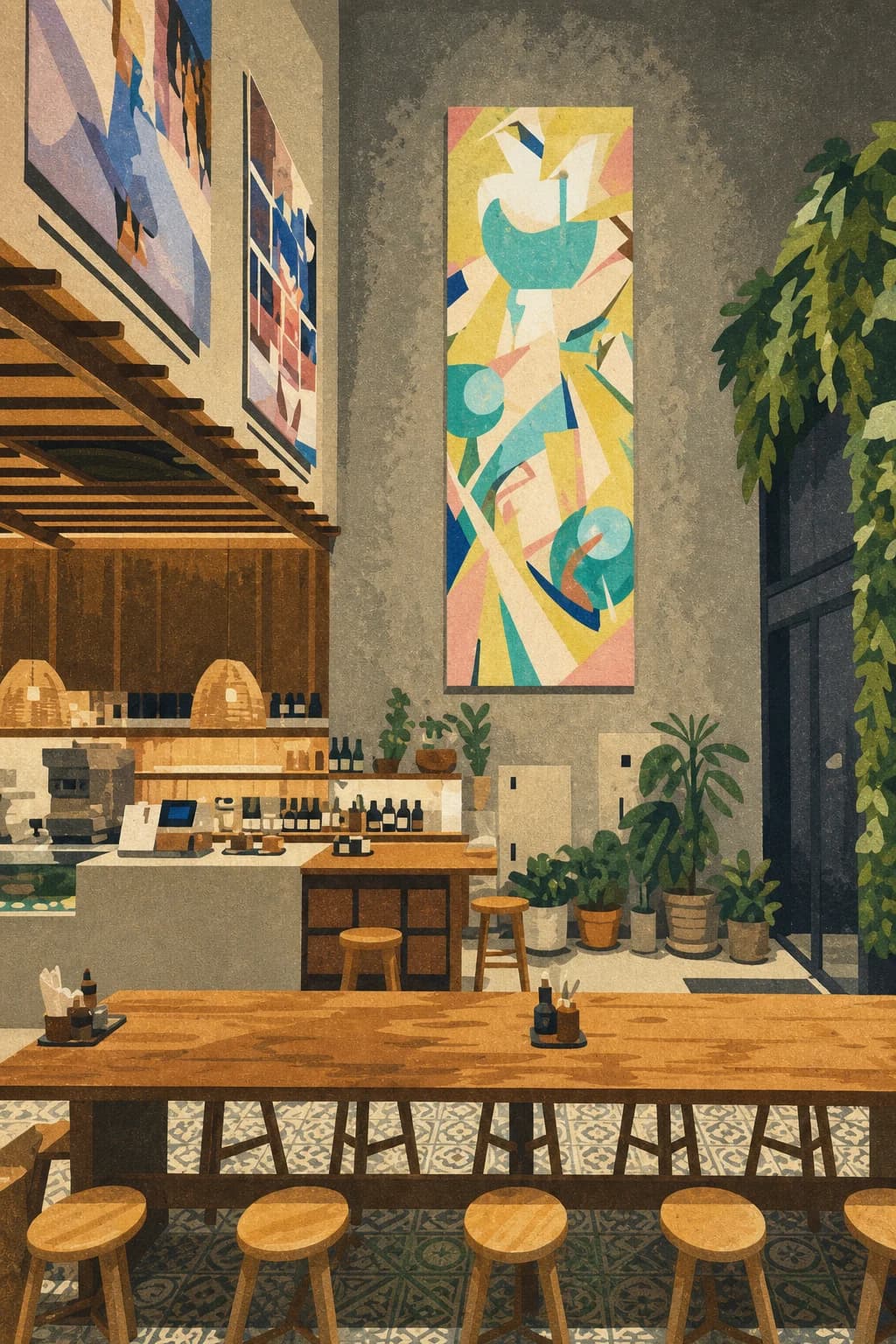
You could eat every meal without leaving. Poissons handles seafood for breakfast and dinner, Beckett is the bakery cafe for pastries and coffee, Viande covers charcuterie and deli plates, and Salon de Kenji is an adults-only reservation lounge for a quieter nightcap. It is more range than a 118-room hotel usually bothers with, and it means you are not forced out into Gangnam every night.
Dosan Park on your doorstep
This corner of Gangnam, around Apgujeong and Cheongdam, is the city's design-and-fashion belt. Dosan Park is a short walk for morning coffee under the trees, Garosu-gil's boutiques and cafes are close, and the COEX complex sits nearby for when you want scale. Hak-dong Station on Line 7 is about five minutes on foot, so the whole city is one transfer away.
talk.
mapped.
“The orange and green complimented each other and I would commend the interior designer and architect for creating such a cozy space that is balanced with space and functionality.”
record.
This one lowers its voice and makes you lean in. Behind arched red brick and crystal chandeliers, Ananti at Gangnam feels like a monastery someone smuggled into Seoul's loudest district, all curved hallways, warm light, and a hush you can almost hear. It is Ananti Group's first branded hotel, arriving after years of members-only resorts in Gijang and Gapyeong, and it was designed by SKM Architects under Ken Sungjin Min.
Every one of the 118 rooms is a two-story loft: living room and kitchen below, a bedroom with high sloped ceilings above, floor-to-ceiling glass pulling the city in. The indoor pool, ringed in brick arches, might be the most photographed room in the building. The good weekends fill fast when the weather turns, so plan ahead for the quiet version.
changed.
Seoul's demand curve tracks two things travelers chase and one they flee. They chase the cherry blossom window in April and the maple-and-ginkgo turn in October — the two visual set-pieces that drive the city to its yearly peaks, with May riding the tail of spring into Seoul's most comfortable stretch. What they flee is the summer: July and August collapse into the monsoon and a wet, heavy heat that pushes demand to its annual low, even though the city never closes and the air-conditioned interiors of Gangnam and Myeongdong barely register the season.
The shoulder months are where the real strategy lives. March and November sit just below peak, and both are genuinely undervalued. March catches the pre-blossom palace quiet before the crowds land; November delivers crisp, dry, blue-sky weather after the foliage tourists have gone home. September is the same bet on the back end of summer.
If your trip is flexible, these are the months where the scarce hanok stays and downtown boutiques are reachable without booking a full season out.
For the peaks, lead time is everything — and it's sharpest where the rooms are fewest. A five-room hanok like Rakkojae Seoul or an eight-room stay like arr.dep. can sell out its April and October dates months ahead, because the cherry-blossom and autumn windows concentrate the entire year's demand into a few weeks against a room count that never grows. The larger design hotels and Gangnam boutiques give you more runway, but even Hotel28 Myeongdong tightens noticeably around the blossom peak.
December through February is the contrarian's season. Cold and dry, but clear, cheaper, and paired with the city's best indoor life — its bathhouses, night markets, and endless barbecue. Nothing shuts down. If you can handle the temperature, this is when Seoul is most bookable and least crowded, and when even the scarce rooms open up.
Time the visit to the neighborhood you want, then book the scarce end of the roster first. The hanoks and small boutiques set the pace; everything larger follows. Get those locked, and the rest of the trip falls into place around them.
approach.
briefing.
“The entire hotel had this quiet, architectural vibe with warm brick, soft lighting, and curved hallways that made it feel really peaceful.”
stands.
demand's going.
The real Instagram following over time, plus where this hotel sits for demand in Seoul. Pick a range, toggle the lines. Followers are reach and demand, not engagement.
assessment.
File closes at ACCESSIBLE. Bookable with a little planning, and worth it if you want architecture and calm over a skyline suite. Book the higher-floor loft direct, dodge blossom weekends, and skip it if you need nightlife or a family base.
The numbers behind the tiers
Ananti at Gangnam · SOURCE READINGS · REDACTED- Availability density · sampled
- Monthly search volume · raw
- TikTok hashtag views · raw
- YouTube total views · raw
- TikTok following · latest sweep
- Pinterest saves · latest sweep
More from Seoul.


Get the hotel's Unbookable Score.
Any post or reel with a hotel in it. Booking.com hotel pages work too. One free check, no account needed.