Andaz Seoul
Gangnam.
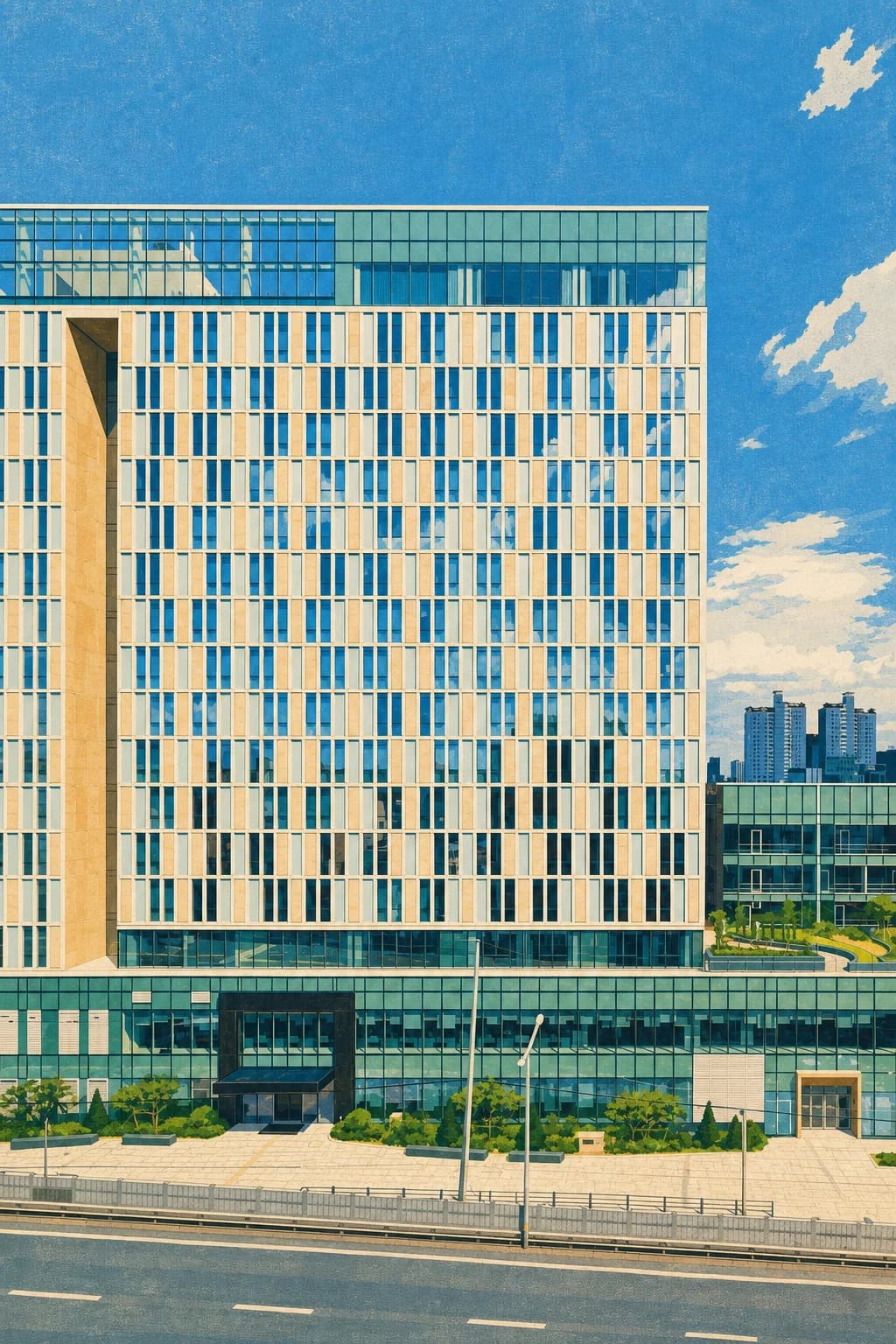
3 critic reviews
filed.
Mostly yes, if you weight design and location over history. The Piet Boon rooms and the Apgujeong address deliver, and the dining is better than most hotel food in the city. Just know you are buying into Gangnam, not a view of a palace.
Not quite. It is a Hyatt lifestyle flag with a real following and steady press since it opened in 2019. But among Western travellers fixated on old Seoul north of the river, it stays quietly overlooked, which works in your favour on availability.
angles.
Bojagi cloth as blueprint
Every one of the 241 rooms traces back to bojagi, the patchwork cloth Korean households once stitched from scraps. Studio Piet Boon translated that into diagonal walls, Turkish blue and ochre tones, and floor-to-ceiling windows that pour light across the room. The result reads calm and modern rather than themed, and the odd angles make even the entry-level rooms feel larger than the square footage suggests.
Three kitchens, one room
Jogakbo takes its cue from Apgujeong's gourmet alley and splits into three zones: Bites & Wine, Jogakbo Kitchen, and Meat & Co. Steakhouse. The steakhouse grills local Hanwoo and American cuts in a Pira charcoal oven, with live jazz on Friday evenings. You watch the ingredients worked in open kitchens, which turns dinner into something closer to theatre than a standard hotel meal.
Wired into Apgujeong Station
The hotel connects straight into Apgujeong Station, which in Seoul terms is a genuine luxury: you skip the summer humidity and winter cold entirely. Above ground you are among Cheongdam's fashion flagships, the galleries and boutiques of Apgujeong, and the tree-lined cafes of Garosu-gil in nearby Sinsa-dong. It is the part of the city Seoul goes to for beauty, shopping, and long lunches.
talk.
mapped.
“The hotel is directly connected to the Apgujeong Metro Station in Seoul (Of course we still got a little lost trying to find the hotel on our first day, but then we figured it out).”
record.
Studio Piet Boon designed every room around bojagi, the traditional Korean patchwork cloth, then set it in Turkish blue and ochre with diagonal walls that quietly stretch the space. It opened in September 2019 as the 21st Andaz in the world and the fourth in Asia, the first the brand built in South Korea.
What you get is a hotel wired directly into Apgujeong Station, with the fashion houses of Cheongdam and the cafes of Garosu-gil a short walk away, and a rooftop bar aimed straight down the Han River. It stays genuinely bookable most of the year, but peak seasons tighten fast, so plan ahead.
changed.
Seoul's demand curve tracks two things travelers chase and one they flee. They chase the cherry blossom window in April and the maple-and-ginkgo turn in October — the two visual set-pieces that drive the city to its yearly peaks, with May riding the tail of spring into Seoul's most comfortable stretch. What they flee is the summer: July and August collapse into the monsoon and a wet, heavy heat that pushes demand to its annual low, even though the city never closes and the air-conditioned interiors of Gangnam and Myeongdong barely register the season.
The shoulder months are where the real strategy lives. March and November sit just below peak, and both are genuinely undervalued. March catches the pre-blossom palace quiet before the crowds land; November delivers crisp, dry, blue-sky weather after the foliage tourists have gone home. September is the same bet on the back end of summer.
If your trip is flexible, these are the months where the scarce hanok stays and downtown boutiques are reachable without booking a full season out.
For the peaks, lead time is everything — and it's sharpest where the rooms are fewest. A five-room hanok like Rakkojae Seoul or an eight-room stay like arr.dep. can sell out its April and October dates months ahead, because the cherry-blossom and autumn windows concentrate the entire year's demand into a few weeks against a room count that never grows. The larger design hotels and Gangnam boutiques give you more runway, but even Hotel28 Myeongdong tightens noticeably around the blossom peak.
December through February is the contrarian's season. Cold and dry, but clear, cheaper, and paired with the city's best indoor life — its bathhouses, night markets, and endless barbecue. Nothing shuts down. If you can handle the temperature, this is when Seoul is most bookable and least crowded, and when even the scarce rooms open up.
Time the visit to the neighborhood you want, then book the scarce end of the roster first. The hanoks and small boutiques set the pace; everything larger follows. Get those locked, and the rest of the trip falls into place around them.
approach.
briefing.
“The Andaz Seoul was designed by award-winning Dutch design Studio Piet Boon that tried to fuse traditional local culture and creative modern living.”
stands.
demand's going.
The real Instagram following over time, plus where this hotel sits for demand in Seoul. Pick a range, toggle the lines. Followers are reach and demand, not engagement.
assessment.
File closes at ACCESSIBLE. Genuinely bookable most of the year, tighter in blossom season and autumn. Book it if you want design and Apgujeong at your feet; skip it if your Seoul is palaces and hanok roofs across the river.
The numbers behind the tiers
Andaz Seoul Gangnam · SOURCE READINGS · REDACTED- Availability density · sampled
- Monthly search volume · raw
- TikTok hashtag views · raw
- YouTube total views · raw
- TikTok following · latest sweep
- Pinterest saves · latest sweep
More from Seoul.


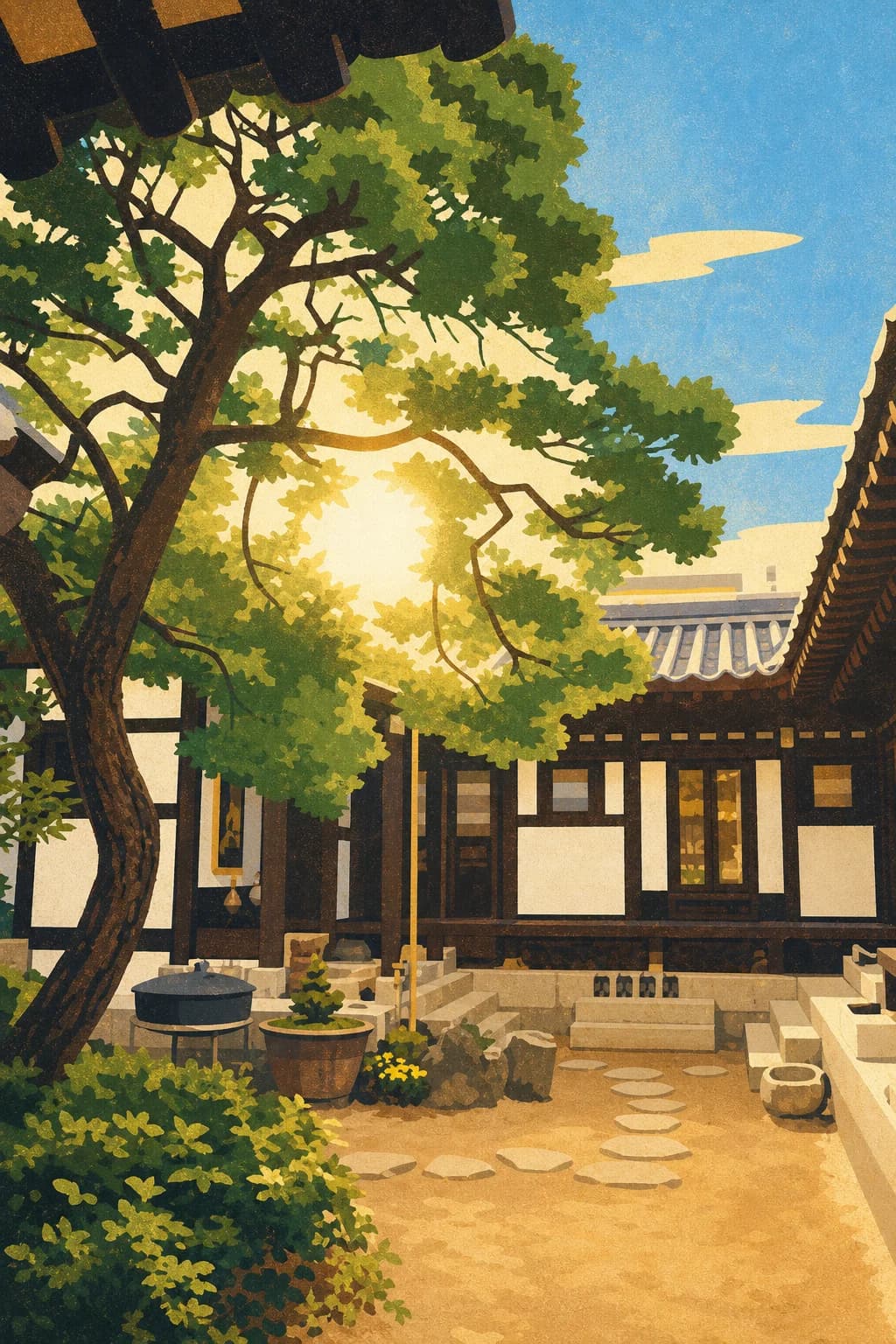
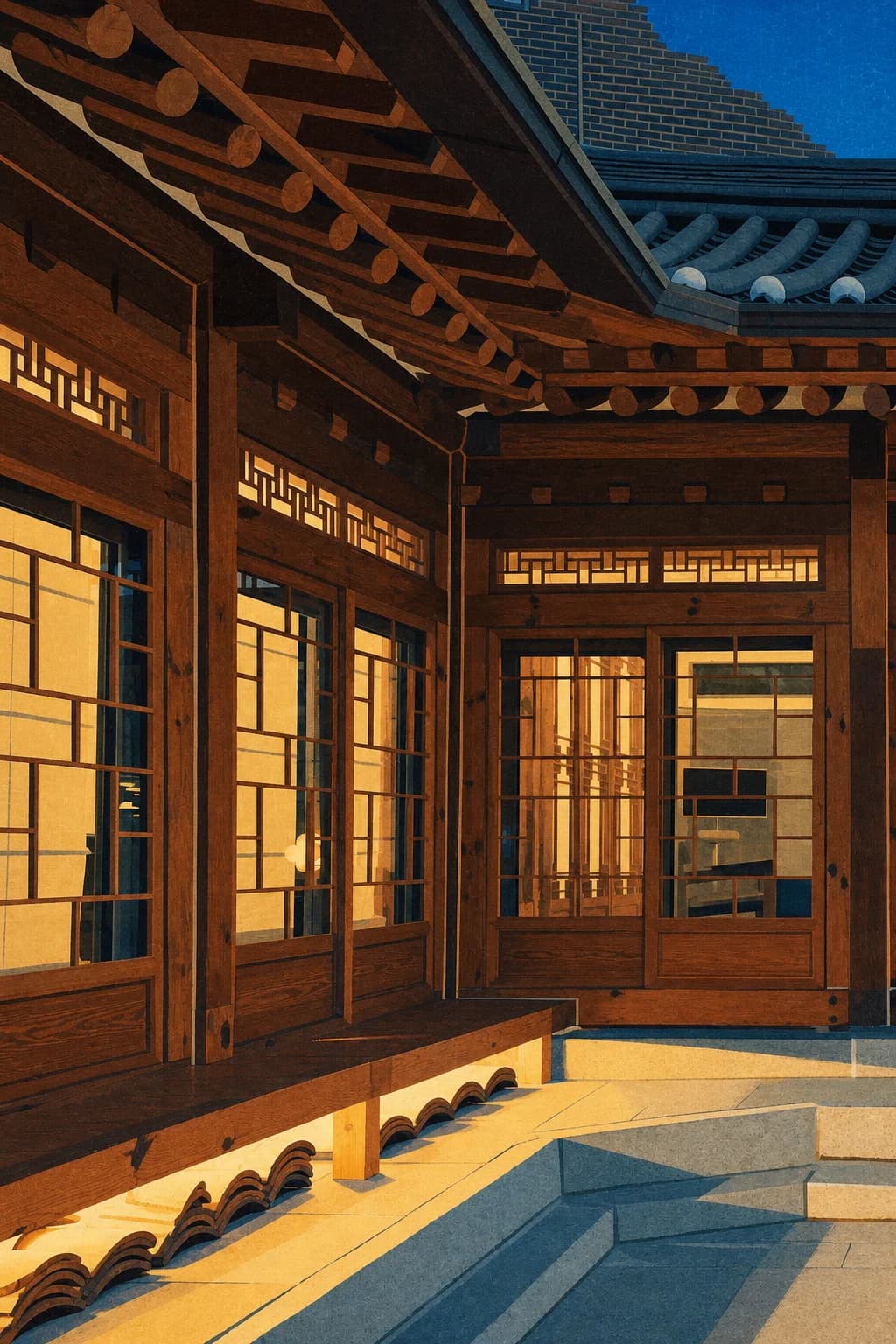
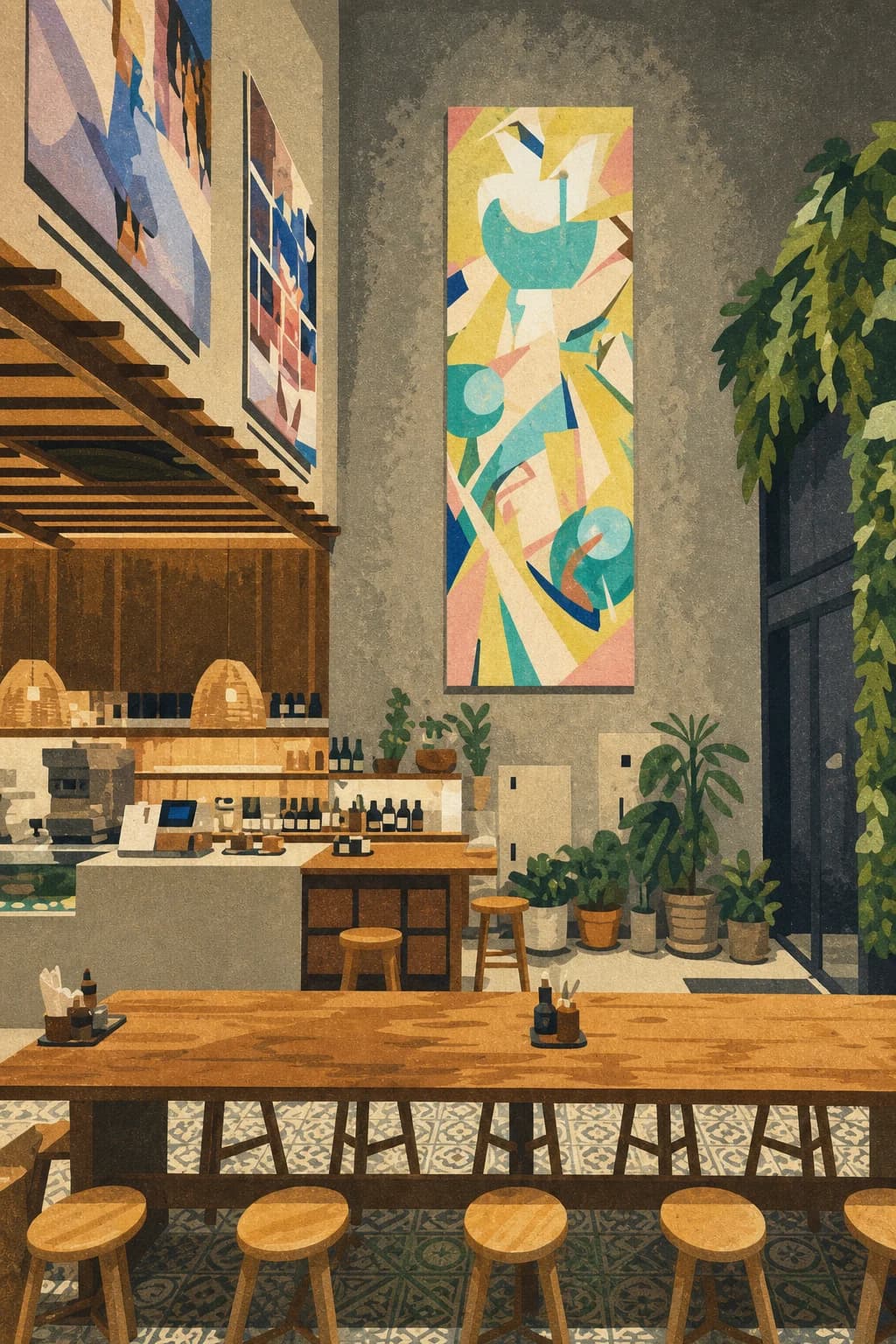



Get the hotel's Unbookable Score.
Any post or reel with a hotel in it. Booking.com hotel pages work too. One free check, no account needed.