arr.dep.
1 critic review
filed.
For a certain traveller, yes. If you want an eight-room building with real history, a design that respects it, and a genuine Seoul neighbourhood at the door, it delivers exactly that. If you need hotel services and floor space, the appeal will be lost on you.
It is close to a hidden gem. There is no social presence to trade on and it sits down an alley most visitors never turn into, yet it is minutes from Dongdaemun and Myeongdong. The design crowd knows about it; the general traveller mostly does not, at least not yet.
angles.
The Old Bones Stayed Visible
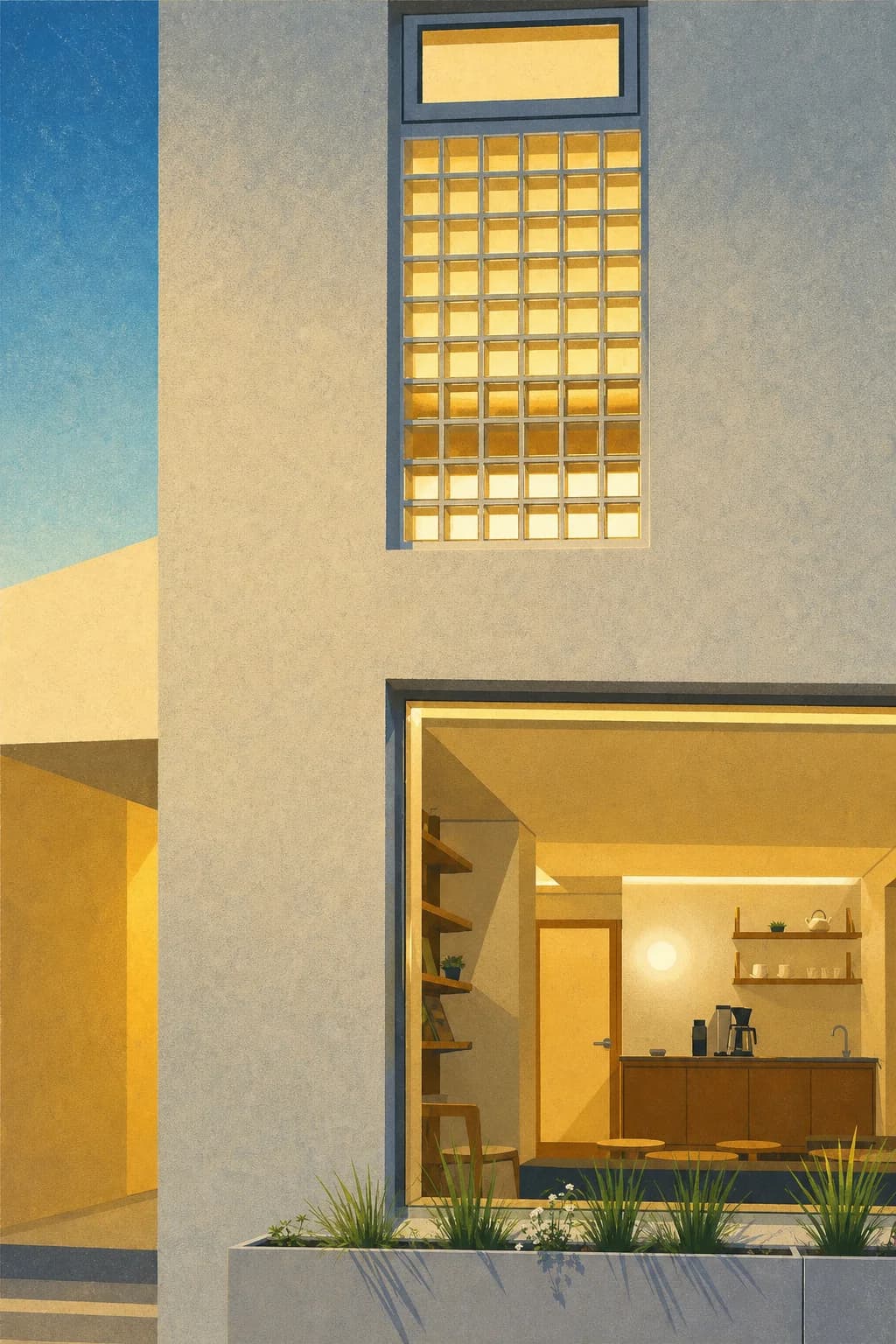
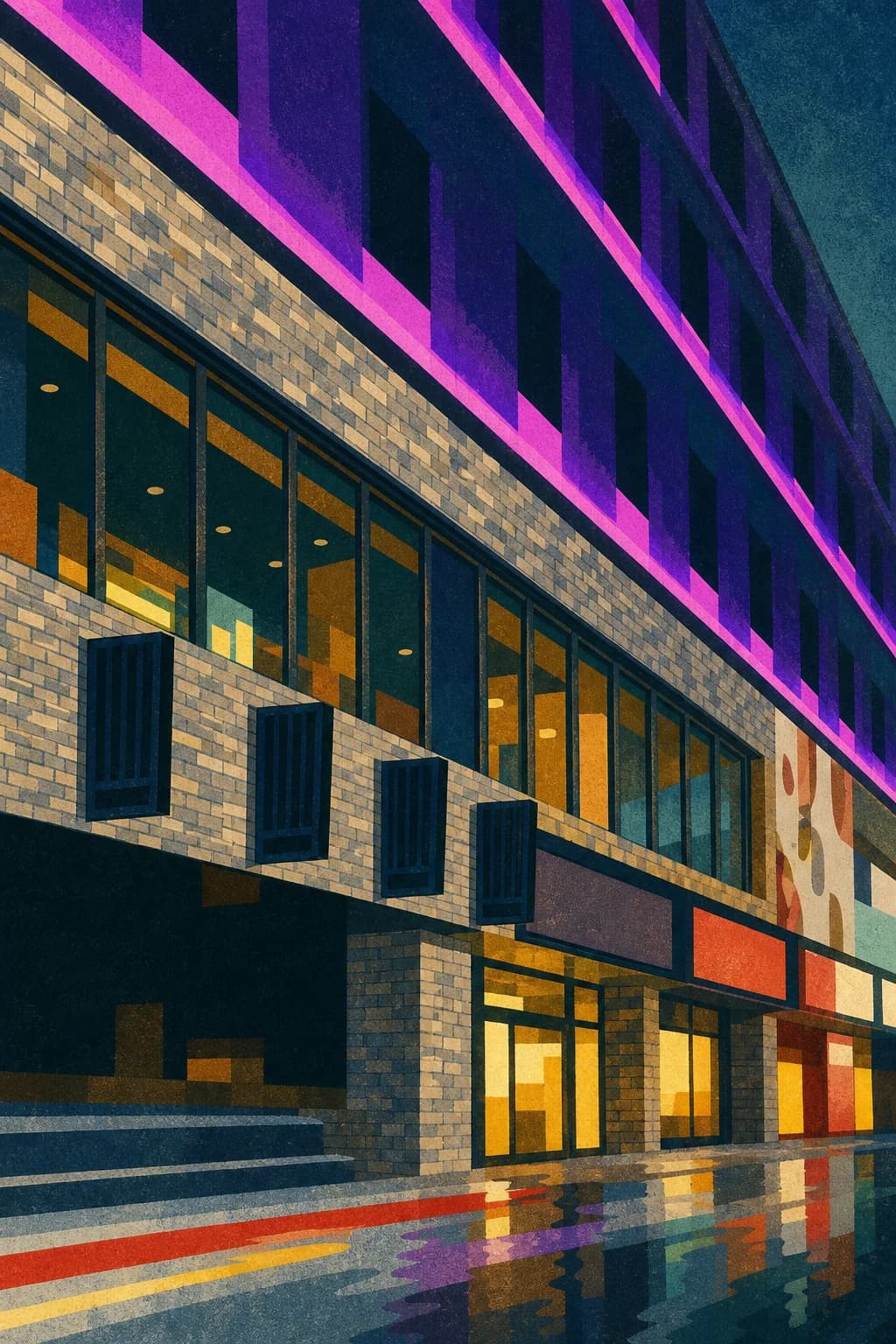
STAY Architects did not flatten the place into something new. They pulled off decades of finishes to expose the original reinforced concrete, then worked inside its irregular, non-standard dimensions rather than squaring them off. Furniture is kept consistent room to room, so the variation you notice is the honest kind: different light, different proportions, a terrace up top. BRIQUE, a Korean design magazine, profiled the project.
A Jokbal Street Around The Corner
Jangchung-dong is quietly famous among Seoulites for jokbal, the glossy braised pig's trotters sliced and served warm, and the old specialist restaurants sit a short walk from the door. Beyond that you are minutes from Dongdaemun Design Plaza, the all-night markets of Dongdaemun, and the wooded base of Namsan. This is a real working neighbourhood, not a tourist set piece dressed up for visitors.
Between Hotel And Home
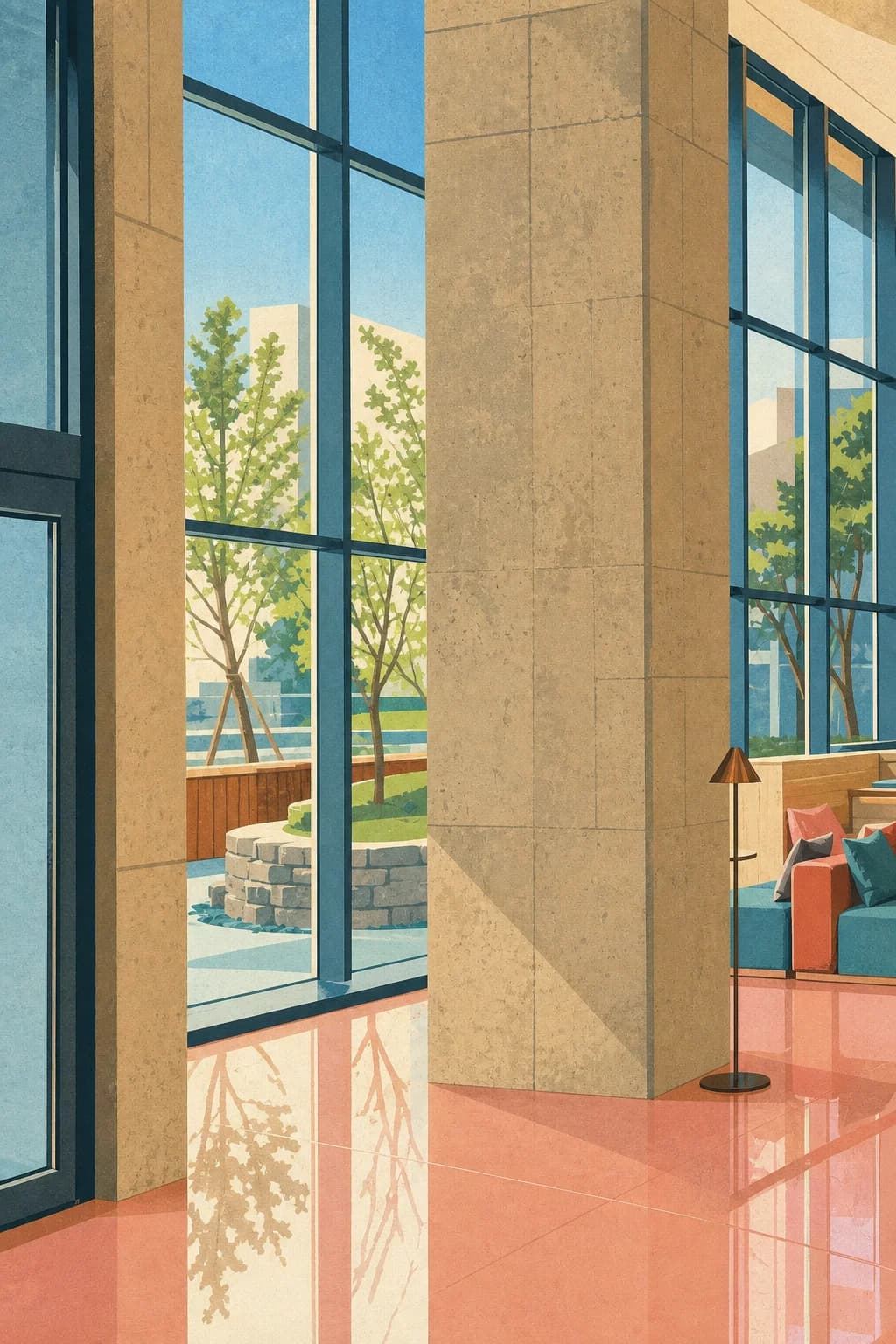
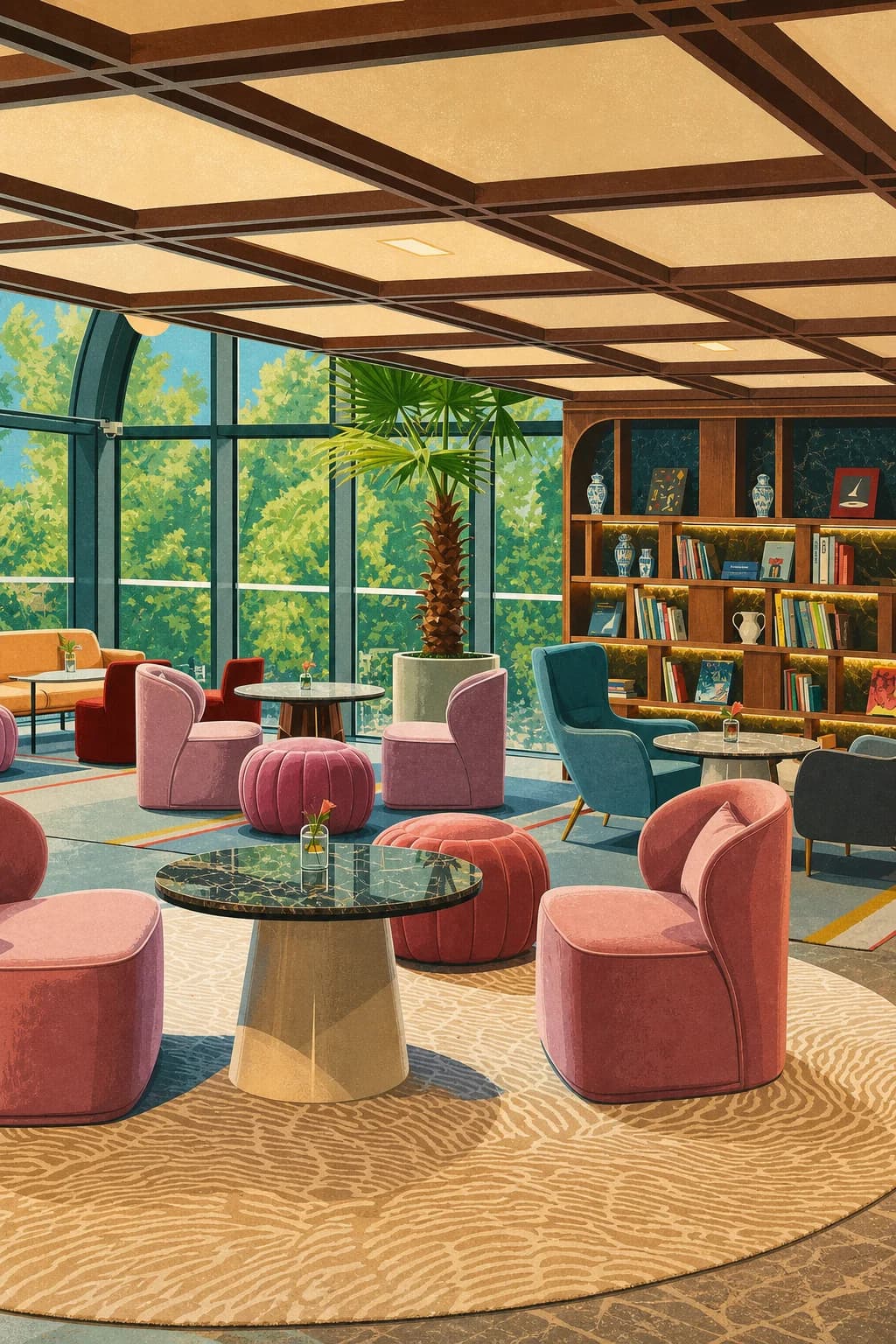
The design aims at something between a hotel and a guesthouse: quiet, unfussy, a place to gather yourself before a day out or wind down after one. The ground-floor lounge with its big street window is the heart of it, coffee in the morning, the alley moving past outside. Eight rooms means you are never queuing for anything or lost in a lobby crowd.
talk.
mapped.
record.
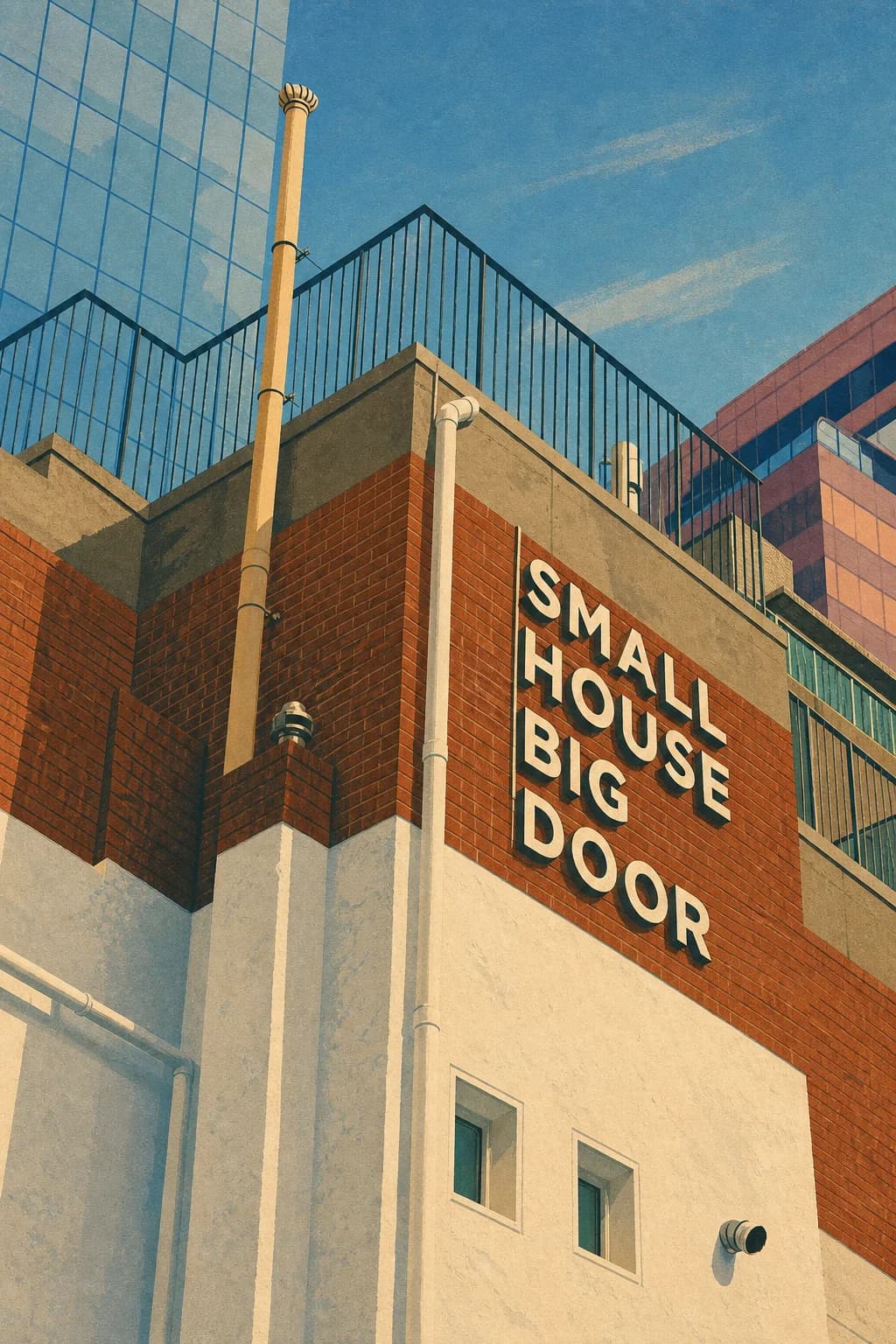
Here is why. The building spent nearly sixty years as a guesthouse called Shindo Inn, a warren of cramped rooms barely wide enough for a single bed. STAY Architects gutted it, stripped decades of finishes back to the original concrete, and rebuilt it into eight double rooms across a basement and three floors, finished in 2025.
They kept the building's odd angles instead of fighting them. A wide street-facing window pulls the alley into the ground-floor lounge, a small gap between the first and second floors lets light and air move through, and the top floor opens onto private terraces. It feels lived-in rather than staged. With only eight rooms, it is scarce and books out ahead, so plan early.
changed.
Seoul's demand curve tracks two things travelers chase and one they flee. They chase the cherry blossom window in April and the maple-and-ginkgo turn in October — the two visual set-pieces that drive the city to its yearly peaks, with May riding the tail of spring into Seoul's most comfortable stretch. What they flee is the summer: July and August collapse into the monsoon and a wet, heavy heat that pushes demand to its annual low, even though the city never closes and the air-conditioned interiors of Gangnam and Myeongdong barely register the season.
The shoulder months are where the real strategy lives. March and November sit just below peak, and both are genuinely undervalued. March catches the pre-blossom palace quiet before the crowds land; November delivers crisp, dry, blue-sky weather after the foliage tourists have gone home. September is the same bet on the back end of summer.
If your trip is flexible, these are the months where the scarce hanok stays and downtown boutiques are reachable without booking a full season out.
For the peaks, lead time is everything — and it's sharpest where the rooms are fewest. A five-room hanok like Rakkojae Seoul or an eight-room stay like arr.dep. can sell out its April and October dates months ahead, because the cherry-blossom and autumn windows concentrate the entire year's demand into a few weeks against a room count that never grows. The larger design hotels and Gangnam boutiques give you more runway, but even Hotel28 Myeongdong tightens noticeably around the blossom peak.
December through February is the contrarian's season. Cold and dry, but clear, cheaper, and paired with the city's best indoor life — its bathhouses, night markets, and endless barbecue. Nothing shuts down. If you can handle the temperature, this is when Seoul is most bookable and least crowded, and when even the scarce rooms open up.
Time the visit to the neighborhood you want, then book the scarce end of the roster first. The hanoks and small boutiques set the pace; everything larger follows. Get those locked, and the rest of the trip falls into place around them.
approach.
briefing.
stands.
demand's going.
The real Instagram following over time, plus where this hotel sits for demand in Seoul. Pick a range, toggle the lines. Followers are reach and demand, not engagement.
assessment.
File closes at MODERATE. Scarce on eight rooms rather than impossible, so it rewards planning, not luck. Book if you want history and design in a real Seoul alley; skip it if you need space, service or a lobby. Plan a few weeks out and go direct first.
The numbers behind the tiers
arr.dep. · SOURCE READINGS · REDACTED- Availability density · sampled
- Monthly search volume · raw
- TikTok hashtag views · raw
- YouTube total views · raw
- TikTok following · latest sweep
- Pinterest saves · latest sweep
More from Seoul.

Get the hotel's Unbookable Score.
Any post or reel with a hotel in it. Booking.com hotel pages work too. One free check, no account needed.