Hotel
Cappuccino.
3 critic reviews
filed.
Worth it on its own terms: the donation amenity is real rather than greenwashing, and MICHELIN plus a well-rated restaurant back up the design-forward billing. Just know it is a smart city hotel, not a resort.
Less a hidden gem than a quiet overachiever, since the give-back model and rooftop give this Gangnam tower a personality most business hotels never bother to build.
angles.
A DONATION BUILT IN.
The "Earn & Giveaway" idea is the hook that separates this from every other Gangnam tower. Decline an amenity and the saving becomes a donation, so restraint does something useful. Add the car-share scheme and you get a lifestyle hotel where the sustainability story is structural rather than a placard by the towel rack. It is a small, specific reason to choose this building over a generic chain.
HOT EATSUE EARNS THE STAIRS.
The in-house restaurant pulls real praise. A Hotel Life called it "fantastic" and singled out the breakfast, "with included healthy breakfast-y options with a twist." In a district where breakfast often means leaving the building to hunt, an on-site kitchen people actually rate is a genuine convenience. Pair it with the rooftop and you have two reasons to stay in rather than commute out for every meal.
A ROOFTOP OVER YEOKSAM.
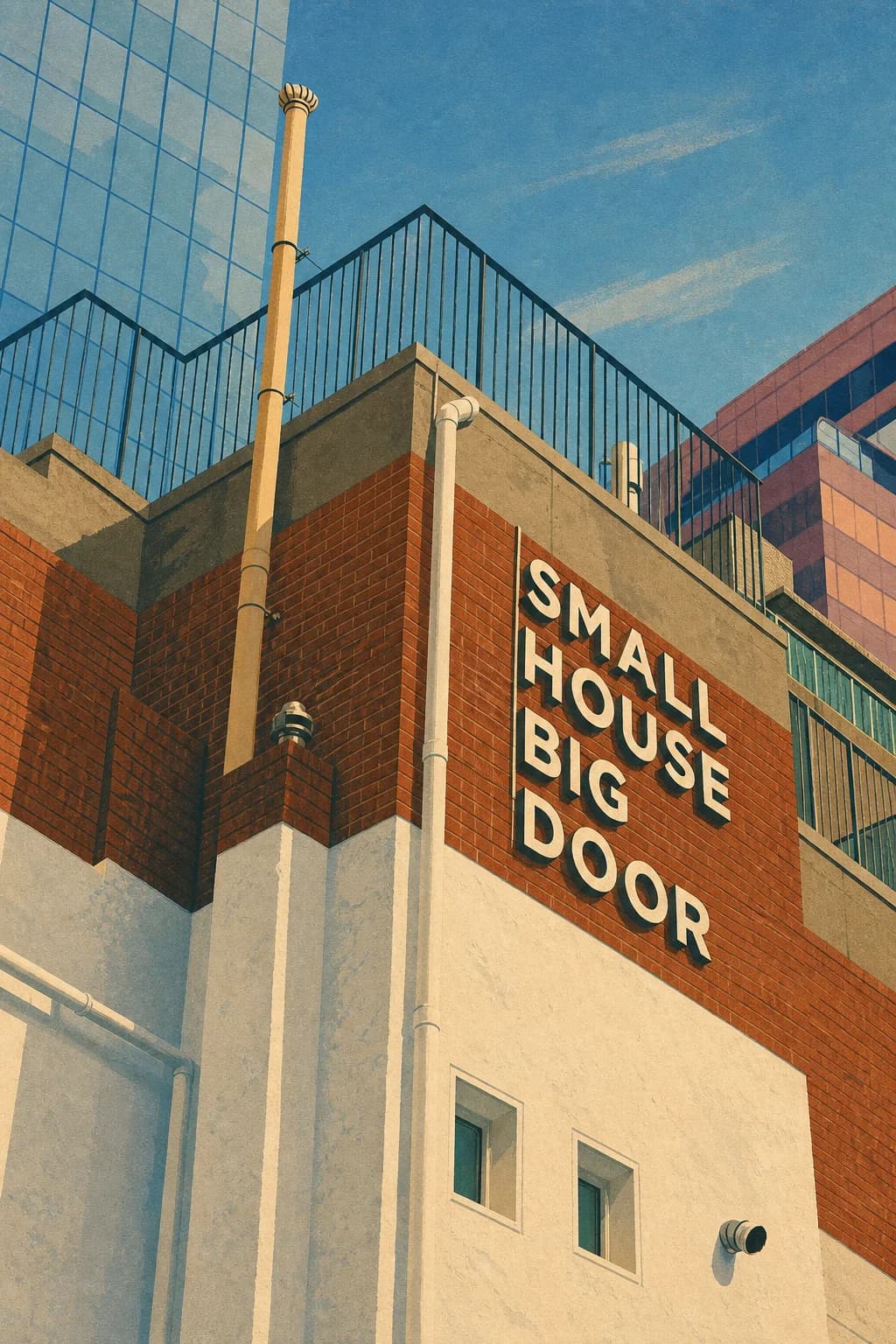
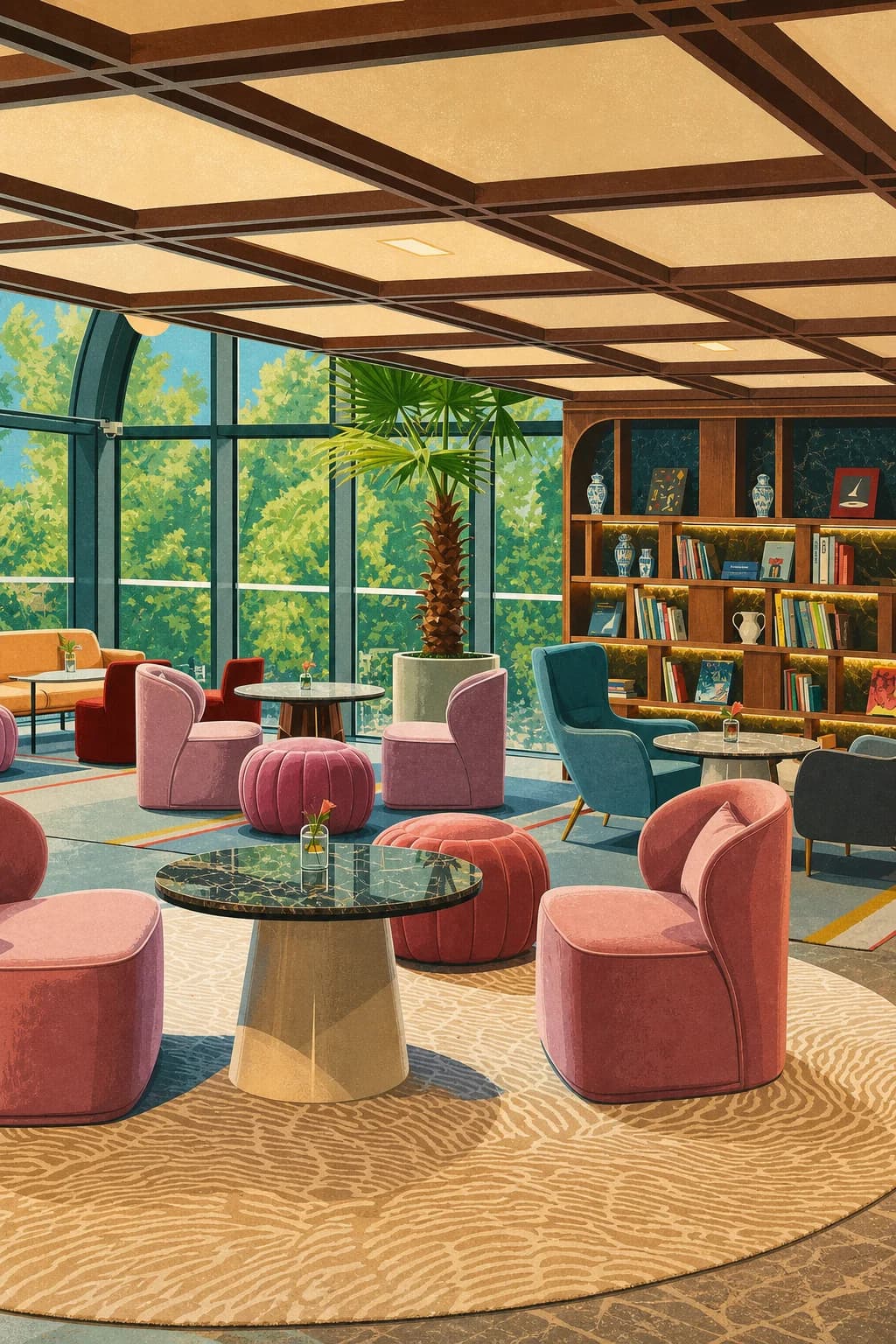
Eighteen floors up, the rooftop is the hotel's social engine, the part guests photograph and remember. It gives a business-district address a reason to feel like a night out, with the lights of Gangnam below. The MICHELIN line about sitting between hostel and condo lands here too: the public spaces feel social and design-forward, not corporate, which is exactly why the place reads younger than its neighbors.
talk.
mapped.
“At 18 gleaming stories, Hotel Cappuccino artfully balances right on the line between hostel and condo”
record.
The MICHELIN Guide pins the tone exactly, calling it a place that "artfully balances right on the line between hostel and condo." That balance runs through the building: a rooftop that does the heavy social lifting, a car-share scheme, and an "Earn & Giveaway" amenity setup where skipping a perk turns into a donation.
The restaurant earns its own fans. A Hotel Life wrote that "their restaurant, Hot Eatsue, is fantastic," with a breakfast worth getting up for. With nearly 15,000 Instagram followers and a 4.1 Google average across more than 900 reviews, it has a real audience. None of that makes it hard to book: rooms were open across the dates we sampled, and it sits across the major channels. You can plan around it without anxiety.
changed.
Seoul's demand curve tracks two things travelers chase and one they flee. They chase the cherry blossom window in April and the maple-and-ginkgo turn in October — the two visual set-pieces that drive the city to its yearly peaks, with May riding the tail of spring into Seoul's most comfortable stretch. What they flee is the summer: July and August collapse into the monsoon and a wet, heavy heat that pushes demand to its annual low, even though the city never closes and the air-conditioned interiors of Gangnam and Myeongdong barely register the season.
The shoulder months are where the real strategy lives. March and November sit just below peak, and both are genuinely undervalued. March catches the pre-blossom palace quiet before the crowds land; November delivers crisp, dry, blue-sky weather after the foliage tourists have gone home. September is the same bet on the back end of summer.
If your trip is flexible, these are the months where the scarce hanok stays and downtown boutiques are reachable without booking a full season out.
For the peaks, lead time is everything — and it's sharpest where the rooms are fewest. A five-room hanok like Rakkojae Seoul or an eight-room stay like arr.dep. can sell out its April and October dates months ahead, because the cherry-blossom and autumn windows concentrate the entire year's demand into a few weeks against a room count that never grows. The larger design hotels and Gangnam boutiques give you more runway, but even Hotel28 Myeongdong tightens noticeably around the blossom peak.
December through February is the contrarian's season. Cold and dry, but clear, cheaper, and paired with the city's best indoor life — its bathhouses, night markets, and endless barbecue. Nothing shuts down. If you can handle the temperature, this is when Seoul is most bookable and least crowded, and when even the scarce rooms open up.
Time the visit to the neighborhood you want, then book the scarce end of the roster first. The hanoks and small boutiques set the pace; everything larger follows. Get those locked, and the rest of the trip falls into place around them.
approach.
briefing.
“The Hotel Cappuccino may look like another Gangnam skyscraper hotel, but guests here will find a refreshing emphasis on value—and not just the monetary kind.”
stands.
demand's going.
The real Instagram following over time, plus where this hotel sits for demand in Seoul. Pick a range, toggle the lines. Followers are reach and demand, not engagement.
assessment.
File closes at ACCESSIBLE. Rooms held across the dates we sampled and distribution is wide, so book on your own schedule. Skip if you want a resort feel or a glamorous address; this is a smart, give-back design hotel in Gangnam's office core.
The numbers behind the tiers
Hotel Cappuccino · SOURCE READINGS · REDACTED- Availability density · sampled
- Monthly search volume · raw
- TikTok hashtag views · raw
- YouTube total views · raw
- TikTok following · latest sweep
- Pinterest saves · latest sweep
More from Seoul.




Get the hotel's Unbookable Score.
Any post or reel with a hotel in it. Booking.com hotel pages work too. One free check, no account needed.