El Patio
77.
2 critic reviews
filed.
If your measure is thread count and a rooftop bar, this will read as underwhelming, and five of the eight rooms share a bathroom. If your measure is a real 1890 house, food built from what is in season, and a neighbourhood that has not been flattened by visitors, it delivers more than places charging twice as much.
Partly. Brooklyn Tropicali and Sally Sees have both reviewed it, so it is not undiscovered. But San Rafael is a neighbourhood most first-time visitors skip entirely in favour of Roma and Condesa, which leaves a place with a real following that still feels quiet from the street outside.
angles.
The plumbing is the point
Most eco claims are a card on the pillow asking you to reuse towels. Here it is structural: the 1890 mansion was rebuilt with reused wood and brick, solar panels heat the water, rain gets collected, and greywater from the showers and sinks is filtered to flush the toilets. Plastic is gone. Drinking water comes in glass pitchers. Cleaning products are chemical-free. El Universal counted it among five ecological hotels in Mexico.
Breakfast is a two-course sitting
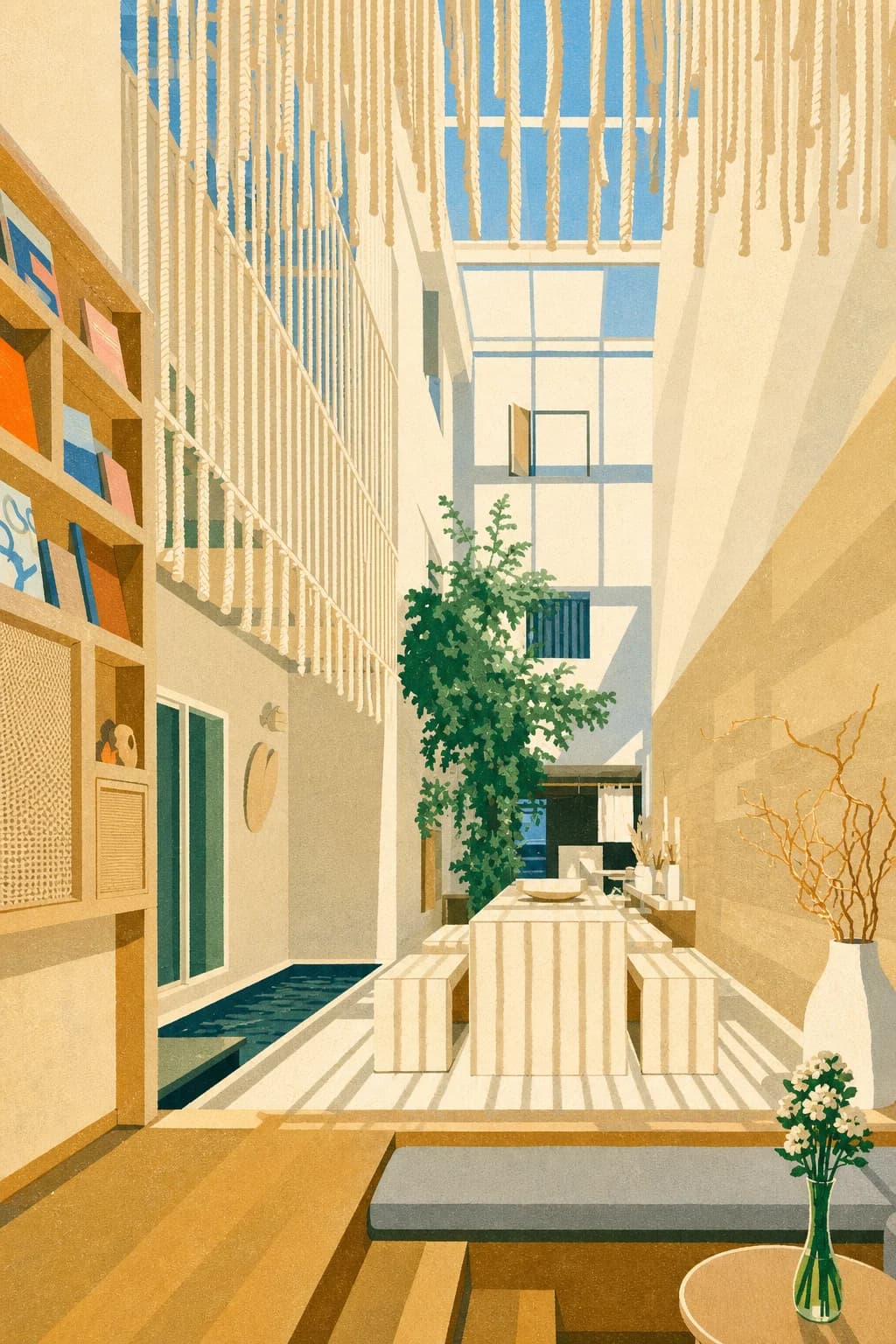
At 8:30 the dining courtyard fills up under its vaulted skylight, hanging plants above, crooked bookshelves along the wall. Breakfast is two courses and included: fruit, yogurt and granola first, then something hot that changes daily depending on what is in season, often chilaquiles or eggs with avocado. You eat it at a shared table with whoever else is staying, which is either the charm or the catch.
San Rafael is not Roma
You are on Joaquín García Icazbalceta, a residential street in San Rafael, under 500 metres from the San Cosme metro. This is not the Roma Norte circuit of natural wine and queue-outside bakeries. It is old apartment blocks, taquerías with plastic stools, and a short walk into Santa María la Ribera, where the Kiosco Morisco sits in the middle of the plaza looking like it was teleported in. Centro is two stops away.
talk.
mapped.
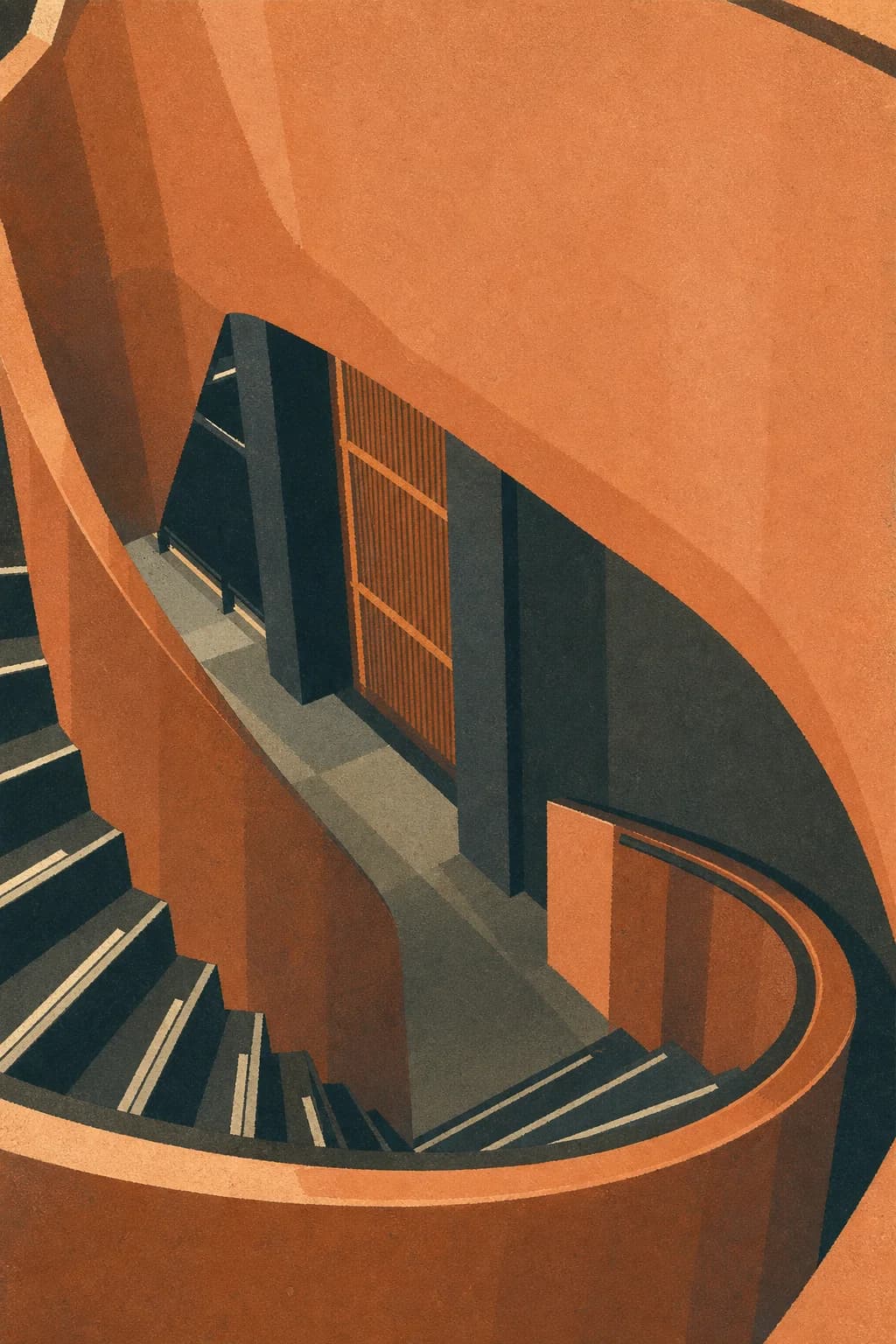
“The dark wooden staircases are both original and the rest of the house has been tastefully restored with tiles and furniture that accent its history.”
record.
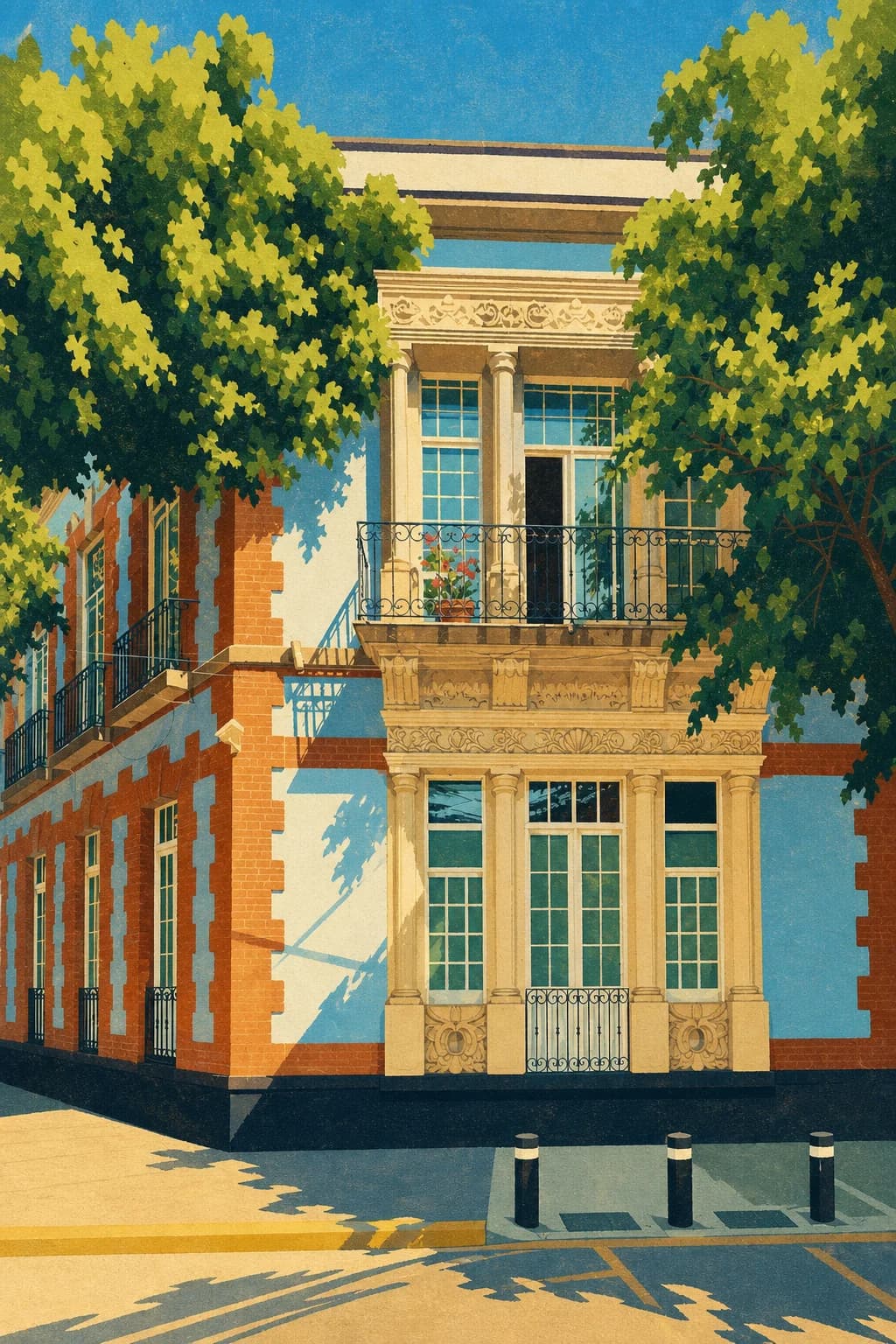
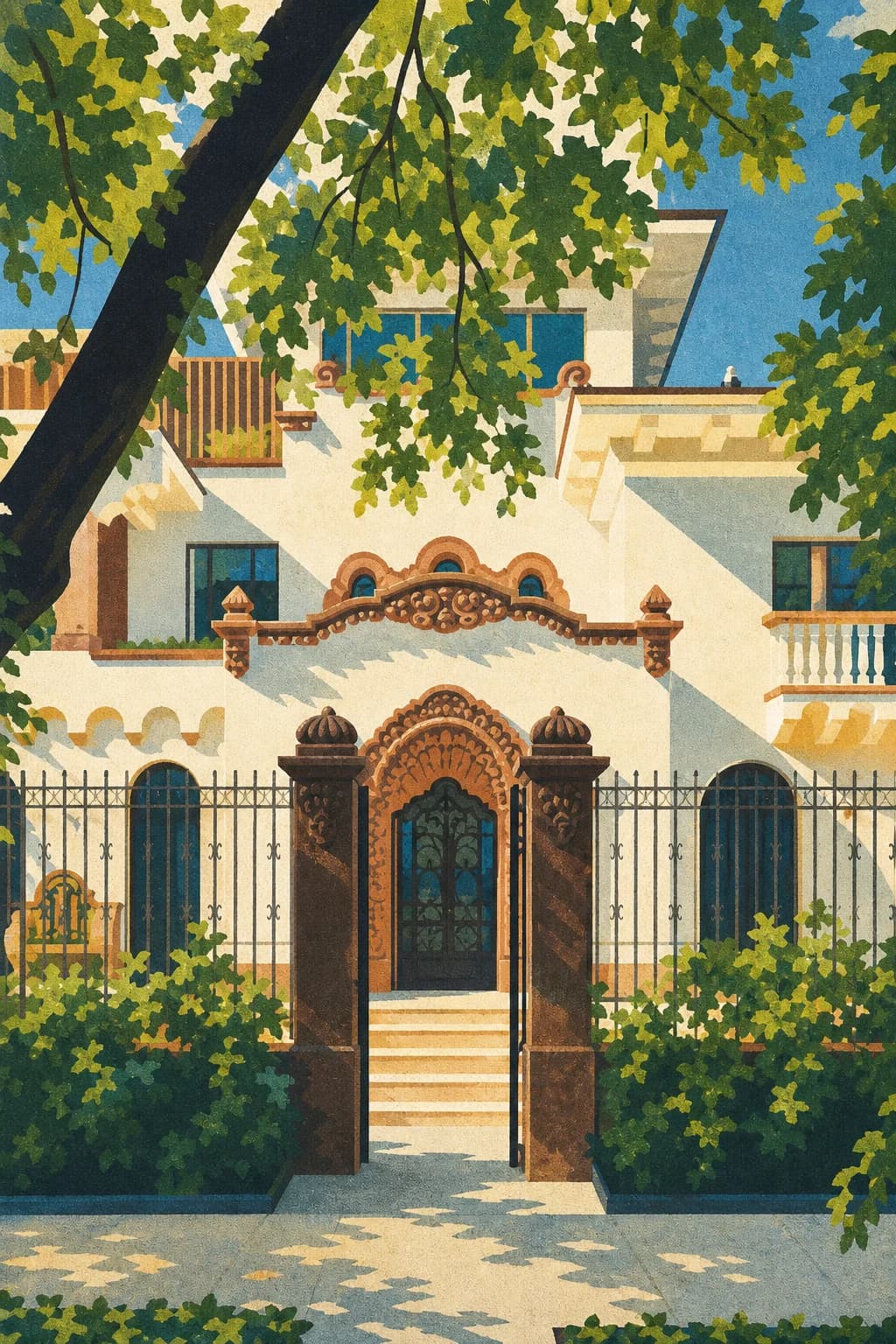
That is the whole hotel, and with twenty-two million people around them, eight rooms go fast when the weather turns good. The building is a porfirian house from 1890, found by founder Diego Le Provost in 2008 on a walk through San Rafael, back when nobody was looking at San Rafael. Business partner Alan Favero, a designer, is credited with the decorative details.
What they did with it was slow and unglamorous: rebuild with reused wood and brick, put solar panels on the roof, catch the rain, filter the greywater from the showers into the toilets, throw out the plastic and pour the drinking water from glass pitchers. None of it announces itself. Inside, two courtyards do the work: one with a fountain and heavy greenery, one under a vaulted skylight where breakfast happens at 8:30 and the bookshelves lean. Eight rooms is the entire supply, and it does not grow.
changed.
Mexico City runs on a two-peak calendar, and understanding why the curve looks the way it does is worth more than any temperature chart. The first peak is spring, roughly March into April, the dry-season stretch when the jacarandas turn the city violet and the skies stay clear. The second is late October into November, when Day of the Dead brings the single biggest travel surge of the year. Those are the weeks the city sells to the world, and they are the weeks the small design houses fill first.
For those peaks, plan far ahead. The Roma and Polanco properties that matter, the handful in the upper tiers, can close out three months before Day of the Dead and the jacaranda weeks, and there is no overflow wing when a hotel has nine or twenty rooms. If your trip is fixed to those dates, book the room before the flights.
The genuinely undervalued window is the summer rainy season, June through August. The rain scares people off, but it arrives as short, predictable afternoon storms that clear by evening, leaving bright mornings for everything you actually came to do. Demand drops to its yearly low, the same rooms that vanish in October sit open, and rates soften across the board. Shoulder travelers who do not need the jacarandas get the best value of the year here.
The rest of the calendar fills in around the peaks. February, May, September, and December run warm with demand: September carries Independence Day on the 16th and its plaza celebrations, and December brings the Guadalupe pilgrimage and Christmas, both of which tighten the center in particular. January sits quiet after the holidays, another soft, workable window.
The one thing Mexico City never does is close. There is no dead season, no shuttered-hotel month; the city works year-round, so the only real decision is how much company you want and how early you are willing to commit. Book the peaks early, take the summer if you can be flexible.
approach.
briefing.
“Tucked away inconspicuously in the peaceful suburb of San Rafael, El Patio 77 is the first eco-sustainable bed and breakfast in Mexico City.”
stands.
demand's going.
The real Instagram following over time, plus where this hotel sits for demand in Mexico City. Pick a range, toggle the lines. Followers are reach and demand, not engagement.
assessment.
File closes at HIGH. Eight rooms in an 1890 house, and peak weeks go early, so plan two to three months out. Book if you want a neighbourhood and a home. Skip if you need a guaranteed private bathroom without checking, or a lobby bar.
The numbers behind the tiers
El Patio 77 · SOURCE READINGS · REDACTED- Availability density · sampled
- Monthly search volume · raw
- TikTok hashtag views · raw
- YouTube total views · raw
- TikTok following · latest sweep
- Pinterest saves · latest sweep
More from Mexico City.


Get the hotel's Unbookable Score.
Any post or reel with a hotel in it. Booking.com hotel pages work too. One free check, no account needed.