Downtown
Mexico.
3 critic reviews
filed.
The building does most of the work, and it is a genuinely great building. What you get is a design hotel that has aged into its neighbourhood rather than floating above it. If you want a resort-quiet retreat, the hype will not survive your first morning of street noise.
Not exactly a secret: Wallpaper and AFAR have both covered it, and the rooftop is a known quantity among people who live here. What stays under the radar is that you can actually sleep in it, since most visitors treat the courtyard and pool as a day stop and book their beds in Roma.
angles.
Stone left honestly bare
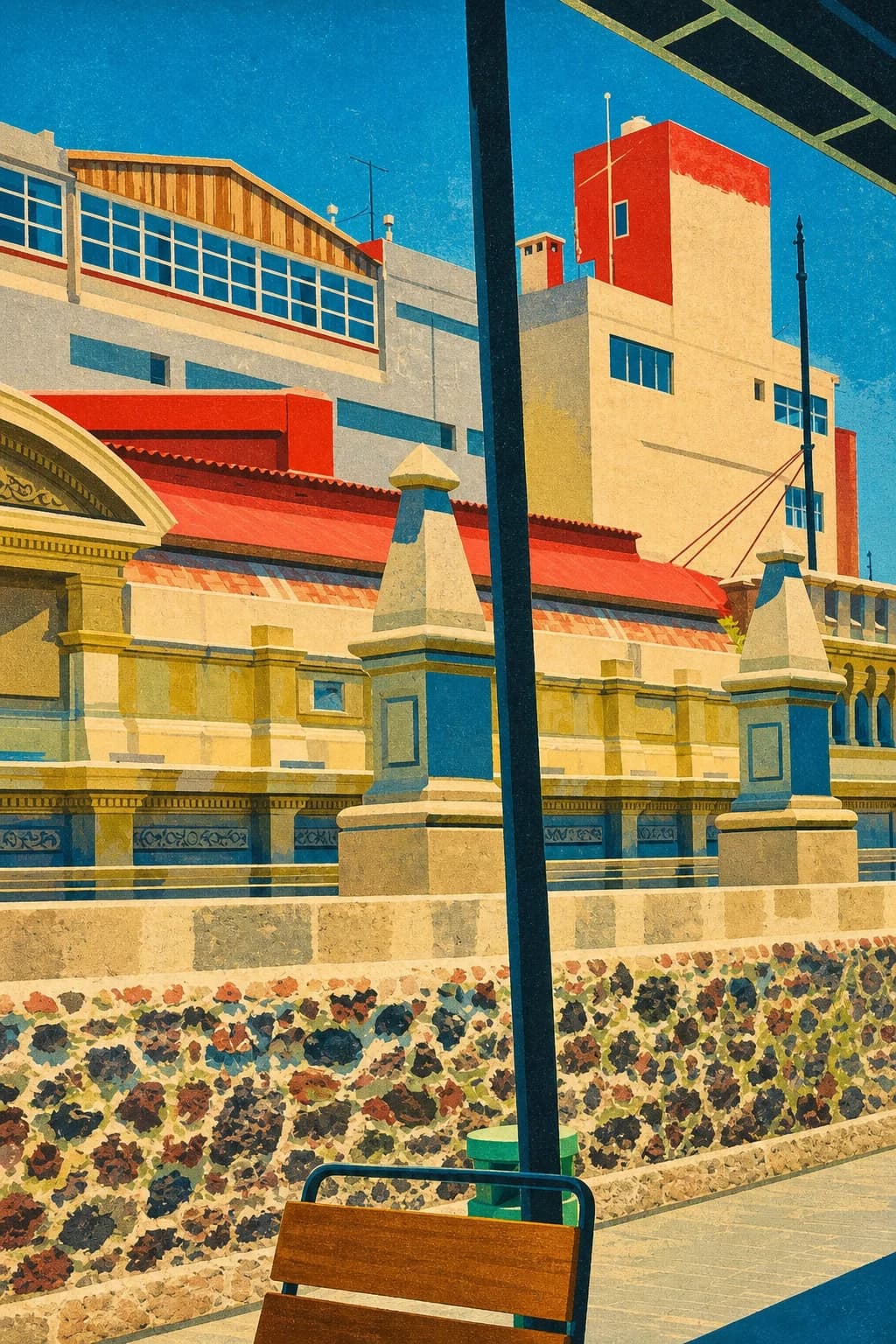
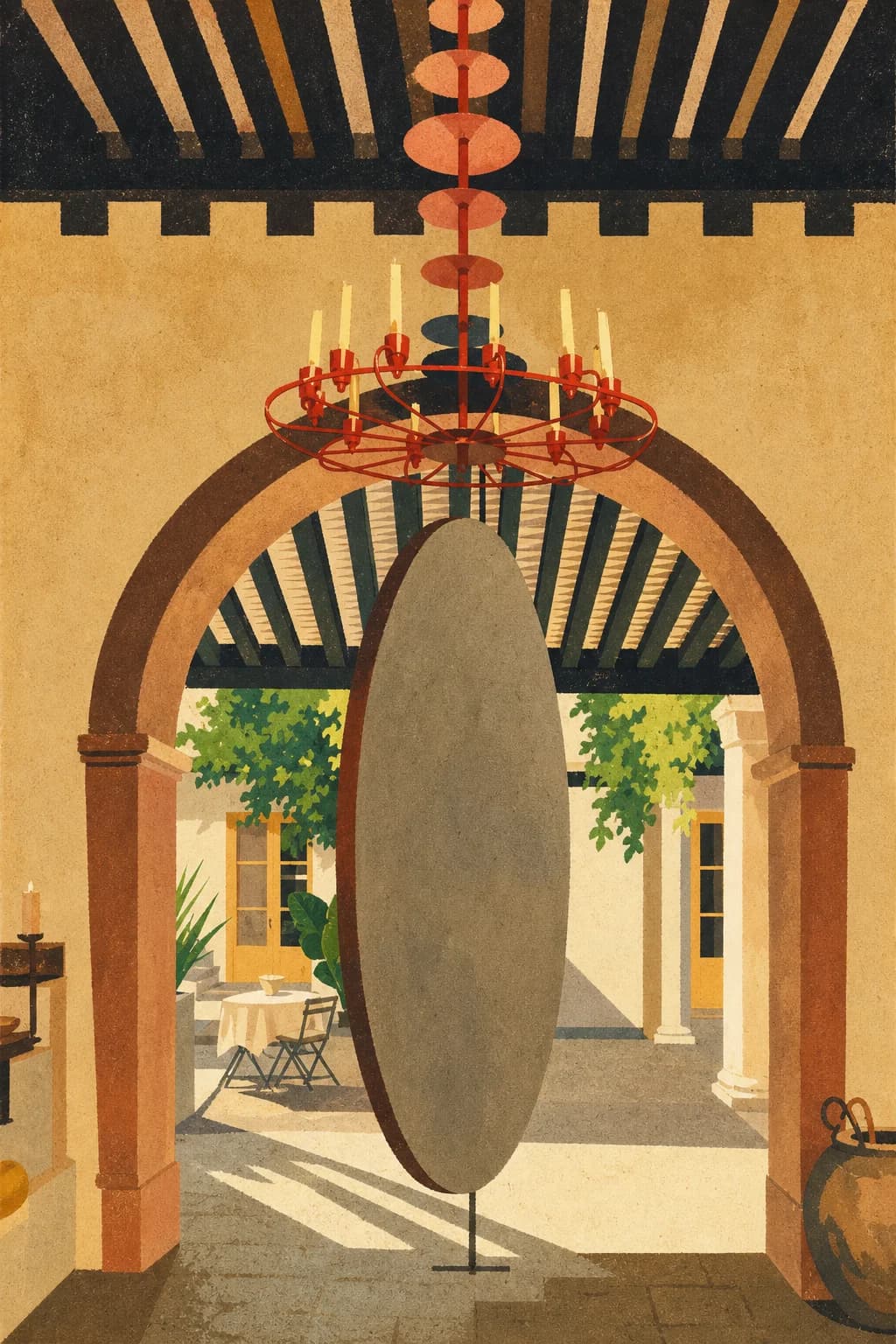
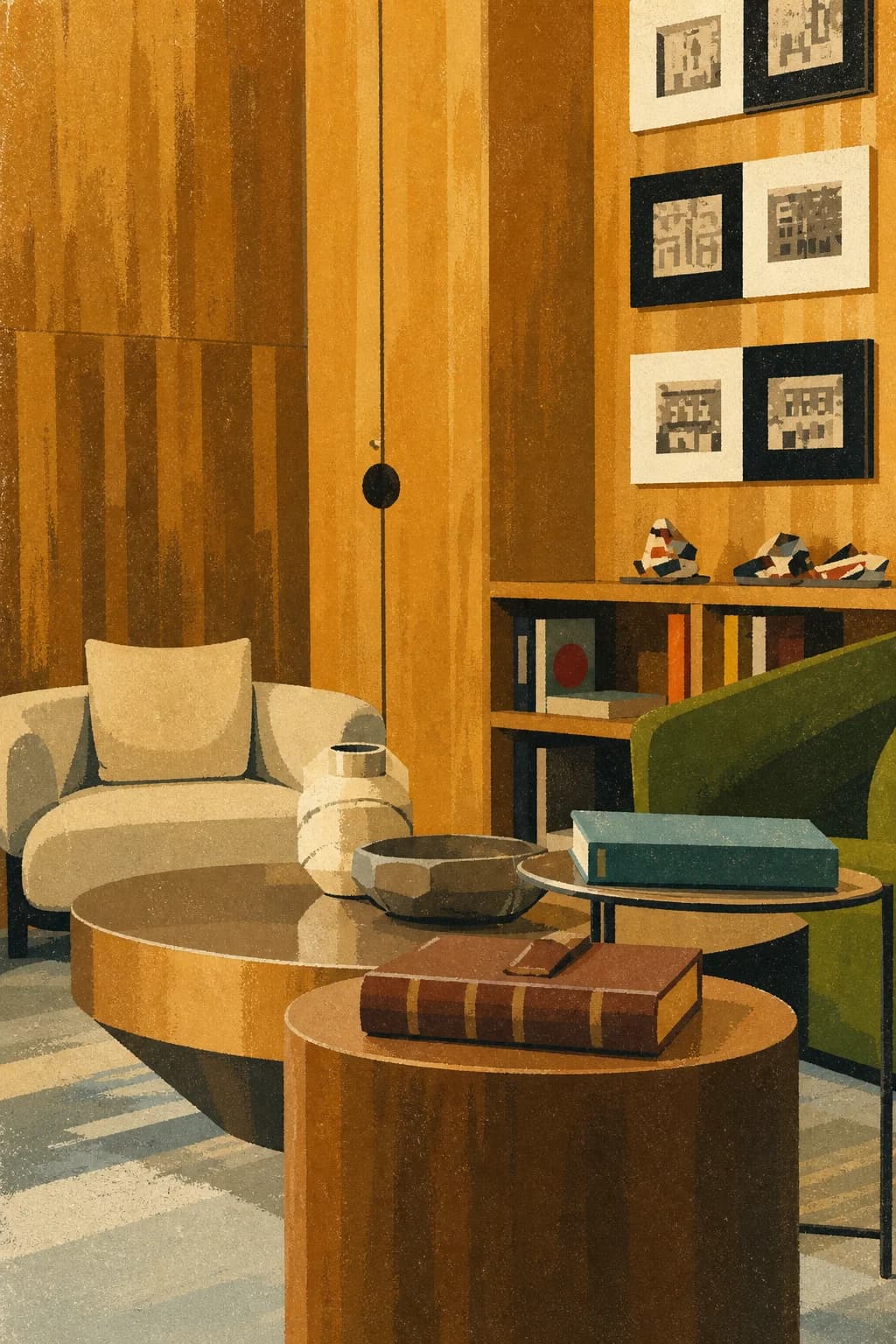
Cherem Serrano Arquitectos converted the palace by subtracting rather than adding. Volcanic stone walls are left raw, colonial beams sit exposed overhead, and ceilings run high enough that the rooms feel like small halls. Furniture is deliberately plain: cotton, leather, wood, ceramics made in Mexico, nothing shiny. The effect is a 17th-century shell that reads as contemporary without ever pretending the building is new.
Two blocks from everything
You are on Isabel la Católica, a short walk from the Zócalo, Bellas Artes and the tiled facade of the Casa de los Azulejos. That means cathedral bells, organ grinders, street vendors and the full weekday churn of the historic centre outside the door. It also means you can walk home at midnight from dinner in the Centro instead of negotiating traffic to Roma or Condesa.
The roof earns its keep
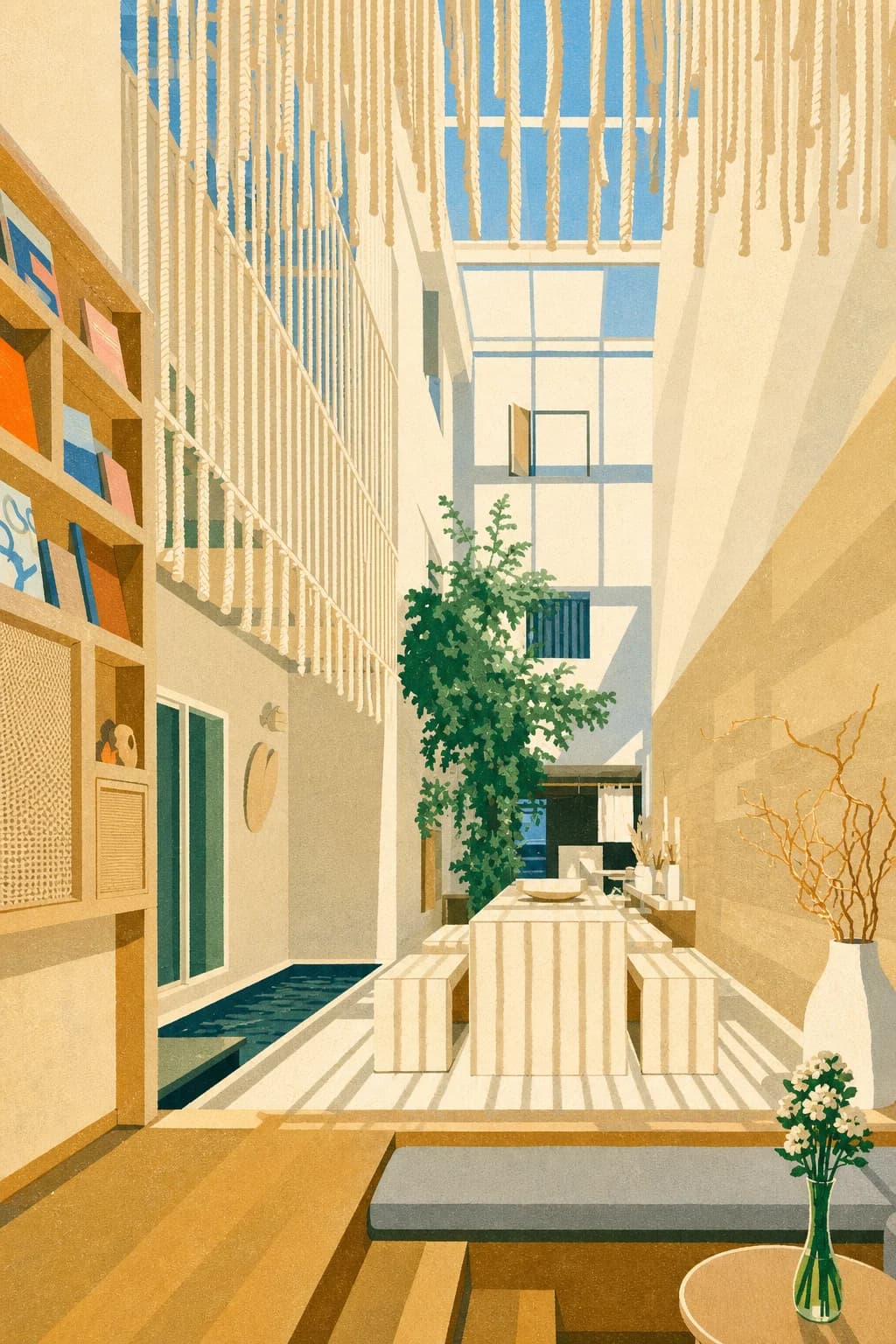
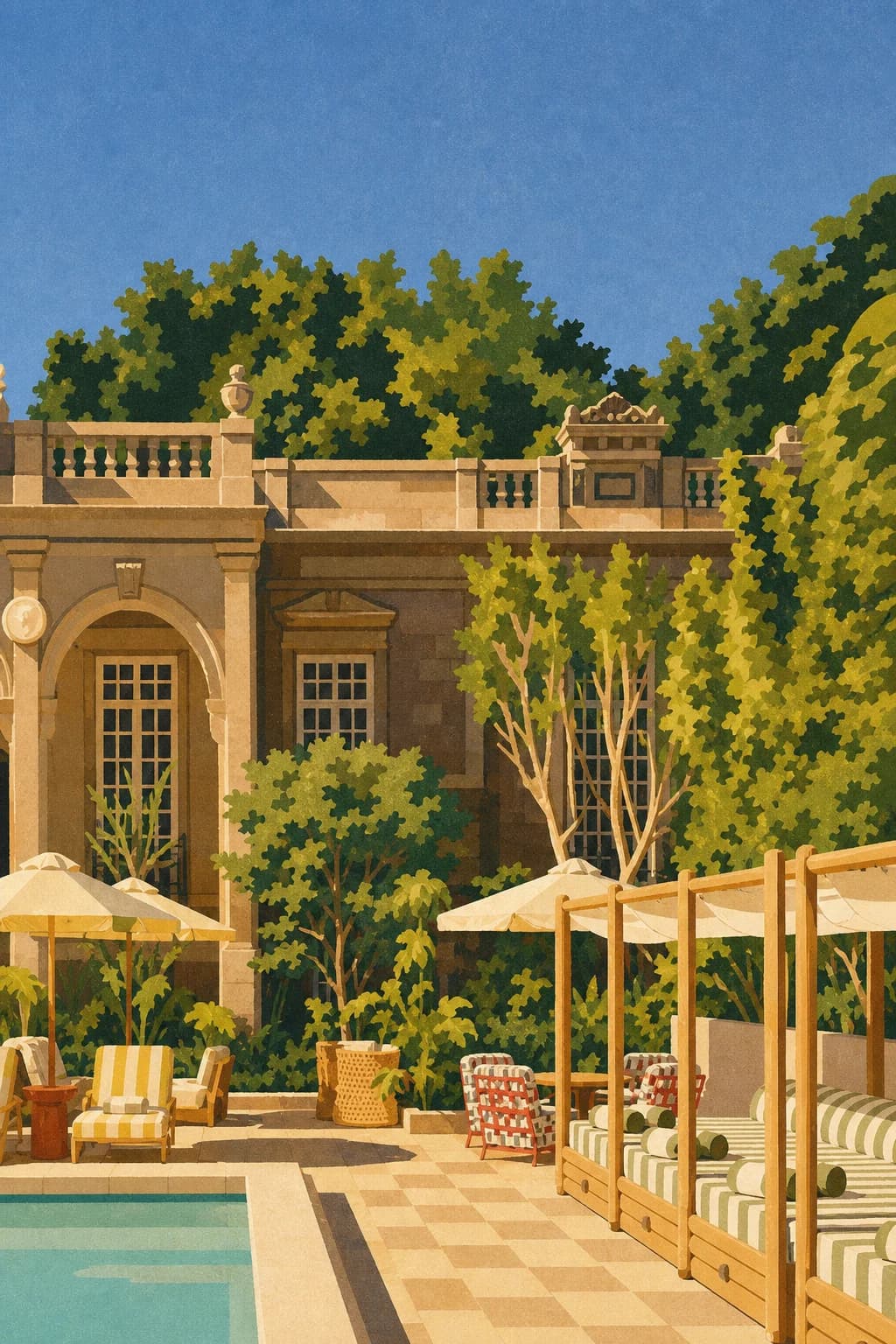
The rooftop is the reason people who are not staying here still turn up: a small pool, a bar, and a view straight at the Torre Latinoamericana with the cathedral domes off to one side. Late afternoon is the moment, when the light goes orange and the city noise flattens out. Downstairs, the courtyard arcade of Mexican design shops and the restaurant under the trees keep the ground floor genuinely public.
talk.
mapped.
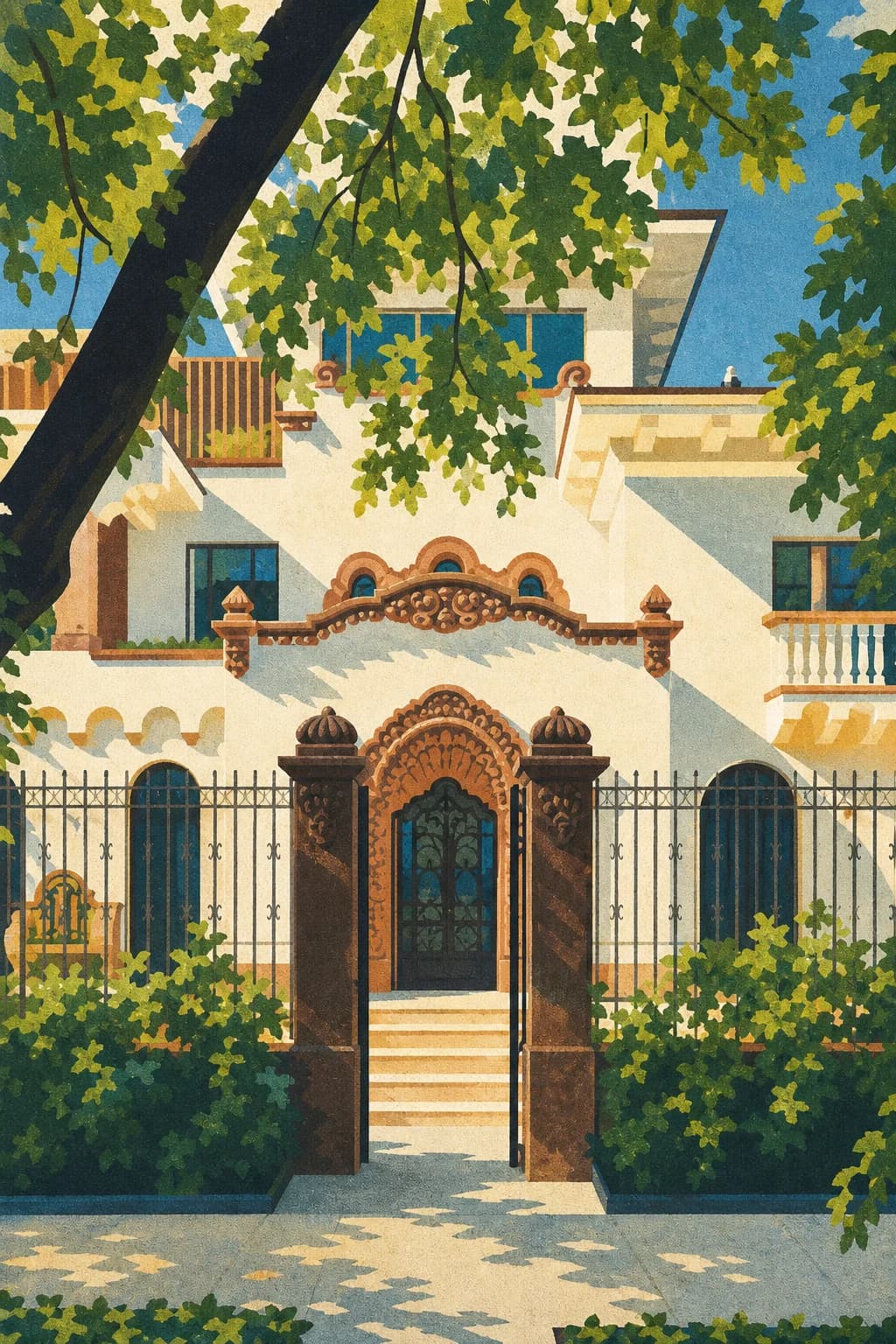
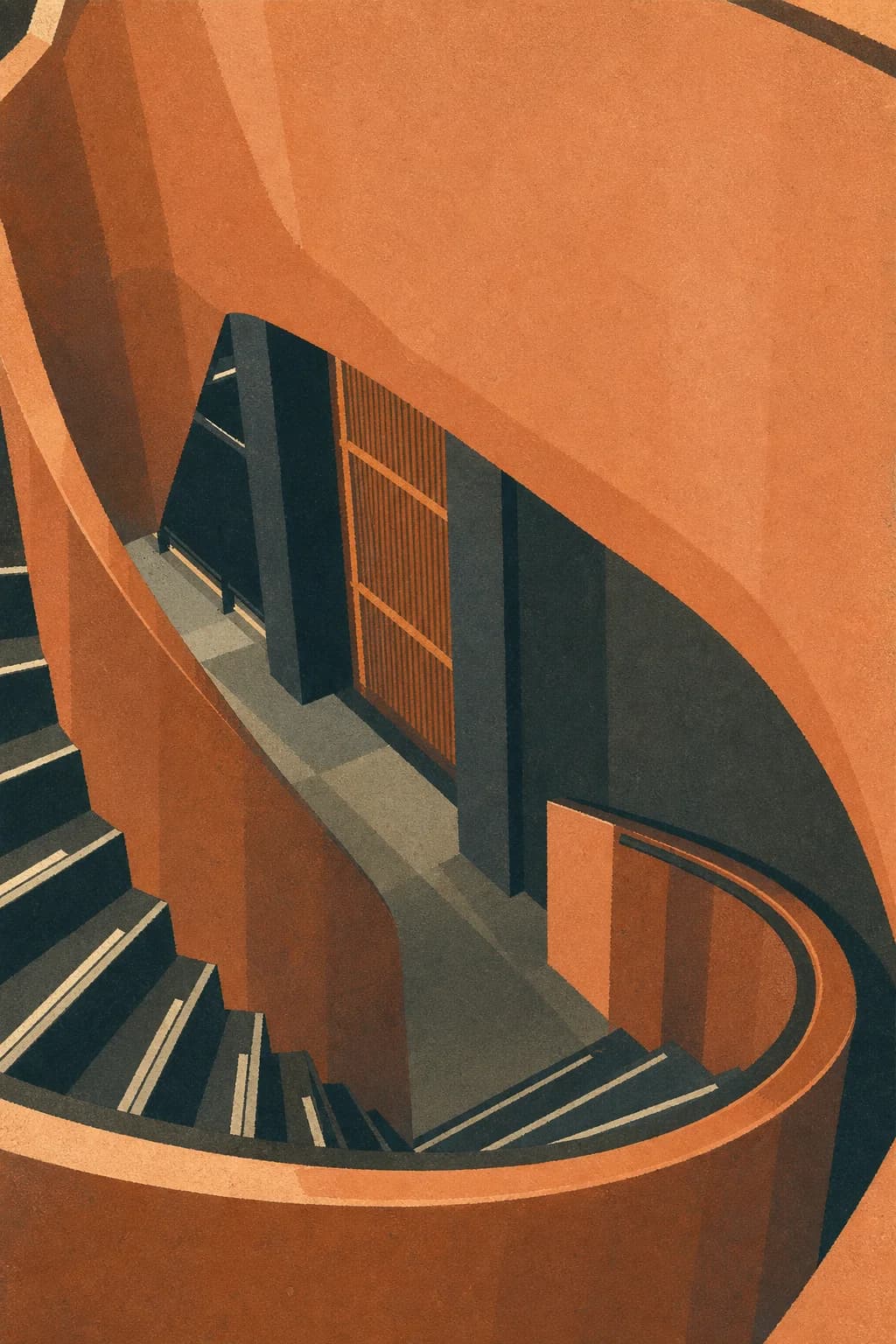
“The red volcanic-rock façade sets the tone for the interior, with its quarry doors, handmade tiles and magnificent stone-forged colonial staircase.”
record.
Peak weeks go early, and the calendar tightens fast around holidays. The building is the Palacio de Miravalle, home in the 17th century to the Counts of Miravalle and described as the oldest of the city's colonial palaces.
Cherem Serrano Arquitectos handled the conversion, and the restraint shows: volcanic stone left bare, beams left dark, ceilings left absurdly high, then filled with plain cotton, hand-thrown ceramics and almost nothing else. Downstairs the courtyard is a working arcade of Mexican design shops and a restaurant under the trees, so the hotel never feels sealed off from the street. Upstairs it goes quiet. Wallpaper and AFAR have both covered it, and Design Diffusion in Italy ran a feature on the interiors in October 2024. Book with room to spare.
changed.
Mexico City runs on a two-peak calendar, and understanding why the curve looks the way it does is worth more than any temperature chart. The first peak is spring, roughly March into April, the dry-season stretch when the jacarandas turn the city violet and the skies stay clear. The second is late October into November, when Day of the Dead brings the single biggest travel surge of the year. Those are the weeks the city sells to the world, and they are the weeks the small design houses fill first.
For those peaks, plan far ahead. The Roma and Polanco properties that matter, the handful in the upper tiers, can close out three months before Day of the Dead and the jacaranda weeks, and there is no overflow wing when a hotel has nine or twenty rooms. If your trip is fixed to those dates, book the room before the flights.
The genuinely undervalued window is the summer rainy season, June through August. The rain scares people off, but it arrives as short, predictable afternoon storms that clear by evening, leaving bright mornings for everything you actually came to do. Demand drops to its yearly low, the same rooms that vanish in October sit open, and rates soften across the board. Shoulder travelers who do not need the jacarandas get the best value of the year here.
The rest of the calendar fills in around the peaks. February, May, September, and December run warm with demand: September carries Independence Day on the 16th and its plaza celebrations, and December brings the Guadalupe pilgrimage and Christmas, both of which tighten the center in particular. January sits quiet after the holidays, another soft, workable window.
The one thing Mexico City never does is close. There is no dead season, no shuttered-hotel month; the city works year-round, so the only real decision is how much company you want and how early you are willing to commit. Book the peaks early, take the summer if you can be flexible.
approach.
briefing.
“Safety is always a firsthand concern when people think of Mexico these days but Downtown is a private oasis in the busiest part of town.”
stands.
demand's going.
The real Instagram following over time, plus where this hotel sits for demand in Mexico City. Pick a range, toggle the lines. Followers are reach and demand, not engagement.
assessment.
File closes at MODERATE. Bookable most of the year with a couple of months of lead time, tight once Día de Muertos and the December run approach. Book if you want the Centro at full volume inside a 17th-century palace. Skip if you need silence after 7am.
The numbers behind the tiers
Downtown Mexico · SOURCE READINGS · REDACTED- Availability density · sampled
- Monthly search volume · raw
- TikTok hashtag views · raw
- YouTube total views · raw
- TikTok following · latest sweep
- Pinterest saves · latest sweep
More from Mexico City.
Get the hotel's Unbookable Score.
Any post or reel with a hotel in it. Booking.com hotel pages work too. One free check, no account needed.