Colima 71 Casa
de Arte.
11 critic reviews
filed.
Worth it if you want a small, quiet, seriously well-built place to sleep in a neighbourhood you intend to walk. It is not a full-service hotel: no restaurant, no gym, no pool, and the arrival service charge stings. Judged as a sixteen-room house with excellent bones and a better breakfast than it needs, it delivers.
Not exactly under the radar. Hospitality Design, My Modern Met, Hotels Above Par and Hotel Scoop have all covered it, and Roma Norte is the most photographed neighbourhood in the city. What it is is small, which is a different thing: plenty of people have read about it, comparatively few have slept in it.
angles.
Kalach kept the school's bones
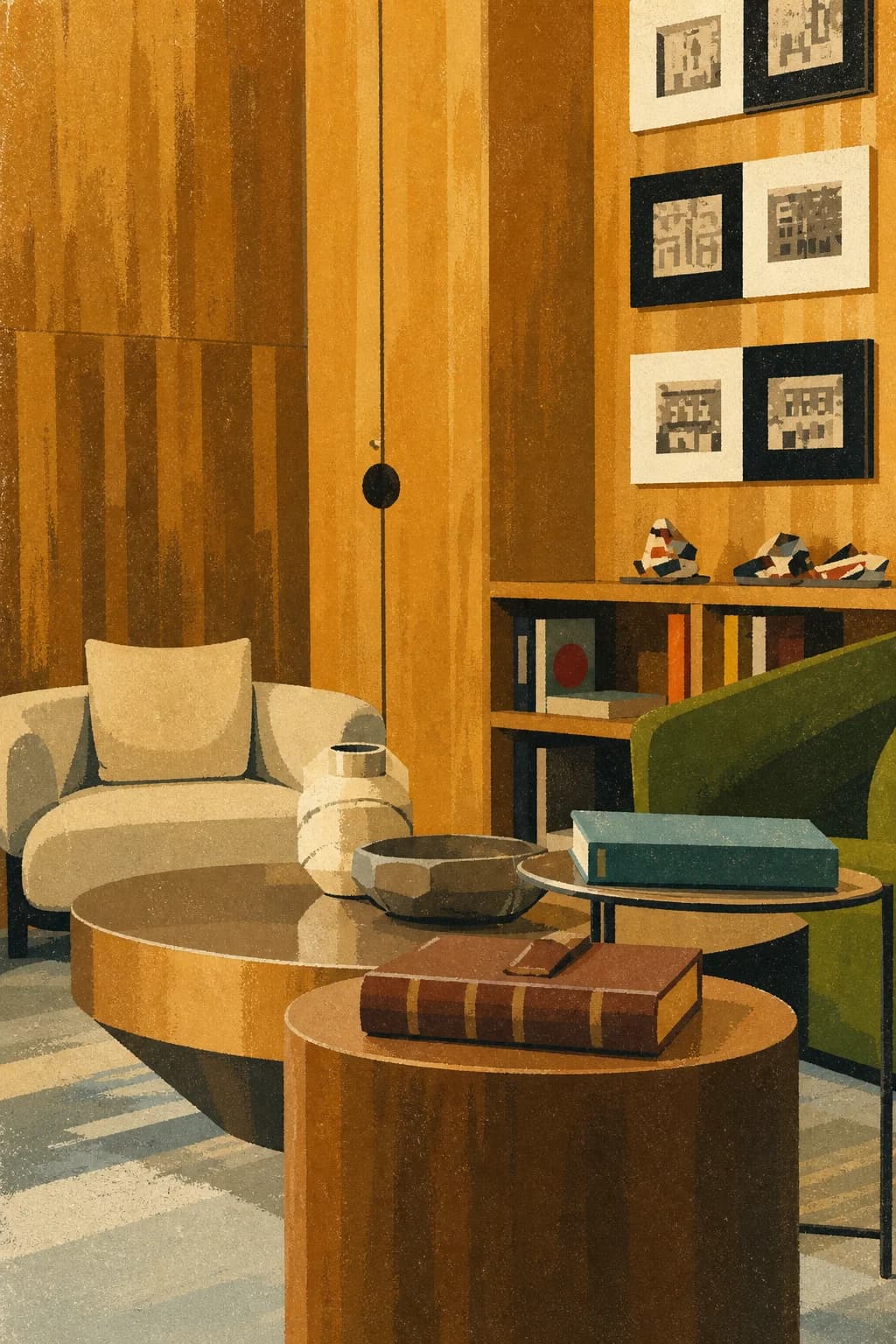
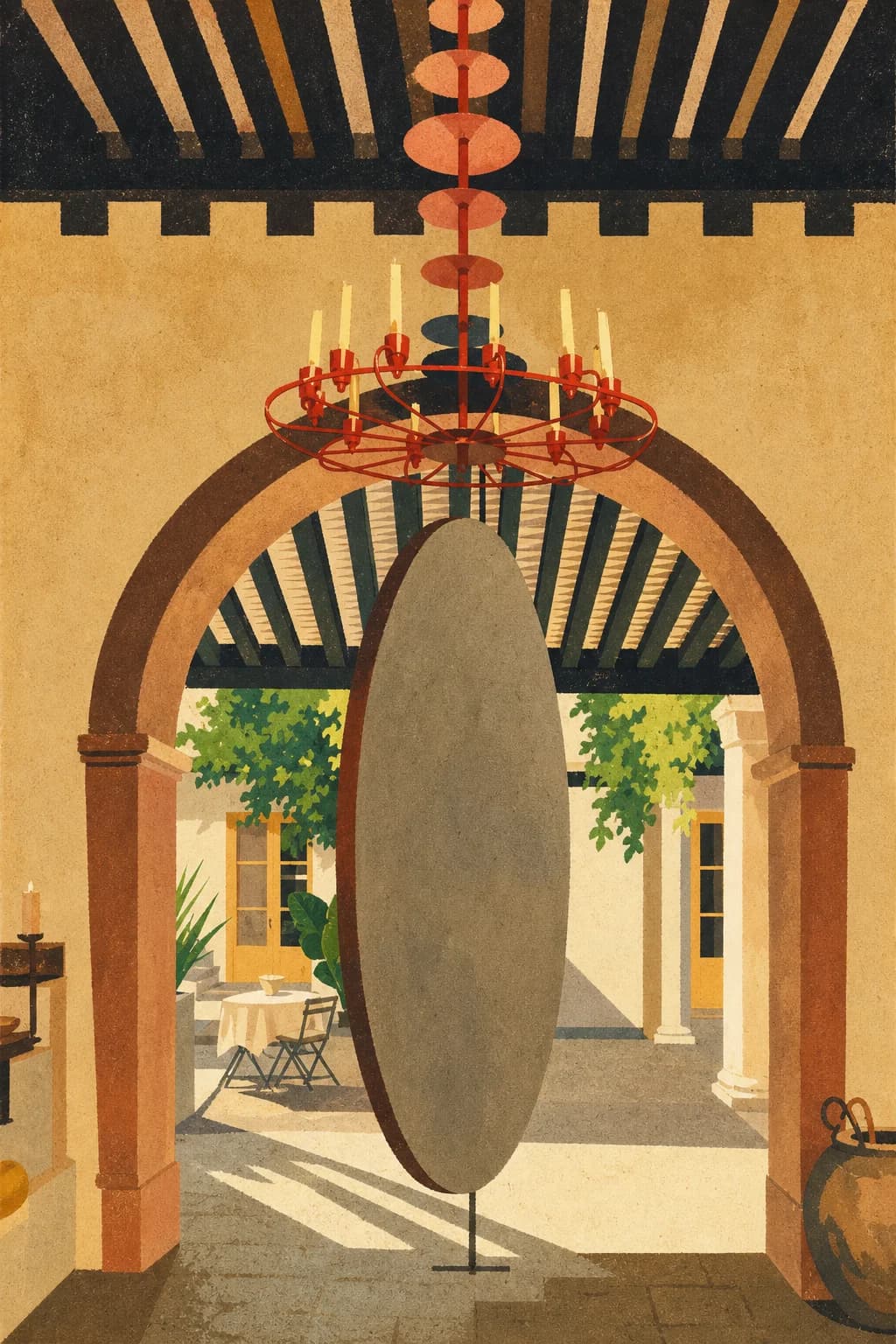
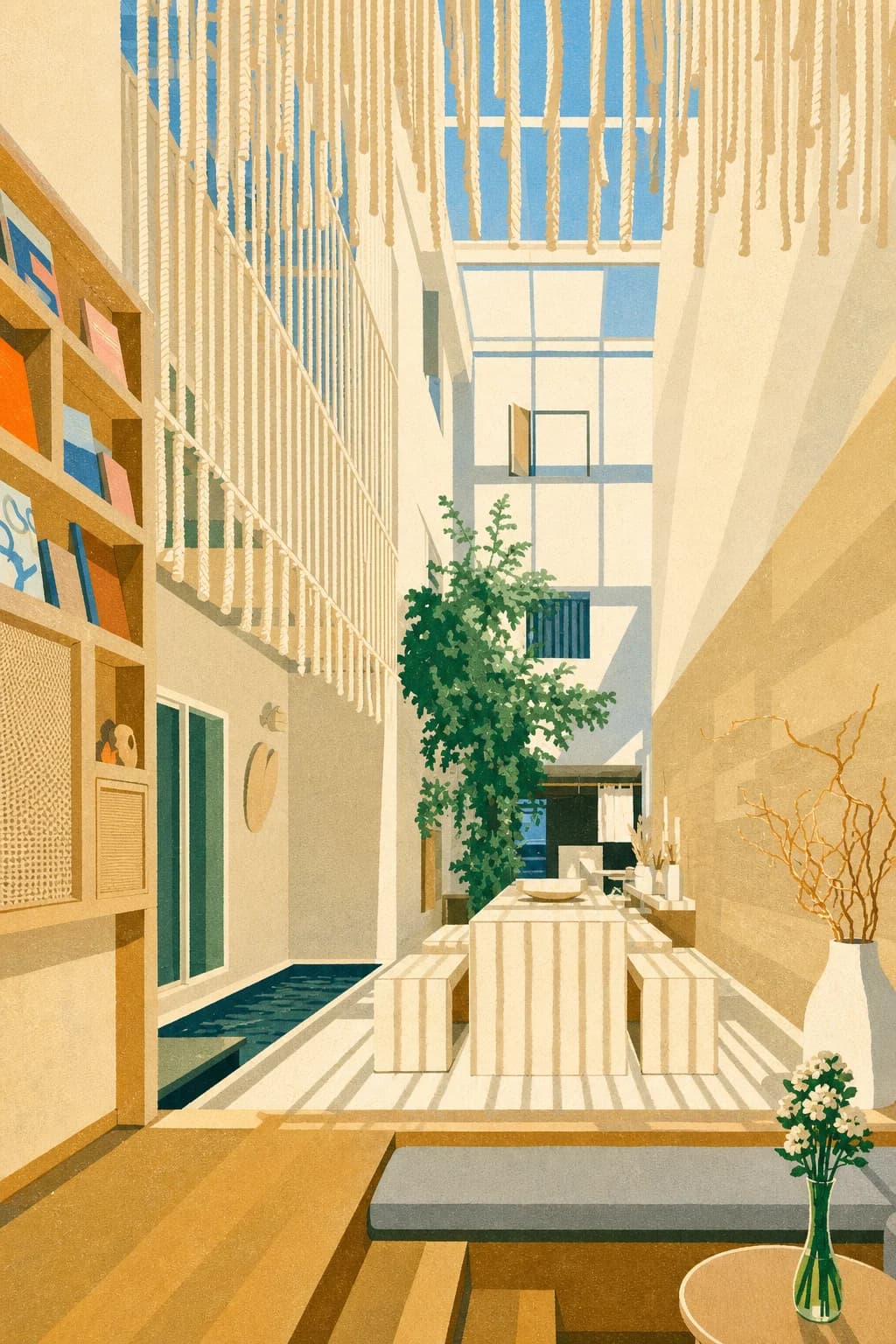
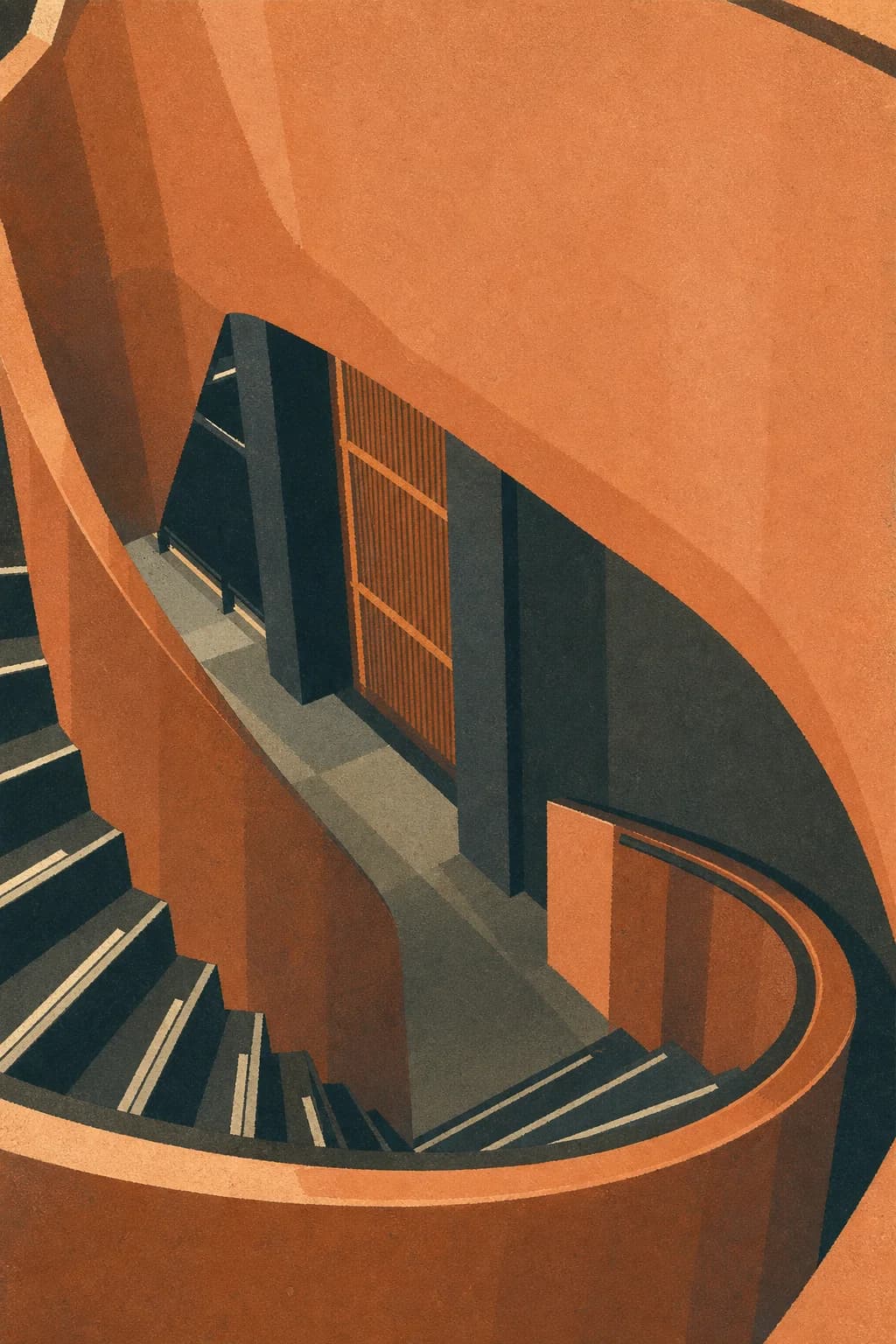
The plan is still a school plan: a central courtyard with rooms and balconies stacked around it, so windows look in rather than out at traffic. Kalach worked in metal, stone and wood, and the result reads residential rather than hotel. Light falls down the middle of the building all day. A back gallery hangs Mexican artists, and a sculpture made from recycled bicycle tires floats above the ground floor.
Breakfast beats most restaurant menus
There is no restaurant, and after the first breakfast you stop counting that against it. Mornings run to savoury tamales, avocado toast, and oatmeal with pecans, coconut, fruit and honey, plus pastries that come from Panadería Rosetta up the street. The rest of the day it is a staffed coffee bar and an honesty liquor shelf. For dinner you were always going out anyway, and here that is the point.
Roma Norte entirely on foot
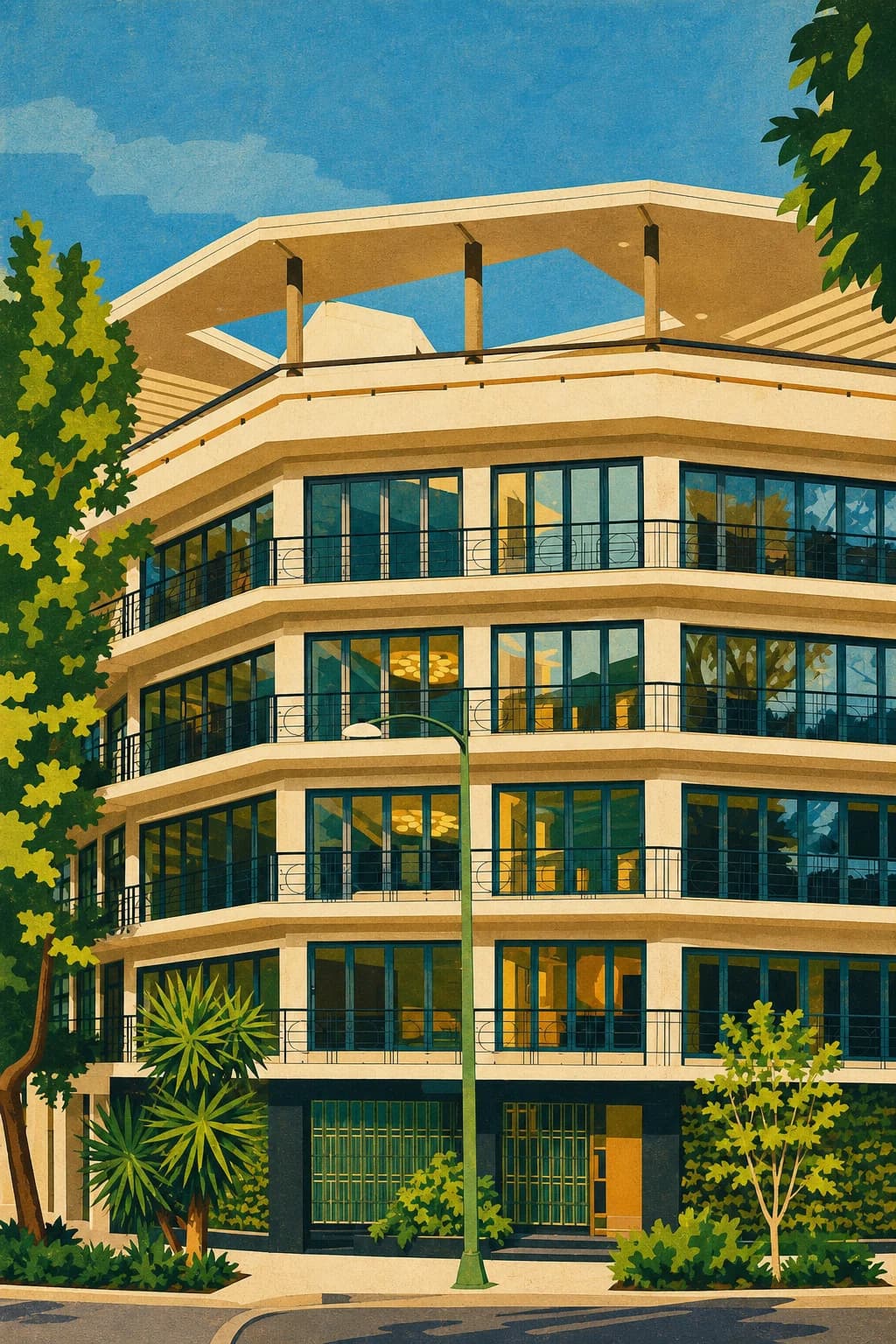
You can walk to Limantour and Casa Franca for cocktails, to galleries and independent design shops, and to more good kitchens than a week will let you get through. Colima itself is a low-rise, tree-heavy street, jacaranda in spring, dogs everywhere. Condesa is a fifteen minute stroll south. You will not need a car, and in this traffic you would not want one.
talk.
mapped.
“Tucked away in Roma Norte, one of Mexico City’s most lively corners, this former school is a minimalist refuge with a focus on contemporary art.”
record.
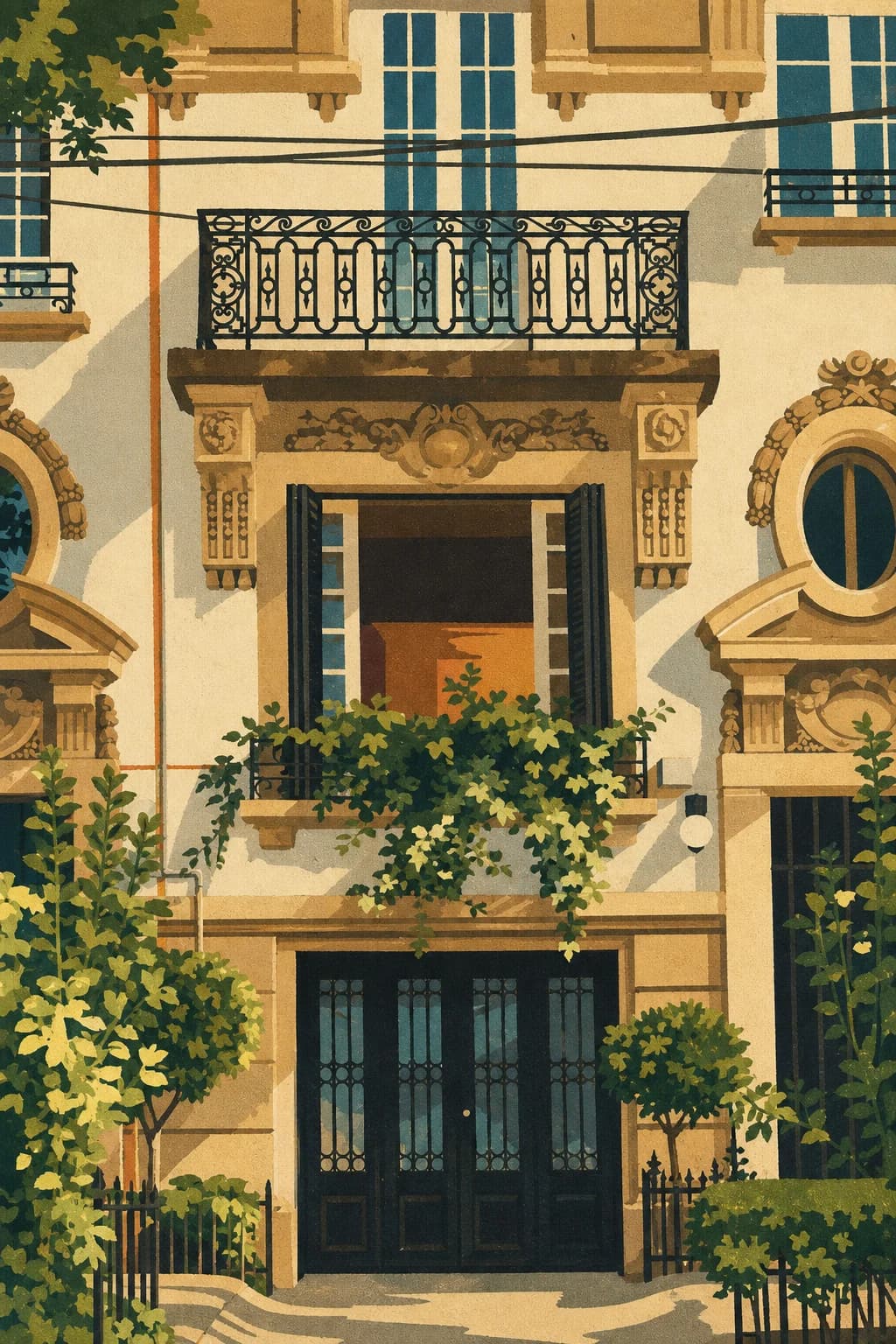
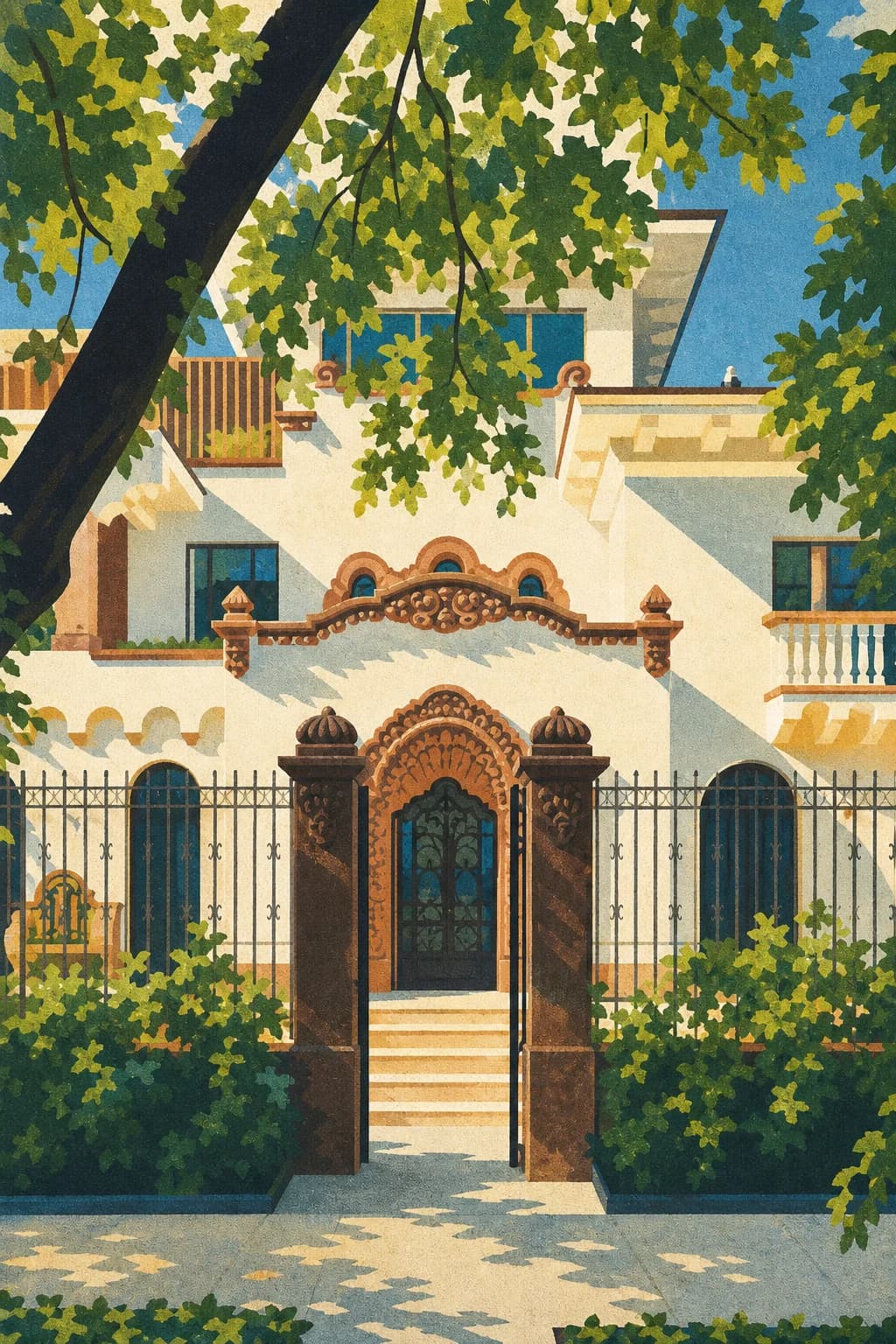
The building was a grade school first, renovated and reimagined by Alberto Kalach, whose practice T.A.X. also gave the city the Biblioteca Vasconcelos. He kept the logic of the old school: rooms face inward onto a courtyard, balconies stacked around it, light dropping straight down the middle of the plan.
Metal, stone and wood do most of the talking. Interiors, overseen by NOMAH and Karla Celerio, add marble, velvet and French tapestries without tipping into fuss, and the bathrooms are lined in Oaxacan black clay. A sculpture built from recycled bicycle tires hangs over the ground floor, and a back gallery rotates work by Mexican artists. Sixteen keys, one very popular neighbourhood: peak weeks close early, and they close quietly.
changed.
Mexico City runs on a two-peak calendar, and understanding why the curve looks the way it does is worth more than any temperature chart. The first peak is spring, roughly March into April, the dry-season stretch when the jacarandas turn the city violet and the skies stay clear. The second is late October into November, when Day of the Dead brings the single biggest travel surge of the year. Those are the weeks the city sells to the world, and they are the weeks the small design houses fill first.
For those peaks, plan far ahead. The Roma and Polanco properties that matter, the handful in the upper tiers, can close out three months before Day of the Dead and the jacaranda weeks, and there is no overflow wing when a hotel has nine or twenty rooms. If your trip is fixed to those dates, book the room before the flights.
The genuinely undervalued window is the summer rainy season, June through August. The rain scares people off, but it arrives as short, predictable afternoon storms that clear by evening, leaving bright mornings for everything you actually came to do. Demand drops to its yearly low, the same rooms that vanish in October sit open, and rates soften across the board. Shoulder travelers who do not need the jacarandas get the best value of the year here.
The rest of the calendar fills in around the peaks. February, May, September, and December run warm with demand: September carries Independence Day on the 16th and its plaza celebrations, and December brings the Guadalupe pilgrimage and Christmas, both of which tighten the center in particular. January sits quiet after the holidays, another soft, workable window.
The one thing Mexico City never does is close. There is no dead season, no shuttered-hotel month; the city works year-round, so the only real decision is how much company you want and how early you are willing to commit. Book the peaks early, take the summer if you can be flexible.
approach.
briefing.
“For travelers who want a design-forward stay that’s functional, low-intervention and quietly artful, this is a top-tier option.”
stands.
demand's going.
The real Instagram following over time, plus where this hotel sits for demand in Mexico City. Pick a range, toggle the lines. Followers are reach and demand, not engagement.
assessment.
File closes at HIGH. Sixteen keys in Roma Norte, quietly built and quietly filled, with peak weeks gone early and shoulder months wide open. Book it if you want a small house to walk out of every morning. Skip it if you need a pool, a gym or a restaurant downstairs.
The numbers behind the tiers
Colima 71 Casa de Arte · SOURCE READINGS · REDACTED- Availability density · sampled
- Monthly search volume · raw
- TikTok hashtag views · raw
- YouTube total views · raw
- TikTok following · latest sweep
- Pinterest saves · latest sweep
More from Mexico City.
Get the hotel's Unbookable Score.
Any post or reel with a hotel in it. Booking.com hotel pages work too. One free check, no account needed.