Casa Emilia
B&B Boutique.

If a good stay means a small house where breakfast is cooked for you and the staff learn your name by day two, it earns the attention it gets. If you want facilities, a bar scene or total anonymity, seven rooms will feel like a limit rather than a luxury. Judge it on service and street, not square metres.
Not obscure, exactly: a following in the several thousands means plenty of travellers have already found it. But it stays off most first time itineraries, and Colonia Cuauhtémoc is still overshadowed by Roma and Condesa when people plan a Mexico City trip. Quietly known rather than undiscovered.
angles.
Seven Rooms, No Template
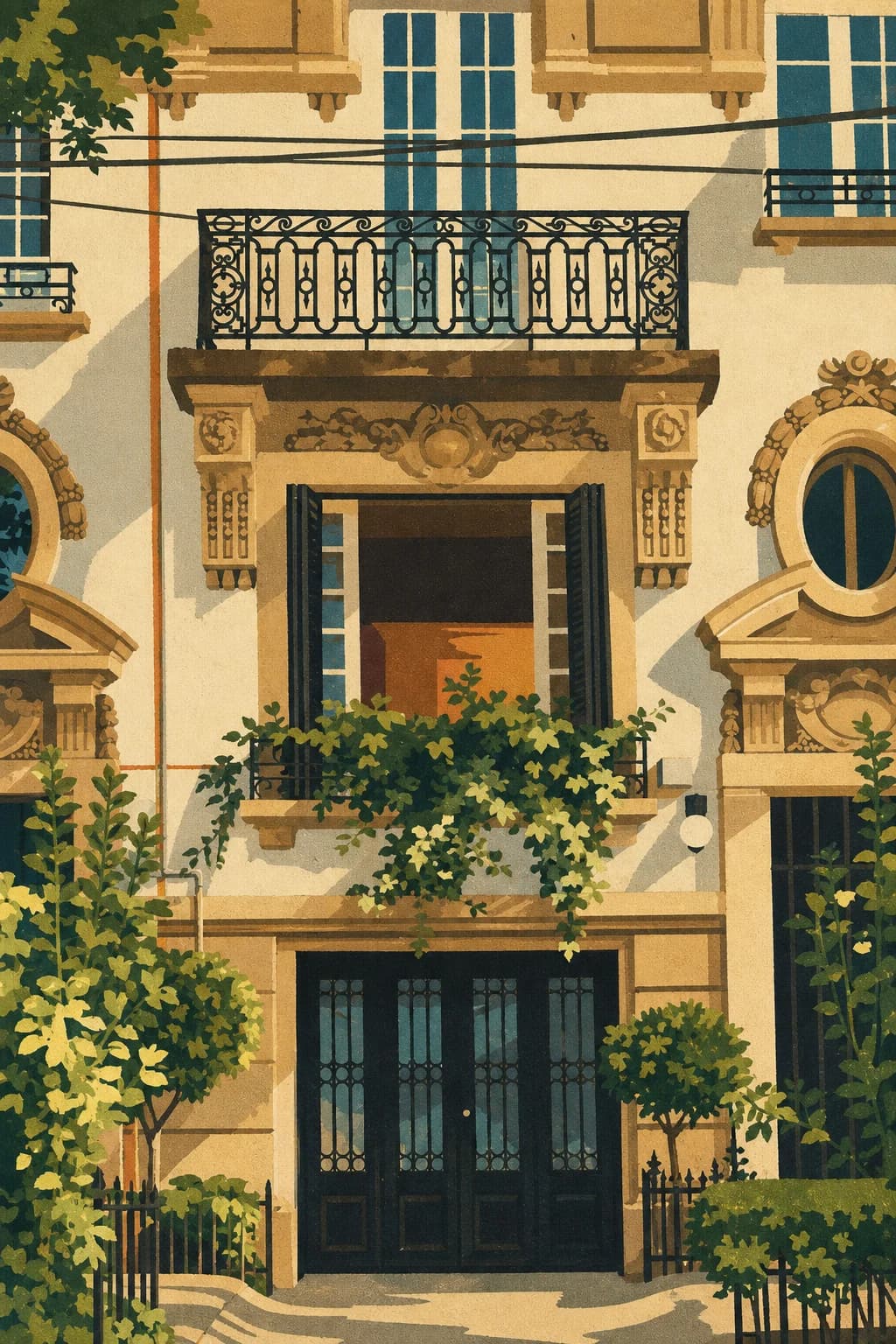
There is no repeating floor plan here. The seven rooms are styled individually, so one gets a balcony over the street, another a deep soaking tub, another the better afternoon light. Egyptian cotton on pillowtop mattresses, organic toiletries, two screens with Netflix if you want a lazy hour. It reads residential rather than hotel, furniture chosen one piece at a time rather than ordered by the pallet.
Streets Named For Rivers
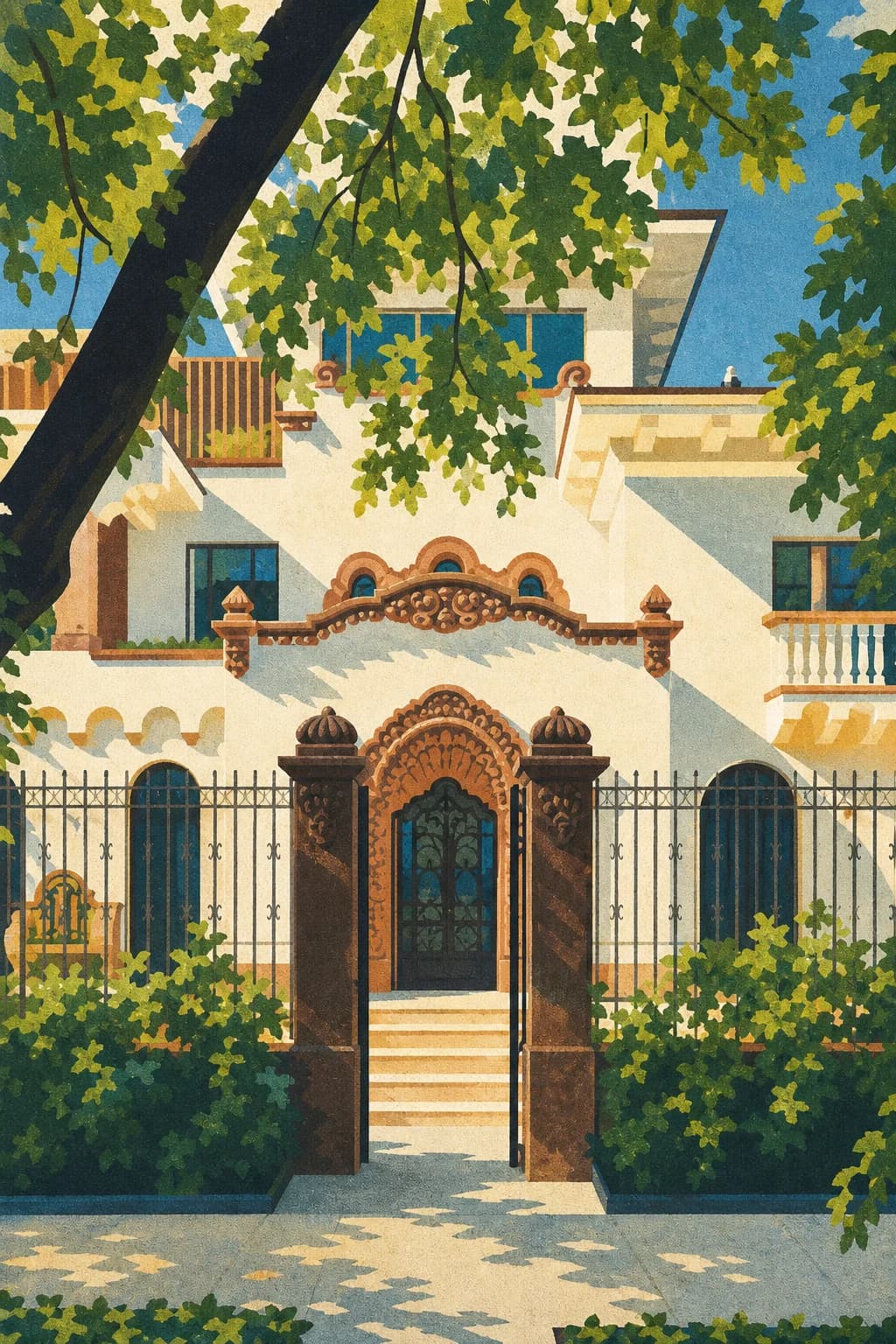
Colonia Cuauhtémoc runs on a grid where every street carries a river's name: Río Ebro, Río Lerma, Río Pánuco. It is embassy territory, which buys you quiet blocks, walkable sidewalks and a visible police presence that makes a late stroll unremarkable. The Ángel de la Independencia is two blocks off. Zona Rosa, the Reforma museums and Roma Norte's restaurants are all a walk or a short ride away.
Breakfast Cooked To Order
The second B does real work here. Mornings run to fruit, yogurt, granola and proper coffee, then a hot plate made when you ask for it: chilaquiles if you want the local answer, waffles if you want the soft landing. Gluten free is handled without drama. In a seven room house, being fed properly before you walk out into a city of taquerías counts for more than a spa would.
talk.
mapped.
record.
That is the entire property, and roughly 7,500 people follow the Instagram account. Casa Emilia sits on Río Ebro in Colonia Cuauhtémoc, on a grid where every street is named for a river and the embassies keep the traffic polite. Two blocks away, the Ángel de la Independencia goes gold at sunset.
Inside, it behaves less like a hotel than like the apartment of a friend with better taste than you: each room styled differently, deep tubs in some, balconies in others, Egyptian cotton on the beds, an honor bar instead of a lobby, a door code instead of a night manager. Breakfast is cooked to order, chilaquiles or waffles, fruit and yogurt and real coffee, served by people who greet you by name before the second morning is out. Small houses in central Mexico City fill unevenly, and seven keys is a thin margin.
changed.
Mexico City runs on a two-peak calendar, and understanding why the curve looks the way it does is worth more than any temperature chart. The first peak is spring, roughly March into April, the dry-season stretch when the jacarandas turn the city violet and the skies stay clear. The second is late October into November, when Day of the Dead brings the single biggest travel surge of the year. Those are the weeks the city sells to the world, and they are the weeks the small design houses fill first.
For those peaks, plan far ahead. The Roma and Polanco properties that matter, the handful in the upper tiers, can close out three months before Day of the Dead and the jacaranda weeks, and there is no overflow wing when a hotel has nine or twenty rooms. If your trip is fixed to those dates, book the room before the flights.
The genuinely undervalued window is the summer rainy season, June through August. The rain scares people off, but it arrives as short, predictable afternoon storms that clear by evening, leaving bright mornings for everything you actually came to do. Demand drops to its yearly low, the same rooms that vanish in October sit open, and rates soften across the board. Shoulder travelers who do not need the jacarandas get the best value of the year here.
The rest of the calendar fills in around the peaks. February, May, September, and December run warm with demand: September carries Independence Day on the 16th and its plaza celebrations, and December brings the Guadalupe pilgrimage and Christmas, both of which tighten the center in particular. January sits quiet after the holidays, another soft, workable window.
The one thing Mexico City never does is close. There is no dead season, no shuttered-hotel month; the city works year-round, so the only real decision is how much company you want and how early you are willing to commit. Book the peaks early, take the summer if you can be flexible.
approach.
briefing.
stands.
demand's going.
The real Instagram following over time, plus where this hotel sits for demand in Mexico City. Pick a range, toggle the lines. Followers are reach and demand, not engagement.
assessment.
File closes at MODERATE. Seven rooms in a quiet embassy pocket two blocks from the Ángel, with breakfast cooked to order. Right for a small-house stay and a walkable base; wrong if you need a front desk at 2am or a rooftop pool.
The numbers behind the tiers
Casa Emilia B&B Boutique · SOURCE READINGS · REDACTED- Availability density · sampled
- Monthly search volume · raw
- TikTok hashtag views · raw
- YouTube total views · raw
- TikTok following · latest sweep
- Pinterest saves · latest sweep
More from Mexico City.





Get the hotel's Unbookable Score.
Any post or reel with a hotel in it. Booking.com hotel pages work too. One free check, no account needed.