Umbral, Curio Collection
by Hilton.
3 critic reviews
filed.
Mostly, yes. The threshold concept is real and the rooftop over the Historic Center is worth the stay on its own. Just know that the moody interiors and the busy, uneven neighbourhood are part of the deal, not flaws to be surprised by.
Sort of. It carries a Hilton flag, so it is not exactly obscure, but plenty of travelers still default to Roma or Condesa and skip Centro Histórico entirely. Staying here still feels like a tip most people haven't taken.
angles.
The threshold is the point
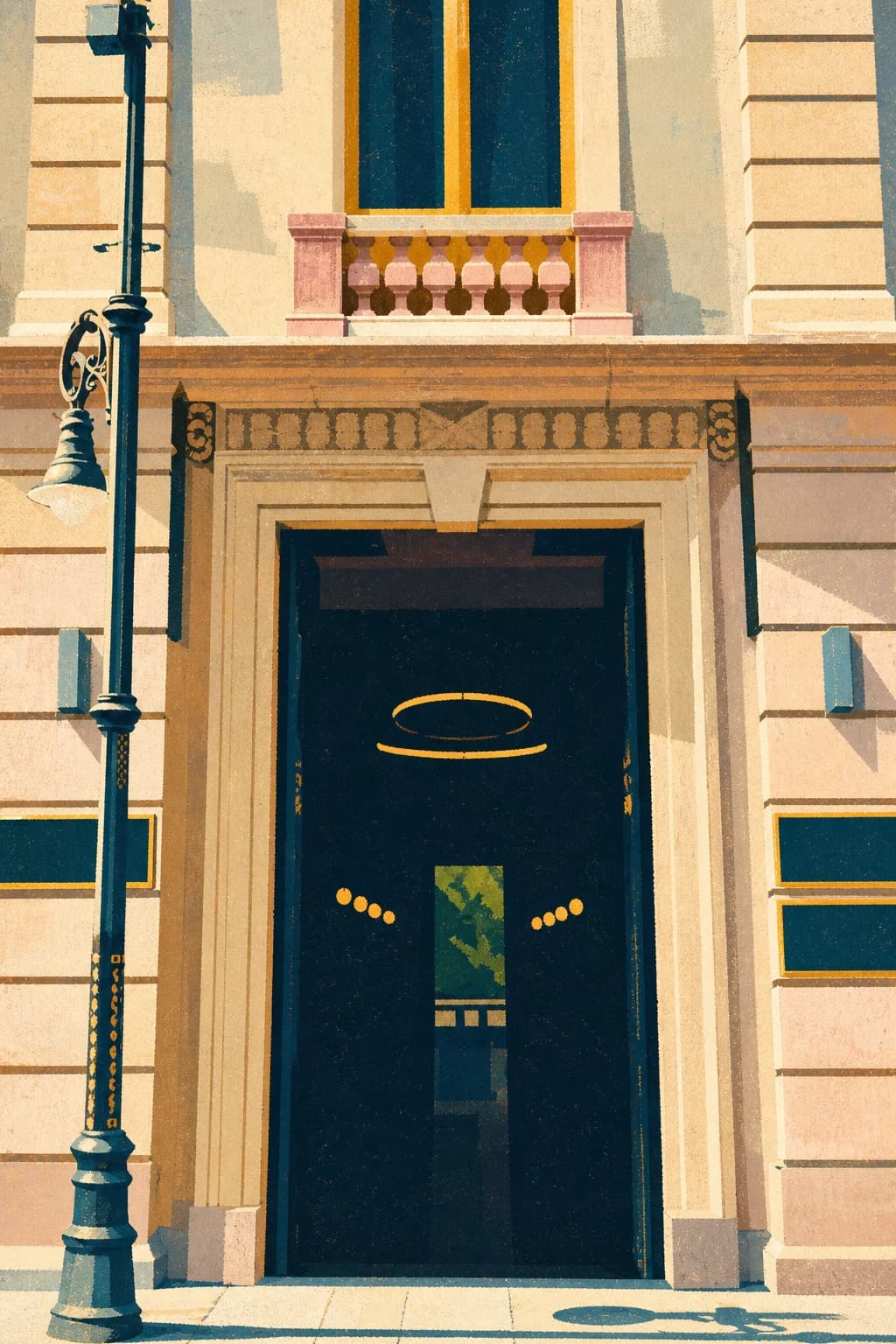
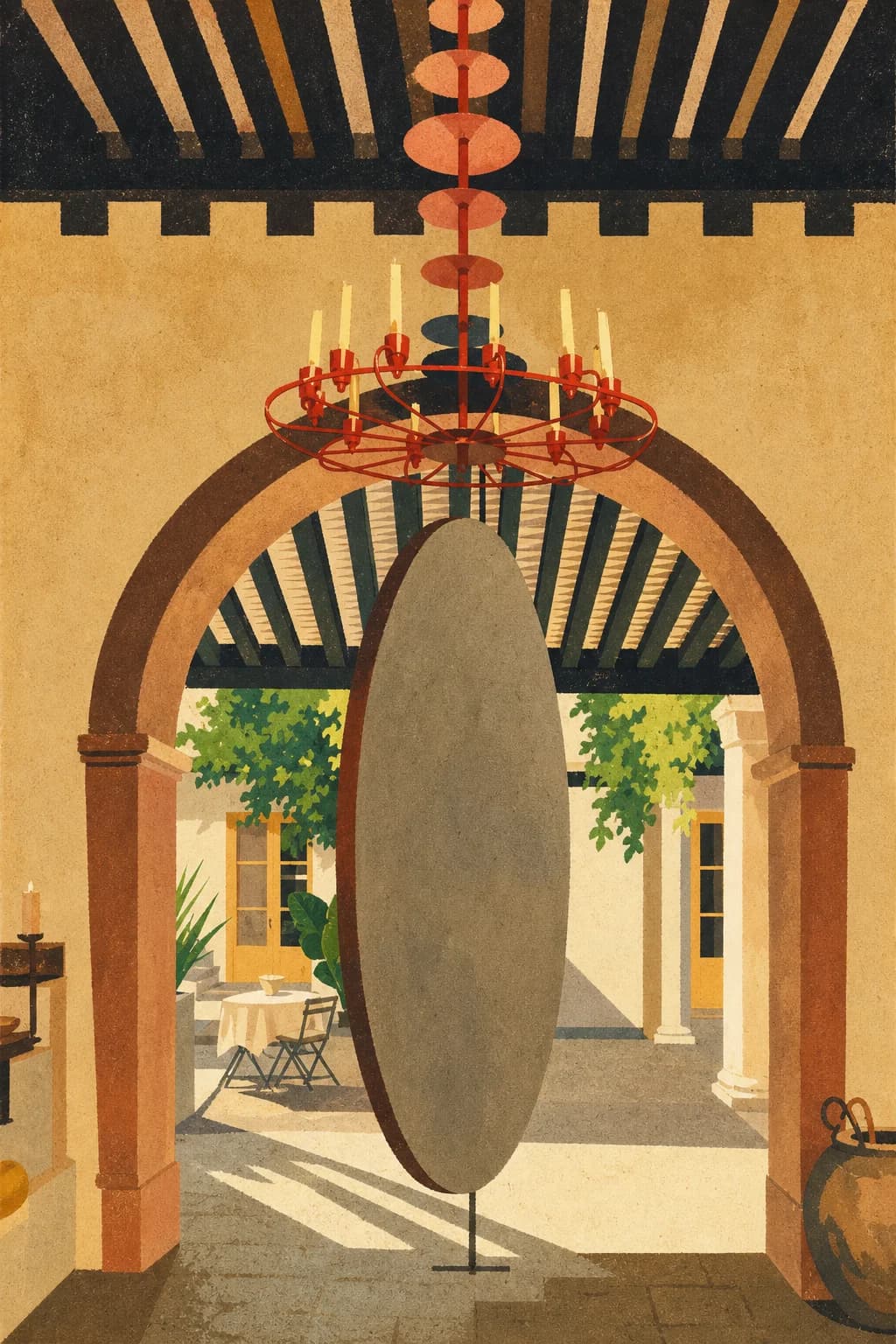
Javier Sanchez built the whole interior around one gesture. You enter each room through a shadowed vestibule, then cross a golden frame into a bright, spare bedroom washed in beige, white, and wood. It reads as theater without turning precious. Add contemporary art on the walls and a record player with vinyl you can pick, and the design earns its ambition. Some find it moody, which it is, on purpose.
Rooftop over the whole city
The roof is the payoff. An infinity pool sits above the Historic Center, cathedral domes and rooftops laid out below, with a bar pouring cocktails built on Mexican spirits. The kitchen leans into homemade tortillas and grilled plates, and a wellness bar downstairs handles juices and smoothies when you want something lighter. It is the rare hotel roof that locals will actually climb up to drink on.
Two blocks from the Zócalo
You are in the middle of the oldest part of the city. Walk out and you are minutes from the Zócalo, the Templo Mayor ruins, Palacio de Bellas Artes, and Alameda Central. Mornings belong to street vendors and church bells; the neighbourhood empties of tourists by evening and turns quiet. Staying inside Centro Histórico instead of commuting into it changes the whole trip.
talk.
mapped.
“The thing that made the Hotel Umbral stand out most during our stay was the service: everyone from the doorman to the concierge to our breakfast server seemed genuinely invested in our happiness.”
record.
Umbral is the argument for staying put. It fills a 1924 building that JSa, a local architecture and design firm, restored into 59 rooms, with architect Javier Sanchez shaping the interiors around a single idea: the threshold. Every room opens with a dark, intimate entry that gives way to a bright, spare bedroom through a golden frame, the umbral itself.
Neutral tones, pale and dark wood, contemporary art, a record player loaded with vinyl you can request. Up top, an infinity pool and a rooftop where the Historic Center spreads out below, cathedral domes and all. It is a genuinely good hotel two blocks from the Zócalo, which is exactly why rooms tighten during festival stretches and holiday weeks. Book ahead when the calendar heats up.
changed.
Mexico City runs on a two-peak calendar, and understanding why the curve looks the way it does is worth more than any temperature chart. The first peak is spring, roughly March into April, the dry-season stretch when the jacarandas turn the city violet and the skies stay clear. The second is late October into November, when Day of the Dead brings the single biggest travel surge of the year. Those are the weeks the city sells to the world, and they are the weeks the small design houses fill first.
For those peaks, plan far ahead. The Roma and Polanco properties that matter, the handful in the upper tiers, can close out three months before Day of the Dead and the jacaranda weeks, and there is no overflow wing when a hotel has nine or twenty rooms. If your trip is fixed to those dates, book the room before the flights.
The genuinely undervalued window is the summer rainy season, June through August. The rain scares people off, but it arrives as short, predictable afternoon storms that clear by evening, leaving bright mornings for everything you actually came to do. Demand drops to its yearly low, the same rooms that vanish in October sit open, and rates soften across the board. Shoulder travelers who do not need the jacarandas get the best value of the year here.
The rest of the calendar fills in around the peaks. February, May, September, and December run warm with demand: September carries Independence Day on the 16th and its plaza celebrations, and December brings the Guadalupe pilgrimage and Christmas, both of which tighten the center in particular. January sits quiet after the holidays, another soft, workable window.
The one thing Mexico City never does is close. There is no dead season, no shuttered-hotel month; the city works year-round, so the only real decision is how much company you want and how early you are willing to commit. Book the peaks early, take the summer if you can be flexible.
approach.
briefing.
“Yes! This was my first hotel stay ever in Mexico, and the Umbral, Curio Collection by Hilton was an amazing way to get acquainted with such a gorgeous country.”
stands.
demand's going.
The real Instagram following over time, plus where this hotel sits for demand in Mexico City. Pick a range, toggle the lines. Followers are reach and demand, not engagement.
assessment.
File closes at MODERATE. Bookable on the usual channels, so no heroics, just lead time around festivals. Book if you want to live inside Centro Histórico with a moody room and a rooftop pool. Skip if you need quiet streets and bright, simple rooms.
The numbers behind the tiers
Umbral, Curio Collection by Hilton · SOURCE READINGS · REDACTED- Availability density · sampled
- Monthly search volume · raw
- TikTok hashtag views · raw
- YouTube total views · raw
- TikTok following · latest sweep
- Pinterest saves · latest sweep
More from Mexico City.







Get the hotel's Unbookable Score.
Any post or reel with a hotel in it. Booking.com hotel pages work too. One free check, no account needed.