Dhawa Yura
Kyoto.

3 critic reviews
filed.
Mostly, yes. You are paying for design and a location that lets you walk to Gion and the Kamo River, and both deliver. Just know the rooms are compact and the appeal is more about atmosphere than square footage.
Genuinely, this one flies under the radar, partly by accident. The rebrand from Kyoto Yura Hotel MGallery to Dhawa Yura Kyoto scattered its reputation across two names, so it draws less attention than a first-MGallery-in-Japan pedigree deserves. That works in your favour.
angles.
A bamboo forest indoors
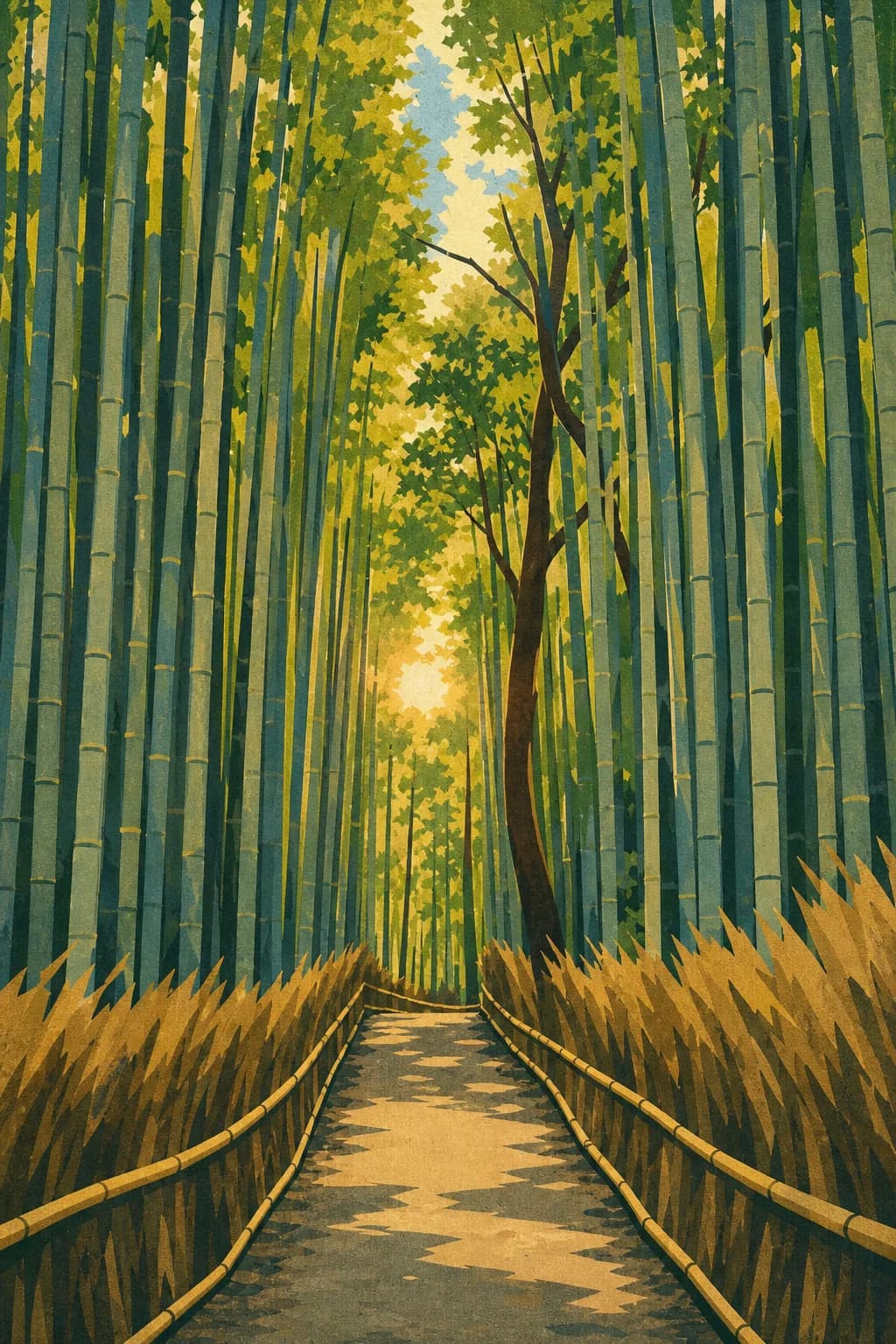
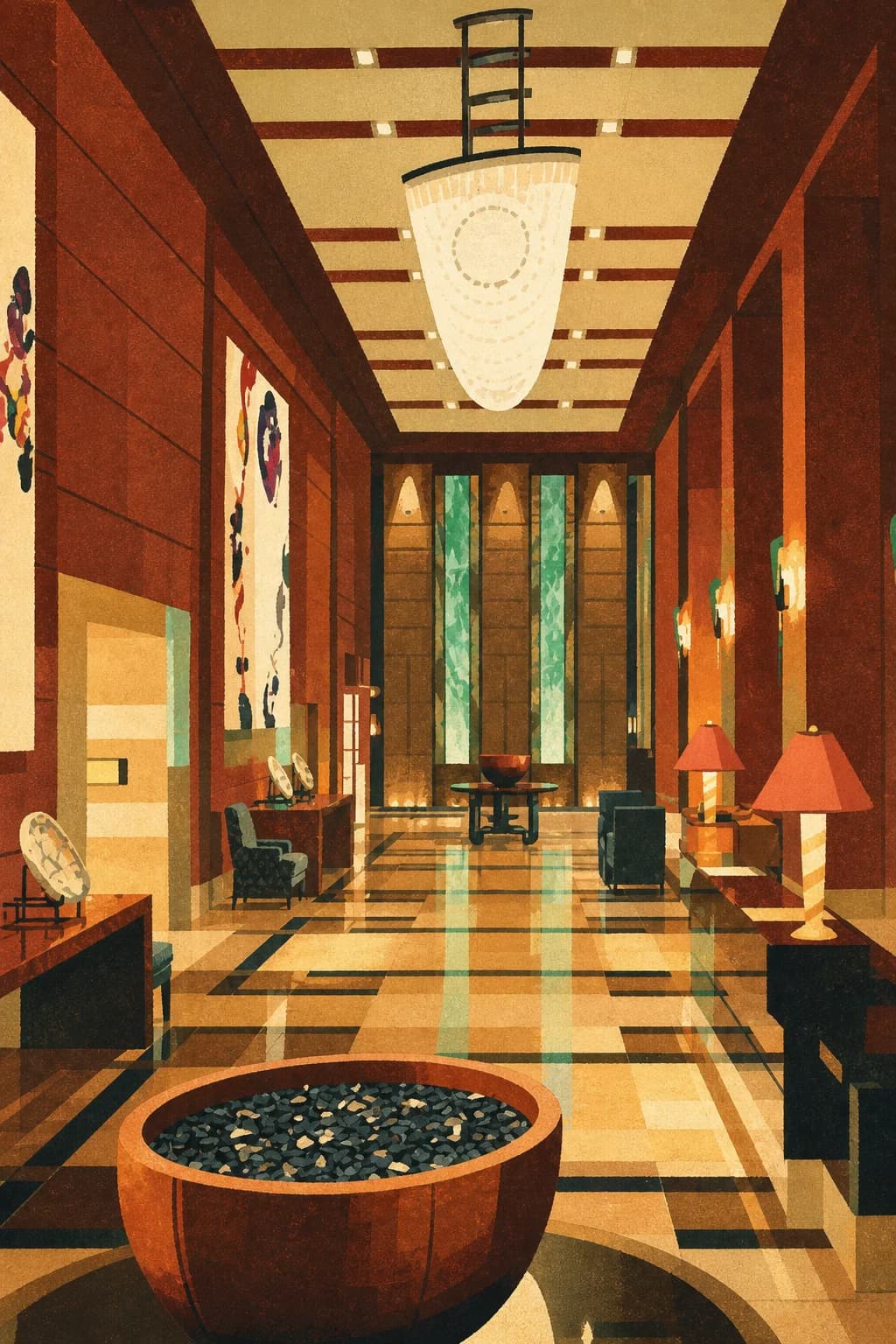
The lobby is the flex. A stand of live bamboo rises from the basement all the way to a glass roof, so you check in inside a small forest. Natural hardwood, bamboo and washi paper carry through the interiors, and guest rooms band their walls with Nishijin-ori, the same textile technique used for formal kimono belts. It reads as samurai-era Kyoto filtered through a calm, modern hand.
Breakfast opens onto bamboo
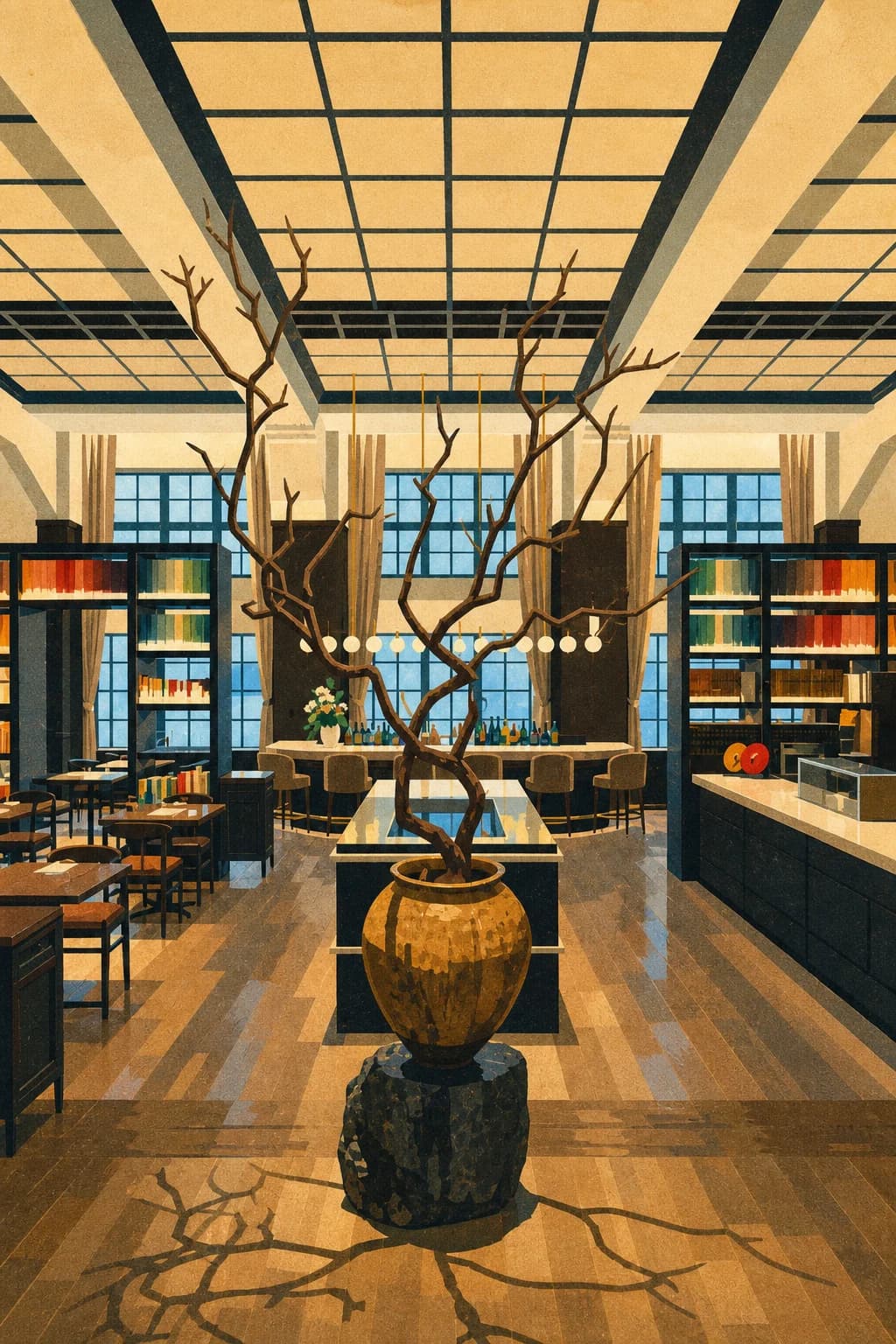
The 54th Station Grill sits at basement level and opens straight onto that bamboo forest. Mornings bring fresh tofu, natto, congee and Kyoto pickles next to Western pastries; by lunch the room turns into a grill house with French leanings. Upstairs, Bar 1867 pours Japanese whiskies and a signature called the Maiko, a martini clouded with silky Kyoto tofu. Order it once.
Sanjo, steps from the river
The address is Sanjo, central Kyoto and genuinely walkable. The Kamo River is a short stroll, Gion sits just across it, and Gion-Shijo Station is about eight minutes on foot, so you can drop bags and be temple-bound in minutes. Restaurants, shops and the subway are all around you. For a first visit to the city, this is the kind of base that saves you from long taxi queues.
talk.
mapped.
“While the hotel's room product may lack the luxuriousness of those offered by its more premium siblings Sofitel and SO Sofitel, the sizeable Simmons bed was undeniably comfortable.”
record.
The drama is immediate. A living bamboo forest climbs from the basement to a glass roof, and the entrance is so discreet you reach it through a touchpad rather than a grand door.
Rooms run across just five floors, a nod to Kyoto's height limits, each with a tatami seating nook set into the window and Nishijin textile banding lifted from kimono-belt weaving. It sits in Sanjo, walking distance from the Kamo River and Gion. This one rewards the traveller who does the legwork: the payoff is central Kyoto without the scramble, once you know which name to search for.
changed.
Kyoto's demand curve is one of the most legible in Japan because it is almost entirely botanical. Two events set the peaks: cherry blossom in late March and April, and maple color in November. In those windows the city runs at capacity.
The two blossom peaks are a lead-time contest, not a booking exercise. Small houses in Gion and Higashiyama get spoken for six to nine months out, and the marquee rooms go further still. If your heart is set on blossom or foliage at a specific address, treat lead time as the whole game and book the moment dates open.
The shoulder months either side reward flexibility. February and December stay busy without hitting the peak — plum blossom and year-end temple illuminations, respectively. January is genuinely quiet: cold, clear, with the occasional dusting of snow on temple roofs that photographers wait years for. These are the months to chase the houses that vanish in spring.
Summer is the real value story, and the least understood. June through September reads as low demand despite holding one of Japan's great festivals, Gion Matsuri, which fills July with float processions, plus the Daimonji bonfires on August 16. The suppressant is simple: heat and humidity climb well into the thirties, and many travelers stay away.
If you can tolerate the weather, summer is when the hardest rooms open up at the softest rates.
The practical read is a split. Peak seasons are about discipline and early commitment; shoulder and low seasons are about opportunism. Because the curve tracks leaves rather than school holidays or weather comfort, the undervalued months are the counterintuitive ones — the hot ones. Nothing in Kyoto closes across the year, so the only real constraint is the two blossom peaks and how far ahead you are willing to plan.
approach.
briefing.
“Coming in from a busy main road, I was not expecting to encounter a mini bamboo grove. Kyoto is renowned for its bamboo forests.”
stands.
demand's going.
The real Instagram following over time, plus where this hotel sits for demand in Kyoto. Pick a range, toggle the lines. Followers are reach and demand, not engagement.
assessment.
File closes at ACCESSIBLE. A design-forward Kyoto base in walkable Sanjo, trading these days as Dhawa Yura Kyoto. Book it for the bamboo lobby and walkable Sanjo footing; skip it if you want sprawling rooms or a grand entrance.
The numbers behind the tiers
Dhawa Yura Kyoto · SOURCE READINGS · REDACTED- Availability density · sampled
- Monthly search volume · raw
- TikTok hashtag views · raw
- YouTube total views · raw
- TikTok following · latest sweep
- Pinterest saves · latest sweep
More from Kyoto.

Get the hotel's Unbookable Score.
Any post or reel with a hotel in it. Booking.com hotel pages work too. One free check, no account needed.