Ace
Hotel Kyoto.
4 critic reviews
filed.
Mostly, yes. The building and the design deliver, and the food program is genuinely good rather than an amenity checkbox. Just know you are buying a lively, social hotel, not a serene one.
Not exactly a hidden gem; the design world clocked it the moment it opened. But plenty of Kyoto visitors still default to heritage ryokan or big chains and never consider it, so it flies under more radars than it should.
angles.
Kuma's bones, Ace's personality
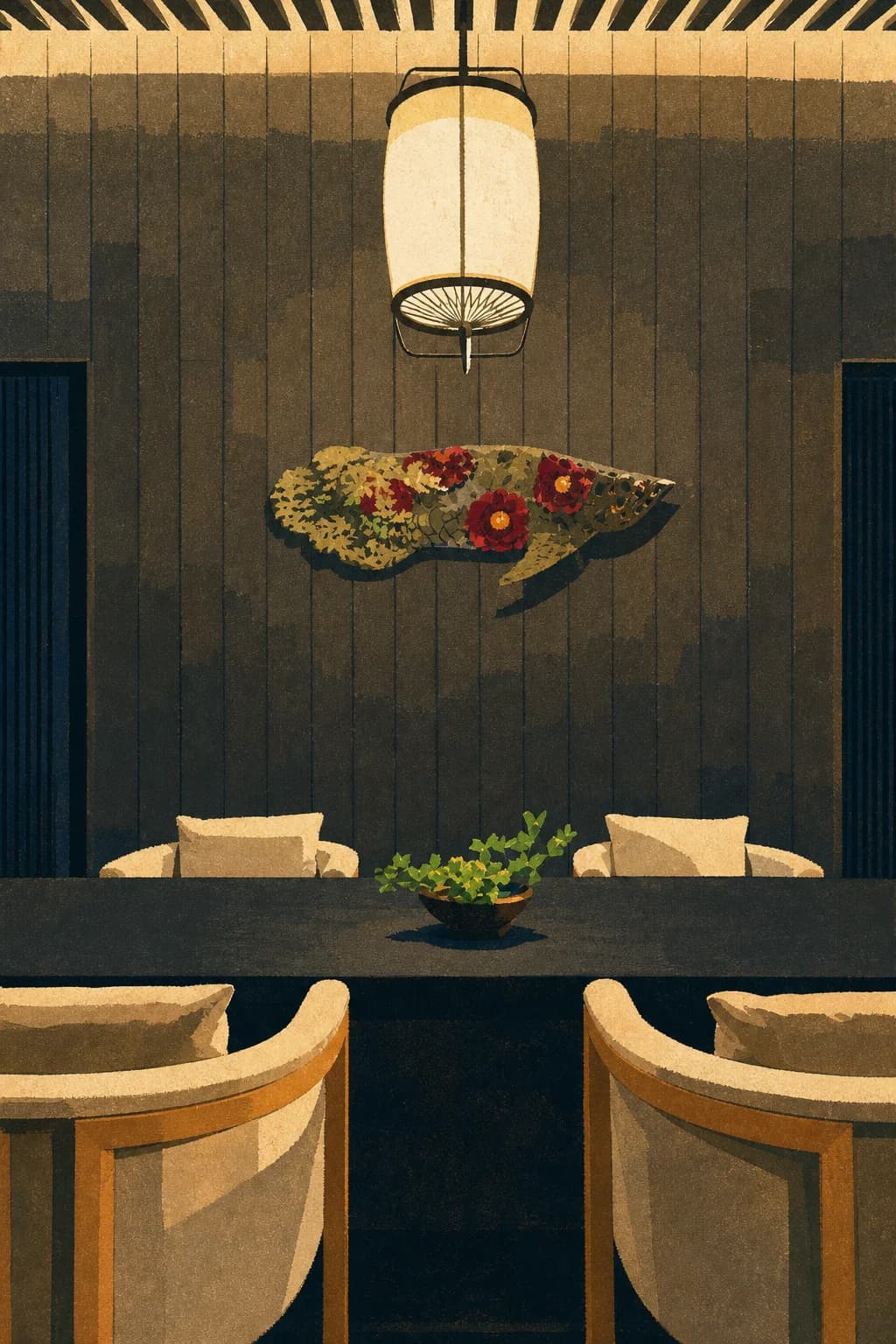
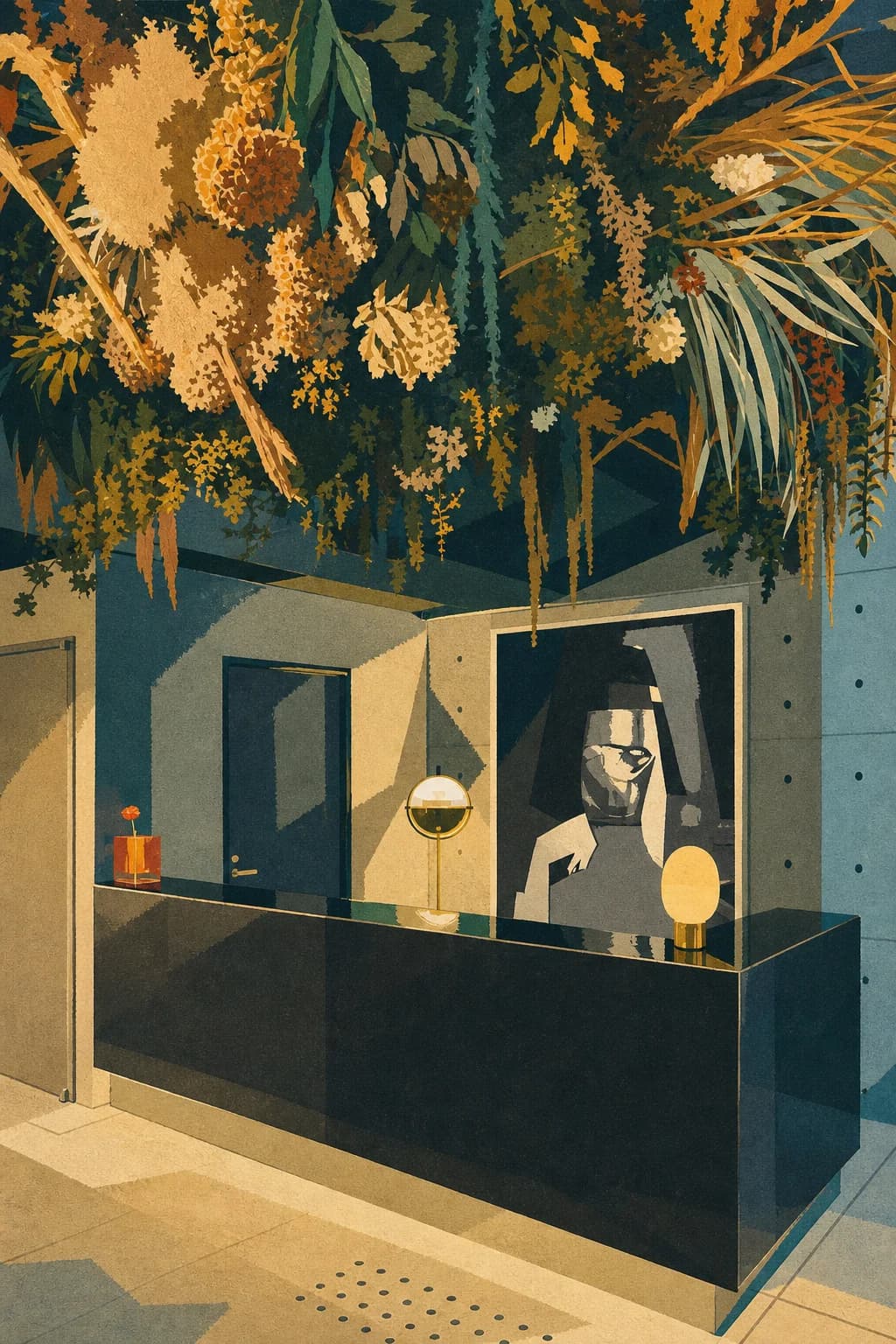
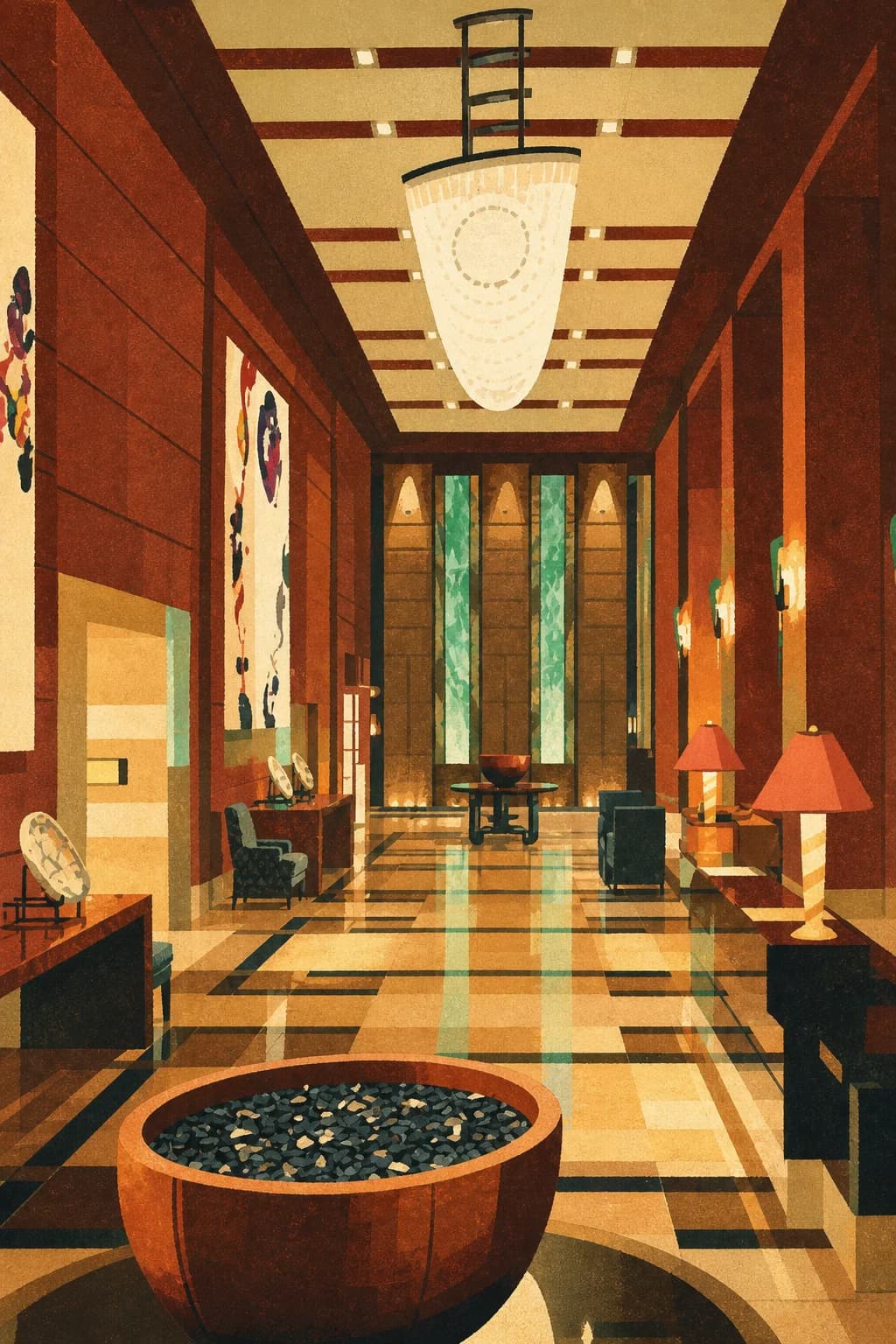
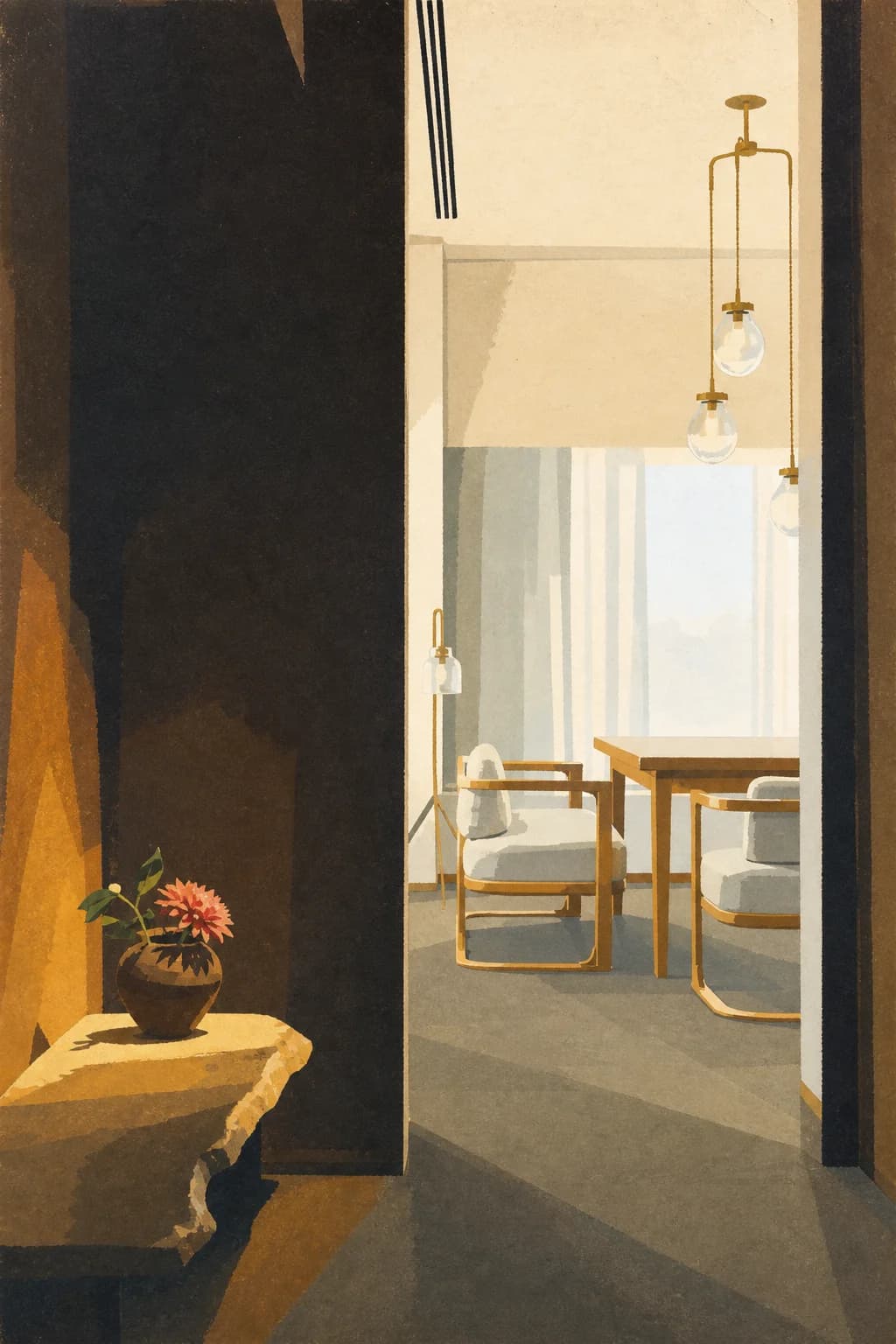
Kengo Kuma & Associates kept the bones of the old telephone exchange, the brickwork, the arched windows, the ceiling height, then pared the interiors back to tatami, washi paper and pale timber. Commune Design layered the Ace signature on top: mid-century shapes, warm lighting, a record player waiting on the desk. The result feels calm without ever tipping into precious.
Three restaurants, all distinct
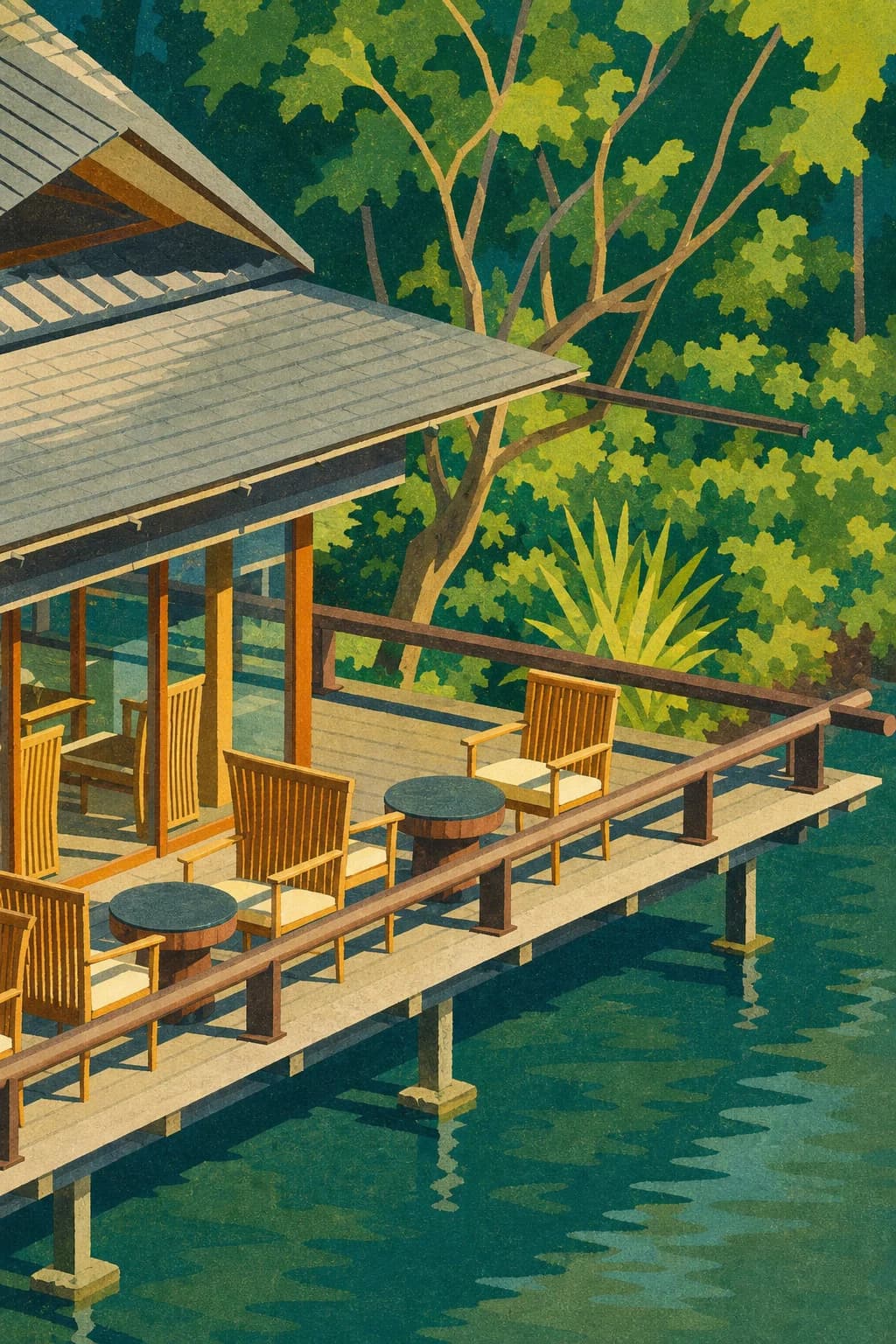
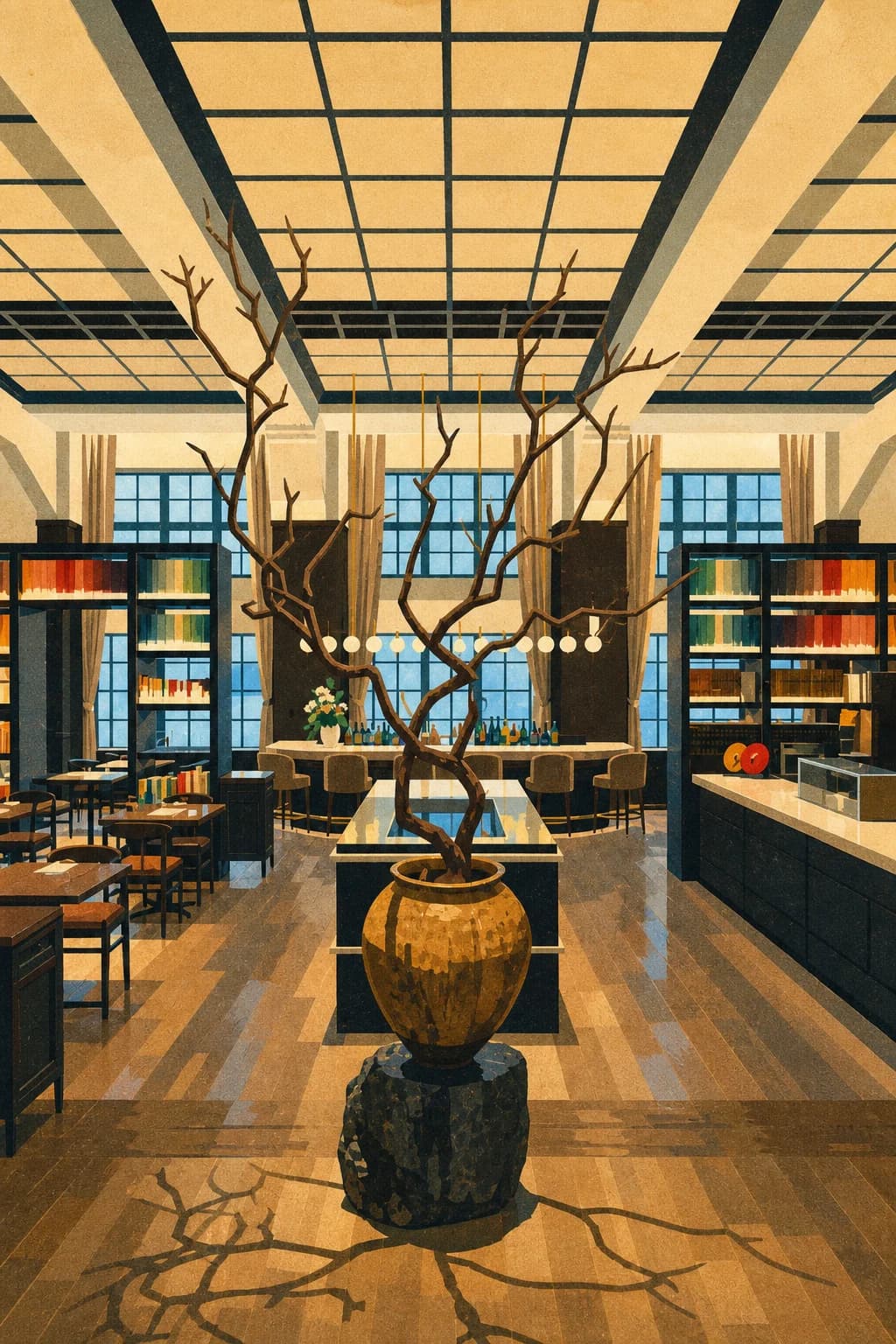
There are three restaurants and a coffee counter, each with its own personality. Mr. Maurice's Italian handles carbonara and tiramisu with a rooftop view over the courtyard. Kosa runs a farm-driven, California-meets-Kyoto menu built on the day's harvest. Piopiko is the taco and mezcal lounge you drift into afterward. Stumptown pours the morning coffee. You could eat here for days and never repeat.
Downtown, minus the compromise
You are in the Shinpuhkan complex on Karasuma Street, which puts downtown Kyoto at your feet. Nishiki Market's food stalls are a short walk, the Museum of Kyoto and the Kyoto Art Center sit close by, and the subway two minutes away gets you to the temples without a taxi. The courtyard downstairs fills with locals, which tells you something.
talk.
mapped.
“Ace Hotel Kyoto – unusually large, with 213 guestrooms and three restaurants – is a celebratory mesh of Ace's DNA and Japan's high quality craftsmanship”
record.
The property is the work of Commune Design with Kengo Kuma & Associates as architectural partner, built into a former central telephone office whose brick arches and high ceilings still anchor the place. Kuma's touch shows in the restraint: tatami, washi, pale local wood, and window seats you actually use.
Then the Ace personality kicks in, a TEAC turntable and a stack of records in your room, Stumptown coffee by the door, a taco lounge called Piopiko off the courtyard. It is Kyoto minimalism shaking hands with California, and it works better than that sounds. Rooms here book out fast at peak, so the smart move is planning around Kyoto's seasons rather than against them.
changed.
Kyoto's demand curve is one of the most legible in Japan because it is almost entirely botanical. Two events set the peaks: cherry blossom in late March and April, and maple color in November. In those windows the city runs at capacity.
The two blossom peaks are a lead-time contest, not a booking exercise. Small houses in Gion and Higashiyama get spoken for six to nine months out, and the marquee rooms go further still. If your heart is set on blossom or foliage at a specific address, treat lead time as the whole game and book the moment dates open.
The shoulder months either side reward flexibility. February and December stay busy without hitting the peak — plum blossom and year-end temple illuminations, respectively. January is genuinely quiet: cold, clear, with the occasional dusting of snow on temple roofs that photographers wait years for. These are the months to chase the houses that vanish in spring.
Summer is the real value story, and the least understood. June through September reads as low demand despite holding one of Japan's great festivals, Gion Matsuri, which fills July with float processions, plus the Daimonji bonfires on August 16. The suppressant is simple: heat and humidity climb well into the thirties, and many travelers stay away.
If you can tolerate the weather, summer is when the hardest rooms open up at the softest rates.
The practical read is a split. Peak seasons are about discipline and early commitment; shoulder and low seasons are about opportunism. Because the curve tracks leaves rather than school holidays or weather comfort, the undervalued months are the counterintuitive ones — the hot ones. Nothing in Kyoto closes across the year, so the only real constraint is the two blossom peaks and how far ahead you are willing to plan.
approach.
briefing.
“the 213-room ace hotel kyoto has been designed to pay homage to the city's creative spirit, and as a monument to its past and future legends.”
stands.
demand's going.
The real Instagram following over time, plus where this hotel sits for demand in Kyoto. Pick a range, toggle the lines. Followers are reach and demand, not engagement.
assessment.
File closes at HIGH. Bookable if you plan around Kyoto's seasons. Design lovers and first-time visitors should grab it early; anyone wanting a hushed, traditional retreat can skip it without regret.
The numbers behind the tiers
Ace Hotel Kyoto · SOURCE READINGS · REDACTED- Availability density · sampled
- Monthly search volume · raw
- TikTok hashtag views · raw
- YouTube total views · raw
- TikTok following · latest sweep
- Pinterest saves · latest sweep
More from Kyoto.

Get the hotel's Unbookable Score.
Any post or reel with a hotel in it. Booking.com hotel pages work too. One free check, no account needed.