MUNI
KYOTO.
2 critic reviews
filed.
Worth it if your version of Kyoto is quiet, spacious, and design-forward rather than central. The rooms are unusually large for the city and the riverfront setting is the real draw. Just know the location trades convenience for calm.
Fairly under-the-radar for a design hotel this polished, partly because it sits away from the central Kyoto hotel cluster and keeps a low profile with just 21 rooms. Travelers focused on Gion often miss it entirely. Arashiyama regulars know exactly what it is.
angles.
Space treated as material
Uchida Design Inc. finished the building in 2020, and the whole place runs on ma, the idea that the space between things matters as much as the things. Rooms are large by Kyoto standards, fifty to seventy square meters, with pale wood, stone, and glass walls that slide open onto a black water garden. Restraint is the entire point, and it works.
Dinner over the bridge
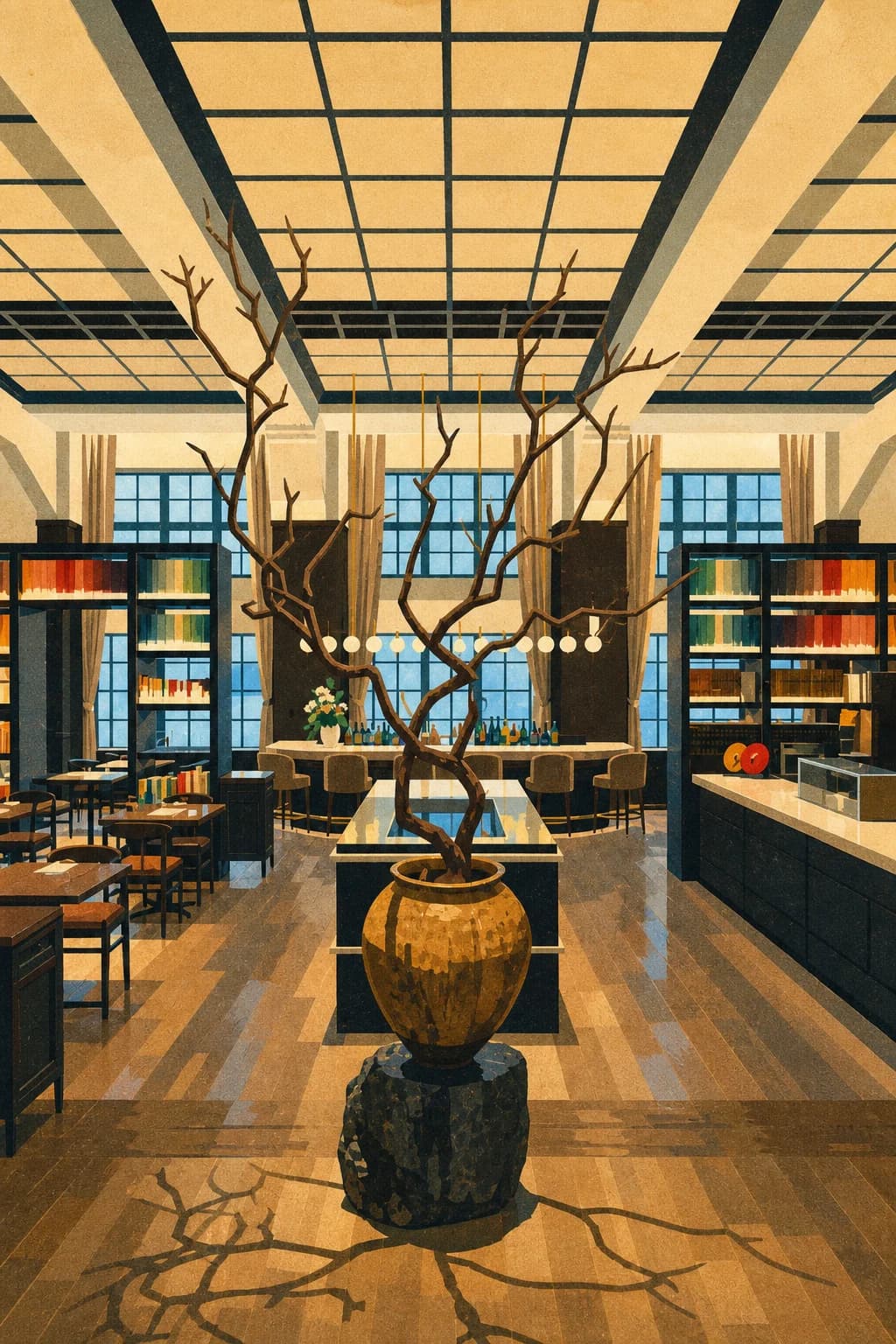
The restaurant is the social center: floor-to-ceiling windows framing the Togetsukyo Bridge and the river, open from breakfast through dinner. The kitchen leans French in technique but builds around Kyoto's seasonal produce, so the plate shifts with whatever the region is picking that week. Even if you eat elsewhere most nights, book one meal here for the room and the view alone.
Arashiyama after the crowds
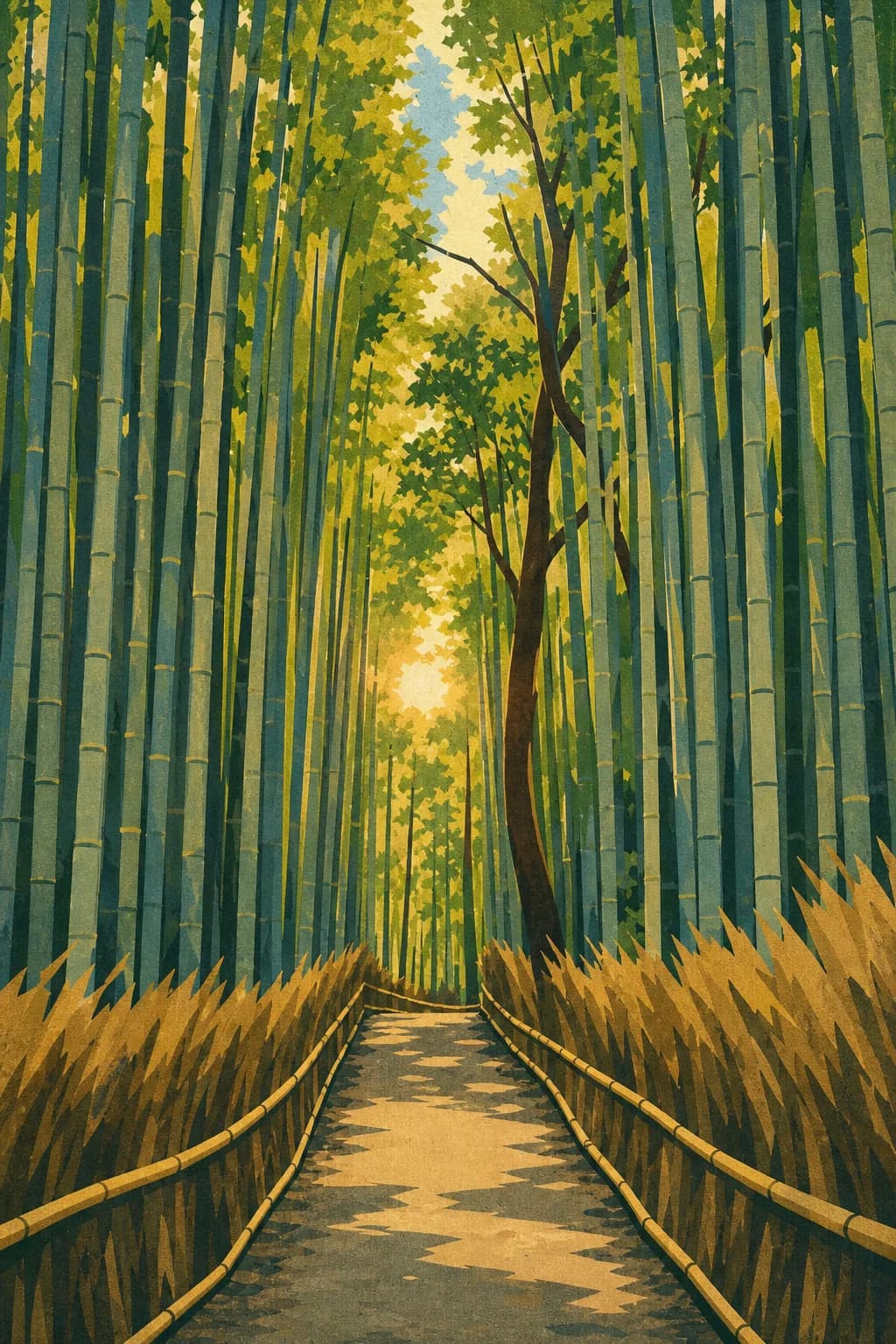
Arashiyama empties out after five, and that is when this address earns its keep. The famous bamboo grove is a ten to fifteen minute walk, a % Arabica coffee counter sits directly across the street, and the riverside path is yours at dawn before the tour buses arrive. You are west of central Kyoto here, quiet and green, nowhere near downtown.
talk.
mapped.
“Set in a verdant riverside location in western Kyoto, at the foot of the Arashiyama Mountains with a commanding view of the Togetsukyo Bridge.”
record.
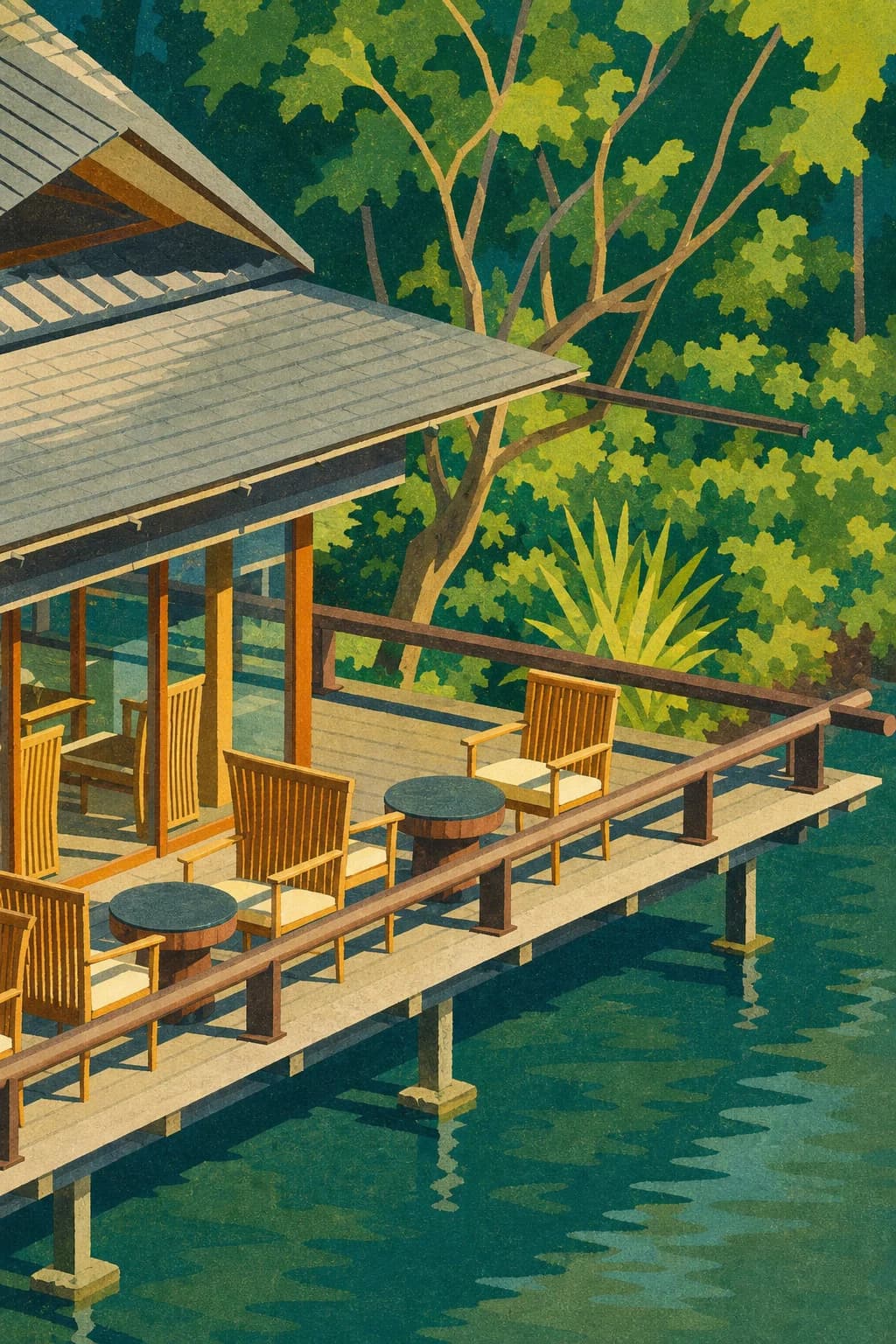
MUNI KYOTO is the argument for staying the night. It sits right on the Katsura River, a few steps from the Togetsukyo Bridge, and when the day-trippers clear out around five, the whole stretch of water goes quiet and yours. Uchida Design Inc. completed the building in 2020, and it reads as one long meditation on ma, the Japanese idea that empty space is the point.
Twenty-one rooms, each between fifty and seventy square meters, open onto a black water garden or the mountains. Materials stay restrained: pale wood, stone, glass that slides back so the river comes indoors. There is a French restaurant with floor-to-ceiling windows over the bridge. It is small, it is calm, and when Kyoto's seasons peak it books out fast, so plan ahead.
changed.
Kyoto's demand curve is one of the most legible in Japan because it is almost entirely botanical. Two events set the peaks: cherry blossom in late March and April, and maple color in November. In those windows the city runs at capacity.
The two blossom peaks are a lead-time contest, not a booking exercise. Small houses in Gion and Higashiyama get spoken for six to nine months out, and the marquee rooms go further still. If your heart is set on blossom or foliage at a specific address, treat lead time as the whole game and book the moment dates open.
The shoulder months either side reward flexibility. February and December stay busy without hitting the peak — plum blossom and year-end temple illuminations, respectively. January is genuinely quiet: cold, clear, with the occasional dusting of snow on temple roofs that photographers wait years for. These are the months to chase the houses that vanish in spring.
Summer is the real value story, and the least understood. June through September reads as low demand despite holding one of Japan's great festivals, Gion Matsuri, which fills July with float processions, plus the Daimonji bonfires on August 16. The suppressant is simple: heat and humidity climb well into the thirties, and many travelers stay away.
If you can tolerate the weather, summer is when the hardest rooms open up at the softest rates.
The practical read is a split. Peak seasons are about discipline and early commitment; shoulder and low seasons are about opportunism. Because the curve tracks leaves rather than school holidays or weather comfort, the undervalued months are the counterintuitive ones — the hot ones. Nothing in Kyoto closes across the year, so the only real constraint is the two blossom peaks and how far ahead you are willing to plan.
approach.
briefing.
stands.
demand's going.
The real Instagram following over time, plus where this hotel sits for demand in Kyoto. Pick a range, toggle the lines. Followers are reach and demand, not engagement.
assessment.
File closes at HIGH. Bookable if you plan around the peaks, and worth the western-edge distance for anyone whose ideal Kyoto is a silent river at dawn. Skip it if you want downtown nightlife at your door or a base for fast temple-hopping.
The numbers behind the tiers
MUNI KYOTO · SOURCE READINGS · REDACTED- Availability density · sampled
- Monthly search volume · raw
- TikTok hashtag views · raw
- YouTube total views · raw
- TikTok following · latest sweep
- Pinterest saves · latest sweep
More from Kyoto.
Get the hotel's Unbookable Score.
Any post or reel with a hotel in it. Booking.com hotel pages work too. One free check, no account needed.