The Ritz-Carlton,
Kyoto.
5 critic reviews
filed.
Mostly, yes. The architecture is a real response to Kyoto rather than a logo dropped on a riverbank, and the service is the reliable Ritz-Carlton machine. Just know you are paying international-luxury prices for it, not ryokan-value ones.
Not really. Forbes Travel Guide has rated it and Wallpaper* covered it back in 2022, so it is firmly on the radar of anyone researching Kyoto. Still, it is quietly better than its brand name suggests, especially the food, which locals rate on its own merits.
angles.
Design That Goes Down
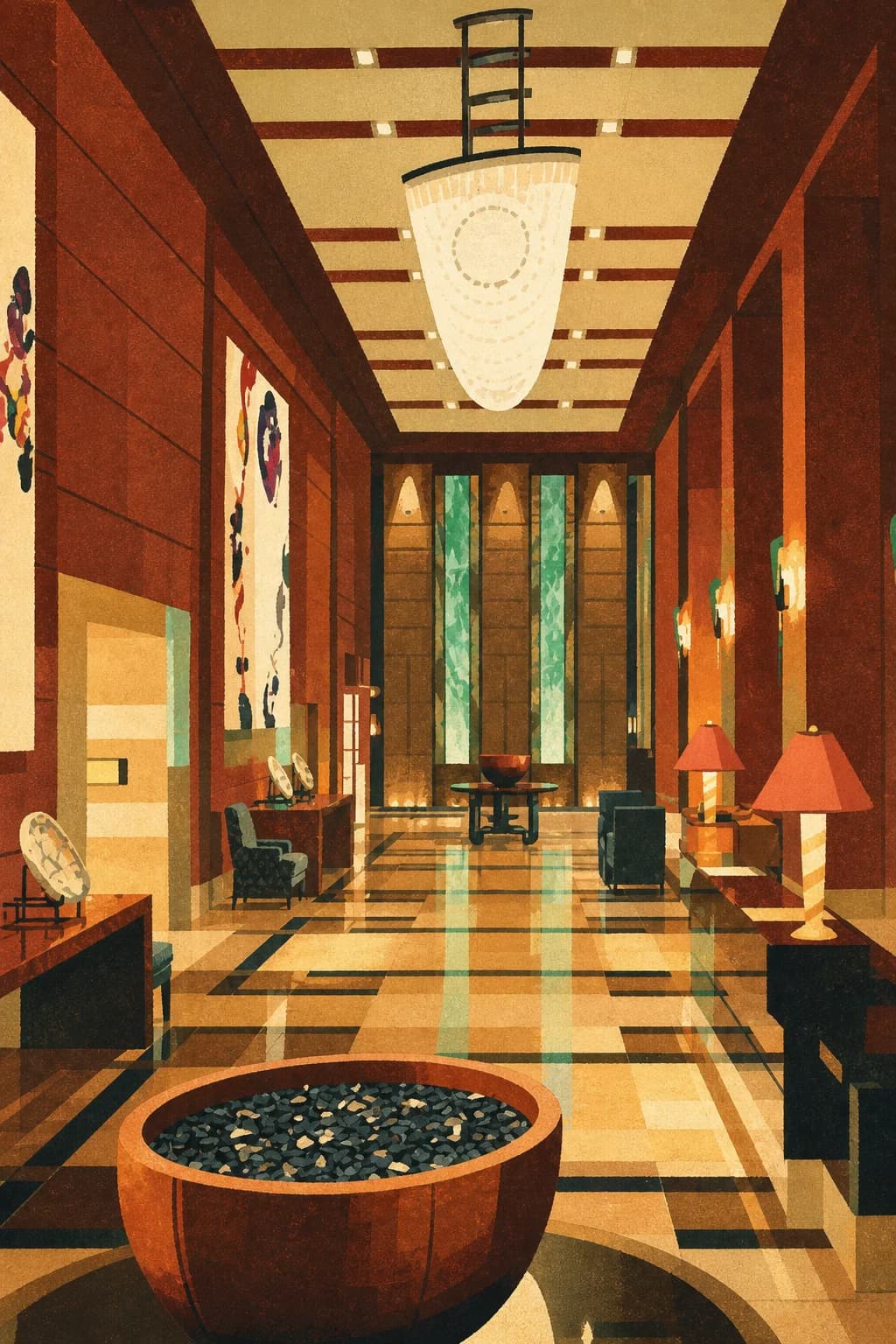
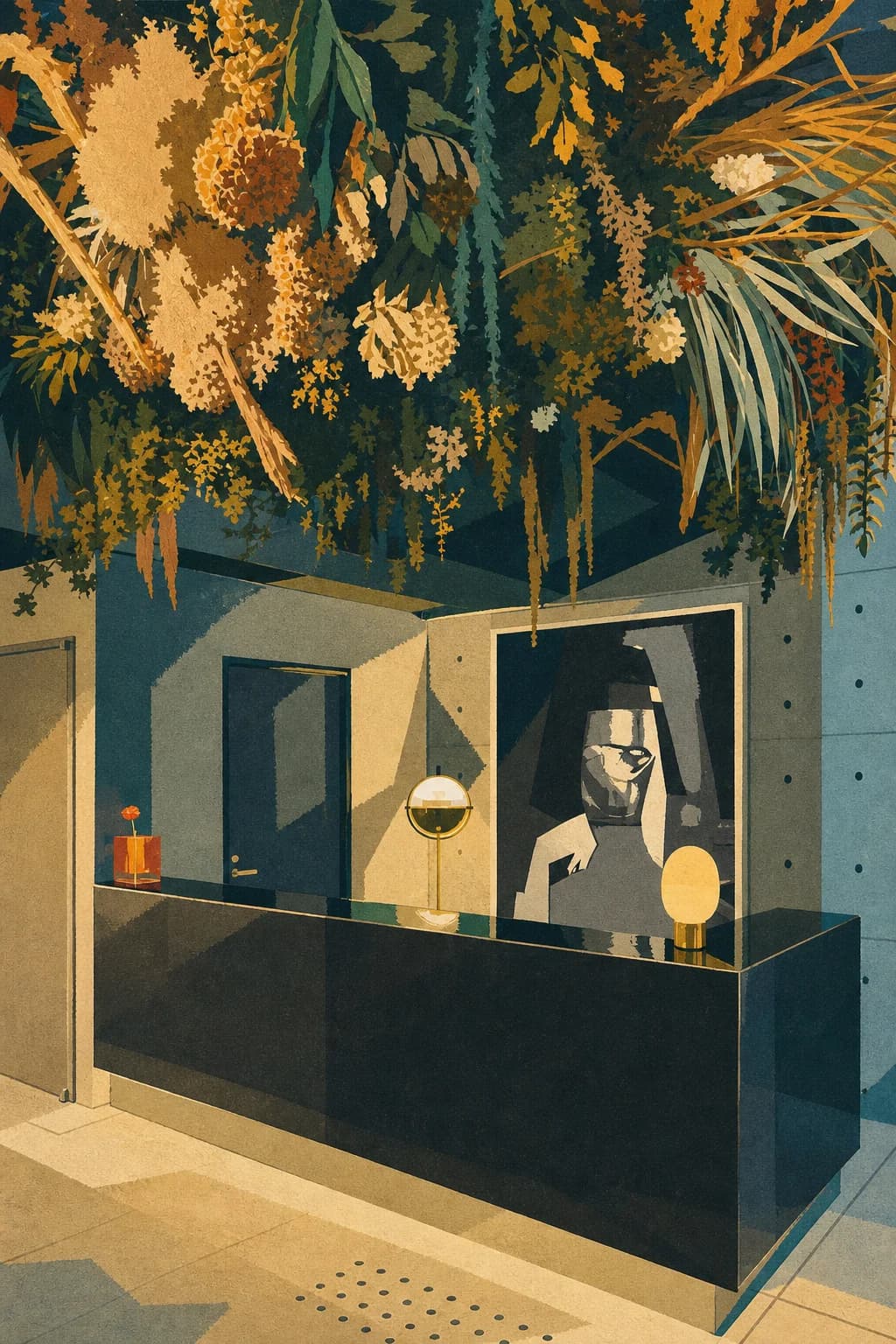
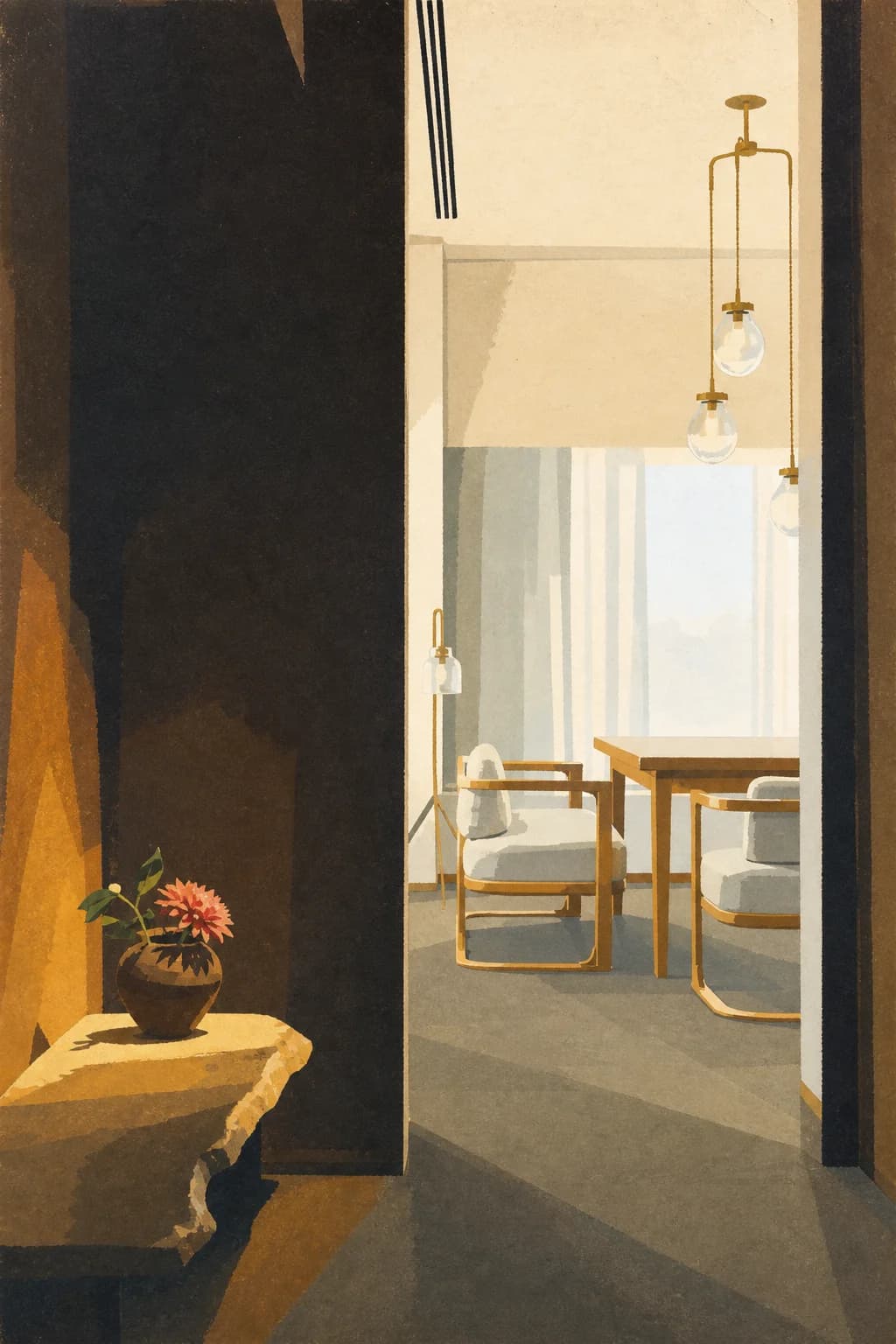
The area's height limits could have produced a squat, apologetic building. Instead the interiors, completed in 2014, turn the constraint into the whole idea. You enter below ground, descend past a vertical rock garden built to pull light down, and arrive at a three-story waterfall and a run of interior gardens. It feels less like a lobby than a ravine someone civilized. The Tale of Genji art theme threads through all of it.
Three Counters, One Waterfall
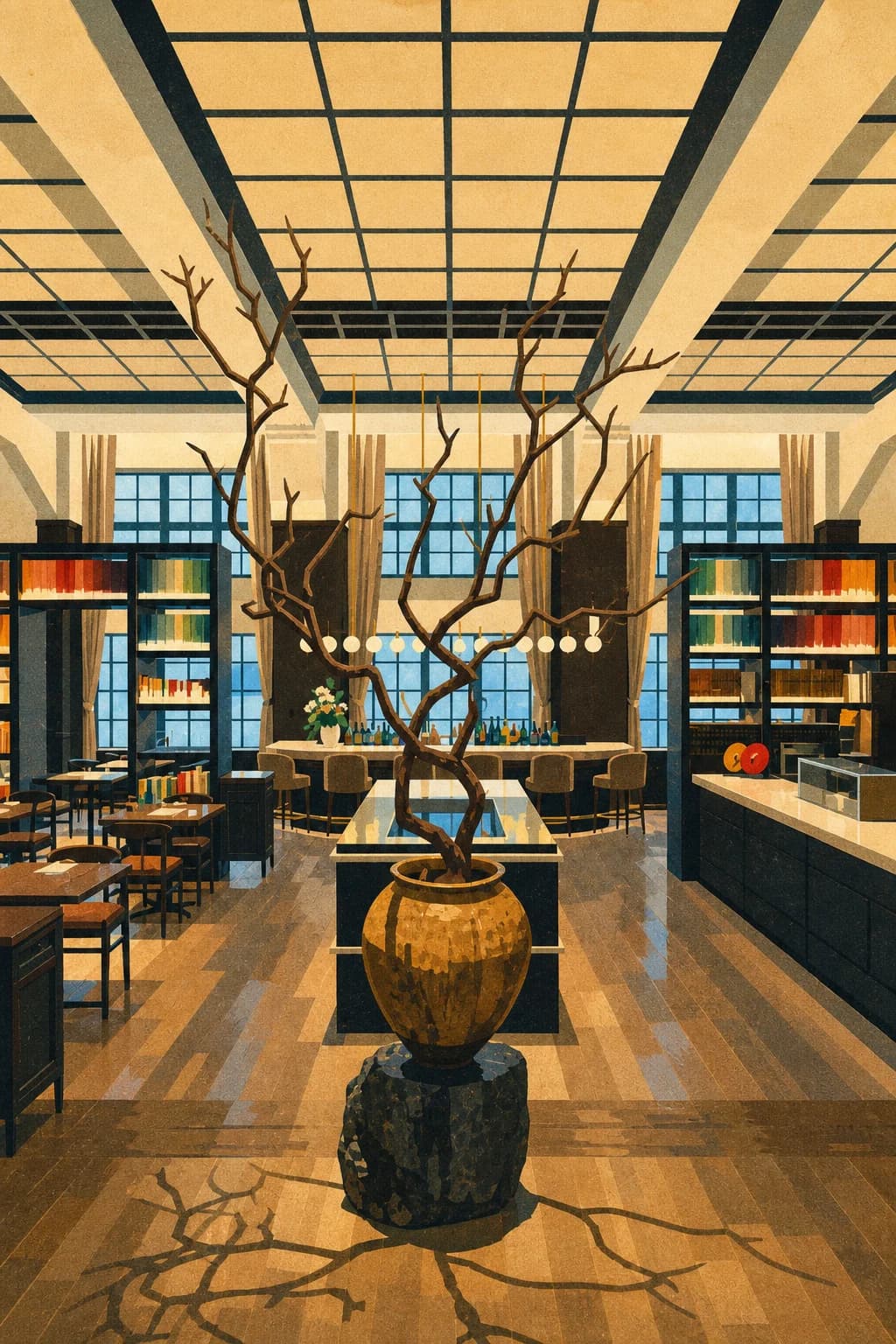
Mizuki, the Japanese restaurant, splits into separate tempura, teppanyaki and sushi counters, each with its own chef and pace, all set against a cascading waterfall. It is the rare hotel restaurant locals will actually cross town for. If you want a break from kaiseki formality, La Locanda does honest Italian in the same building, which is a useful thing to have when you have been eating tofu skin for four days straight.
The River Does the Work
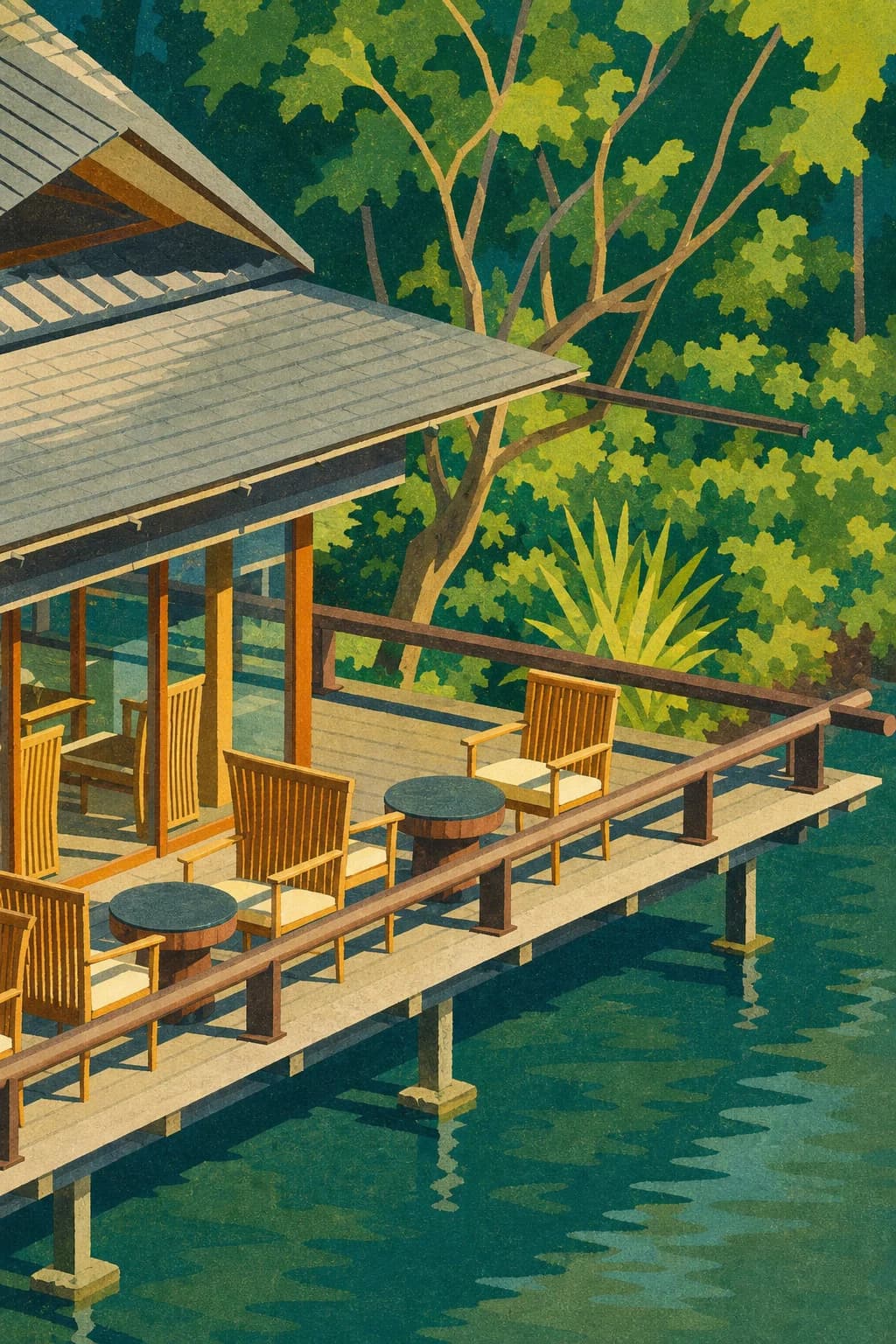
Downtown Kyoto means you can walk. Pontocho's lantern alley and the Kamogawa's grassy banks are right there, Gion's geisha districts sit a short stroll east, and Nishiki Market is an easy wander west. The Higashiyama temples rise across the water. You are close enough to the center to skip taxis and far enough from the station crush to actually sleep. The river setting is the reason nobility wanted this spot.
talk.
mapped.
“Despite its array of beautiful, charming ryokans (Japanese-style inns), Kyoto lacked a true full-service luxury hotel until The Ritz-Carlton, Kyoto showed up in 2014.”
record.
Peter Remedios and his Remedios Studio finished the interiors in February 2014, and they answered a real constraint with real invention. A height restriction meant they could not build up, so they built down.
The entrance drops below street level, a vertical rock garden channels daylight into the lower floors, and a three-story waterfall anchors the interior. The 134 rooms read as contemporary machiya, minimalist behind floor-to-ceiling glass, with the Higashiyama Mountains framed across the water. The art program runs on the Tale of Genji, the 11th-century novel, which tells you how seriously the place takes its own city. Come cherry blossom or autumn leaf season and the river-facing rooms go first. Plan ahead.
changed.
Kyoto's demand curve is one of the most legible in Japan because it is almost entirely botanical. Two events set the peaks: cherry blossom in late March and April, and maple color in November. In those windows the city runs at capacity.
The two blossom peaks are a lead-time contest, not a booking exercise. Small houses in Gion and Higashiyama get spoken for six to nine months out, and the marquee rooms go further still. If your heart is set on blossom or foliage at a specific address, treat lead time as the whole game and book the moment dates open.
The shoulder months either side reward flexibility. February and December stay busy without hitting the peak — plum blossom and year-end temple illuminations, respectively. January is genuinely quiet: cold, clear, with the occasional dusting of snow on temple roofs that photographers wait years for. These are the months to chase the houses that vanish in spring.
Summer is the real value story, and the least understood. June through September reads as low demand despite holding one of Japan's great festivals, Gion Matsuri, which fills July with float processions, plus the Daimonji bonfires on August 16. The suppressant is simple: heat and humidity climb well into the thirties, and many travelers stay away.
If you can tolerate the weather, summer is when the hardest rooms open up at the softest rates.
The practical read is a split. Peak seasons are about discipline and early commitment; shoulder and low seasons are about opportunism. Because the curve tracks leaves rather than school holidays or weather comfort, the undervalued months are the counterintuitive ones — the hot ones. Nothing in Kyoto closes across the year, so the only real constraint is the two blossom peaks and how far ahead you are willing to plan.
approach.
briefing.
“The Ritz-Carlton offers modernist, minimalist interiors that are dimly lit, often allowing for the natural surroundings outside.”
stands.
demand's going.
The real Instagram following over time, plus where this hotel sits for demand in Kyoto. Pick a range, toggle the lines. Followers are reach and demand, not engagement.
assessment.
File closes at HIGH. Genuinely local design behind reliable big-brand service, on the best stretch of the Kamogawa. Book it for atmosphere without the etiquette learning curve, and book the river view specifically. Blossom and foliage seasons vanish first, so plan ahead.
The numbers behind the tiers
The Ritz-Carlton, Kyoto · SOURCE READINGS · REDACTED- Availability density · sampled
- Monthly search volume · raw
- TikTok hashtag views · raw
- YouTube total views · raw
- TikTok following · latest sweep
- Pinterest saves · latest sweep
More from Kyoto.


Get the hotel's Unbookable Score.
Any post or reel with a hotel in it. Booking.com hotel pages work too. One free check, no account needed.