SOWAKA
3 critic reviews
filed.
Largely, yes. The main-house rooms and the on-site restaurant deliver a version of Kyoto most hotels can only gesture at, and the location balances atmosphere with walkability. Just know the annex is a step down from the magic of the old building.
Not exactly hidden. Forbes Travel Guide and Wallpaper* have both covered it, and design-minded travellers already know the name. But at 23 rooms it stays intimate and draws far less noise than Gion's bigger luxury names, so it still feels like something you found.
angles.
Uoya Kept the Bones
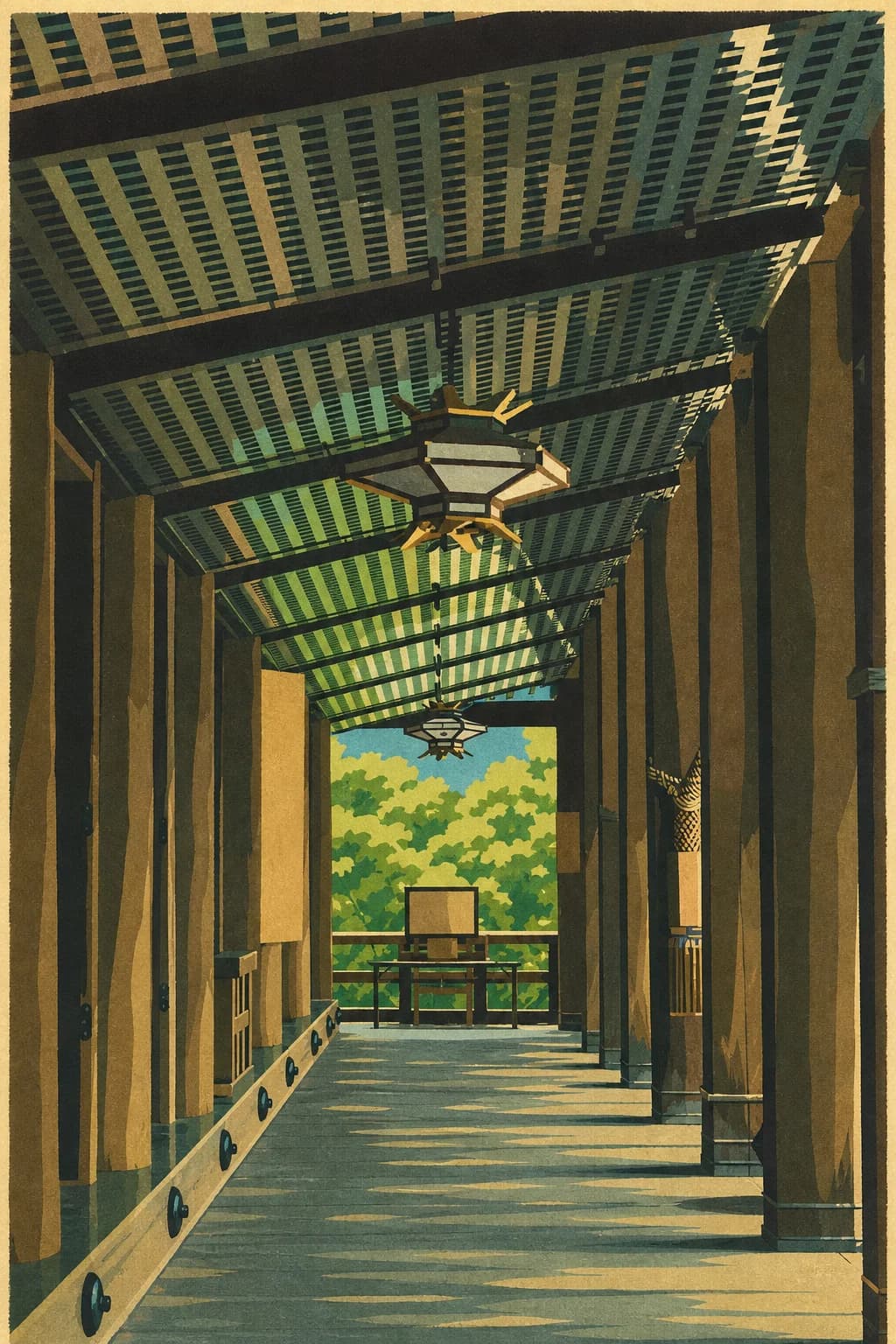
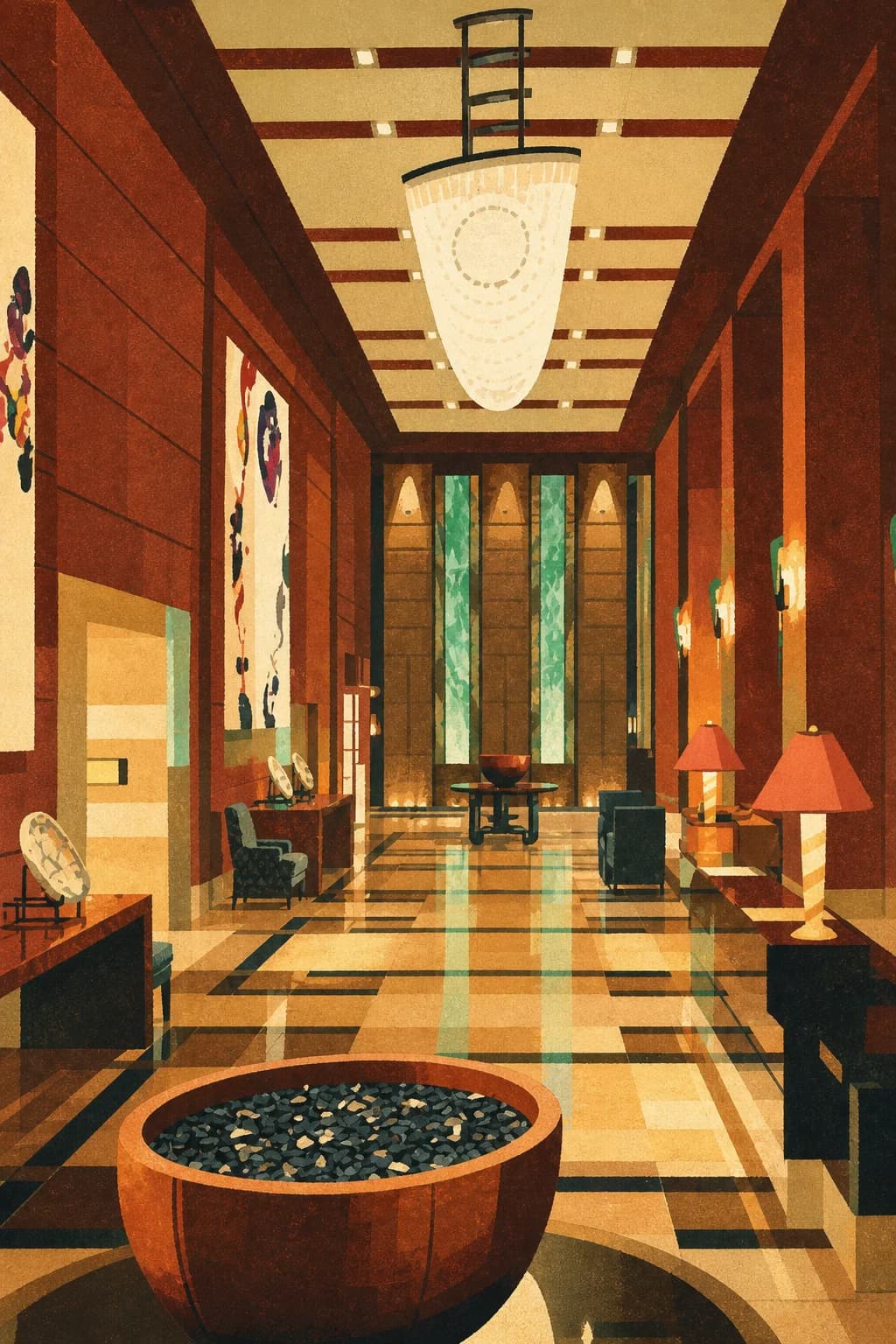
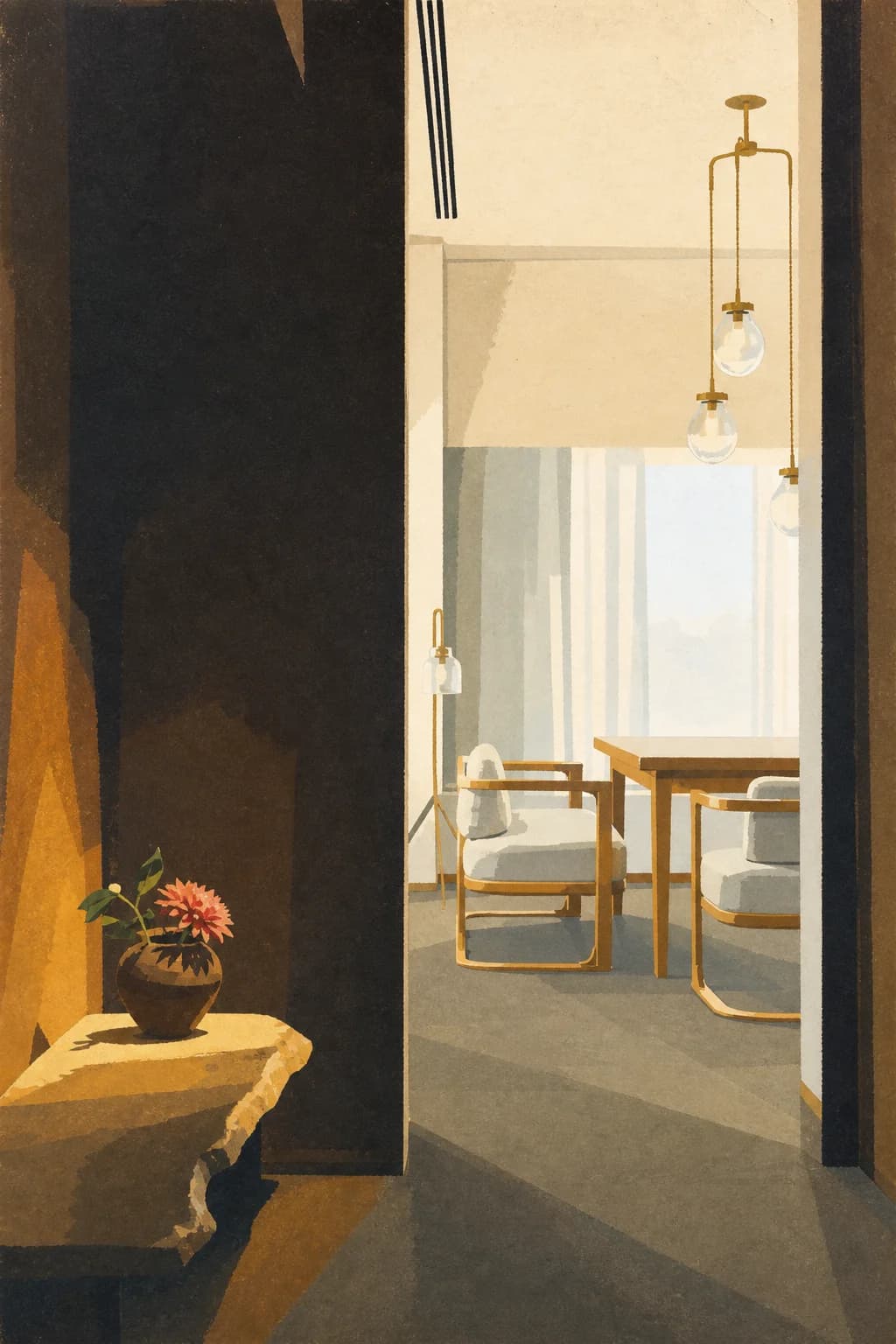
The renovation could have flattened everything and started fresh. Instead Shigenori Uoya, a Kyoto architect, kept the footprint and structure of the original teahouse and worked within it. You feel it in the main house: low doorways, dark timber, a courtyard garden that pulls daylight into rooms that would otherwise be dim. The annex answers with sukiya-inspired minimalism, so old and new sit side by side without arguing.
Dinner Behind Black Walls
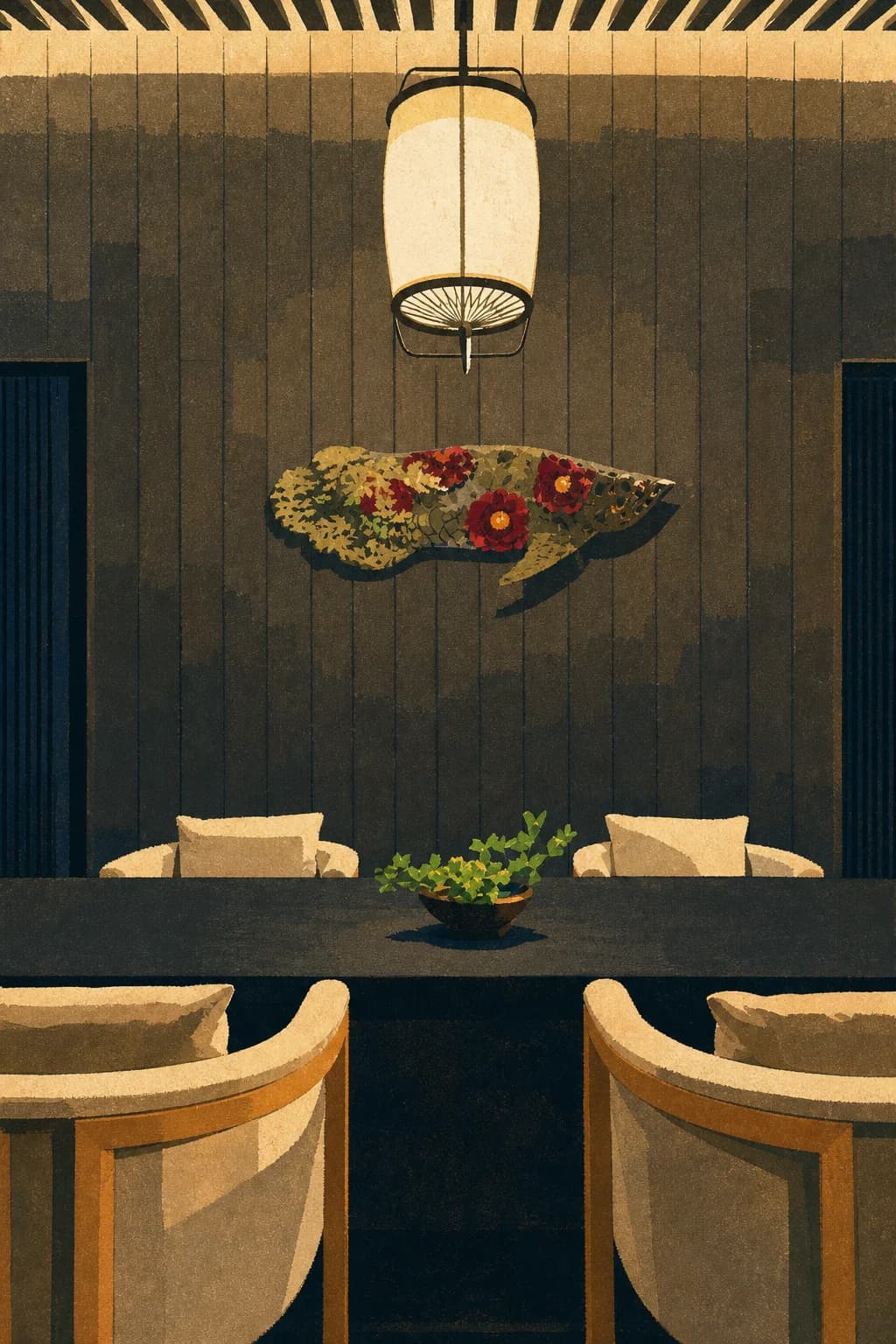
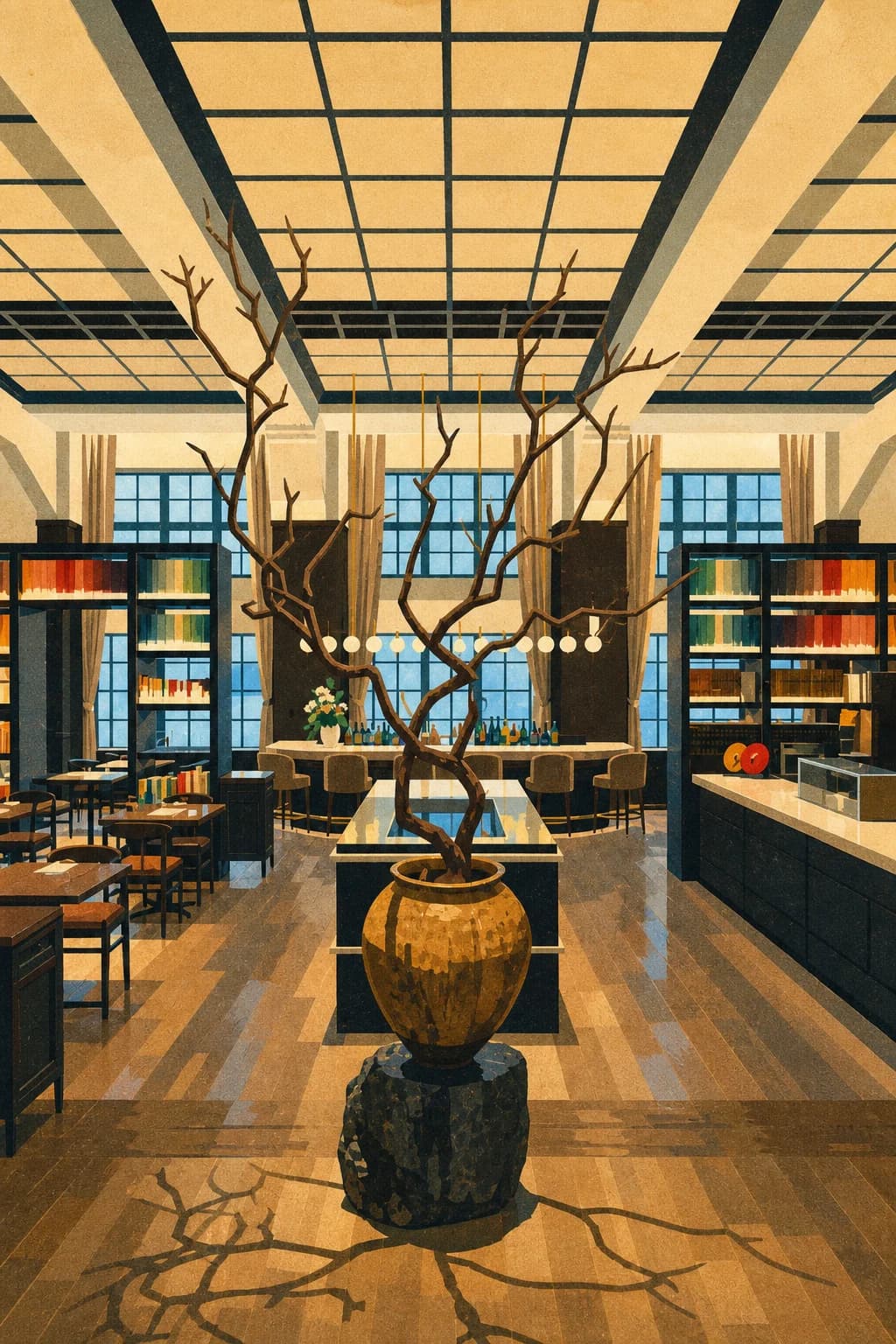
La Bombance Gion, the restaurant on site, is a reason to book on its own. Picture black walls, sleek wooden tables, and plate after plate of seasonal Kyoto cooking that treats a single vegetable like an event. It leans experimental for kaiseki, playful even, and the room stays small enough that dinner feels private. Reserve it when you reserve the room, not after you arrive.
The Quiet Side of Gion
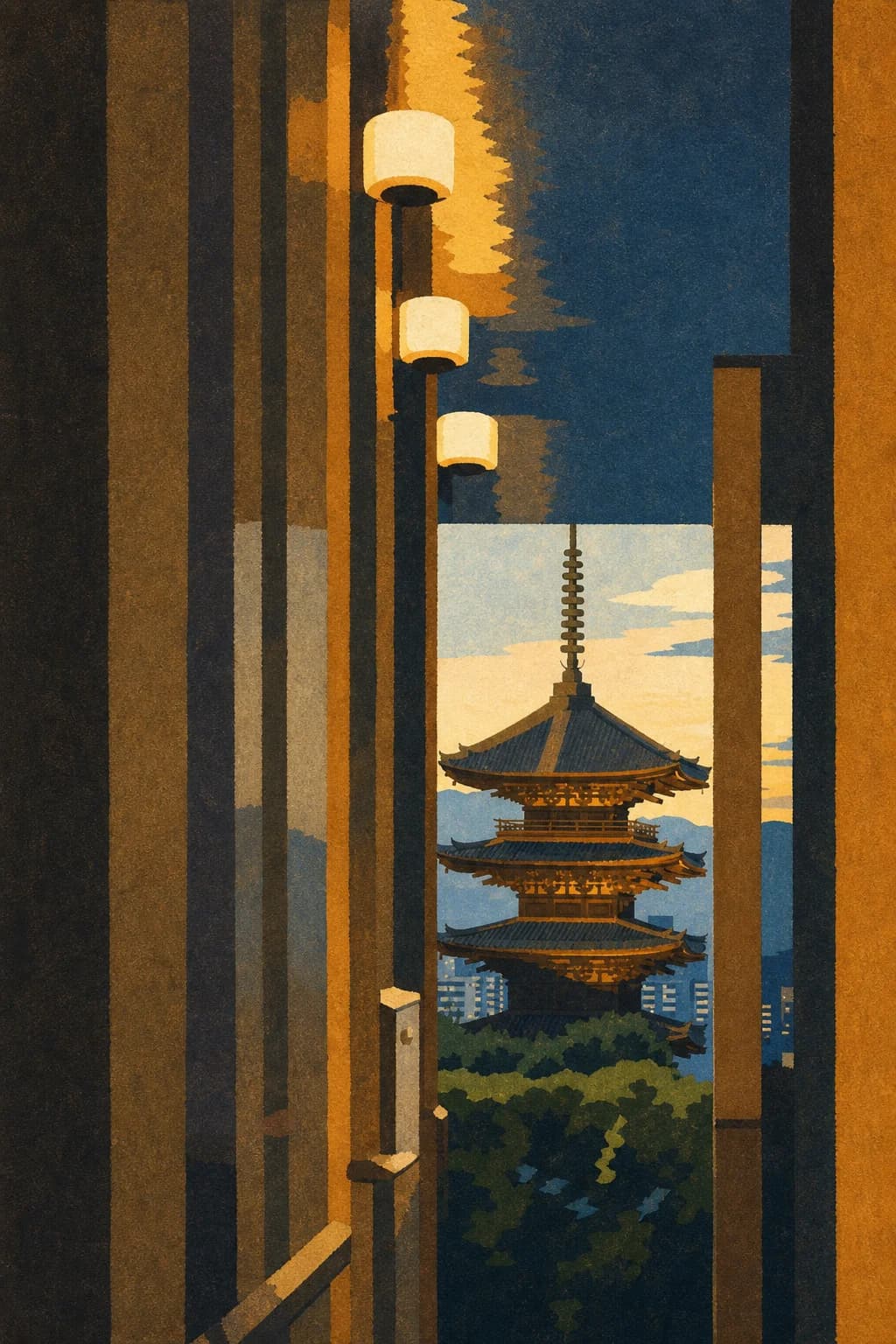
Gion gets mobbed. SOWAKA sits on its calmer eastern edge, near Kodai-ji temple and the stone-paved lanes that climb toward Kiyomizu. Step out early and you get Ishibei-koji almost to yourself, lantern light on old wood, before the tour groups arrive. Yasaka Shrine and the Kamo River are an easy walk, and the whole geisha district is at your door without being at your window.
talk.
mapped.
“Nestled in the charming winding streets of Kyoto's famed Gion geisha district, SOWAKA puts a sublime modern twist on the traditional Japanese ryokan.”
record.
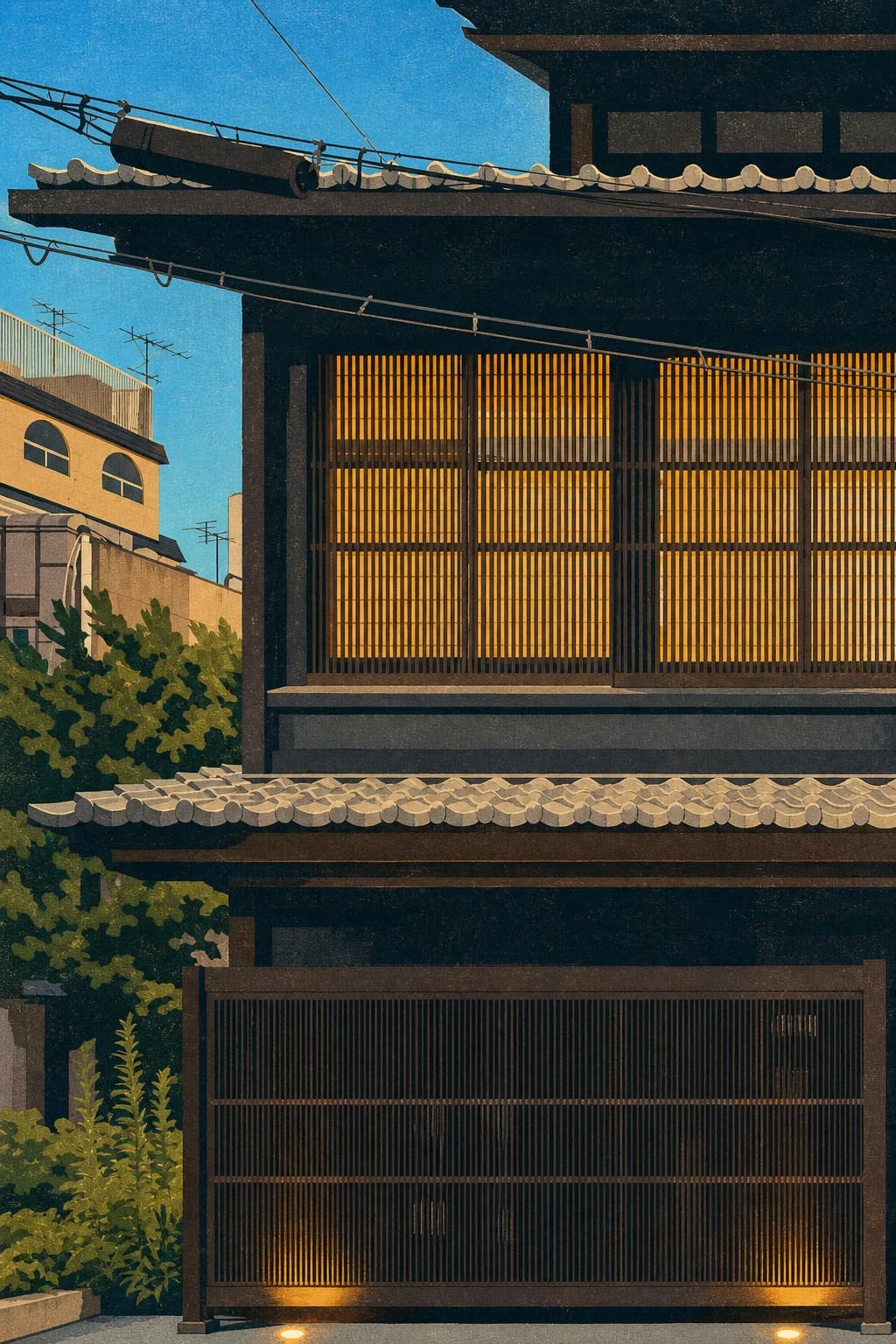
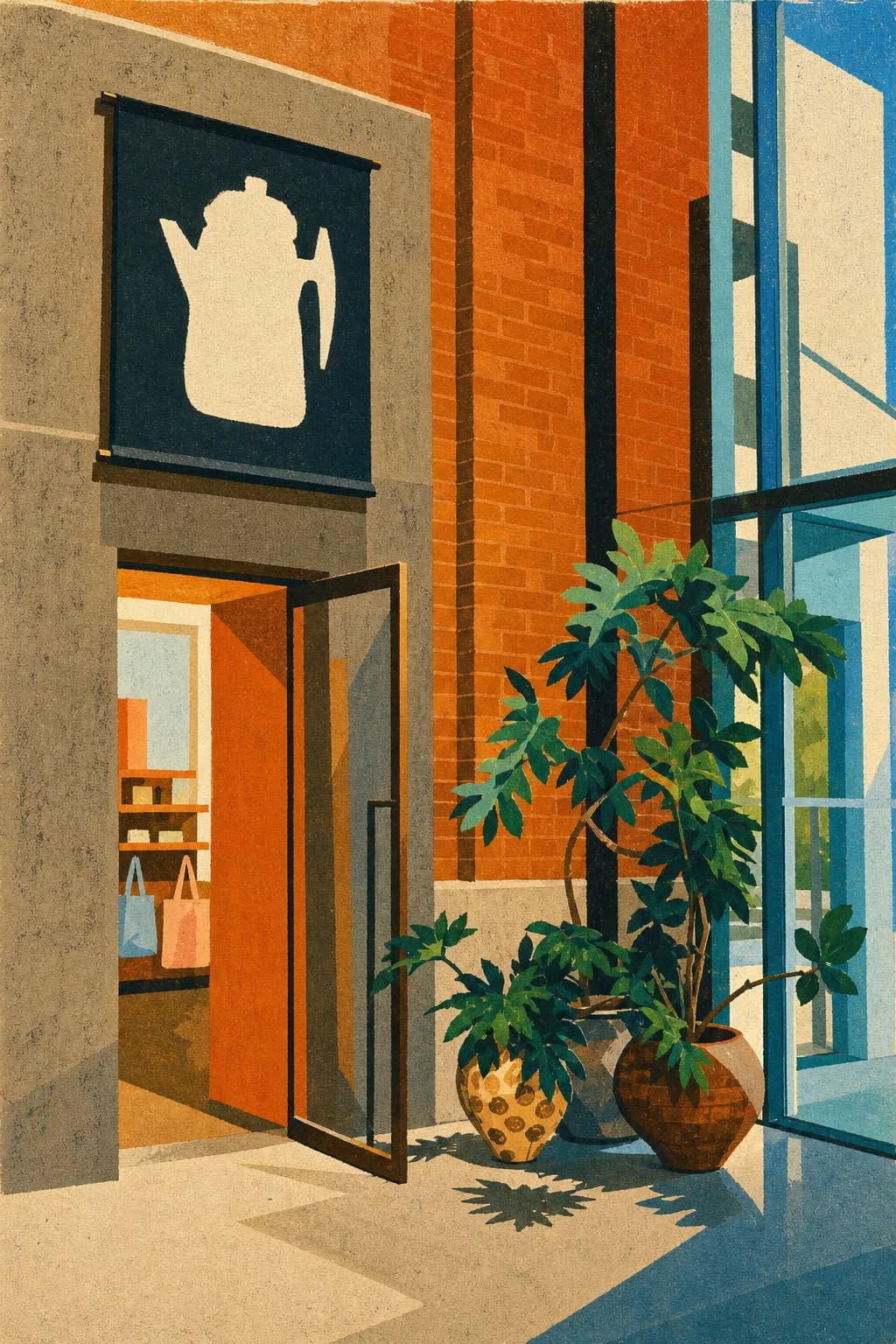
This one waits behind a wooden gate on a quiet Gion lane and lets you find it, and that restraint is exactly why rooms fill up when Kyoto does. SOWAKA began life as a ryotei, a traditional restaurant, and the Kyoto architect Shigenori Uoya led its renovation without gutting it: he kept the footprint and the bones of the original teahouse, then let light and a courtyard garden do the rest.
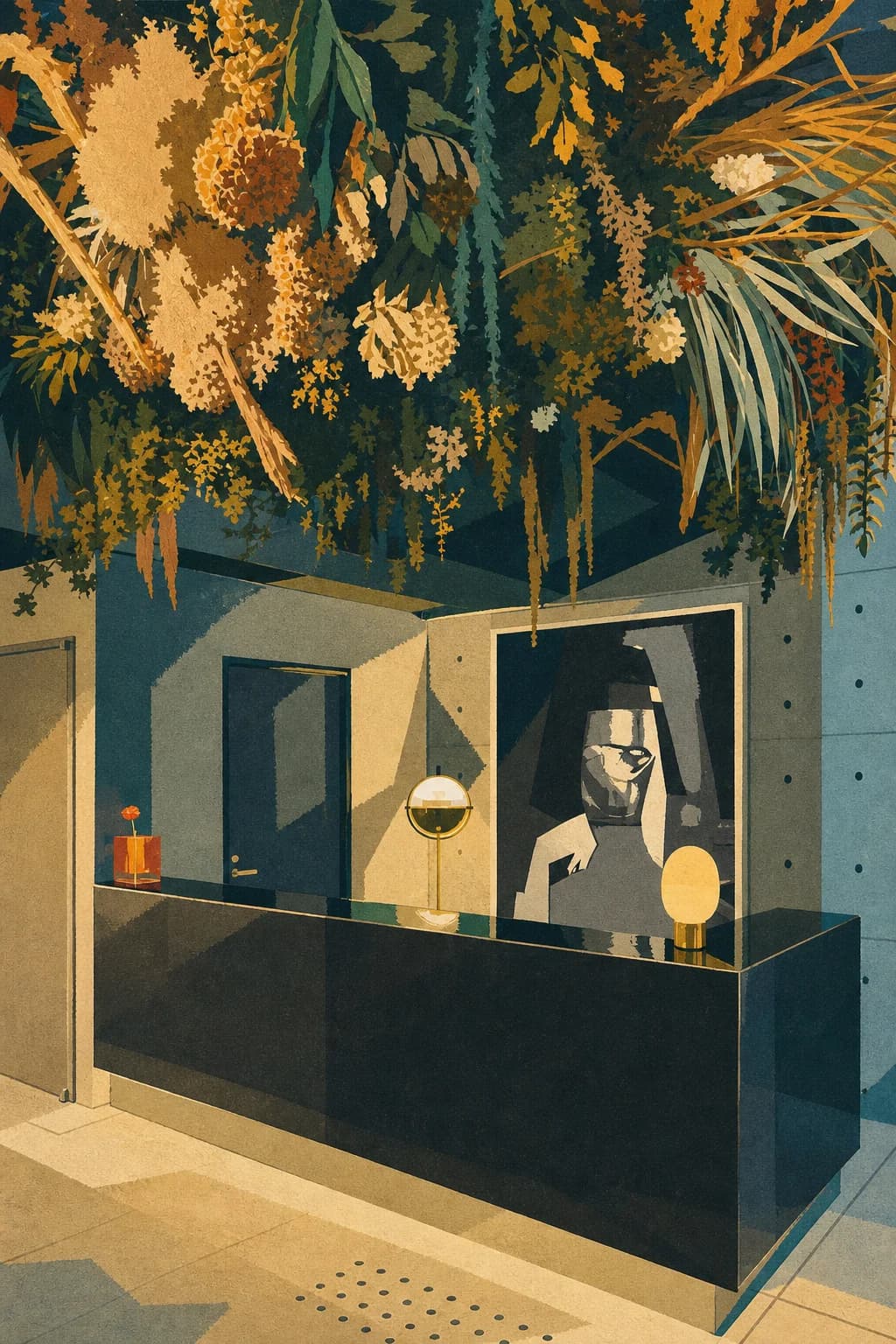
The main house holds eleven ryokan-style rooms that open onto that garden, tatami underfoot, old cedar in the air. A newer annex adds twelve rooms with cleaner lines and city views, for people who want the calm without the full ceremony. Wallpaper* called the 23-bedroom result a "certified head-turner," and it earns that quietly. Come cherry season or autumn colour, though, and the twenty-three keys go fast.
changed.
Kyoto's demand curve is one of the most legible in Japan because it is almost entirely botanical. Two events set the peaks: cherry blossom in late March and April, and maple color in November. In those windows the city runs at capacity.
The two blossom peaks are a lead-time contest, not a booking exercise. Small houses in Gion and Higashiyama get spoken for six to nine months out, and the marquee rooms go further still. If your heart is set on blossom or foliage at a specific address, treat lead time as the whole game and book the moment dates open.
The shoulder months either side reward flexibility. February and December stay busy without hitting the peak — plum blossom and year-end temple illuminations, respectively. January is genuinely quiet: cold, clear, with the occasional dusting of snow on temple roofs that photographers wait years for. These are the months to chase the houses that vanish in spring.
Summer is the real value story, and the least understood. June through September reads as low demand despite holding one of Japan's great festivals, Gion Matsuri, which fills July with float processions, plus the Daimonji bonfires on August 16. The suppressant is simple: heat and humidity climb well into the thirties, and many travelers stay away.
If you can tolerate the weather, summer is when the hardest rooms open up at the softest rates.
The practical read is a split. Peak seasons are about discipline and early commitment; shoulder and low seasons are about opportunism. Because the curve tracks leaves rather than school holidays or weather comfort, the undervalued months are the counterintuitive ones — the hot ones. Nothing in Kyoto closes across the year, so the only real constraint is the two blossom peaks and how far ahead you are willing to plan.
approach.
briefing.
“A restored 'ryokan' in one of Japan's most alluring destinations, Sowaka Kyoto elegantly fuses the ancient traditions of a Japanese guesthouse with the modern world.”
stands.
demand's going.
The real Instagram following over time, plus where this hotel sits for demand in Kyoto. Pick a range, toggle the lines. Followers are reach and demand, not engagement.
assessment.
File closes at HIGH. A restored Gion teahouse with garden rooms and a serious kitchen, still calmer than the marquee names. Book the main house months ahead for cherry or autumn; skip it if you need big-hotel polish or a pool.
The numbers behind the tiers
SOWAKA · SOURCE READINGS · REDACTED- Availability density · sampled
- Monthly search volume · raw
- TikTok hashtag views · raw
- YouTube total views · raw
- TikTok following · latest sweep
- Pinterest saves · latest sweep
More from Kyoto.

Get the hotel's Unbookable Score.
Any post or reel with a hotel in it. Booking.com hotel pages work too. One free check, no account needed.