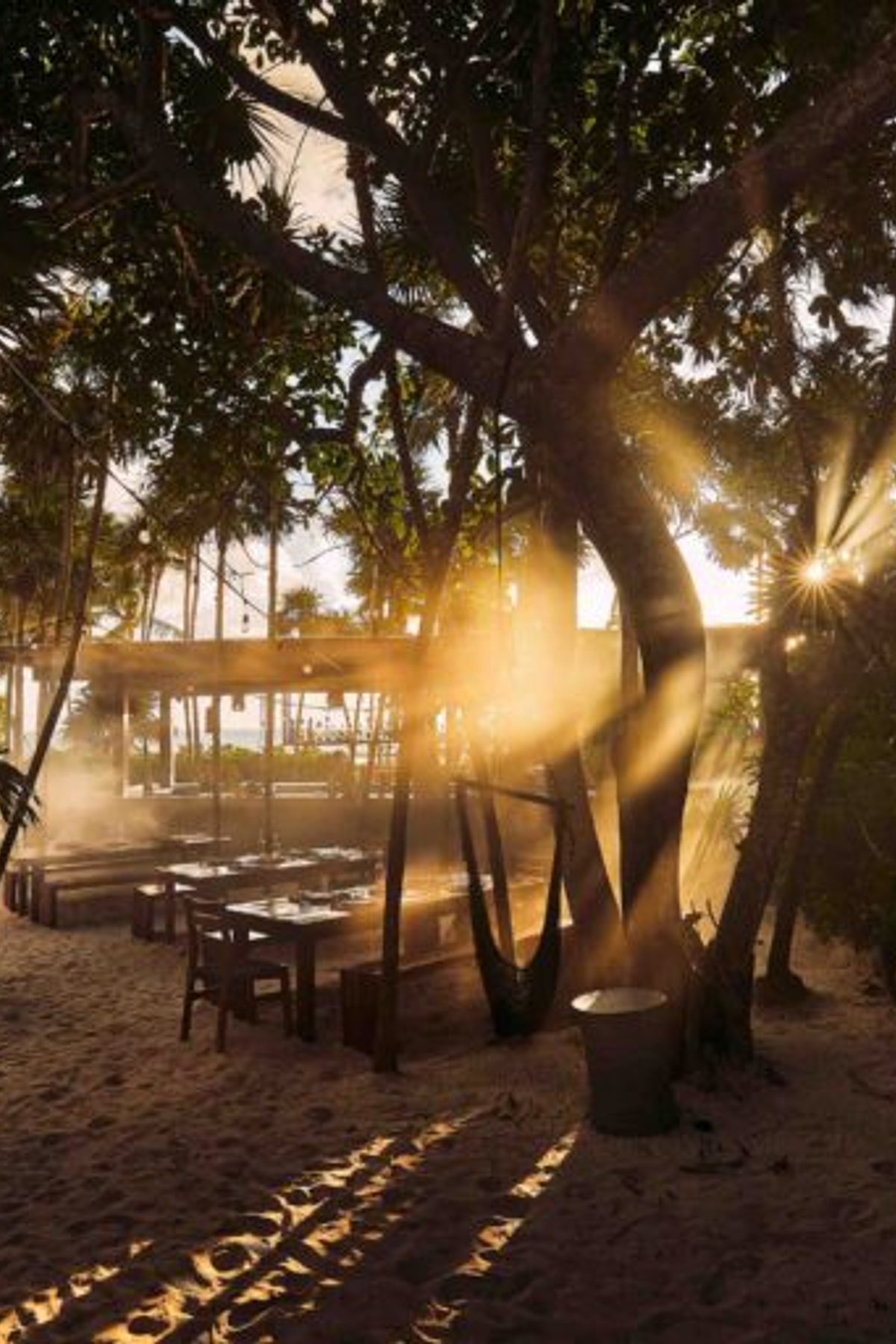
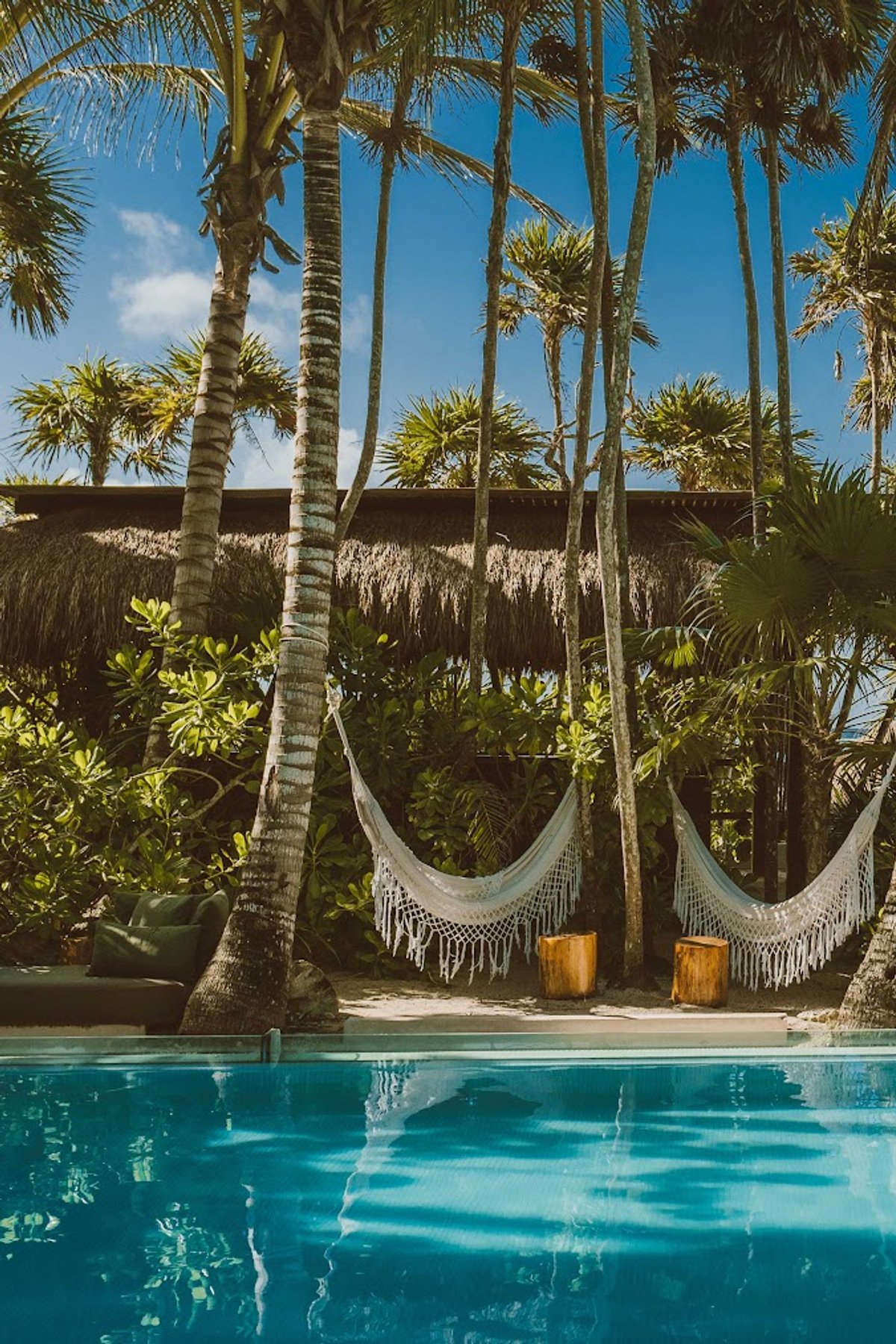
There is no hype machine around Nativus, which is part of why the value works. The cenote access is legitimately special and the price point is honest for what you get. What the quiet positioning misses is that most Tulum first-timers will not even consider glamping, so you are self-selecting into a calmer crowd, which is arguably the best feature.
The paddleboards and kayaks sitting at the edge of the cenote are the underrated detail. Most Tulum hotels do not let you actually use water toys on private water, so the ability to paddle through your own cenote at dawn is the kind of small thing you remember long after the tent is forgotten.
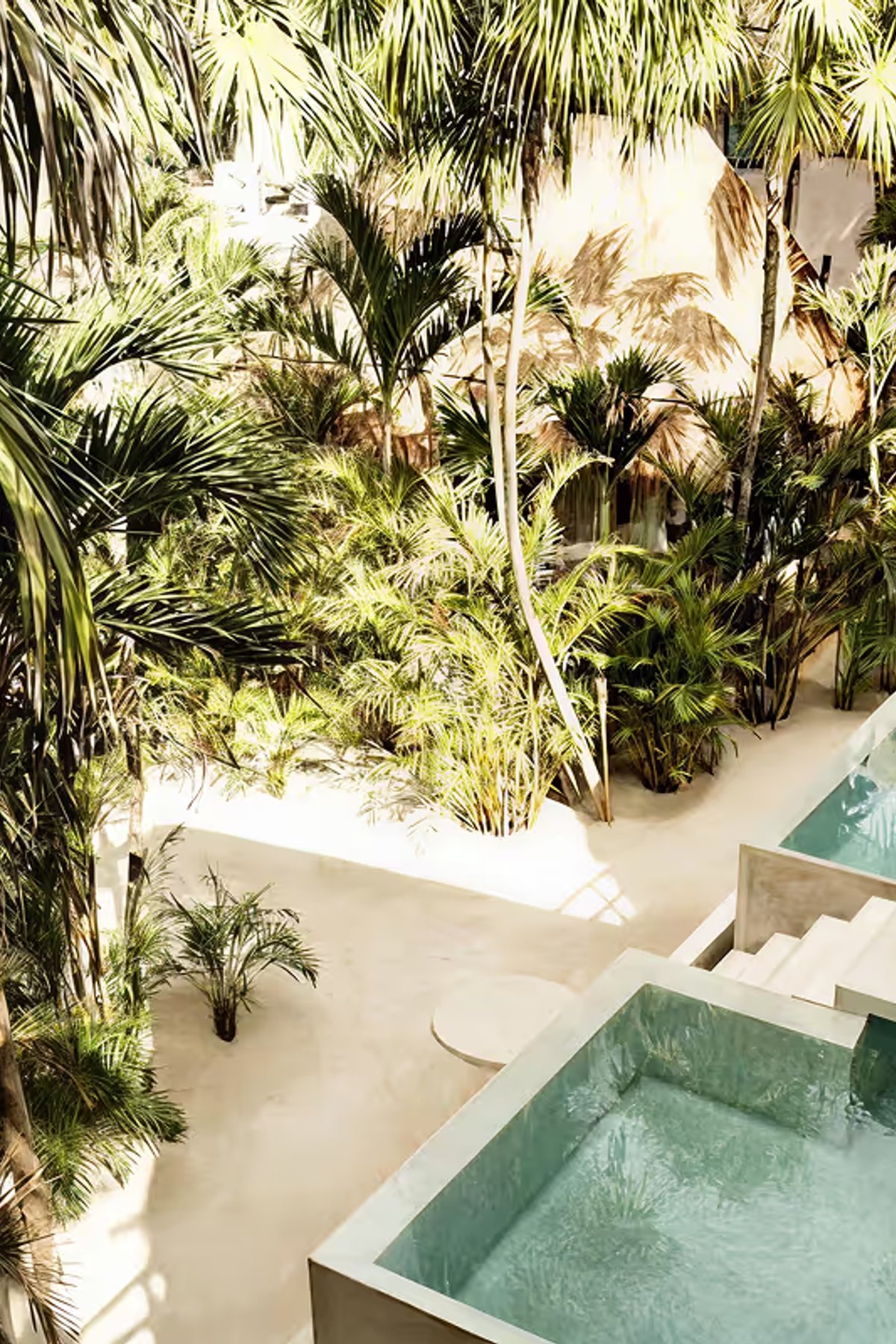
Cenotes are the single most photographed thing in the Yucatán, and every Tulum hotel claims proximity to one. Nativus actually has one inside the property, stocked with paddleboards and kayaks. You can dawn swim before the tour groups hit Dos Ojos or Gran Cenote, and you can come back after lunch without queuing for anything. That is a structurally different experience from day-passing other people's cenotes.
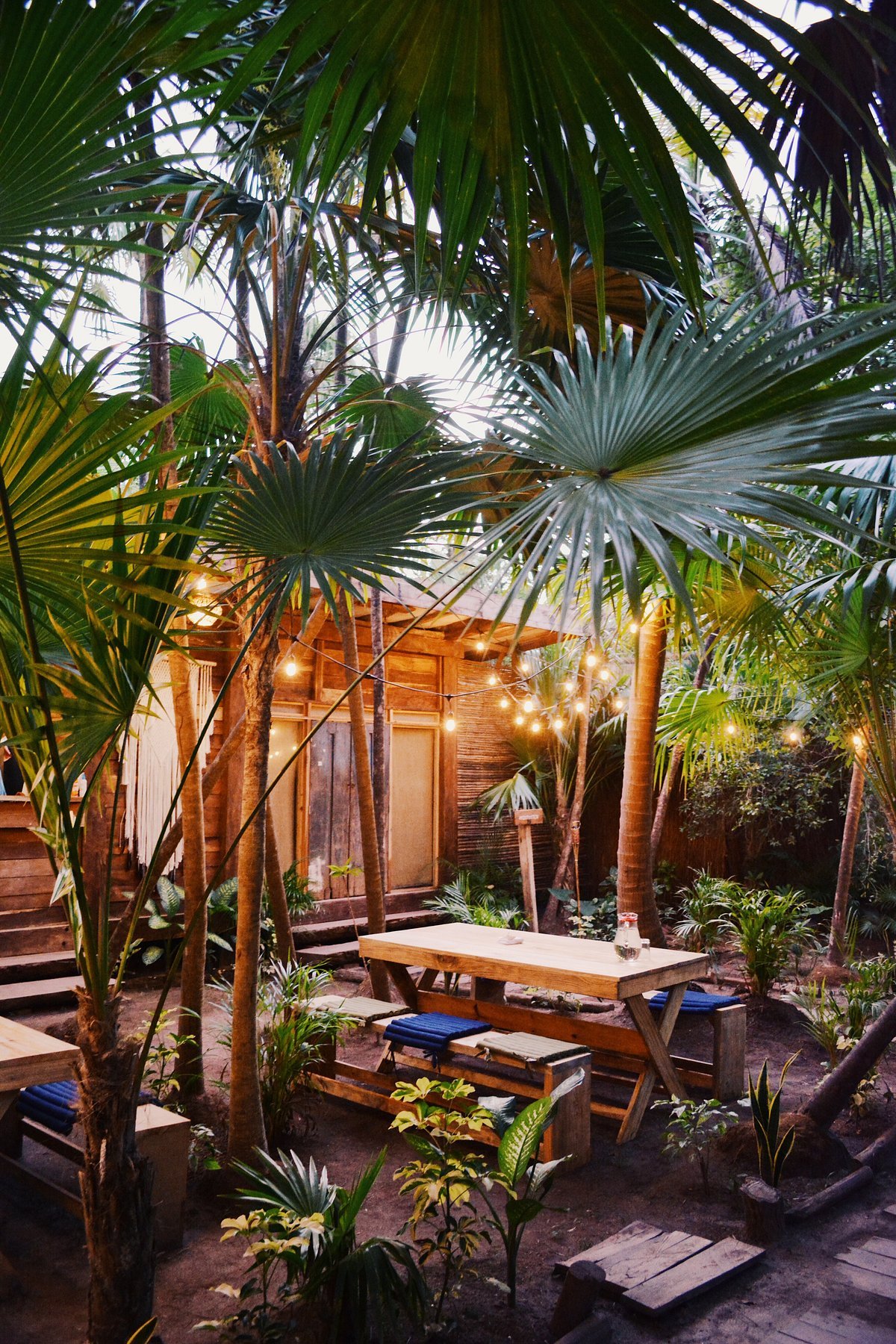
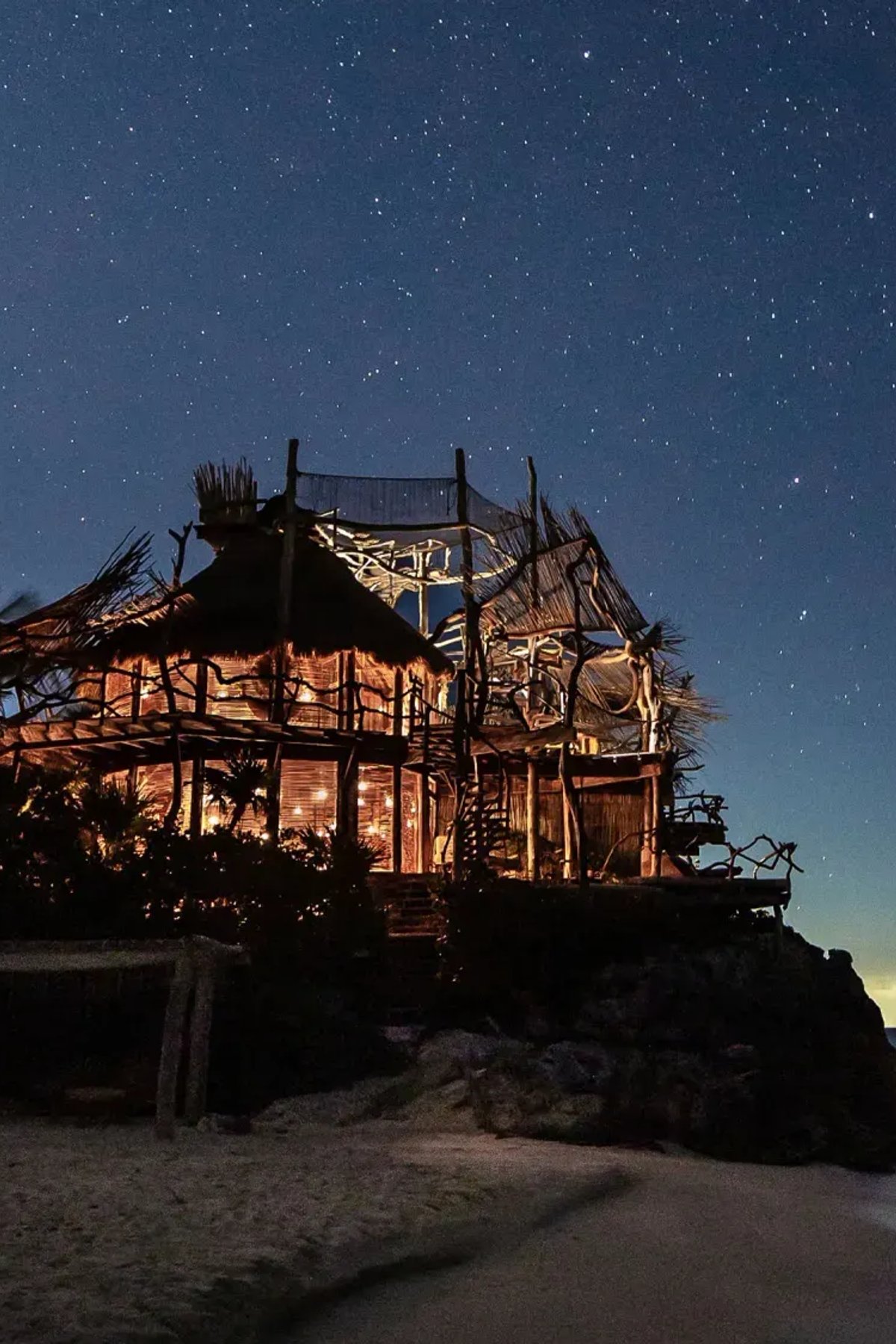
Safari-style tents in this category means real beds, proper bathrooms, fans or air con, and enough canvas engineering to survive the Caribbean humidity. The compromise with any Tulum tent setup is sound: you will hear your neighbours moving, rain sounds amplified, early risers on the boardwalk. The upside is waking up genuinely inside the jungle without the bunker feel of a concrete eco-bungalow.
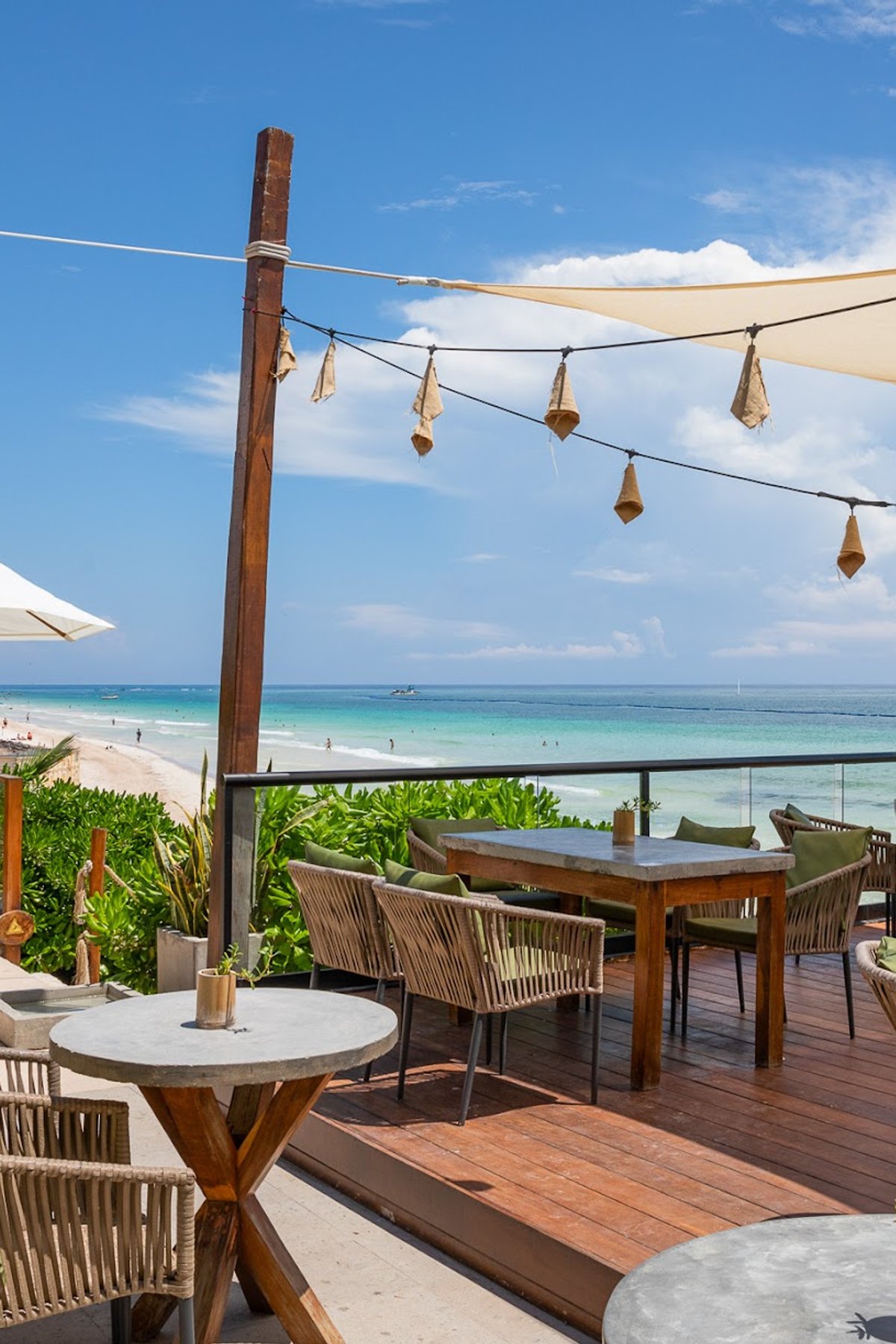
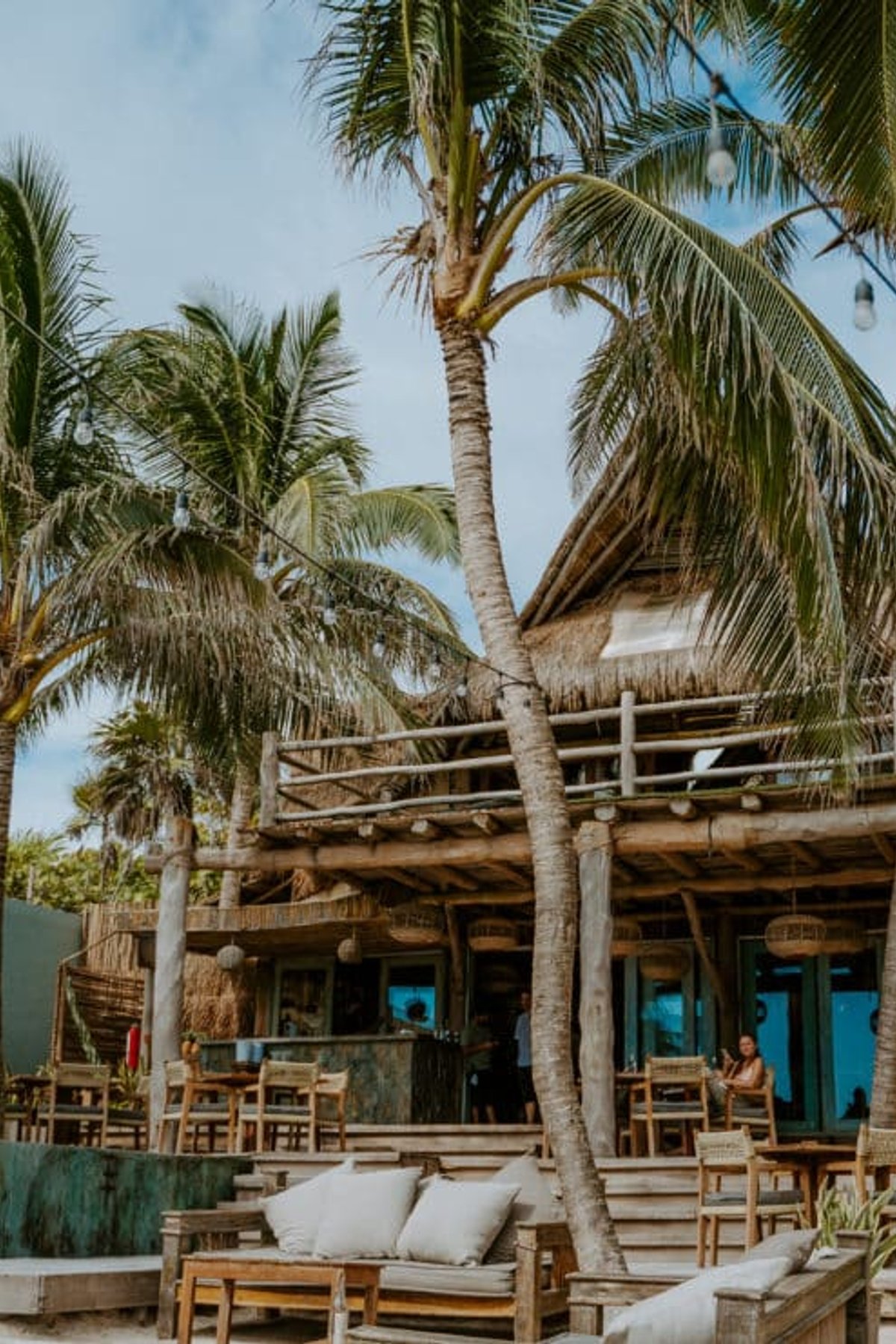
Km 10.6 puts Nativus near the Sian Ka'an Biosphere end of the Hotel Zone, which is the quieter half. You are a 10 to 15 minute taxi from the loud beach clubs in the north and a five minute walk or cycle from Papaya Playa, Playa Ruinas, and the Sian Ka'an checkpoint. This stretch has some of the best reef access and none of the Casa Malca party overflow.
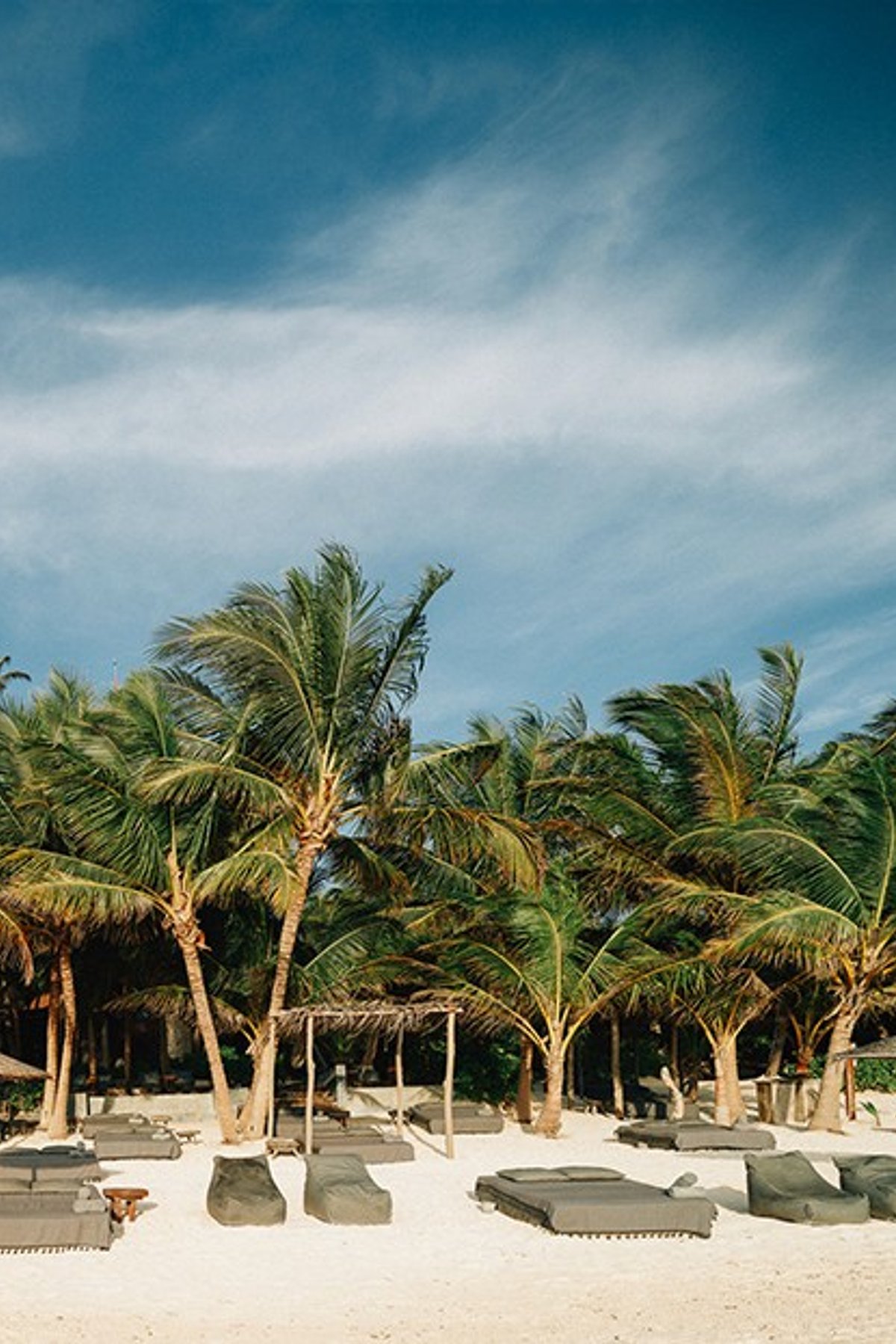
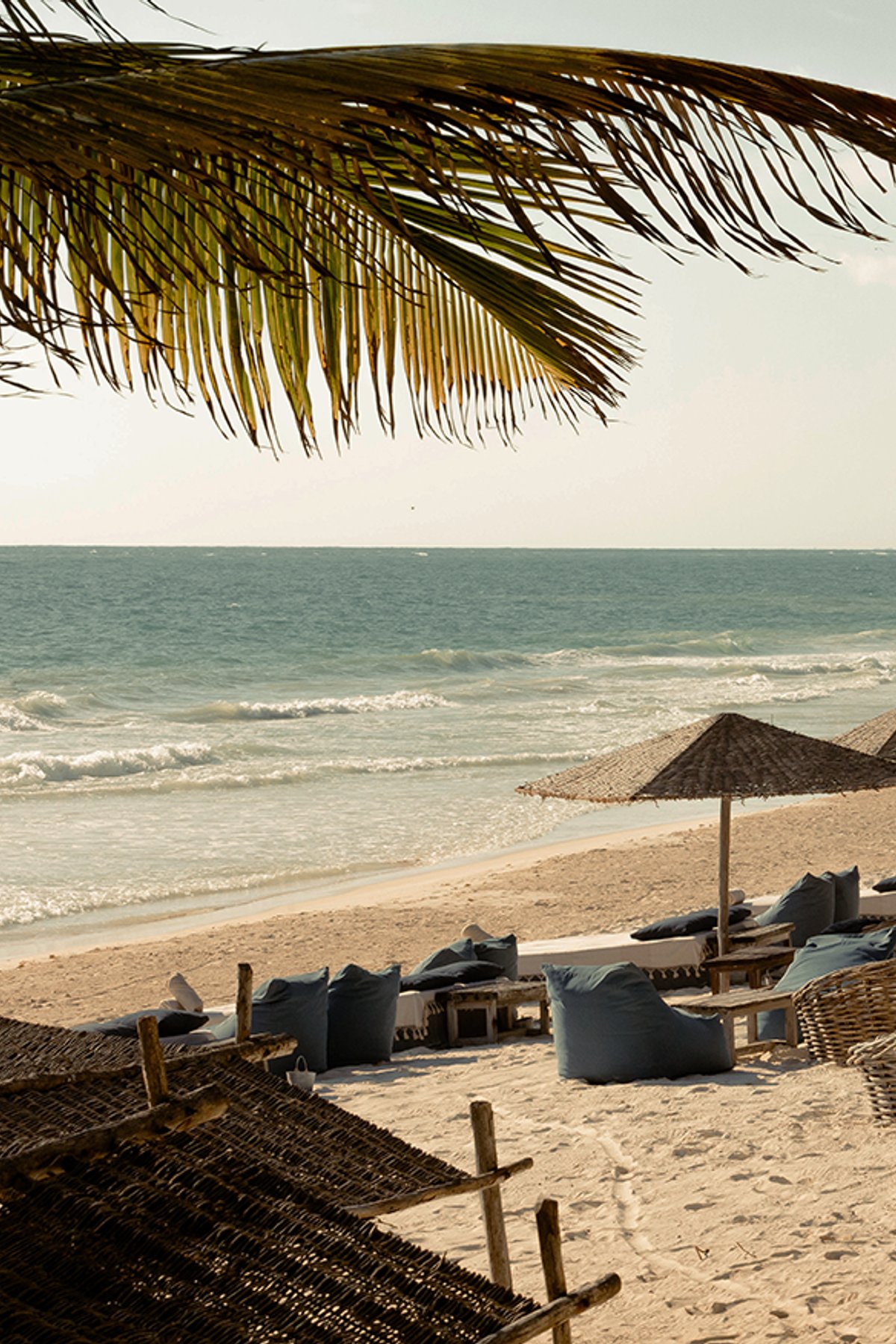
7 safari-style tents on quieter southern beach road (South Beach Zone): opened September 2017 around private cenote you can actually use. Paddleboards + kayaks live on water. Beach across road not on-site. Canvas walls; sargassum Apr-Aug; power patchy south-end after 10pm.
No published Instagram signal. Booking.com 8.3 plus rates $190-$218 (unusually reasonable Tulum glamping) plus paddleboards + kayaks on private cenote (most Tulum hotels send to day-pass cenotes crowded by 10am) pull glamping-with-private-cenote and self-selected-calmer-crowd demographic.
7 tents: request best sightline to cenote not road (proximity to water is real upgrade not size; $190 floor with shoulder drops). Weeknights green-season (May/Sep/early Nov) = last-minute path. Confirm AC spec Apr-Oct (some setups fan-only). Direct freshwater is what ultra-luxury cannot replicate.
At $$$ in South Beach Zone, Nativus competes with Astral Tulum ($$$ 4-bubble) and Cinco Tulum ($$$ 7-tent Playa Paraiso). Wins on private cenote with paddleboards + kayaks usable + $190 floor mid-priced anomaly + 7-key forgiving math, not on Astral transparent-bubble novelty or Cinco 19K Instagram.
Nativus opened in September 2017 on the quieter southern stretch of the beach road with a simple pitch: seven safari-style tents clustered around a private cenote you can actually use. Paddleboards and kayaks live on the water, meaning you can swim in fresh cenote water before breakfast without leaving the property. Rates sit in the $190 to $218 range, which for Tulum glamping is unusually reasonable, and Booking.com reviewers put it at 8.3.
The cenote is the reason to choose it: most Tulum hotels send you to day-pass cenotes that get crowded by 10am. Here, the cenote is yours, and at seven keys the math on who is using it at any moment is very forgiving. It is the rare mid-priced Tulum stay that gives you something the ultra-luxury hotels cannot replicate: private freshwater.
December through March peaks. November is the value window. Avoid September: sargassum and hurricane risk peak together.
Signal stable — composite holding within ±2 points over 17 days (currently 25). No single dimension moved more than the rest.
File closes at ACCESSIBLE. Book direct six to eight weeks out and confirm AC spec for April through October. Skip if a beachfront base matters; the cenote is the headline, the road is the backdrop.