Azulik
Tulum.
18 critic reviews
filed.
The hype gets the architecture and the museum right; they genuinely are unlike anything else in Mexico. It misses how divisive the operational reality is once you check in, with inconsistent service and dim-lit rooms dividing guests who expected traditional luxury from those who came for the vision.
Most guests stop at the main SFER IK location and miss SFER IK Uh May, the sister art installation inland in the jungle near the town of Francisco Uh May. It is a more ambitious structure, less crowded, and the day trip delivers the Roth vision at a scale the beachfront property cannot match.
angles.
Architecture as Ritual
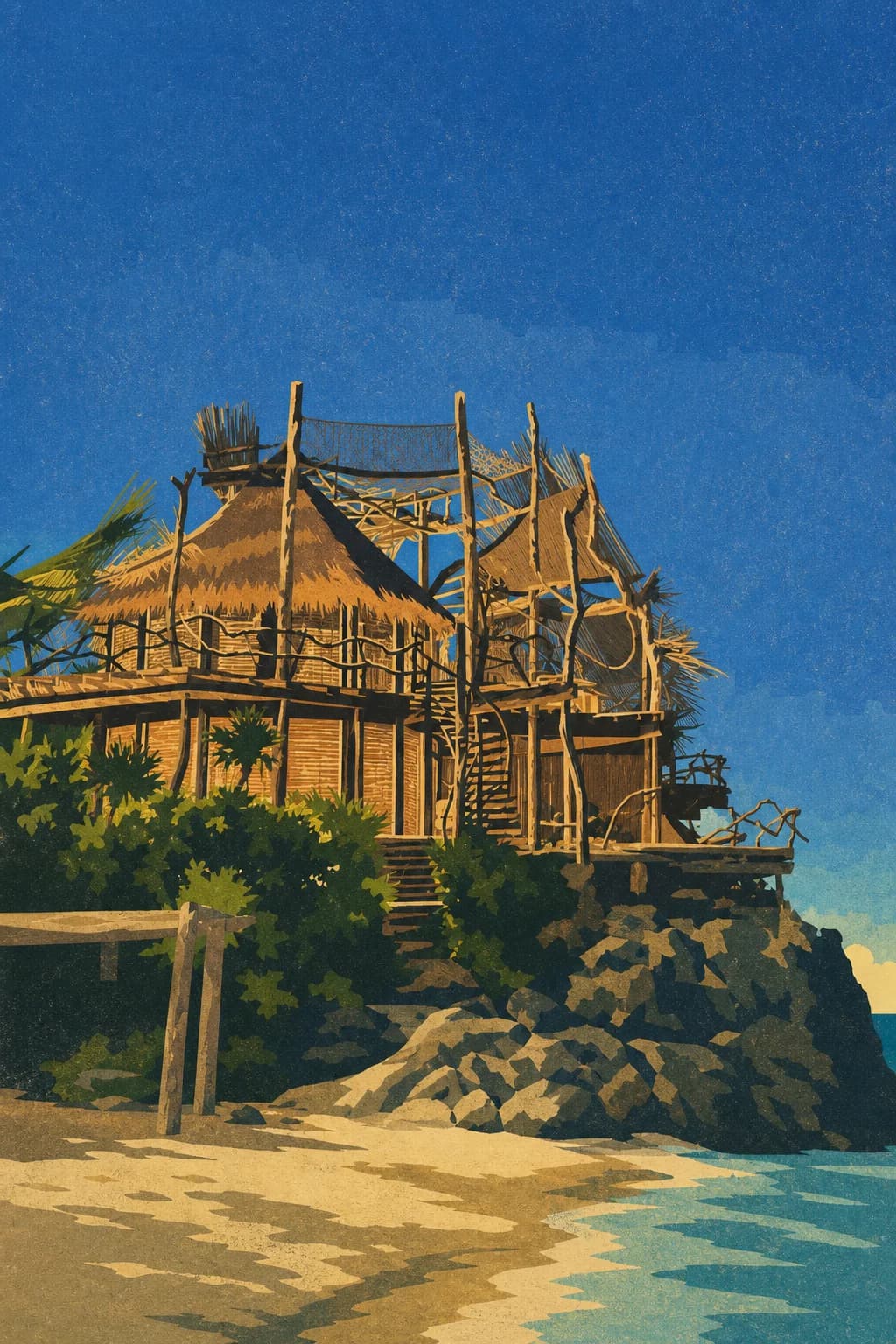
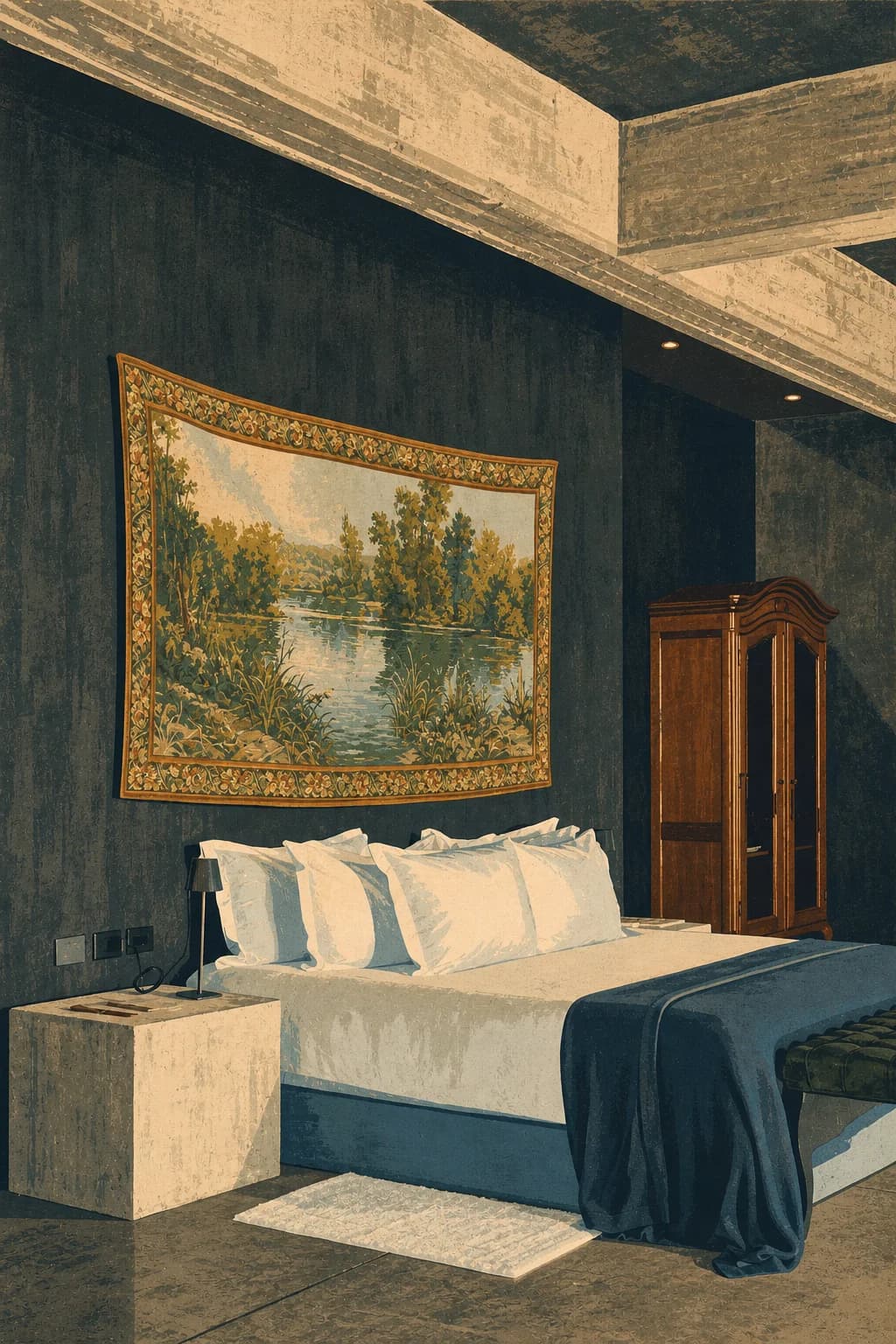
Roth's design language is unique in hospitality: hand-tied bamboo bridges, twisting wooden staircases, concrete forms poured like liquid, open-air bathtubs on timber platforms. Nothing is straight, nothing is standardized. Walking the property feels more like entering a sculpture you can sleep in than checking into a hotel, and the architecture press from Dezeen to Wallpaper has spent a decade trying to describe it properly.
SFER IK Museum On-Site
The SFER IK museum, opened in 2018 with Santiago Rumney Guggenheim as founding director, put Azulik on a different map. The gallery hosts rotating avant-garde exhibitions inside a structure with undulating floors guests walk barefoot through. It is one of the few hotel properties in the world where the art program operates at international museum standards, and it is free to explore if you are staying.
The Off-Grid Origin Story
Azulik was built with no electricity in the rooms, no WiFi, and no televisions. That has softened in recent years as the property modernized, but the DNA is intact: bathrooms lit by candles, villas cooled by Caribbean breezes, nights that end when the stars come out. The clothing-optional beach and adults-only policy reinforce the sense that this is a place built around what you leave behind rather than what you bring.
talk.
mapped.
“48 villas built between the jungle and the beach are glamorous, so is the spa's temazcal experience, one of the highlights of visiting Azulik.”
record.
Azulik opened in 2003 as the vision of Eduardo Neira, known as Roth, who built wooden villas linked by winding bamboo walkways and ran the place off-grid: no electricity, no WiFi, just candlelight and the sound of the Caribbean.
In 2018, Santiago Rumney Guggenheim (great-grandson of Peggy) opened a gallery on-site with wave-like cement walls and undulating floors, and the property stopped being a hotel and started being a destination for the international art crowd. Today the resort is partially modernized but still leans hard on its origin story. The beach is clothing-optional, the design is unlike anything else in the Yucatán, and availability moves faster than almost any property in Tulum.
changed.
December through March peaks. November is the value window. Avoid September: sargassum and hurricane risk peak together.
Tulum runs on three overlapping forces — weather, crowd density, and sargassum seaweed — and misreading any one of them can wreck a trip. That triangulation matters more here than at almost any other Caribbean destination.
December through March is peak season, and it earns the title. Humidity drops, rain turns rare, and the Caribbean hits its clearest. December carries maximum demand on Christmas and New Year's pricing, while January through March hold steady before a March Spring Break surge fills South Beach Zone properties weeks out. For Ultra or Very High tier properties that book direct only, plan 60 to 90 days ahead — Nomade and Hotel Esencia both manage their own reservations and sell out specific room categories well before arrival.
April is the bridge. Easter and Semana Santa bring a final demand spike, driven largely by Mexican domestic travelers. Once that holiday window closes, both rates and crowds ease.
May through November is where the trade-offs live. Hurricane season officially runs June 1 through November 30, but statistical risk concentrates in September and October, with September carrying a 15 to 20% probability of tropical cyclone activity. June also opens the worst sargassum stretch: the floating brown algae, carried by Atlantic currents, piles onto Tulum's east-facing beaches from roughly May through October, peaking in July and August. Tulum's open coastline orientation means it catches more than Cancun or Playa del Carmen, and University of South Florida forecasts suggest 2026 could be among the heaviest sargassum years on record for the Mexican Caribbean.
Hotels with dedicated beach cleanup crews manage the situation daily; properties without them can have significant accumulation.
September is the genuine low point. Demand bottoms out, hurricane risk peaks, sargassum lingers, and some smaller properties cut hours or close for maintenance. October begins a slow recovery, with Day of the Dead at month's end marking the cultural pivot back toward high season. November is a legitimate value window: sargassum fades, hurricane odds drop sharply, and pricing hasn't yet climbed to December levels.
approach.
briefing.
“Reconnect with nature at this eco-conscious treehouse hotel on Tulum's dramatic Caribbean coastline.”
stands.
demand's going.
The real Instagram following over time, plus where this hotel sits for demand in Tulum. Pick a range, toggle the lines. Followers are reach and demand, not engagement.
assessment.
File closes at VERY HIGH. Book direct three to four months out for December through March. Skip if you want a quiet beach; the Roth aesthetic pulls a constant photo crowd.
The numbers behind the tiers
Azulik Tulum · SOURCE READINGS · REDACTED- Availability density · sampled
- Monthly search volume · raw
- TikTok hashtag views · raw
- YouTube total views · raw
- TikTok following · latest sweep
- Pinterest saves · latest sweep
More from Tulum.




Get the hotel's Unbookable Score.
Any post or reel with a hotel in it. Booking.com hotel pages work too. One free check, no account needed.