CINCO
TULUM.

The hype is real in the sense that Cinco holds a 19,000 Instagram following across seven tents, and the bookings have kept pace. What the hype gets right is the vibe and the palm canopy. What it misses is that the beach club daytime crowd is part of the deal and if you were expecting private beach solitude, you will be disappointed around lunch.
Most guests do not realise they can walk five minutes north along the beach and reach the stone viewpoint at the edge of the ruins, outside any paid park entrance. It is free, it is always empty at sunrise, and the photo is better from that angle than from inside the archaeological zone itself.
angles.
Seven Tents, Rarely Empty
Seven tents is a tiny number against 19,000 Instagram followers and a loyal base of repeat guests. Cinco Tulum takes reservations by email in addition to the usual channels, and that combination of tiny inventory and word-of-mouth demand is the real story here: the property runs sold out more often than not, filled by people who have either stayed before or were told to email by a friend who had.
Seven Tents Under 100 Palms
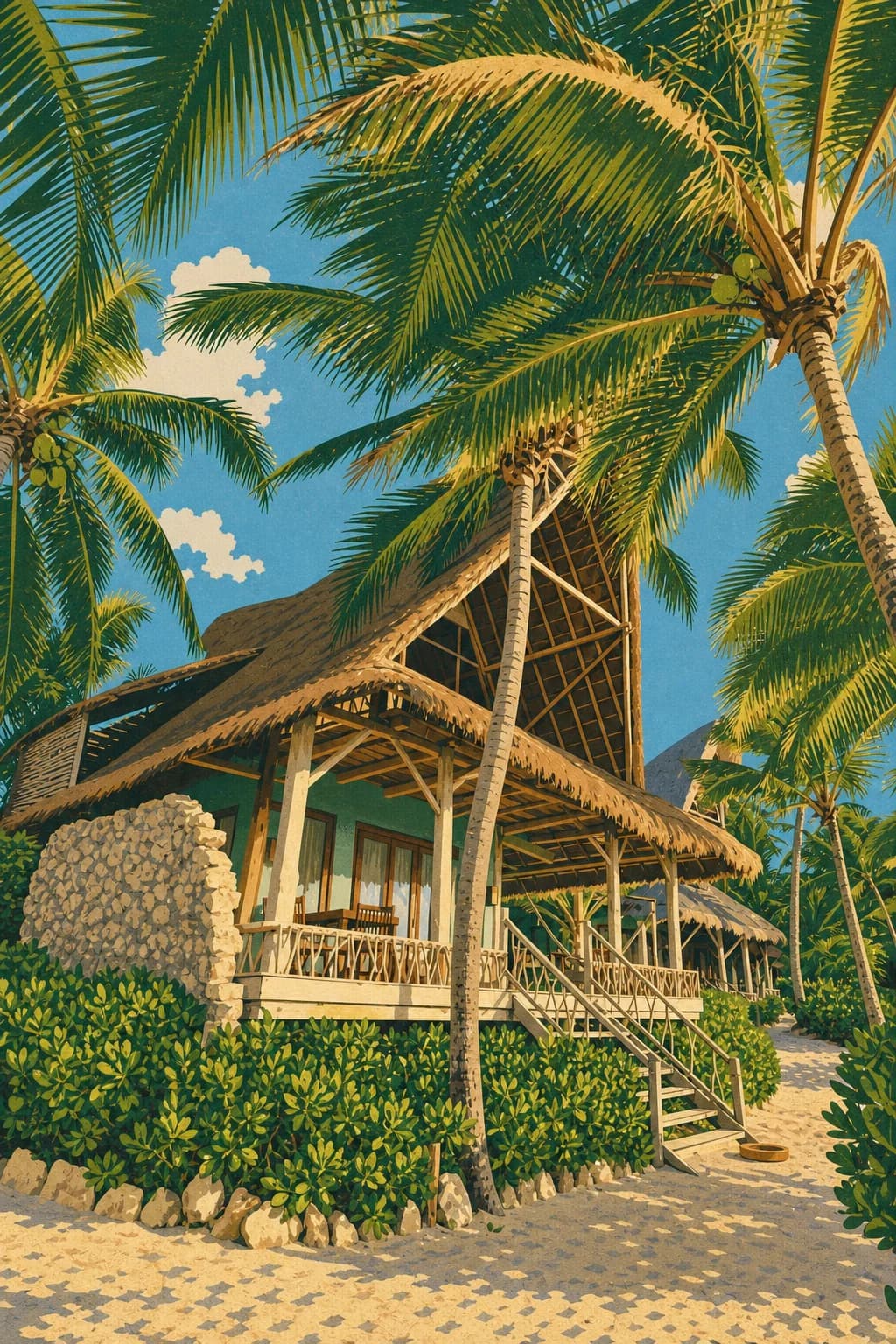
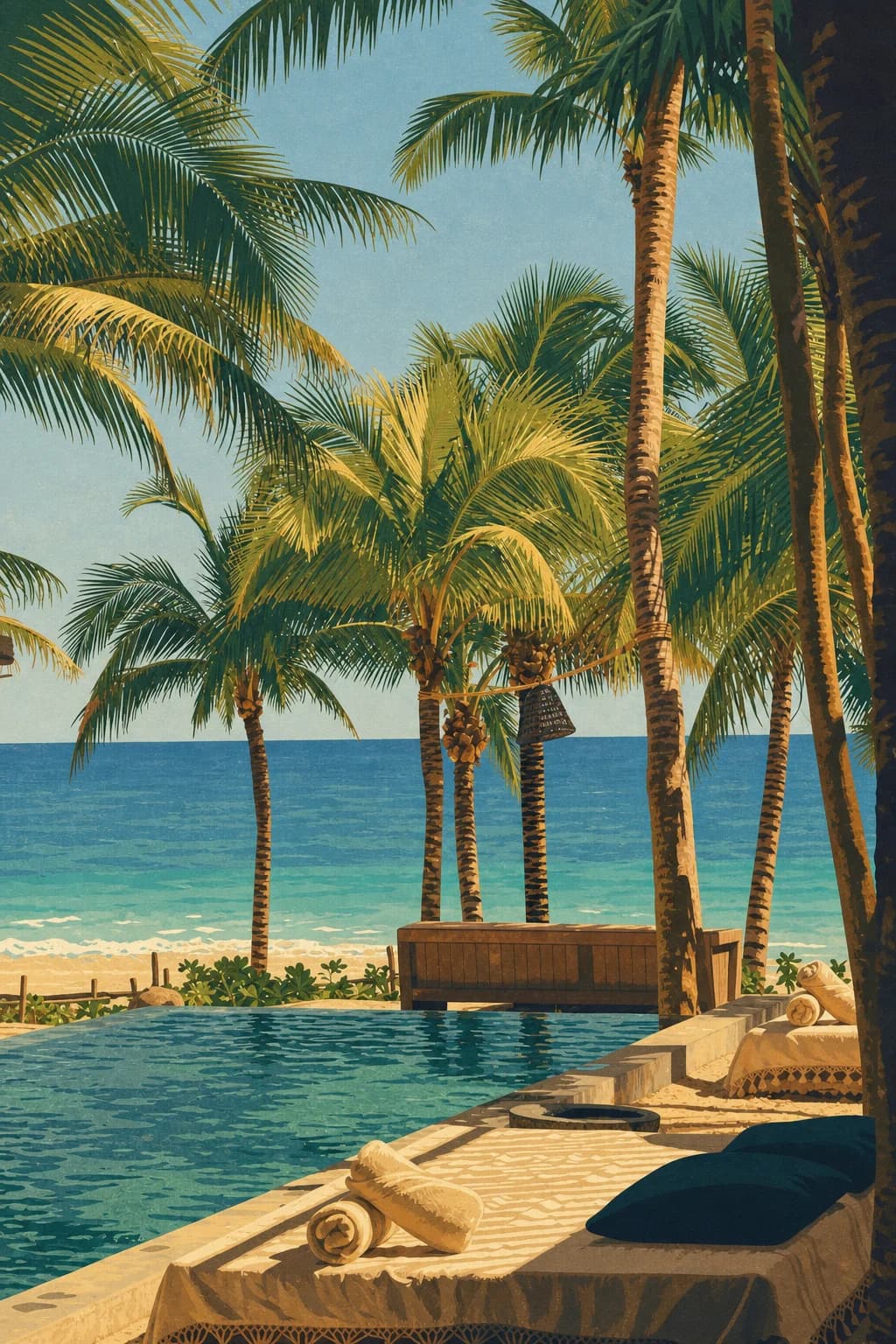
The density of coconut palms at this site is unusual even for Tulum; the tents sit in the shade of roughly 100 of them, which keeps the midday heat down and gives the beach club its signature canopy. Inside each tent, king beds and outdoor showers beneath a seagrape canopy. The old-Tulum aesthetic that everyone claims to be selling, actually sold here.
Playa Paraiso Location
Playa Paraiso is repeatedly named among Mexico's best beaches and the Mayan ruins are a short walk through Parque del Jaguar. Cinco's stretch of the sand is protected and generally less trafficked than the section directly below the ruins. If you want the postcard beach and the archaeological site in the same walk, this location beats almost every other beachfront option.
talk.
mapped.
record.
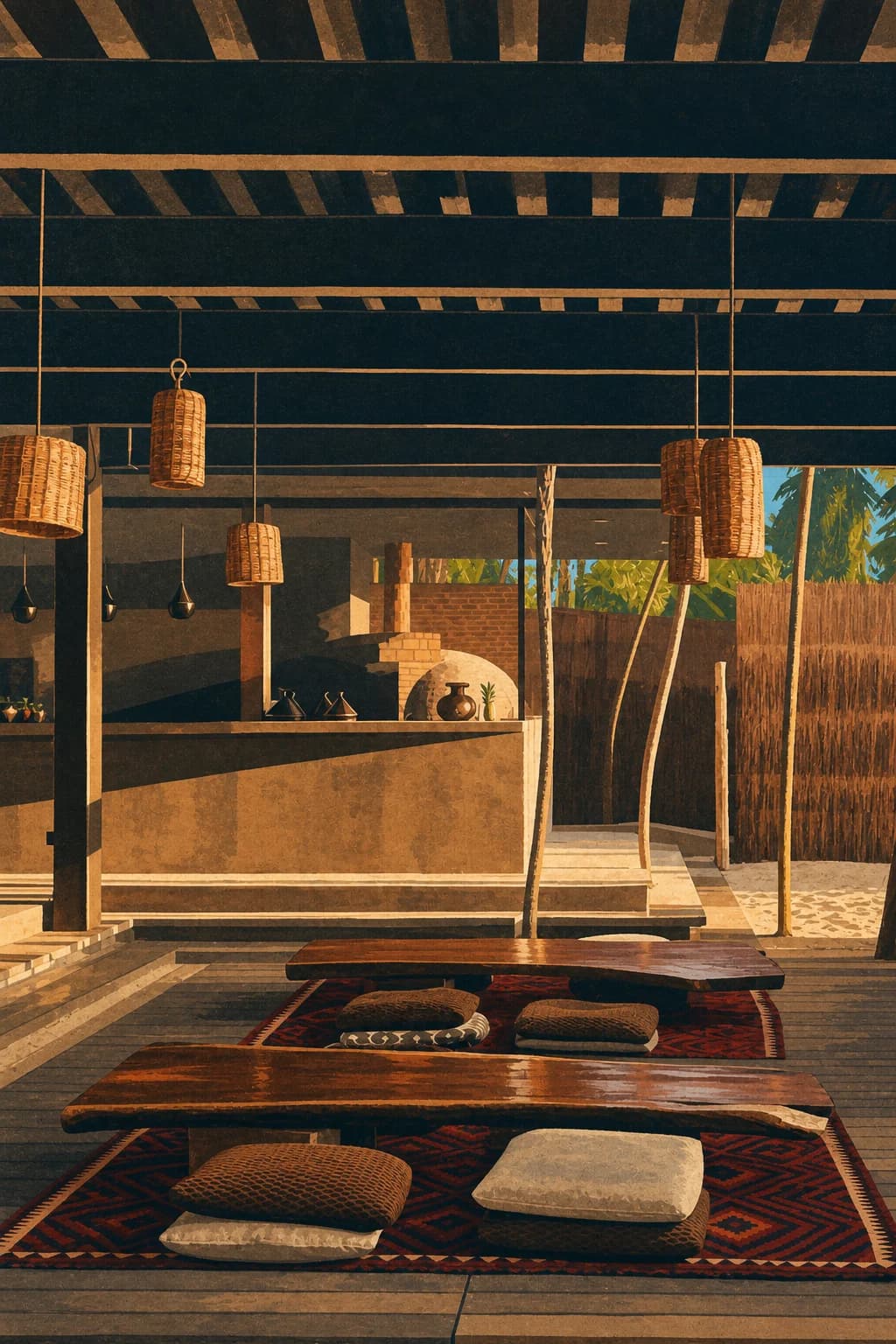
The tents sit under a canopy of roughly 100 coconut palms, kings beds inside, outdoor showers beneath seagrape. Adults-only overnight, beach club by day. The restaurant is known for ceviche, guacamole, and cocktails, the sort of menu that reads like every other Tulum beach club until you actually sit down and realise it is being done better than the neighbours.
Cinco takes reservations by email as well as through the usual channels, and with only seven tents against a loyal repeat-guest following, it currently runs booked more often than not. With 19,000 Instagram followers across seven tents, Cinco has one of the highest follower-to-room signals on the beach road. The old-Tulum vibe is the marketing angle, and it holds up.
changed.
December through March peaks. November is the value window. Avoid September: sargassum and hurricane risk peak together.
Tulum runs on three overlapping forces — weather, crowd density, and sargassum seaweed — and misreading any one of them can wreck a trip. That triangulation matters more here than at almost any other Caribbean destination.
December through March is peak season, and it earns the title. Humidity drops, rain turns rare, and the Caribbean hits its clearest. December carries maximum demand on Christmas and New Year's pricing, while January through March hold steady before a March Spring Break surge fills South Beach Zone properties weeks out. For Ultra or Very High tier properties that book direct only, plan 60 to 90 days ahead — Nomade and Hotel Esencia both manage their own reservations and sell out specific room categories well before arrival.
April is the bridge. Easter and Semana Santa bring a final demand spike, driven largely by Mexican domestic travelers. Once that holiday window closes, both rates and crowds ease.
May through November is where the trade-offs live. Hurricane season officially runs June 1 through November 30, but statistical risk concentrates in September and October, with September carrying a 15 to 20% probability of tropical cyclone activity. June also opens the worst sargassum stretch: the floating brown algae, carried by Atlantic currents, piles onto Tulum's east-facing beaches from roughly May through October, peaking in July and August. Tulum's open coastline orientation means it catches more than Cancun or Playa del Carmen, and University of South Florida forecasts suggest 2026 could be among the heaviest sargassum years on record for the Mexican Caribbean.
Hotels with dedicated beach cleanup crews manage the situation daily; properties without them can have significant accumulation.
September is the genuine low point. Demand bottoms out, hurricane risk peaks, sargassum lingers, and some smaller properties cut hours or close for maintenance. October begins a slow recovery, with Day of the Dead at month's end marking the cultural pivot back toward high season. November is a legitimate value window: sargassum fades, hurricane odds drop sharply, and pricing hasn't yet climbed to December levels.
approach.
briefing.
stands.
demand's going.
The real Instagram following over time, plus where this hotel sits for demand in Tulum. Pick a range, toggle the lines. Followers are reach and demand, not engagement.
assessment.
File closes at HIGH. Book direct six to eight weeks out, three months for peak. Skip if early sleep matters; the beach club music carries to closing on weekends.
The numbers behind the tiers
CINCO TULUM · SOURCE READINGS · REDACTED- Availability density · sampled
- Monthly search volume · raw
- TikTok hashtag views · raw
- YouTube total views · raw
- TikTok following · latest sweep
- Pinterest saves · latest sweep
More from Tulum.




Get the hotel's Unbookable Score.
Any post or reel with a hotel in it. Booking.com hotel pages work too. One free check, no account needed.