Ace
Hotel New York.
1 critic review
filed.
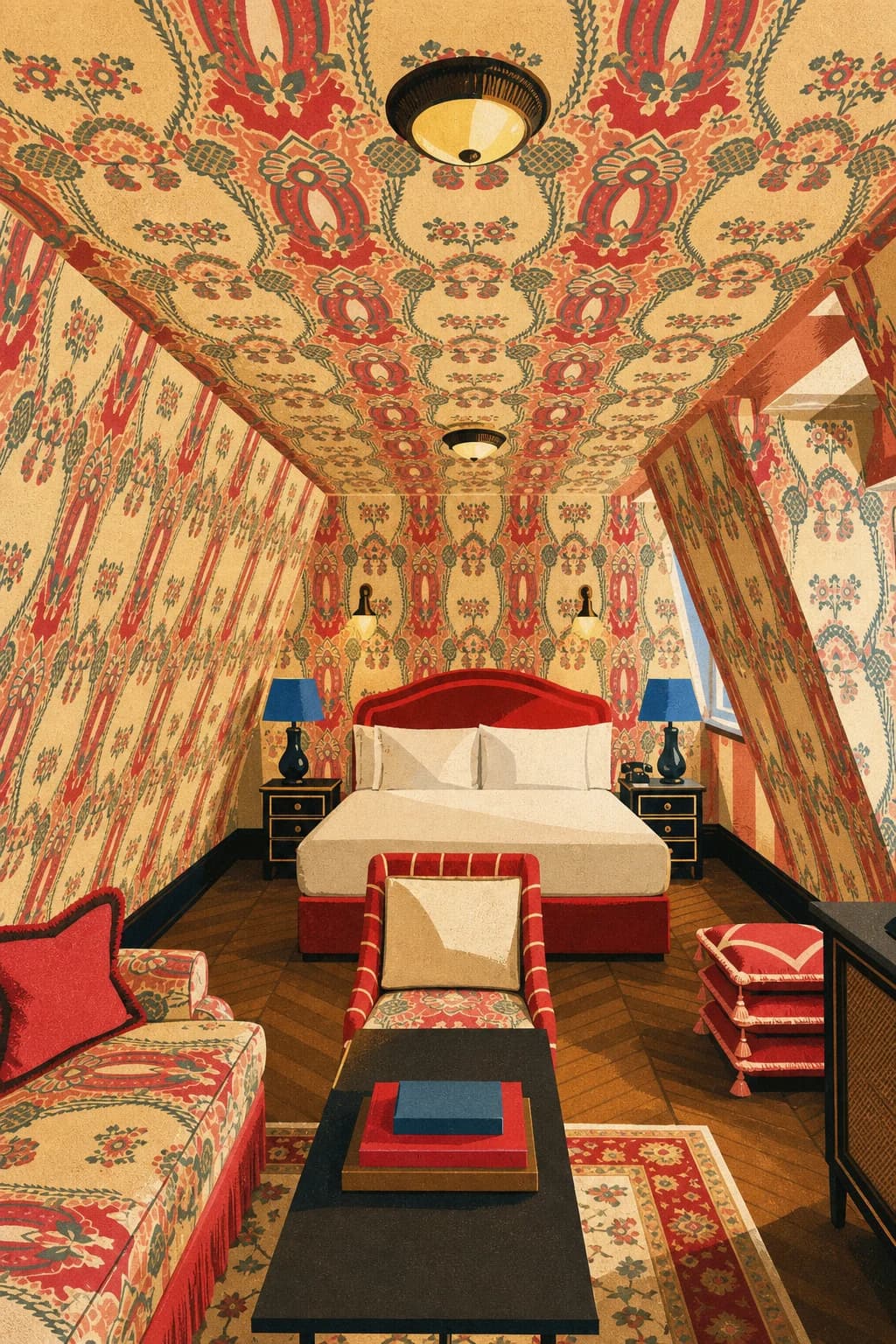
The lobby absolutely lives up to the hype. It is still one of the best public rooms in New York, and the coffee and bar programming is genuinely good. What is oversold is the room experience. The rooms were revolutionary in 2009 and are now simply good, which is a different category of booking altogether.
The third-floor Loft rooms have private access to a quiet back staircase that leads directly to the lobby without passing through the main elevator bank. Regulars use it to move between the bar and the room without running into the crowd, and the staff will point you to it if you ask politely at check-in.
angles.
Roman and Williams in 2009
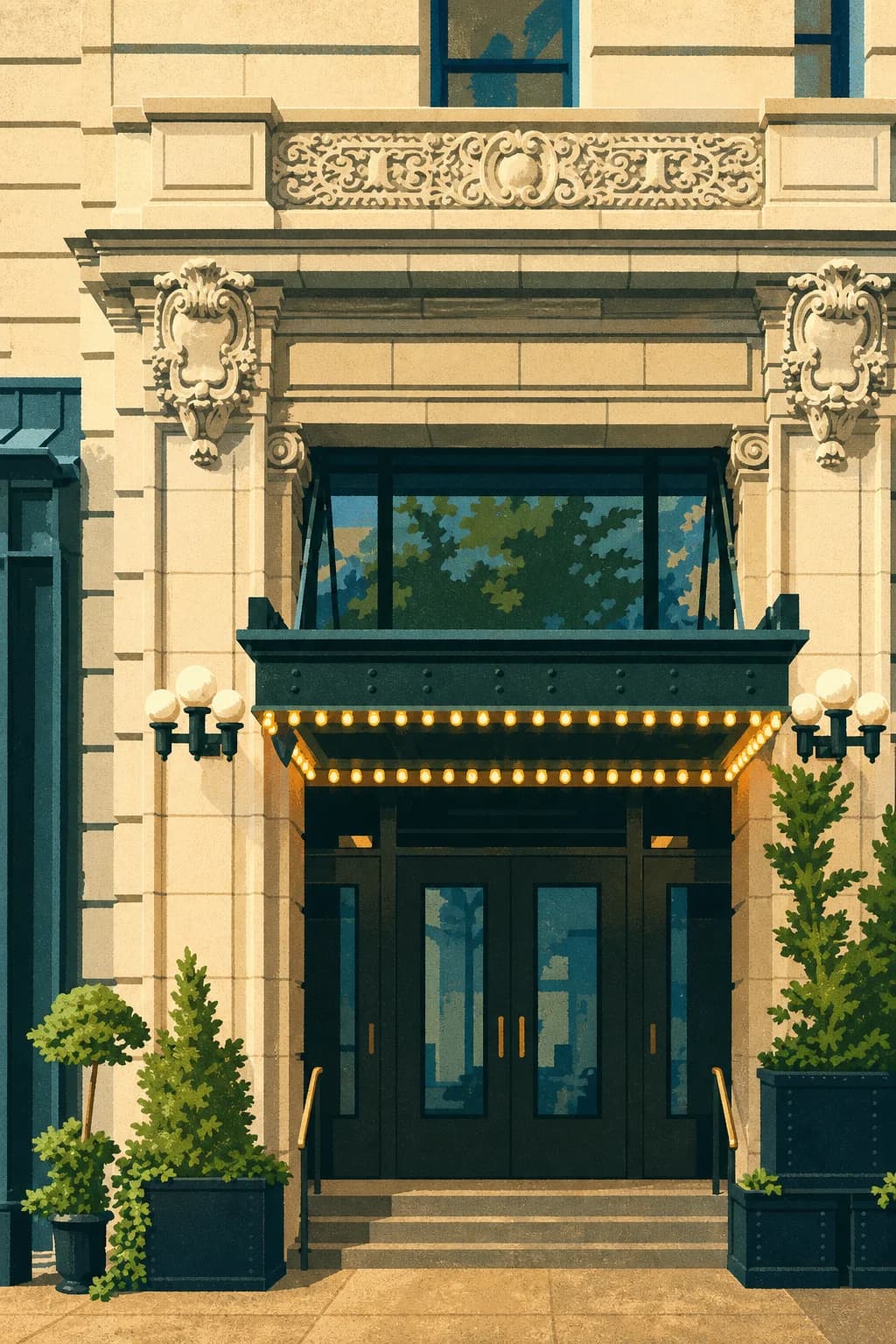
The Ace brief to Roman and Williams in 2009 was to build something that felt less like a hotel and more like a friend's brownstone apartment. The result set the template for every design hotel that followed: Mascioni sheets, Gibson guitars in the rooms, MusicHall turntables, SMEG refrigerators, and a lobby that treated guests as locals. Fifteen years later the lobby still pulls a daily crowd of Manhattan freelancers, which is both the compliment and the critique of the original design.
NoMad Before There Was NoMad
The Ace opened before anyone used the acronym NoMad for the stretch of Broadway above Madison Square Park. The hotel essentially forced the neighborhood into existence by bringing a Stumptown, a gastropub, and a rotating roster of retail tenants into a corridor that had been empty for years. Every independent shop, cafe, and restaurant that opened in the blocks around 29th and Broadway between 2009 and 2015 can draw a line back to the Ace lobby as the anchor tenant.
The Food and Beverage Reset
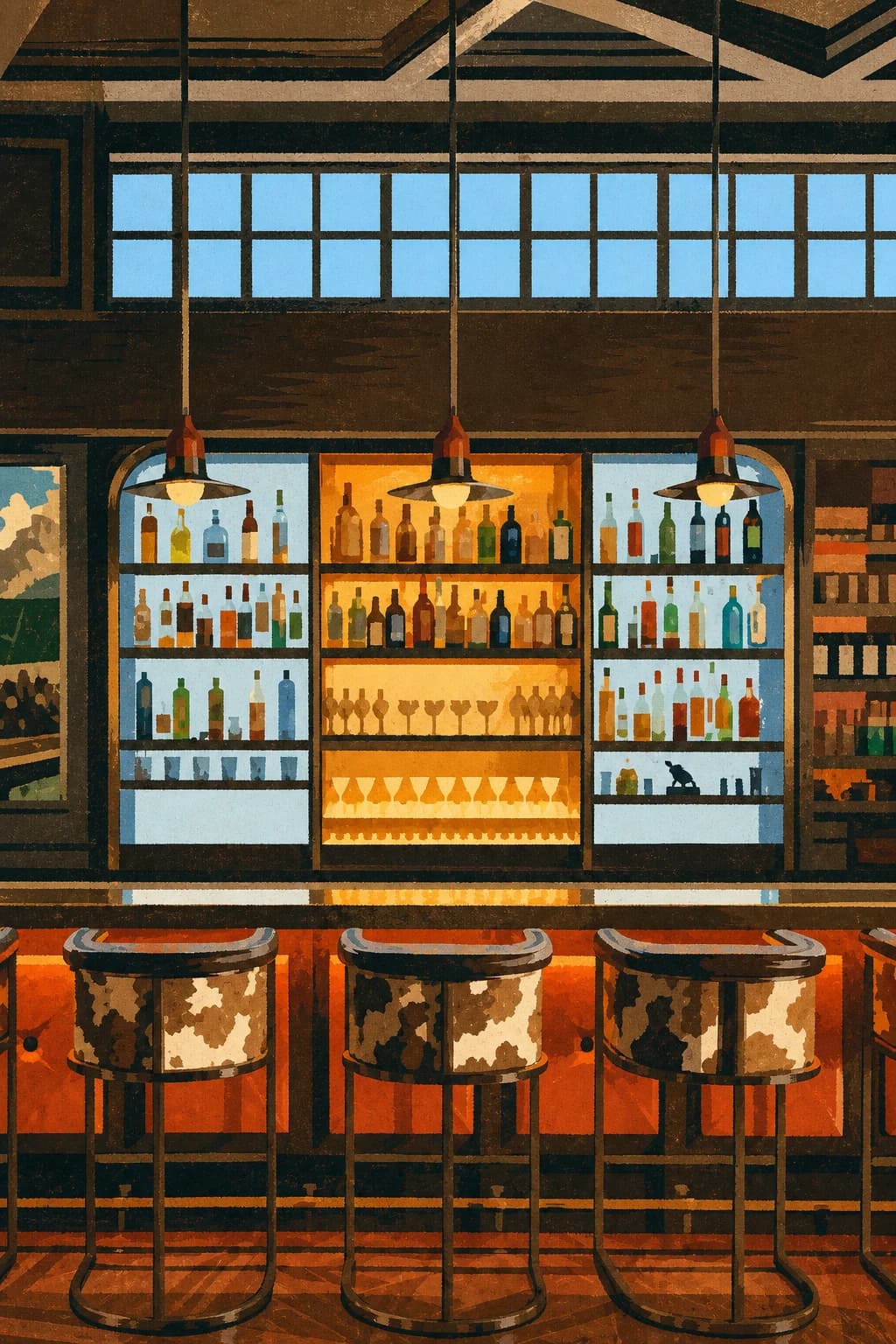
The original tenants were Stumptown and the Breslin, and the current lineup includes Bistro 29, a modern French restaurant, plus Libera for late-night cocktails and a new Sadelle's takeover of the rooftop space. The in-lobby bar is still where the photo-booth group shots happen at 1am, and the pre-theater crowd rolls in from 5pm. The rotation keeps the property feeling current even when the rooms are showing their age.
talk.
mapped.
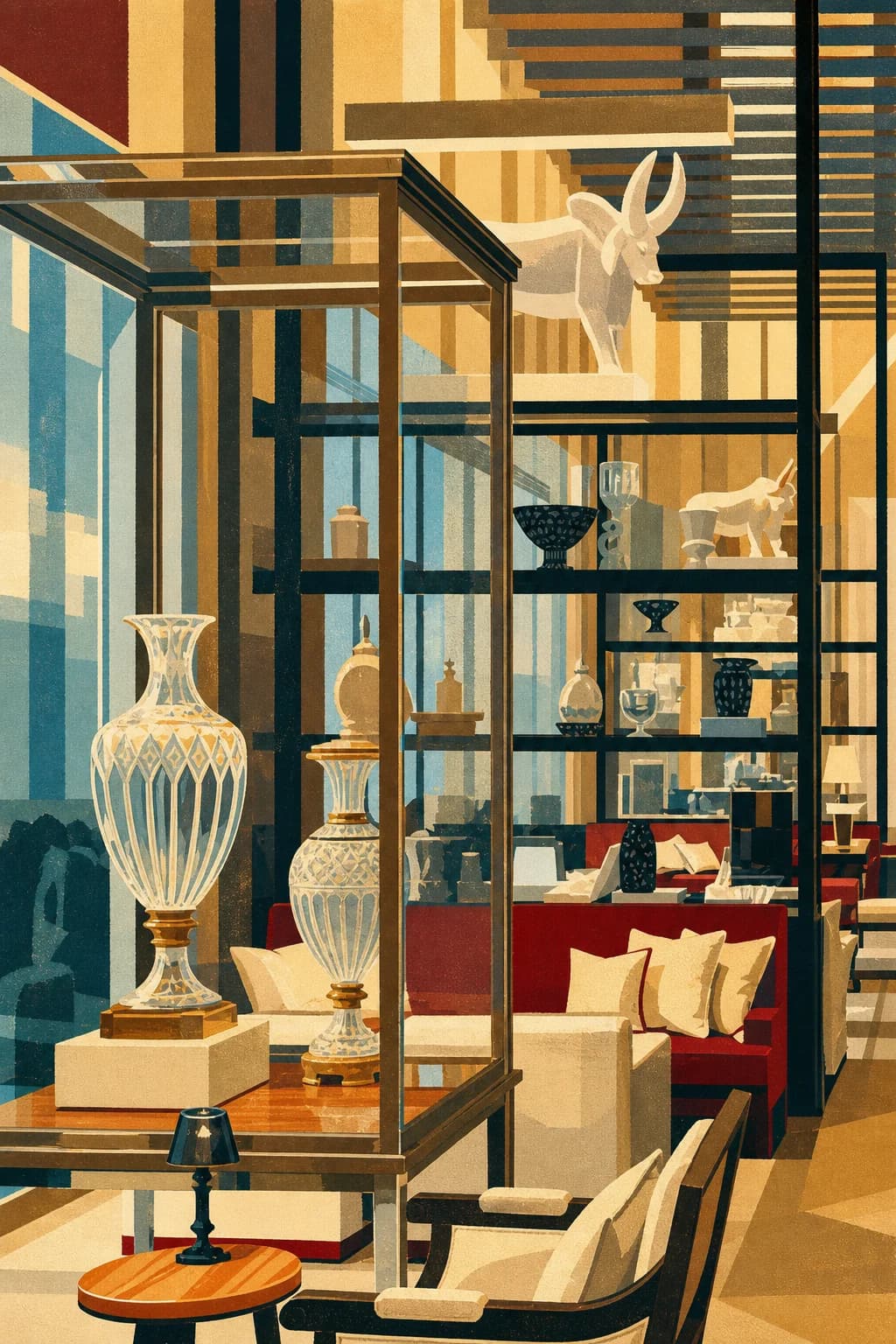
“The lively lobby melds the look of an Ivy League library with the concept of a curiosity cabinet—eclectic artwork, mosaic tile floors”
record.
Roman and Williams, then still primarily known as the firm behind Gwyneth Paltrow's townhouse, built out the ground floor with reclaimed wood, 1970s sectionals, French bakery tables, and industrial lighting that encouraged anyone with a laptop to treat the space as a free office.
A Stumptown Coffee outpost at the corner delivered the caffeine, and the Breslin by April Bloomfield upstairs delivered a Michelin star and a lamb burger that defined the neighborhood for most of the early 2010s. The hotel basically created NoMad as a brand, and though the Breslin eventually closed and the rooftop reopened as Sadelle's, the 286 rooms still carry the Roman and Williams bones that made Ace the original in its category.
changed.
Late April–early May beats Met Gala. First two weeks of September beat UNGA. Anything Sep–Dec needs 60–90 days of lead time.
September is the single hardest month to book in New York City, and nothing else comes close. Fashion Week and the United Nations General Assembly collide in the same two-week window, pulling designers, buyers, diplomats, journalists, and their combined entourages into a city already running near capacity. Rates during UNGA week routinely blow past the rest of the year by wide margins.
October runs a close second, and for entirely different reasons. Hudson Valley foliage trips drain weekend supply, while NY Comic Con and a dense events calendar keep midweek pressure high. If September is out of reach, expect October to feel almost identical at the top of the market.
The holiday corridor from November through December is the other sustained peak. NYC Marathon weekend in early November compresses supply across all five boroughs before Thanksgiving arrives with the Macy's parade and family travel. December then stacks Rockefeller Center, holiday markets, Broadway's busiest stretch, and New Year's Eve on top of one another.
Booking lead times for November and December should extend to 60 to 90 days minimum at High and Very High tier properties.
May and June bring sharp, event-driven spikes rather than a broad surge. Met Gala week in early May and Frieze New York concentrate pressure in Midtown and downtown Manhattan respectively. June adds NYC Pride, the Tribeca Festival, and the Tony Awards, keeping demand high but with more day-to-day variability than the fall corridor.
The value window runs January through February. NYC Restaurant Week in January and February's Fashion Week supply the cultural programming, but overall demand hits its yearly floor, with rates falling 40 to 50 percent below peak and normally rigid properties running promotions during NYC Hotel Week. August is the other soft spot: residents flee for the summer, and while the US Open opens late in the month, the first three weeks sit well below their neighbors.
The practical read: chase the shoulders. Target late April, early May before the Met Gala, or the first two weeks of September before UNGA arrives, and you'll get peak-season energy with meaningfully better availability. July is warm and less programmed but also cheaper, a fair trade if theater and outdoor dining are the priority.
approach.
briefing.
stands.
demand's going.
The real Instagram following over time, plus where this hotel sits for demand in New York City. Pick a range, toggle the lines. Followers are reach and demand, not engagement.
assessment.
File closes at HIGH. Book direct four to six weeks out for September through December peaks and Frieze week. Skip if you sleep light; the lobby crowd runs late.
The numbers behind the tiers
Ace Hotel New York · SOURCE READINGS · REDACTED- Availability density · sampled
- Monthly search volume · raw
- TikTok hashtag views · raw
- YouTube total views · raw
- TikTok following · latest sweep
- Pinterest saves · latest sweep
More from New York City.


Get the hotel's Unbookable Score.
Any post or reel with a hotel in it. Booking.com hotel pages work too. One free check, no account needed.