The Twenty Two
New York.
12 critic reviews
filed.
The building, the bar, and Cafe Zaffri genuinely live up to the opening buzz. The hype around the club part is more mixed. Members get the real experience, and overnight guests get a version of it, but not the full depth. Book with that expectation and you will not feel oversold.
Most coverage focuses on the public rooms, but the real secret is the in-house library on an upper floor, a small reading room quietly stocked with first editions and private club volumes the staff will pull down if you ask. Almost no guests know to request it.
angles.
Inside the Vanderbilt House
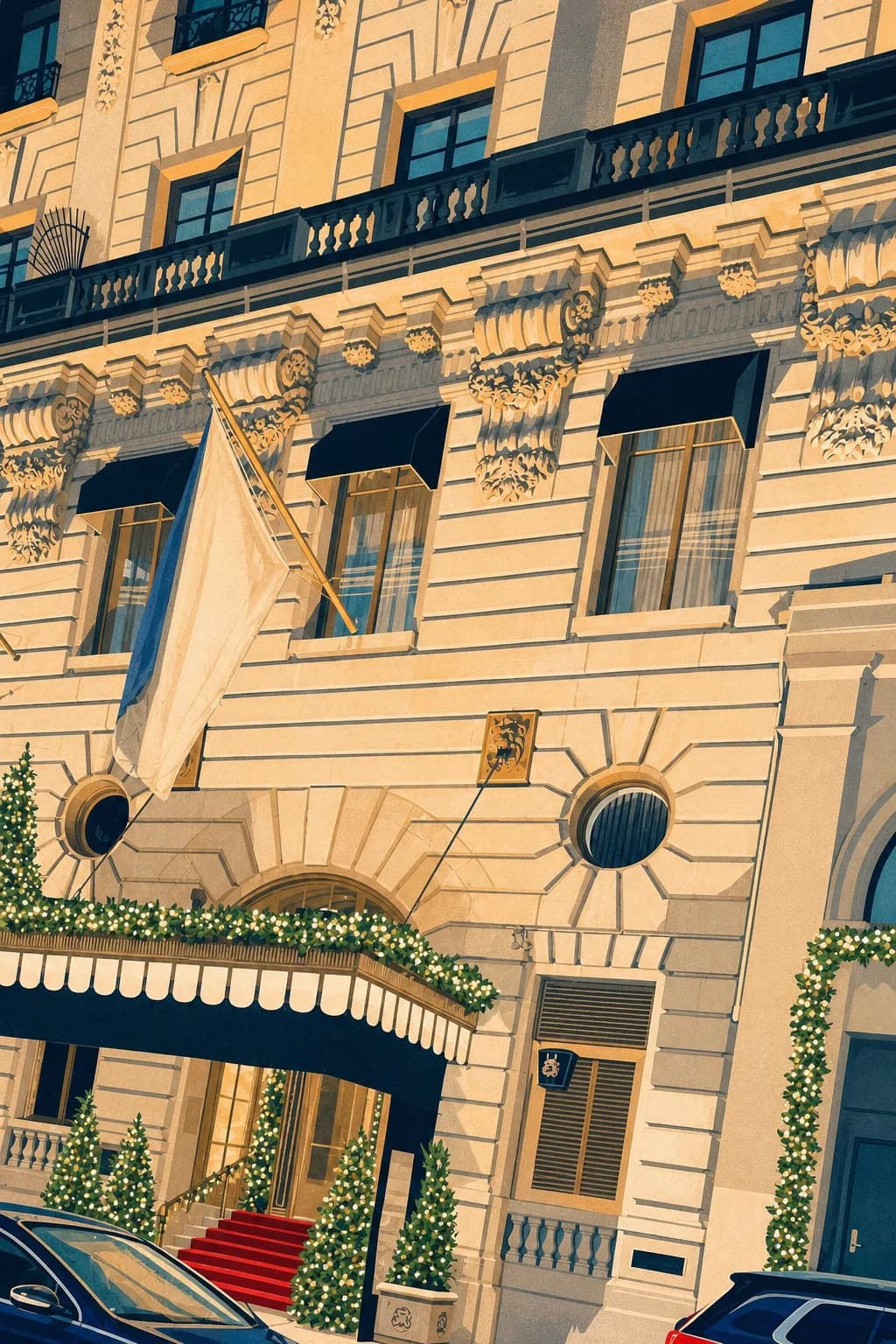
The building itself is the anchor. Margaret Louisa Vanderbilt, daughter of William Henry, funded the original Margaret Louisa Home in 1891 as philanthropy for self-sufficient Protestant women, and the nine-story structure still carries the original bones: high ceilings, ornate stonework, and window sightlines onto Union Square. The restoration kept the landmark facade and layered the interiors with Gilded Age references, and staying here is the closest you can get to sleeping inside a Wharton novel.
Cafe Zaffri on the Ground Floor
The public restaurant is run by Jennifer and Nicole Vitagliano, executive chef Mary Attea, and pastry chef Camari Mick, the same team behind Raf's and the Musket Room. Attea's menu pulls from her Lebanese roots into a modern Levantine format, and within weeks of opening, Cafe Zaffri became one of the hardest reservations in the neighborhood. Hotel guests can walk downstairs without a booking, which is reason enough to stay.
Members' Club Access Without Membership
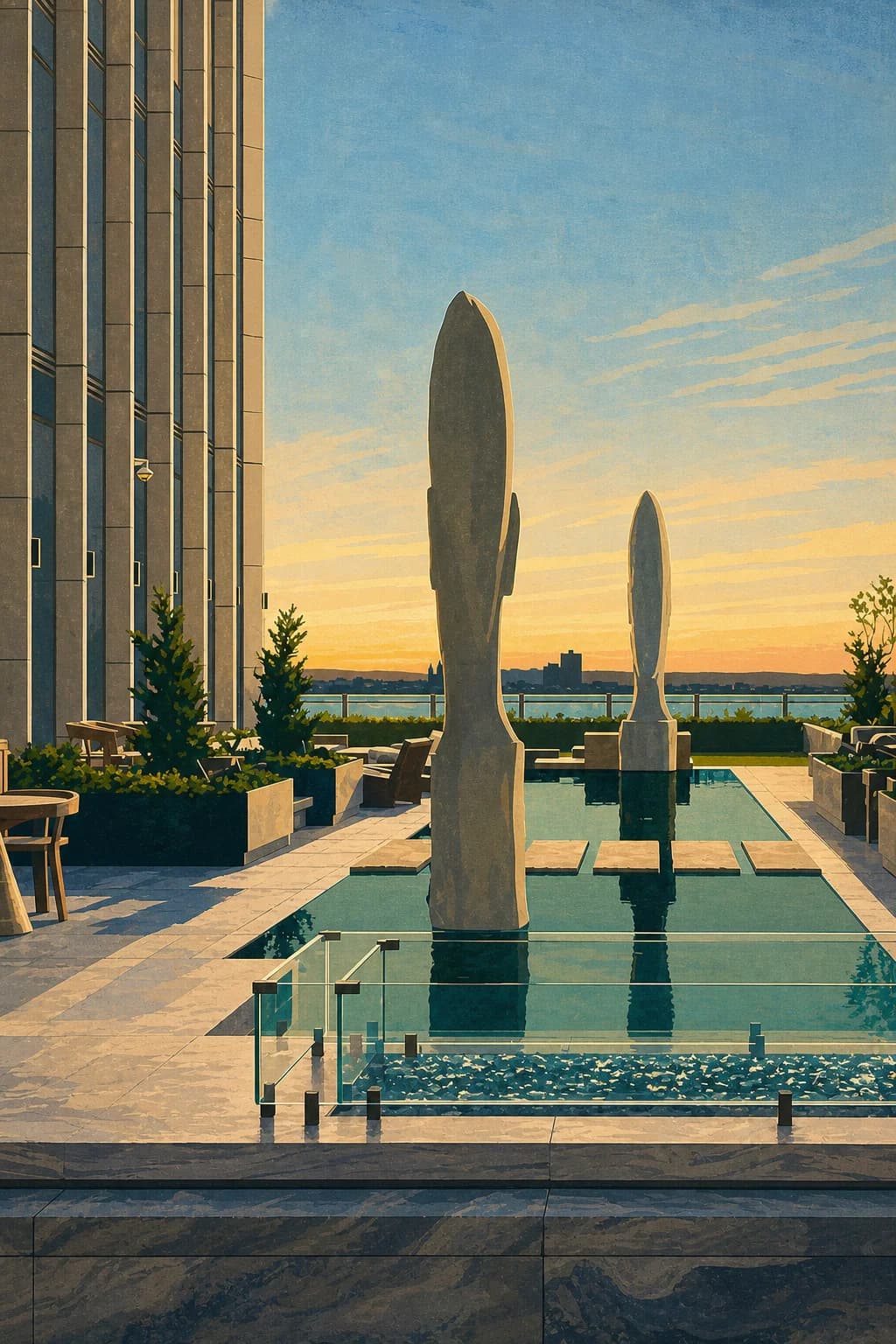
Overnight guests get access to the upper-floor members' spaces that outsiders cannot buy their way into: the lounge, the raw bar, the rooftop garden and terrace, the gym, and the late-night bar. It is the same workaround the London property runs, and it is the core selling proposition. You book a room for a night, and for 24 hours you get the club without the five-figure initiation.
talk.
mapped.
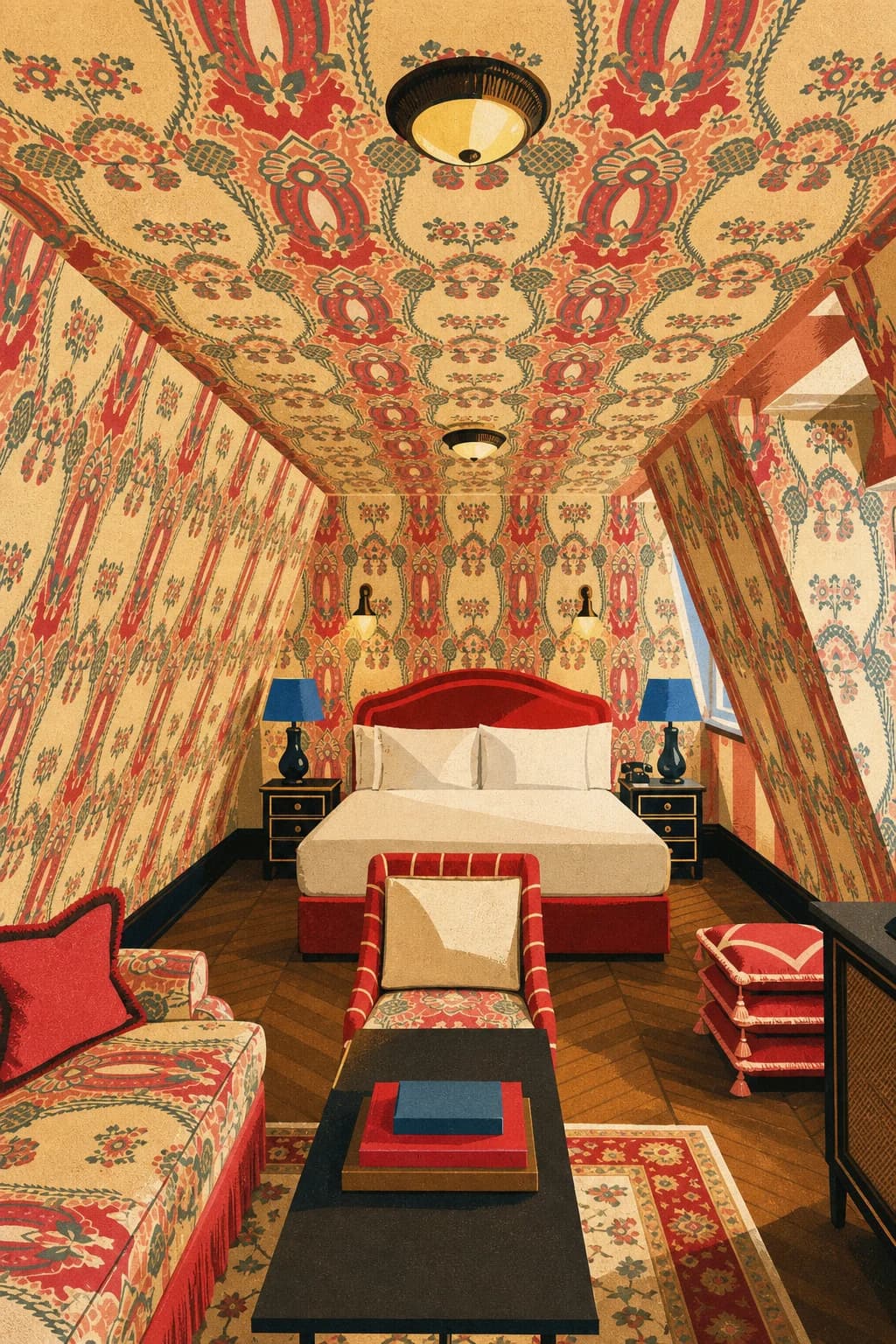
“This is by far one of my favorite hotels in New York. The rooms feel intimate and sexy with a rich palette of dark woods and deep velvets, all set against the moodiest lighting.”
record.
The London hotel brand took over the old Margaret Louisa Home, a nine-story landmark at 16 East 16th Street that heiress Margaret Louisa Vanderbilt commissioned in 1891 as a boarding house for respectable working women, and turned it into 78 rooms, a private members' club, a Levantine ground-floor restaurant, and a rooftop garden with skyscraper views.
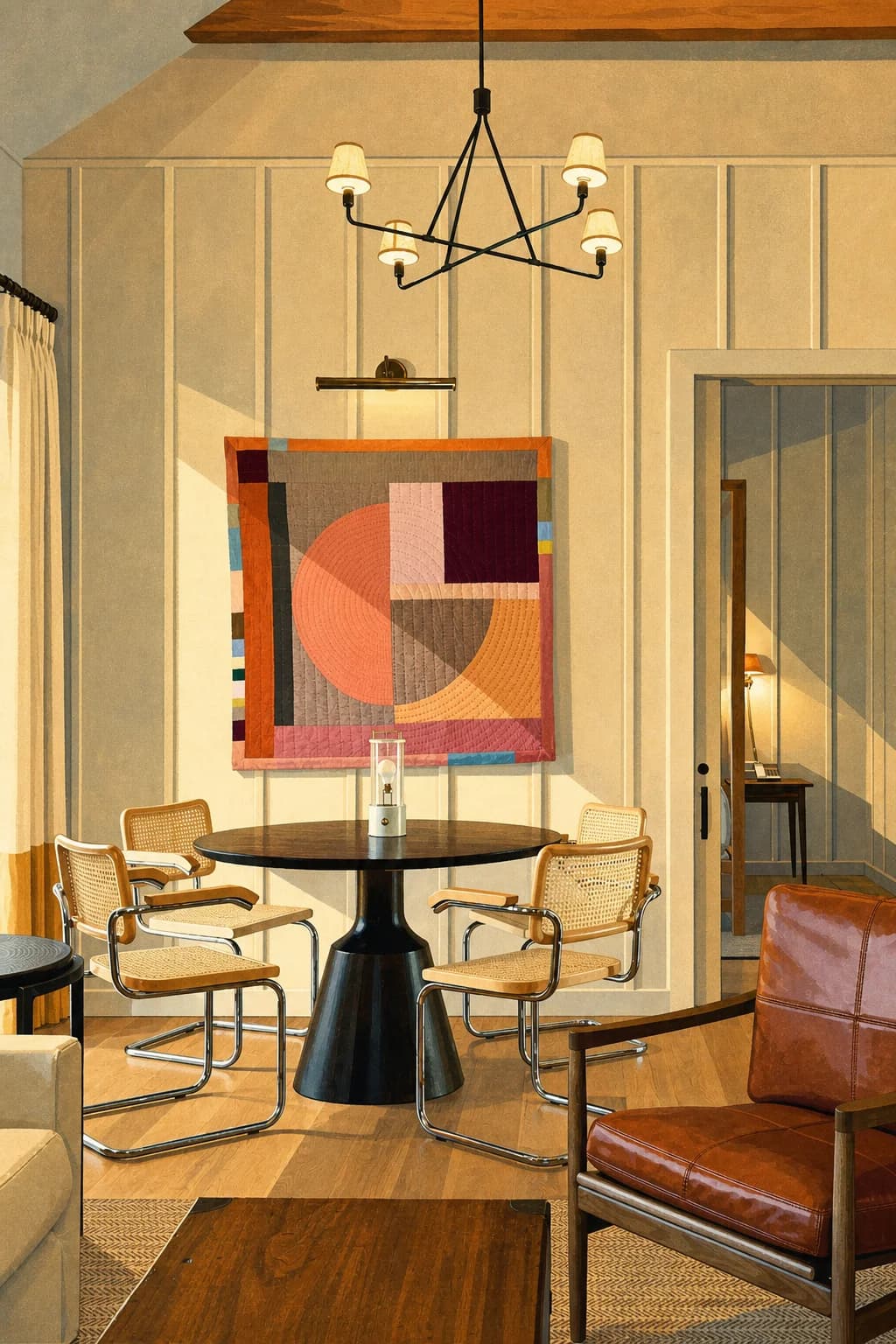
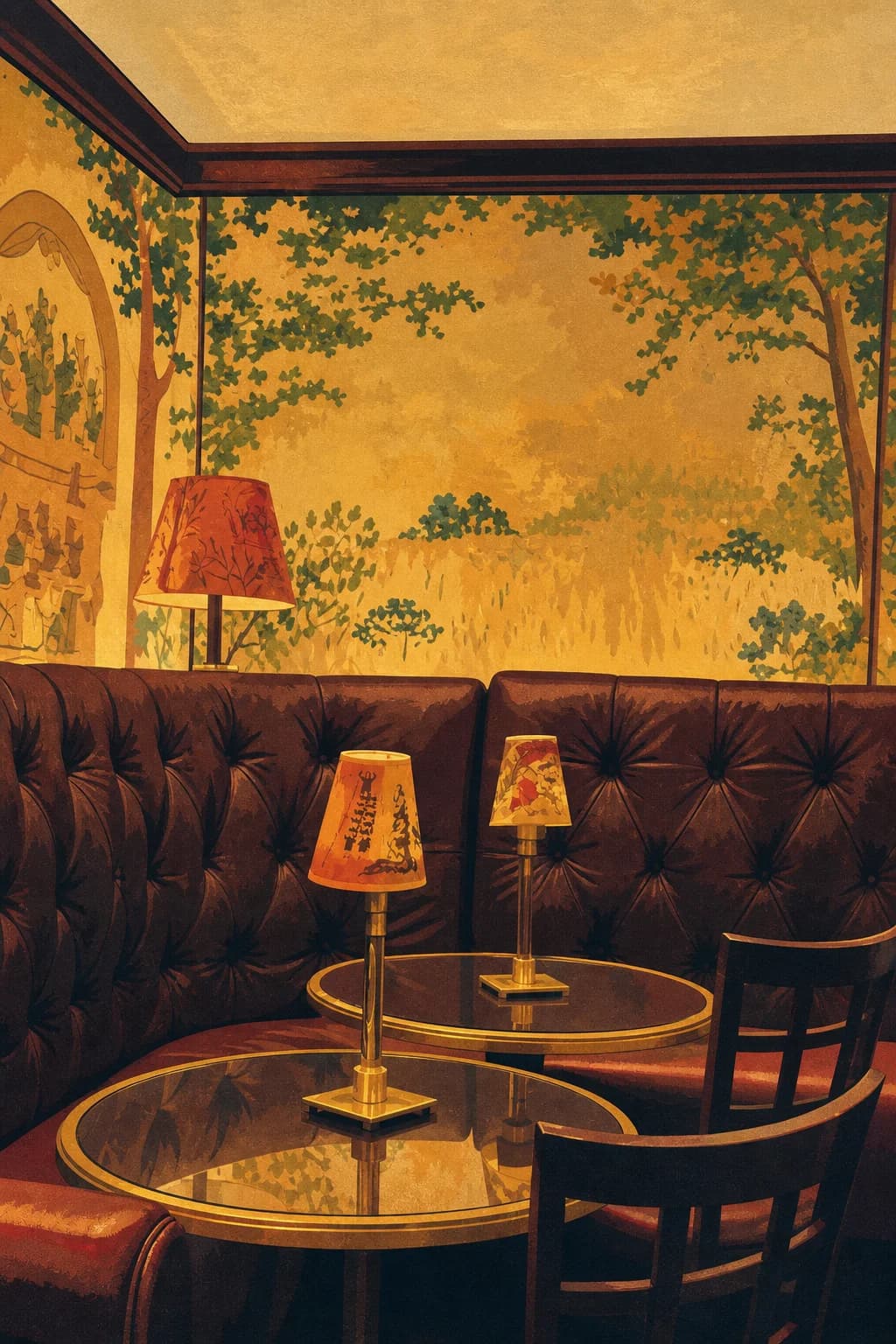
The design leans hard into Gilded Age flourishes crossed with the eclectic, fashion-forward sensibility the London property became known for: marble bathrooms, mohair blankets, velvet banquettes, and wallpaper loud enough to argue with. The result is the first real glamour-hotel opening Manhattan has had in years, and the booking pressure reflects it. 80,000 Instagram followers means the rooms get picked off as soon as they drop.
changed.
Late April–early May beats Met Gala. First two weeks of September beat UNGA. Anything Sep–Dec needs 60–90 days of lead time.
September is the single hardest month to book in New York City, and nothing else comes close. Fashion Week and the United Nations General Assembly collide in the same two-week window, pulling designers, buyers, diplomats, journalists, and their combined entourages into a city already running near capacity. Rates during UNGA week routinely blow past the rest of the year by wide margins.
October runs a close second, and for entirely different reasons. Hudson Valley foliage trips drain weekend supply, while NY Comic Con and a dense events calendar keep midweek pressure high. If September is out of reach, expect October to feel almost identical at the top of the market.
The holiday corridor from November through December is the other sustained peak. NYC Marathon weekend in early November compresses supply across all five boroughs before Thanksgiving arrives with the Macy's parade and family travel. December then stacks Rockefeller Center, holiday markets, Broadway's busiest stretch, and New Year's Eve on top of one another.
Booking lead times for November and December should extend to 60 to 90 days minimum at High and Very High tier properties.
May and June bring sharp, event-driven spikes rather than a broad surge. Met Gala week in early May and Frieze New York concentrate pressure in Midtown and downtown Manhattan respectively. June adds NYC Pride, the Tribeca Festival, and the Tony Awards, keeping demand high but with more day-to-day variability than the fall corridor.
The value window runs January through February. NYC Restaurant Week in January and February's Fashion Week supply the cultural programming, but overall demand hits its yearly floor, with rates falling 40 to 50 percent below peak and normally rigid properties running promotions during NYC Hotel Week. August is the other soft spot: residents flee for the summer, and while the US Open opens late in the month, the first three weeks sit well below their neighbors.
The practical read: chase the shoulders. Target late April, early May before the Met Gala, or the first two weeks of September before UNGA arrives, and you'll get peak-season energy with meaningfully better availability. July is warm and less programmed but also cheaper, a fair trade if theater and outdoor dining are the priority.
approach.
briefing.
“Restored under the tasteful eye of designers Alexy Kos and Che Huang of Child Studio, London, today's building nods to its illustrious heritage.”
stands.
demand's going.
The real Instagram following over time, plus where this hotel sits for demand in New York City. Pick a range, toggle the lines. Followers are reach and demand, not engagement.
assessment.
File closes at VERY HIGH. Book direct two months out for Fashion Week and UN General Assembly. Skip if you need points; no loyalty program clears the rate here.
The numbers behind the tiers
The Twenty Two New York · SOURCE READINGS · REDACTED- Availability density · sampled
- Monthly search volume · raw
- TikTok hashtag views · raw
- YouTube total views · raw
- TikTok following · latest sweep
- Pinterest saves · latest sweep
More from New York City.



Get the hotel's Unbookable Score.
Any post or reel with a hotel in it. Booking.com hotel pages work too. One free check, no account needed.