Six Senses
Kyoto.
7 critic reviews
filed.
Mostly, yes, if you understand what you are buying. This is a design-forward wellness resort that happens to sit in the best walking district in Kyoto, not a traditional ryokan experience. The magazines are right about the craft; whether the mood suits you is the real question.
Not really under the radar. It has no shortage of design-press coverage and carries one of the most recognizable names in hospitality, so word is well and truly out. The surprise is not that it exists, but that a big brand made something this playful in a city this reverent.
angles.
Color, Where Kyoto Expects Calm
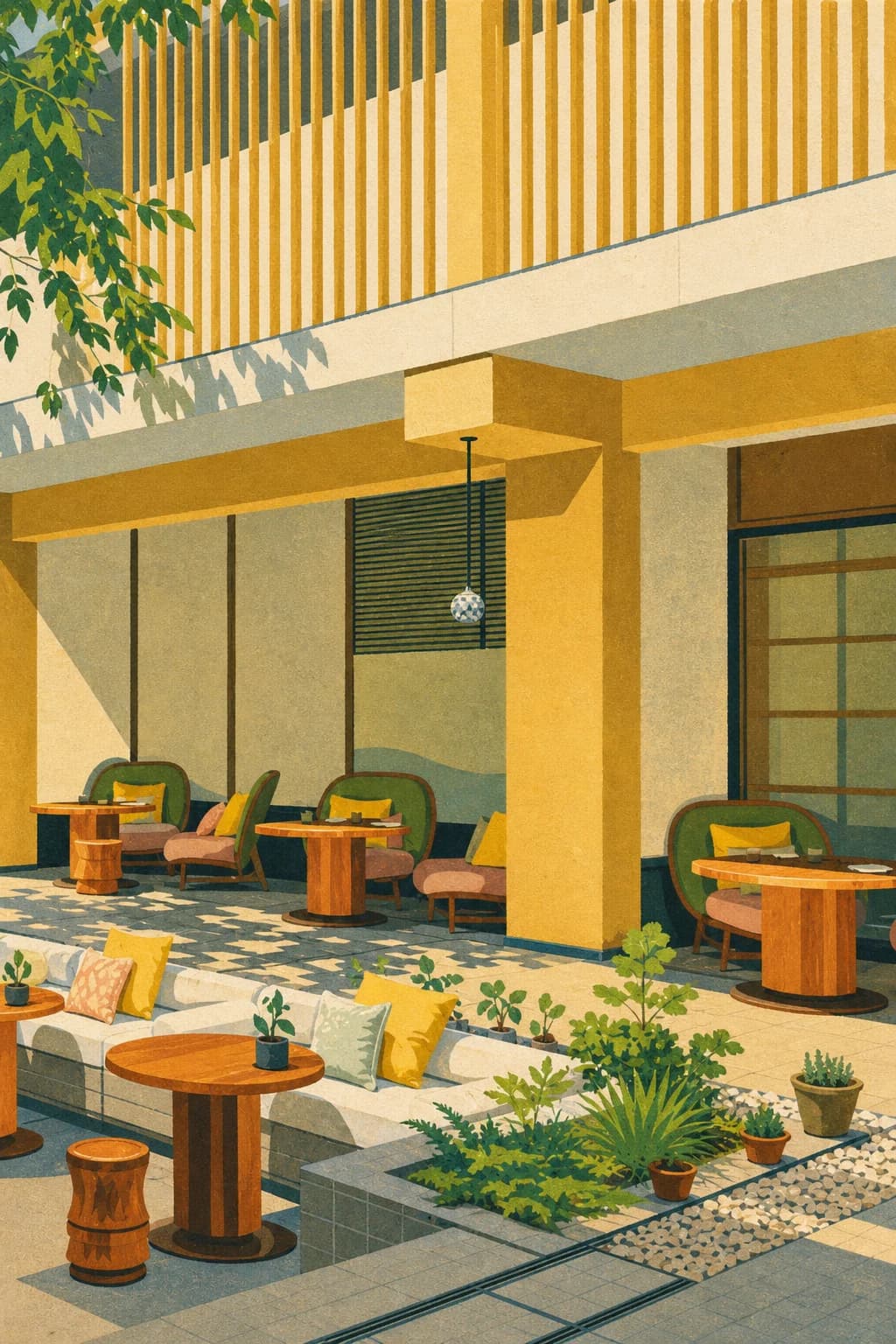
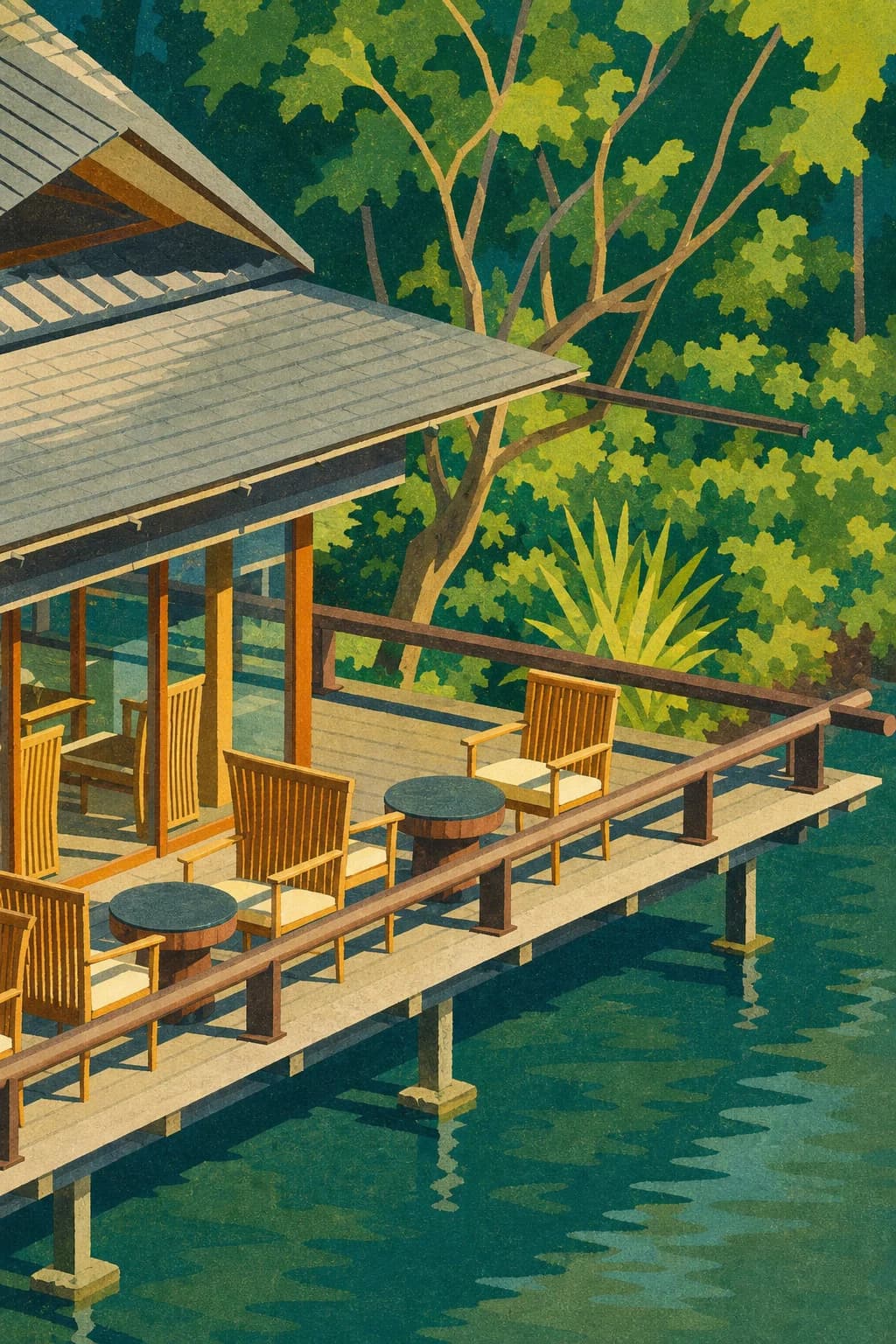
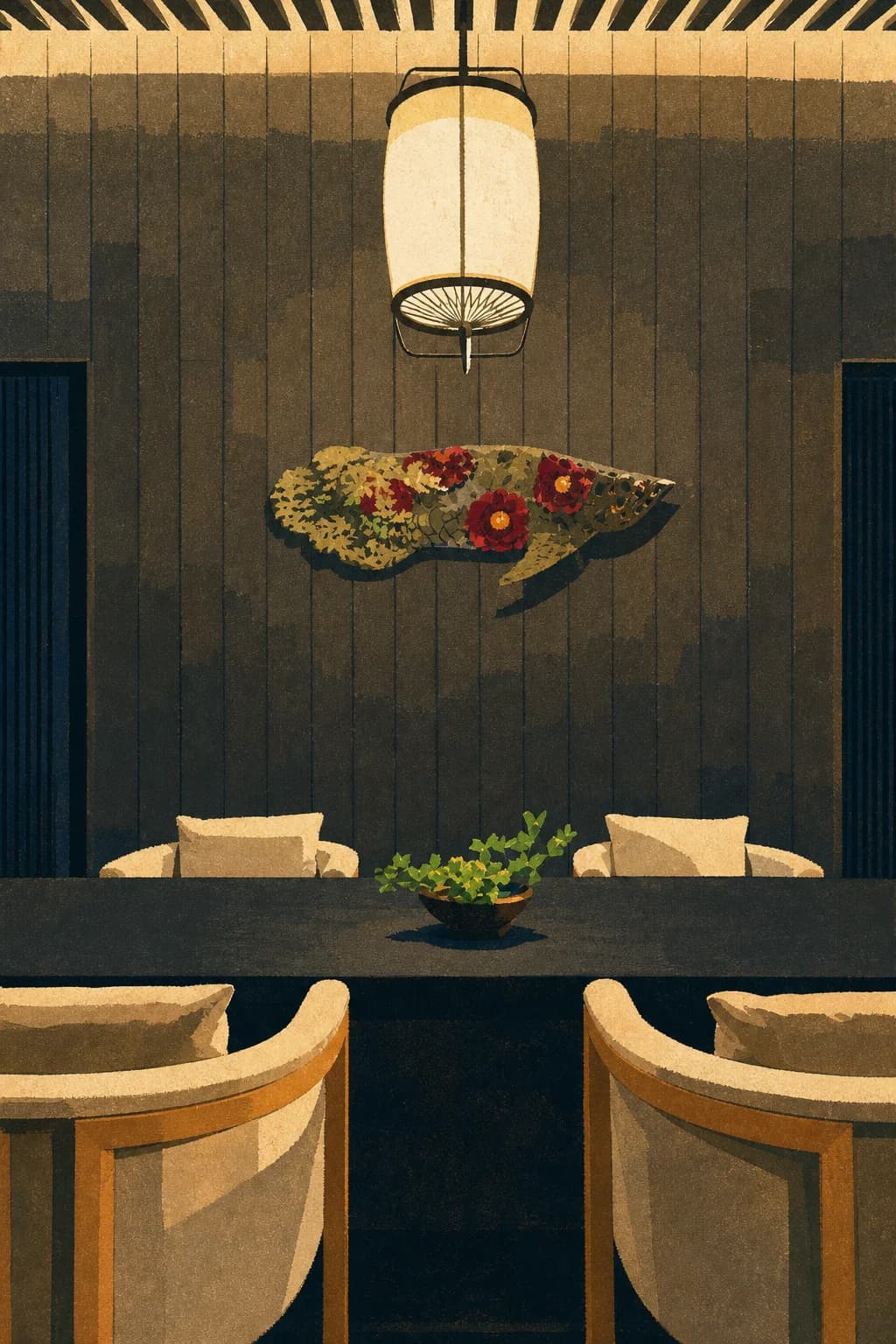
BLINK Design Group ran both the interiors and the exterior, and their reference point is the Heian period, when Kyoto was the imperial capital and color meant status. Expect hand-painted panels, deep lacquer reds, playful patterning across all eighty-one rooms. It won a spot on the 2025 Sky Design Awards shortlist for hotel interiors. The result reads joyful rather than reverent, which in this city is genuinely rare.
A Menu Tied To Microseasons
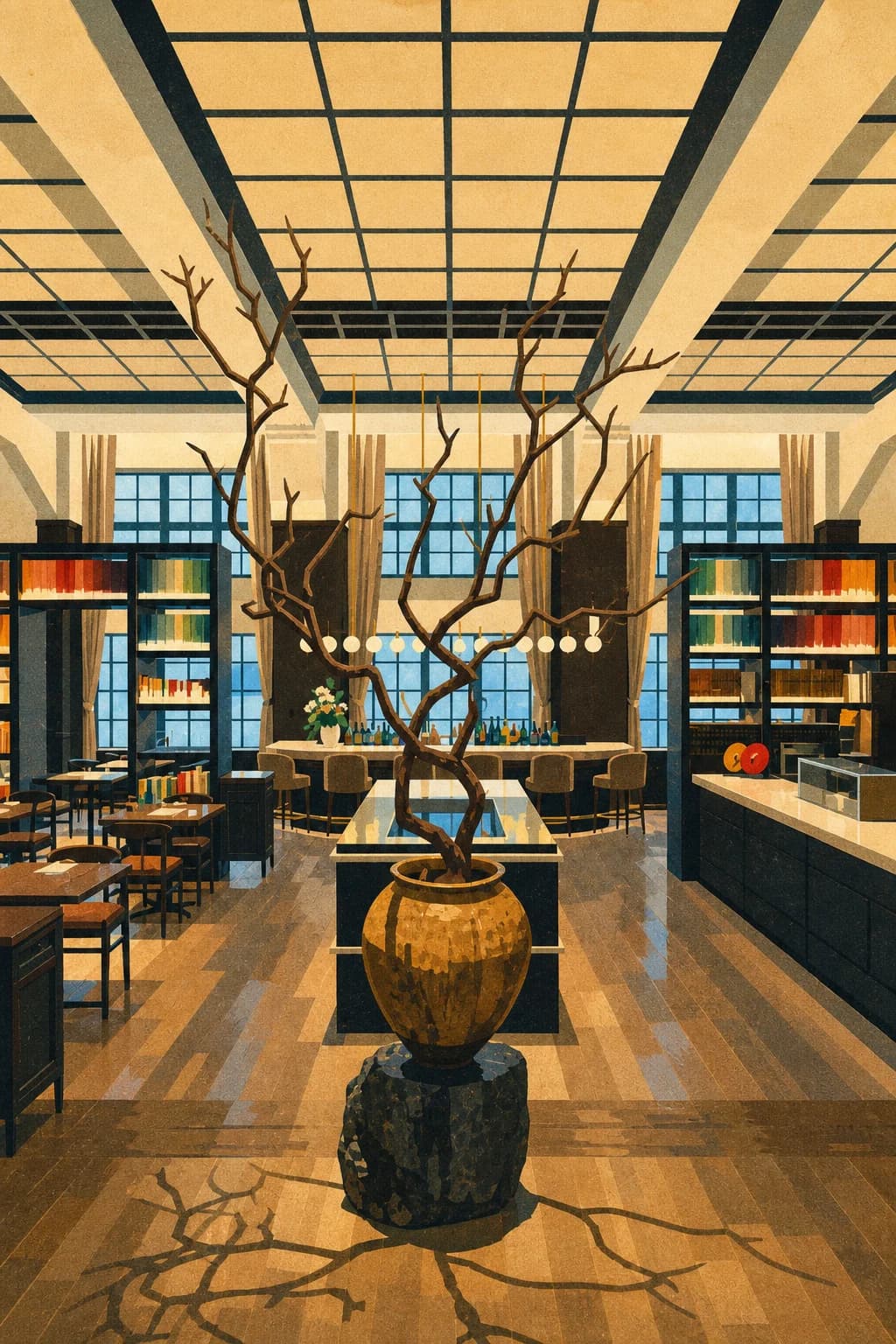
The kitchen at Sekki organizes itself around the sekki, the seventy-two microseasons of the old Japanese almanac, so the menu shifts every few days as the ingredients do. This is not a gimmick you notice once and forget; it is the whole logic of the place, pulling in mountain vegetables, river fish, and whatever the nearby markets turned up that morning. Breakfast alone rewards the stay.
Temples Within A Morning's Walk
Higashiyama is the Kyoto of the postcards: wooden machiya houses, stone lanes, and temples on nearly every block. Sanjusangendo and its thousand gilded Kannon statues sit close by, Kiyomizu-dera climbs the hill above, and Gion's teahouse district is an easy evening stroll. Stay here and you skip the daily commute that eats into most Kyoto trips. The mountains start where the streets end.
talk.
mapped.
“The hotel's understated elegance, emphasis on well-being and ever-present greenery, is a welcome antidote to any heaving metropolis.”
record.
Six Senses chose Kyoto's temple district for the brand's first property in Japan, and handed the whole thing, inside and out, to Singapore's BLINK Design Group. What they built is not the hushed, monochrome ryokan pastiche most Western hotels reach for here.
It is loud in the best way: Heian-court color, hand-painted motifs, courtyards that borrow the mountains behind them, materials that feel worked by hand rather than specified from a catalogue. Shimizu Corporation did the building, and the craft shows in the joinery and stone. Eighty-one rooms sit around a central garden, close enough to Sanjusangendo and Kiyomizu-dera to walk before breakfast. The press pile keeps growing, which in Kyoto, a city that rations its good rooms fiercely, is exactly the problem.
changed.
Kyoto's demand curve is one of the most legible in Japan because it is almost entirely botanical. Two events set the peaks: cherry blossom in late March and April, and maple color in November. In those windows the city runs at capacity.
The two blossom peaks are a lead-time contest, not a booking exercise. Small houses in Gion and Higashiyama get spoken for six to nine months out, and the marquee rooms go further still. If your heart is set on blossom or foliage at a specific address, treat lead time as the whole game and book the moment dates open.
The shoulder months either side reward flexibility. February and December stay busy without hitting the peak — plum blossom and year-end temple illuminations, respectively. January is genuinely quiet: cold, clear, with the occasional dusting of snow on temple roofs that photographers wait years for. These are the months to chase the houses that vanish in spring.
Summer is the real value story, and the least understood. June through September reads as low demand despite holding one of Japan's great festivals, Gion Matsuri, which fills July with float processions, plus the Daimonji bonfires on August 16. The suppressant is simple: heat and humidity climb well into the thirties, and many travelers stay away.
If you can tolerate the weather, summer is when the hardest rooms open up at the softest rates.
The practical read is a split. Peak seasons are about discipline and early commitment; shoulder and low seasons are about opportunism. Because the curve tracks leaves rather than school holidays or weather comfort, the undervalued months are the counterintuitive ones — the hot ones. Nothing in Kyoto closes across the year, so the only real constraint is the two blossom peaks and how far ahead you are willing to plan.
approach.
briefing.
“In a sunlit tatami room overlooking a tranquil moss garden, you'll be guided one-on-one by a Grand Master through the rhythmic craft of shoka or nageire styles.”
stands.
demand's going.
The real Instagram following over time, plus where this hotel sits for demand in Kyoto. Pick a range, toggle the lines. Followers are reach and demand, not engagement.
assessment.
File closes at MODERATE. Kyoto's demand does the gatekeeping here, not the hotel. Book if you want color, a microseason table, and temples out the door; skip if you came for a silent tatami ryokan. Plan around spring and autumn and you will get in.
The numbers behind the tiers
Six Senses Kyoto · SOURCE READINGS · REDACTED- Availability density · sampled
- Monthly search volume · raw
- TikTok hashtag views · raw
- YouTube total views · raw
- TikTok following · latest sweep
- Pinterest saves · latest sweep
More from Kyoto.
Get the hotel's Unbookable Score.
Any post or reel with a hotel in it. Booking.com hotel pages work too. One free check, no account needed.