NOHGA HOTEL
KIYOMIZU KYOTO.
2 critic reviews
filed.
It earns its attention on food and design more than on drama: the bakery, the Josper kitchen, and the craft-filled rooms are genuinely good. What it is not is a traditional Kyoto experience, so the appeal fits the modern-lifestyle traveller and misses the ryokan purist.
Fairly under-the-radar for now, with a modest social following and coverage only starting to build in 2025. It sits in a well-trodden district but flies below the marquee-name Kyoto hotels, which is exactly why the craft details and rooftop feel like a find rather than a queue.
angles.
Kyoto craft, room by room
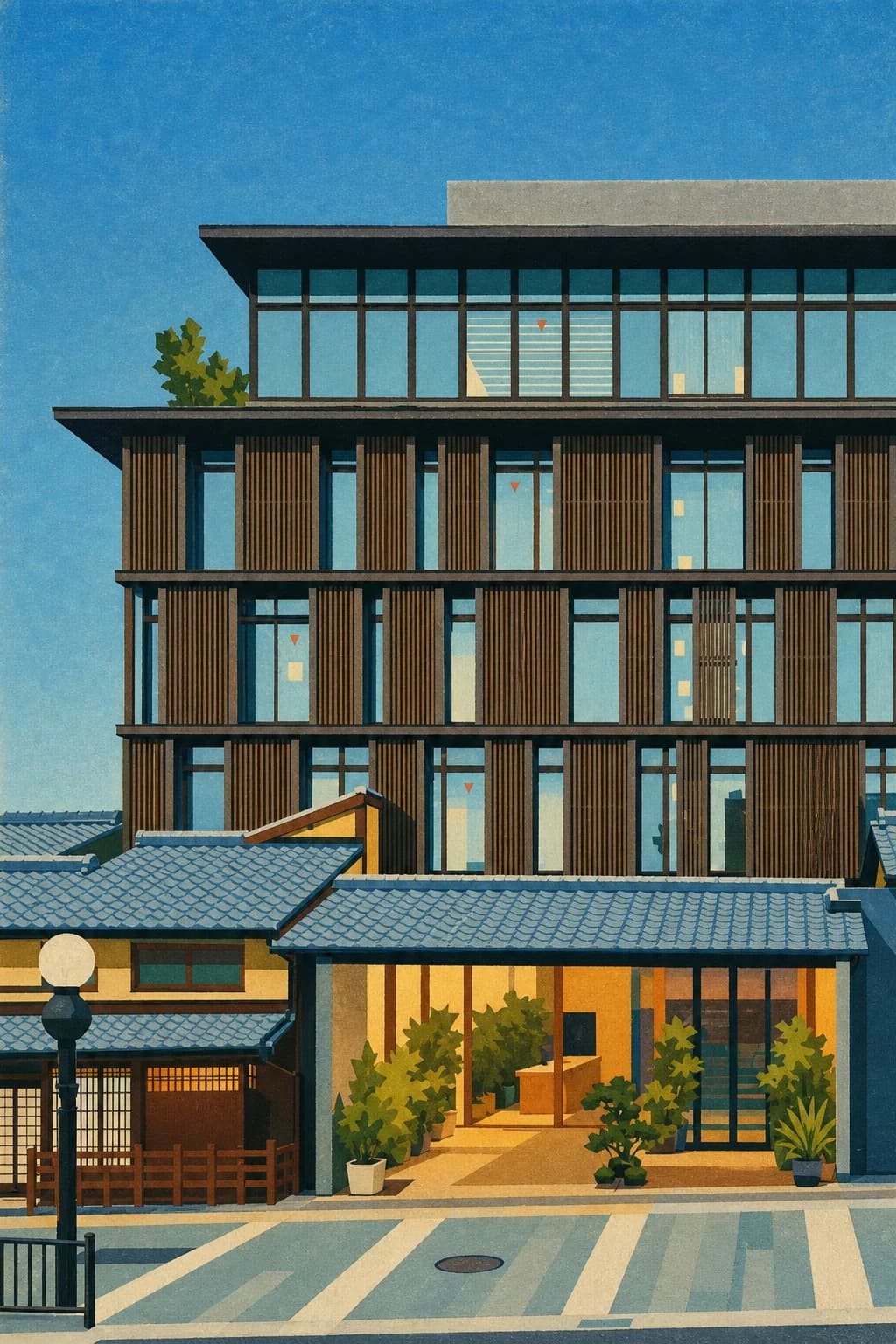
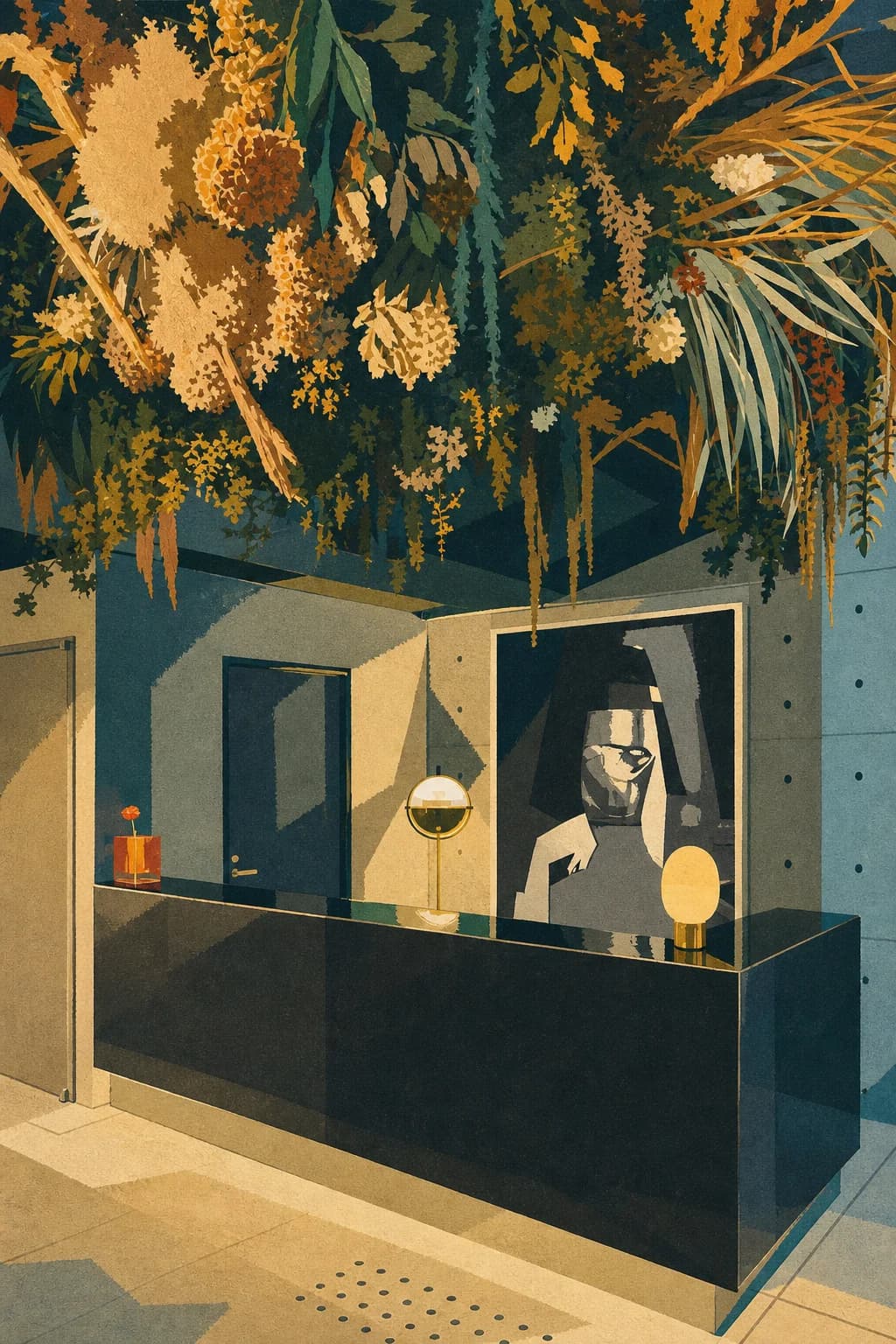
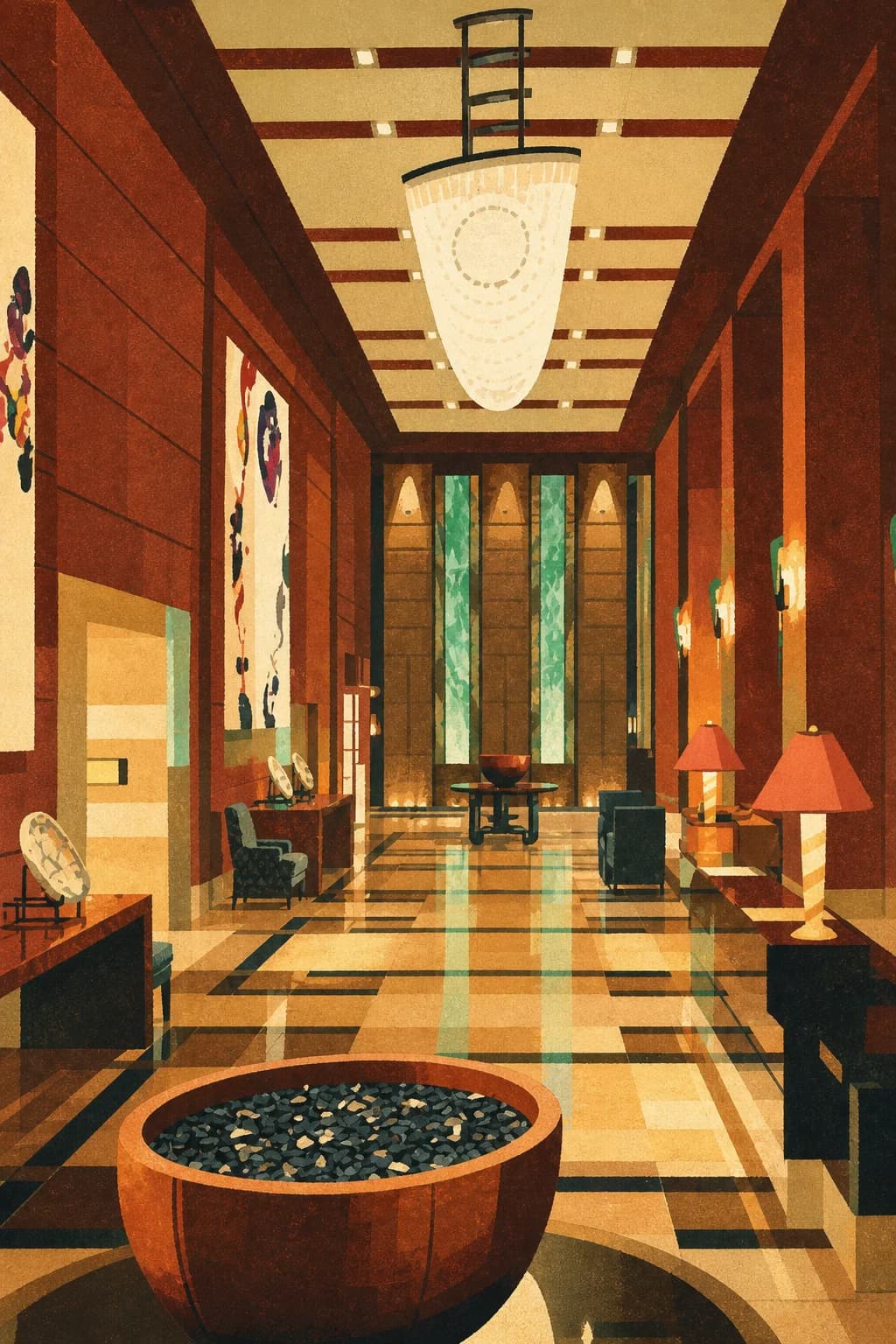
UDS and Dugout designed the interiors as a low-key survey of Kyoto craft. Look closely and you find hikihaku, the local art of laminating gold and silver leaf into thread, worked into the rooms, and kintsugi, the practice of mending broken pottery with gold, made literal in the details. Upcycled objects come from the city's craftspeople. It reads modern and calm rather than themed, restraint doing the heavy lifting.
Italian from a charcoal oven
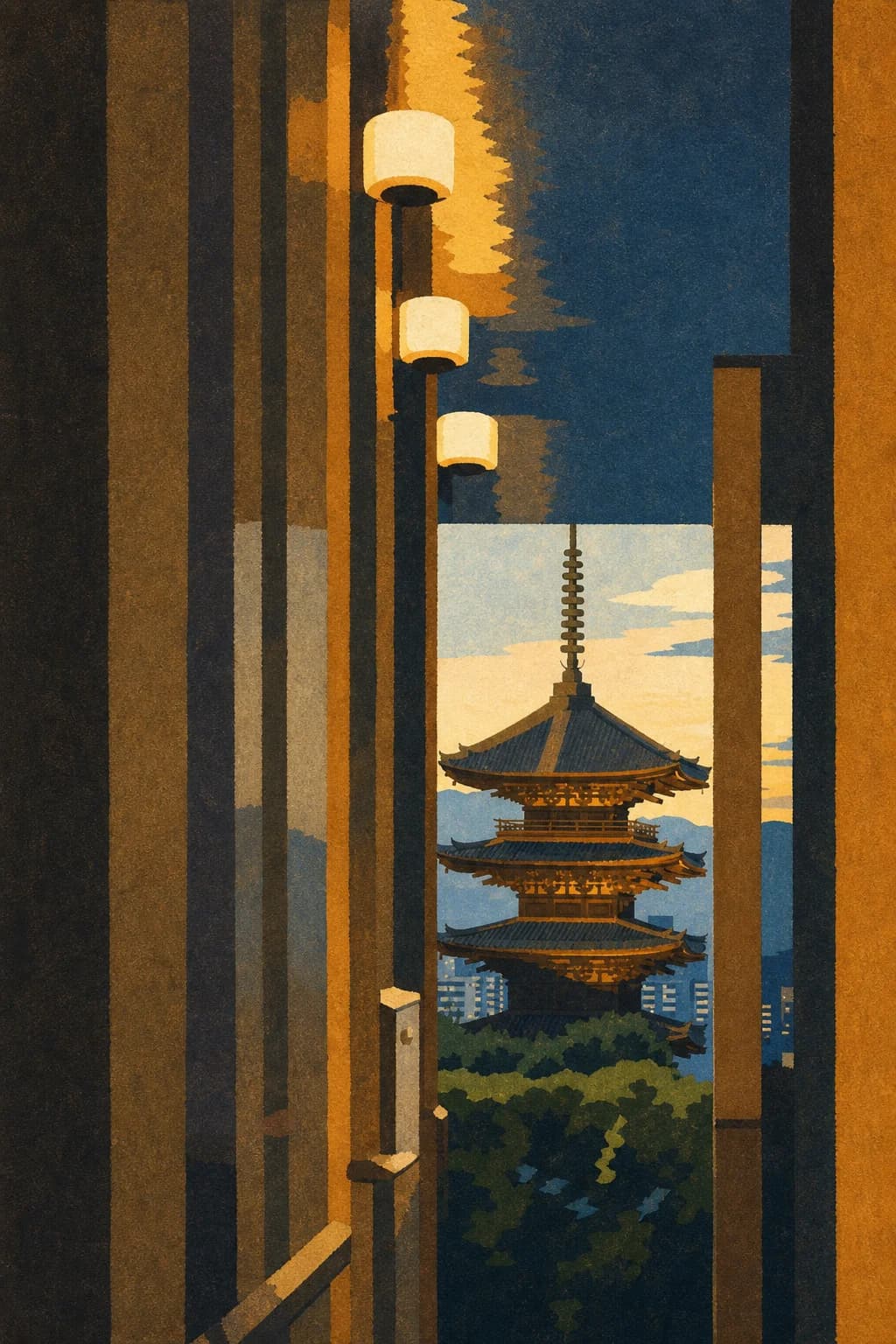
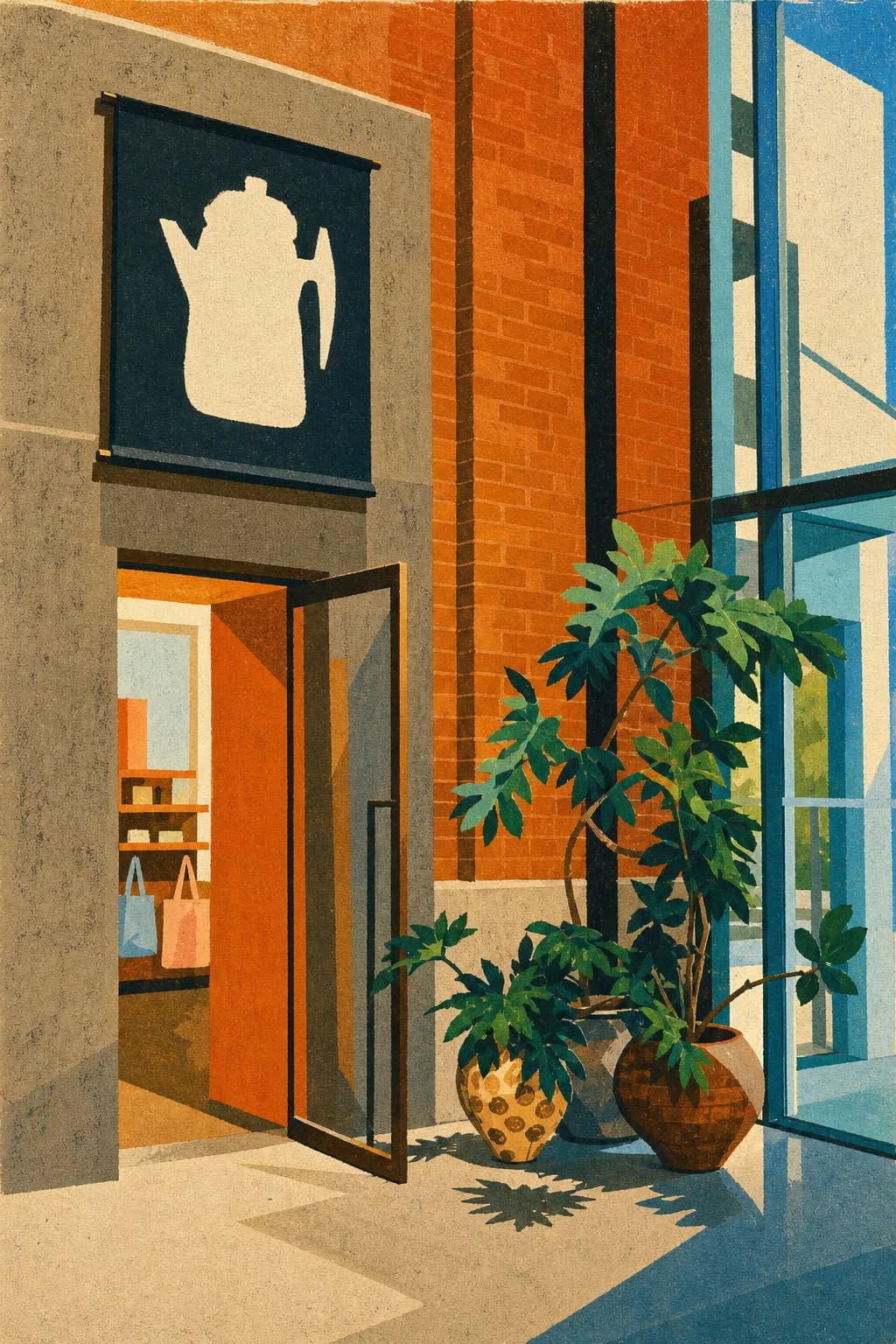
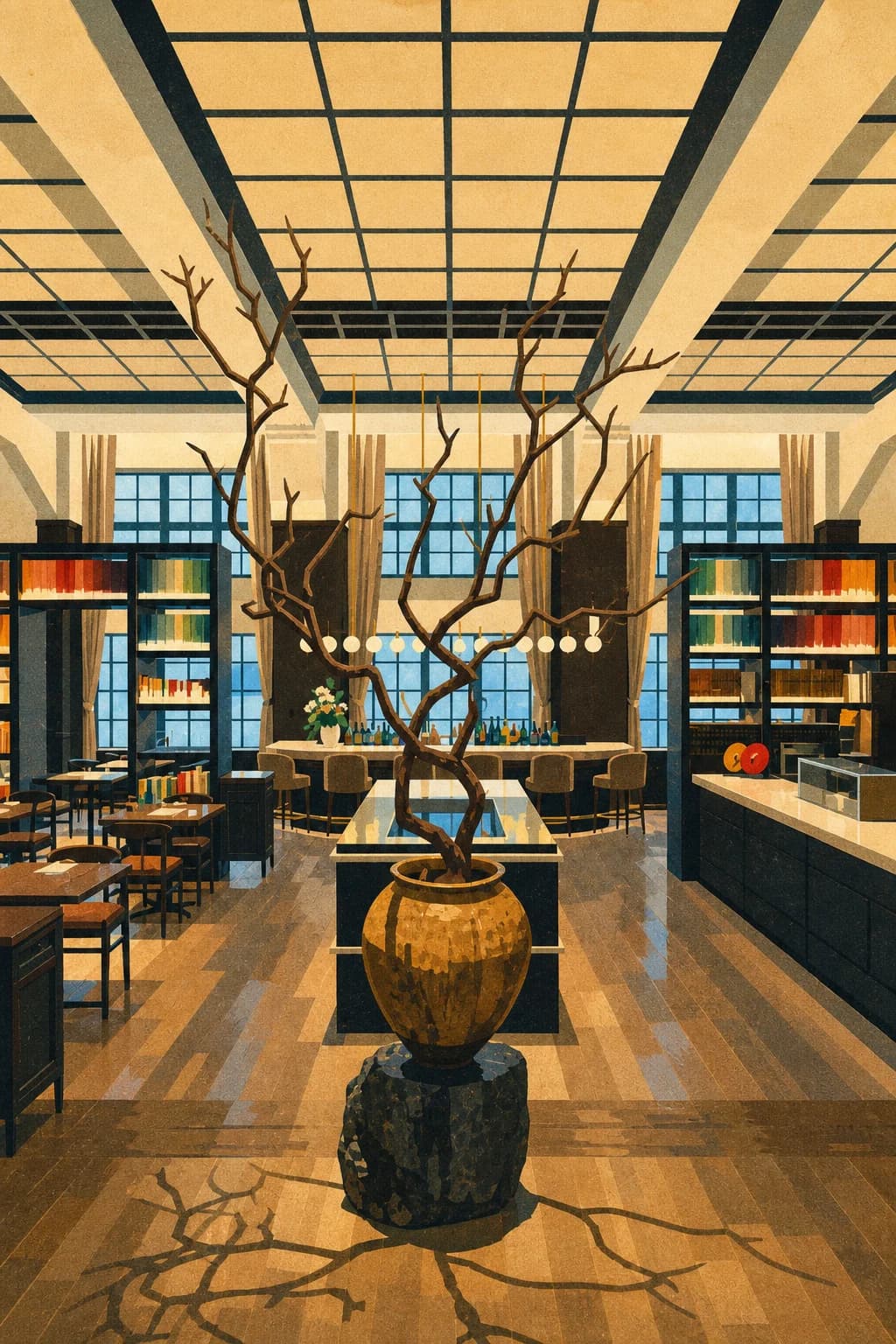
Cicon is the restaurant, and it cooks Italian over a Josper charcoal oven using vegetables and produce grown around Kyoto. The ground-floor bakery turns out fresh bread and coffee the public can wander in for, and yes, you can carry a warm loaf back to bed. The rooftop bar pours cocktails over a view of Higashiyama's rooftops and Kiyomizu-dera, best timed for the hour before sunset.
Below the temple crowds
You are in Higashiyama, about a 500-metre walk from Kiyomizu Gojo Station and fifteen minutes on foot from the lantern-lit lanes climbing to Kiyomizu-dera. Nishiki Market is a twenty-minute stroll, and Kyoto Station sits roughly twelve minutes away by taxi. The location lets you hit the temple approach early, before the tour buses, then retreat to a quieter pocket of the district when the day-trippers arrive.
talk.
mapped.
“The open-plan lobby — shared by the bakery, check-in area, and casual seating — feels more like a neighbourhood café than a traditional hotel entrance.”
record.
This is the third NOHGA HOTEL and the brand's first move into Kansai, and it wears Kyoto lightly but seriously. UDS and Dugout built the interiors around local craft: hikihaku gold-leaf work, pottery mended in gold by kintsugi, upcycled pieces made by the city's craftspeople.
Rooms run quiet and clean, bigger than the Kyoto norm. Downstairs, a bakery bakes bread you can carry up to your room; upstairs, a rooftop bar frames Higashiyama's tiled roofs and the temple beyond. It is modern where the neighbourhood is ancient, and that is the point. Peak seasons in Higashiyama fill fast, so plan ahead for spring and autumn dates.
changed.
Kyoto's demand curve is one of the most legible in Japan because it is almost entirely botanical. Two events set the peaks: cherry blossom in late March and April, and maple color in November. In those windows the city runs at capacity.
The two blossom peaks are a lead-time contest, not a booking exercise. Small houses in Gion and Higashiyama get spoken for six to nine months out, and the marquee rooms go further still. If your heart is set on blossom or foliage at a specific address, treat lead time as the whole game and book the moment dates open.
The shoulder months either side reward flexibility. February and December stay busy without hitting the peak — plum blossom and year-end temple illuminations, respectively. January is genuinely quiet: cold, clear, with the occasional dusting of snow on temple roofs that photographers wait years for. These are the months to chase the houses that vanish in spring.
Summer is the real value story, and the least understood. June through September reads as low demand despite holding one of Japan's great festivals, Gion Matsuri, which fills July with float processions, plus the Daimonji bonfires on August 16. The suppressant is simple: heat and humidity climb well into the thirties, and many travelers stay away.
If you can tolerate the weather, summer is when the hardest rooms open up at the softest rates.
The practical read is a split. Peak seasons are about discipline and early commitment; shoulder and low seasons are about opportunism. Because the curve tracks leaves rather than school holidays or weather comfort, the undervalued months are the counterintuitive ones — the hot ones. Nothing in Kyoto closes across the year, so the only real constraint is the two blossom peaks and how far ahead you are willing to plan.
approach.
briefing.
“the shower water pressure and temperature control were fantastic. All hotels should copy the plumbing from here.”
stands.
demand's going.
The real Instagram following over time, plus where this hotel sits for demand in Kyoto. Pick a range, toggle the lines. Followers are reach and demand, not engagement.
assessment.
File closes at MODERATE. Available if you plan around Kyoto's blossom and autumn peaks. Book it for the modern crowd who want craft, a charcoal-grilled dinner and a rooftop view; skip it if you came for ryokan silence.
The numbers behind the tiers
NOHGA HOTEL KIYOMIZU KYOTO · SOURCE READINGS · REDACTED- Availability density · sampled
- Monthly search volume · raw
- TikTok hashtag views · raw
- YouTube total views · raw
- TikTok following · latest sweep
- Pinterest saves · latest sweep
More from Kyoto.



Get the hotel's Unbookable Score.
Any post or reel with a hotel in it. Booking.com hotel pages work too. One free check, no account needed.