Suiran, a Luxury
Collection Hotel, Kyoto.
4 critic reviews
filed.
Mostly yes, if you know what you're buying: a serene, ryokan-flavored retreat with private hot-spring bathing, not a downtown base camp. The rooms and the setting deliver; just don't expect to roll out of bed into central Kyoto's action.
Semi-hidden. It has real recognition, including Forbes Travel Guide, so it's no secret to luxury travelers, but plenty of visitors still treat Arashiyama as a day trip and never realize you can sleep on the river. The overnight version of this district stays under-appreciated.
angles.
Ryokan Bones, Modern Comfort
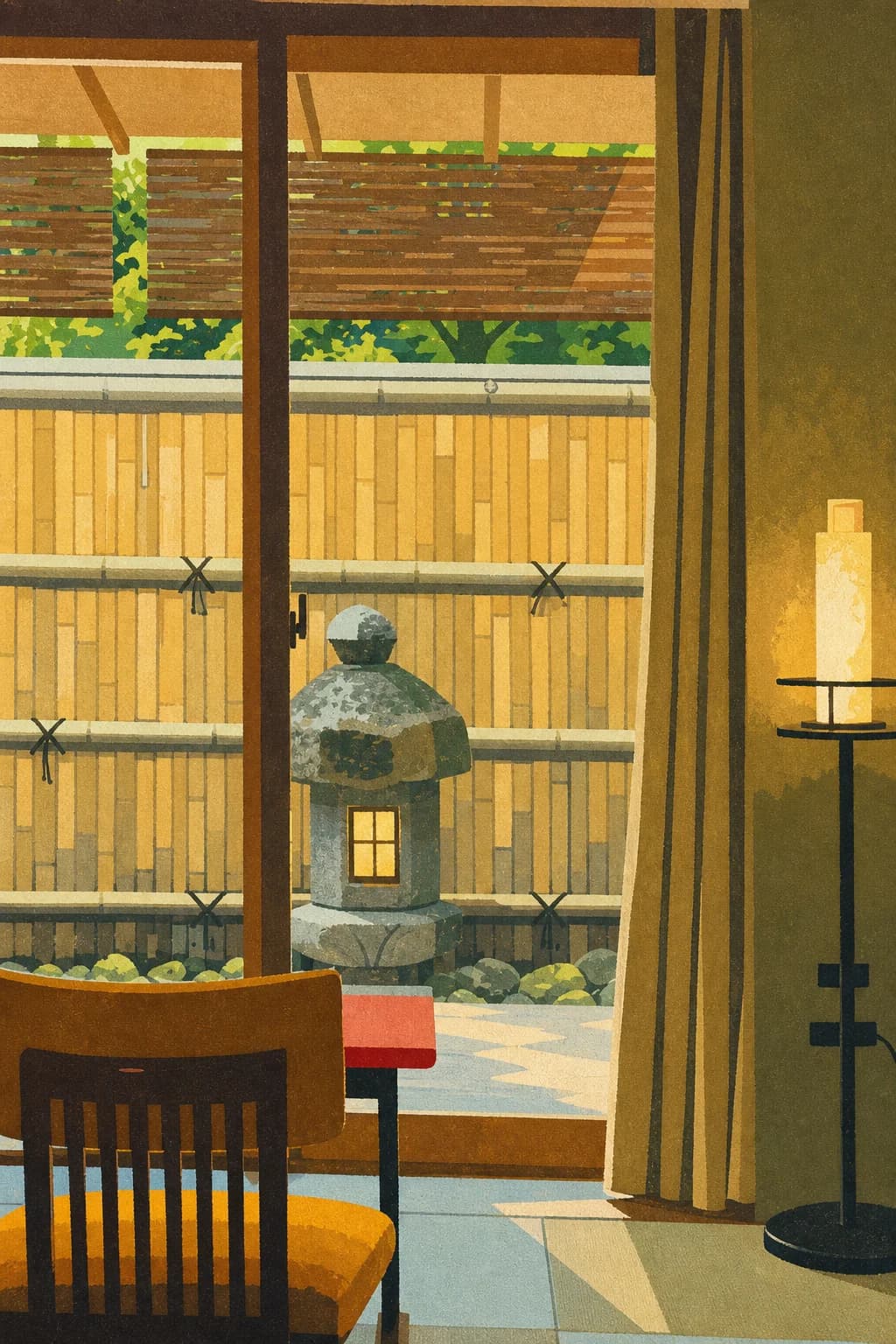
The 39 rooms don't fake tradition, they use it: tatami flooring, black lacquer furniture, shoji screens that turn afternoon sun into soft grey light. About a third come with a private open-air onsen on the terrace, fed by Arashiyama's natural spring water, which means you can bathe under the trees without booking a slot or sharing with anyone. The palette stays neutral, with vermillion and gold used sparingly.
Dinner in an 1899 Villa
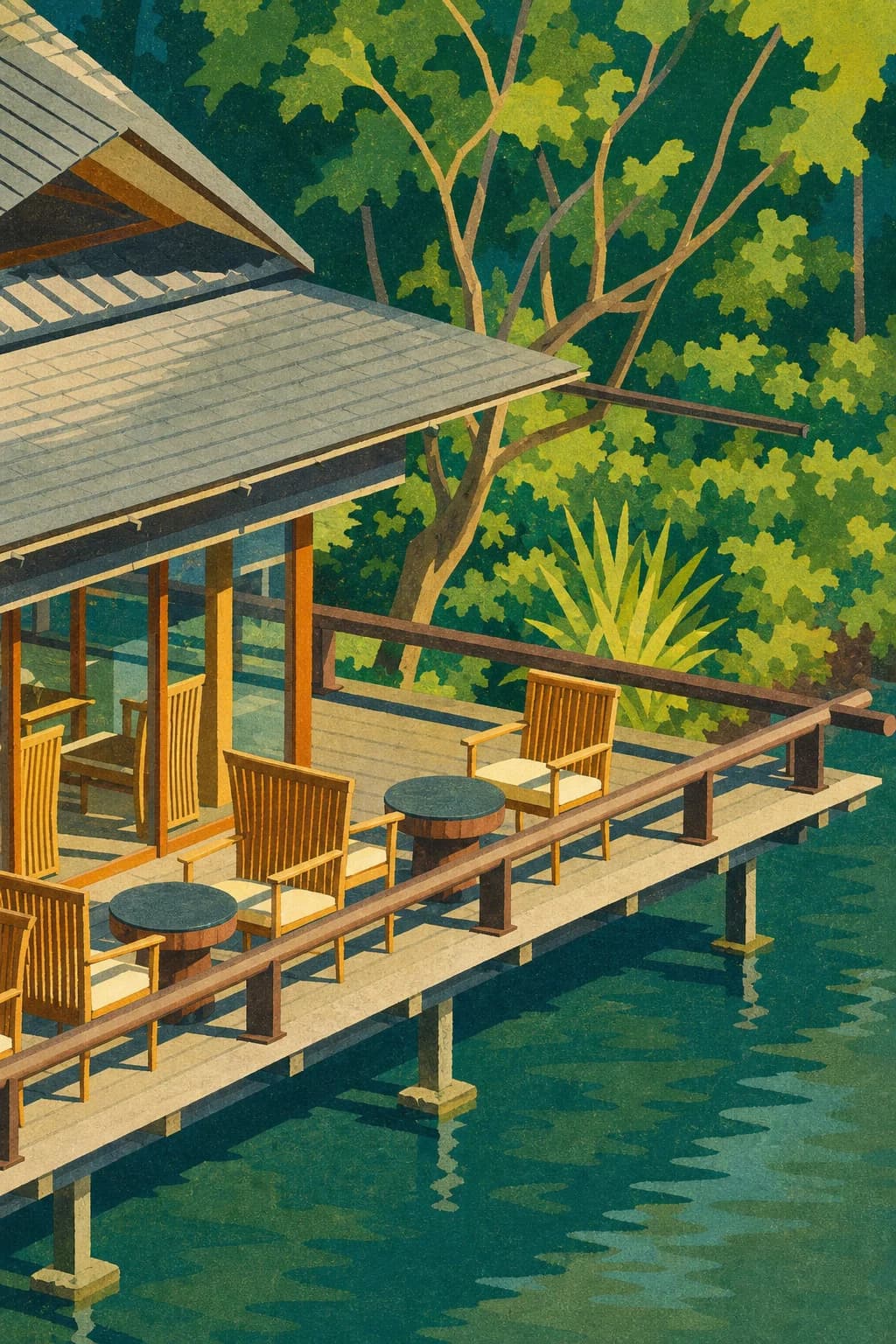
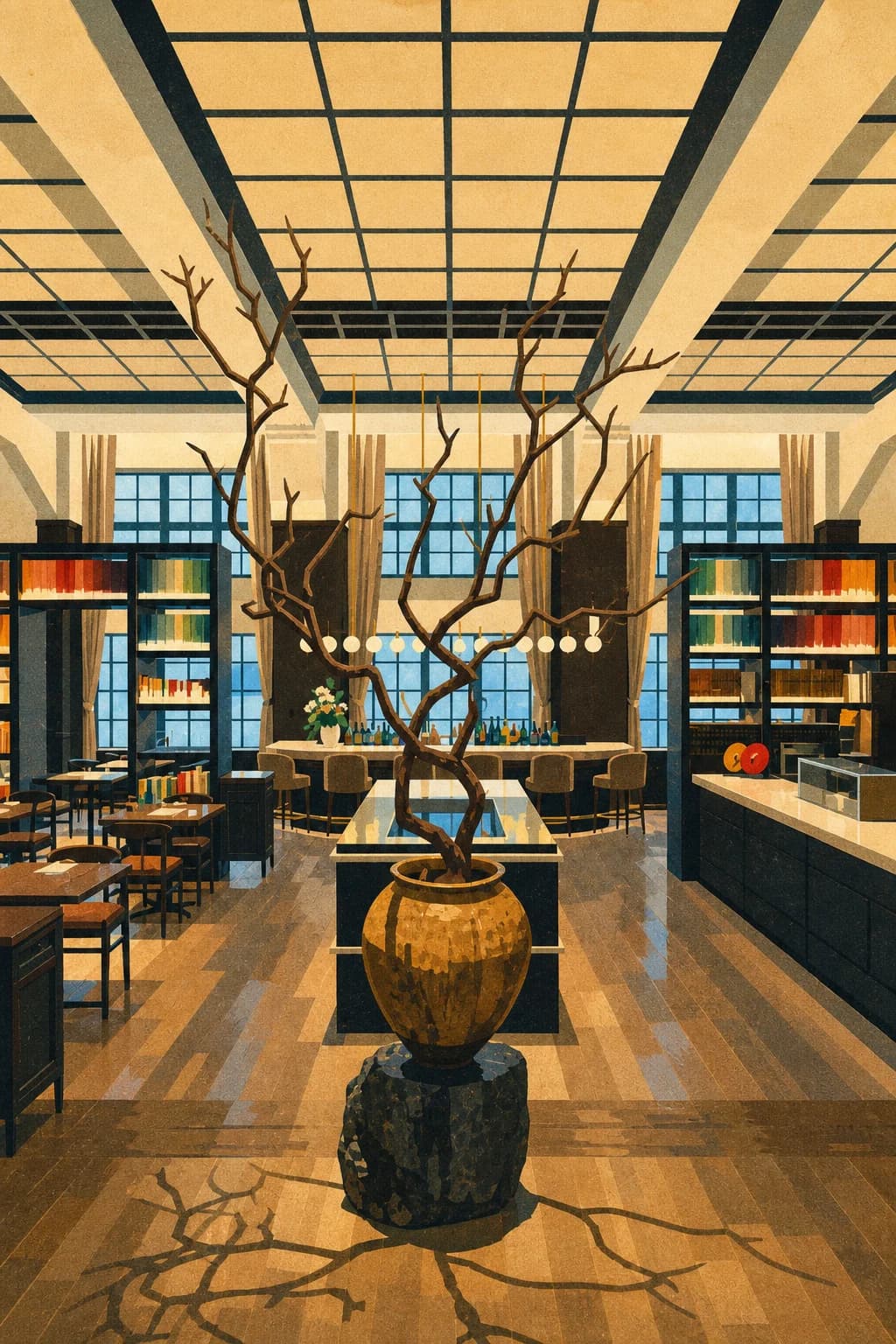
Kyo-Suiran, the main restaurant, works out of Enmei-kaku, the 1899 structure the hotel kept and restored. The cooking is washoku with a French accent, kaiseki logic loosened up with technique from elsewhere. Down by the river, Cafe Hassui does a Japanese-style afternoon tea with the water and the hills doing the heavy lifting on atmosphere. Breakfast tends to win over even the skeptics.
Arashiyama After the Crowds Leave
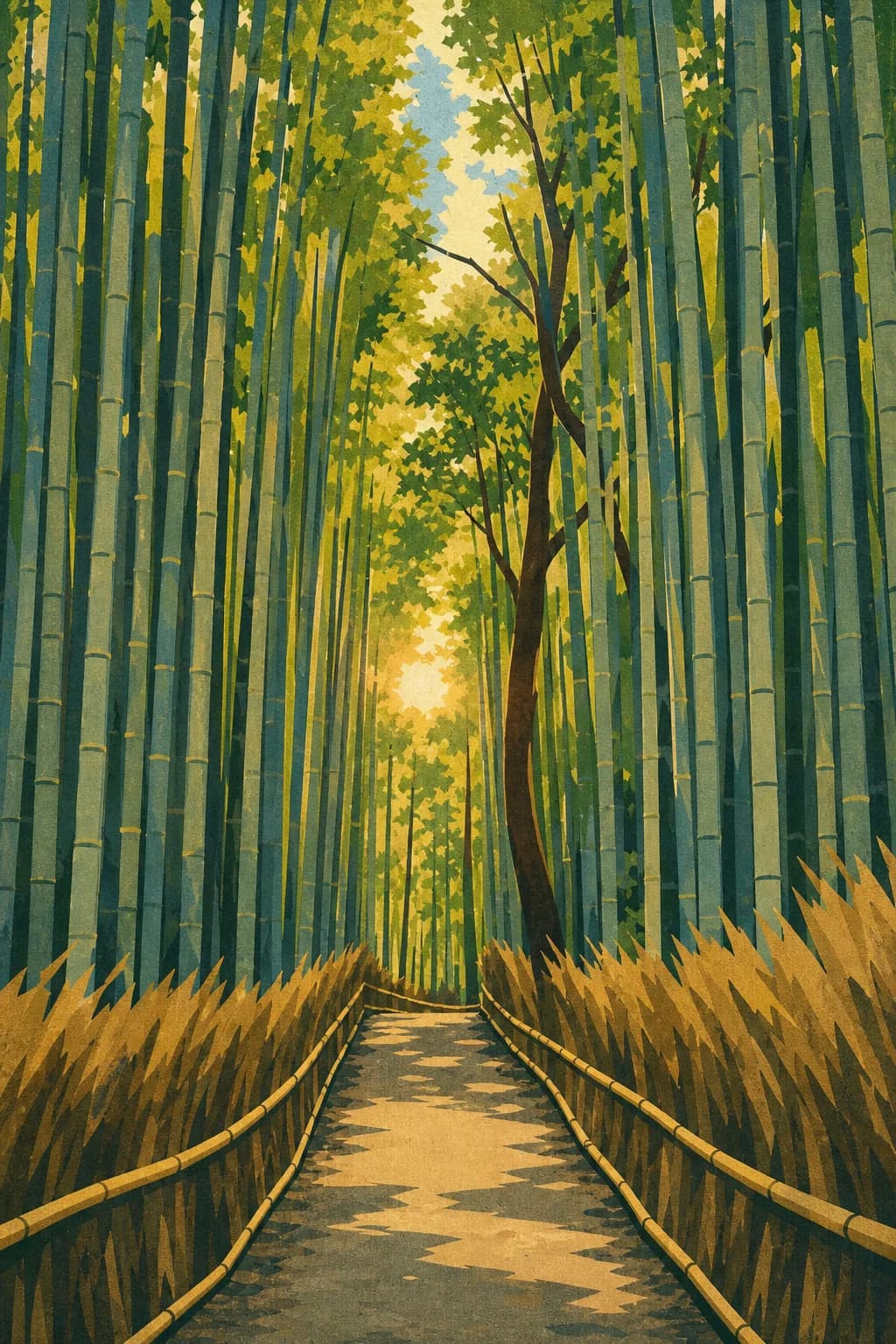
Arashiyama is a day-trip magnet: the bamboo grove, the Togetsukyo bridge, the temples all fill up by mid-morning and empty out by dark. Staying here flips that. You get the district in the early morning and late evening, when the coaches are gone and the river goes quiet. The hotel sits on the Hozu, set against the hills, close to everything but insulated from the churn.
talk.
mapped.
“Located in the scenic district of Arashiyama on the far western side of Kyoto, Suiran is a traditional hotel with 39 guest rooms.”
record.
Suiran is the reason to stay the night. This was the first Luxury Collection hotel to open in Japan, set on the bank of the Hozu River where the forested hills of western Kyoto crowd right down to the water.
There are only 39 rooms, built in the language of a ryokan: tatami underfoot, black lacquer, shoji screens filtering the light, and in about a third of them a private open-air onsen you can sink into at midnight. On the grounds sits Enmei-kaku, a structure preserved from 1899, now folded into the property's dining. It feels less like a hotel than a private estate that happens to take guests. Arashiyama's cherry and maple seasons pull hard, so plan ahead if you want spring or autumn.
changed.
Kyoto's demand curve is one of the most legible in Japan because it is almost entirely botanical. Two events set the peaks: cherry blossom in late March and April, and maple color in November. In those windows the city runs at capacity.
The two blossom peaks are a lead-time contest, not a booking exercise. Small houses in Gion and Higashiyama get spoken for six to nine months out, and the marquee rooms go further still. If your heart is set on blossom or foliage at a specific address, treat lead time as the whole game and book the moment dates open.
The shoulder months either side reward flexibility. February and December stay busy without hitting the peak — plum blossom and year-end temple illuminations, respectively. January is genuinely quiet: cold, clear, with the occasional dusting of snow on temple roofs that photographers wait years for. These are the months to chase the houses that vanish in spring.
Summer is the real value story, and the least understood. June through September reads as low demand despite holding one of Japan's great festivals, Gion Matsuri, which fills July with float processions, plus the Daimonji bonfires on August 16. The suppressant is simple: heat and humidity climb well into the thirties, and many travelers stay away.
If you can tolerate the weather, summer is when the hardest rooms open up at the softest rates.
The practical read is a split. Peak seasons are about discipline and early commitment; shoulder and low seasons are about opportunism. Because the curve tracks leaves rather than school holidays or weather comfort, the undervalued months are the counterintuitive ones — the hot ones. Nothing in Kyoto closes across the year, so the only real constraint is the two blossom peaks and how far ahead you are willing to plan.
approach.
briefing.
“this oriental paradise is tucked in a corner of Arashiyama, located towards the west of central Kyoto and on the north banks of the Hozugawa river.”
stands.
demand's going.
The real Instagram following over time, plus where this hotel sits for demand in Kyoto. Pick a range, toggle the lines. Followers are reach and demand, not engagement.
assessment.
File closes at MODERATE. The private-onsen rooms and peak seasons go early. Book if you want quiet, riverside Kyoto and don't mind the commute; skip if Gion and downtown need to be on your doorstep.
The numbers behind the tiers
Suiran, a Luxury Collection Hotel, Kyoto · SOURCE READINGS · REDACTED- Availability density · sampled
- Monthly search volume · raw
- TikTok hashtag views · raw
- YouTube total views · raw
- TikTok following · latest sweep
- Pinterest saves · latest sweep
More from Kyoto.

Get the hotel's Unbookable Score.
Any post or reel with a hotel in it. Booking.com hotel pages work too. One free check, no account needed.