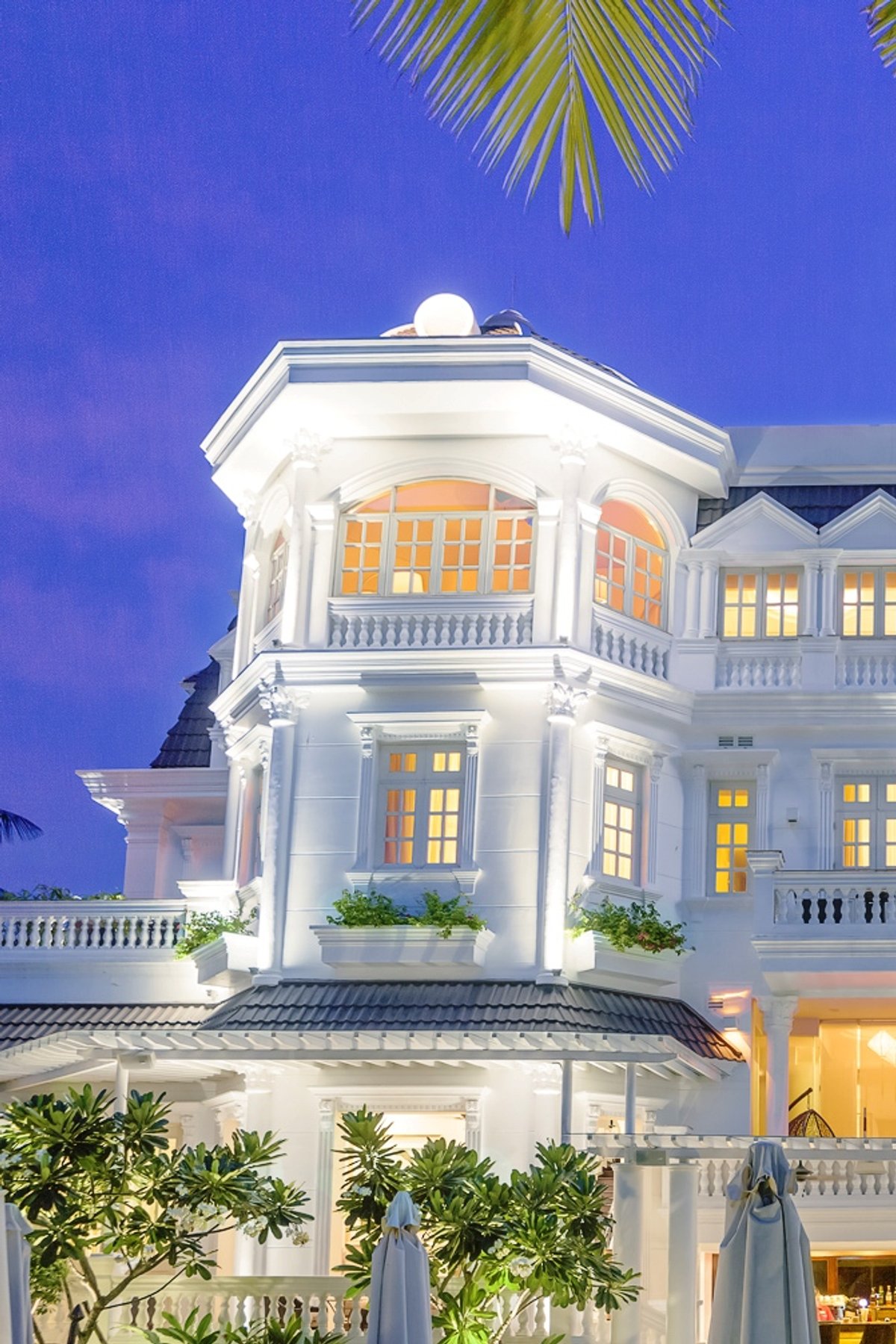
There is no loud hype to live up to here, and that is the appeal. If you measure a stay by how well you sleep and how easily you can walk into the city, Amanaki delivers well above its low profile. If you want resort-scale amenities, look elsewhere.
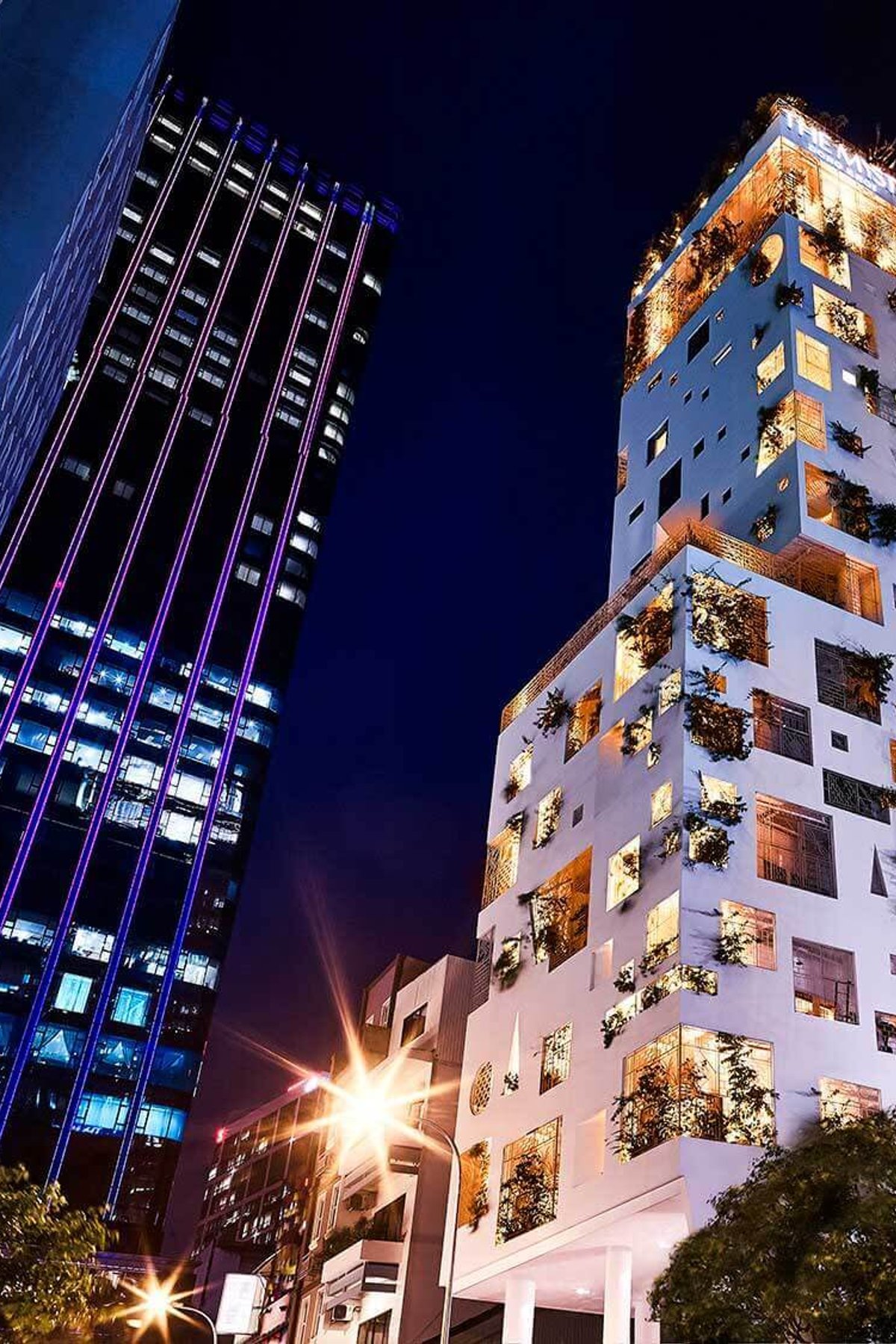
With a tiny social footprint and no marketing noise, this is genuinely a hidden gem in a district full of look-at-me hotels. Most travelers walk past it toward the big names on the main drag. Their loss is your quiet upper-floor room.
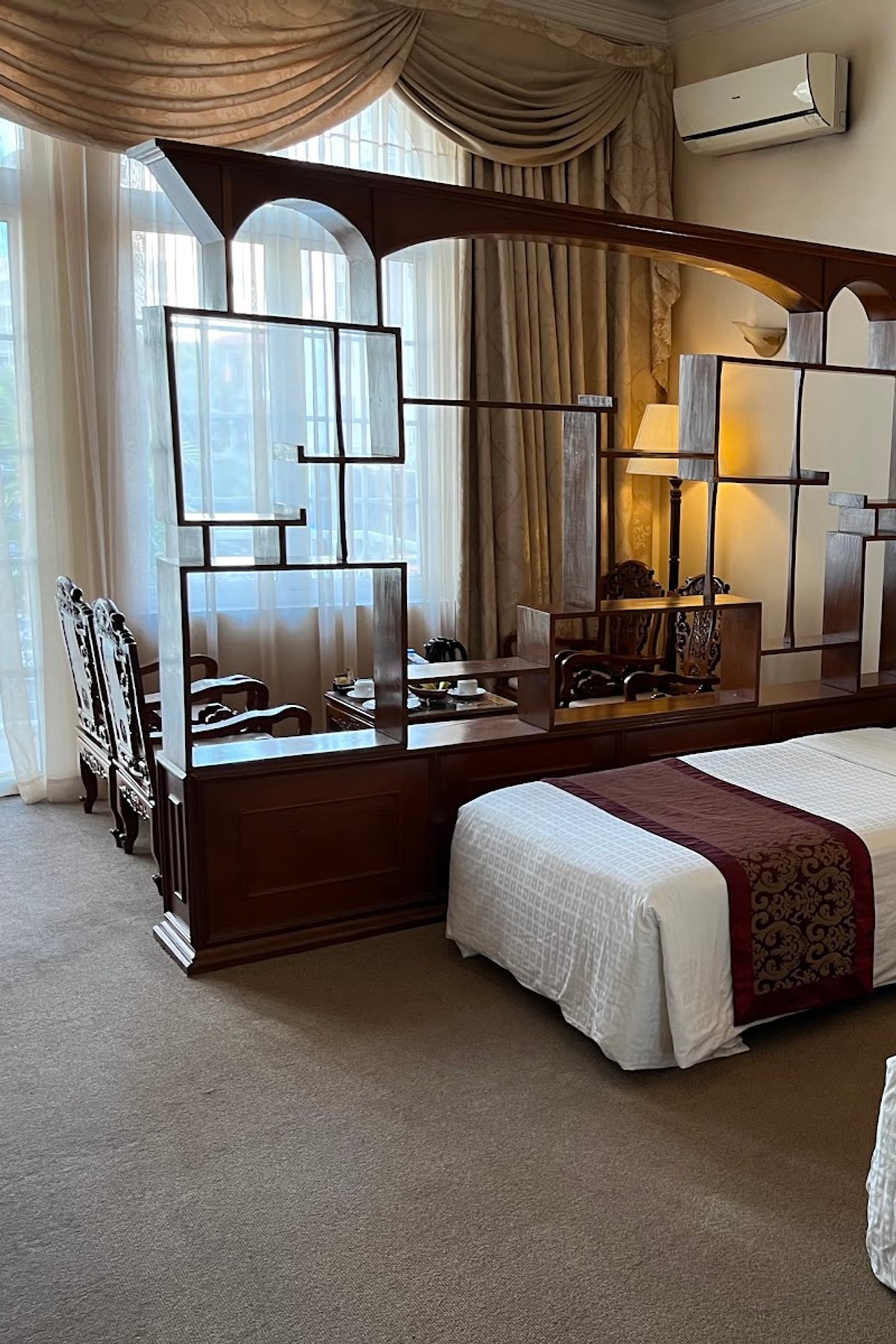
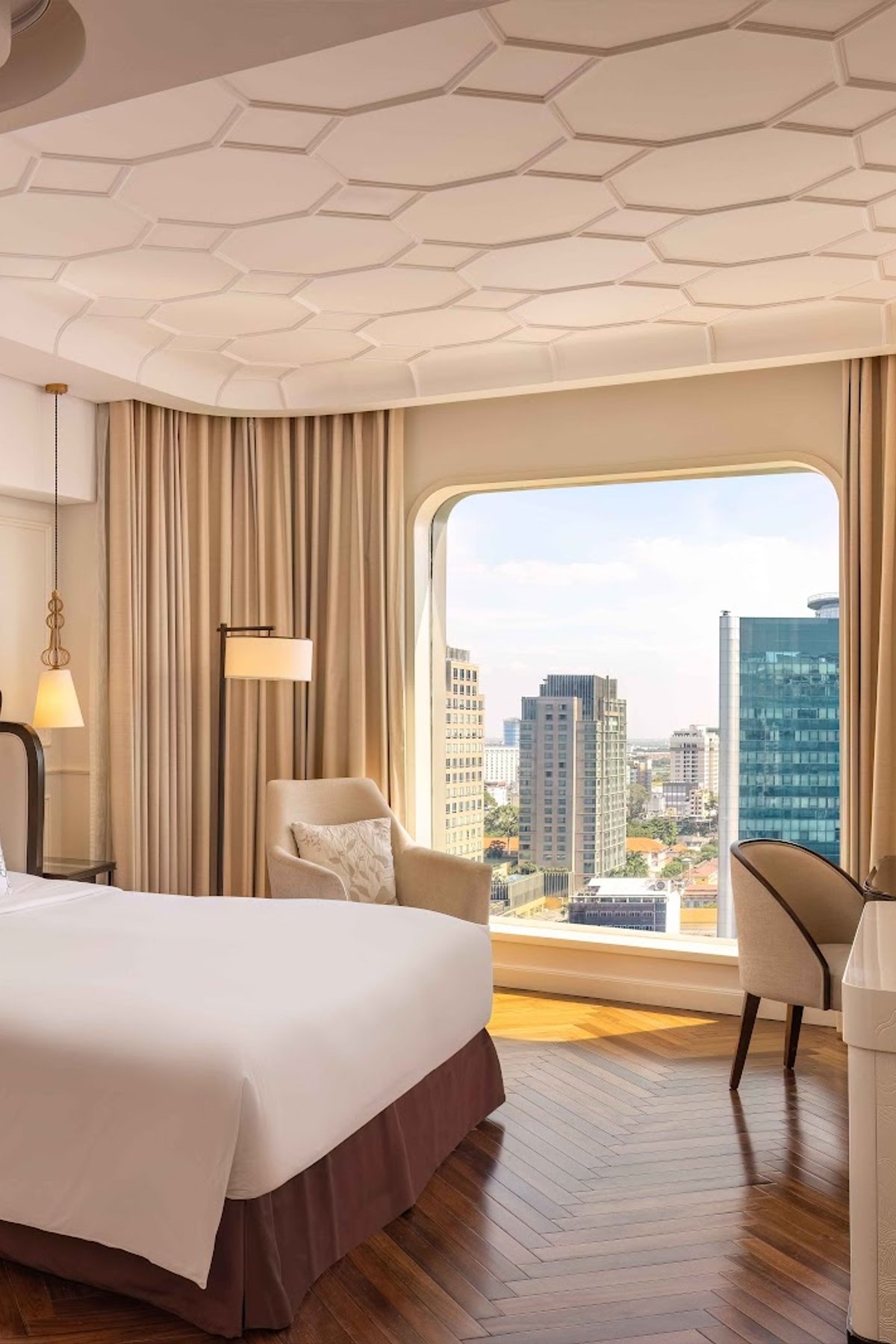
The rooms are the reason to come. Wooden flooring underfoot, antique tables and desks, deep bathtubs, and heavy blackout curtains that actually earn their name in a city this bright. The look is subtle rather than showy: traditional Vietnamese touches, warm materials, a lived-in vintage character. It feels like borrowing a design-minded friend's apartment, not checking into a chain with a lobby full of marble.
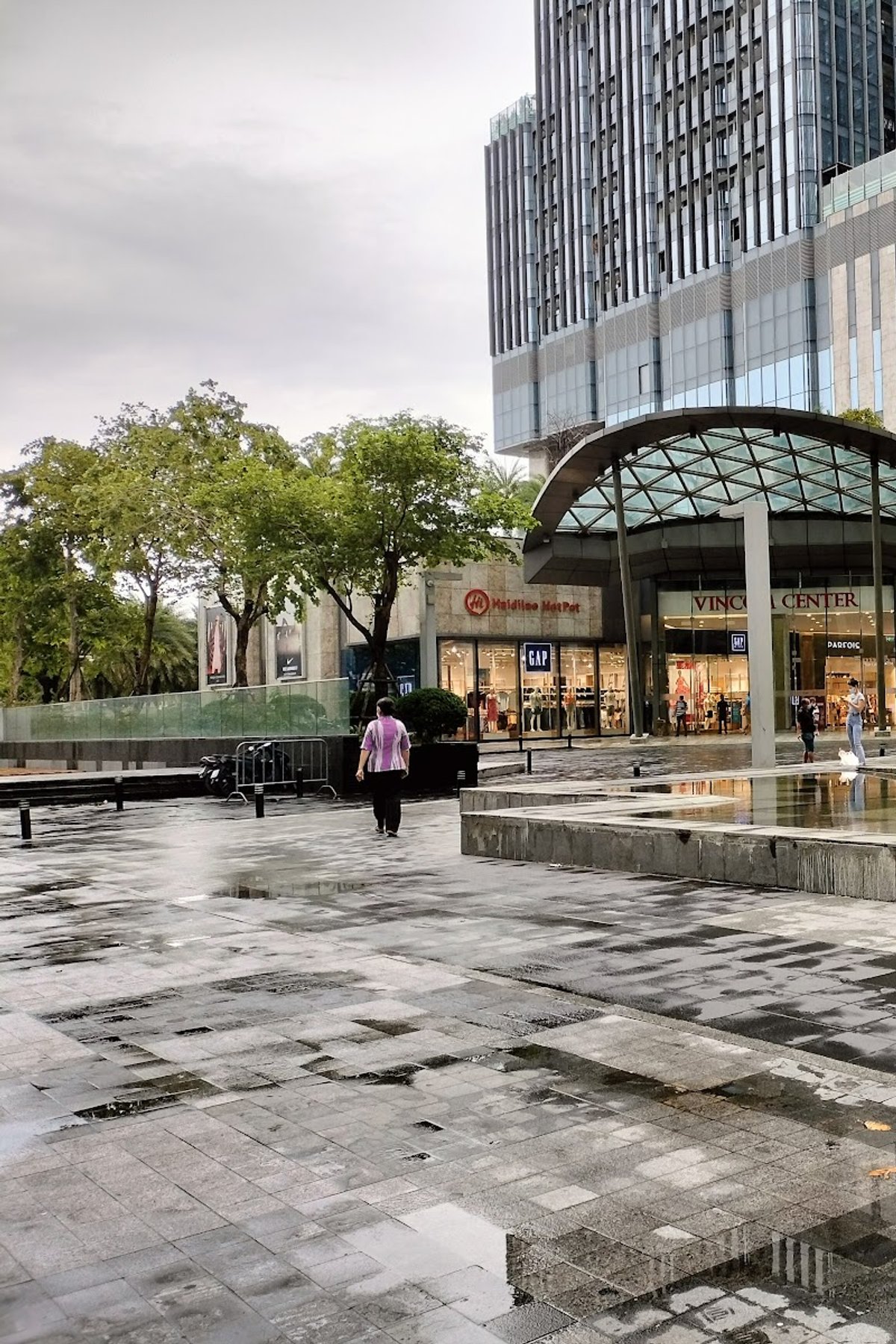
You are a short walk from Ben Thanh Market, Saigon Square, and the river, which puts most of central Saigon's food, shopping, and history within reach on foot. That matters here: District 1 traffic is relentless, and being able to leave the motorbikes behind and wander back for a nap is worth more than any shuttle. Step out for street food, step back into quiet.
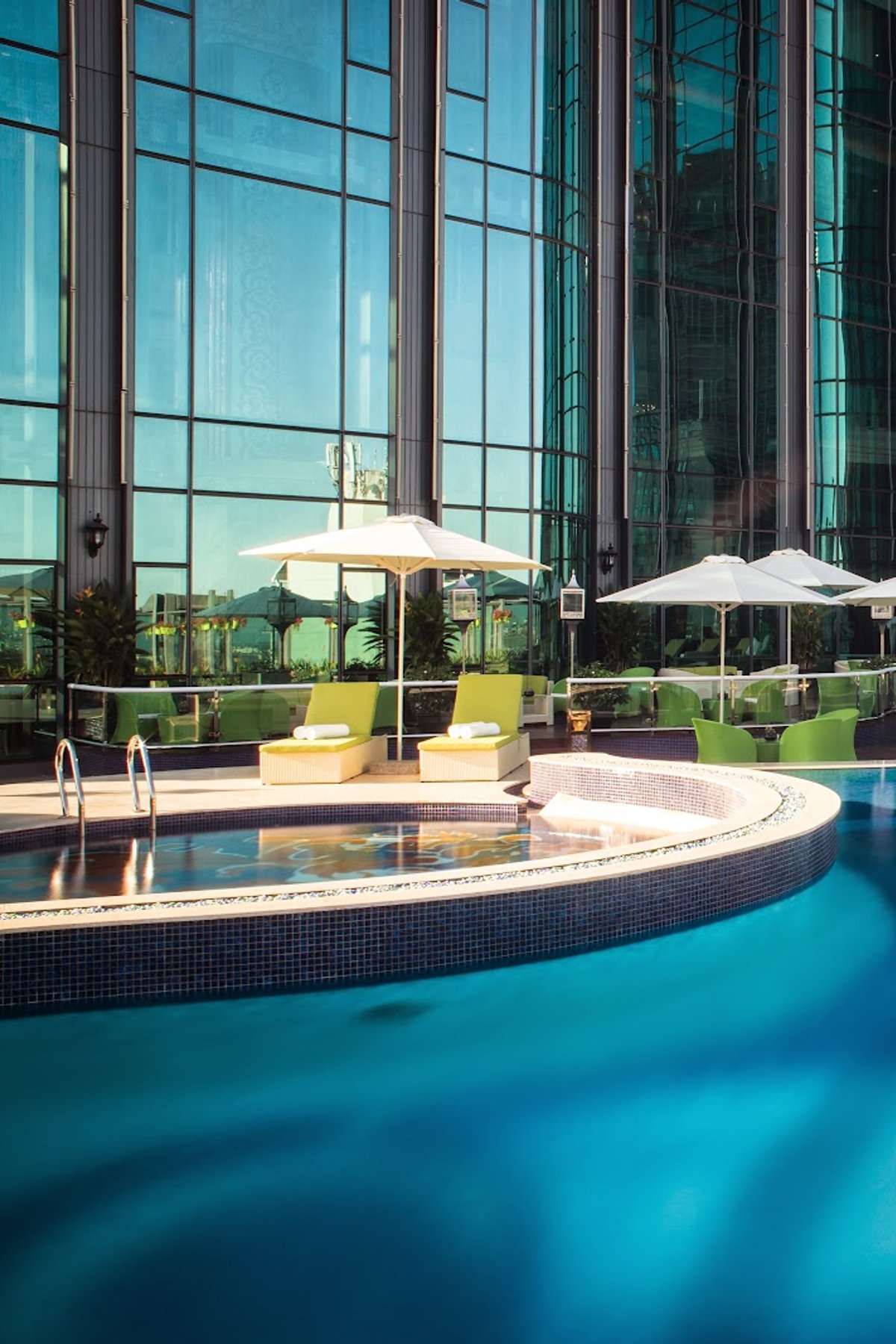
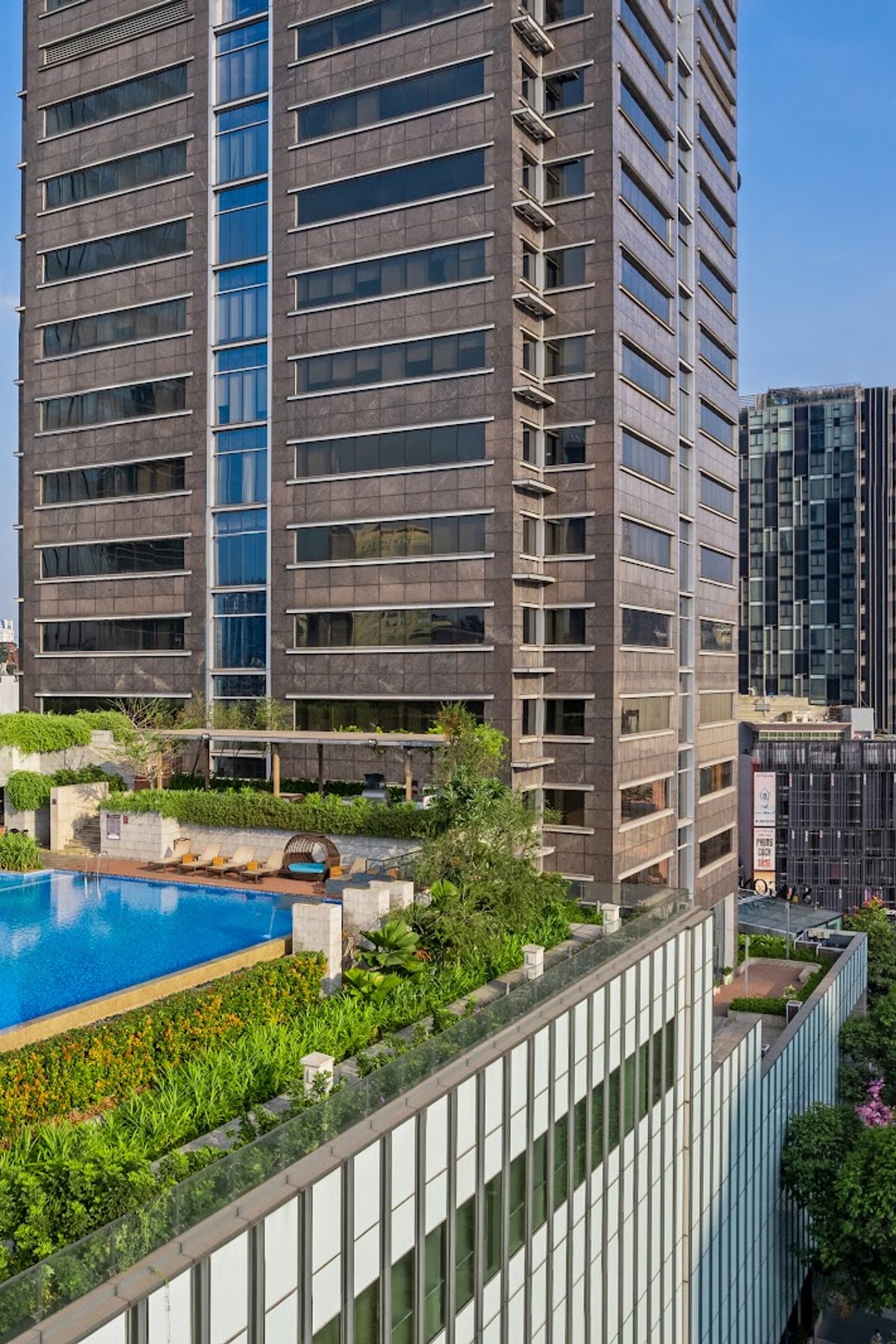
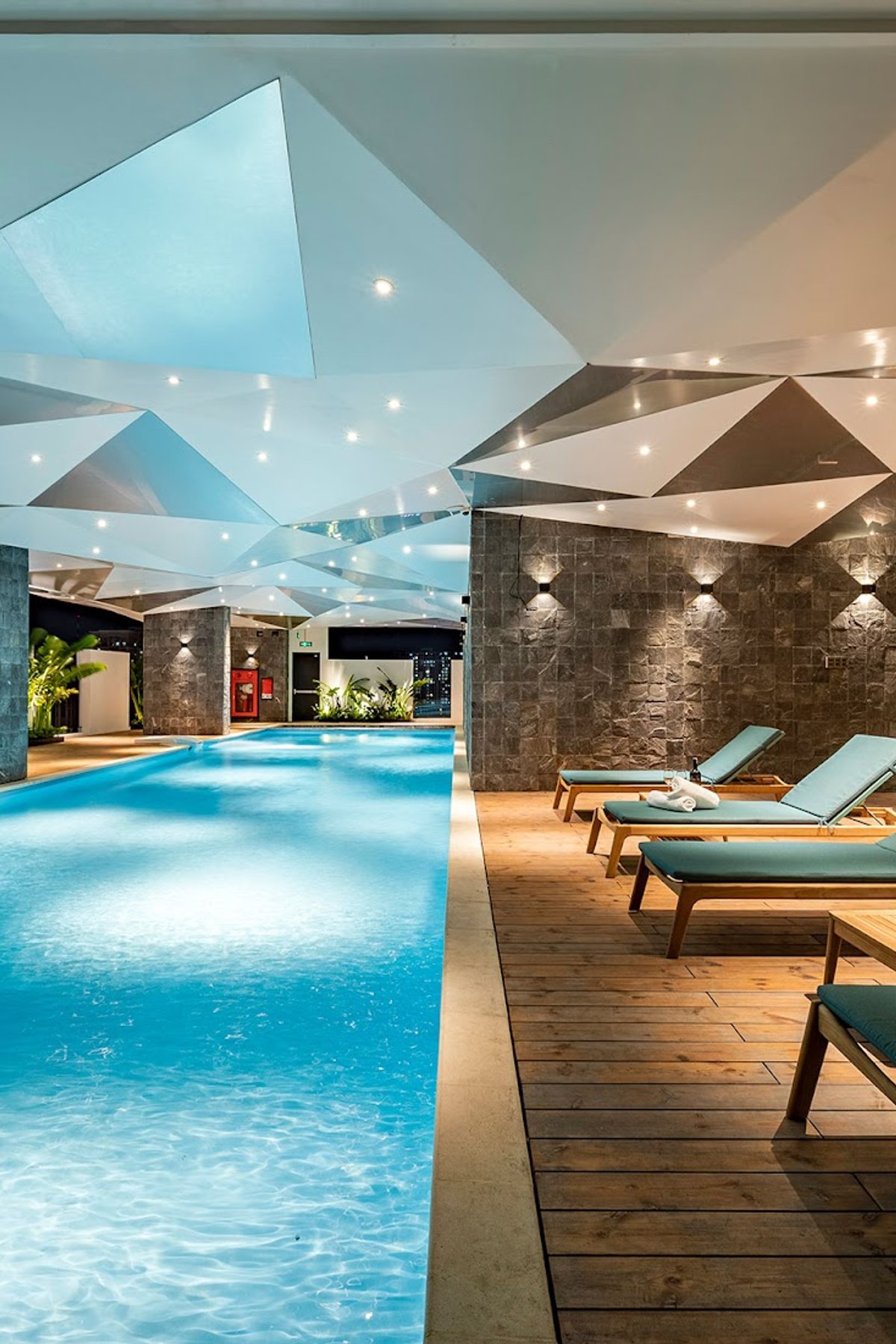
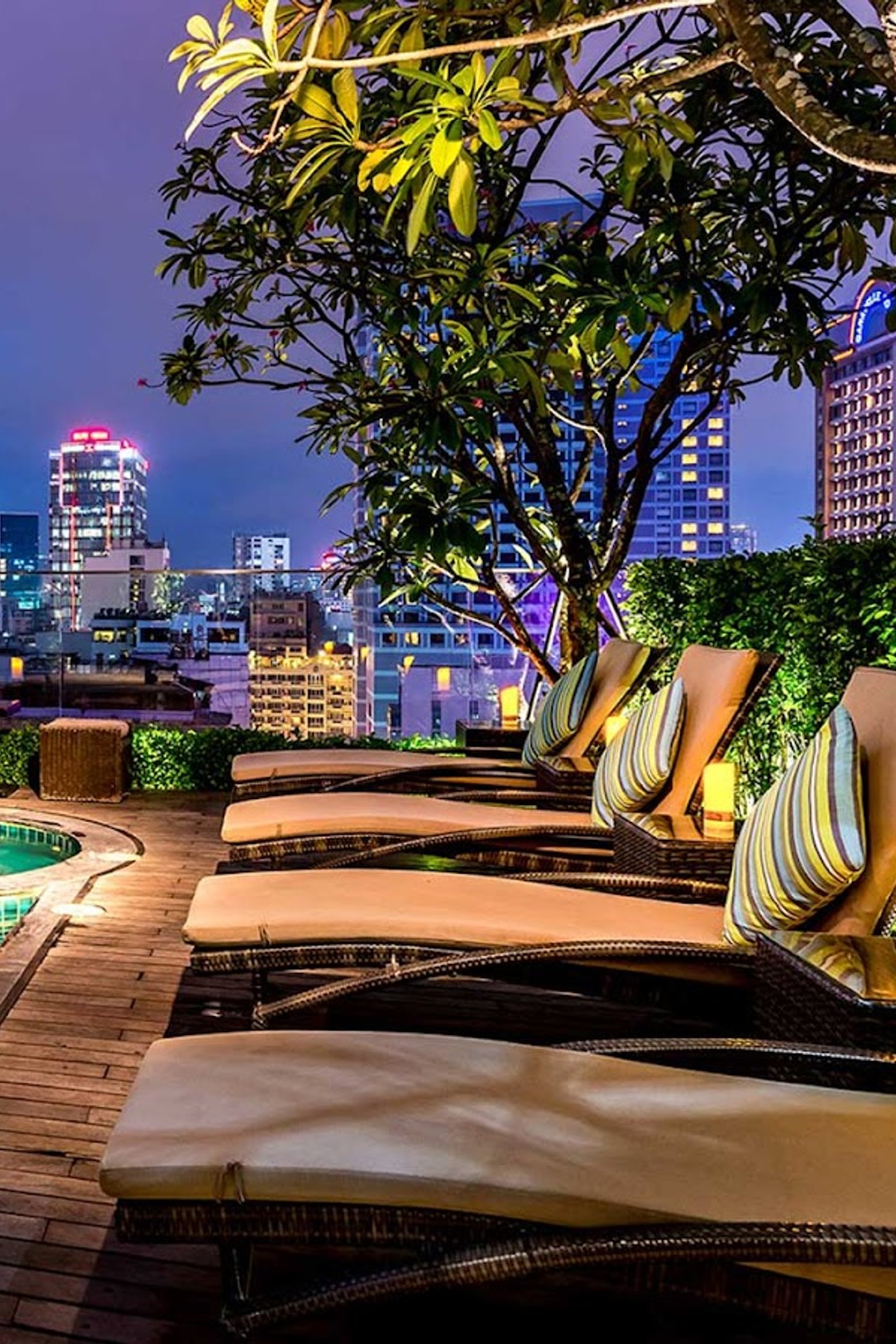
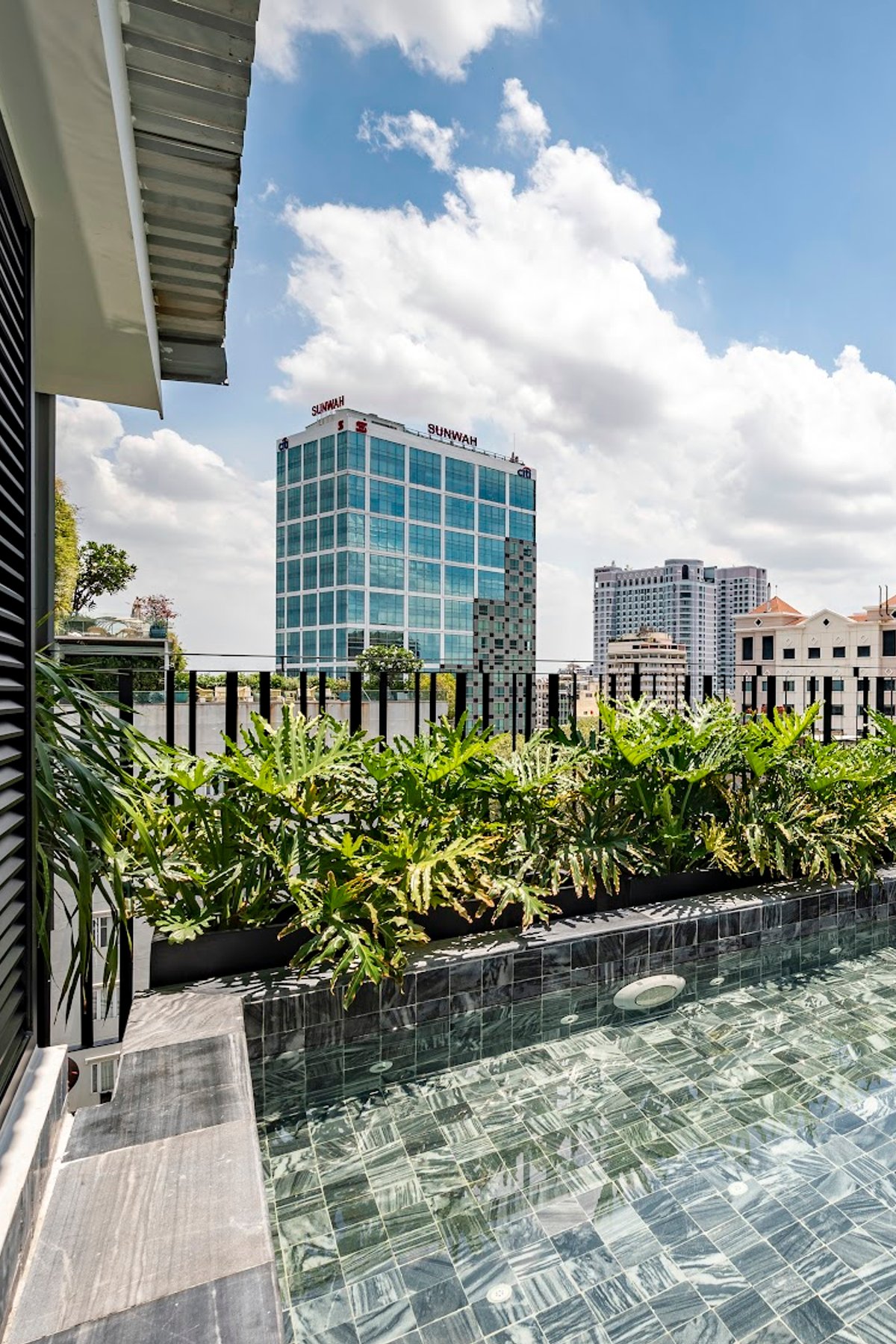
The top floor is the hotel's exhale: a plunge pool, a steam and sauna room, and a fitness space, all stacked above the street chaos. Amanaki frames itself around balance and calm, and the rooftop is where that idea lands hardest. After a day in the heat and horns of central Saigon, twenty minutes in the water with the skyline in front of you resets everything.
This is a small boutique, not a full-service resort, so dining and gym options are limited.
Built for travelers who want calm and a central base, not partygoers chasing nightlife.
Room quality and quiet vary a lot by floor and street exposure, so category choice matters.
District 1 is thick with boutique hotels, so the quiet rooms and better rates reward booking early.
Saigon runs hot and loud, and most District 1 hotels lean into it. Amanaki does the opposite, which is exactly why people who find it tend to keep it to themselves. Step off the street near Ben Thanh Market and the noise drops away into wooden floors, antique writing desks, deep bathtubs, and blackout curtains built for travelers who actually want to sleep. The design leans vintage and culturally grounded, threading traditional Vietnamese art through rooms that feel more like a well-kept apartment than a hotel.
Up top there is a plunge pool, a steam and sauna room, and enough quiet to forget the motorbike swarm below. Breakfast is included and unfussy. None of this shouts, and that is the point: it is a small place that trades spectacle for calm. Rooms are available now, but peak season fills the good ones, so plan ahead if you want a specific one.
The demand curve here is blunt and worth reading before you book. Four months, December through March, sit at the top, and they sit there for a reason: the dry season is the only stretch when Saigon's heat comes without the daily monsoon, and it overlaps with Tet, the Lunar New Year that pulls the entire country into motion at once. If you want the central design hotels or a small Thao Dien boutique in this window, treat four to eight weeks of lead time as the floor, and book the good room categories first because they close first. Tet itself deserves a note. Falling in late January or February, it is the single busiest booking moment of the year, but it is also strange on the ground: many family-run restaurants and shops shut for several days as locals return to their hometowns, and the normally relentless traffic thins to something almost calm. It is a fascinating time to be here if you plan around the closures, and a frustrating one if you do not. The shoulders are where the value hides. April and November carry high but not peak demand, and they buy you dry-season conditions without the Tet surcharge, the sweet spot most repeat visitors aim for. The long wet season, May through October, drops demand by roughly half, and with it both rates and booking friction. The rain is real but rarely a washout; it arrives as heavy afternoon downpours that clear within an hour or two, leaving mornings and evenings open. September and October in particular are genuinely undervalued: warm, green, quiet, and the easiest months of the year to walk into the room you actually wanted. There is no closed season in Saigon and no month the city stops working. What changes is the math of getting a bed. Plan the peak months like a competition and the shoulder months like a gift, and let the wet season carry the trips where flexibility matters more than sunshine.
One reading captured so far. The trajectory draws in here as nightly readings stack up.
File closes at ACCESSIBLE. Available now and priced for a small central boutique, not a resort. Book it if you want quiet rooms and Ben Thanh on foot; skip it if you need full-service amenities. Grab an upper floor early for peak season.