Silverland Jolie
Hotel.
1 critic review
filed.
The hype, such as it is, centres on that ninth-floor pool deck, and it earns it: this is one of the more atmospheric rooftops in the price bracket. The rooms and the theatrical colonial styling are a genuine bonus. Just calibrate expectations to mid-range comfort, not five-star polish.
With barely a few hundred Instagram followers and no big marketing push, it flies well under the radar for a hotel this central. Word of mouth and a 2016 Vietnam Coracle write-up have carried it more than any campaign. That quiet obscurity is part of the charm, and part of why it stays bookable.
angles.
Full Pseudo-Colonial, Unironically
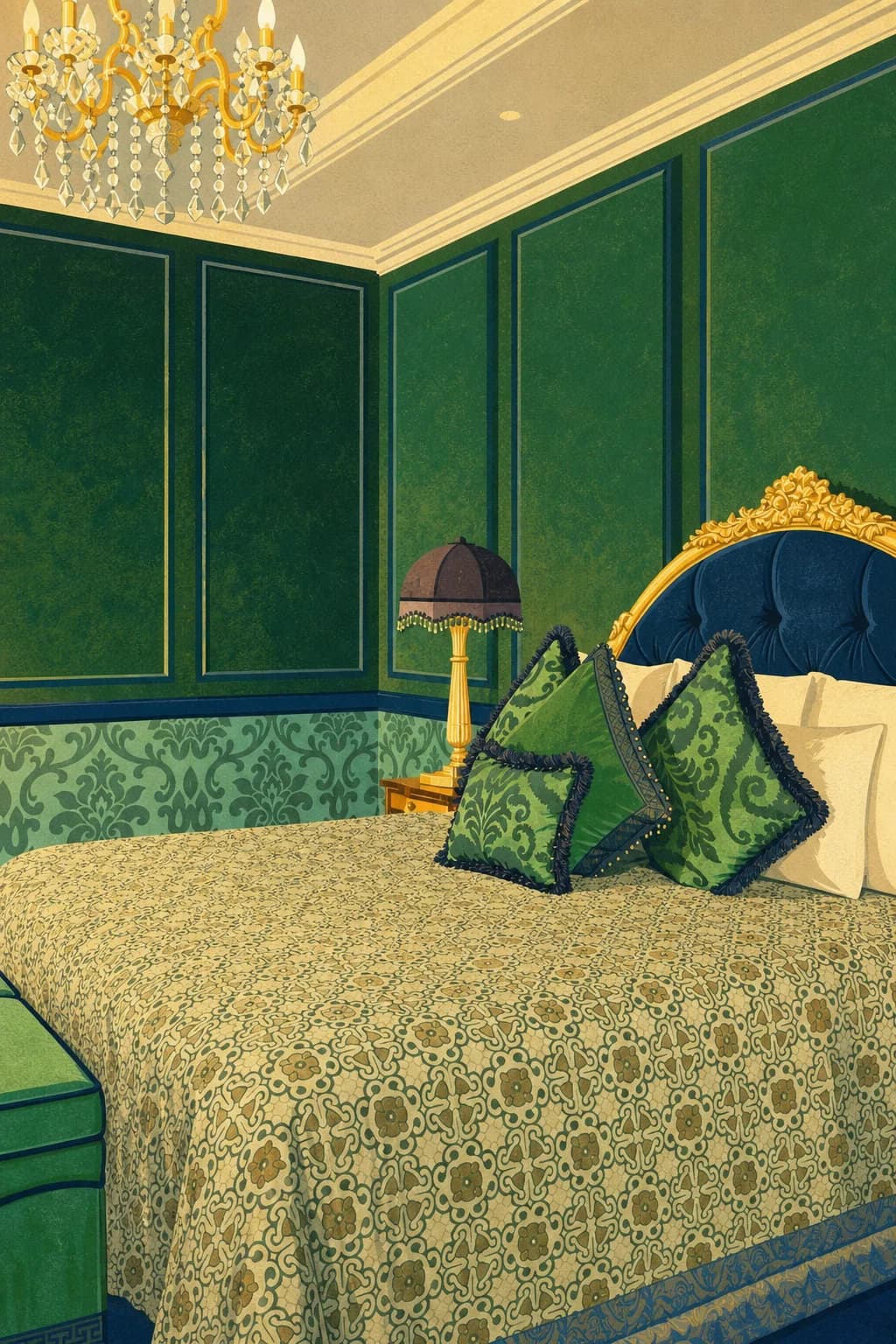
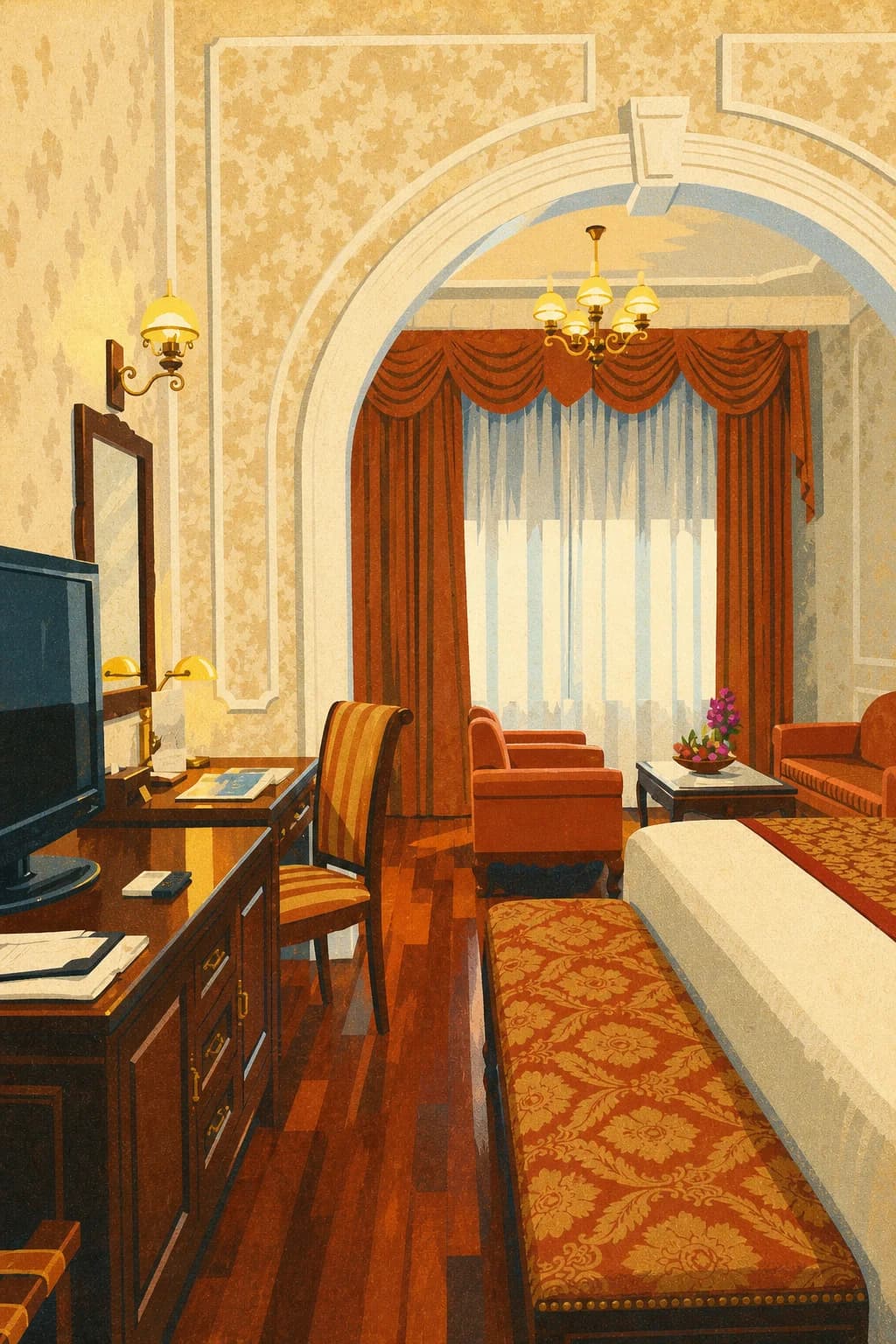
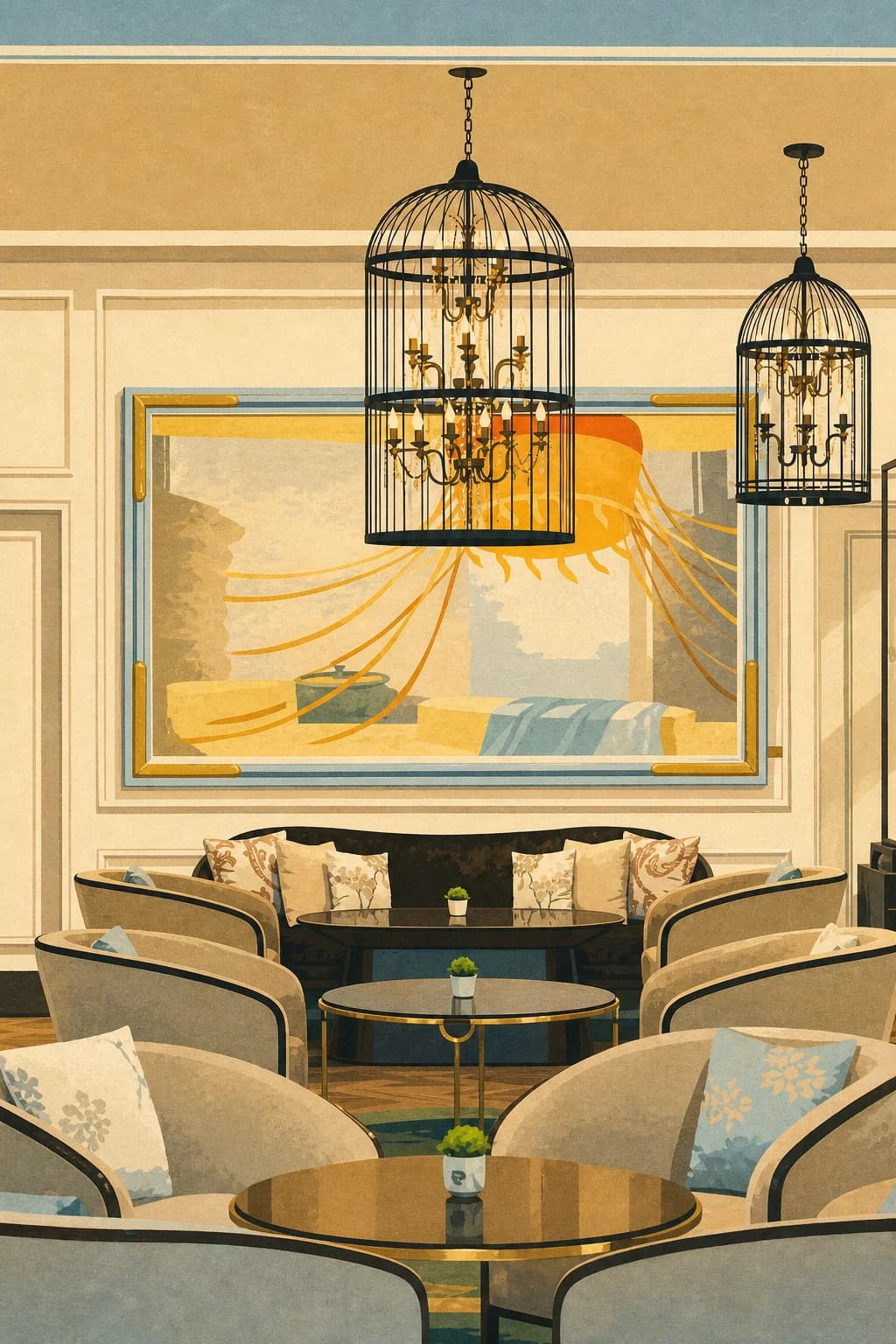
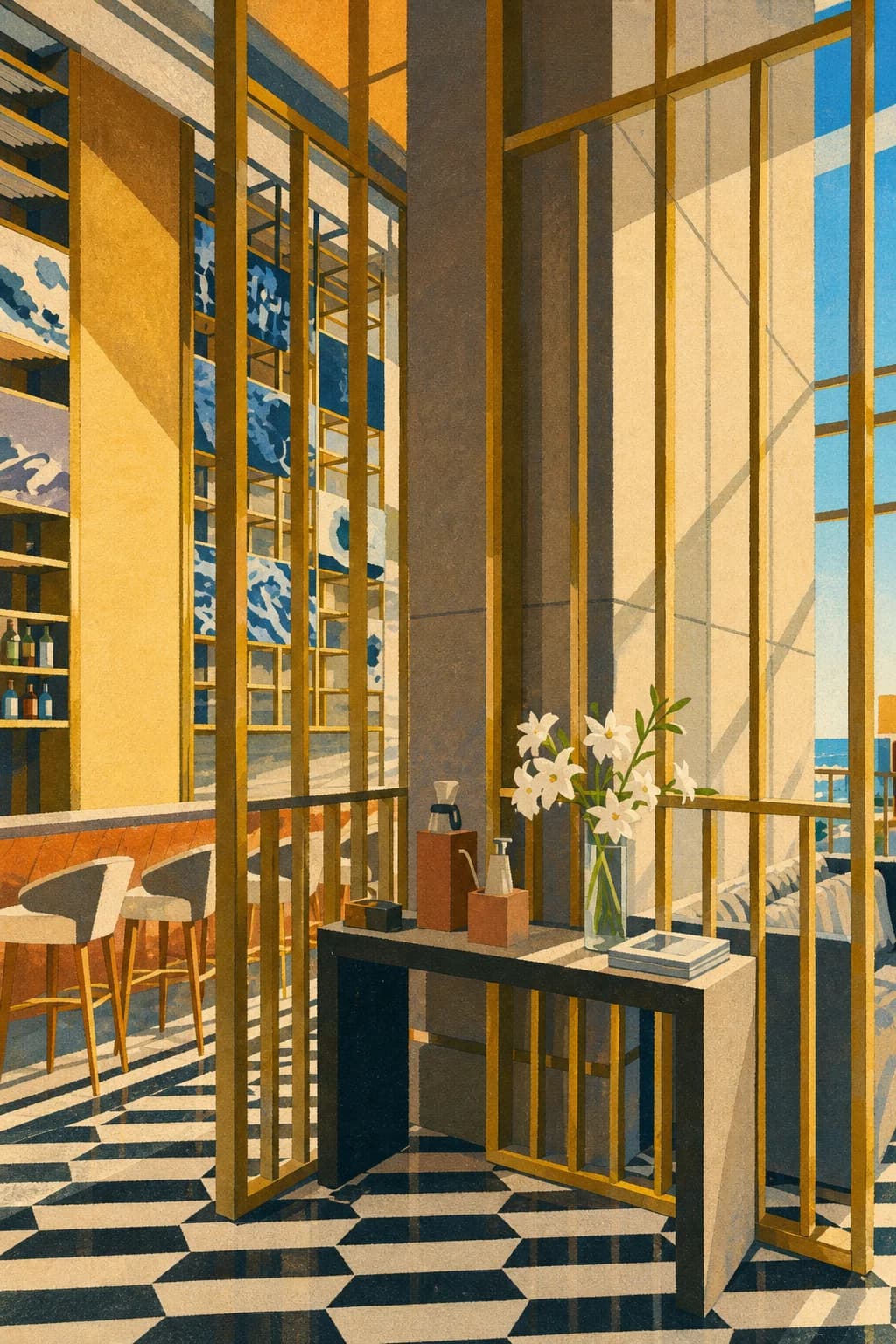
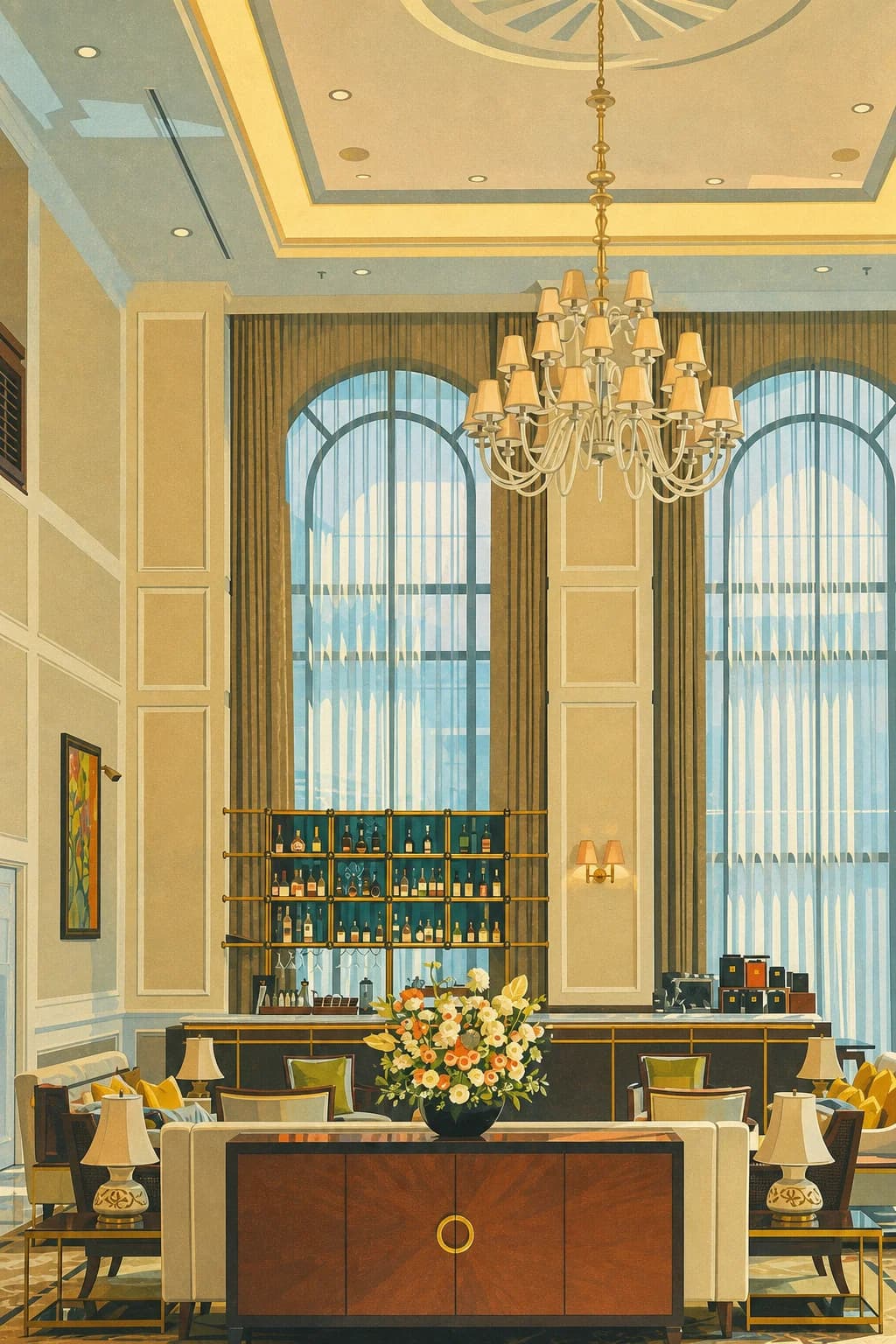
The lobby commits: dark-wood panelling, leather sofas, a chandelier, antique trinkets, and sculpted busts staring down from the bookshelves. Rooms carry the theme in whitewashed furniture with painted floral accents, curved wooden pieces, faux-crystal fixtures, and cushioned headboards. Bathrooms run generous, most with Jacuzzi-style tubs. It is theatrical without tipping into kitsch, and it gives the place a personality most mid-range hotels flatten out entirely.
The Ninth Floor Rewards You
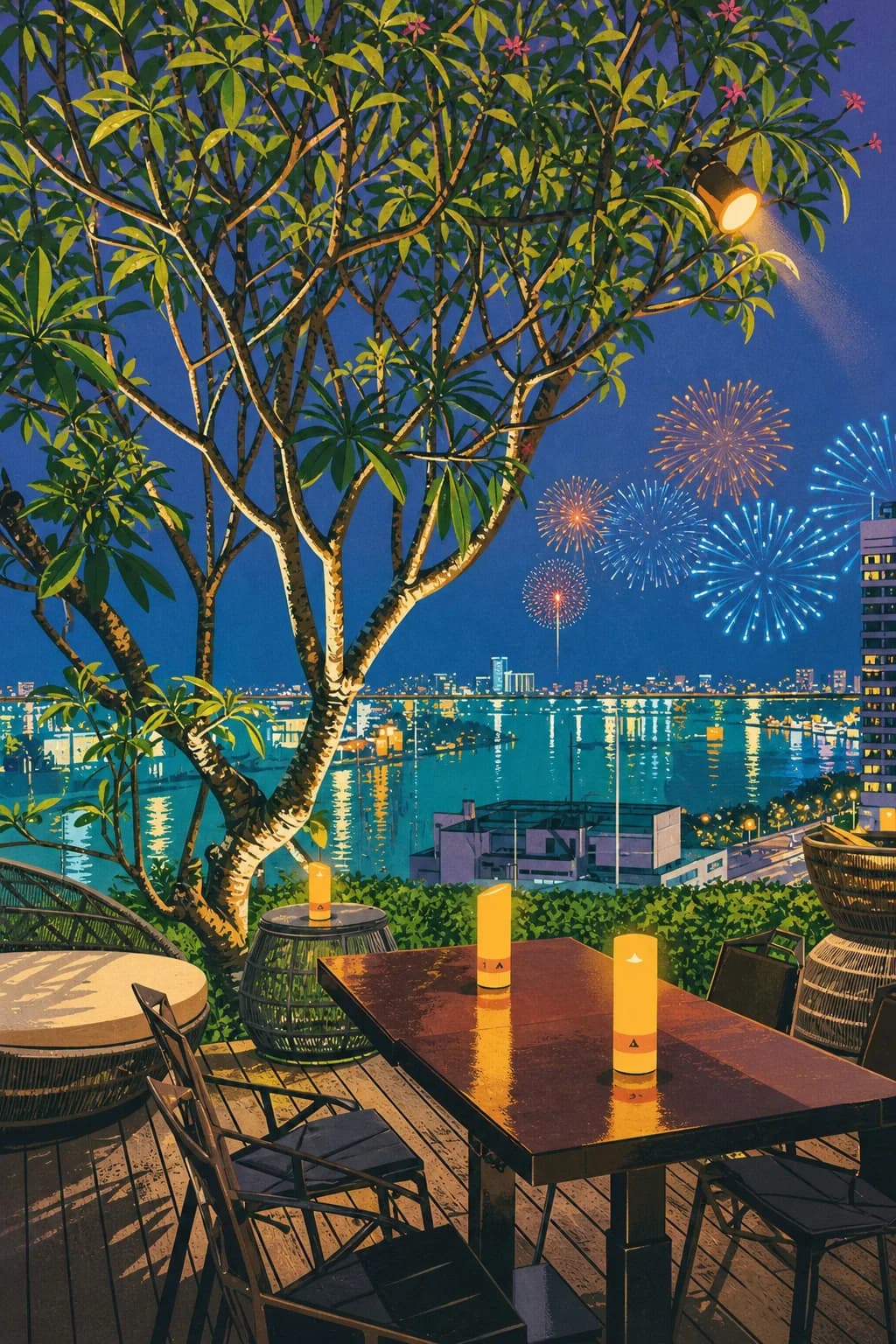
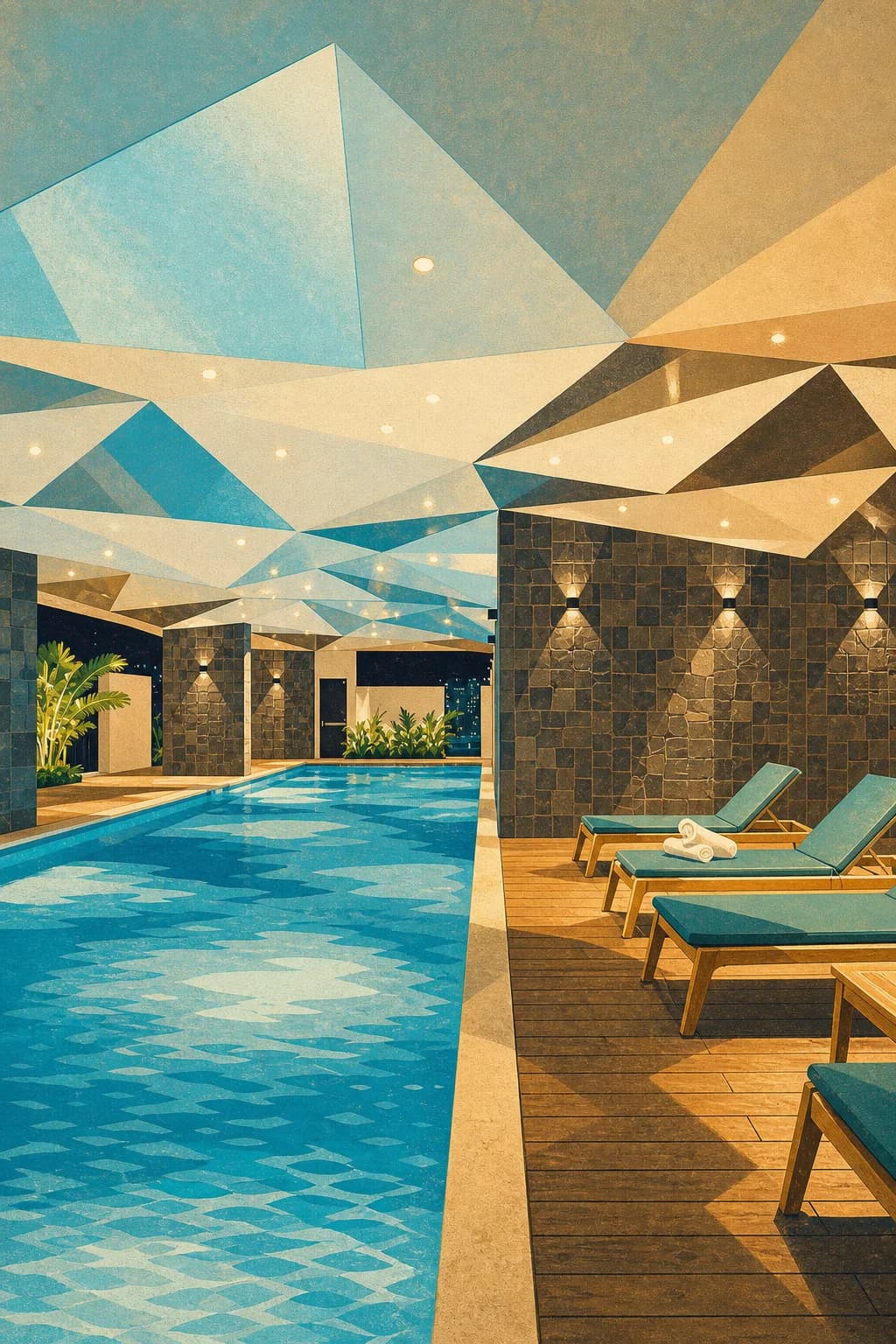
Take the lift to nine and the hotel changes character. A wooden deck wraps a small plunge pool and Jacuzzi, cushioned loungers sit under fragrant frangipani and Rangoon creeper, and a cocktail bar looks out over the city and river. A steam room and sauna next door are free to use, and the spa handles massages and treatments. It is a genuine retreat, not a token splash pool.
Central District 1, On Foot
From Thi Sach Street you can walk to Ben Thanh Market, the Nguyen Hue pedestrian promenade, the Opera House, and Dong Khoi's shops in a few minutes each. Bach Dang Wharf and the Saigon River sit just beyond. This is squarely the tourist-and-expat core, so it trades gritty street-food authenticity for the convenience of having everything central within a short stroll.
talk.
mapped.
“Pseudo-colonial decor, a very central location, good river views, and a lush rooftop bar and spa make Silverland Jolie a cosy nest in which to base yourself while visiting Saigon.”
record.
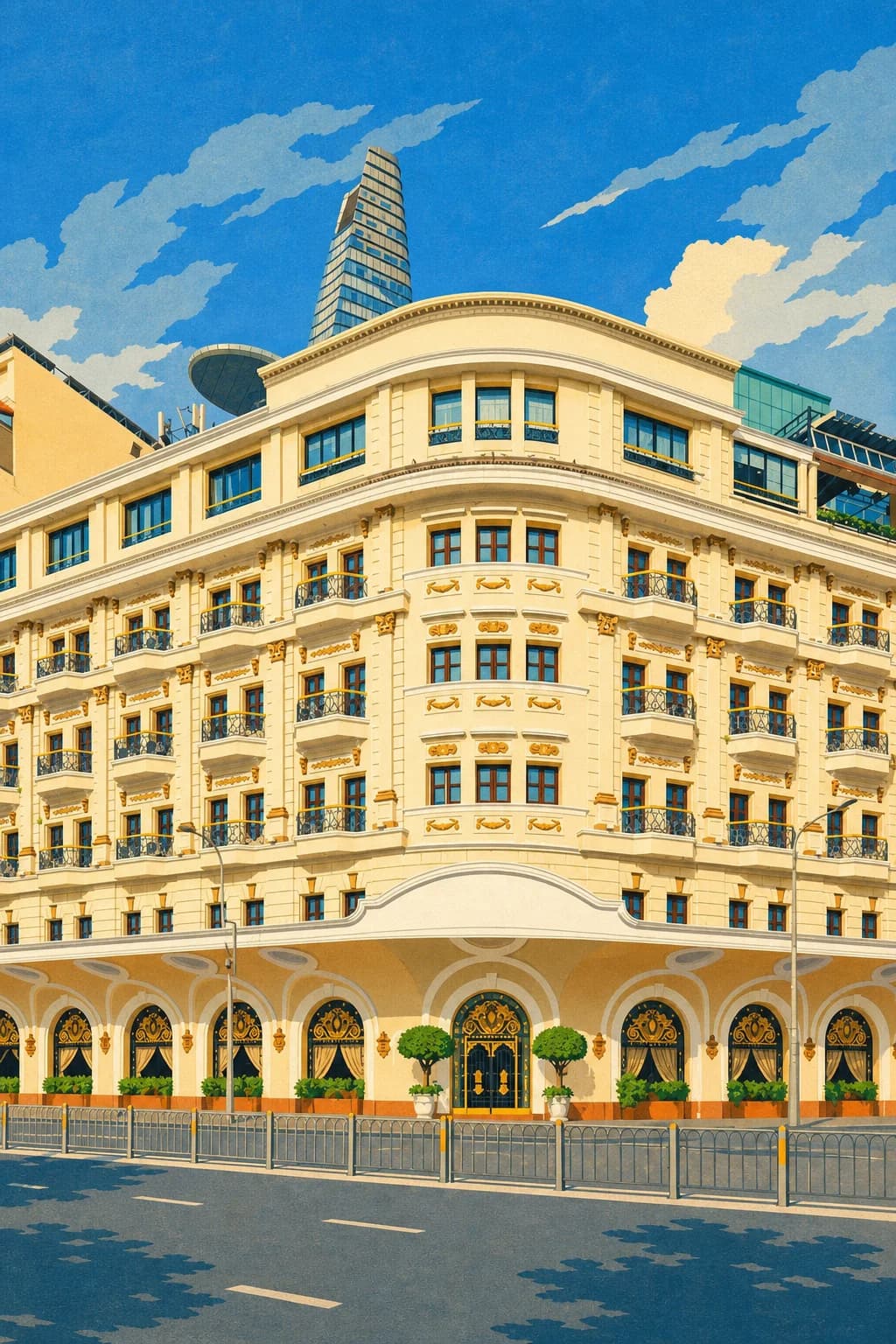
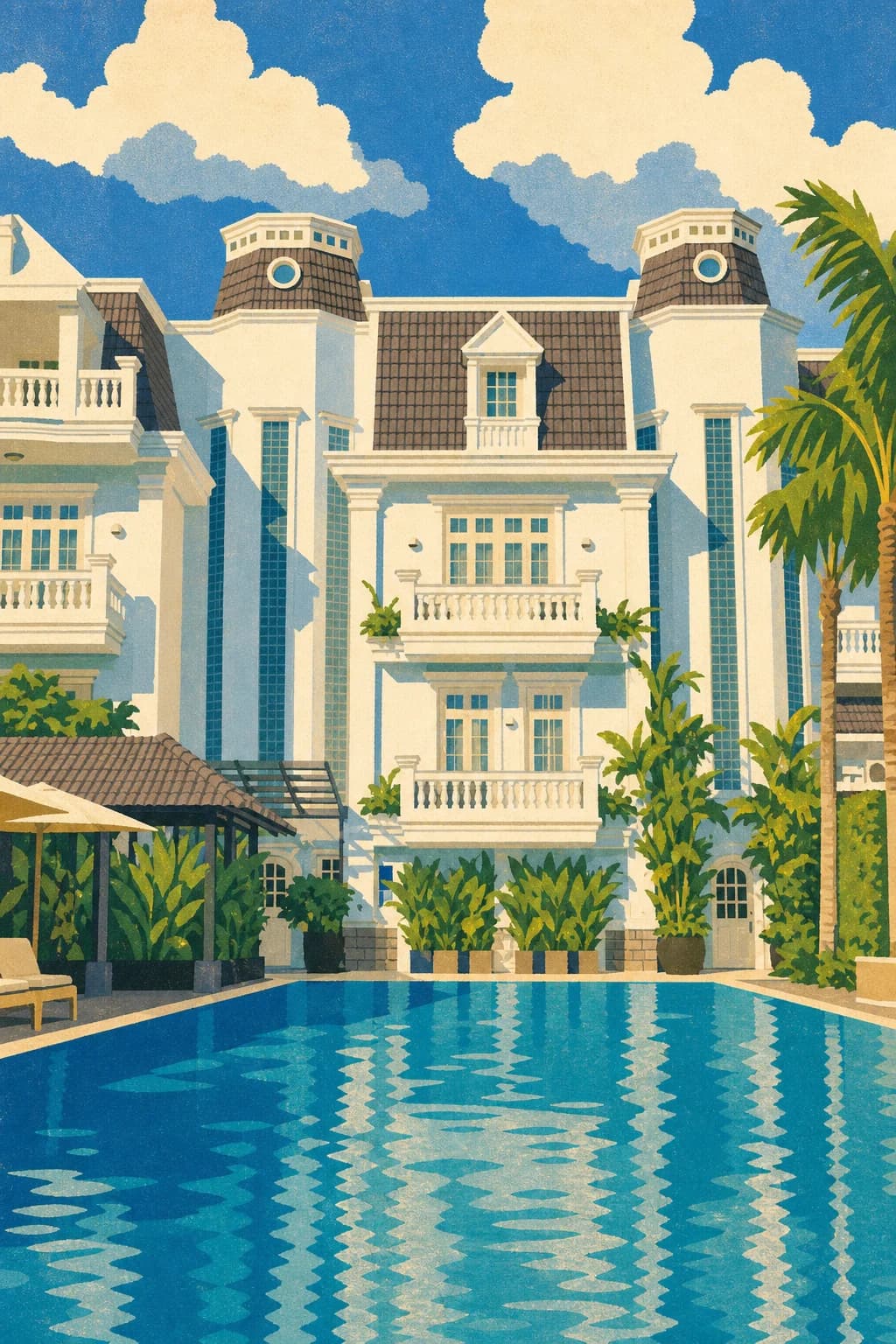
That is where Silverland Jolie hides its plunge pool, its sauna, and a cocktail bar with the Saigon River glinting past the rooftops. Downstairs the mood turns full pseudo-colonial: dark-wood panelling, leather sofas, sculpted busts on the bookshelves, and rooms done in whitewashed furniture with painted floral trim and deep Jacuzzi tubs.
Vietnam Coracle covered it back in 2016, and the formula has aged well, characterful rather than corporate, comfortable without pretending to be grand. Rooms face either the city or the river, and the double-glazing keeps the street noise where it belongs. It runs a little pricier than the block around it, and in peak season it books out, so plan ahead.
changed.
Saigon's demand curve is blunt, and reading it before you book is the difference between the room you wanted and whatever's left. Four months — December through March — sit at the top for a reason: this is the only stretch when the city's heat arrives without the daily monsoon, and it overlaps with Tet, the Lunar New Year that pulls the entire country into motion at once.
December through March is peak, and it fills from the top down. The dry season delivers the conditions everyone wants, which is exactly why the good room categories close first. For the central design hotels or a small Thao Dien boutique in this window, treat four to eight weeks of lead time as your floor and book the better categories immediately.
Tet itself deserves its own strategy. Falling in late January or February, it is the single busiest booking moment of the year — and the strangest on the ground. Many family-run restaurants and shops shut for several days as locals return to their hometowns, and the normally relentless traffic thins to something almost calm. Plan around the closures and it's fascinating; ignore them and it's frustrating.
The shoulders are where the value hides. April and November carry high but not peak demand, buying you dry-season conditions without the Tet surcharge — the sweet spot repeat visitors quietly aim for. This is the window that rewards travelers who know the calendar without paying for the crowd.
September and October are the easiest months of the year to walk into the room you actually wanted: warm, green, quiet, and roughly half the demand of peak.
The long wet season, May through October, cuts demand by about half. Rates and booking friction fall with it. The rain is real but rarely a washout — it arrives as heavy afternoon downpours that clear within an hour or two, leaving mornings and evenings open. There is no closed season in Saigon and no month the city stops working; what changes is the math of getting a bed. Plan the peak months like a competition, the shoulders like a gift, and let the wet season carry the trips where flexibility matters more than sunshine.
approach.
briefing.
stands.
demand's going.
The real Instagram following over time, plus where this hotel sits for demand in Ho Chi Minh City. Pick a range, toggle the lines. Followers are reach and demand, not engagement.
assessment.
File closes at ACCESSIBLE. Bookable most of the year, and worth it for the ninth-floor pool and colonial character. Book if you want atmosphere and a central base; skip if you need river-side silence or five-star polish. Grab a city-facing room, plan a few weeks out.
The numbers behind the tiers
Silverland Jolie Hotel · SOURCE READINGS · REDACTED- Availability density · sampled
- Monthly search volume · raw
- TikTok hashtag views · raw
- YouTube total views · raw
- TikTok following · latest sweep
- Pinterest saves · latest sweep
More from Ho Chi Minh City.


Get the hotel's Unbookable Score.
Any post or reel with a hotel in it. Booking.com hotel pages work too. One free check, no account needed.