Park Hyatt
Saigon.
3 critic reviews
filed.
Mostly yes, with an asterisk. The location, service, and food genuinely live up to the name, and the garden pool is a real escape from the city heat. Just know you are buying period charm, so if your idea of luxury is floor-to-ceiling glass and smart-everything, a newer tower will suit you better.
Not exactly under the radar; it is a known name with a solid following. The genuine hidden gem is Opera's Italian kitchen, which pulls in locals who never book a room, and the garden pool most passers-by never realise is tucked back there.
angles.
Colonial Bones, Vietnamese Skin
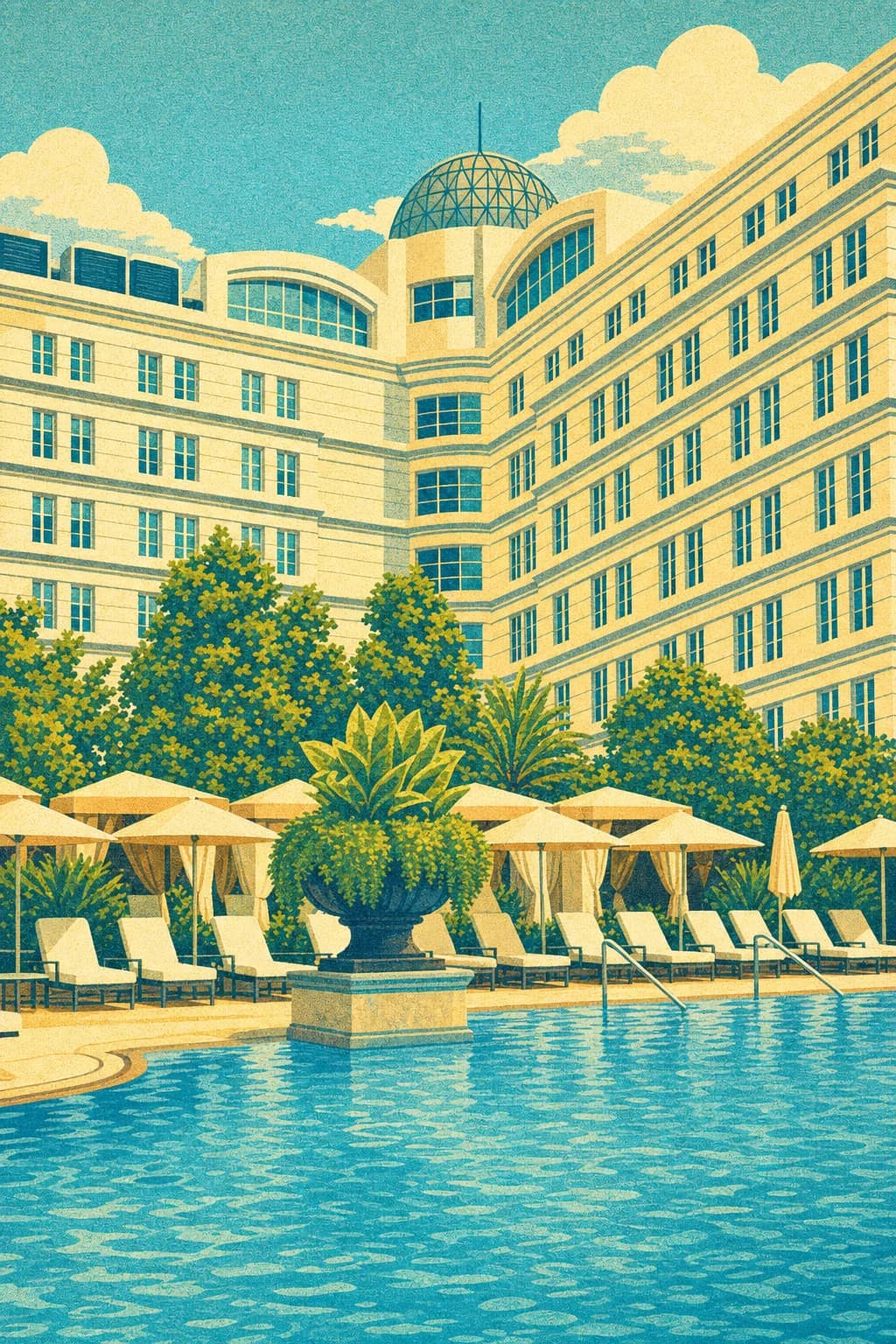
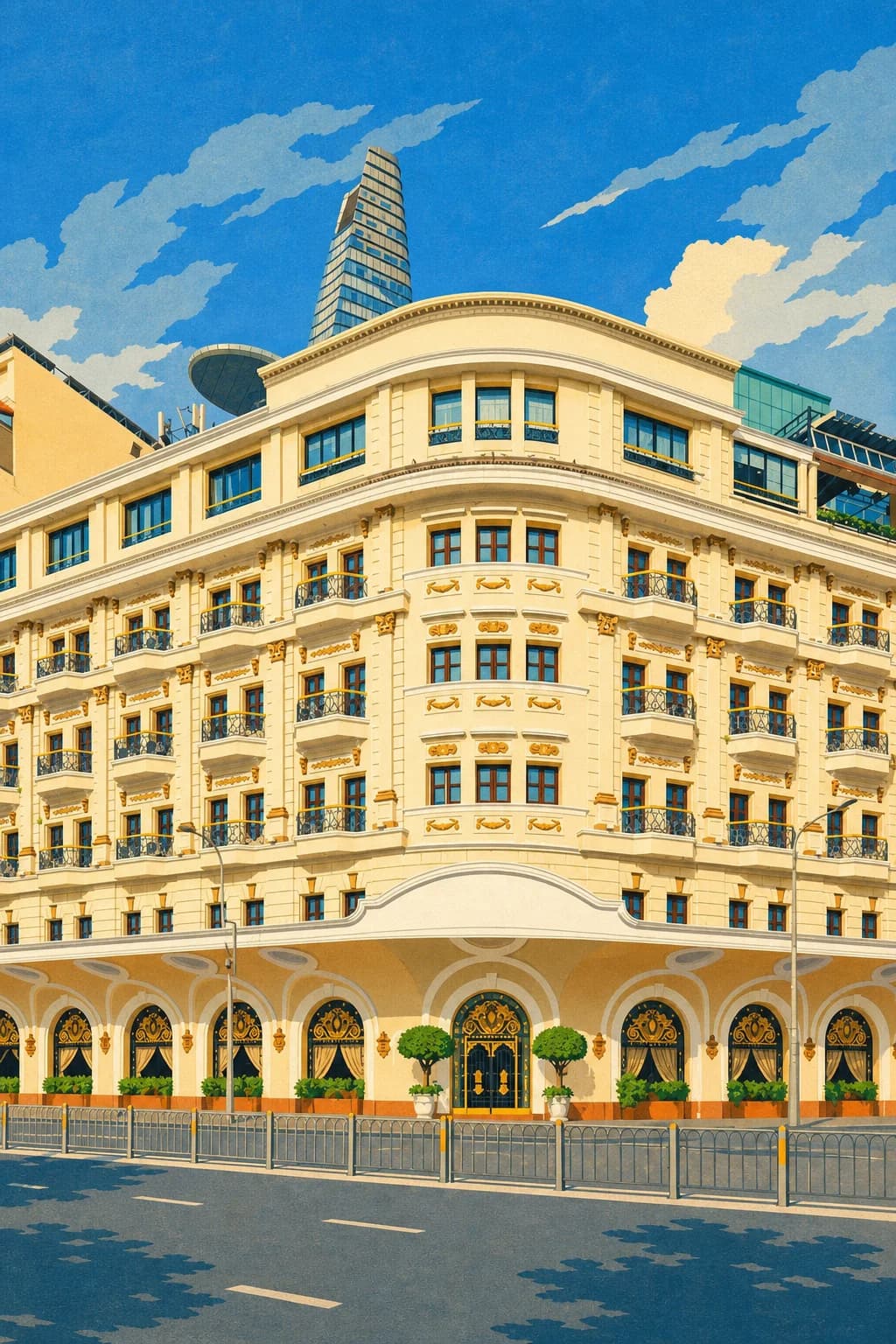
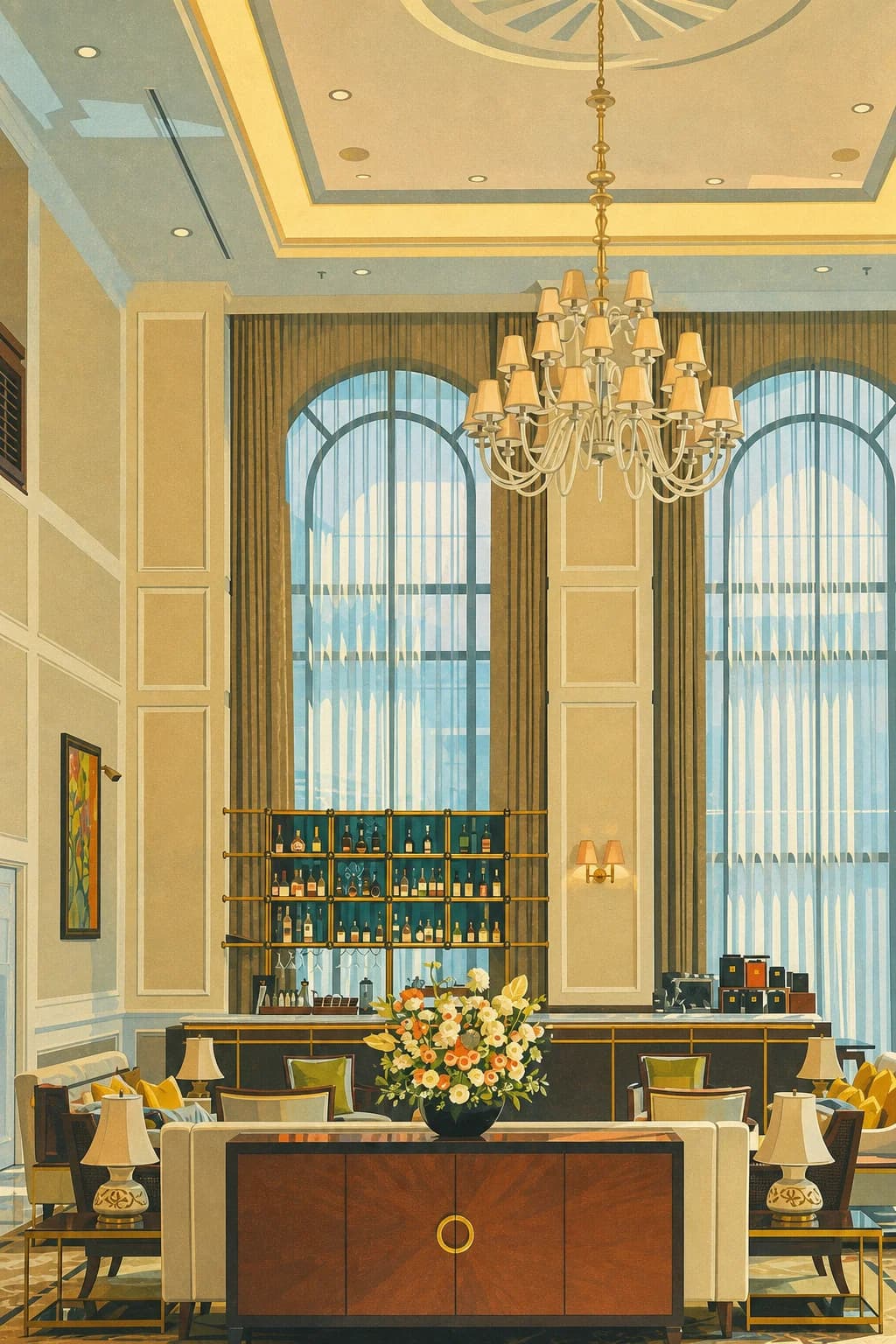
The façade is pure French colonial theatre: butter-yellow walls, dark louvered shutters, wrought-iron balconies, and a portico opening onto Lam Son Square. Step inside and the mood softens, with lacquer panels, silk, chandeliers, and handcrafted Vietnamese detail set against high neoclassical ceilings. It reads as a mansion rather than a tower, which is exactly why it photographs so well and why the following keeps climbing.
The Italian Is the Move
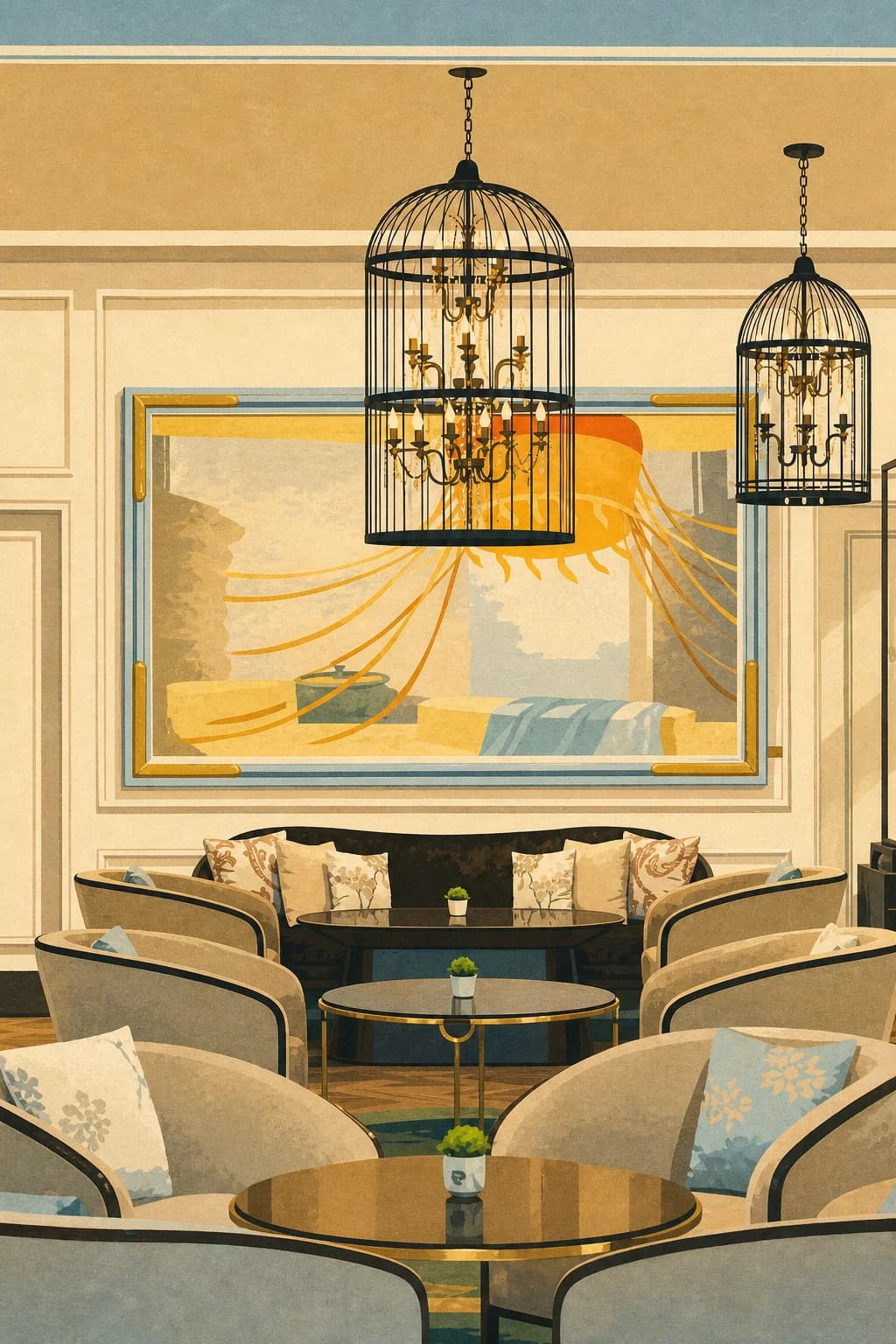
Opera is the surprise. Instead of a hotel buffet playing it safe, it commits to trattoria Italian in a modern colonial dining room, and Saigon locals book it on its own merits. Square One covers the other half, mixing Vietnamese classics with grilled Western plates and an open kitchen. Add Park Lounge for afternoon tea and 2 Lam Son for a late drink, and you rarely need to leave the block.
District 1 on Foot
The Lam Son Square address puts the Opera House across the street, with Nguyen Hue's walking boulevard, the Central Post Office, Notre-Dame Cathedral, and the Dong Khoi shopping strip all within an easy stroll. This is the walkable, café-dense core of old Saigon, so you can skip taxis for most of a trip. The airport sits about 30 minutes out, traffic depending.
talk.
mapped.
“by a long way the top hotel in town… its classic colonial-style facade fits seamlessly into the city's central Lam Son Square.”
record.
This one earns it by being the calmest address in District 1, and around 24,000 people follow along on Instagram to prove it. The building wears a French colonial face: louvered shutters, wrought iron, high ceilings, and a butter-yellow façade that sits on Lam Son Square as though it grew there.
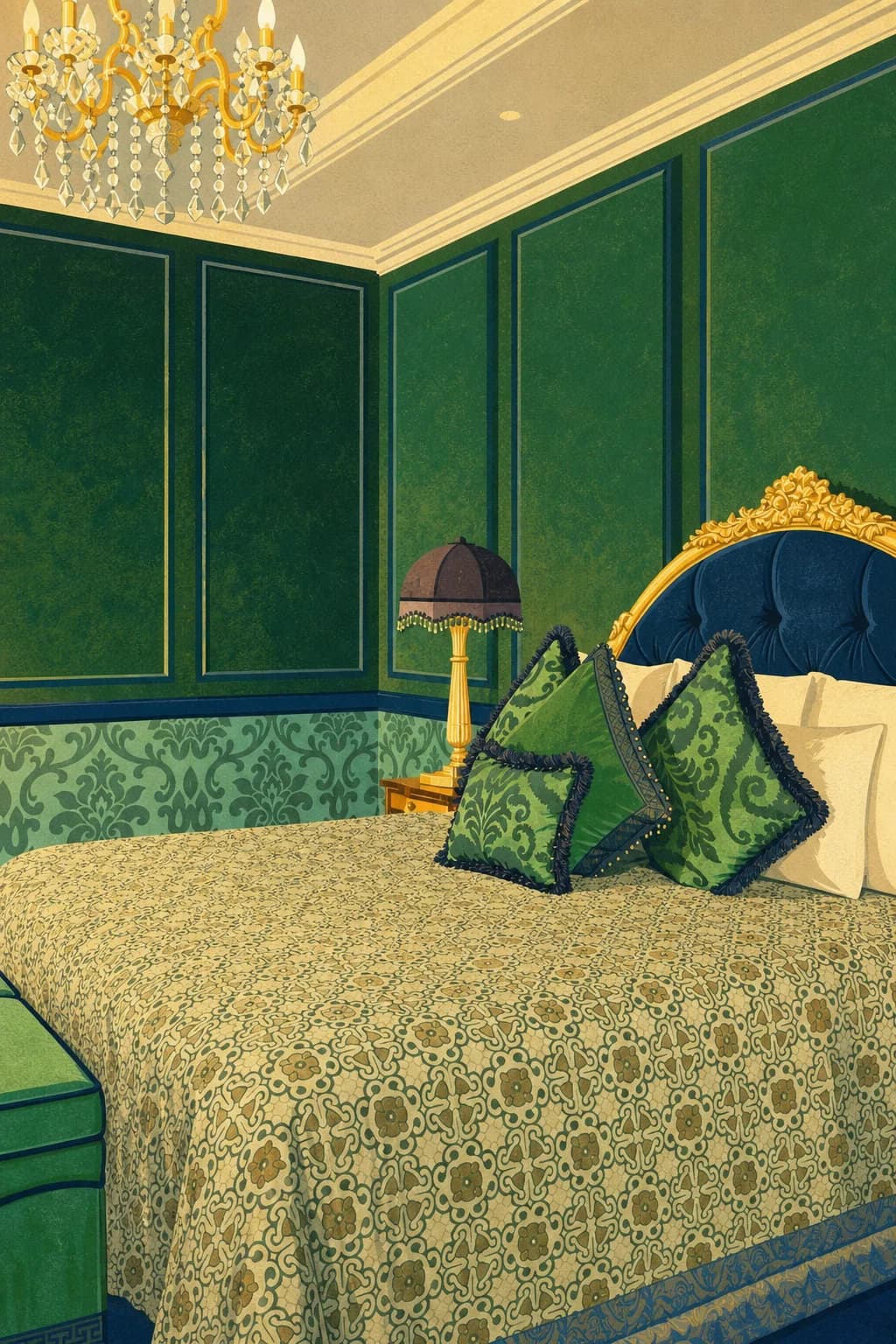
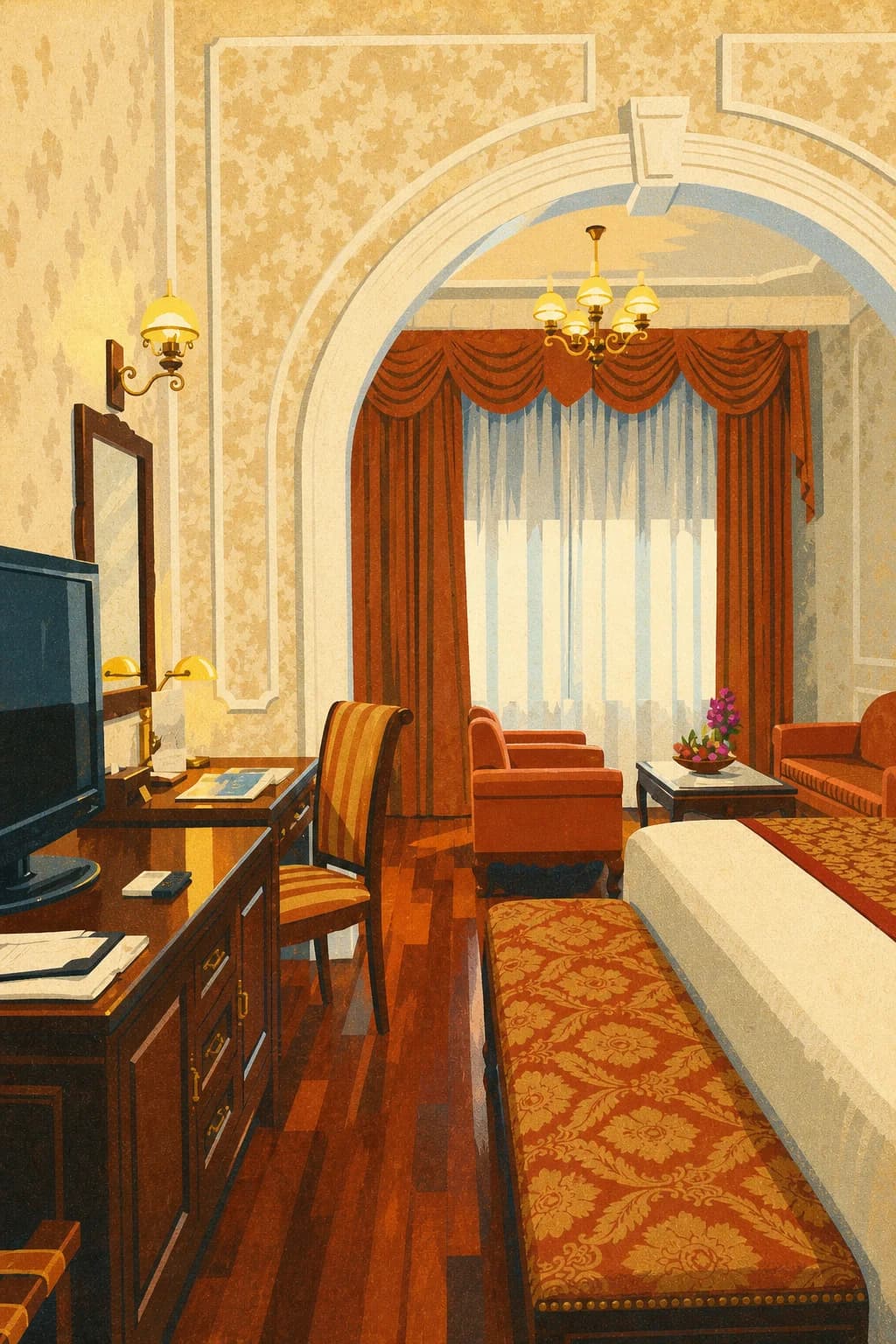
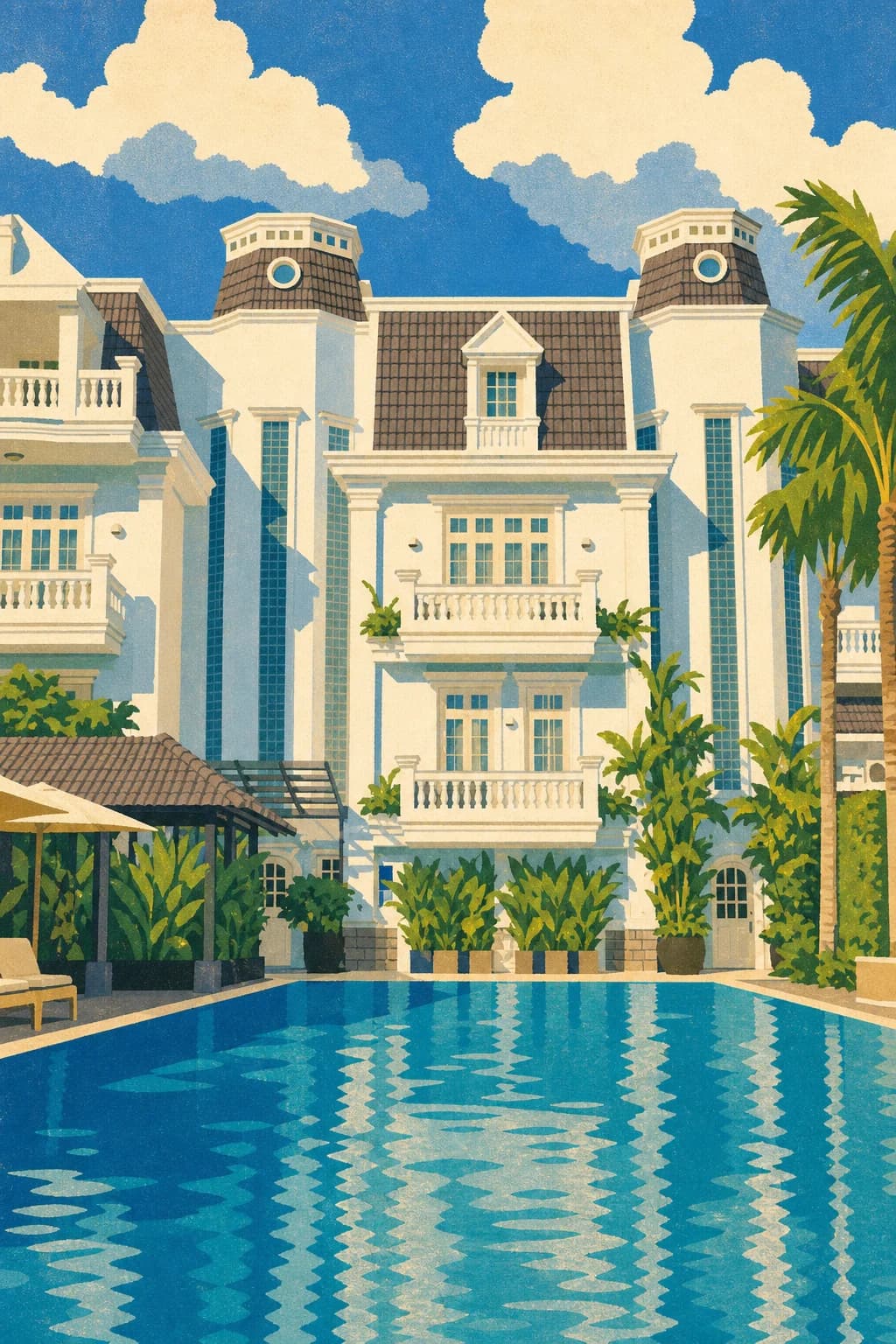
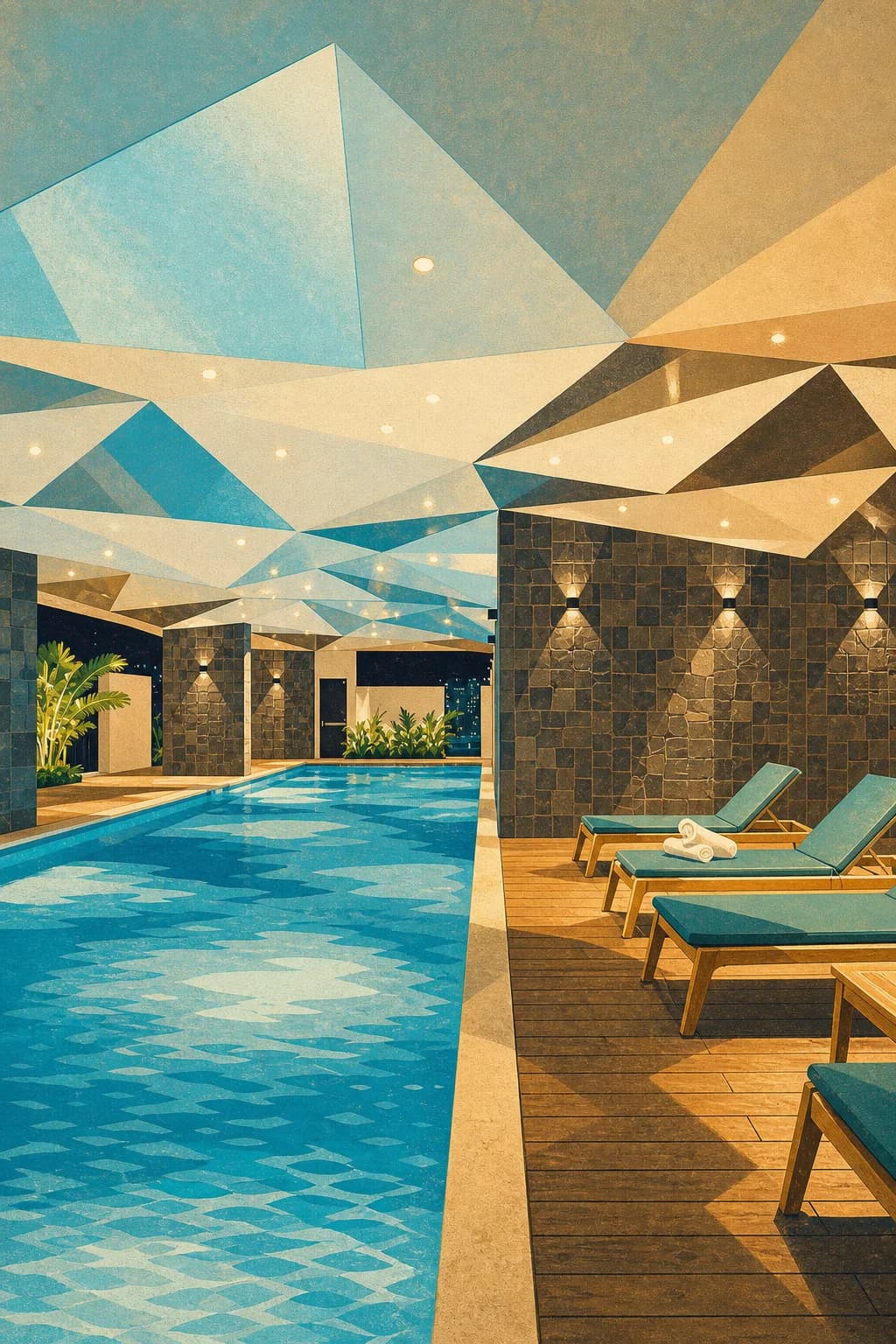
Inside, lacquerware and silk soften the neoclassical bones, and a palm-shaded courtyard hides a 20 metre pool most guests do not expect in the city centre. The food is the quiet flex: Opera turns out proper trattoria Italian, while Square One plays Vietnamese and grilled Western dishes to a room of regulars. Service is the old-school kind that remembers your name by day two. It draws a steady, in-the-know crowd, which keeps the calendar busier than the modest room count suggests.
changed.
Saigon's demand curve is blunt, and reading it before you book is the difference between the room you wanted and whatever's left. Four months — December through March — sit at the top for a reason: this is the only stretch when the city's heat arrives without the daily monsoon, and it overlaps with Tet, the Lunar New Year that pulls the entire country into motion at once.
December through March is peak, and it fills from the top down. The dry season delivers the conditions everyone wants, which is exactly why the good room categories close first. For the central design hotels or a small Thao Dien boutique in this window, treat four to eight weeks of lead time as your floor and book the better categories immediately.
Tet itself deserves its own strategy. Falling in late January or February, it is the single busiest booking moment of the year — and the strangest on the ground. Many family-run restaurants and shops shut for several days as locals return to their hometowns, and the normally relentless traffic thins to something almost calm. Plan around the closures and it's fascinating; ignore them and it's frustrating.
The shoulders are where the value hides. April and November carry high but not peak demand, buying you dry-season conditions without the Tet surcharge — the sweet spot repeat visitors quietly aim for. This is the window that rewards travelers who know the calendar without paying for the crowd.
September and October are the easiest months of the year to walk into the room you actually wanted: warm, green, quiet, and roughly half the demand of peak.
The long wet season, May through October, cuts demand by about half. Rates and booking friction fall with it. The rain is real but rarely a washout — it arrives as heavy afternoon downpours that clear within an hour or two, leaving mornings and evenings open. There is no closed season in Saigon and no month the city stops working; what changes is the math of getting a bed. Plan the peak months like a competition, the shoulders like a gift, and let the wet season carry the trips where flexibility matters more than sunshine.
approach.
briefing.
“Brilliant 5-star hotel slap bang in the middle of downtown Saigon. A modern hotel with French colonial-inspired interiors.”
stands.
demand's going.
The real Instagram following over time, plus where this hotel sits for demand in Ho Chi Minh City. Pick a range, toggle the lines. Followers are reach and demand, not engagement.
assessment.
File closes at ACCESSIBLE. A central colonial landmark with a hidden garden pool and a kitchen locals rate, priced for reach rather than exclusivity. Book it if you want walkable Saigon with old-world calm; skip it if you need the newest, glassiest room in town.
The numbers behind the tiers
Park Hyatt Saigon · SOURCE READINGS · REDACTED- Availability density · sampled
- Monthly search volume · raw
- TikTok hashtag views · raw
- YouTube total views · raw
- TikTok following · latest sweep
- Pinterest saves · latest sweep
More from Ho Chi Minh City.
Get the hotel's Unbookable Score.
Any post or reel with a hotel in it. Booking.com hotel pages work too. One free check, no account needed.