Jungle Keva Tulum
Villa Lodges & Venue.
4 critic reviews
filed.
The architecture press was not wrong. Jungle Keva is genuinely one of the best small buildings in Tulum, and the trees-first brief produced something rare. What the coverage never mentioned is that the operation has always been small enough to feel fragile, which is why the current for-sale listing isn't as surprising as it sounds.
Most guests never realise that the same architect built Naboa just up the road and that booking the two properties back to back is effectively a Jaque Studio tour. Stay two nights at Jungle Keva, two at Naboa, and you've seen the clearest design arc in the inland Tulum scene.
angles.
Jaque Studio And The Jungle
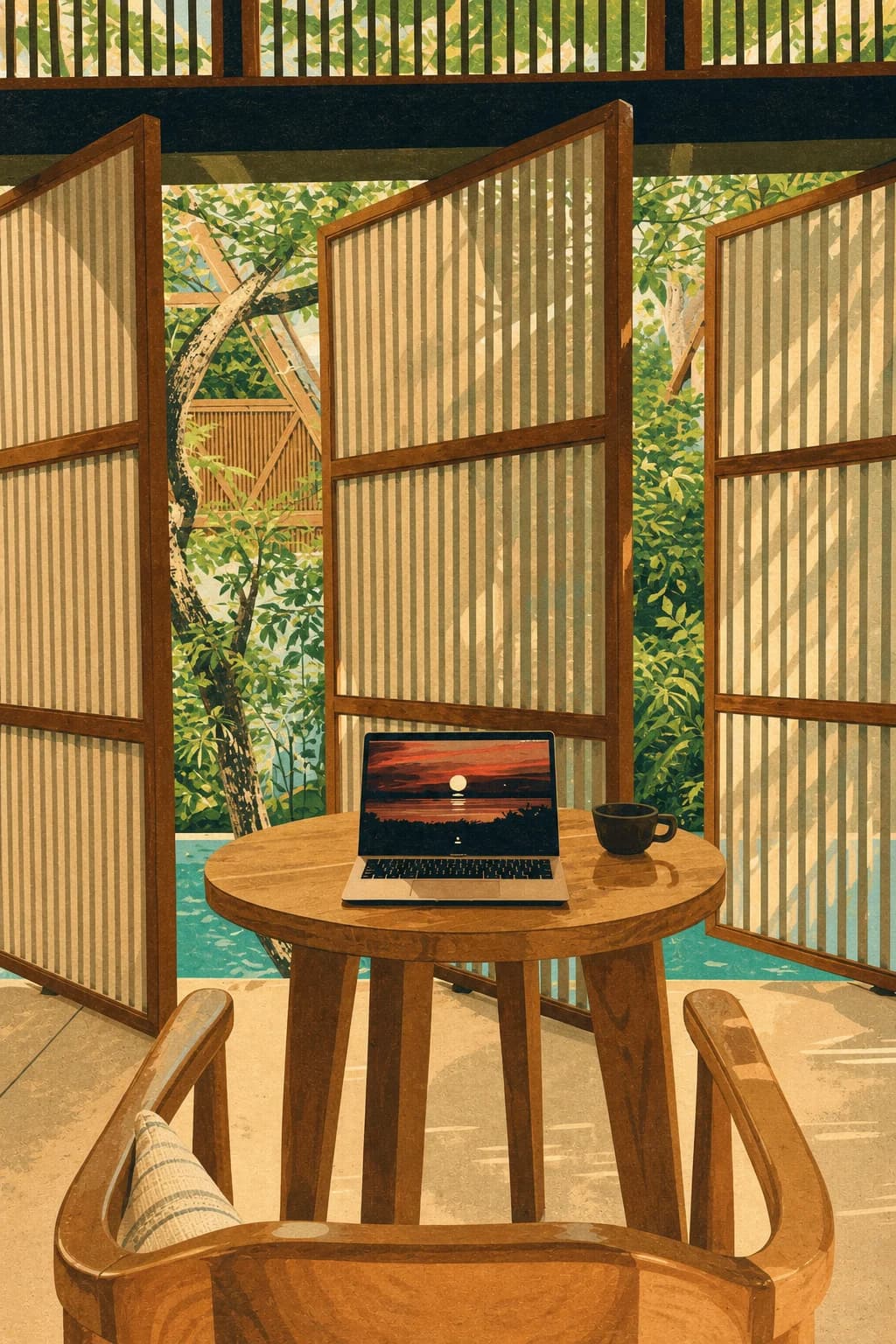
Jaque Studio's work shows up twice in inland Tulum: here and at Naboa, which the same architect scaled up a few years later. The Jungle Keva version is the original experiment, and the press loved it because the building genuinely disappears into the canopy. Palm fronds touch the roof, peaked glass walls frame individual trees. You can tell a photographer designed the sightlines.
Only Five Lodges
Five 50-square-metre lodges is almost unheard of for a property with this much press coverage. You can book the entire compound for a family or a small wedding, which is one of the ways it actually makes money. On a normal night, you'll cross paths with maybe one other couple at breakfast and nobody at the pool. The scale is the point.
Listed For Sale
The property is on the market via The Agency, which creates a genuine booking question: what does the experience look like after a sale? Current reviews reflect the original operating team. If ownership changes mid-stay window, the soft parts of a hotel (service, food, attention to detail) tend to wobble before they stabilise. Factor that into your booking lead time.
talk.
mapped.
“Jungle Keva comprises five guest lodges dotted throughout a tree-filled plot of land fostering the same atmosphere of being in a small village in the Mayan jungle, designed by Jaque Studio.”
record.
The architect is Jaque Studio (Jesús Acosta), whose brief was to keep 70% of the existing vegetation and build around it.
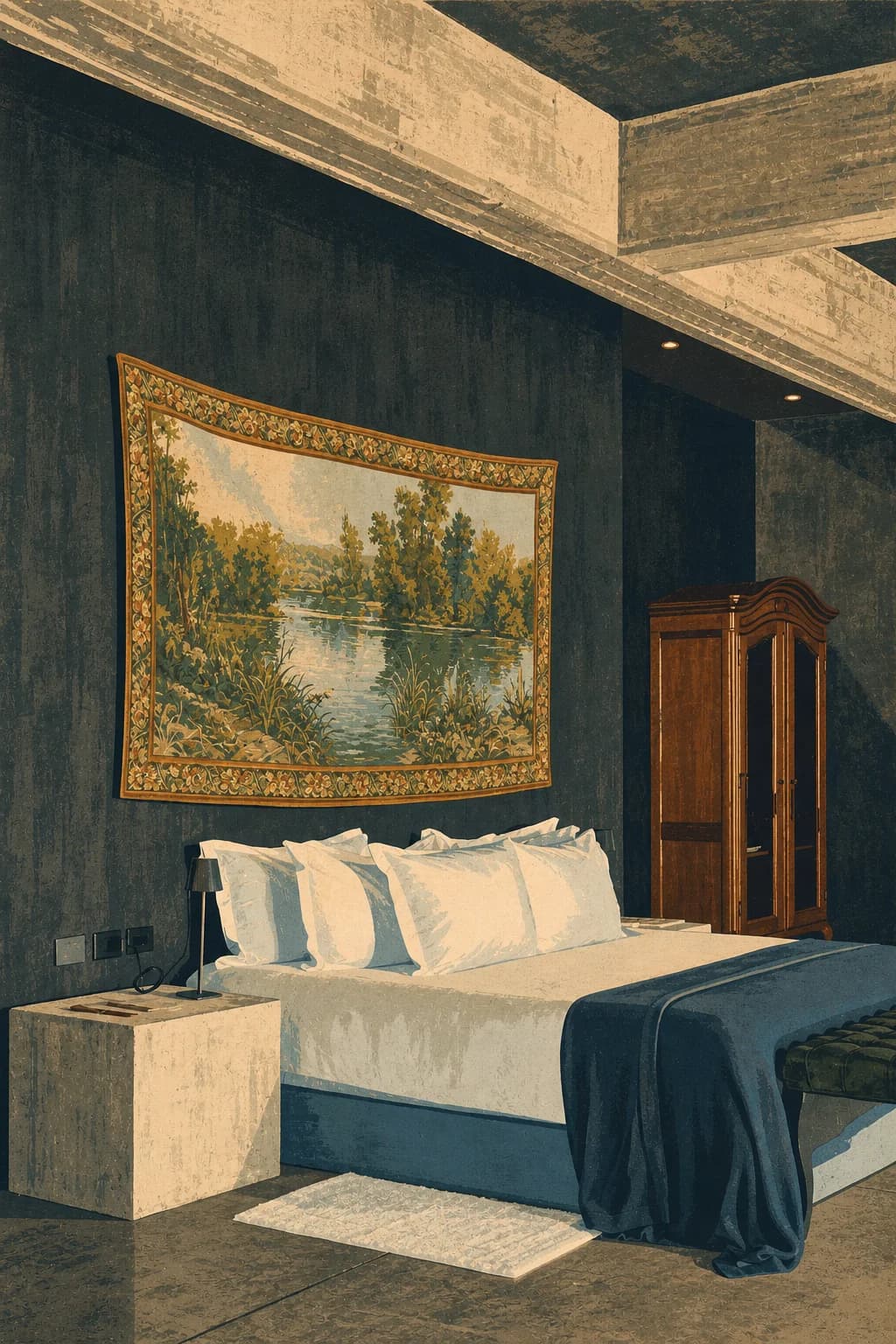
The result is palm-leaf ceilings, peaked floor-to-ceiling windows, local wood, and chukum stucco, on a La Veleta plot where the trees are genuinely older than the building. Each lodge is 50 square metres, which is generous for Tulum at this price band. Booking.com gives it 9.0 from 82 reviews. The complication is that the property is currently listed for sale via The Agency RE Riviera Maya, which means anything about ownership or service after the transaction date is uncertain.
changed.
December through March peaks. November is the value window. Avoid September: sargassum and hurricane risk peak together.
Tulum runs on three overlapping forces — weather, crowd density, and sargassum seaweed — and misreading any one of them can wreck a trip. That triangulation matters more here than at almost any other Caribbean destination.
December through March is peak season, and it earns the title. Humidity drops, rain turns rare, and the Caribbean hits its clearest. December carries maximum demand on Christmas and New Year's pricing, while January through March hold steady before a March Spring Break surge fills South Beach Zone properties weeks out. For Ultra or Very High tier properties that book direct only, plan 60 to 90 days ahead — Nomade and Hotel Esencia both manage their own reservations and sell out specific room categories well before arrival.
April is the bridge. Easter and Semana Santa bring a final demand spike, driven largely by Mexican domestic travelers. Once that holiday window closes, both rates and crowds ease.
May through November is where the trade-offs live. Hurricane season officially runs June 1 through November 30, but statistical risk concentrates in September and October, with September carrying a 15 to 20% probability of tropical cyclone activity. June also opens the worst sargassum stretch: the floating brown algae, carried by Atlantic currents, piles onto Tulum's east-facing beaches from roughly May through October, peaking in July and August. Tulum's open coastline orientation means it catches more than Cancun or Playa del Carmen, and University of South Florida forecasts suggest 2026 could be among the heaviest sargassum years on record for the Mexican Caribbean.
Hotels with dedicated beach cleanup crews manage the situation daily; properties without them can have significant accumulation.
September is the genuine low point. Demand bottoms out, hurricane risk peaks, sargassum lingers, and some smaller properties cut hours or close for maintenance. October begins a slow recovery, with Day of the Dead at month's end marking the cultural pivot back toward high season. November is a legitimate value window: sargassum fades, hurricane odds drop sharply, and pricing hasn't yet climbed to December levels.
approach.
briefing.
“Built with a mindful concept of sustainability, the hotel plotted its site carefully in order to preserve the vegetation around it, allowing the building and habitat to coexist.”
stands.
demand's going.
The real Instagram following over time, plus where this hotel sits for demand in Tulum. Pick a range, toggle the lines. Followers are reach and demand, not engagement.
assessment.
File closes at HIGH. Book direct two to three months out and confirm in writing while ownership transitions. Skip if continuity matters; watch the email domain for the first sign of a system change.
The numbers behind the tiers
Jungle Keva Tulum Villa Lodges & Venue · SOURCE READINGS · REDACTED- Availability density · sampled
- Monthly search volume · raw
- TikTok hashtag views · raw
- YouTube total views · raw
- TikTok following · latest sweep
- Pinterest saves · latest sweep
More from Tulum.




Get the hotel's Unbookable Score.
Any post or reel with a hotel in it. Booking.com hotel pages work too. One free check, no account needed.