Babel
Tulum.
5 critic reviews
filed.
The architecture press got it right: Babel is genuinely one of the strongest new buildings in the Riviera Maya. What the coverage misses is that you're booking a residence, not a hotel, and the inconsistency across units is real. Book for the building, not the service.
The vegetarian restaurant is open to non-guests on a reservation basis and almost nobody knows, so you can walk in for dinner with a two-day booking window even when the hotel itself is sold out. It's the easiest way to see the courtyard without committing to a stay.
angles.
The Pink Chukum Plan
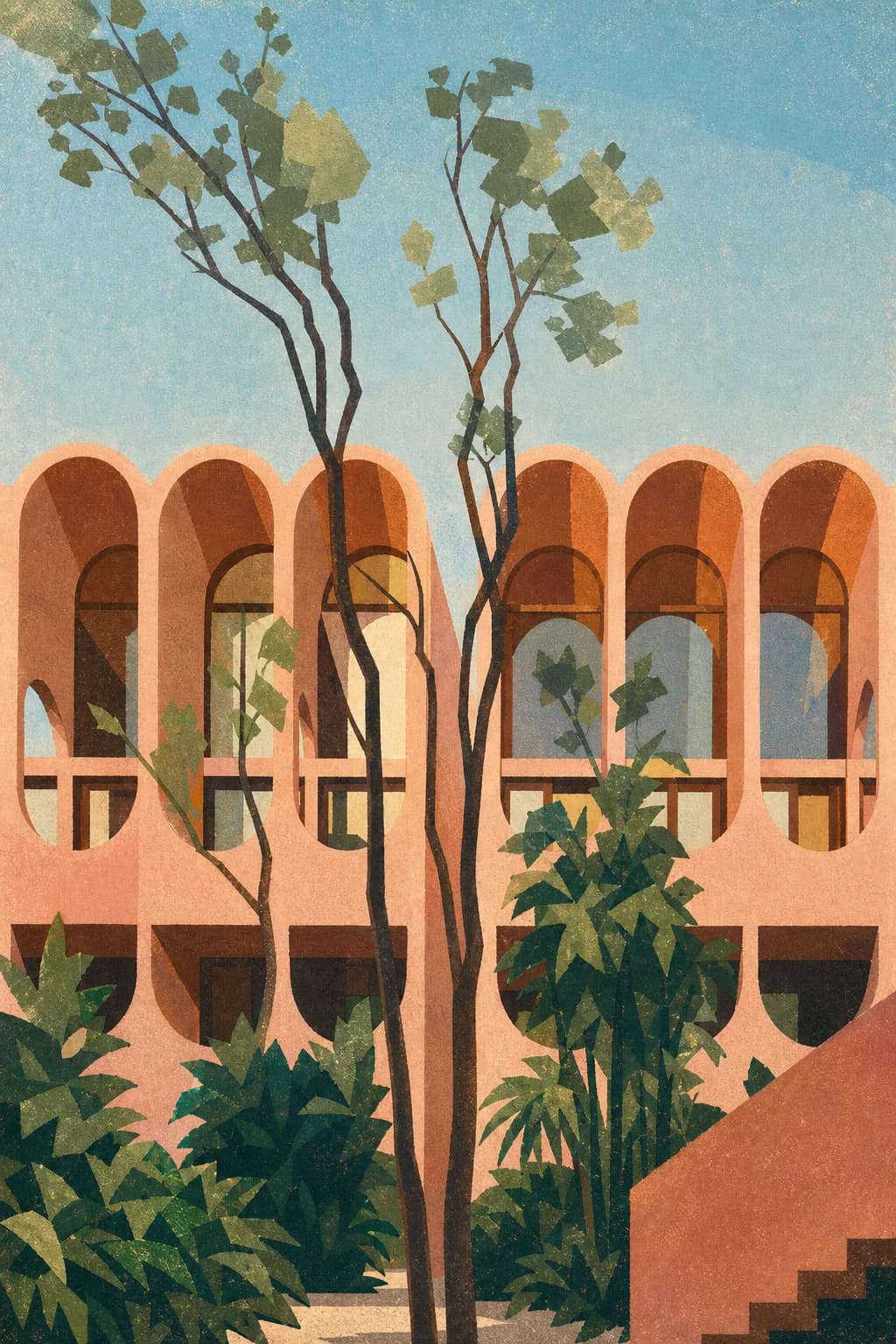
Chukum is a traditional Mayan lime-based stucco; V Taller tinted theirs rose pink and wrapped the entire complex in it. The vaults repeat across the three levels, the arches reference Yucatán hacienda architecture, and every surface catches the La Veleta light differently through the day. It photographs well and lives even better in person.
Wellness That Isn't Decorative
The ASMR room comes with a sleep concierge who builds playlists to your preferences; the herbal steam uses local botanicals from the Yucatán peninsula; the vegetarian restaurant runs a set menu that changes with what the kitchen garden produces. Most Tulum wellness is Instagram set-dressing. Babel's is closer to the real thing.
La Veleta Over The Beach Road
Staying in La Veleta puts you a 10-minute drive from the beach but inside a grid of restaurants, cafes, and small galleries that the Hotel Zone can't offer. You can walk to dinner, which is almost unheard of in beachfront Tulum, and you avoid the 10pm Sian Ka'an power cutoffs that still affect the southern end of the beach road.
talk.
mapped.
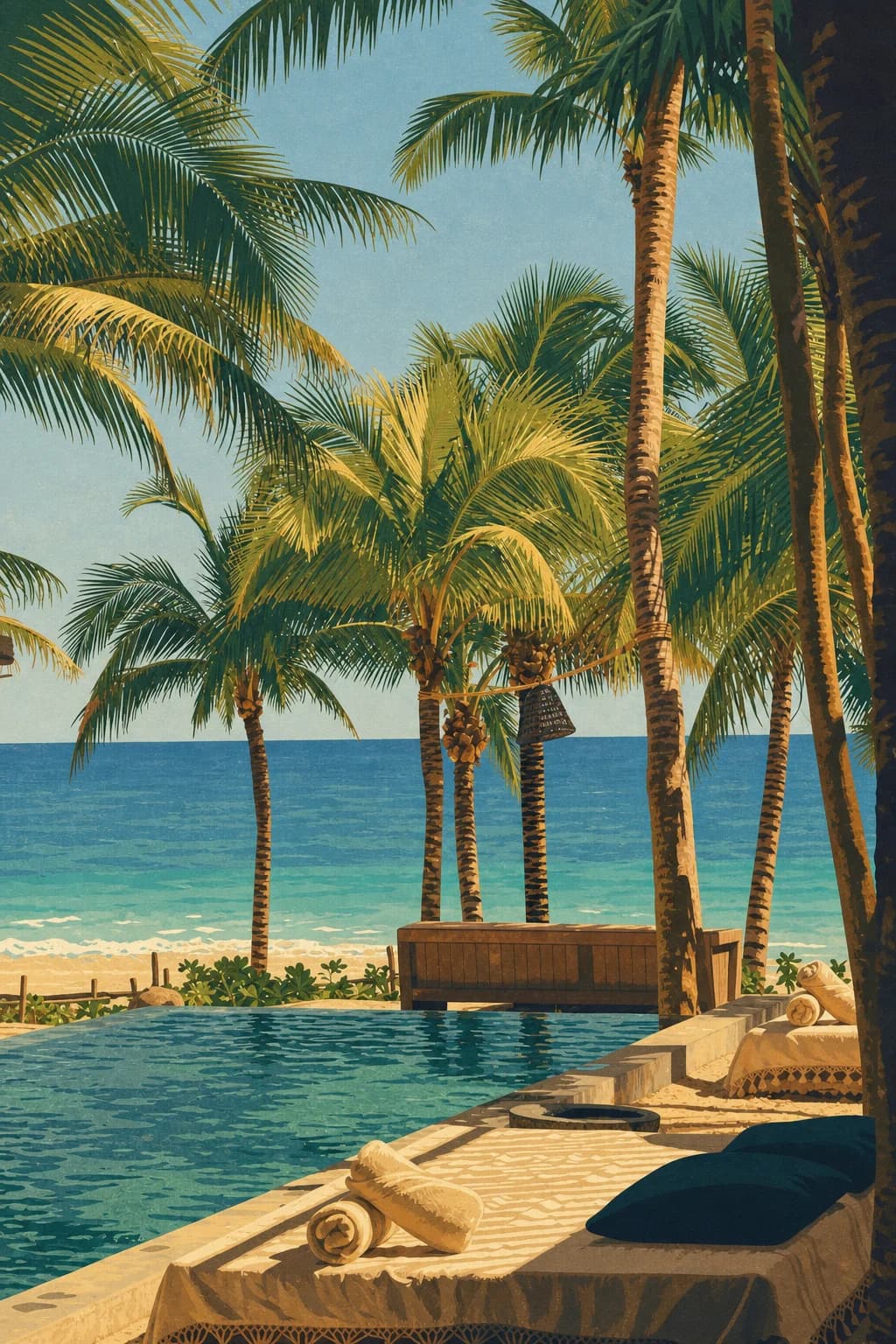
“A 59-unit vacation residence complex designed with pale pink plaster mimicking chukum, a Mayan building material, creating a mindful getaway with distinctive wellness amenities.”
record.
It's the work of Mexican studio V Taller (Miguel Valverde and Daniel Villanueva), who wrapped 59 vaulted units in pink chukum stucco around a central tower that references the mythical Tower of Babel.
The plan is eye-shaped, with an elliptical courtyard at the centre, and the verticality cuts ground footprint by roughly 40% versus a conventional horizontal layout. Wellness runs deep: meditation altar, yoga studio, an ASMR room paired with a sleep concierge, herbal steam, a vegetarian restaurant. It's a condo-hotel hybrid, which means some units are investor-owned and rotate through the booking system, which is why sold-out alerts are routine despite 59 keys.
changed.
December through March peaks. November is the value window. Avoid September: sargassum and hurricane risk peak together.
Tulum runs on three overlapping forces — weather, crowd density, and sargassum seaweed — and misreading any one of them can wreck a trip. That triangulation matters more here than at almost any other Caribbean destination.
December through March is peak season, and it earns the title. Humidity drops, rain turns rare, and the Caribbean hits its clearest. December carries maximum demand on Christmas and New Year's pricing, while January through March hold steady before a March Spring Break surge fills South Beach Zone properties weeks out. For Ultra or Very High tier properties that book direct only, plan 60 to 90 days ahead — Nomade and Hotel Esencia both manage their own reservations and sell out specific room categories well before arrival.
April is the bridge. Easter and Semana Santa bring a final demand spike, driven largely by Mexican domestic travelers. Once that holiday window closes, both rates and crowds ease.
May through November is where the trade-offs live. Hurricane season officially runs June 1 through November 30, but statistical risk concentrates in September and October, with September carrying a 15 to 20% probability of tropical cyclone activity. June also opens the worst sargassum stretch: the floating brown algae, carried by Atlantic currents, piles onto Tulum's east-facing beaches from roughly May through October, peaking in July and August. Tulum's open coastline orientation means it catches more than Cancun or Playa del Carmen, and University of South Florida forecasts suggest 2026 could be among the heaviest sargassum years on record for the Mexican Caribbean.
Hotels with dedicated beach cleanup crews manage the situation daily; properties without them can have significant accumulation.
September is the genuine low point. Demand bottoms out, hurricane risk peaks, sargassum lingers, and some smaller properties cut hours or close for maintenance. October begins a slow recovery, with Day of the Dead at month's end marking the cultural pivot back toward high season. November is a legitimate value window: sargassum fades, hurricane odds drop sharply, and pricing hasn't yet climbed to December levels.
approach.
briefing.
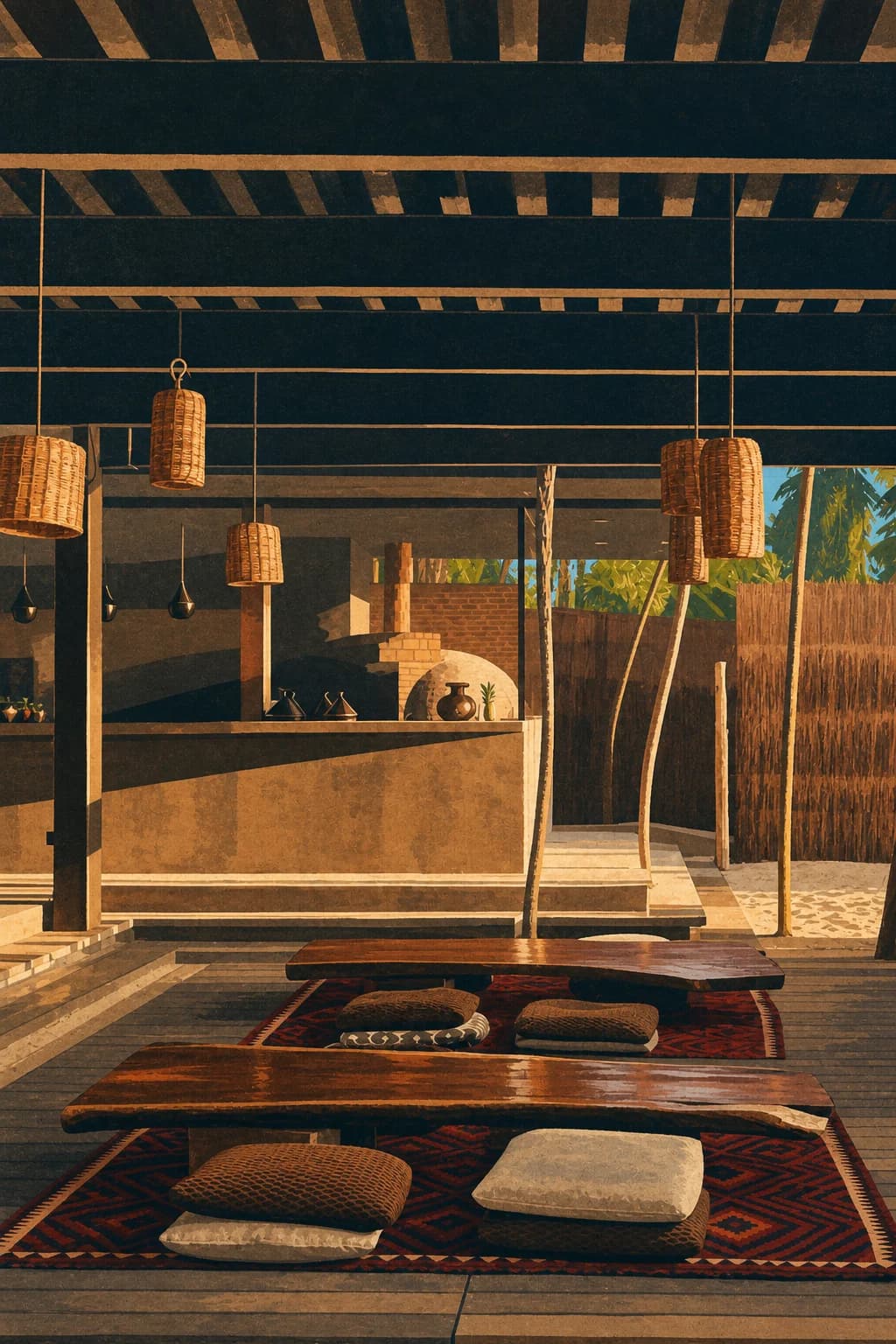
“A holiday apartment complex offering wellness amid the tranquil curves of its immersive architecture featuring soft curves and an organic colour palette throughout the site.”
stands.
demand's going.
The real Instagram following over time, plus where this hotel sits for demand in Tulum. Pick a range, toggle the lines. Followers are reach and demand, not engagement.
assessment.
File closes at MODERATE. Book direct three to four months out for December through February windows. Skip if predictable hotel inventory matters; the condo-hotel rotation makes availability genuinely unpredictable.
The numbers behind the tiers
Babel Tulum · SOURCE READINGS · REDACTED- Availability density · sampled
- Monthly search volume · raw
- TikTok hashtag views · raw
- YouTube total views · raw
- TikTok following · latest sweep
- Pinterest saves · latest sweep
More from Tulum.





Get the hotel's Unbookable Score.
Any post or reel with a hotel in it. Booking.com hotel pages work too. One free check, no account needed.