Wakax Hacienda
(SLH).
6 critic reviews
filed.
The MICHELIN Keys and the SLH pedigree are fully earned; critic coverage here is not a press package, it is a real assessment. What the hype buries is the practical implication of being 25 minutes inland, which is either your dream or your dealbreaker depending on why you came to Tulum in the first place.
The underground river tour, included in the stay, almost never makes it into reviews. It runs for about 45 minutes between two of the cenotes on the estate and involves floating on a life jacket through low-ceilinged passages. Ask for a sunrise slot; the light coming through the collapsed sections is the photo nobody on Instagram has seen yet.
angles.
Three Private Cenotes
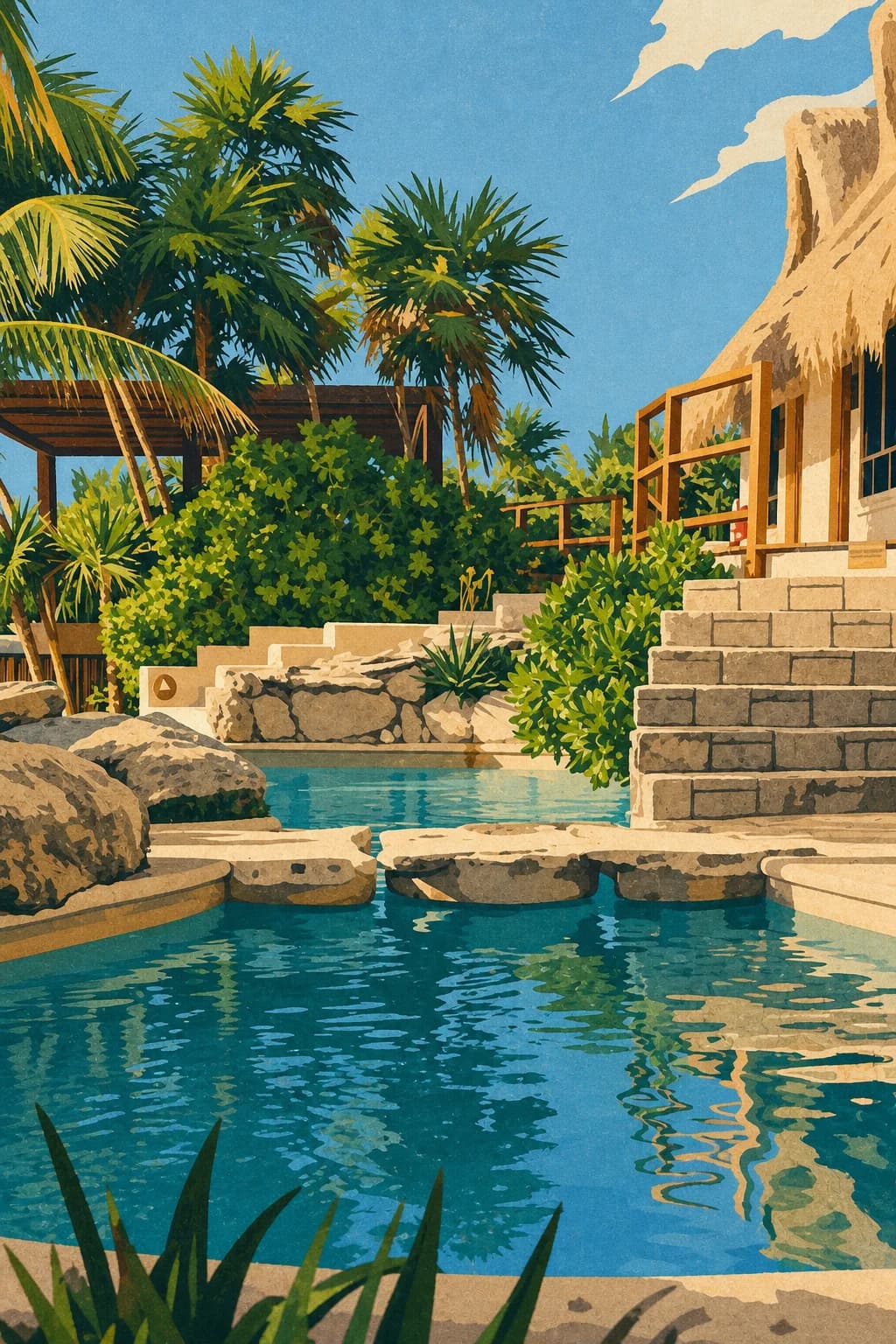
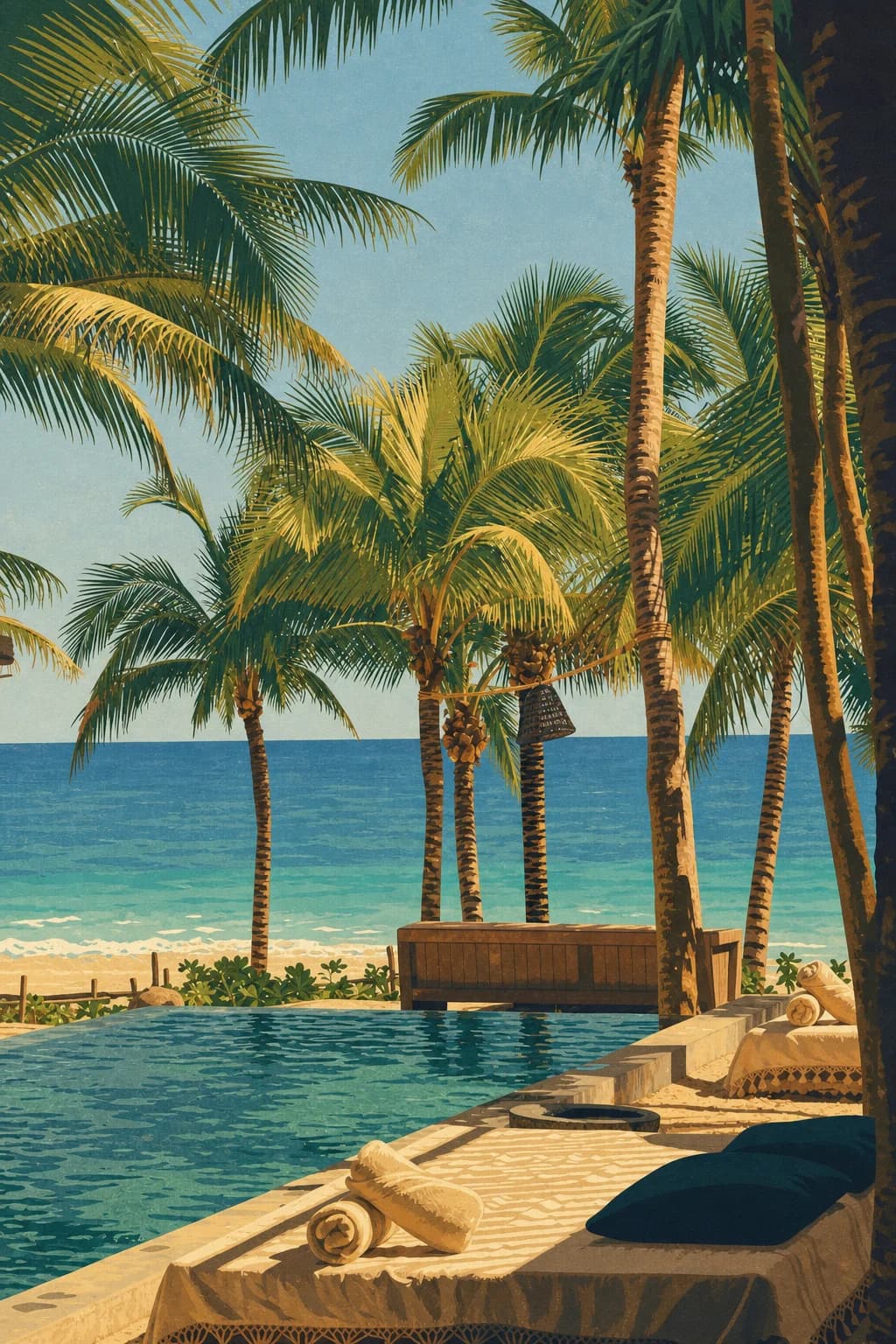
Hotel guests have exclusive access to three fresh-water cenotes on the property, plus a lagoon and an underground river. Paddleboarding, kayaking, and early-morning swims are included. Unlike public cenotes where you queue behind Cancun day-trippers, these are quiet at 7am and guided at sunset. The geology is the single best reason to book.
Eighteenth-Century Layout
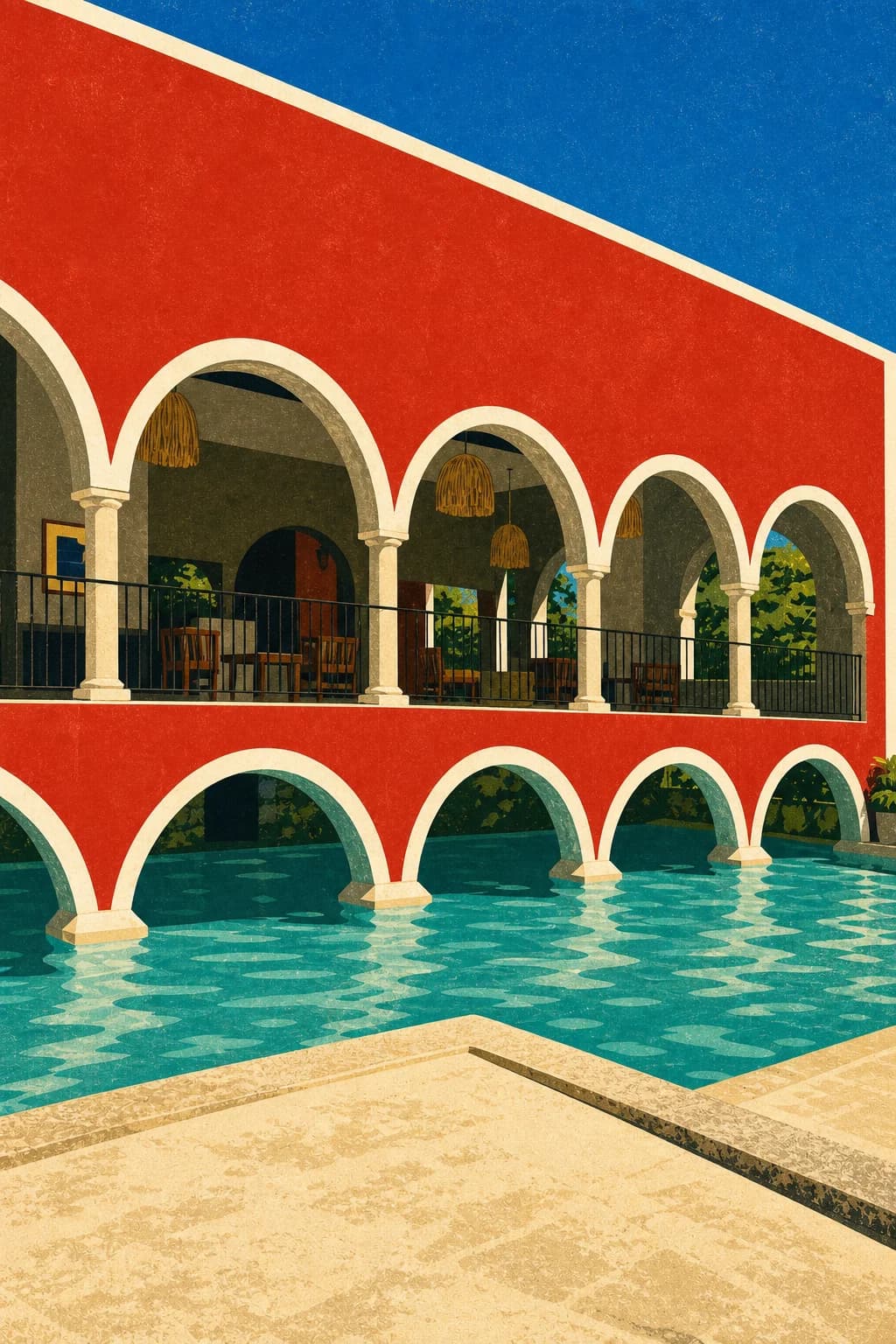
Wakax is modelled after a working hacienda from the colonial era. The central plaza, the colonnades, and the functioning chapel are not decorative filler; they are the spatial grammar of the stay. Rooms sit at the edge of the plaza with Scandinavian-minimalist interiors, which is a cleaner marriage of Spanish colonial shell and modern comfort than the Tulum beach hotels manage.
El Cocal and the Lagoon
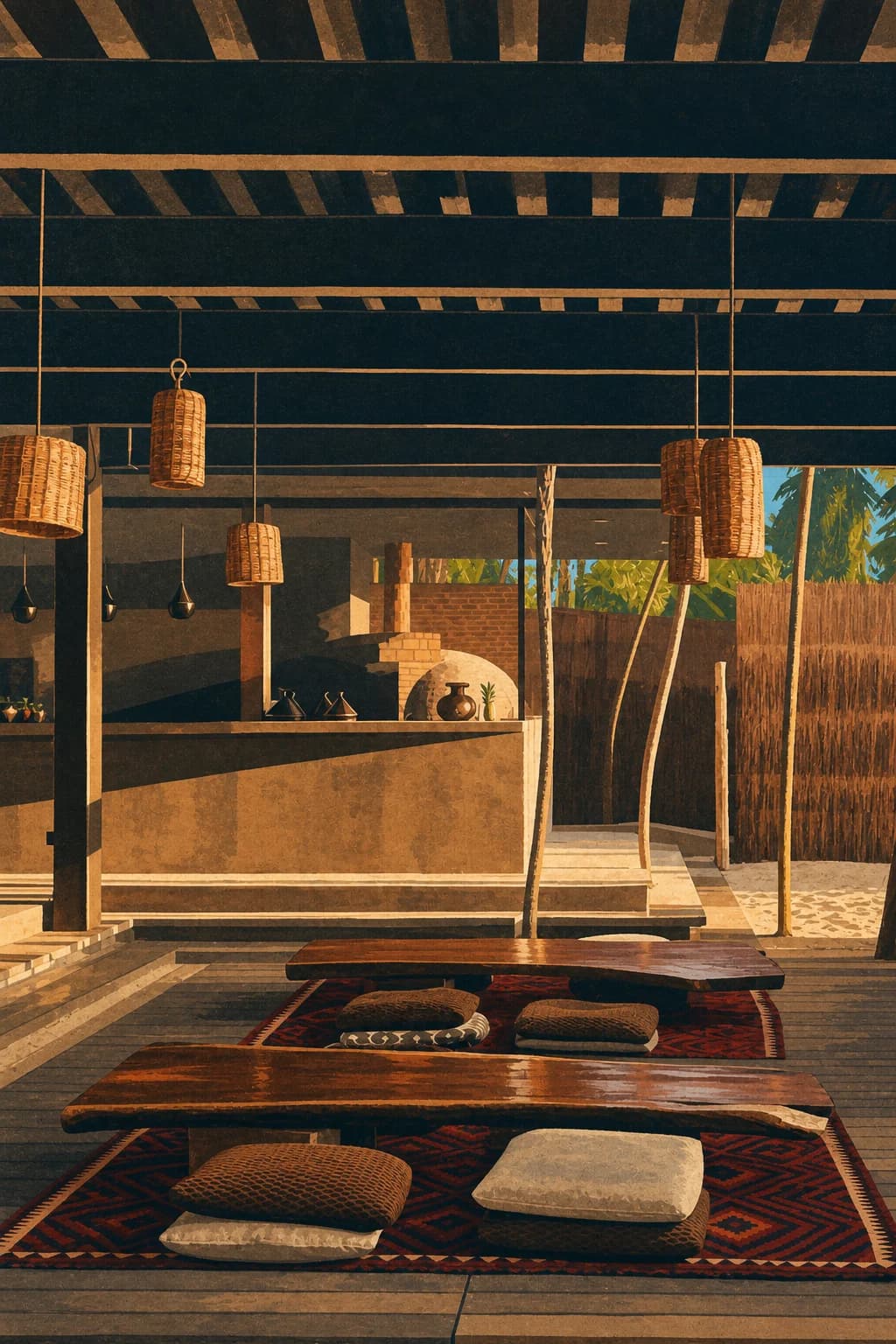
El Cocal restaurant overlooks the emerald lagoon and leans into produce grown on the estate. The cooking is regional Yucatecan with cleaner techniques than most Tulum beach kitchens attempt. Breakfast on the lagoon deck, with cenote swims in between courses, is the main case for staying a full day at the hacienda rather than renting a car for day trips.
talk.
mapped.
“Mexican jungle and Mayan ruins circle this picture-perfect hacienda with sweeping colonnades, a central plaza, palatial rooms with a private chapel, and an emerald lagoon centerpiece.”
record.
Built around 2021-2022 on a 160-hectare jungle estate, the layout borrows from an 18th-century Yucatecan hacienda: colonnades, central plaza, consecrated chapel, 48 rooms across nine categories. Three private cenotes, an emerald lagoon, and an underground river anchor the grounds.
It is an SLH member, listed on Mr & Mrs Smith, and bookable through Hilton Honors. El Cocal restaurant overlooks the lagoon. Complimentary bike tours, cenote tours, and temazcal ceremonies. Booking.com rates it 9.3 for couples. Critic coverage is among the strongest in the whole destination; the property mostly flies under the Instagram radar because it is not beachfront.
changed.
December through March peaks. November is the value window. Avoid September: sargassum and hurricane risk peak together.
Tulum runs on three overlapping forces — weather, crowd density, and sargassum seaweed — and misreading any one of them can wreck a trip. That triangulation matters more here than at almost any other Caribbean destination.
December through March is peak season, and it earns the title. Humidity drops, rain turns rare, and the Caribbean hits its clearest. December carries maximum demand on Christmas and New Year's pricing, while January through March hold steady before a March Spring Break surge fills South Beach Zone properties weeks out. For Ultra or Very High tier properties that book direct only, plan 60 to 90 days ahead — Nomade and Hotel Esencia both manage their own reservations and sell out specific room categories well before arrival.
April is the bridge. Easter and Semana Santa bring a final demand spike, driven largely by Mexican domestic travelers. Once that holiday window closes, both rates and crowds ease.
May through November is where the trade-offs live. Hurricane season officially runs June 1 through November 30, but statistical risk concentrates in September and October, with September carrying a 15 to 20% probability of tropical cyclone activity. June also opens the worst sargassum stretch: the floating brown algae, carried by Atlantic currents, piles onto Tulum's east-facing beaches from roughly May through October, peaking in July and August. Tulum's open coastline orientation means it catches more than Cancun or Playa del Carmen, and University of South Florida forecasts suggest 2026 could be among the heaviest sargassum years on record for the Mexican Caribbean.
Hotels with dedicated beach cleanup crews manage the situation daily; properties without them can have significant accumulation.
September is the genuine low point. Demand bottoms out, hurricane risk peaks, sargassum lingers, and some smaller properties cut hours or close for maintenance. October begins a slow recovery, with Day of the Dead at month's end marking the cultural pivot back toward high season. November is a legitimate value window: sargassum fades, hurricane odds drop sharply, and pricing hasn't yet climbed to December levels.
approach.
briefing.
“Marrying together every rustic element of the jungle with a chic, modern twist, Kanan Hotel is a marvel of interior design and architecture. Guests are met with a hidden tunnel entrance.”
stands.
demand's going.
The real Instagram following over time, plus where this hotel sits for demand in Tulum. Pick a range, toggle the lines. Followers are reach and demand, not engagement.
assessment.
File closes at MODERATE. Book two to four months out via SLH or Hilton Honors and stack a free-night certificate. Skip the entry rooms; you lose the plunge-pool geology that makes the category worth it.
The numbers behind the tiers
Wakax Hacienda (SLH) · SOURCE READINGS · REDACTED- Availability density · sampled
- Monthly search volume · raw
- TikTok hashtag views · raw
- YouTube total views · raw
- TikTok following · latest sweep
- Pinterest saves · latest sweep
More from Tulum.





Get the hotel's Unbookable Score.
Any post or reel with a hotel in it. Booking.com hotel pages work too. One free check, no account needed.