The Yellow
Nest.
6 critic reviews
filed.
The hype gets the cenotes and the photography right; the jungle houses really do feel like a set piece. What it misses is that you are making a deliberate trade against beach access, which is fine if cenotes are your priority and a mistake if they are not.
The on-site sauna is a low-key wellness standout that almost no reviewers mention. Paired with an early-morning cenote dip, it is the closest thing Tulum offers to a contrast-bath ritual in the forest. Ask the spa team to schedule it before 9am, before the day warms up.
angles.
Cenote-Fed Plunge Pools
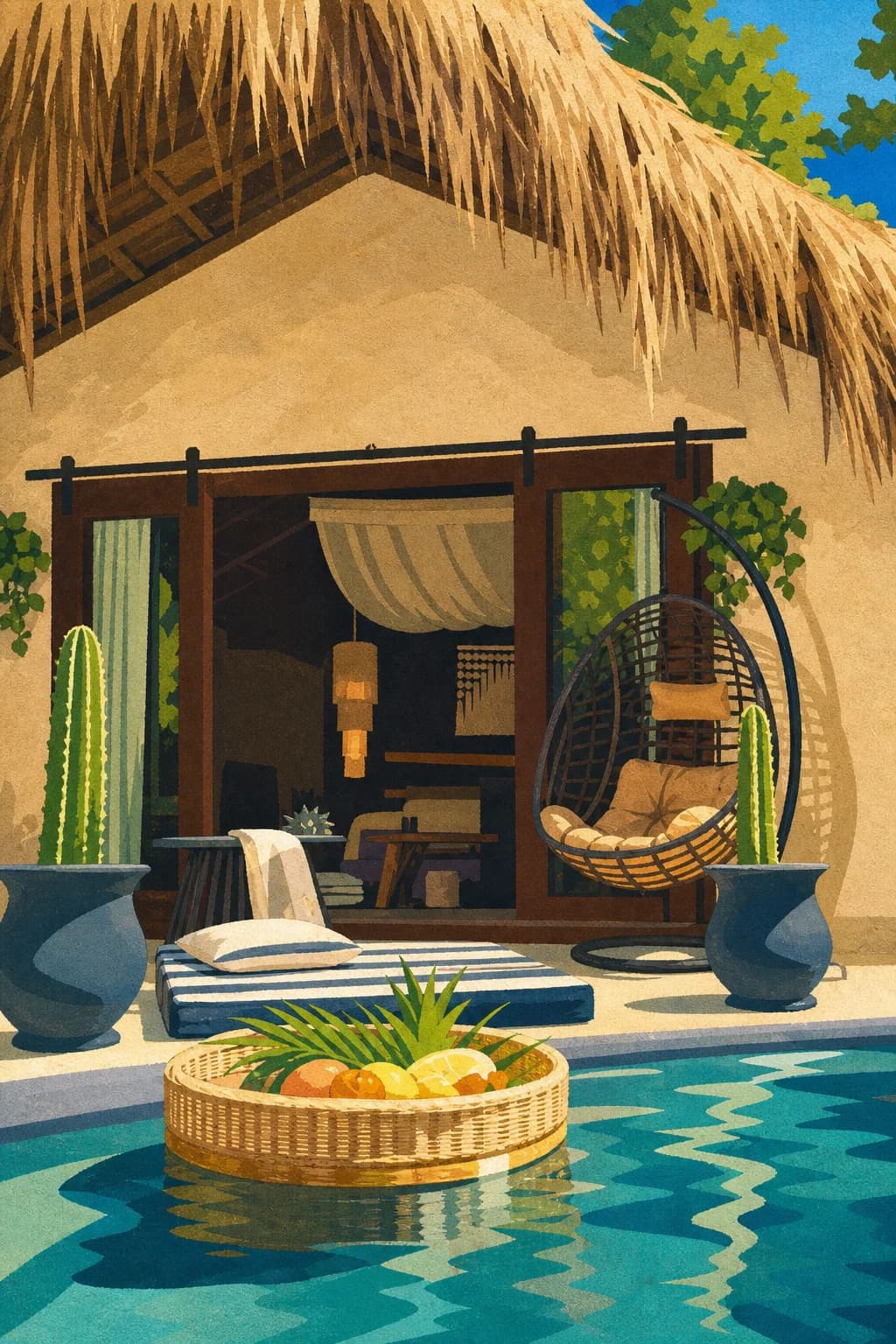
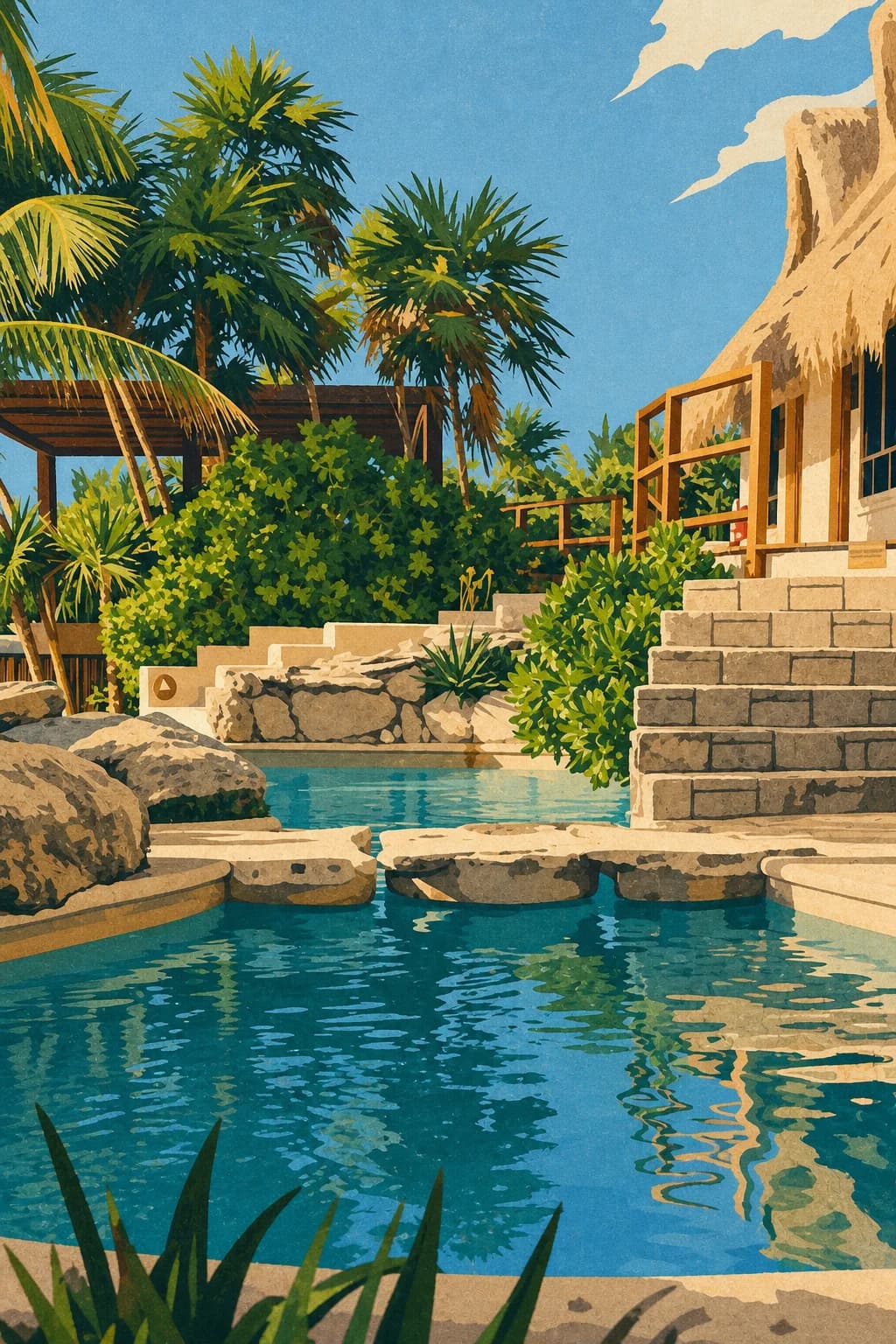
Each of the 20 houses pairs a private terrace with a plunge pool fed by the same underground water system that feeds Dos Ojos. The water is cold, clear, and unchlorinated in the pools that tap the cenote directly. Combined with the Mayan-style palapa roofs and the forest canopy, it is as close as paid lodging gets to waking up inside a cenote park.
Dos Ojos On Your Doorstep
Cenote Dos Ojos is a five-minute drive and you can beat the day-trip crowds by arriving before 9am. Gran Cenote, Cenote Calavera, and Car Wash are all within 15 minutes. For anyone planning Tulum primarily around cenote snorkelling or cave diving, this is the most practical address in the area. The beach is a 10-minute drive if you want it.
Elopement Territory
The Yellow Nest markets itself heavily to couples planning intimate weddings and elopements, which is why the garden and chapel areas are kept camera-ready year-round. Expect to share the property with a photoshoot or a small ceremony during high season. If that is not your thing, ask when you book; if it is your thing, they will quote you a full buyout.
talk.
mapped.
“This is the place to stay for those who want to embrace Tulum's eco-conscious, healthy lifestyle, with vinyasa yoga sessions, fresh smoothies, and house-made organic bath products.”
record.
It is a 20-room jungle lodge built inside the Parque Dos Ojos land, about six kilometres inland from the Tankah coast and a short drive from one of the most famous cave-diving cenotes in the world.
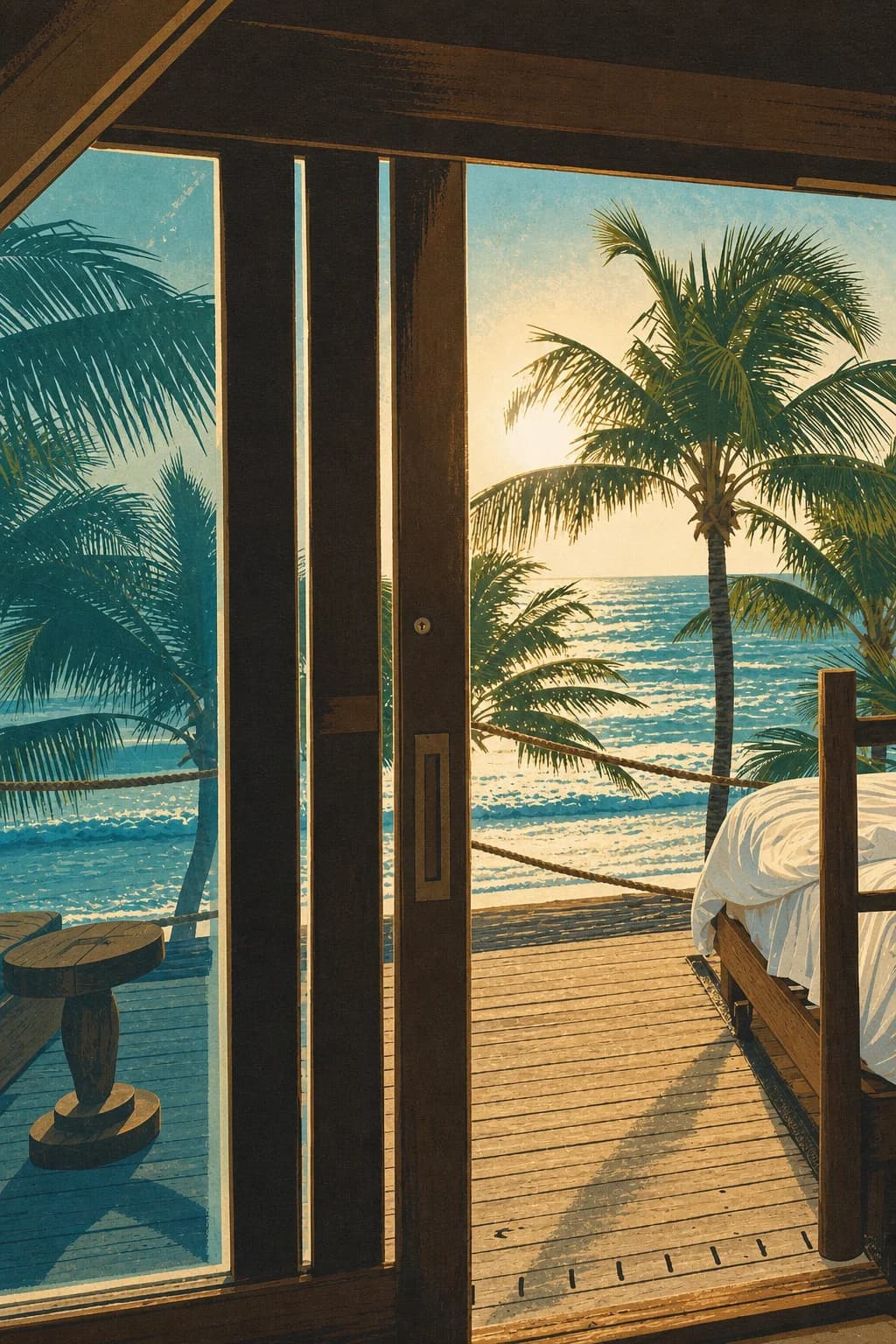
Rooms are freestanding Mayan-style houses with private terraces, cenote-fed plunge pools, a full American breakfast, an outdoor pool, a spa, a sauna, and daily yoga on the deck. There is no beach and there is no beach road; the selling point is the forest, the quiet, and the cenotes. Expedia guests rate it 9.6. Press coverage is almost nonexistent, which is why bookings move on feel rather than headlines.
changed.
December through March peaks. November is the value window. Avoid September: sargassum and hurricane risk peak together.
Tulum runs on three overlapping forces — weather, crowd density, and sargassum seaweed — and misreading any one of them can wreck a trip. That triangulation matters more here than at almost any other Caribbean destination.
December through March is peak season, and it earns the title. Humidity drops, rain turns rare, and the Caribbean hits its clearest. December carries maximum demand on Christmas and New Year's pricing, while January through March hold steady before a March Spring Break surge fills South Beach Zone properties weeks out. For Ultra or Very High tier properties that book direct only, plan 60 to 90 days ahead — Nomade and Hotel Esencia both manage their own reservations and sell out specific room categories well before arrival.
April is the bridge. Easter and Semana Santa bring a final demand spike, driven largely by Mexican domestic travelers. Once that holiday window closes, both rates and crowds ease.
May through November is where the trade-offs live. Hurricane season officially runs June 1 through November 30, but statistical risk concentrates in September and October, with September carrying a 15 to 20% probability of tropical cyclone activity. June also opens the worst sargassum stretch: the floating brown algae, carried by Atlantic currents, piles onto Tulum's east-facing beaches from roughly May through October, peaking in July and August. Tulum's open coastline orientation means it catches more than Cancun or Playa del Carmen, and University of South Florida forecasts suggest 2026 could be among the heaviest sargassum years on record for the Mexican Caribbean.
Hotels with dedicated beach cleanup crews manage the situation daily; properties without them can have significant accumulation.
September is the genuine low point. Demand bottoms out, hurricane risk peaks, sargassum lingers, and some smaller properties cut hours or close for maintenance. October begins a slow recovery, with Day of the Dead at month's end marking the cultural pivot back toward high season. November is a legitimate value window: sargassum fades, hurricane odds drop sharply, and pricing hasn't yet climbed to December levels.
approach.
briefing.
“This boutique resort looks out across a balmy blue ocean that begs to be dived into.”
stands.
demand's going.
The real Instagram following over time, plus where this hotel sits for demand in Tulum. Pick a range, toggle the lines. Followers are reach and demand, not engagement.
assessment.
File closes at HIGH. Book two to three months out for December through March, more flexible the rest of the year. Skip if pool-bar noise bothers you; ask for a unit on the far side.
The numbers behind the tiers
The Yellow Nest · SOURCE READINGS · REDACTED- Availability density · sampled
- Monthly search volume · raw
- TikTok hashtag views · raw
- YouTube total views · raw
- TikTok following · latest sweep
- Pinterest saves · latest sweep
More from Tulum.






Get the hotel's Unbookable Score.
Any post or reel with a hotel in it. Booking.com hotel pages work too. One free check, no account needed.