Coqui Coqui Papholchac Cobá Residence
& Spa.

7 critic reviews
filed.
The concept is the real draw and the concept is delivered. What the hype misses is how remote this genuinely is. It rewards guests who build a Yucatán itinerary around it and punishes guests who booked it expecting a Tulum beach view.
The Coqui Coqui perfumery itself is the unsung part of the experience because most guests focus on the rooms and the ruins. Book a scent session on your first afternoon and you will come away with a specific association between a particular perfume and this trip, which is exactly how the brand was originally designed to work.
angles.
Explorer-Era Atmosphere
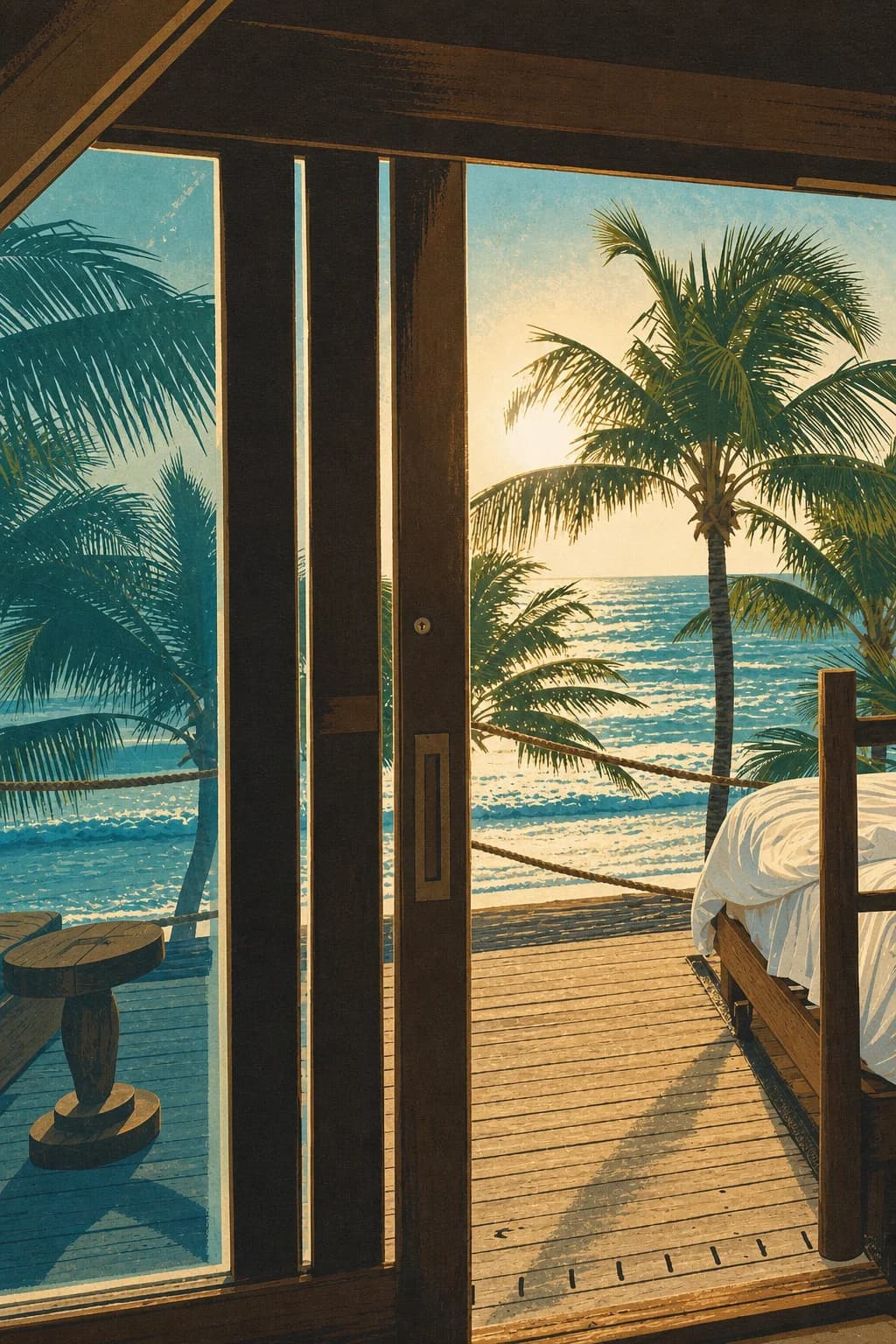
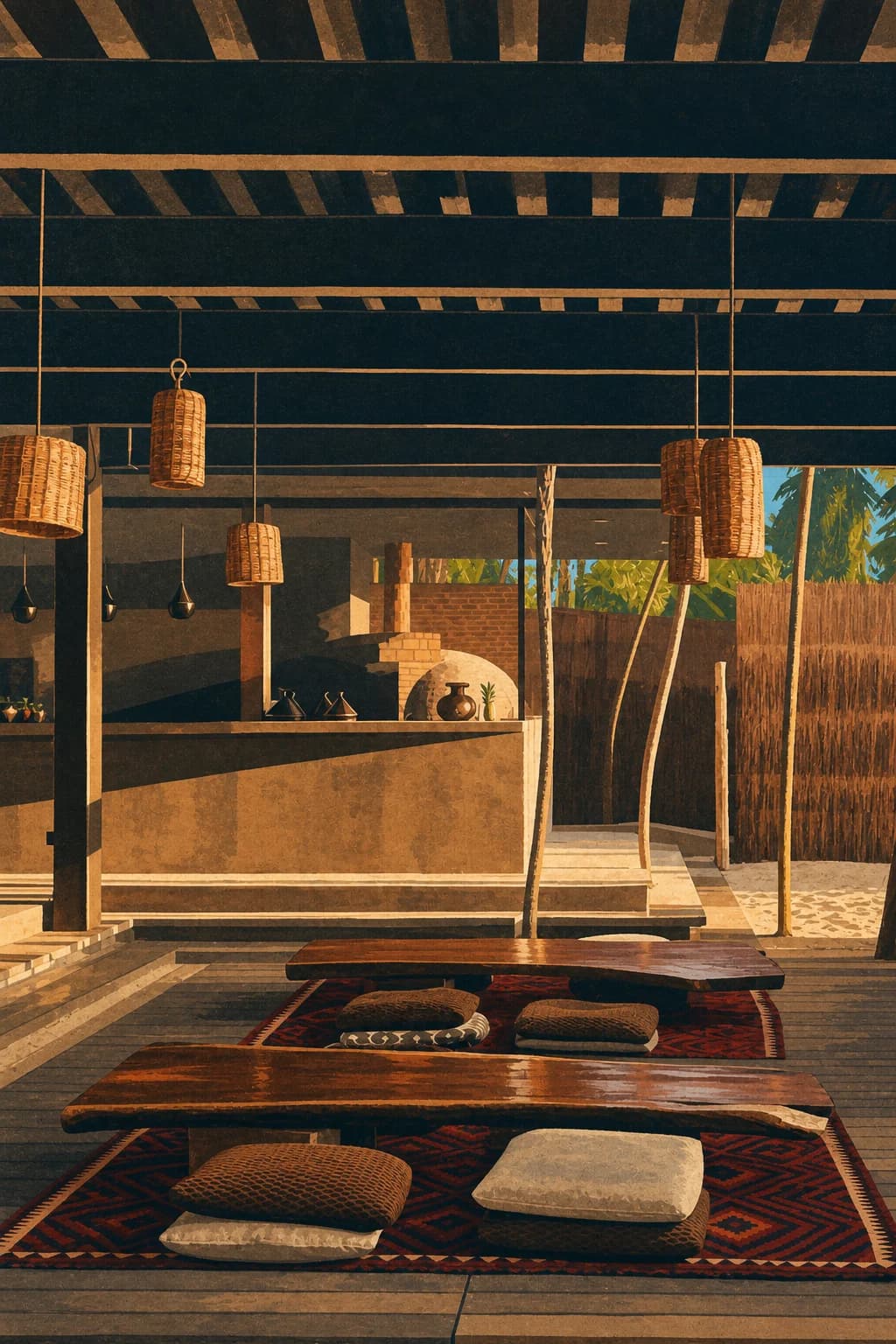
The two stone towers were designed to feel like something a 1920s expedition would have built at an archaeological dig rather than anything contemporary. Antique maps line the walls, stone bathtubs replace the usual hotel fit-out, and hammocks take the place of lounge furniture. Mr & Mrs Smith called it a two-tower hideaway in a ruined city. The aesthetic is the entire point of the stay.
Cobá Ruins on the Doorstep
Cobá is one of the largest and least-restored Mayan sites in the Yucatán peninsula, and you can still climb some of its pyramid groups. Most visitors arrive on day trips from Tulum or Playa del Carmen and leave by 3pm. Staying at Coqui Coqui Papholchac means you have the site effectively to yourself in the early morning and the late afternoon, which is a completely different experience from the bus-tour version.
Perfumery and Spa
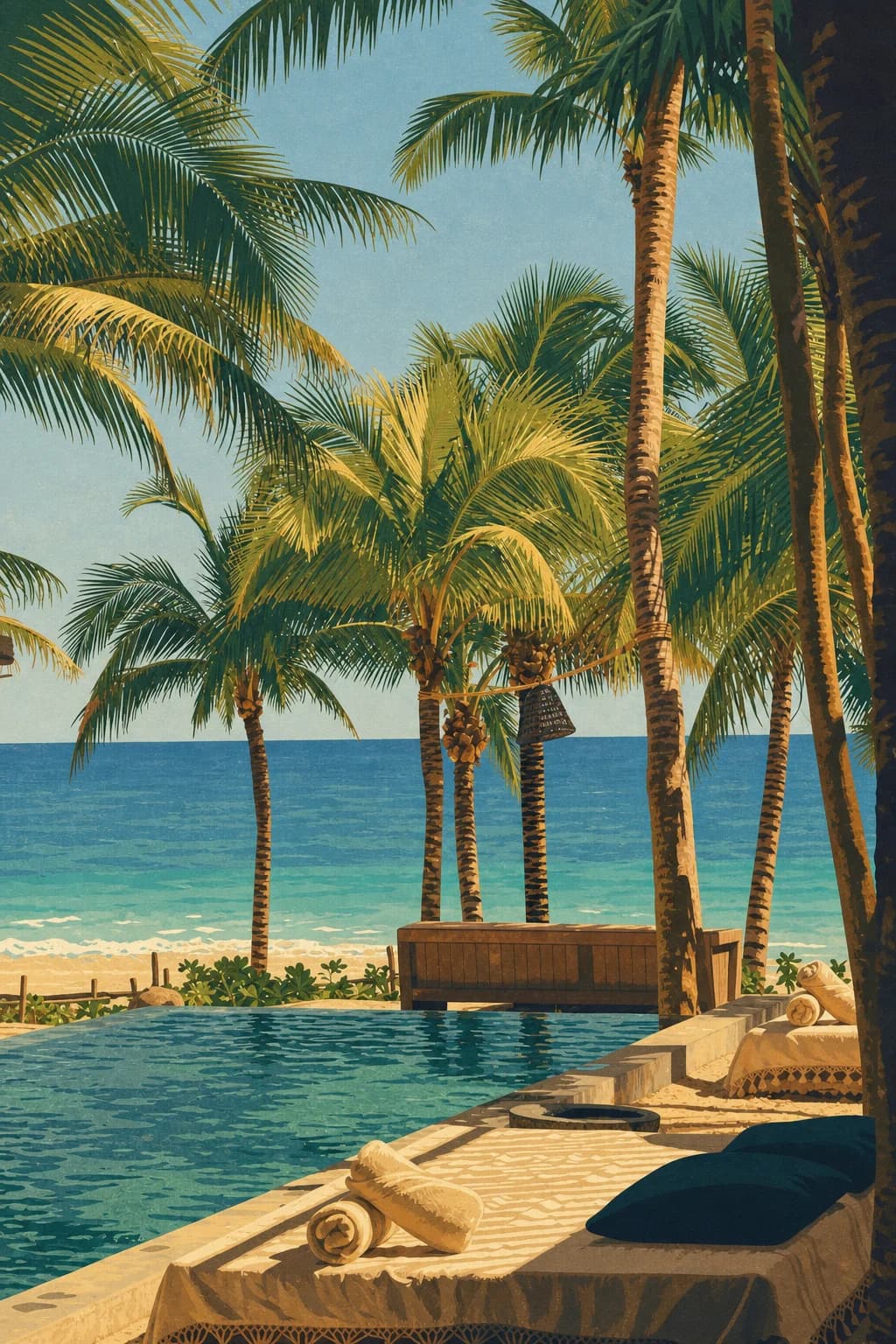
Coqui Coqui started as a perfumery in Valladolid before it became a hotel brand, and the Cobá property carries the signature spa and scent program that defines the name. Treatments use the house oils and botanicals. Most guests buy a perfume on the way out. This is the closest any Tulum-area stay comes to a single-purpose retreat built around a consumer product.
talk.
mapped.
“Coqui Coqui Tulum is a tiny, rustic-chic property with only seven rooms and resembles a private residence more than a resort. One might call him the André Balazs of the Yucatán Peninsula.”
record.
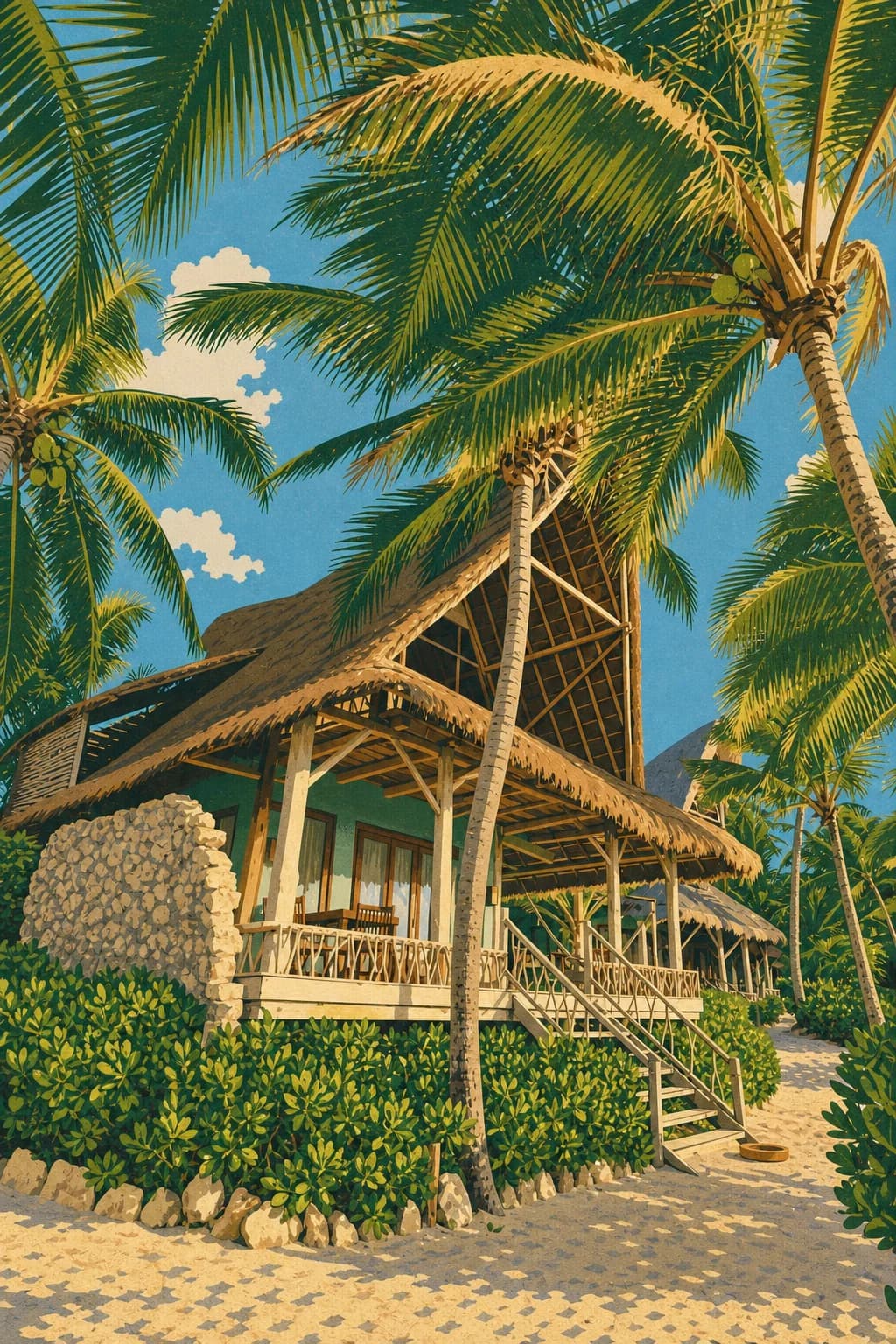
That is the entire inventory. Two stone towers connected by a rope bridge sit on the shore of Laguna Cobá, on ejido land next to the ancient Mayan ruins. This is not beach Tulum. Cobá is forty minutes inland, closer to the Yucatán interior than to the Caribbean coast, and the hotel trades sand for lagoon, jungle, and the archaeological site itself.
Nicolas Malleville and Francesca Bonato built the Coqui Coqui brand as a perfumery first and a set of tiny residences second, and the Cobá outpost keeps that order. There is a full spa and the signature perfumery, stone bathtubs inside the tower rooms, and a 1920s-explorer aesthetic with antique maps, hanging hammocks, and old books. It is on Mr & Mrs Smith and nearly nothing else. Four rooms combined with a 133,000-follower brand feed means dates disappear the day the calendar opens.
changed.
December through March peaks. November is the value window. Avoid September: sargassum and hurricane risk peak together.
Tulum runs on three overlapping forces — weather, crowd density, and sargassum seaweed — and misreading any one of them can wreck a trip. That triangulation matters more here than at almost any other Caribbean destination.
December through March is peak season, and it earns the title. Humidity drops, rain turns rare, and the Caribbean hits its clearest. December carries maximum demand on Christmas and New Year's pricing, while January through March hold steady before a March Spring Break surge fills South Beach Zone properties weeks out. For Ultra or Very High tier properties that book direct only, plan 60 to 90 days ahead — Nomade and Hotel Esencia both manage their own reservations and sell out specific room categories well before arrival.
April is the bridge. Easter and Semana Santa bring a final demand spike, driven largely by Mexican domestic travelers. Once that holiday window closes, both rates and crowds ease.
May through November is where the trade-offs live. Hurricane season officially runs June 1 through November 30, but statistical risk concentrates in September and October, with September carrying a 15 to 20% probability of tropical cyclone activity. June also opens the worst sargassum stretch: the floating brown algae, carried by Atlantic currents, piles onto Tulum's east-facing beaches from roughly May through October, peaking in July and August. Tulum's open coastline orientation means it catches more than Cancun or Playa del Carmen, and University of South Florida forecasts suggest 2026 could be among the heaviest sargassum years on record for the Mexican Caribbean.
Hotels with dedicated beach cleanup crews manage the situation daily; properties without them can have significant accumulation.
September is the genuine low point. Demand bottoms out, hurricane risk peaks, sargassum lingers, and some smaller properties cut hours or close for maintenance. October begins a slow recovery, with Day of the Dead at month's end marking the cultural pivot back toward high season. November is a legitimate value window: sargassum fades, hurricane odds drop sharply, and pricing hasn't yet climbed to December levels.
approach.
briefing.
“Located in the heart of the dense Yucatan jungle on the shore of a tranquil lagoon sits a 4 room retreat with rough-hewn limestone exteriors that blend perfectly into the natural setting.”
stands.
demand's going.
The real Instagram following over time, plus where this hotel sits for demand in Tulum. Pick a range, toggle the lines. Followers are reach and demand, not engagement.
assessment.
File closes at MODERATE. Book three to four months out and email the brand directly given four-room scale. Skip if you need transit ease; Cobá is a 60 to 75 minute transfer from the Tulum airport.
The numbers behind the tiers
Coqui Coqui Papholchac Cobá Residence & Spa · SOURCE READINGS · REDACTED- Availability density · sampled
- Monthly search volume · raw
- TikTok hashtag views · raw
- YouTube total views · raw
- TikTok following · latest sweep
- Pinterest saves · latest sweep
More from Tulum.






Get the hotel's Unbookable Score.
Any post or reel with a hotel in it. Booking.com hotel pages work too. One free check, no account needed.