The Beekman, a Thompson
Hotel.
6 critic reviews
filed.
Yes for the architecture, yes for the restoration, yes for Temple Court on the ground floor. The Brudnizki interiors reward slow looking and the Thompson service standard is consistent. Less yes if you want a bar-and-nightlife neighbourhood, FiDi is a business district first.
The ninth-floor corridor wraps all the way around the top of the atrium and looks straight up at the restored pyramidal skylight and down the nine stories of cast iron railings. Most guests never walk it. Go at 10pm when the light is on the ironwork, take a phone and no flash.
angles.
The Restored 1881 Atrium
The nine-story cast iron atrium at the Temple Court Building was closed off for 60 years and rediscovered during the hotel conversion, then restored with the original pyramidal skylight rebuilt from historic photographs. It is the single most striking interior space in any New York hotel, full stop. Every room's corridor opens onto it.
Brudnizki's Layered Interiors
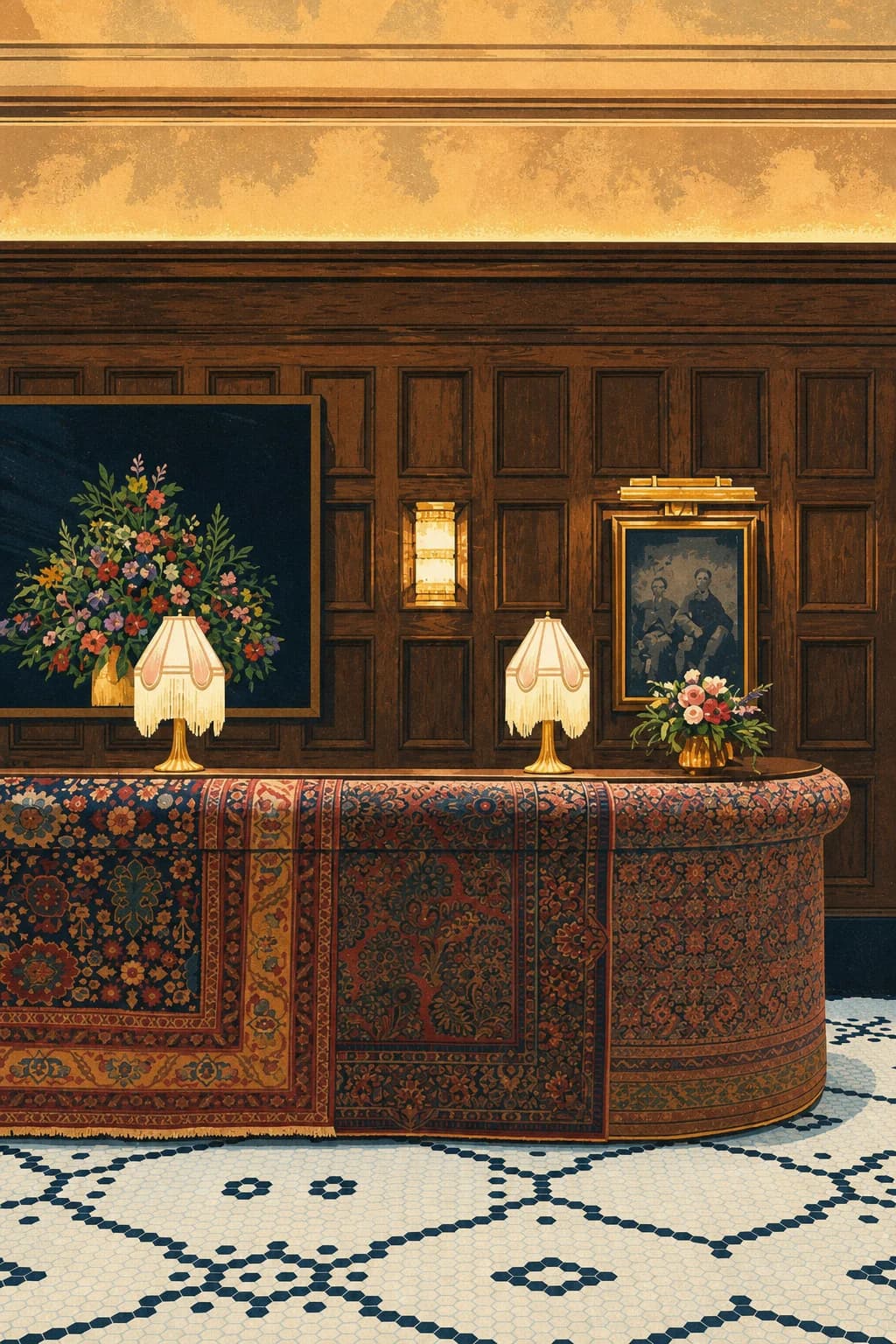
Martin Brudnizki Design Studio designed the interiors to sit inside the Victorian architecture without fighting it, drawing on antique rugs, hand-printed wallpapers, velvet upholstery, and bold jewel tones. The front desk alone is upholstered in draped antique Oriental rugs. Nothing in the hotel reads as 2016, it reads as 1881 with better plumbing.
Tom Colicchio's Temple Court
Tom Colicchio's Temple Court occupies the ground floor of the atrium with a menu of dry-aged steaks and roasted fish, and the Bar Room directly under the skylight is the money photograph for the entire hotel. Hotel guests get priority booking at both, which matters because weekend dinner reservations are scarce for walk-ins.
talk.
mapped.
“Hard to believe an architectural gem of the Beekman's stature went neglected for so many years, but we're happy to report that it's back in business, and it's been put to the best possible use.”
record.
The 287 rooms wrap around the restored nine-story cast iron atrium, walled off from public view for more than 60 years until the 2016 renovation rebuilt the original pyramidal skylight and exposed the full Victorian ironwork. Martin Brudnizki Design Studio handled interiors, and the front desk upholstered in draped antique Oriental rugs sets the tone for every room that follows: layered textiles, bold colour, collected eclecticism.
Tom Colicchio's Temple Court anchors the ground floor, the Bar Room at Temple Court sits under the atrium itself, and the building draws on historic preservation tax credits that kept the restoration honest. Part of Hyatt's Thompson Hotels collection. With 105k Instagram followers against 287 keys, the room stock is large enough that the brand name sells most nights on its own.
changed.
Late April–early May beats Met Gala. First two weeks of September beat UNGA. Anything Sep–Dec needs 60–90 days of lead time.
September is the single hardest month to book in New York City, and nothing else comes close. Fashion Week and the United Nations General Assembly collide in the same two-week window, pulling designers, buyers, diplomats, journalists, and their combined entourages into a city already running near capacity. Rates during UNGA week routinely blow past the rest of the year by wide margins.
October runs a close second, and for entirely different reasons. Hudson Valley foliage trips drain weekend supply, while NY Comic Con and a dense events calendar keep midweek pressure high. If September is out of reach, expect October to feel almost identical at the top of the market.
The holiday corridor from November through December is the other sustained peak. NYC Marathon weekend in early November compresses supply across all five boroughs before Thanksgiving arrives with the Macy's parade and family travel. December then stacks Rockefeller Center, holiday markets, Broadway's busiest stretch, and New Year's Eve on top of one another.
Booking lead times for November and December should extend to 60 to 90 days minimum at High and Very High tier properties.
May and June bring sharp, event-driven spikes rather than a broad surge. Met Gala week in early May and Frieze New York concentrate pressure in Midtown and downtown Manhattan respectively. June adds NYC Pride, the Tribeca Festival, and the Tony Awards, keeping demand high but with more day-to-day variability than the fall corridor.
The value window runs January through February. NYC Restaurant Week in January and February's Fashion Week supply the cultural programming, but overall demand hits its yearly floor, with rates falling 40 to 50 percent below peak and normally rigid properties running promotions during NYC Hotel Week. August is the other soft spot: residents flee for the summer, and while the US Open opens late in the month, the first three weeks sit well below their neighbors.
The practical read: chase the shoulders. Target late April, early May before the Met Gala, or the first two weeks of September before UNGA arrives, and you'll get peak-season energy with meaningfully better availability. July is warm and less programmed but also cheaper, a fair trade if theater and outdoor dining are the priority.
approach.
briefing.
“Though a stunning building made up in part for a noisy, poorly designed room and a staff that seemed stretched thin, my stay at the Beekman just didn't measure up.”
stands.
demand's going.
The real Instagram following over time, plus where this hotel sits for demand in New York City. Pick a range, toggle the lines. Followers are reach and demand, not engagement.
assessment.
File closes at HIGH. Book direct four to six weeks out for Tribeca Festival and September through December peaks. Skip the atrium-side standards if you are a light sleeper; take the street-facing equivalents.
The numbers behind the tiers
The Beekman, a Thompson Hotel · SOURCE READINGS · REDACTED- Availability density · sampled
- Monthly search volume · raw
- TikTok hashtag views · raw
- YouTube total views · raw
- TikTok following · latest sweep
- Pinterest saves · latest sweep
More from New York City.


Get the hotel's Unbookable Score.
Any post or reel with a hotel in it. Booking.com hotel pages work too. One free check, no account needed.