Arlo
SoHo.
6 critic reviews
filed.
For solo travellers, couples on short trips, and anyone willing to treat the room as a sleeping cabin, yes. For families, anyone with extra luggage, or guests who spend afternoons in the room, the format will feel punishing.
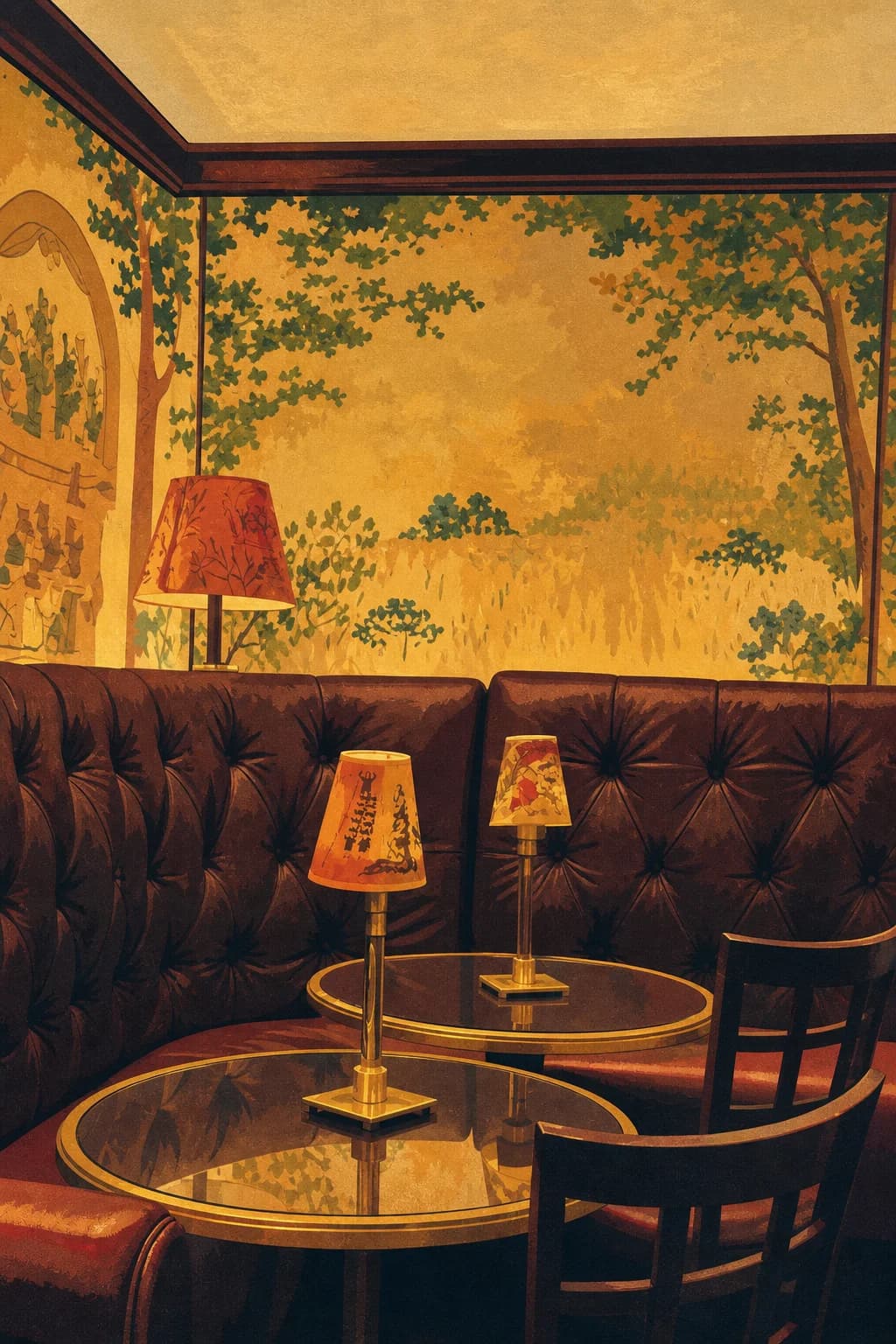
The ground-floor lobby garden bar is the easiest place in Hudson Square to work through an afternoon without buying a restaurant table. Wi-Fi holds up, the coffee is honest, and the staff does not hover over a laptop guest the way hotel lobbies in Midtown do.
angles.
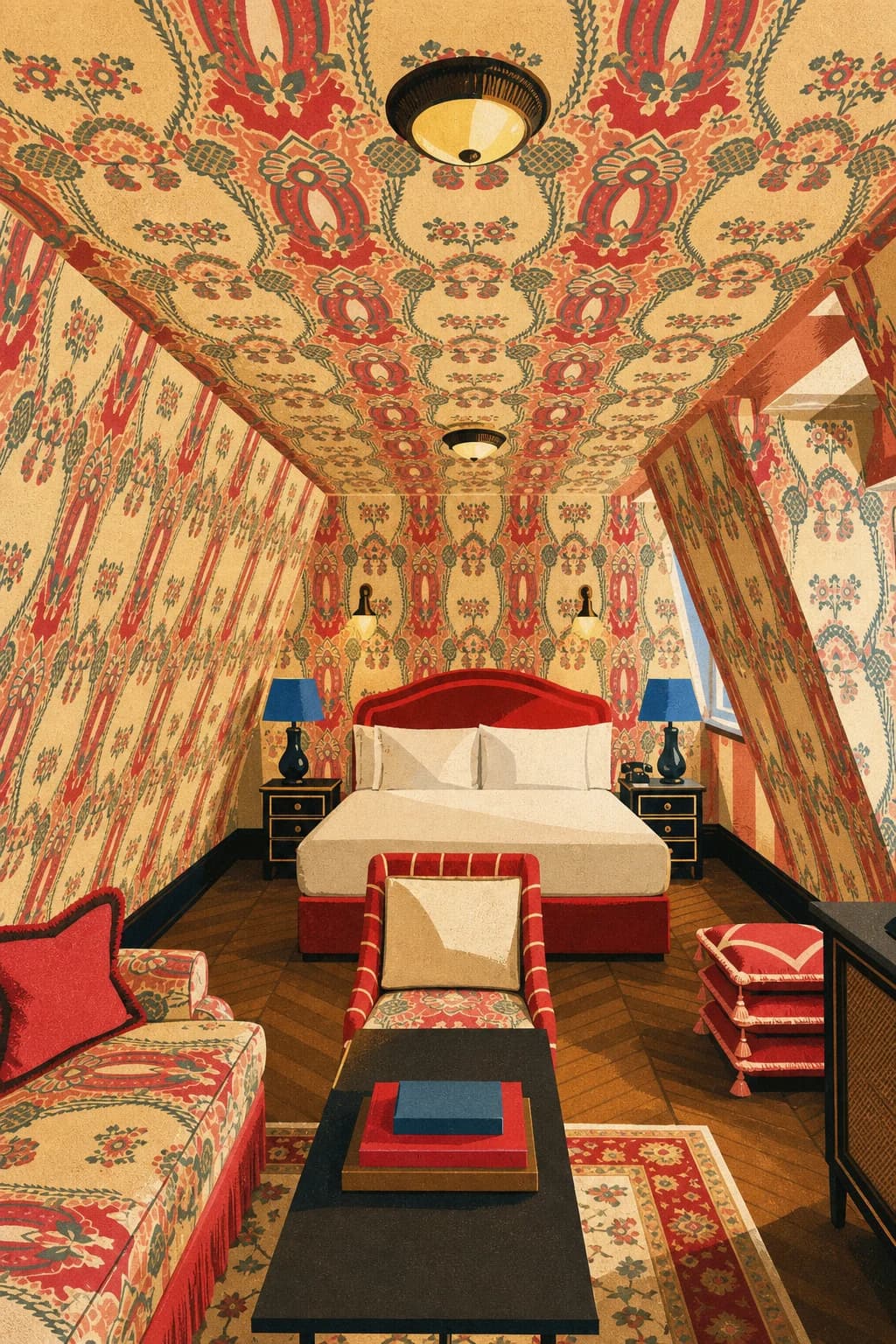
A 150-Square-Foot Room With Real Design
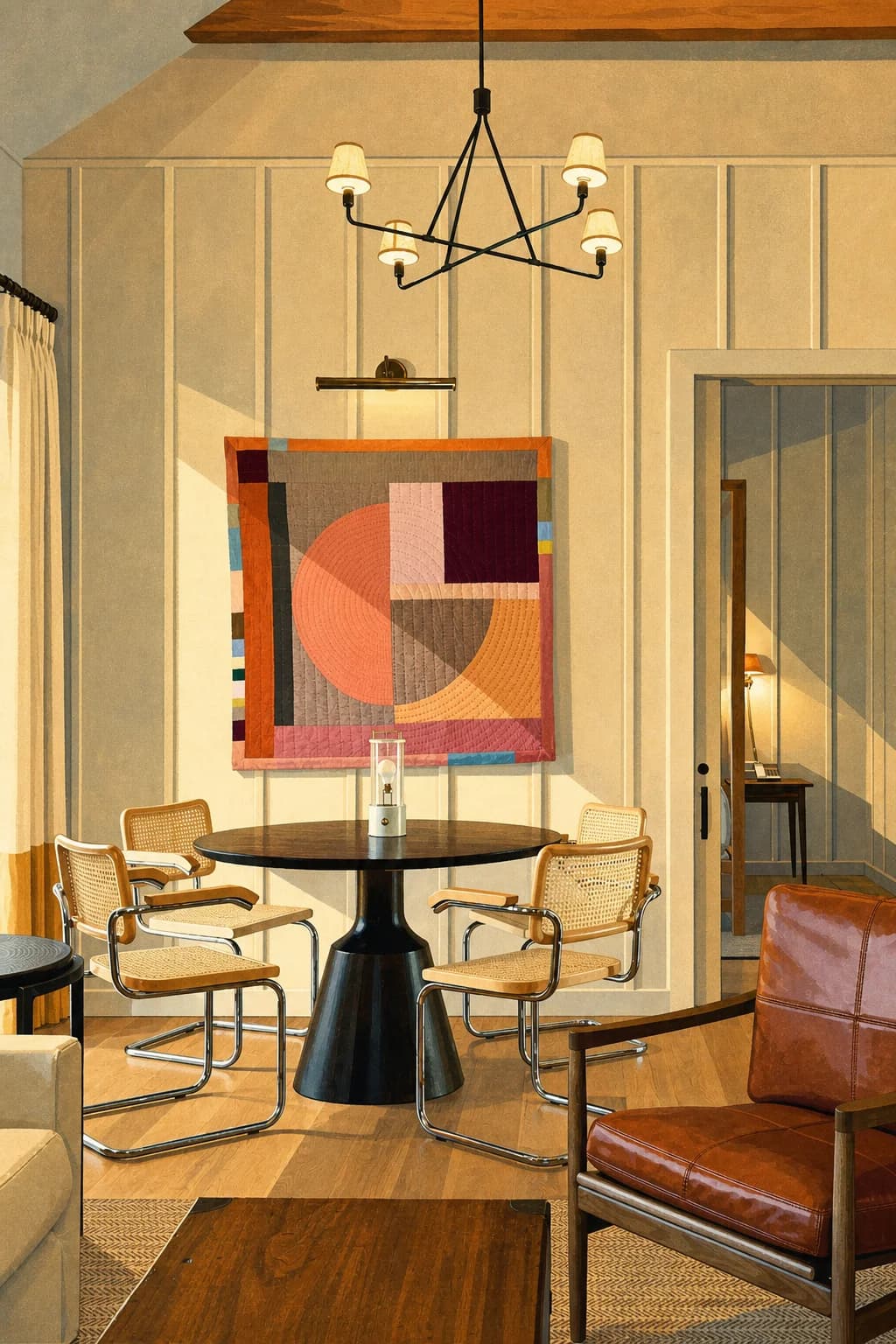
Grzywinski+Pons's cabin rooms trade floor area for efficiency: ship-style storage, fold-down work surfaces, proper bath products, and a window that opens. The beds are full-size and good. If you treat the room as a place to sleep and use A.R.T., the lobby, and Harold's during waking hours, the maths works. If you expect to spend an afternoon in the room, rethink.
Harold's Meat + Three Is Actually Good
Chef Harold Moore left Commerce to run this ground-floor operation: pick one meat, three sides, and expect crushed cauliflower and stuffed artichoke hearts to be as good as the protein. The fondue bar is the cold-weather reason to visit independently, and the brunch queue on Sundays tells you the locals are showing up too.
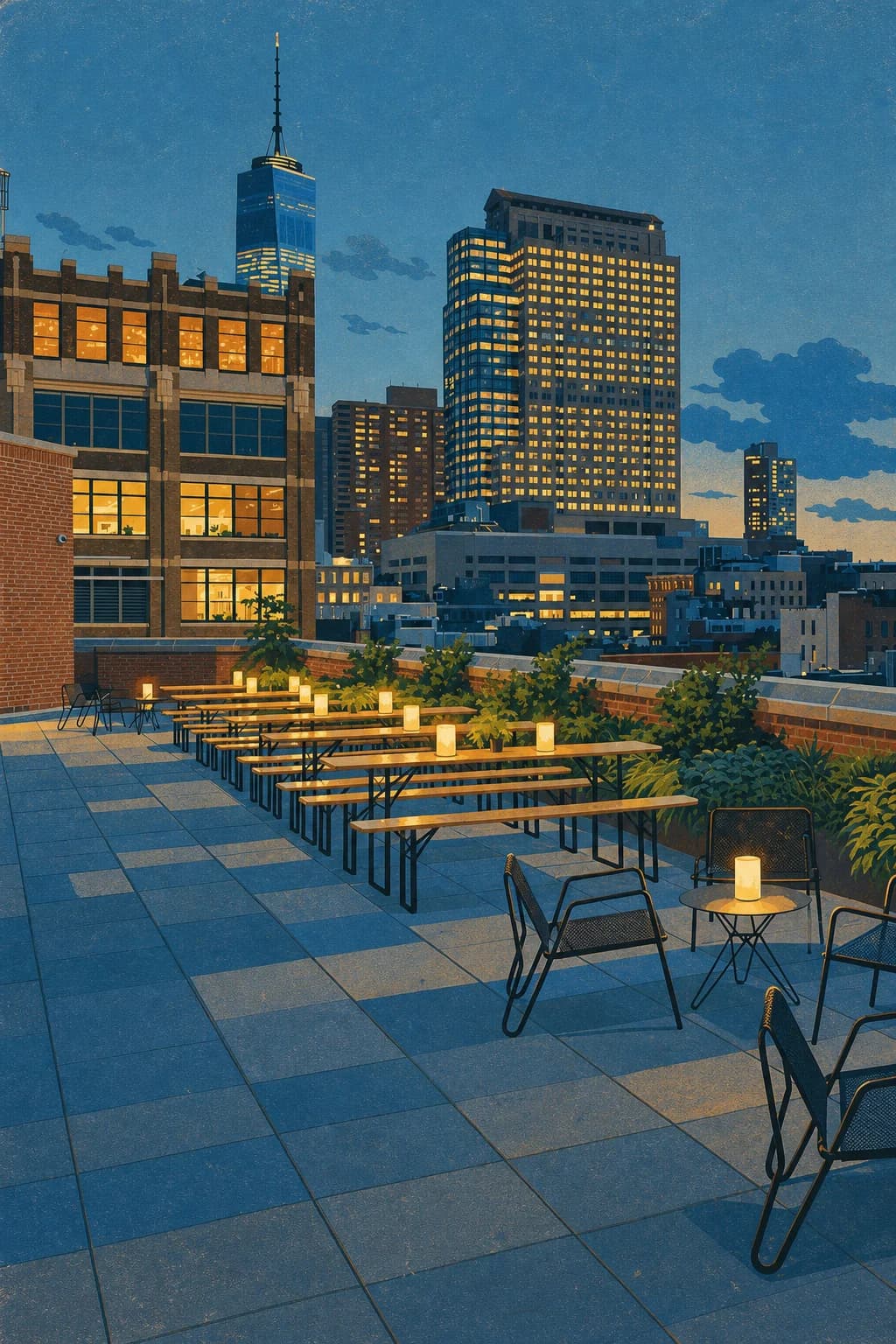
A.R.T. Rooftop Has the Downtown View
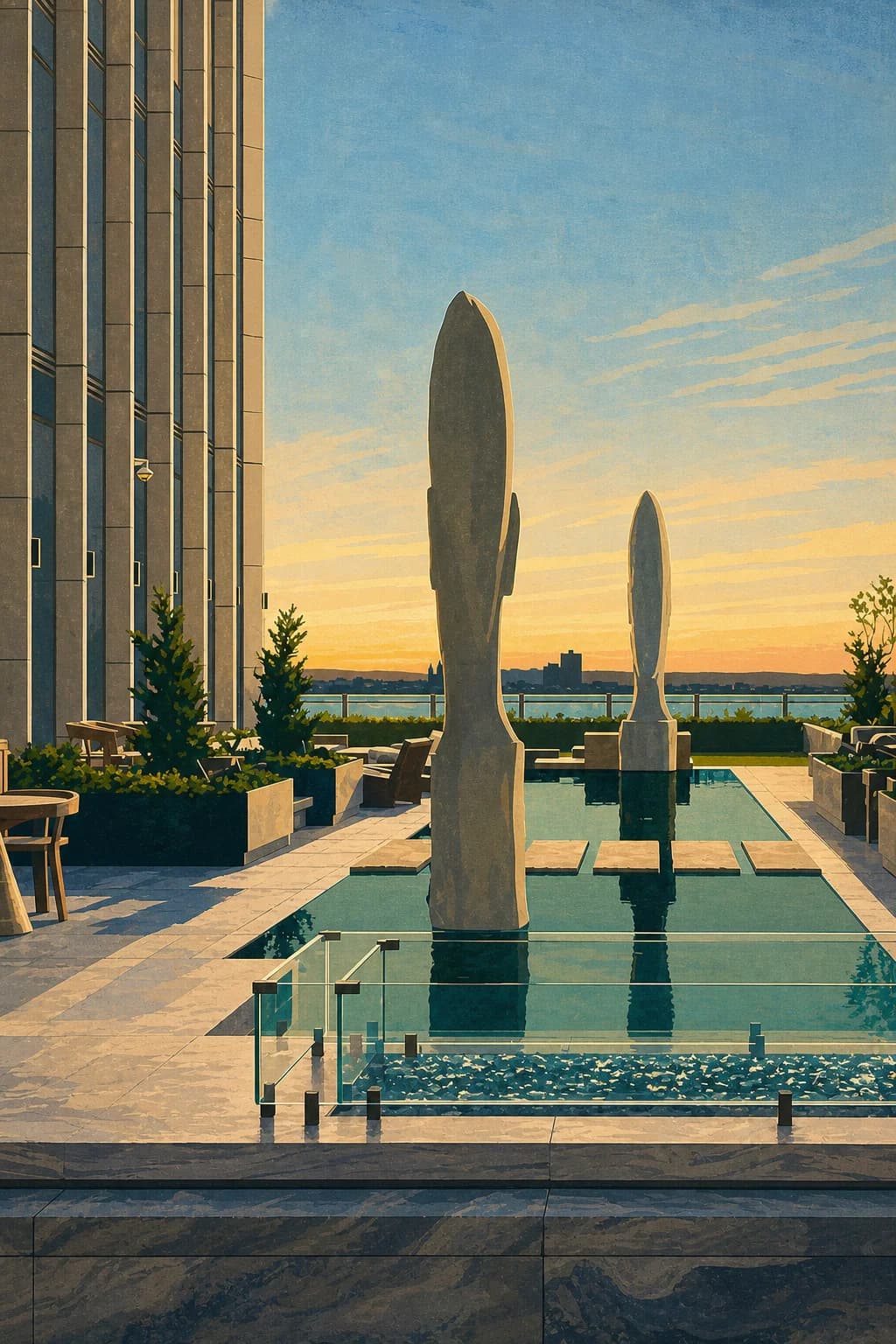
The 11th-floor indoor-outdoor bar catches Freedom Tower, Hudson River, and Uptown sightlines from a single terrace. Cocktails are confident, light bites are honest, and the rooftop draws a mixed crowd of guests and locals that keeps the energy from tipping into hotel-bar blandness.
talk.
mapped.
“"Stretch to the Skyline King Studio, which provides the same breathtaking and unobstructed views of SoHo and Tribeca via a corner window." (Best Hotels in SoHo roundup)”
record.
Architect Peter Poon worked with interior team Grzywinski+Pons on 325 cabin-sized rooms averaging 150 square feet, built to ocean-liner efficiency: fold-down desks, clever storage, and a bed that takes up almost the entire footprint. The concession was that everywhere else had to be generous.
Harold's Meat + Three, by Harold Moore of Commerce fame, runs the ground-floor restaurant with a pick-one-meat-three-sides menu and a fondue bar that routinely gets mentioned in NYC winter guides. A.R.T. rooftop sits on the 11th floor with open views to the Freedom Tower and the Hudson. The 141,000 Instagram followers track that rooftop and the lobby more than the rooms, which is the trick of the building: you sleep in a cabin, but you live in the public spaces.
changed.
Late April–early May beats Met Gala. First two weeks of September beat UNGA. Anything Sep–Dec needs 60–90 days of lead time.
September is the single hardest month to book in New York City, and nothing else comes close. Fashion Week and the United Nations General Assembly collide in the same two-week window, pulling designers, buyers, diplomats, journalists, and their combined entourages into a city already running near capacity. Rates during UNGA week routinely blow past the rest of the year by wide margins.
October runs a close second, and for entirely different reasons. Hudson Valley foliage trips drain weekend supply, while NY Comic Con and a dense events calendar keep midweek pressure high. If September is out of reach, expect October to feel almost identical at the top of the market.
The holiday corridor from November through December is the other sustained peak. NYC Marathon weekend in early November compresses supply across all five boroughs before Thanksgiving arrives with the Macy's parade and family travel. December then stacks Rockefeller Center, holiday markets, Broadway's busiest stretch, and New Year's Eve on top of one another.
Booking lead times for November and December should extend to 60 to 90 days minimum at High and Very High tier properties.
May and June bring sharp, event-driven spikes rather than a broad surge. Met Gala week in early May and Frieze New York concentrate pressure in Midtown and downtown Manhattan respectively. June adds NYC Pride, the Tribeca Festival, and the Tony Awards, keeping demand high but with more day-to-day variability than the fall corridor.
The value window runs January through February. NYC Restaurant Week in January and February's Fashion Week supply the cultural programming, but overall demand hits its yearly floor, with rates falling 40 to 50 percent below peak and normally rigid properties running promotions during NYC Hotel Week. August is the other soft spot: residents flee for the summer, and while the US Open opens late in the month, the first three weeks sit well below their neighbors.
The practical read: chase the shoulders. Target late April, early May before the Met Gala, or the first two weeks of September before UNGA arrives, and you'll get peak-season energy with meaningfully better availability. July is warm and less programmed but also cheaper, a fair trade if theater and outdoor dining are the priority.
approach.
briefing.
“What it lacks in space, Arlo Soho makes up for with good design and thoughtful details.”
stands.
demand's going.
The real Instagram following over time, plus where this hotel sits for demand in New York City. Pick a range, toggle the lines. Followers are reach and demand, not engagement.
assessment.
File closes at MODERATE. Book ahead three to four weeks for Fashion Week and September through December peaks. Skip the standard cabins if floor area matters; only the terrace category feels generous.
The numbers behind the tiers
Arlo SoHo · SOURCE READINGS · REDACTED- Availability density · sampled
- Monthly search volume · raw
- TikTok hashtag views · raw
- YouTube total views · raw
- TikTok following · latest sweep
- Pinterest saves · latest sweep
More from New York City.




Get the hotel's Unbookable Score.
Any post or reel with a hotel in it. Booking.com hotel pages work too. One free check, no account needed.