citizenM New
York Bowery.
3 critic reviews
filed.
Yes, with the caveat that hype is the wrong frame. citizenM is a functional design object, not an aspirational stay. Reviews from architects, designers, and repeat business travelers consistently outscore the rate. Leisure guests expecting a boutique experience sometimes miss the point.
The 24-hour canteen in the lobby quietly serves one of the better late-night burgers in the neighborhood, and the honesty-bar wine program is priced at near-retail. Most guests miss both because the space reads more as coworking than restaurant.
angles.
The Pod Actually Works
The rooms are small on paper and small in person. But Concrete designed the king bed to run wall to wall so the whole floor becomes usable space, and the wet-room shower, MoodPad lighting controls, and rainfall showerhead push it well past standard-budget expectations. Design-literate travelers consistently rate it higher than its nightly rate suggests.
CloudM Rooftop Views
The 21st-floor CloudM bar stretches across an indoor-outdoor terrace with direct views over the Bowery, Chinatown rooftops, and the downtown skyline. It is one of the few genuinely good rooftop bars on the Lower East Side that is not attached to a luxury rate, and hotel guests get priority access on weekends when the queue forms.
Bowery and Chinatown at the Door
189 Bowery puts you one block from the New Museum, five minutes to Dimes Square, ten to Nolita, and inside the best Chinatown lunch radius in the city. The hotel sits at the exact hinge point where LES grit meets SoHo money, and walking is almost always faster than the subway from this address.
talk.
mapped.
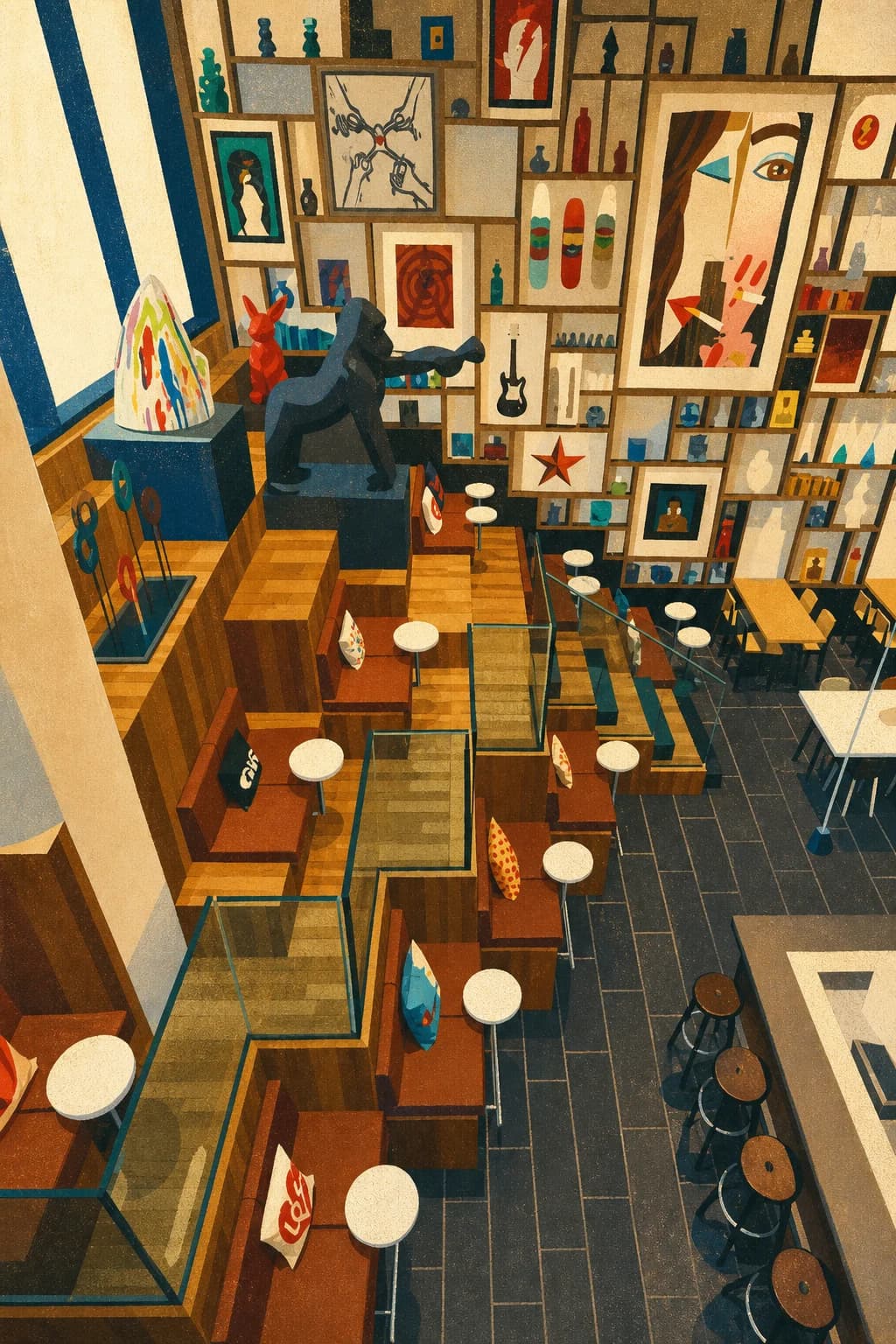
“Architecture project showcase of the 21-story hotel with 300 prefabricated modular rooms designed by Concrete and Stephen B. Jacobs Group, completed in 2018.”
record.
citizenM New York Bowery opened in 2018 as the tallest modular hotel in the United States: a 21-story tower where every one of the 300 guestroom pods was built in a Polish factory, trucked across an ocean, and stacked on a three-foot concrete mat poured over the fourth floor. The Dutch brand, founded by Michael Levie and Rattan Chadha, asked Concrete Architectural Associates and Stephen B.
Jacobs Group to rethink the build mid-design. What you sleep in is closer to a fully finished shipping container than a hotel room. The business model is equally blunt: no bellhops, no concierge, self-check-in kiosks, a lobby that runs as a 24-hour lounge-bar-canteen hybrid, and a Marriott distribution partnership pulling bookings from every loyalty member in the Western Hemisphere. It is a compact, design-led, tech-forward, and reliably busy hotel.
changed.
Late April–early May beats Met Gala. First two weeks of September beat UNGA. Anything Sep–Dec needs 60–90 days of lead time.
September is the single hardest month to book in New York City, and nothing else comes close. Fashion Week and the United Nations General Assembly collide in the same two-week window, pulling designers, buyers, diplomats, journalists, and their combined entourages into a city already running near capacity. Rates during UNGA week routinely blow past the rest of the year by wide margins.
October runs a close second, and for entirely different reasons. Hudson Valley foliage trips drain weekend supply, while NY Comic Con and a dense events calendar keep midweek pressure high. If September is out of reach, expect October to feel almost identical at the top of the market.
The holiday corridor from November through December is the other sustained peak. NYC Marathon weekend in early November compresses supply across all five boroughs before Thanksgiving arrives with the Macy's parade and family travel. December then stacks Rockefeller Center, holiday markets, Broadway's busiest stretch, and New Year's Eve on top of one another.
Booking lead times for November and December should extend to 60 to 90 days minimum at High and Very High tier properties.
May and June bring sharp, event-driven spikes rather than a broad surge. Met Gala week in early May and Frieze New York concentrate pressure in Midtown and downtown Manhattan respectively. June adds NYC Pride, the Tribeca Festival, and the Tony Awards, keeping demand high but with more day-to-day variability than the fall corridor.
The value window runs January through February. NYC Restaurant Week in January and February's Fashion Week supply the cultural programming, but overall demand hits its yearly floor, with rates falling 40 to 50 percent below peak and normally rigid properties running promotions during NYC Hotel Week. August is the other soft spot: residents flee for the summer, and while the US Open opens late in the month, the first three weeks sit well below their neighbors.
The practical read: chase the shoulders. Target late April, early May before the Met Gala, or the first two weeks of September before UNGA arrives, and you'll get peak-season energy with meaningfully better availability. July is warm and less programmed but also cheaper, a fair trade if theater and outdoor dining are the priority.
approach.
briefing.
“It was, without question, among the top five best beds I'd ever encountered in a hotel”
stands.
demand's going.
The real Instagram following over time, plus where this hotel sits for demand in New York City. Pick a range, toggle the lines. Followers are reach and demand, not engagement.
assessment.
File closes at MODERATE. Book ahead three to four weeks for September through December weekends and downtown nightlife. Skip if pod-room scale puts you off; the rooms run tight by design.
The numbers behind the tiers
citizenM New York Bowery · SOURCE READINGS · REDACTED- Availability density · sampled
- Monthly search volume · raw
- TikTok hashtag views · raw
- YouTube total views · raw
- TikTok following · latest sweep
- Pinterest saves · latest sweep
More from New York City.





Get the hotel's Unbookable Score.
Any post or reel with a hotel in it. Booking.com hotel pages work too. One free check, no account needed.