The St. Regis
New York.
5 critic reviews
filed.
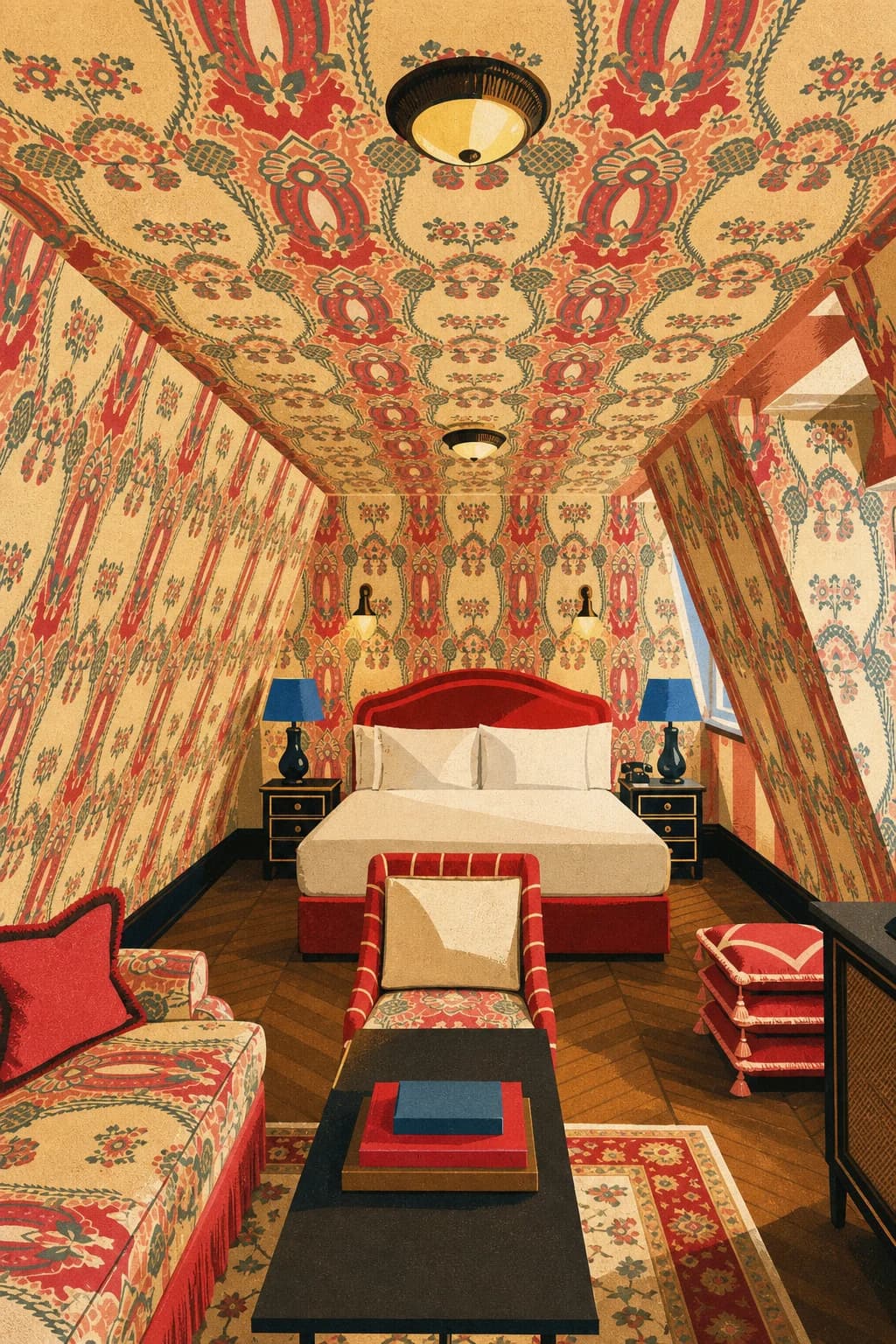
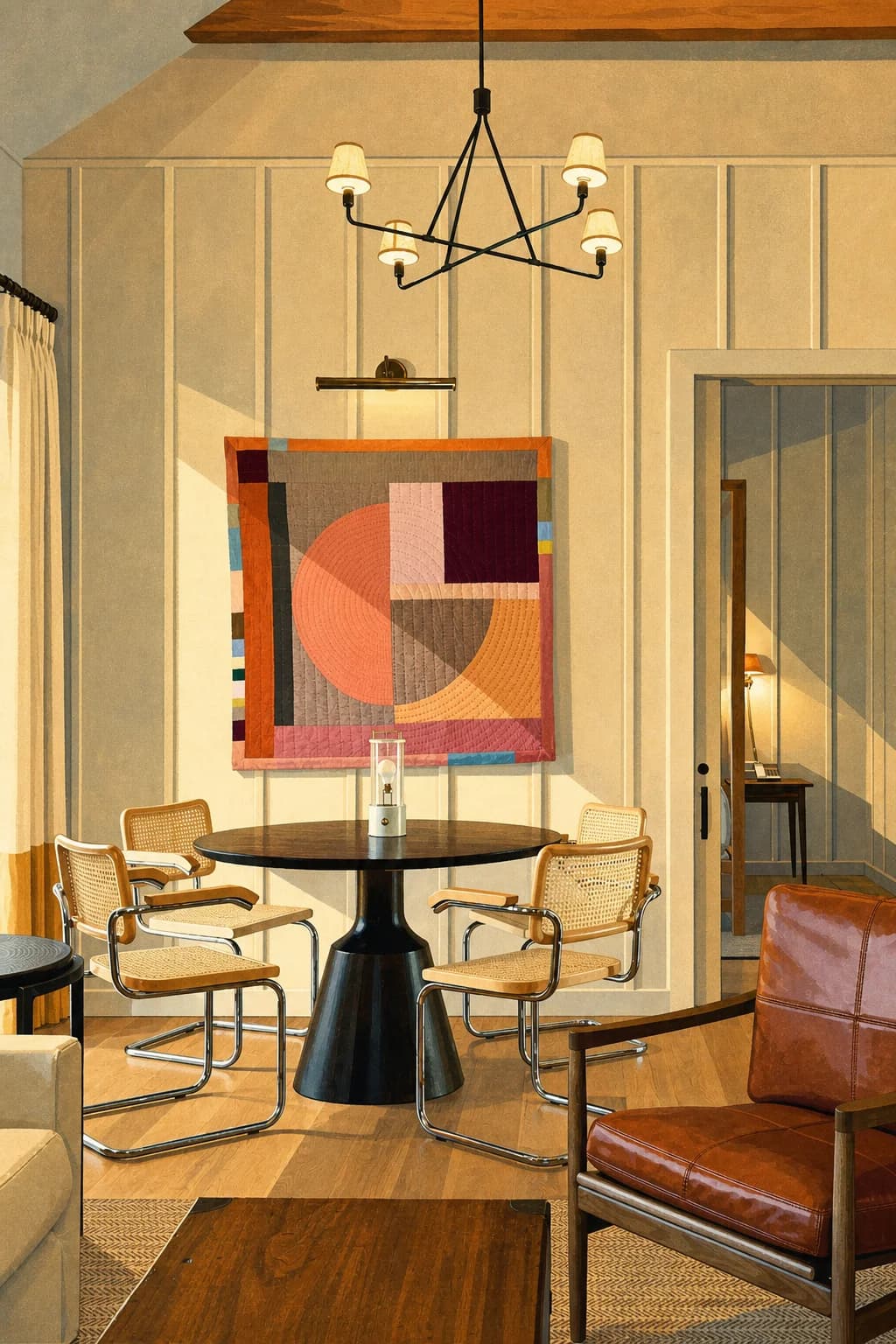
The King Cole Bar, the butler service, and the Champalimaud restoration of the public spaces are the real deal. What is sometimes oversold is the room experience in the lower categories. Book a suite or do not book at all, because the entry-level rooms do not fully communicate what the property is trying to say.
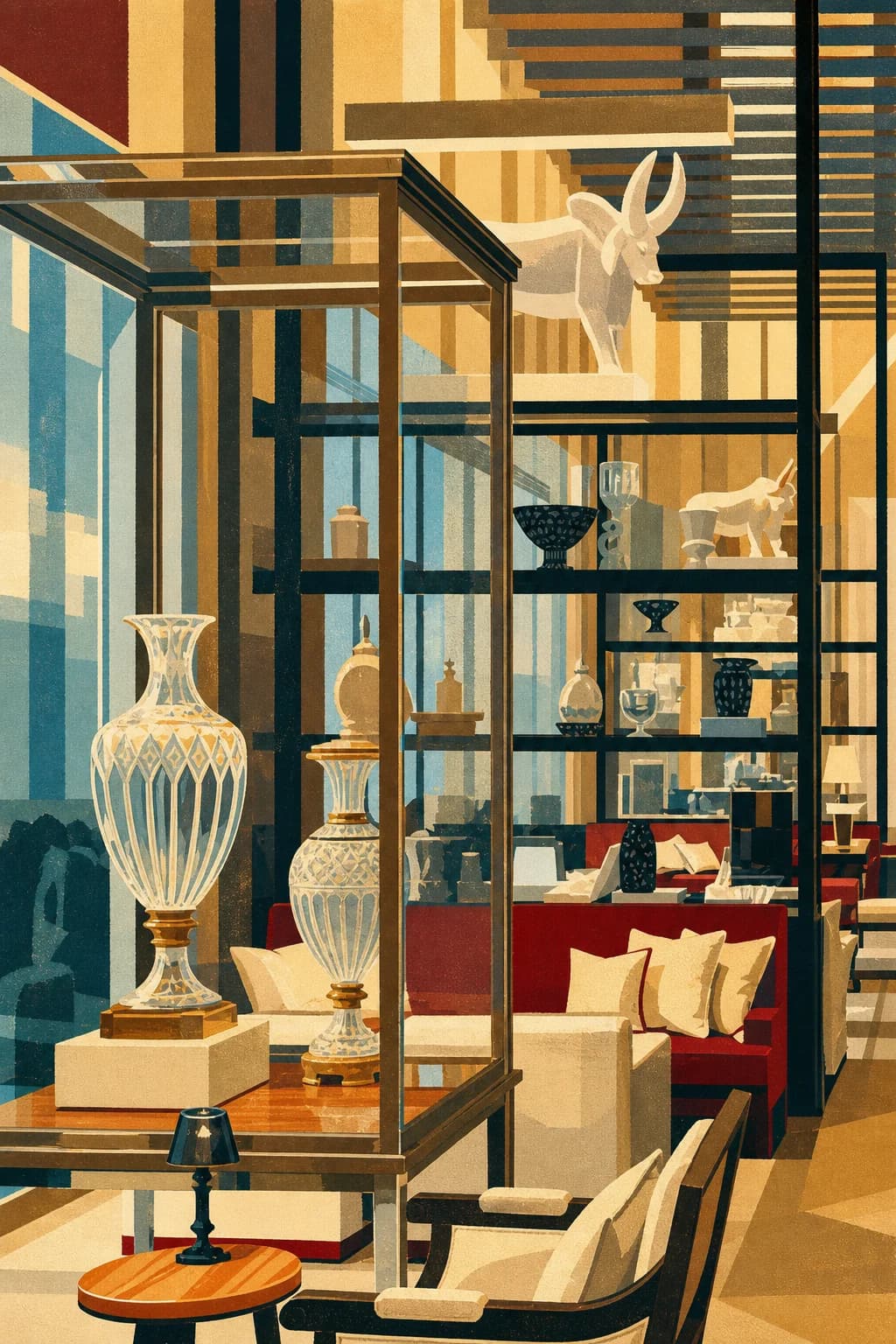
The newly introduced La Maisonette serves afternoon tea in a bright glass pavilion that most guests pass through at reception without realizing is bookable. It is the quietest room in the hotel from 3pm to 5pm on weekdays, the scones are made in-house, and the tea list is more comprehensive than the marquee tea services at the Plaza or the Peninsula.
angles.
Champalimaud's 120th-Year Redesign
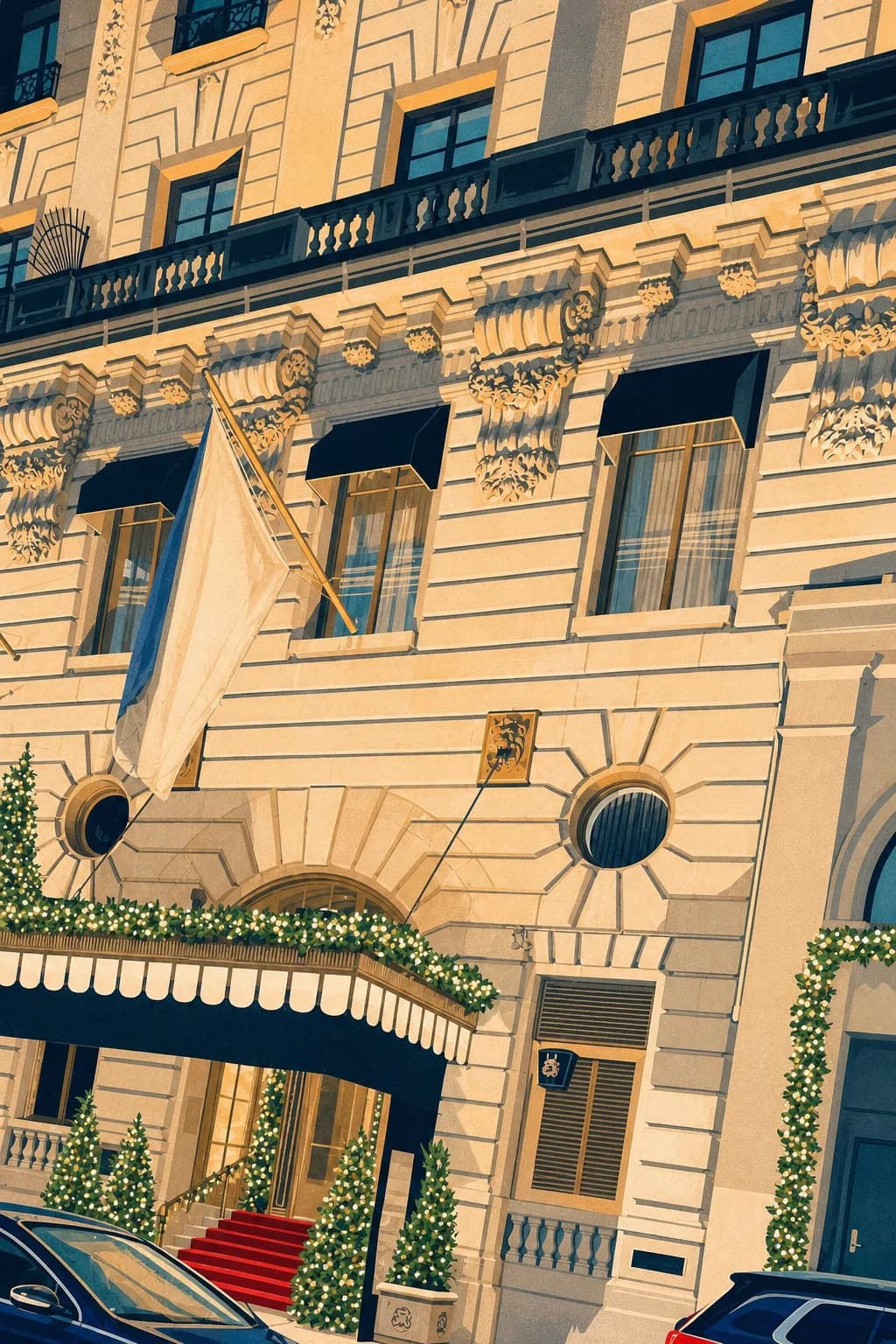
The 2024 restoration was the most comprehensive work the property has seen since the 2013 renovation. Champalimaud Design led the refresh of the lobby, the King Cole Bar, and the introduction of La Maisonette, preserving the Beaux-Arts bones while adding dark wood, onyx, bronze, and scalloped banquettes. During the work, the original 1905 Tiffany-design stained glass was uncovered behind false ceilings at reception and restored. The result is an interior that feels simultaneously 1904 and 2024.
The King Cole Bar and the Bloody Mary
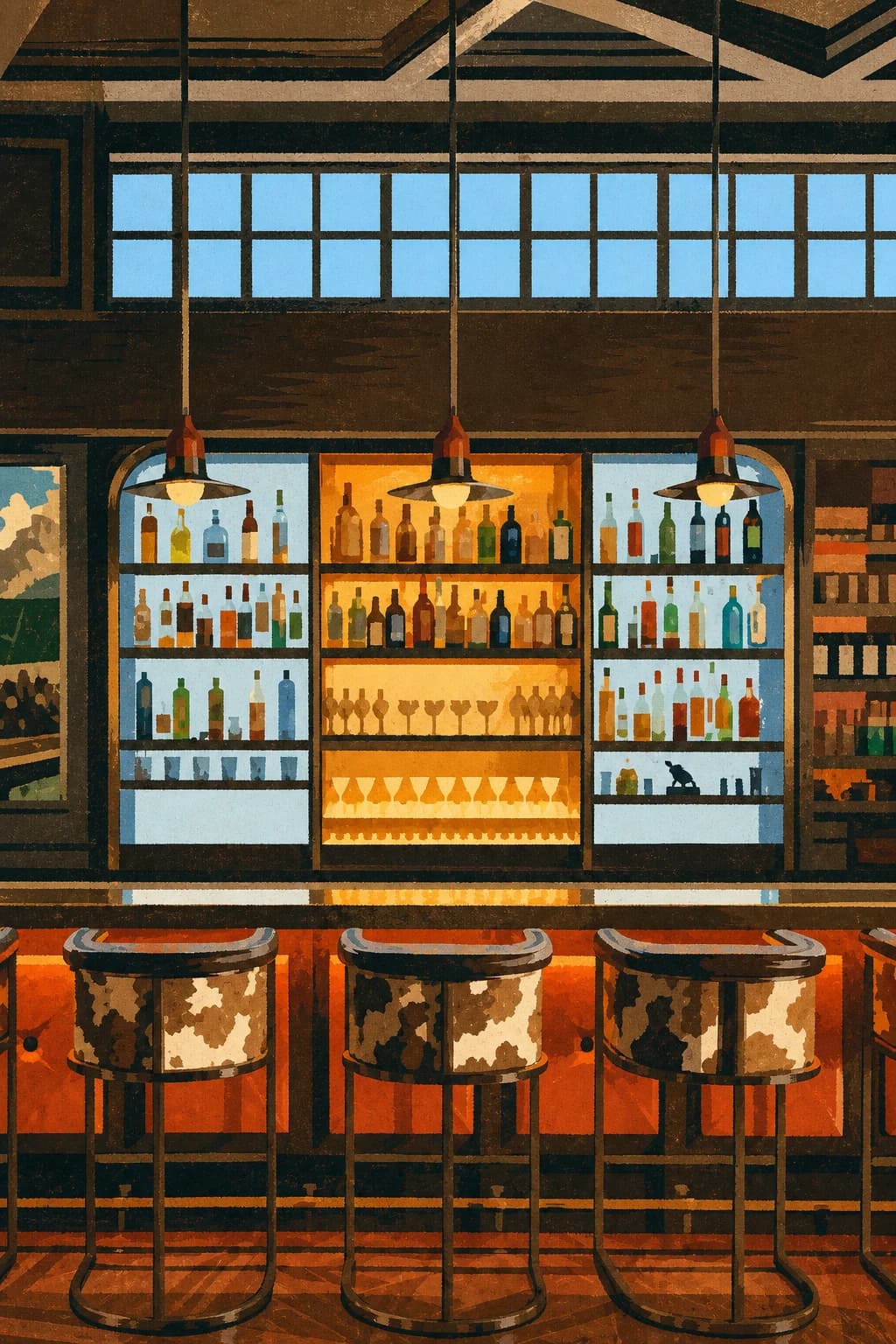
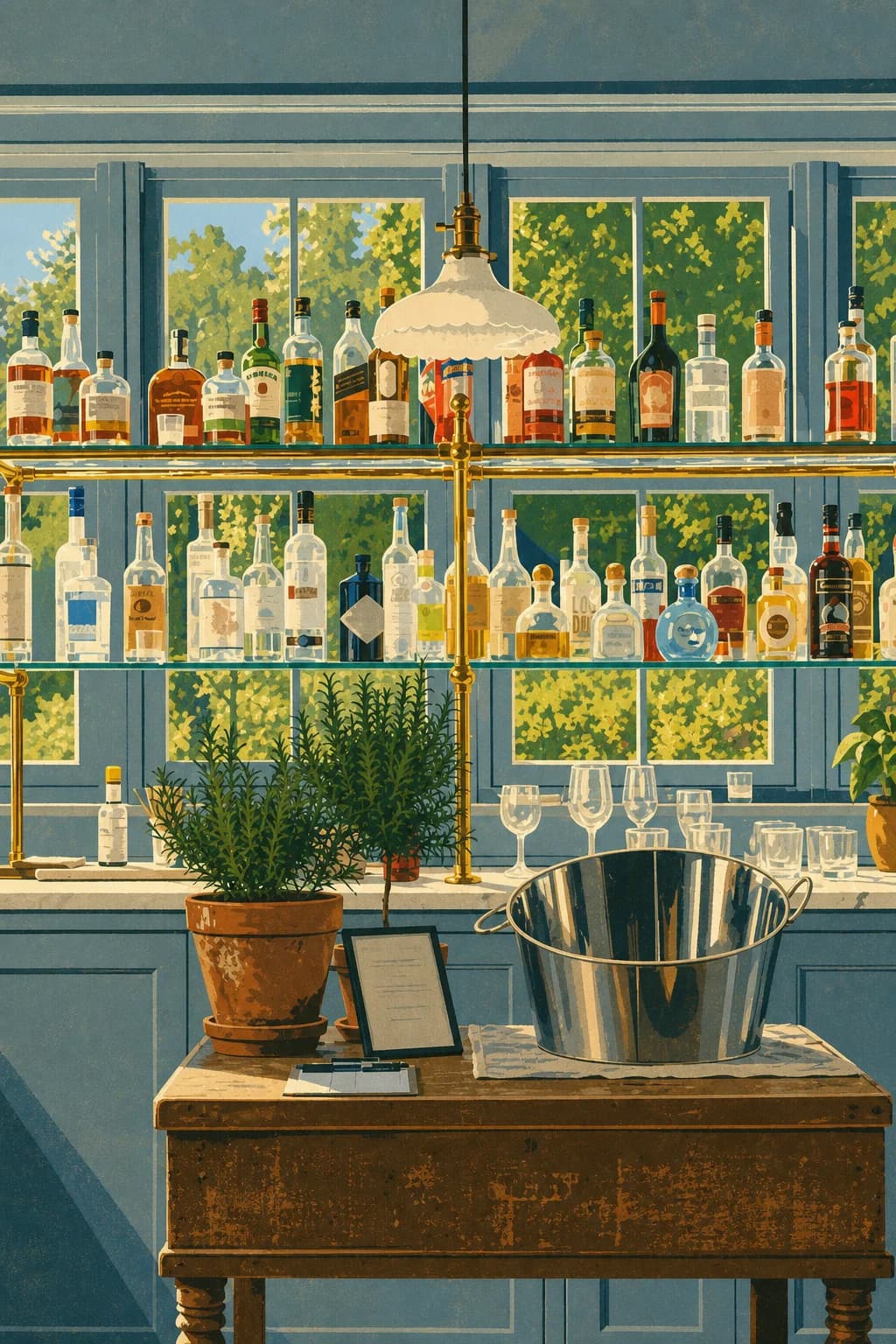
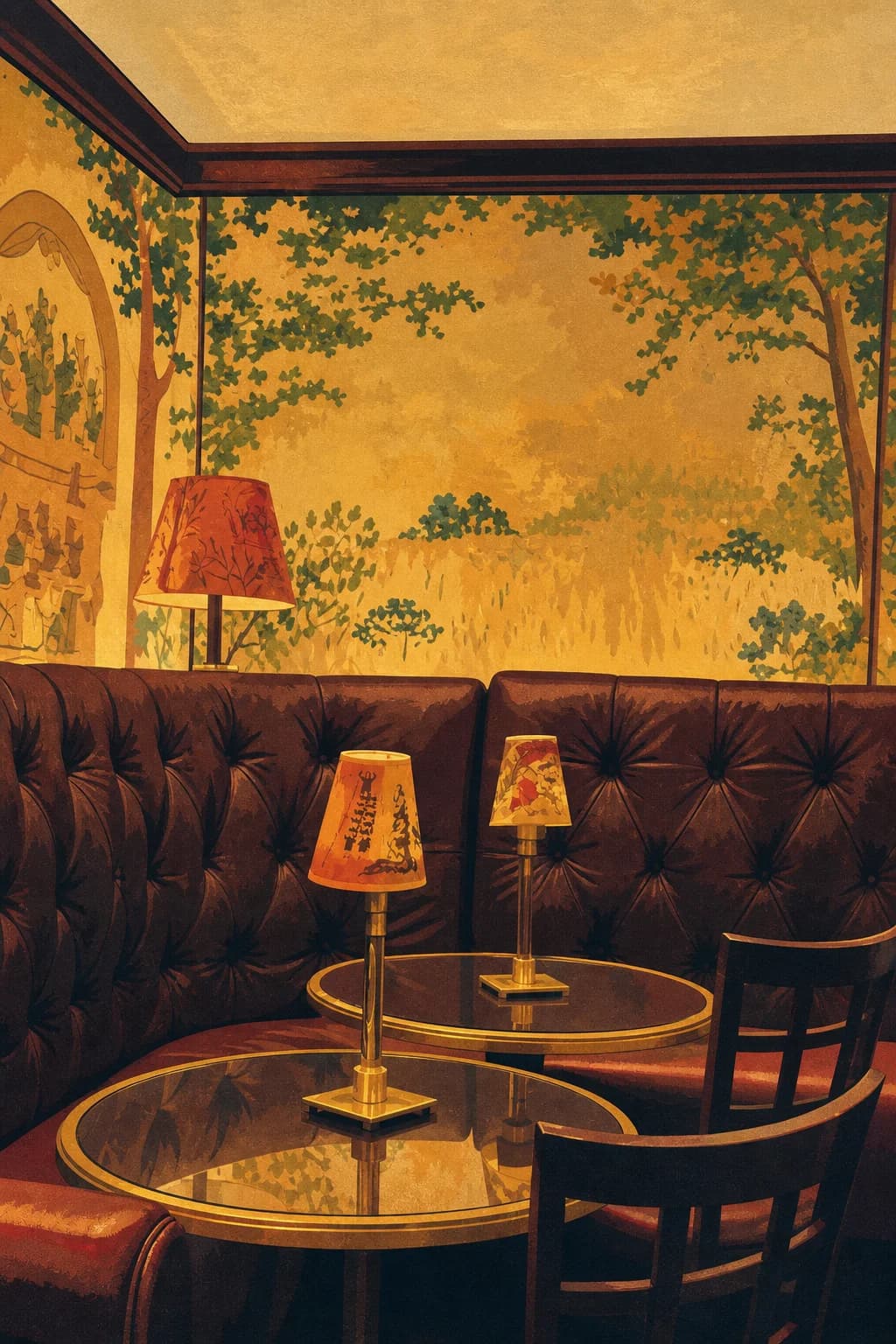
The bar is the room where the Bloody Mary was invented, or at least where the Red Snapper, its more genteel St. Regis name, became a canonical drink. The 1906 Maxfield Parrish mural of Old King Cole and his fiddlers three still commands the room, and the reopening after the 2024 renovation reintroduced it as moodier and darker than before. Staying here gets you the first seat at the bar before the after-work crowd arrives.
Butler Service on Every Floor
The St. Regis invented the butler service model in 1904, and every guest at every category of room still gets one. The butler will unpack a suitcase, press a suit, arrange coffee exactly when you want it, and source a last-minute theater ticket. It is not gimmick butler service, it is the kind of attentive layering that genuinely makes a three-night stay feel different from a standard luxury booking.
talk.
mapped.
record.
Regis on September 4, 1904 as the tallest hotel in New York City, commissioned to designs by Trowbridge & Livingston in French Beaux-Arts style and named after Upper St. Regis Lake in the Adirondacks. 120 years later, the building still commands the corner of 5th Avenue and 55th Street, still runs 24-hour personal butler service on every floor, still holds a continuous Forbes Five-Star rating, and as of 2024 has just completed a dramatic renovation of its public spaces led by Champalimaud Design.
The work restored original stained-glass Tiffany windows hidden behind the reception facade for decades, rebuilt the King Cole Bar around its Maxfield Parrish mural with dark wood panelling and a deep green ceiling, and introduced a new daytime restaurant called La Maisonette inspired by the hotel's 1910s breakfast room. This is heritage hospitality taken seriously, and the 238 rooms still get booked by the people who cannot quite believe the bar under the Parrish mural is still open.
changed.
Late April–early May beats Met Gala. First two weeks of September beat UNGA. Anything Sep–Dec needs 60–90 days of lead time.
September is the single hardest month to book in New York City, and nothing else comes close. Fashion Week and the United Nations General Assembly collide in the same two-week window, pulling designers, buyers, diplomats, journalists, and their combined entourages into a city already running near capacity. Rates during UNGA week routinely blow past the rest of the year by wide margins.
October runs a close second, and for entirely different reasons. Hudson Valley foliage trips drain weekend supply, while NY Comic Con and a dense events calendar keep midweek pressure high. If September is out of reach, expect October to feel almost identical at the top of the market.
The holiday corridor from November through December is the other sustained peak. NYC Marathon weekend in early November compresses supply across all five boroughs before Thanksgiving arrives with the Macy's parade and family travel. December then stacks Rockefeller Center, holiday markets, Broadway's busiest stretch, and New Year's Eve on top of one another.
Booking lead times for November and December should extend to 60 to 90 days minimum at High and Very High tier properties.
May and June bring sharp, event-driven spikes rather than a broad surge. Met Gala week in early May and Frieze New York concentrate pressure in Midtown and downtown Manhattan respectively. June adds NYC Pride, the Tribeca Festival, and the Tony Awards, keeping demand high but with more day-to-day variability than the fall corridor.
The value window runs January through February. NYC Restaurant Week in January and February's Fashion Week supply the cultural programming, but overall demand hits its yearly floor, with rates falling 40 to 50 percent below peak and normally rigid properties running promotions during NYC Hotel Week. August is the other soft spot: residents flee for the summer, and while the US Open opens late in the month, the first three weeks sit well below their neighbors.
The practical read: chase the shoulders. Target late April, early May before the Met Gala, or the first two weeks of September before UNGA arrives, and you'll get peak-season energy with meaningfully better availability. July is warm and less programmed but also cheaper, a fair trade if theater and outdoor dining are the priority.
approach.
briefing.
stands.
demand's going.
The real Instagram following over time, plus where this hotel sits for demand in New York City. Pick a range, toggle the lines. Followers are reach and demand, not engagement.
assessment.
File closes at VERY HIGH. Book direct six to eight weeks out for September through December business peaks. Skip if you want fashion-forward design; this one trades on heritage register.
The numbers behind the tiers
The St. Regis New York · SOURCE READINGS · REDACTED- Availability density · sampled
- Monthly search volume · raw
- TikTok hashtag views · raw
- YouTube total views · raw
- TikTok following · latest sweep
- Pinterest saves · latest sweep
More from New York City.



Get the hotel's Unbookable Score.
Any post or reel with a hotel in it. Booking.com hotel pages work too. One free check, no account needed.