Worth it if your idea of a great stay is authenticity over amenities. You are trading pool decks and space for the rare chance to sleep inside a genuine 200-year-old Hoi An house, steps from everything. Amenity-hunters will feel short-changed; character-seekers will feel they got a steal.
Genuinely a hidden gem. It lacks the Instagram footprint and marketing muscle of the big riverside resorts, so it flies under most travellers' radar despite its film cameo and its heritage. The people who find it tend to become quietly evangelical about it.
The structure predates the hotel by two hundred years: a timber merchant house whose dark columns, carved beams and mother-of-pearl detailing survived floods, wars and the tourist boom intact. Rusty Compass notes it is the only hotel set inside an original Hoi An house, and it feels it, low ceilings, worn stairs, the smell of old wood. You are sleeping in the architecture, not a replica of it.
Step out and you are in the pedestrianised ancient town: lantern-strung lanes, mustard-yellow shophouses, tailors who will run up a suit overnight, and the Thu Bon River a short walk away. Come evening the whole quarter glows with silk lanterns and the traffic disappears. Cao lau noodles and white rose dumplings are within a few minutes' stroll. Very little here requires a taxi.
Vinh Hung has a small place in film history: Michael Caine based himself here during the shoot for The Quiet American, drawn, presumably, by the same faded grandeur guests come for now. The hotel has operated since 1994, and it shows in the unhurried service and the sense that nothing has been over-restored. This is heritage lived in, not staged for a lobby photograph.
With just six rooms, availability is thin and the property can feel more guesthouse than hotel.
Built for travellers who want heritage and location, not families or resort-and-spa seekers.
Rooms differ a lot in size, light and noise, so the specific room you land matters more than usual.
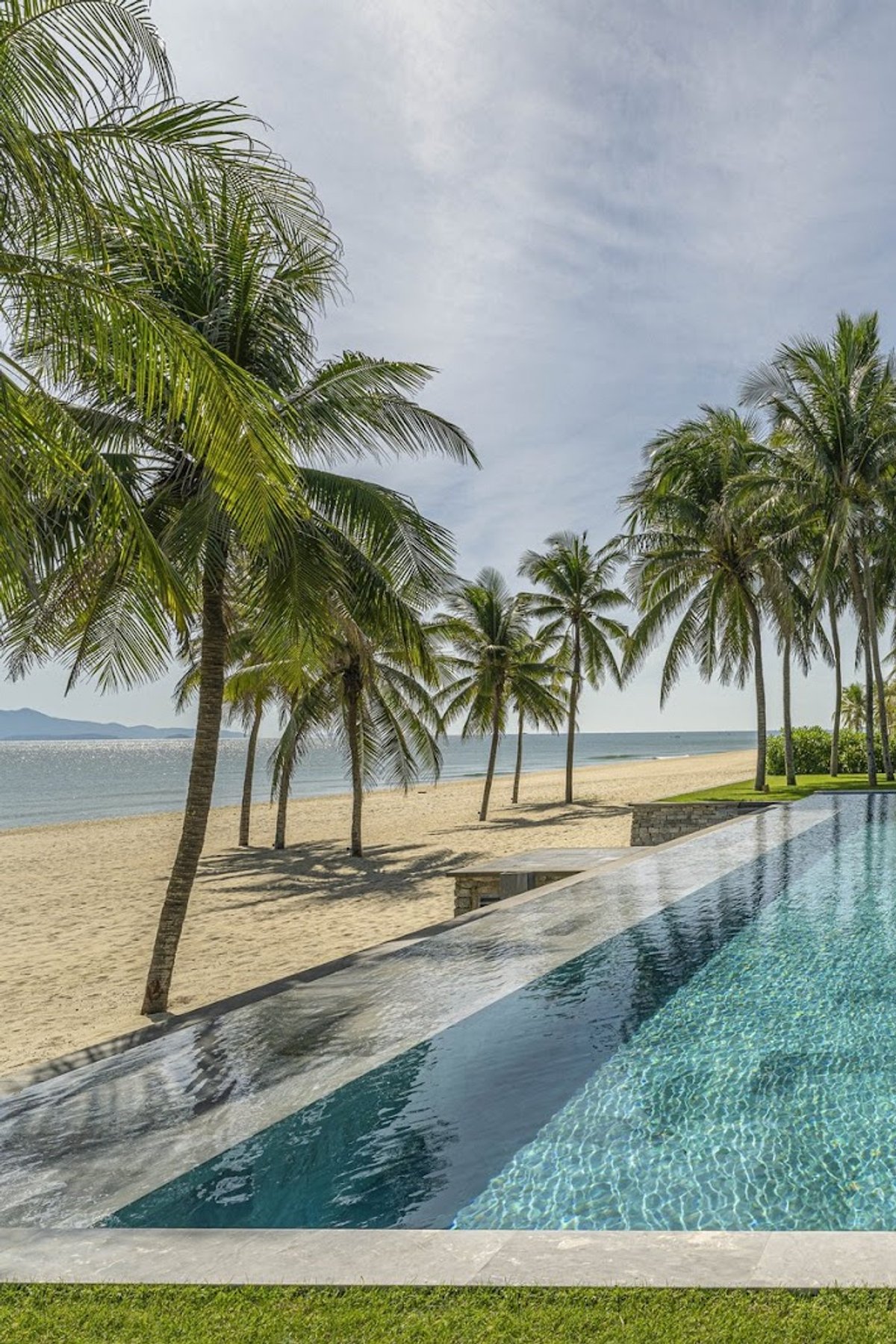
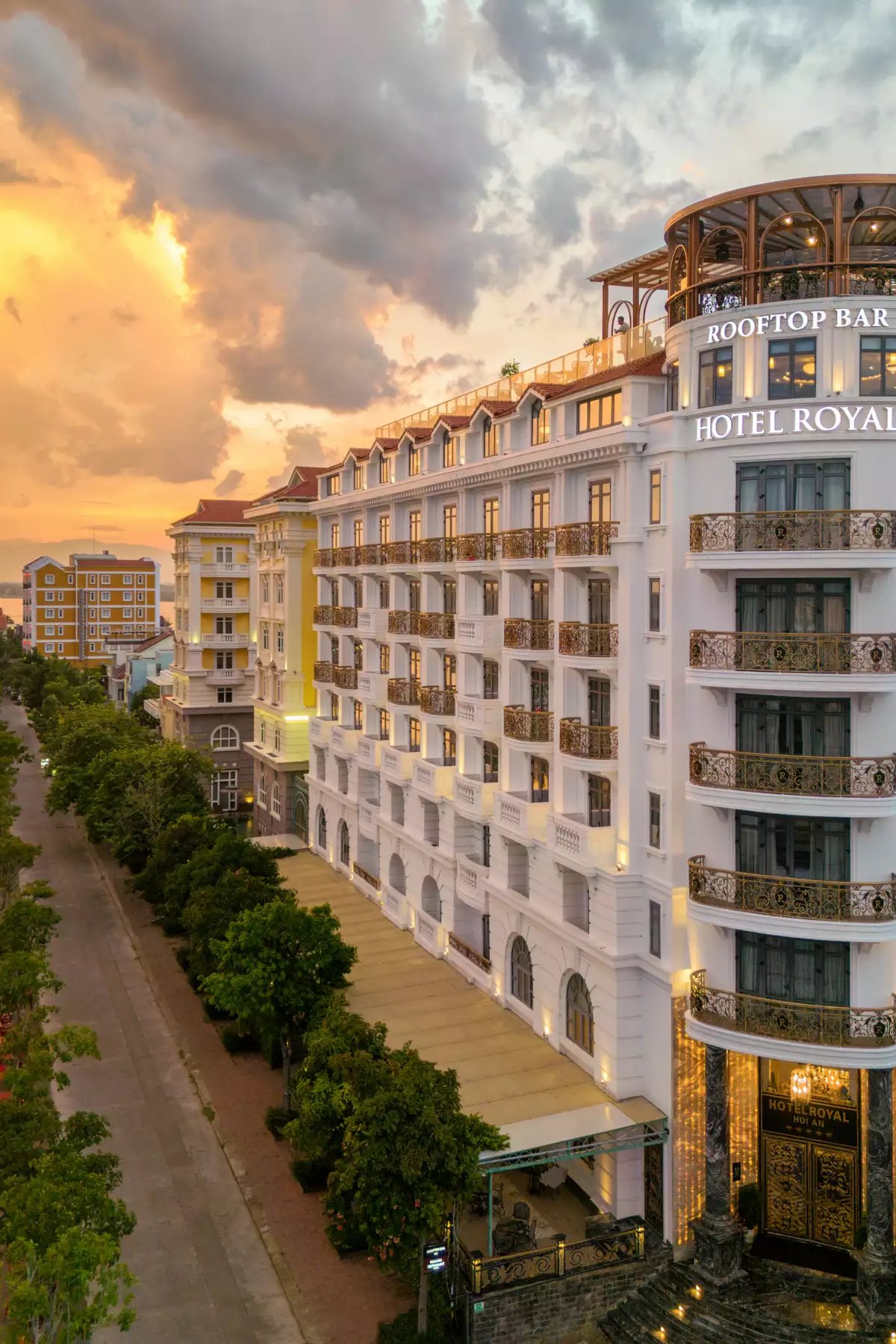
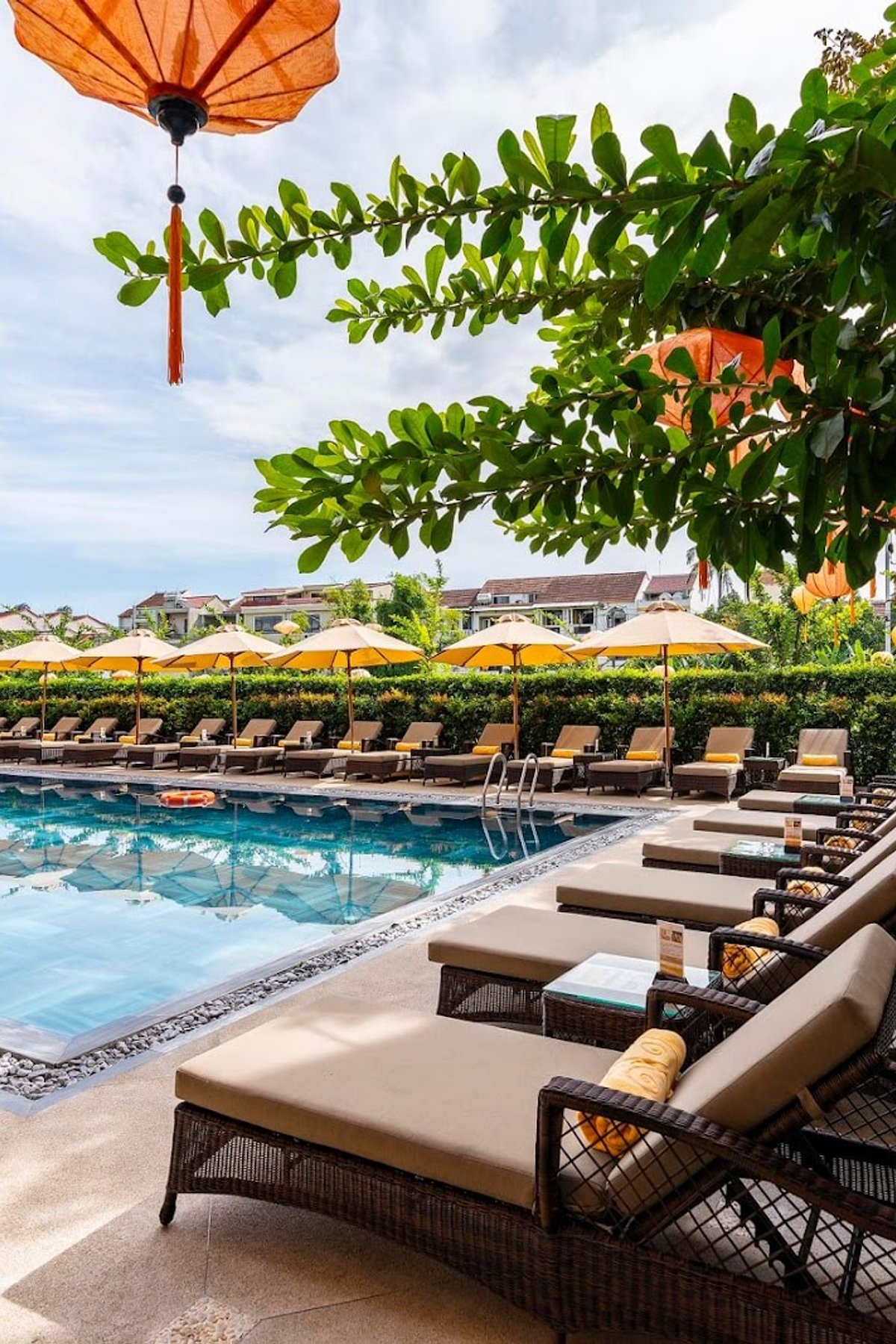
The big riverside resorts nearby offer pools and space this house simply cannot, at similar prices.
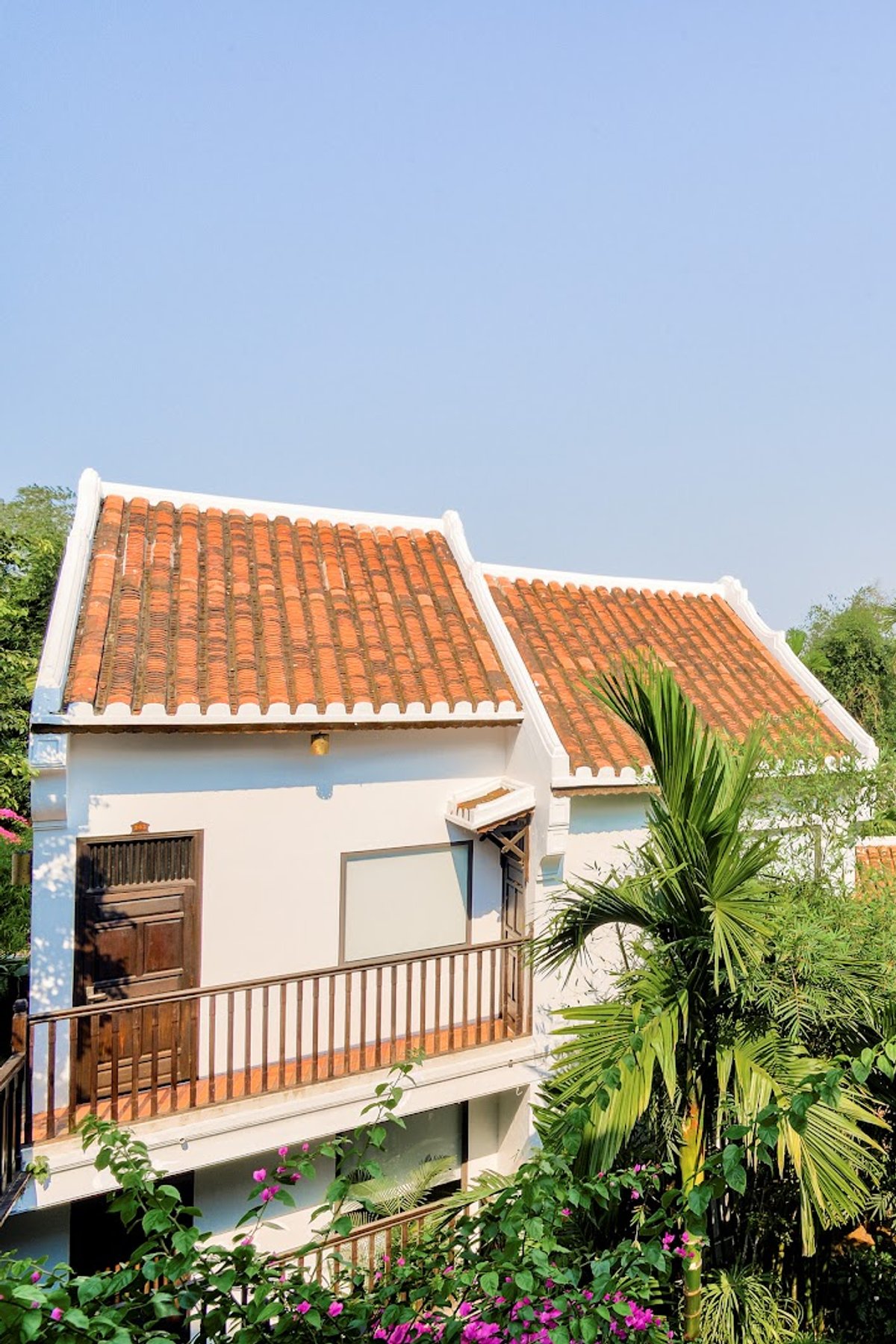
Six rooms. That is the entire hotel, which is why a place this quietly famous slips off most itineraries before anyone thinks to look. Vinh Hung Heritage opened in 1994 inside a 200-year-old merchant town house in Hoi An's ancient town, and it wears every one of those years honestly: ironwood columns gone black with age, mother-of-pearl inlay, latticed shutters that throw slatted light across the floor.
Michael Caine stayed here while filming The Quiet American, and the building looks the part, a Chinese-influenced shophouse of the kind that made this port town a UNESCO site. Rusty Compass calls it the most authentic heritage accommodation experience in Hoi An, and standing in the timber-framed lobby you understand why. Rooms start around 83 dollars. With only six of them and a town that fills up fast in dry season, the trick is simply deciding early and booking before the peak.
The demand curve here has one sharp spike and a long, flat tail, and understanding why saves both money and disappointment. The February-to-April peak exists because it is the only stretch when central Vietnam reliably delivers dry, mild days: the winter rains have gone and the brutal summer heat has not yet arrived. That window also overlaps Tet, the lunar new year, which stacks a wall of domestic demand on top of the international crowd. If you want a specific room in a small Cam Thanh retreat or a heritage resort near the Covered Bridge during these months, plan on booking three to six months out. The top-tier addresses are few, and they sell their peak dates first. The rest of the year rewards flexibility. May and September are the genuinely undervalued months. They sit in the shoulder band on price and availability but still deliver plenty of usable weather, and September in particular lands before the rains turn serious. The deep summer of June through August is hot and humid, which is exactly why it prices as shoulder; for beach-first travelers and families who will spend the afternoons in a pool or at An Bang, that heat is a feature, not a deterrent, and it is the easiest time to walk into a good room on short notice. October and November are the honest gamble. This is central Vietnam's wet season, and the Thu Bon can rise enough to flood the Ancient Town's lower streets; locals paddle boats down them most years. Demand stays in the shoulder band, which means the rooms are there and the rates are soft, but you are trading certainty for value. Nothing closes, so the calculus is yours. One timing note cuts across every month: the lantern festival falls on the fourteenth night of each lunar cycle, when the town douses its electric lights for candlelit lanterns. It is worth building a trip around, and it is not a summer-versus-winter decision. Check the lunar calendar, then pick your dates.
The real Instagram following over time, plus where this hotel sits for demand in Hoi An. Pick a range, toggle the lines. Followers are reach and demand, not engagement.
File closes at MODERATE. A rare, tiny heritage house you can actually book if you plan around the dry-season crush. Book it if you want to sleep inside old Hoi An; skip it if you need a pool, space, or resort service.