Mai
House Saigon.
2 critic reviews
filed.
Mostly yes. The design, the food, and the calm of District 3 back up the good word, and the personal service punches above the room rate. Just reset your expectations from intimate boutique to polished full-size hotel and you will not be disappointed.
Genuinely a hidden gem. With a modest following and only light press so far, Mai House flies under the radar next to Saigon's big-name chains, yet it matches or beats many of them on character. If you like finding the place before everyone else does, this qualifies.
angles.
French Indochinese, Done With Restraint
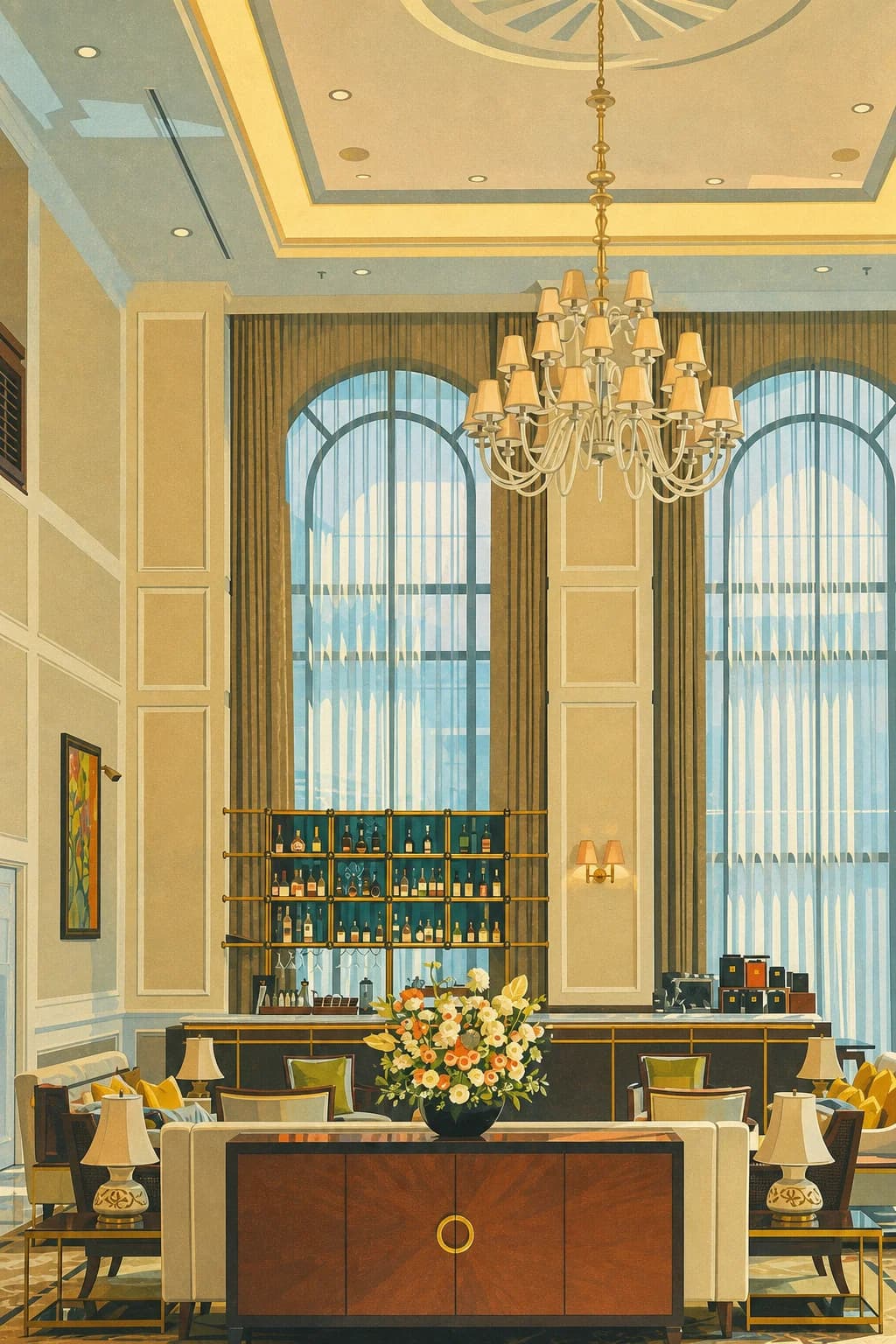
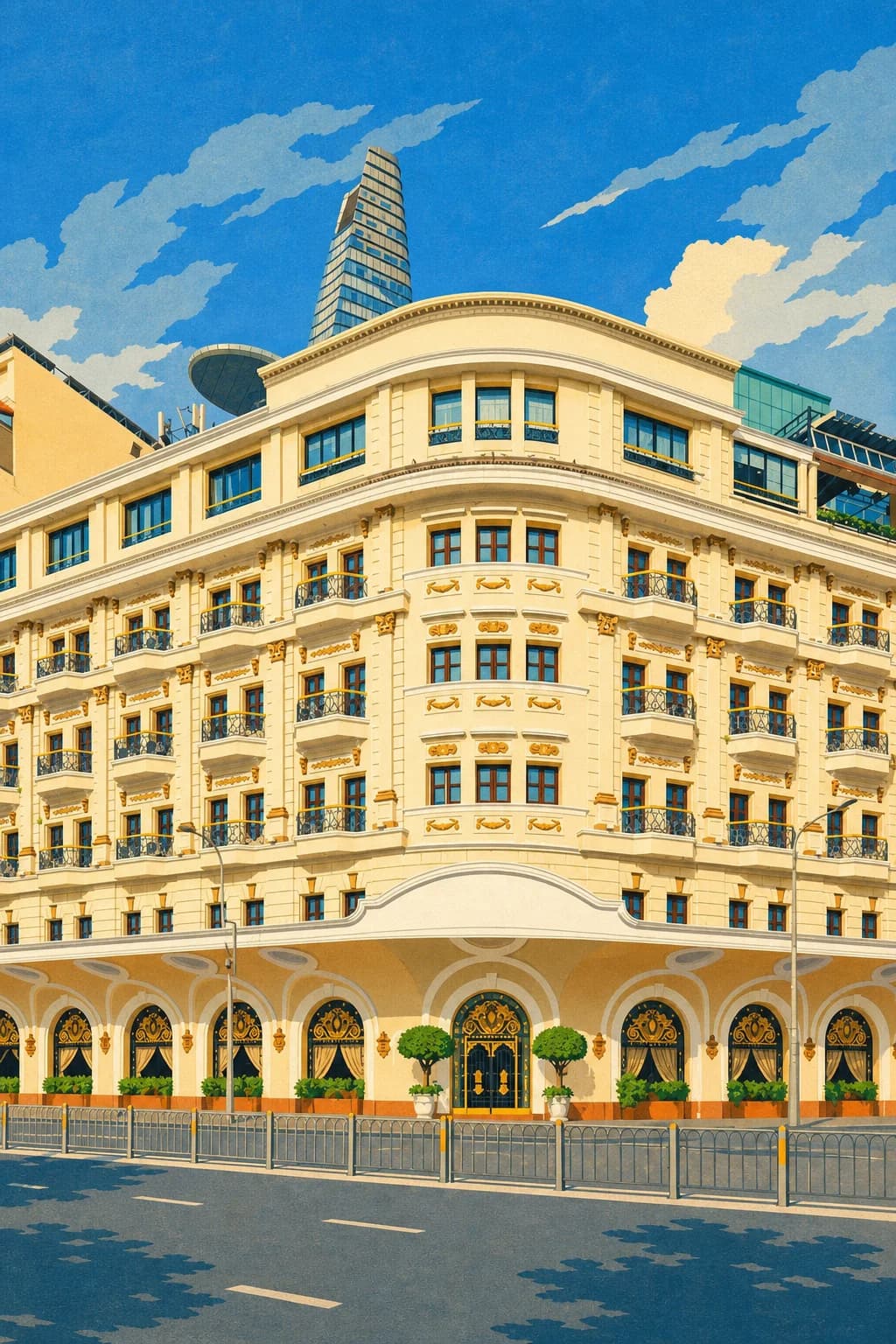
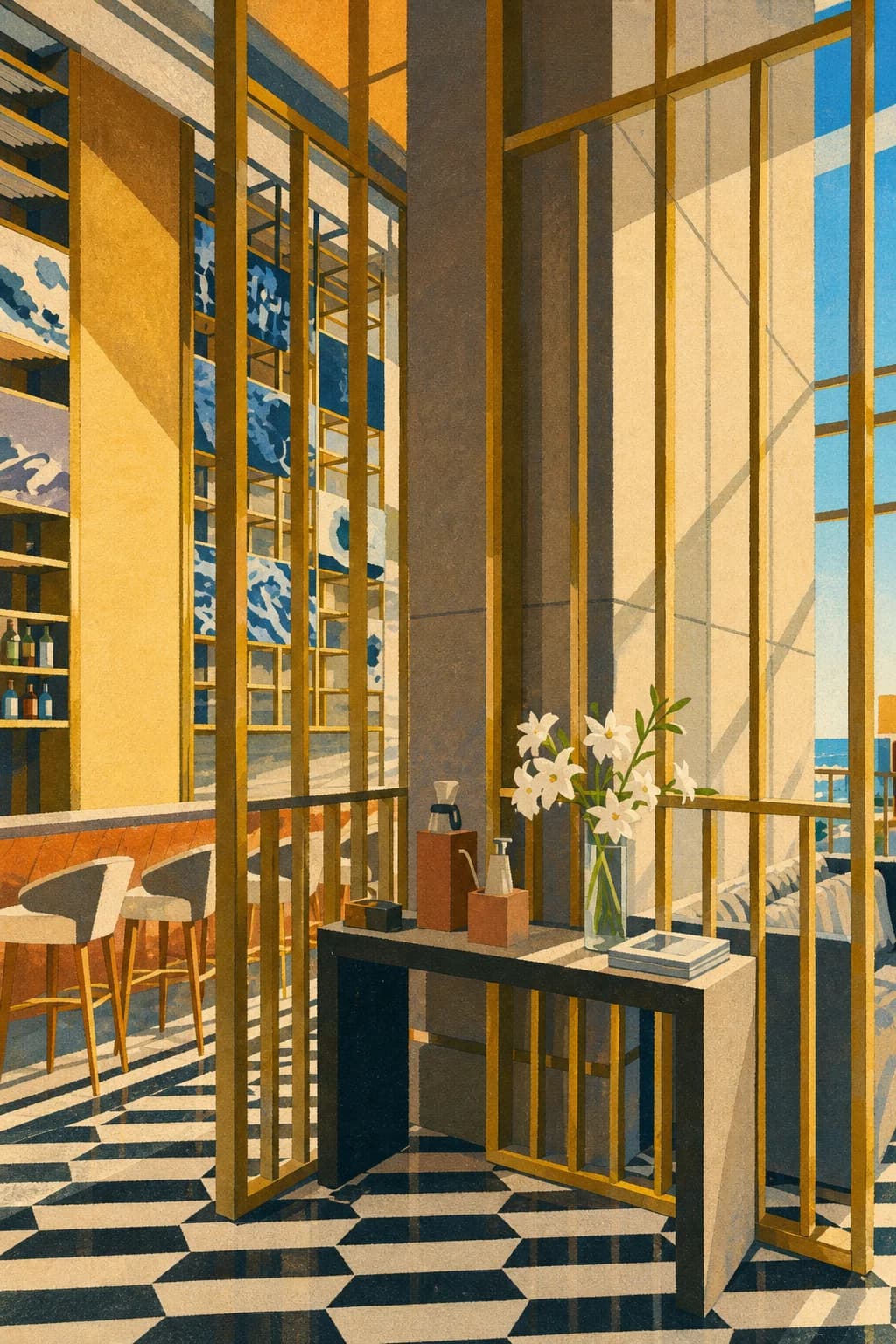
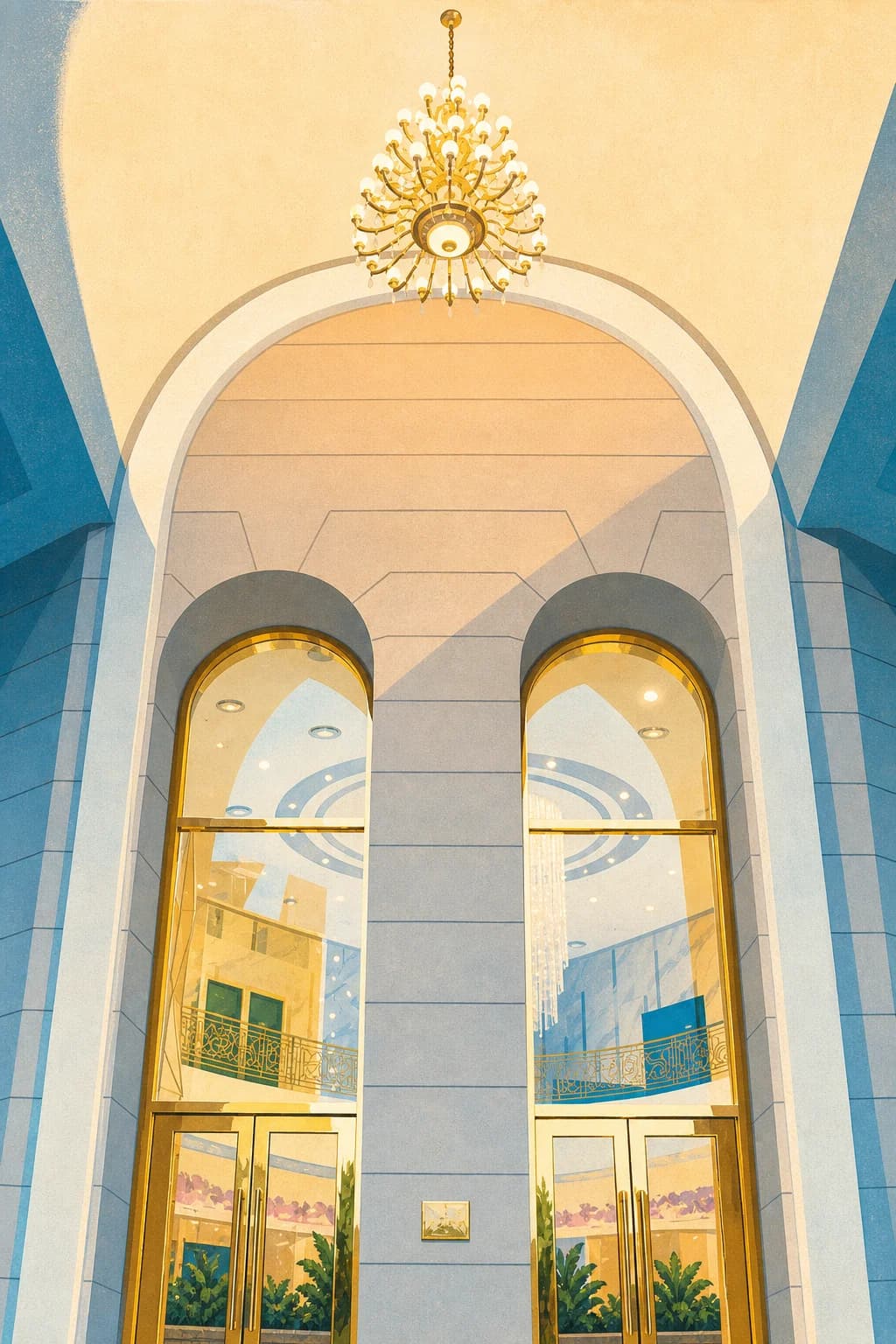
The look is French-Indochinese colonial: high ceilings, polished floors, and marble that carries from the lobby into the bathrooms. Rather than generic chain-hotel gloss, the public spaces feel like a small gallery, with artwork, books, and objects arranged between the rooms. Plush carpeting in the guestrooms is a rarity in humid Saigon, and the detailing, down to ornate bedside clocks, is genuinely considered.
A Kitchen That Actually Delivers
C'est La Vie is the anchor, serving rustic French provincial dishes next to Vietnamese comfort food. Breakfast is the crowd-pleaser, a wide spread of Vietnamese specialities, pastries, dim sum, and fresh fruit that regulars rave about. On weekends the kitchen rolls out a serious seafood buffet with an oyster bar and sashimi. The house burger and lamb rack are reliably good for a quiet night in.
District 3, Minus The Crowds
District 3 is the version of Saigon travellers fall for: leafy streets, colonial villas, boutiques, and coffee shops, with far fewer tour groups than District 1. The hotel sits beside the century-old Marie Curie school and within walking distance of the Pink Cathedral, Turtle Lake, and strong local restaurants like Bep Cuon and Hoa Tuc. The War Remnants Museum and Independence Palace are close too.
talk.
mapped.
“Post-colonial elegance is the order of the day at Mai House Saigon, an independent luxury hotel that can match the big chains amenity for amenity.”
record.
Inside, the ceilings soar, the floors are polished to a shine, and marble runs from the lobby through the bathrooms.
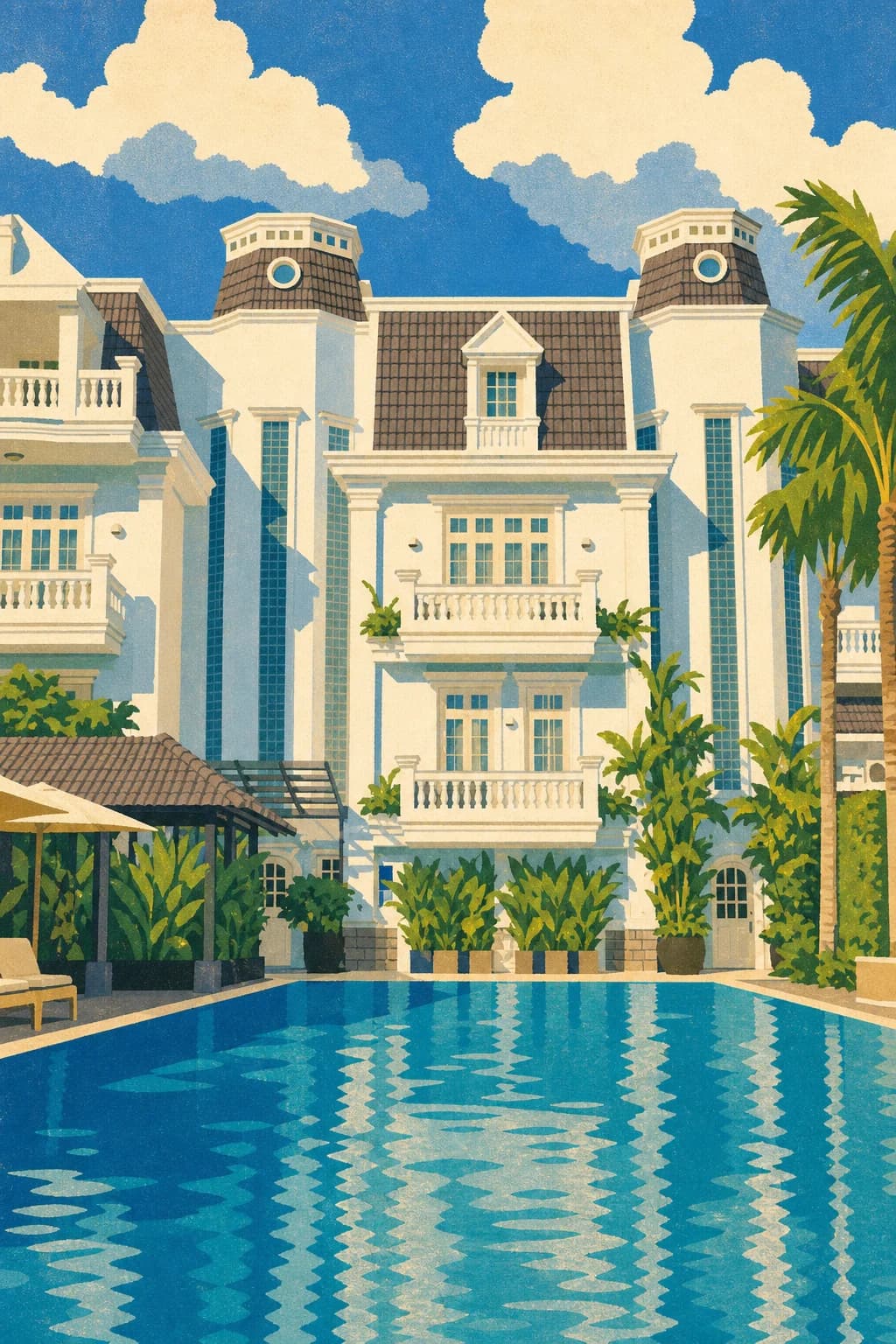
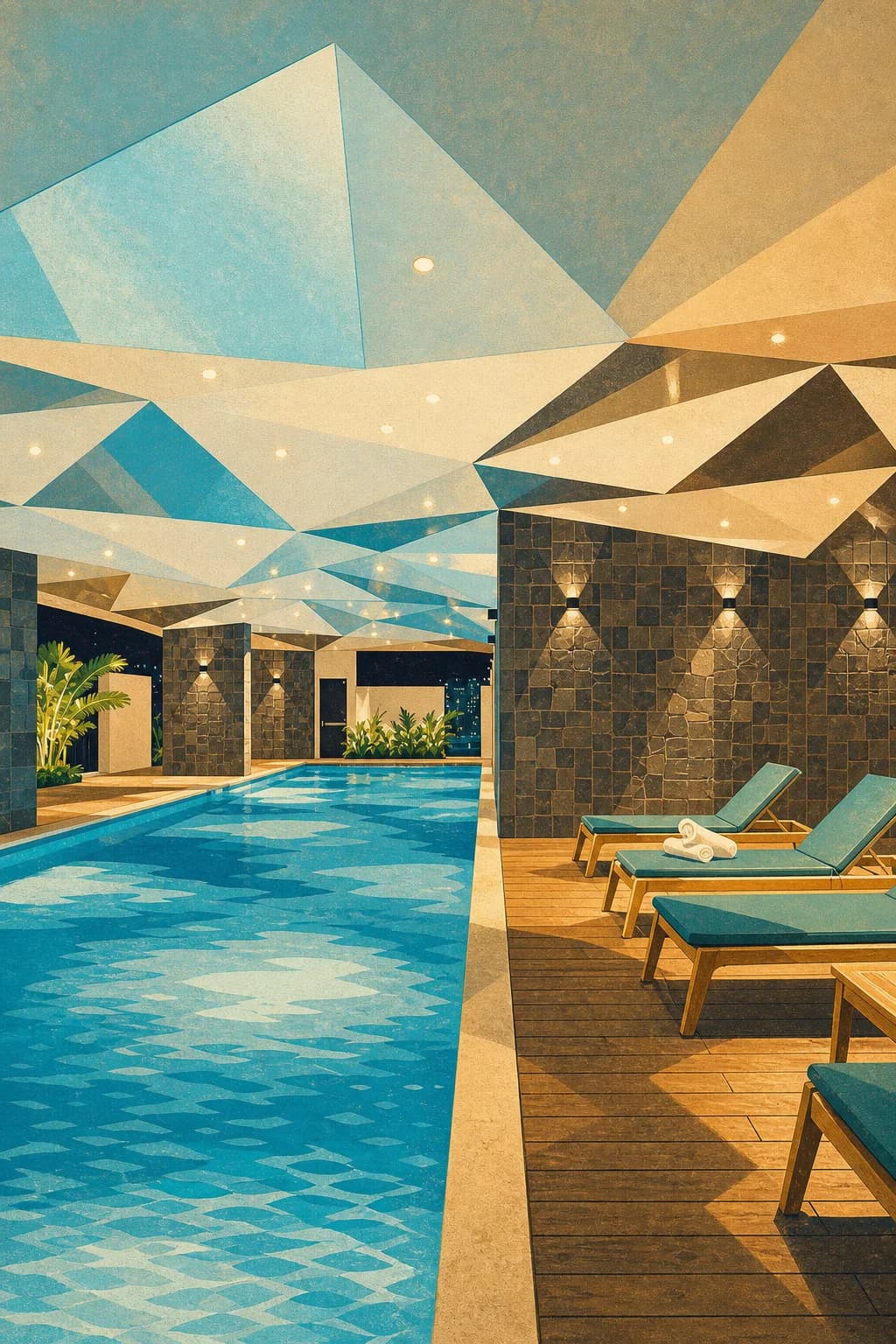
It reads less like a chain hotel and more like a furnished gallery, with artwork and books arranged among the 224 rooms and serviced apartments. Downstairs, C'est La Vie plates rustic French provincial cooking alongside Vietnamese comfort food, and the pool hides a small waterfall and a poolside happy hour. The Travelling Turtle wrote it up in 2024. The modest Instagram following keeps the secret fairly quiet for now.
changed.
Saigon's demand curve is blunt, and reading it before you book is the difference between the room you wanted and whatever's left. Four months — December through March — sit at the top for a reason: this is the only stretch when the city's heat arrives without the daily monsoon, and it overlaps with Tet, the Lunar New Year that pulls the entire country into motion at once.
December through March is peak, and it fills from the top down. The dry season delivers the conditions everyone wants, which is exactly why the good room categories close first. For the central design hotels or a small Thao Dien boutique in this window, treat four to eight weeks of lead time as your floor and book the better categories immediately.
Tet itself deserves its own strategy. Falling in late January or February, it is the single busiest booking moment of the year — and the strangest on the ground. Many family-run restaurants and shops shut for several days as locals return to their hometowns, and the normally relentless traffic thins to something almost calm. Plan around the closures and it's fascinating; ignore them and it's frustrating.
The shoulders are where the value hides. April and November carry high but not peak demand, buying you dry-season conditions without the Tet surcharge — the sweet spot repeat visitors quietly aim for. This is the window that rewards travelers who know the calendar without paying for the crowd.
September and October are the easiest months of the year to walk into the room you actually wanted: warm, green, quiet, and roughly half the demand of peak.
The long wet season, May through October, cuts demand by about half. Rates and booking friction fall with it. The rain is real but rarely a washout — it arrives as heavy afternoon downpours that clear within an hour or two, leaving mornings and evenings open. There is no closed season in Saigon and no month the city stops working; what changes is the math of getting a bed. Plan the peak months like a competition, the shoulders like a gift, and let the wet season carry the trips where flexibility matters more than sunshine.
approach.
briefing.
“this might be one of my favourite hotels ever. It might not have the cachet of a famous international hotel chain, but IMO it's far better”
stands.
demand's going.
The real Instagram following over time, plus where this hotel sits for demand in Ho Chi Minh City. Pick a range, toggle the lines. Followers are reach and demand, not engagement.
assessment.
File closes at MODERATE. This is the low-stakes booking: a gorgeous District 3 hotel you can reserve on a normal timeline. Book it if you want colonial grace without the tourist crush; skip it if you need to be steps from District 1's nightlife.
The numbers behind the tiers
Mai House Saigon · SOURCE READINGS · REDACTED- Availability density · sampled
- Monthly search volume · raw
- TikTok hashtag views · raw
- YouTube total views · raw
- TikTok following · latest sweep
- Pinterest saves · latest sweep
More from Ho Chi Minh City.

Get the hotel's Unbookable Score.
Any post or reel with a hotel in it. Booking.com hotel pages work too. One free check, no account needed.