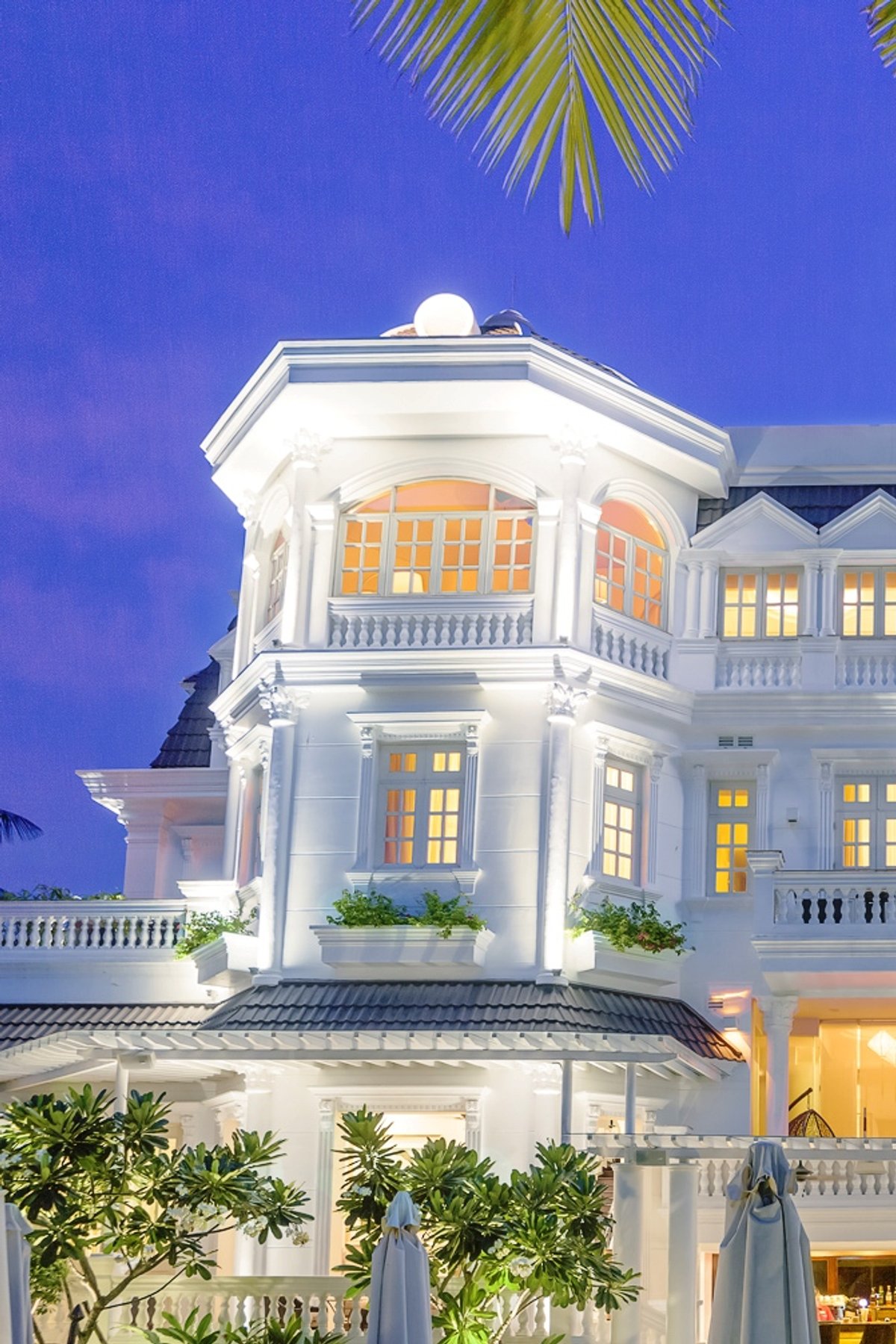
If the hype you have heard imagines a slick, ultra-luxe tower, adjust expectations. What this delivers is quieter and more useful: a calm, well-run room in a location that puts central Saigon at your feet. On that promise, it over-delivers.
For a hotel this central, it keeps a remarkably low profile, with barely a social footprint and little travel-press noise. That makes it a hidden gem for people who want the location without the crowds that trail the better-known names. Word is only slowly getting around.
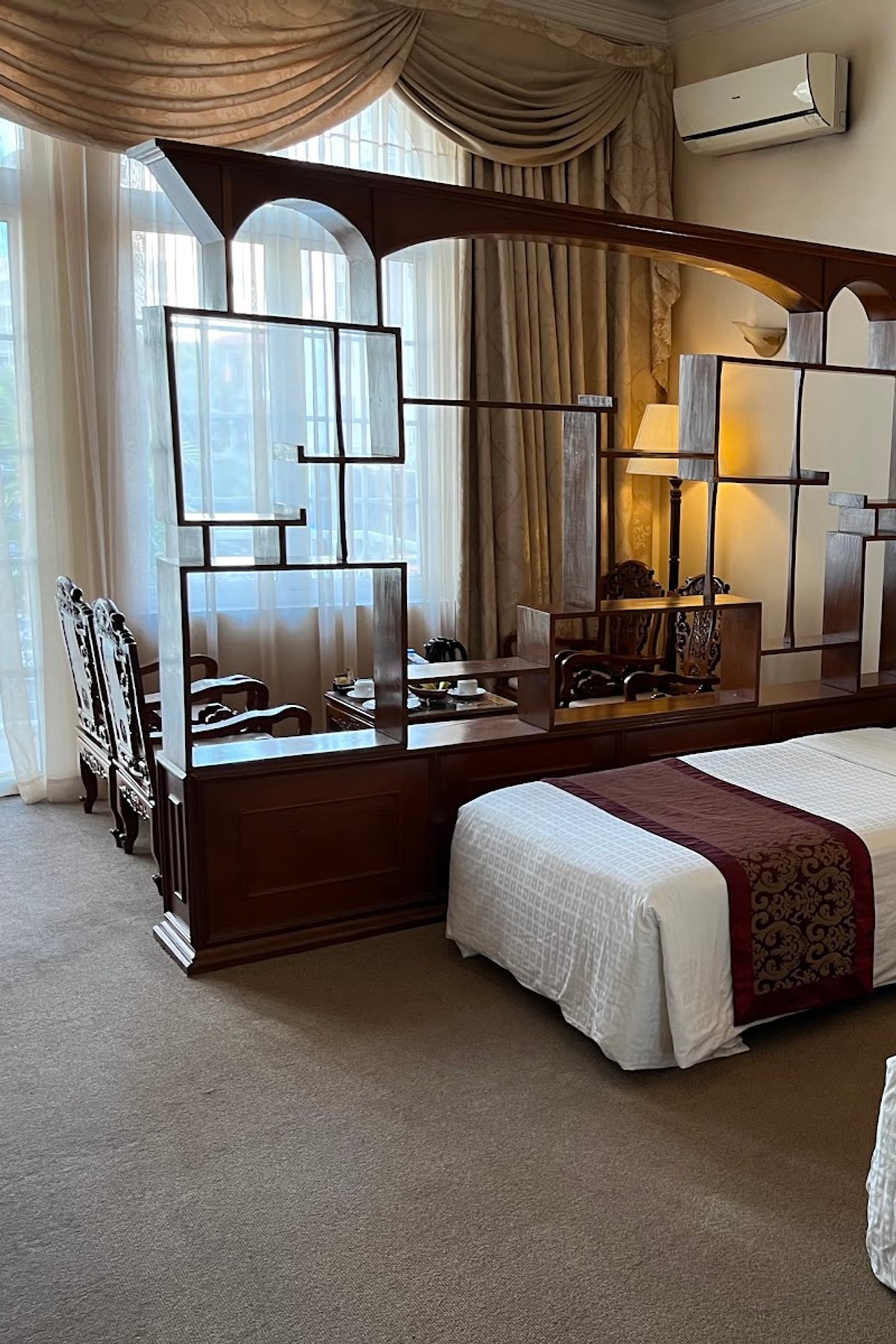
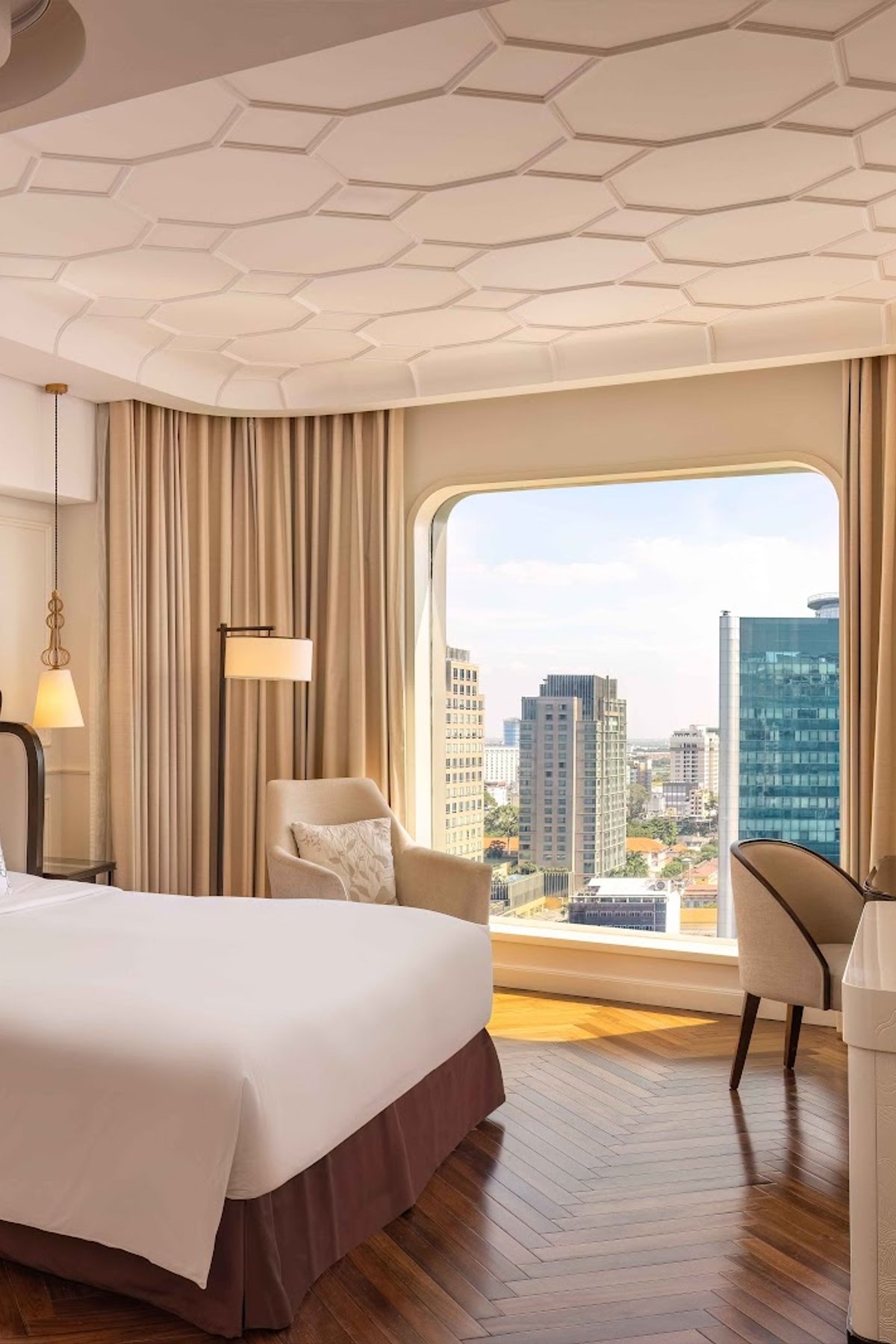
The whole property is organized around stillness. Natural materials, restrained palettes, and soft light give the rooms a quiet that feels deliberate rather than sparse. The Japanese Zen influence shows up in the spatial restraint, while the Vietnamese idea of binh yen lends it warmth. What guests notice first, though, is the soundproofing: a genuinely silent room in the middle of District 1 is rarer than it should be.
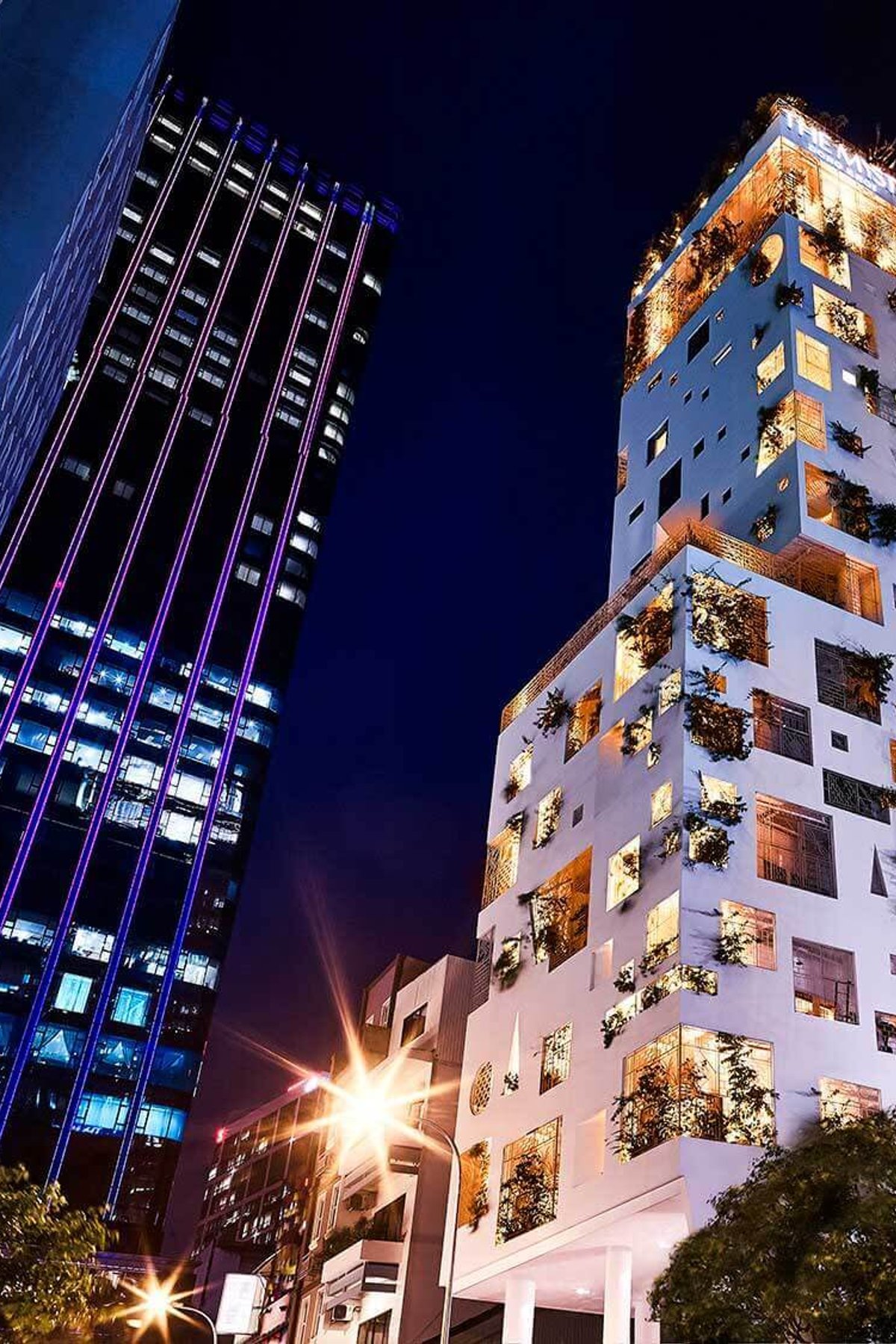
You are minutes on foot from Ben Thanh Market, the night stalls, and the tailors, and a short walk the other way lands you in Pham Ngu Lao's louder backpacker grid. That position is the point: coffee, street food, rooftop bars, and the war-history museums all sit within a walkable radius, so you rarely need a Grab bike unless you are heading further out of the center.
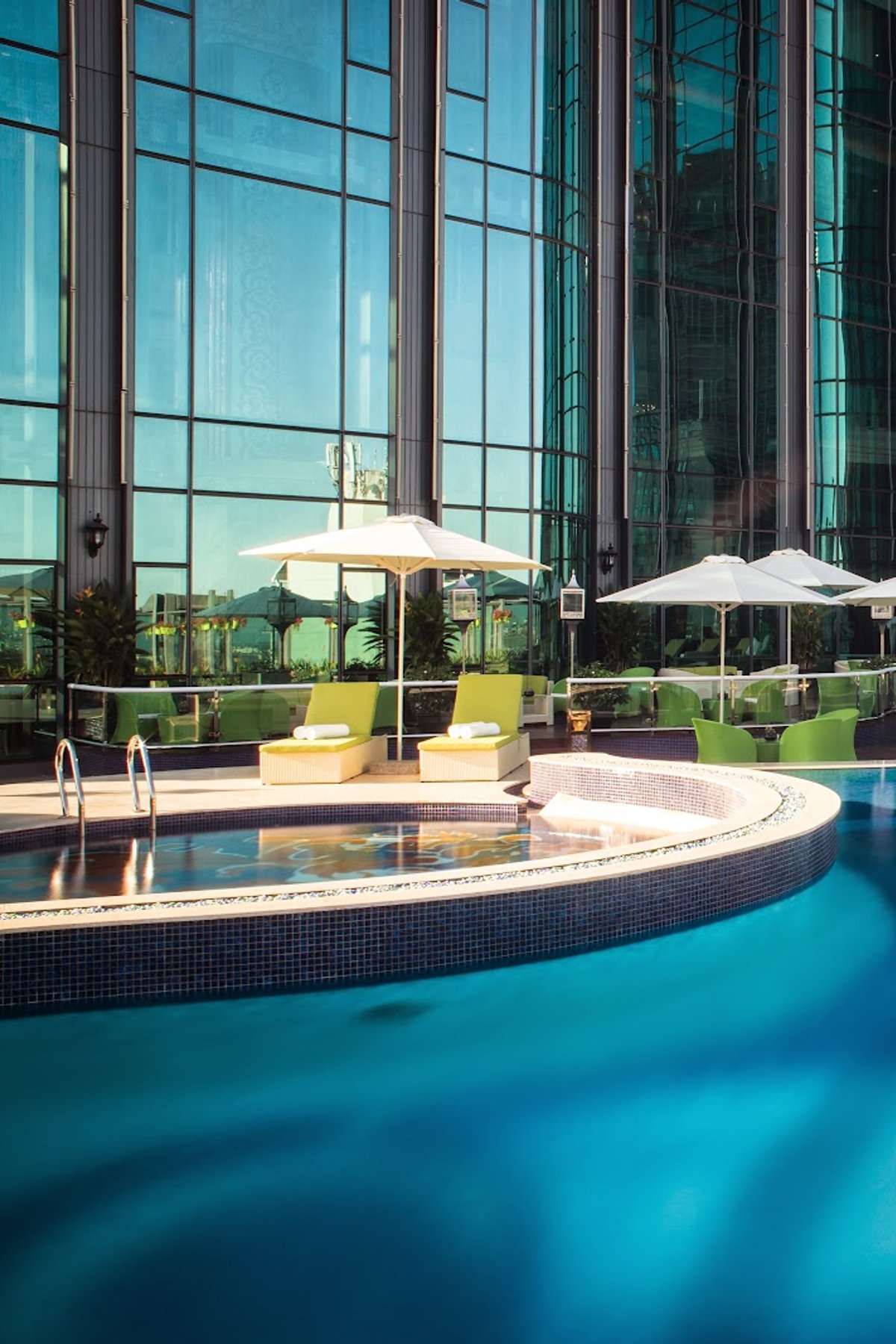
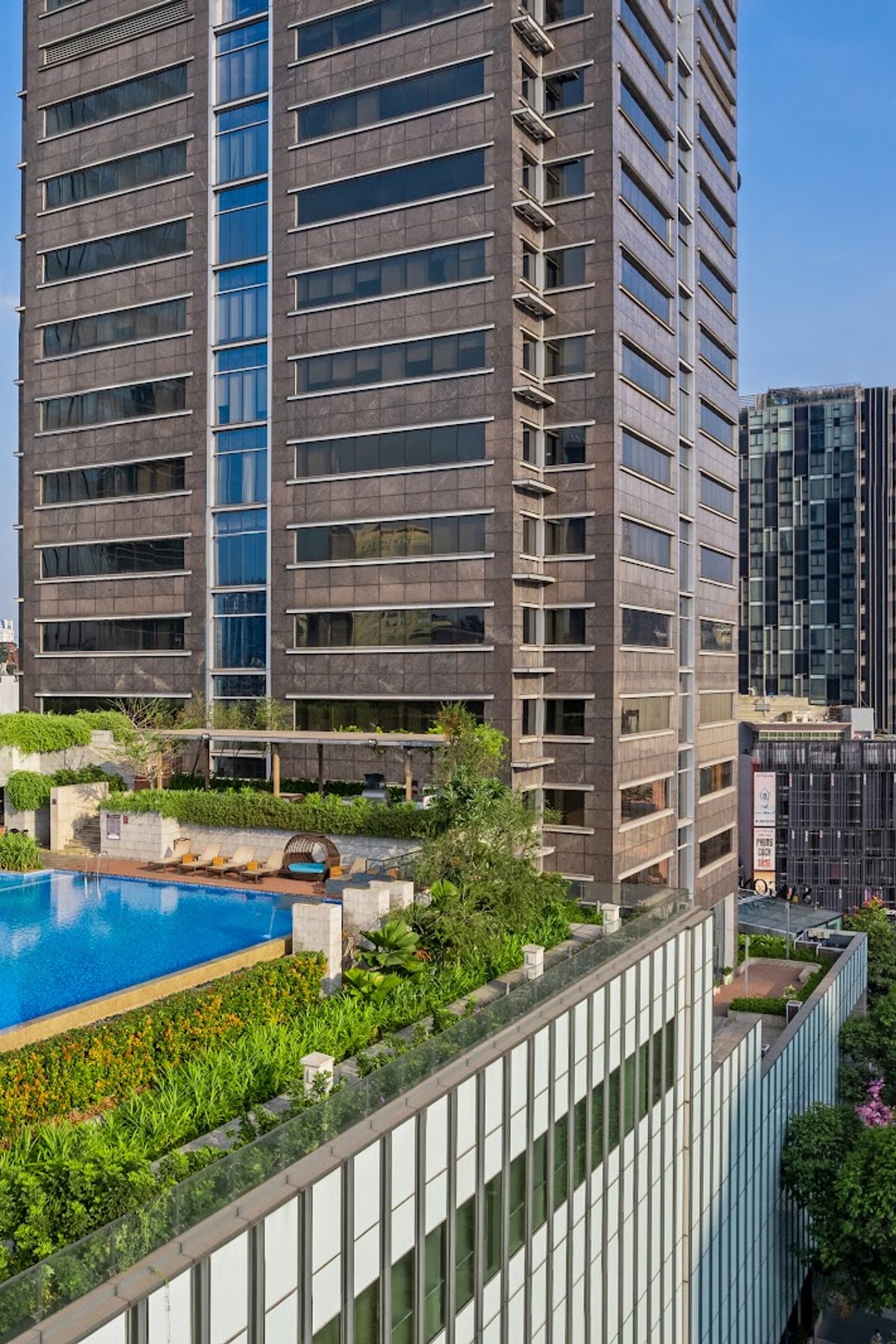
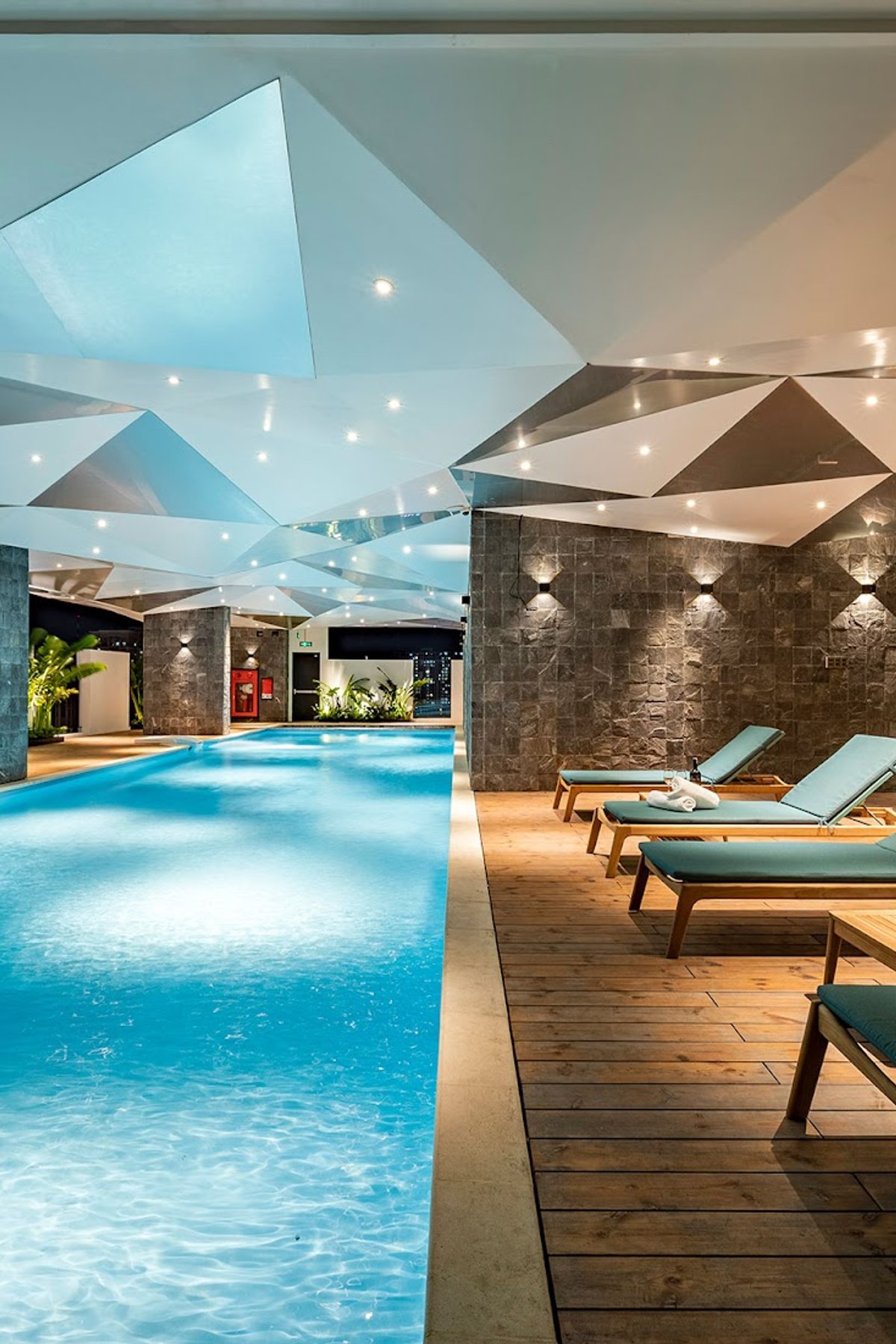
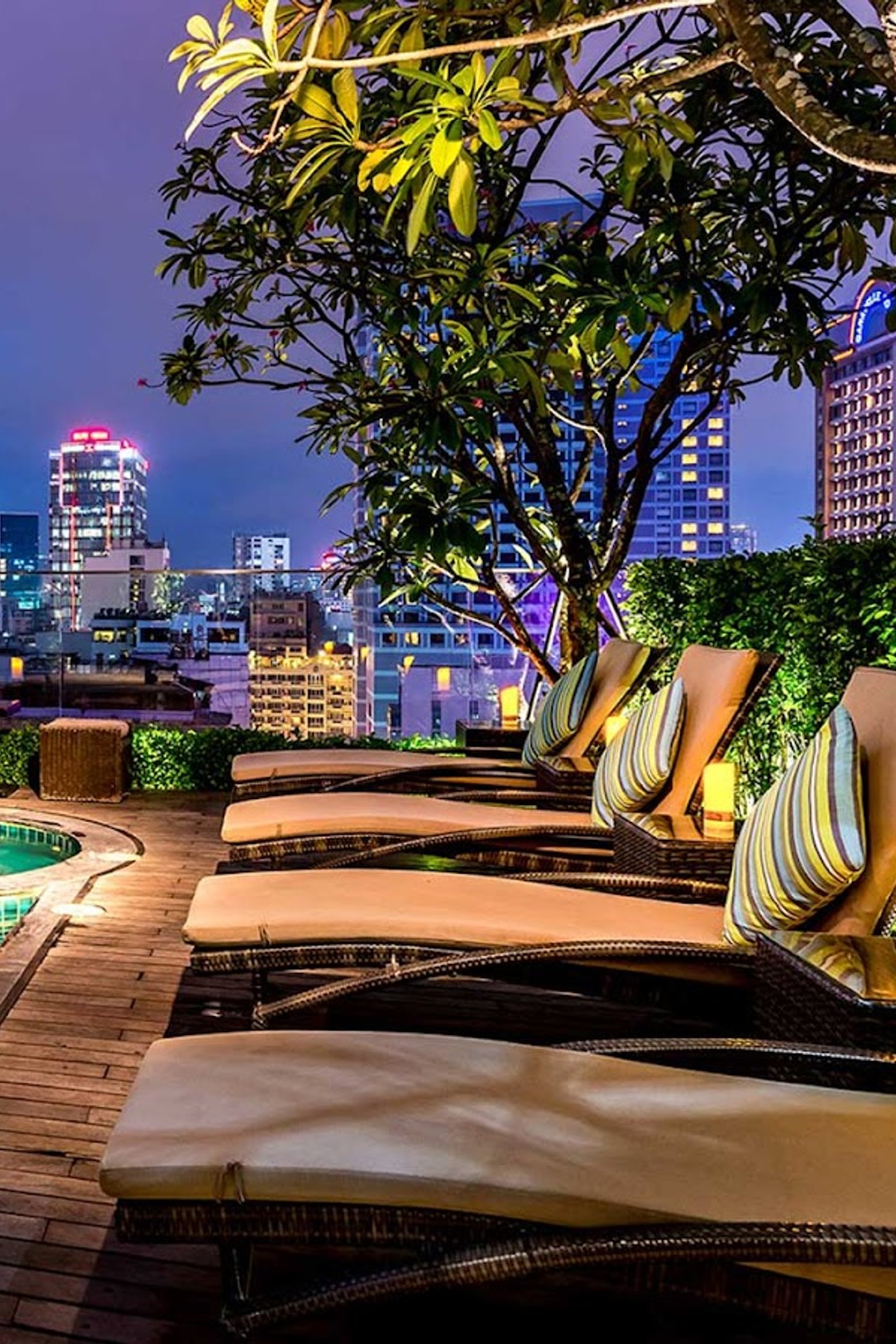
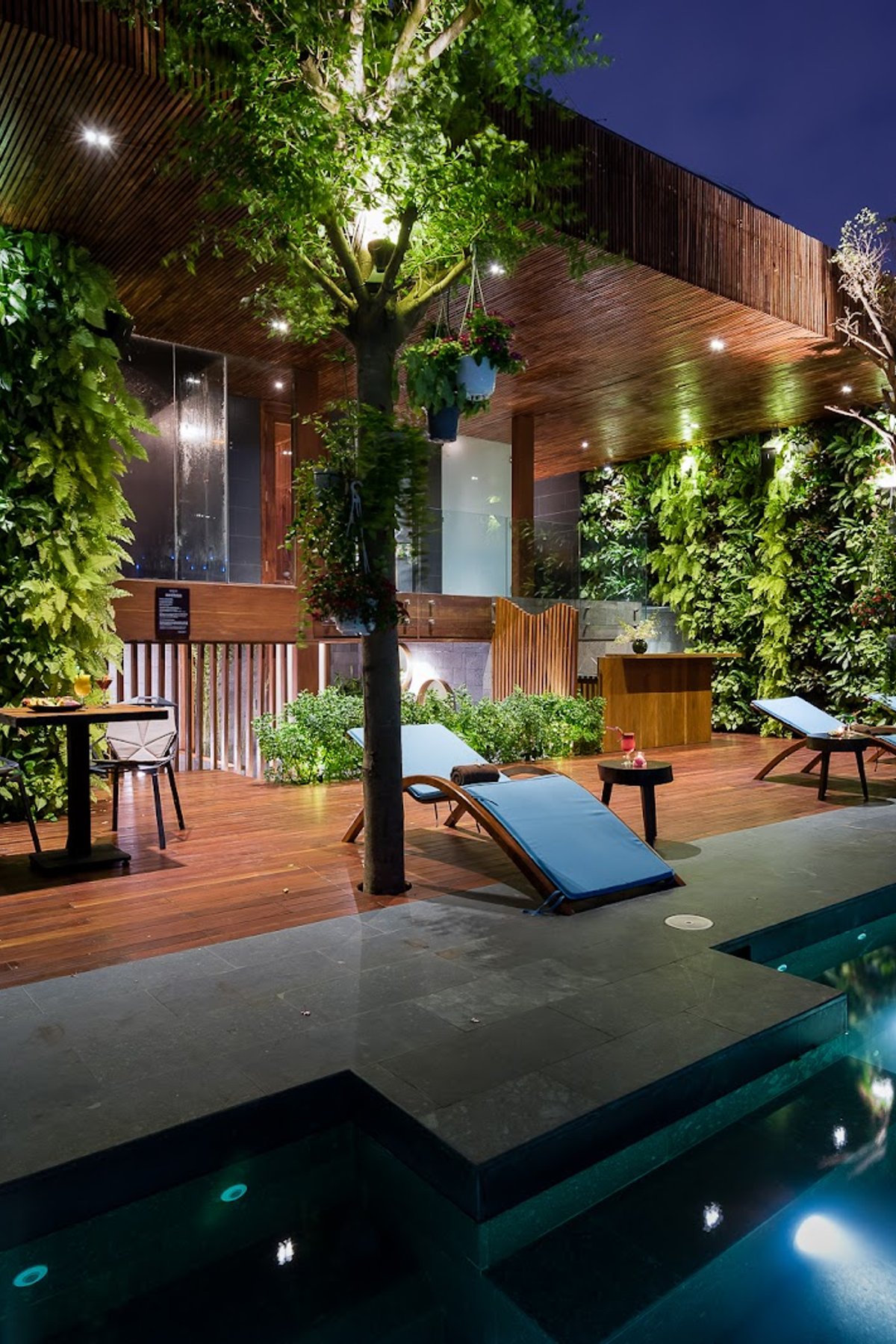
There is an outdoor pool, a steam room, and a rooftop bar with a clear read on the skyline, but none of it is trying to be a scene. It is the sort of place you swim in the morning, work through the heat of the day, and climb up top for a drink at dusk. The wellness touches feel built for recovery, not for Instagram.
This is a compact central property, not a resort, so the amenities are right-sized rather than sprawling.
It suits travelers who want a quiet, walkable base in District 1 more than anyone chasing a marquee luxury name.
Rooms differ by floor and street exposure, so a low front-facing room is a noticeably different stay than a high, quiet one.
Ben Thanh is thick with hotels at this price, so the edge here is calm and soundproofing rather than a singular address.
Most hotels a few steps from Ben Thanh Market lean into the chaos: neon, rooftop bass, motorbike roar. Silverland Yen does the opposite, and the calm sells itself. The organizing idea is the Vietnamese notion of binh yen, peacefulness, filtered through a Japanese Zen sensibility. Rooms run to soft lighting, natural materials, and minimalist lines, with the kind of soundproofing that makes a room on Thu Khoa Huan Street feel like it belongs somewhere much quieter.
There is an outdoor pool, a steam room, and a rooftop bar that reads the District 1 sprawl without shouting about it. Service skews warm and attentive rather than formal. It sits on the seam between the Ben Thanh bustle and Pham Ngu Lao's backpacker energy, so everything is walkable and nothing is far. Rooms book out when Saigon is busy, so plan ahead if your dates are fixed.
The demand curve here is blunt and worth reading before you book. Four months, December through March, sit at the top, and they sit there for a reason: the dry season is the only stretch when Saigon's heat comes without the daily monsoon, and it overlaps with Tet, the Lunar New Year that pulls the entire country into motion at once. If you want the central design hotels or a small Thao Dien boutique in this window, treat four to eight weeks of lead time as the floor, and book the good room categories first because they close first. Tet itself deserves a note. Falling in late January or February, it is the single busiest booking moment of the year, but it is also strange on the ground: many family-run restaurants and shops shut for several days as locals return to their hometowns, and the normally relentless traffic thins to something almost calm. It is a fascinating time to be here if you plan around the closures, and a frustrating one if you do not. The shoulders are where the value hides. April and November carry high but not peak demand, and they buy you dry-season conditions without the Tet surcharge, the sweet spot most repeat visitors aim for. The long wet season, May through October, drops demand by roughly half, and with it both rates and booking friction. The rain is real but rarely a washout; it arrives as heavy afternoon downpours that clear within an hour or two, leaving mornings and evenings open. September and October in particular are genuinely undervalued: warm, green, quiet, and the easiest months of the year to walk into the room you actually wanted. There is no closed season in Saigon and no month the city stops working. What changes is the math of getting a bed. Plan the peak months like a competition and the shoulder months like a gift, and let the wet season carry the trips where flexibility matters more than sunshine.
One reading captured so far. The trajectory draws in here as nightly readings stack up.
File closes at ACCESSIBLE. Book it if you want a quiet, central Saigon base and care more about rest than a famous name. Skip it if you need a grand address or resort-scale amenities. Plan a few weeks ahead, and more around Tet.