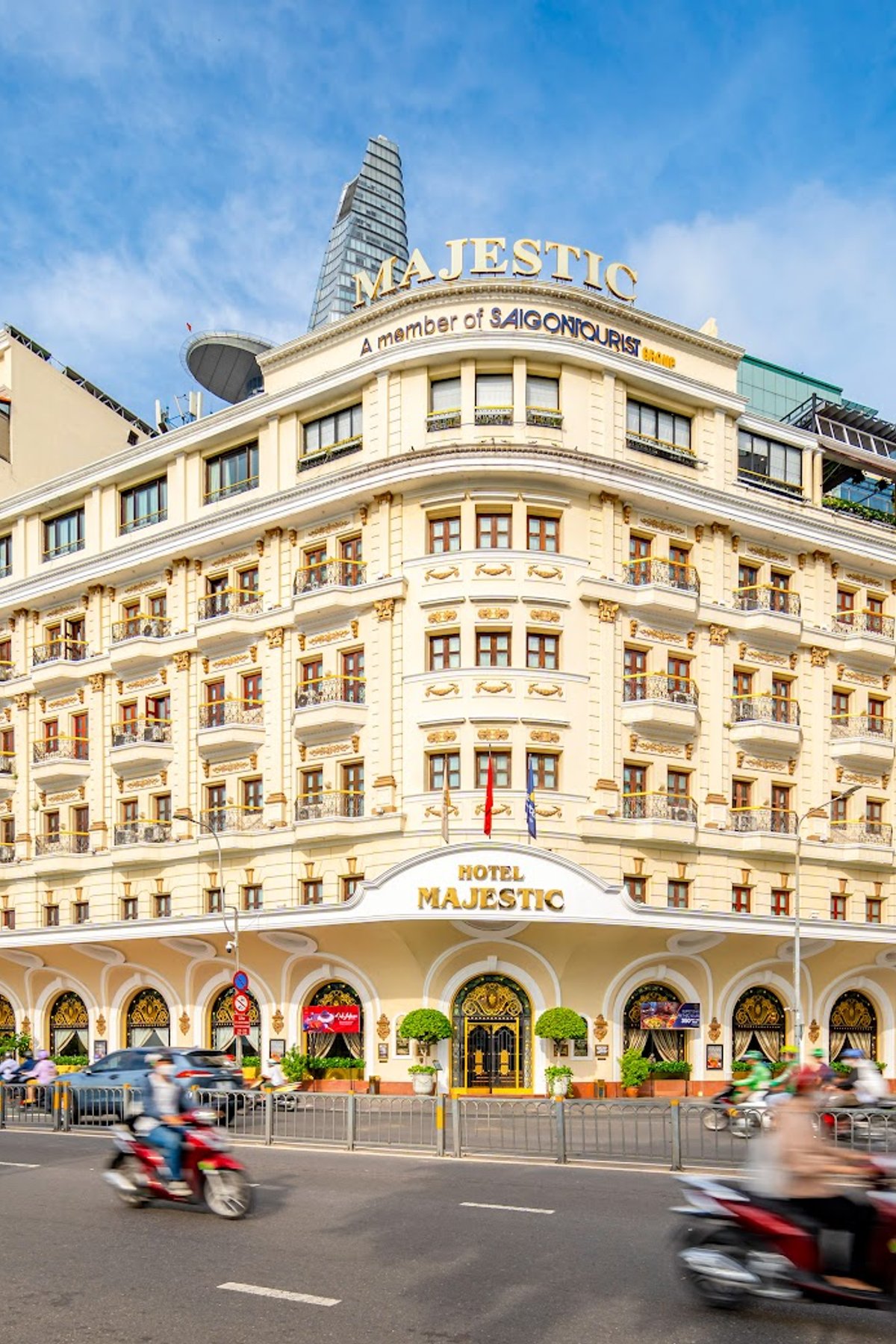
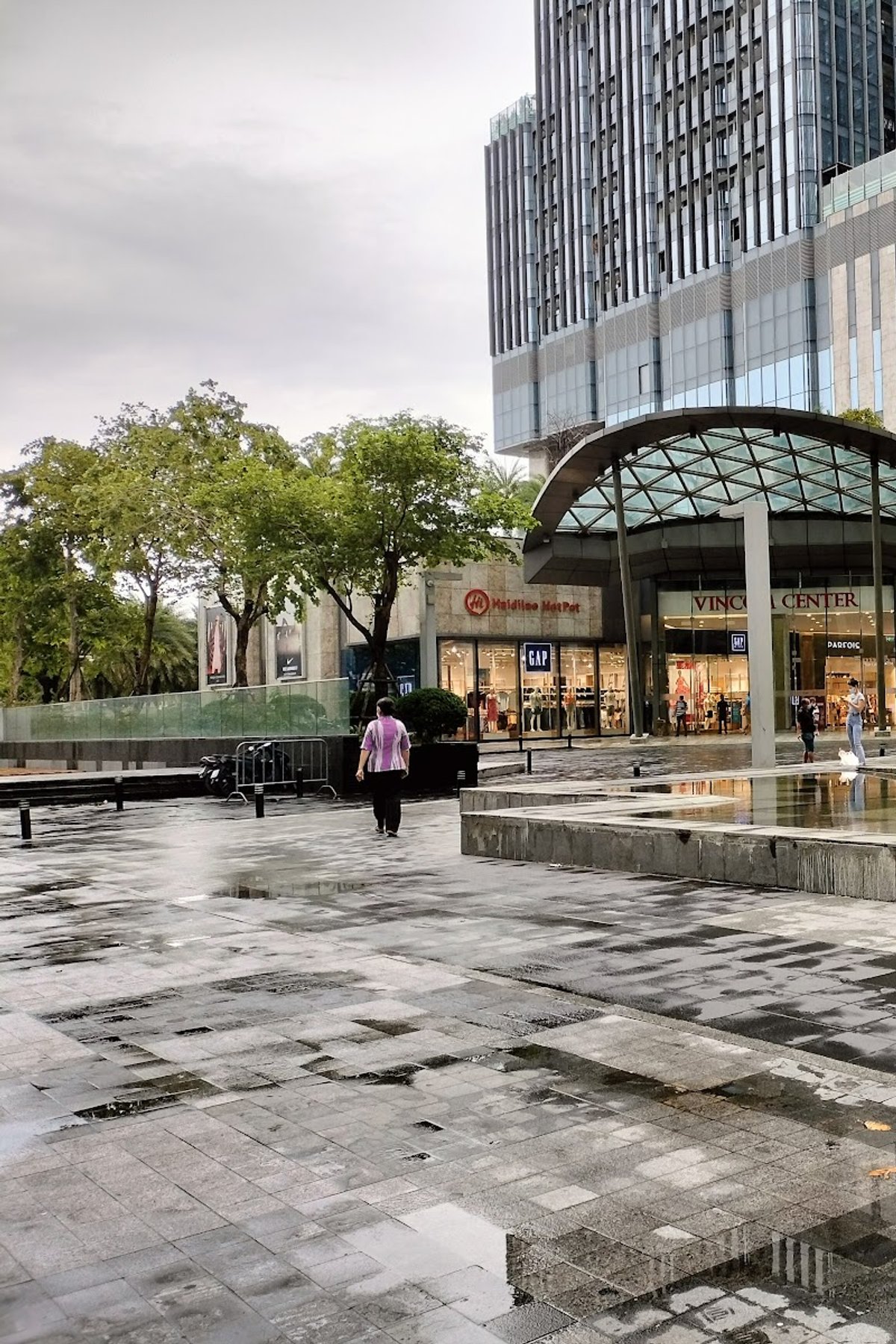
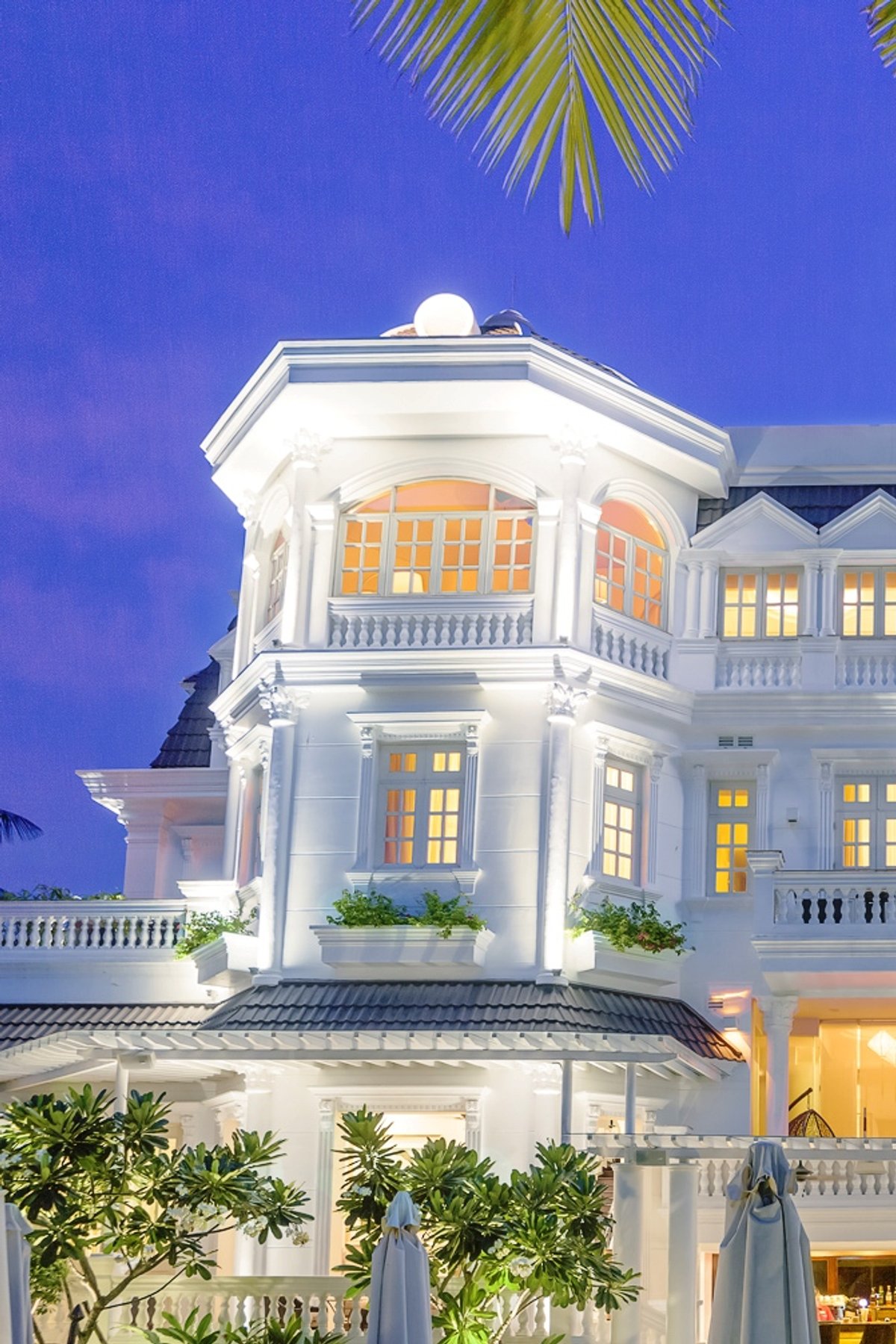
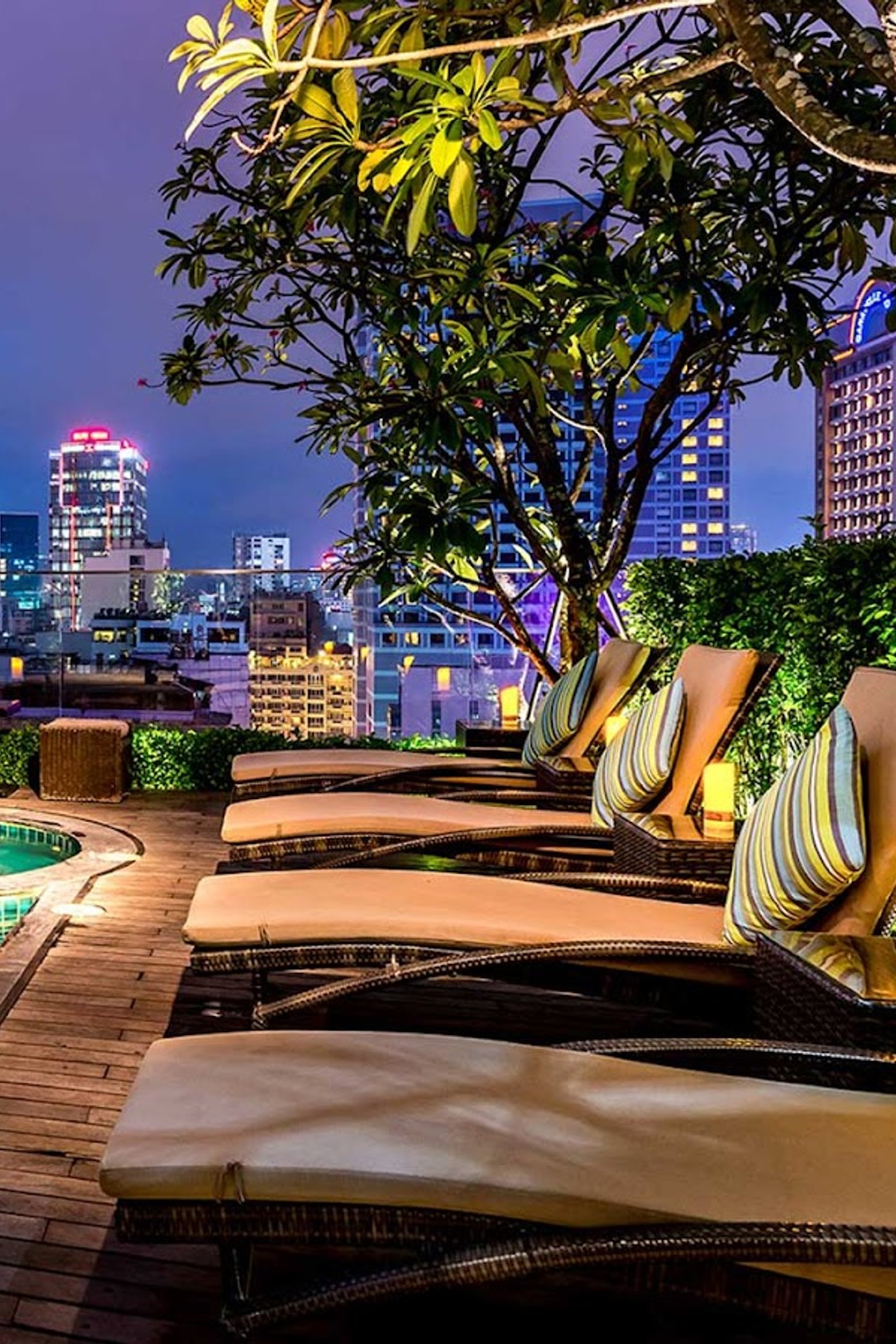
It does not chase hype, and that is the appeal. What you get is a large, well-run hotel with genuinely good food and a calm pool, in a neighbourhood most visitors never sleep in. Judge it on that, not on a District 1 address, and it delivers.
Fairly, yes. Most Saigon itineraries never leave the central districts, so a comfortable base inside Chinatown flies under most radars. The tradeoff is real distance from the main sights, but if Cholon is what you came for, few places put you closer.
This is District 5, the old Chinese quarter, and staying here changes the trip. Walk out and you hit Thien Hau Pagoda, temples thick with coiled incense, and wholesale markets that have nothing to do with the tourist trail. District 1 and its rooftop bars sit about fifteen minutes away by car, and the hotel runs a free shuttle so you are not stuck.
Two kitchens carry the place. Chit Chat turns out sixty-odd kinds of handmade dim sum, the sort of long, unhurried lunch Cholon does better than anywhere. Orientica handles dinner in red and black lacquer, mostly seafood, quietly one of the better Cantonese tables in the city. You could eat every meal without leaving the building and not feel shortchanged.
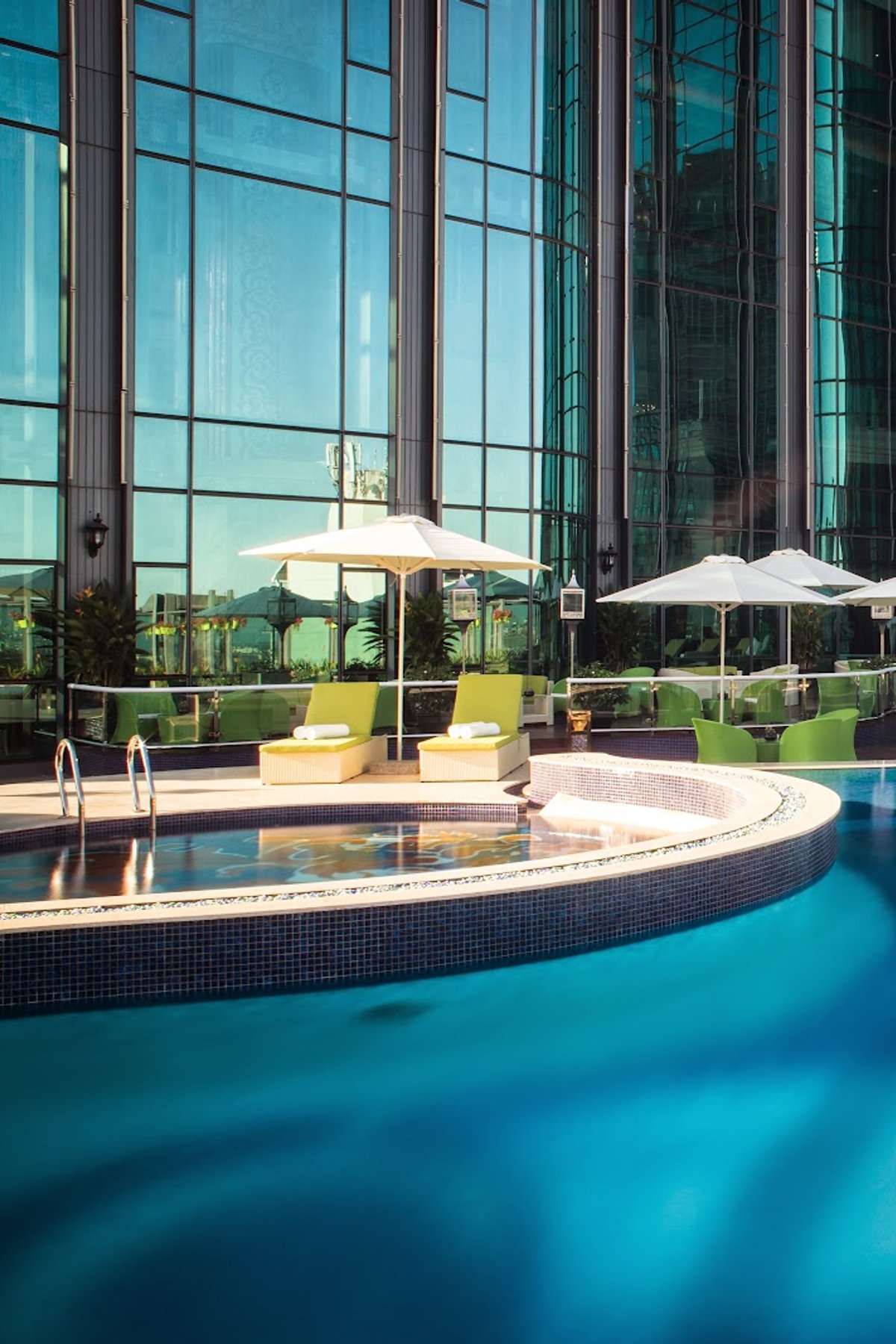
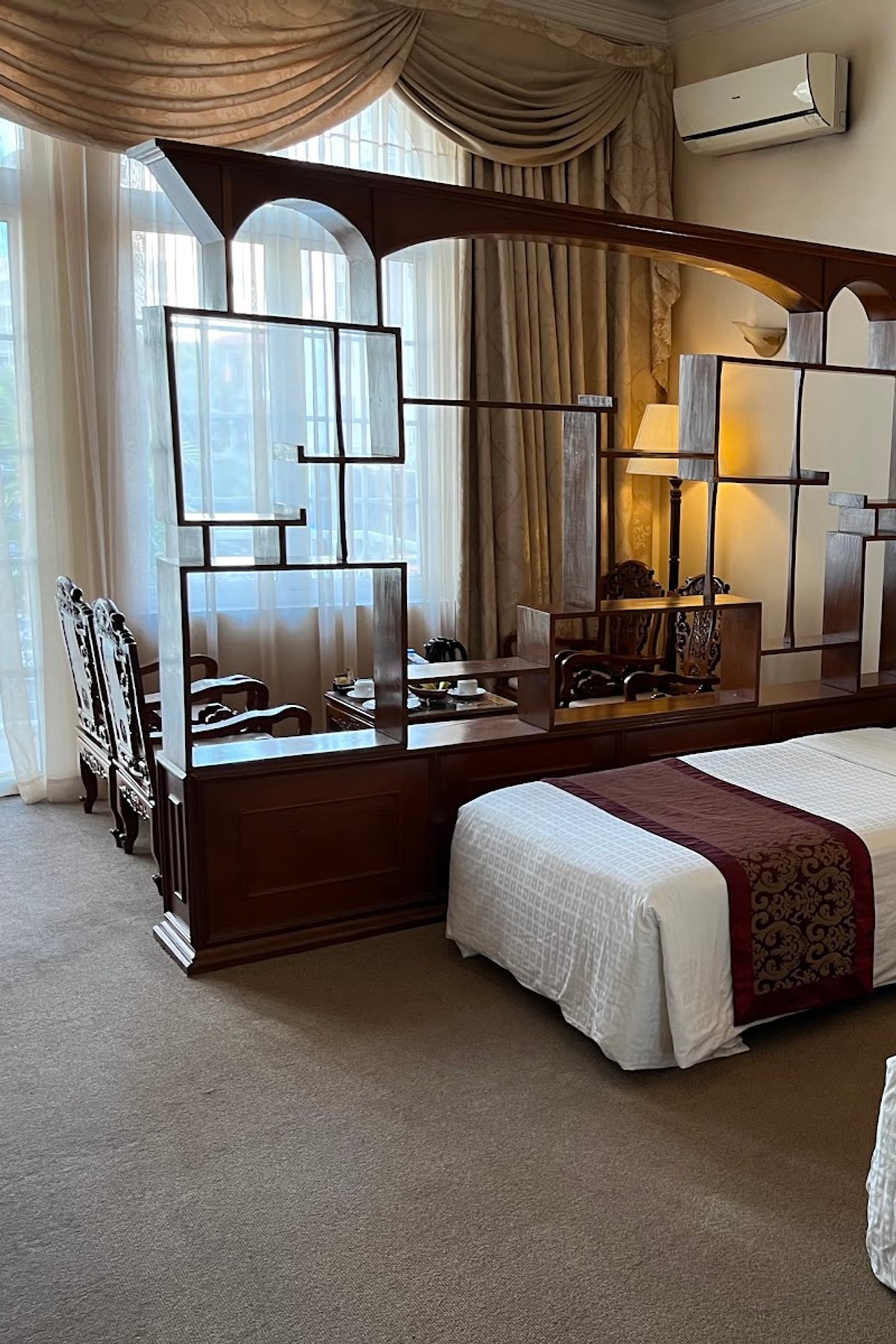
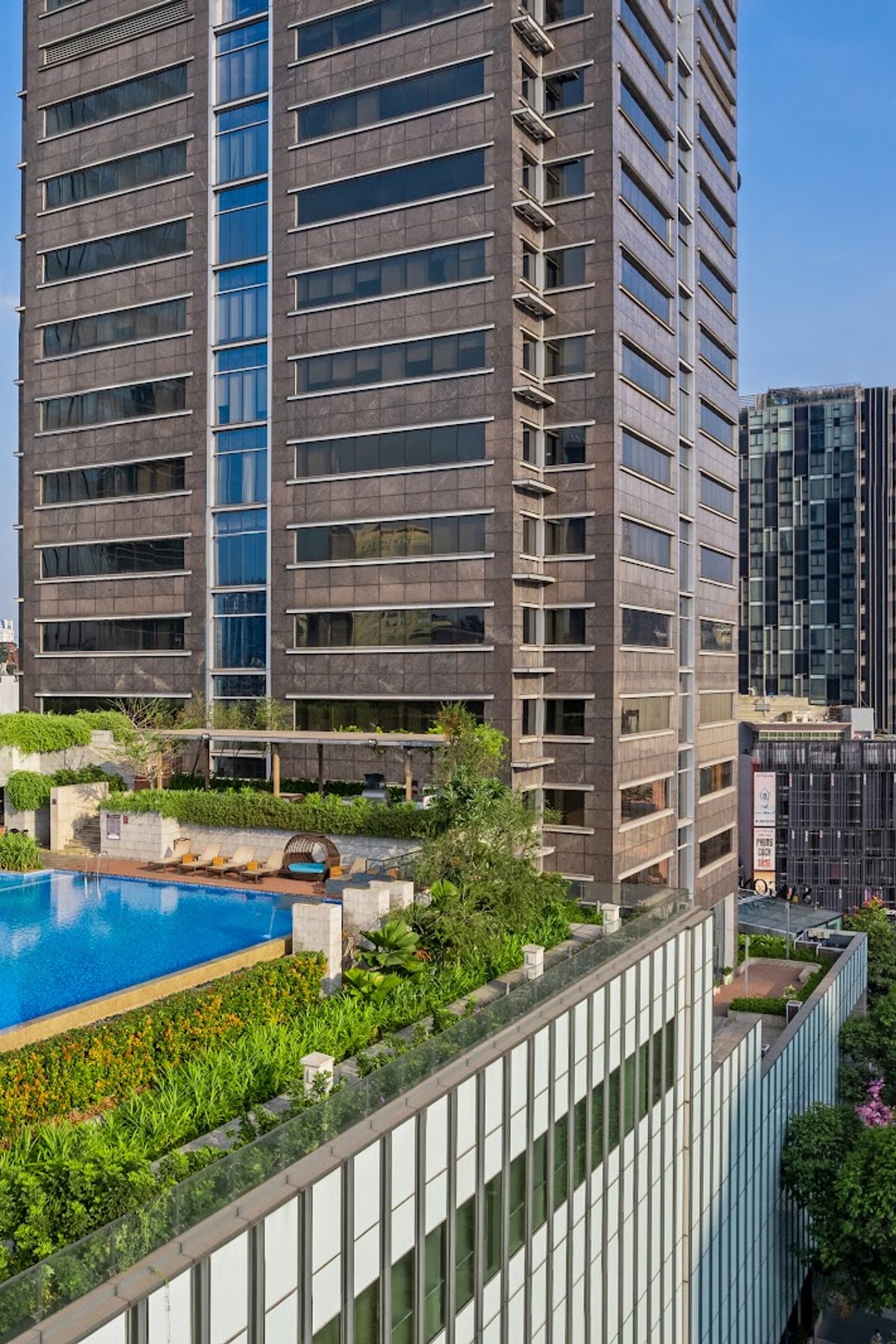
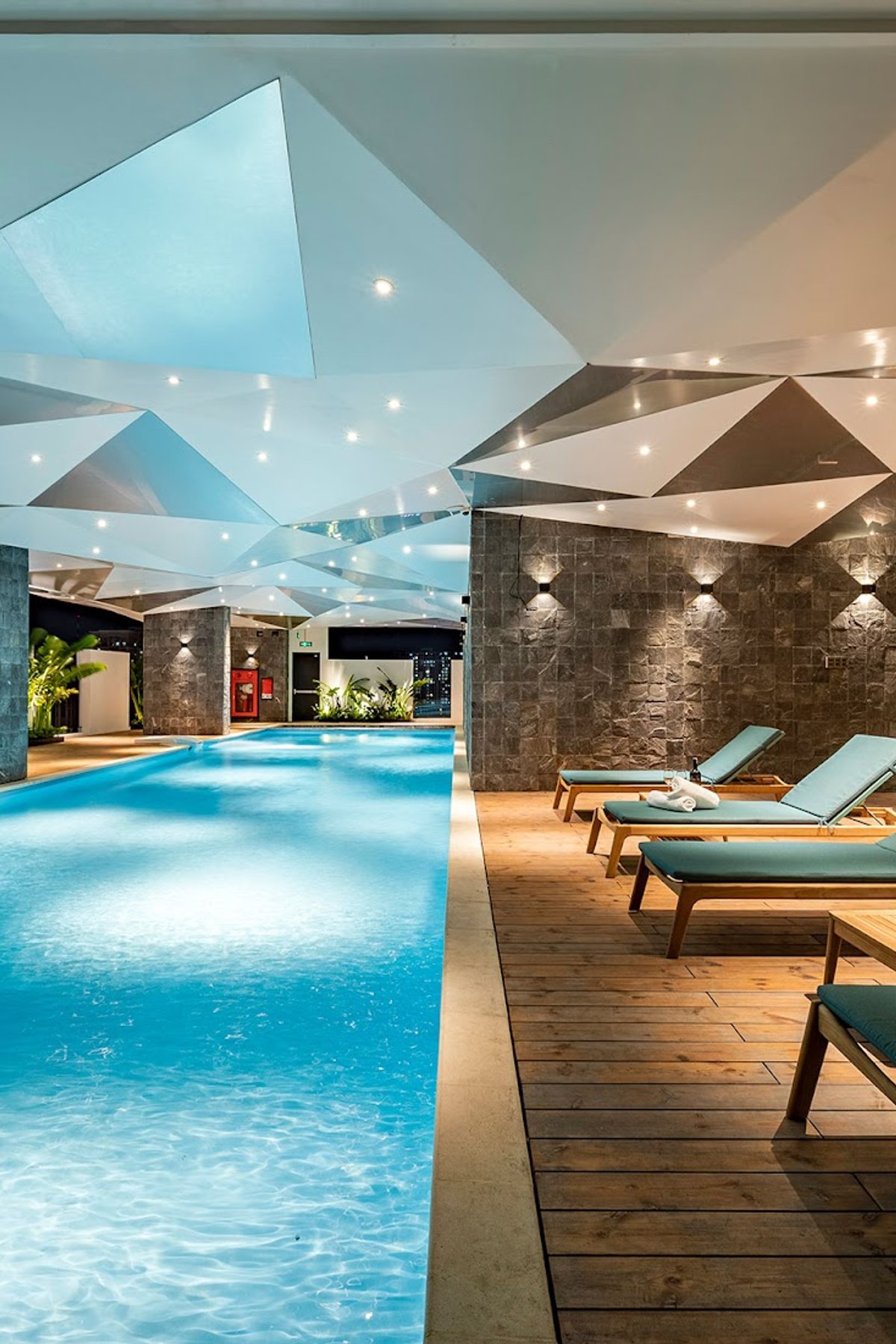
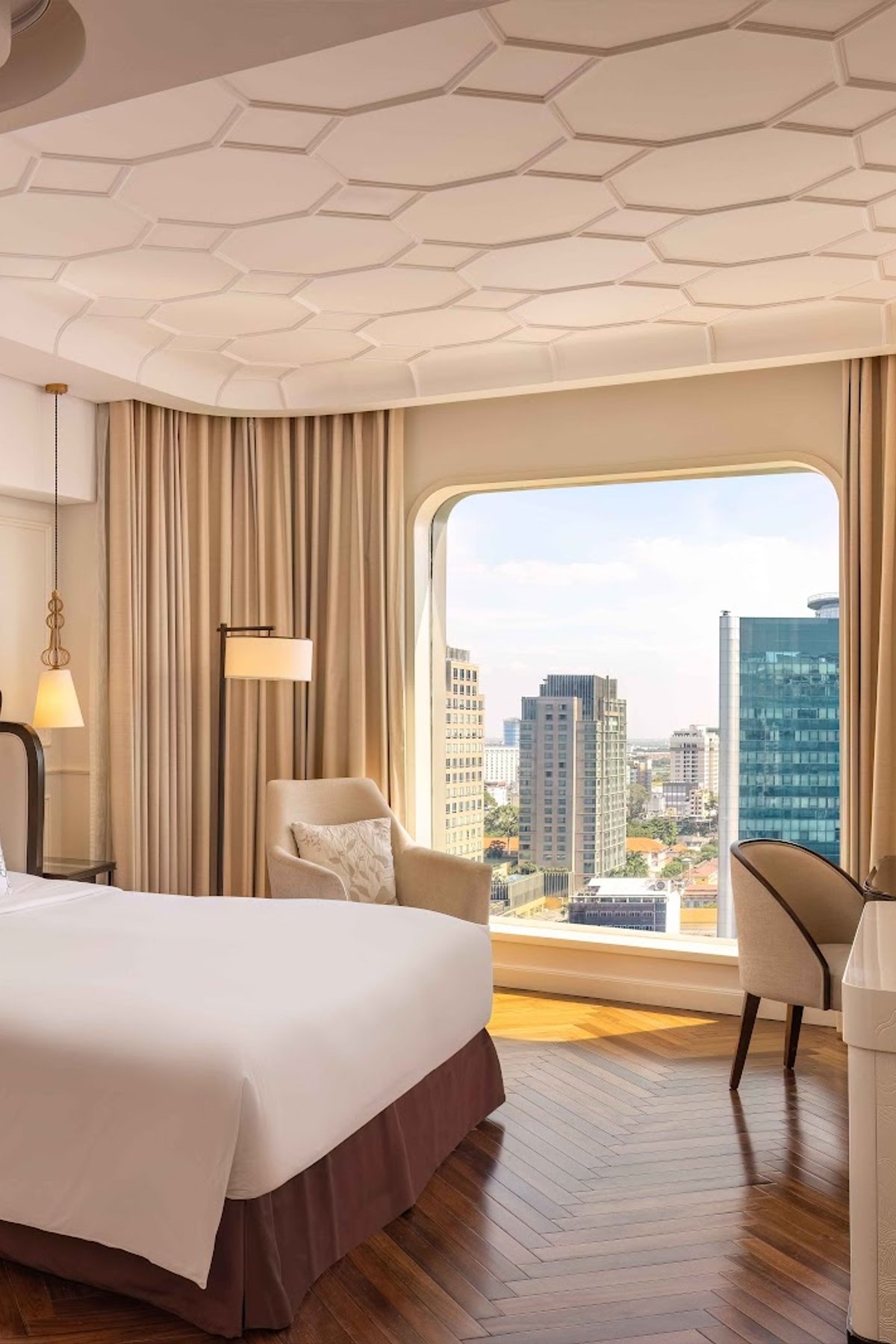
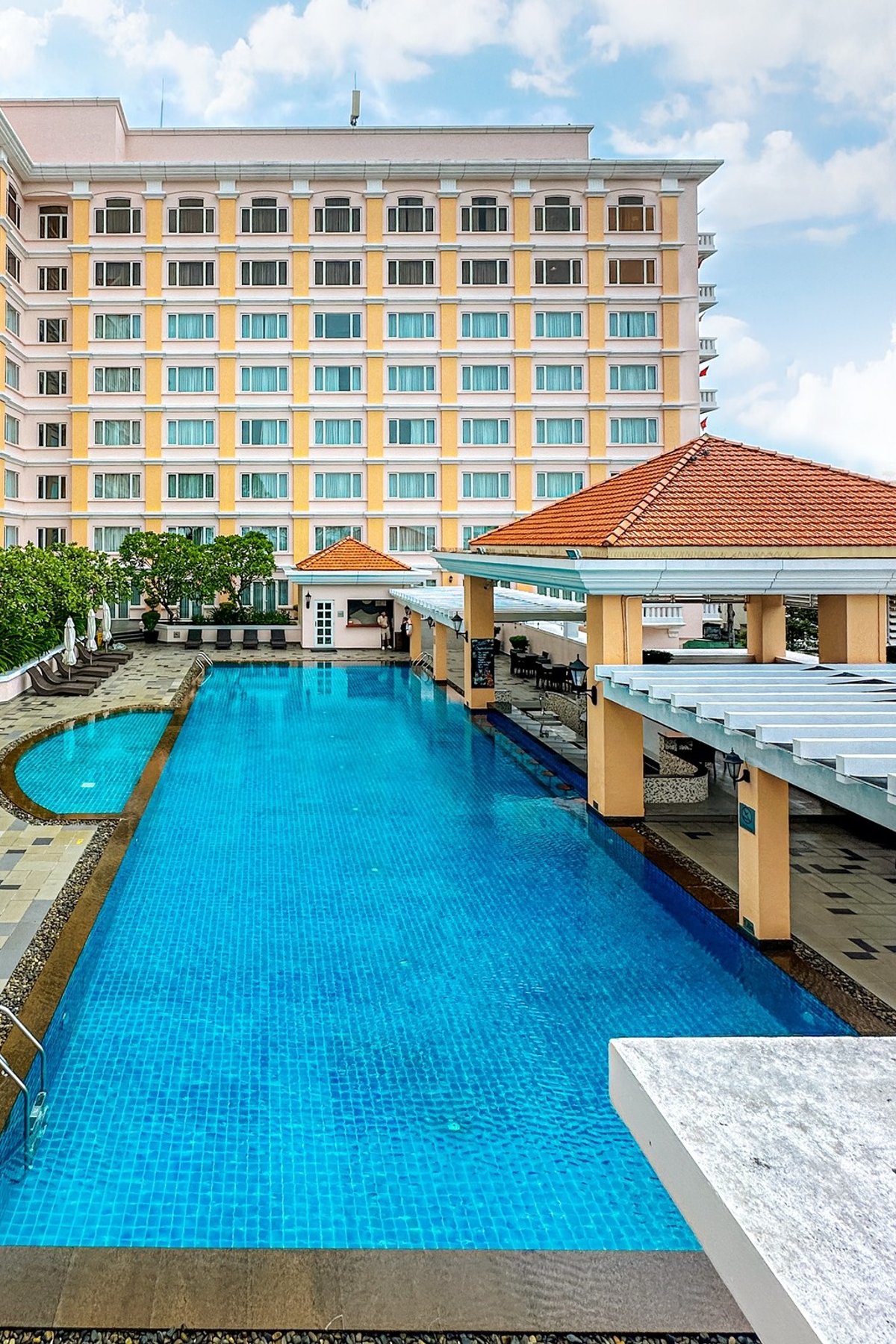
The rooms are big and bright, each with a sitting corner and a window over the water or the street. Downstairs there is a proper outdoor pool with a shallow end for kids and a swim-up bar that stays calm. Add a spa and staff who actually remember you, and it runs with an unfussy competence that is getting rare.
This is a large hotel that runs on tour groups and events, so lobby and breakfast can feel busy at peak hours.
It suits travellers who came for Cholon's temples and food, not those who want District 1 nightlife at their feet.
Rooms range from refreshed and bright to noticeably dated, so the floor and category you land on matter.
At this price District 1 offers flashier, more central options, so you are paying in location trade for the Chinatown setting.
Most people who fly into Saigon never leave District 1, which means most people never really see Cholon. This hotel plants you right inside it. Step out the door and you are minutes from the incense haze of Thien Hau Pagoda, wholesale markets, and some of the best Cantonese cooking in the country. Inside, it runs on a quiet, old-school competence: big bright rooms with a sitting corner and a window over the pool, staff who remember your name, an outdoor pool with a swim-up bar that stays calm even when the city outside does not.
Dinner is a decision between Orientica, all red and black lacquer and seafood, or a marathon of handmade dim sum at Chit Chat. It books out at peak and around the Lunar New Year crush in Chinatown, so plan ahead, but most of the year a room here is yours for the asking.
The demand curve here is blunt and worth reading before you book. Four months, December through March, sit at the top, and they sit there for a reason: the dry season is the only stretch when Saigon's heat comes without the daily monsoon, and it overlaps with Tet, the Lunar New Year that pulls the entire country into motion at once. If you want the central design hotels or a small Thao Dien boutique in this window, treat four to eight weeks of lead time as the floor, and book the good room categories first because they close first. Tet itself deserves a note. Falling in late January or February, it is the single busiest booking moment of the year, but it is also strange on the ground: many family-run restaurants and shops shut for several days as locals return to their hometowns, and the normally relentless traffic thins to something almost calm. It is a fascinating time to be here if you plan around the closures, and a frustrating one if you do not. The shoulders are where the value hides. April and November carry high but not peak demand, and they buy you dry-season conditions without the Tet surcharge, the sweet spot most repeat visitors aim for. The long wet season, May through October, drops demand by roughly half, and with it both rates and booking friction. The rain is real but rarely a washout; it arrives as heavy afternoon downpours that clear within an hour or two, leaving mornings and evenings open. September and October in particular are genuinely undervalued: warm, green, quiet, and the easiest months of the year to walk into the room you actually wanted. There is no closed season in Saigon and no month the city stops working. What changes is the math of getting a bed. Plan the peak months like a competition and the shoulder months like a gift, and let the wet season carry the trips where flexibility matters more than sunshine.
One reading captured so far. The trajectory draws in here as nightly readings stack up.
File closes at ACCESSIBLE. Bookable most of the year and priced fairly for what it is. Book it if you want Chinatown at your feet and a calm pool to come home to; skip it if you plan to spend every night in District 1.