The Hoxton,
Williamsburg.
6 critic reviews
filed.
Laser Wolf deserves every bit of the attention. The rooms are solid for the price but not transformative. Treat the hotel as a very well-designed way to stay upstairs from a great restaurant, and you will leave happy. Treat it as a destination hotel in its own right, and you may feel the rooms are small.
The cafe K'Far in the lobby has a full menu of Solomonov's breakfast items that most hotel guests never order because they do not realize they can. The pistachio babka, served warm, rivals anything out of Tel Aviv. Order one with a cortado and a spot near the window instead of using in-room breakfast service.
angles.
Laser Wolf and K'Far Downstairs
Michael Solomonov expanded his Philadelphia shipudiya concept to Wythe Avenue in 2021, and Laser Wolf has been fully booked since day one. K'Far in the lobby serves an Israeli-bakery breakfast menu that has a separate queue of neighborhood regulars. Hotel guests are not automatically given Laser Wolf priority, but staying here gets you close enough to request from the front desk and occasionally land a same-day seat.
Industrial-Chic That Actually Holds Up
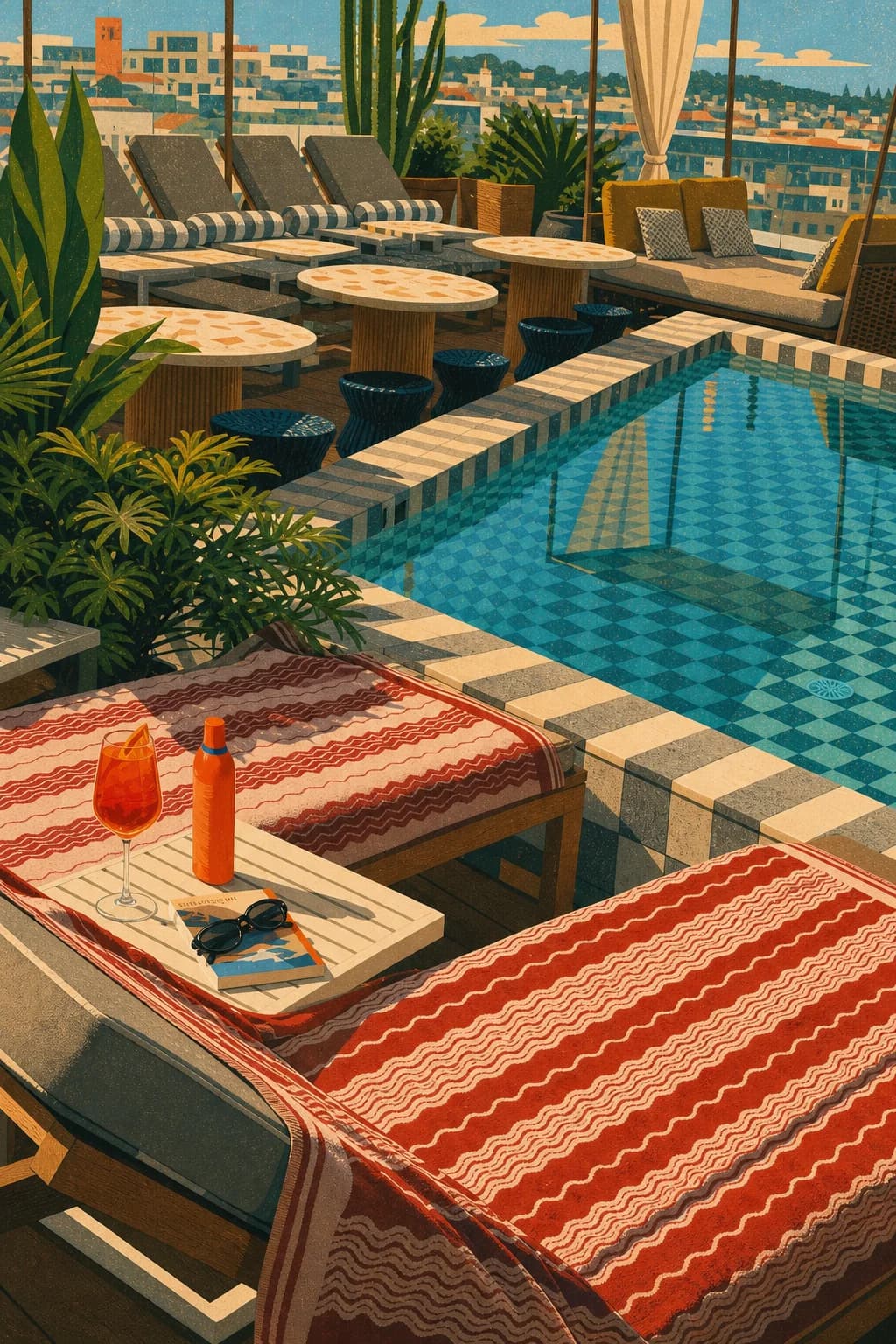
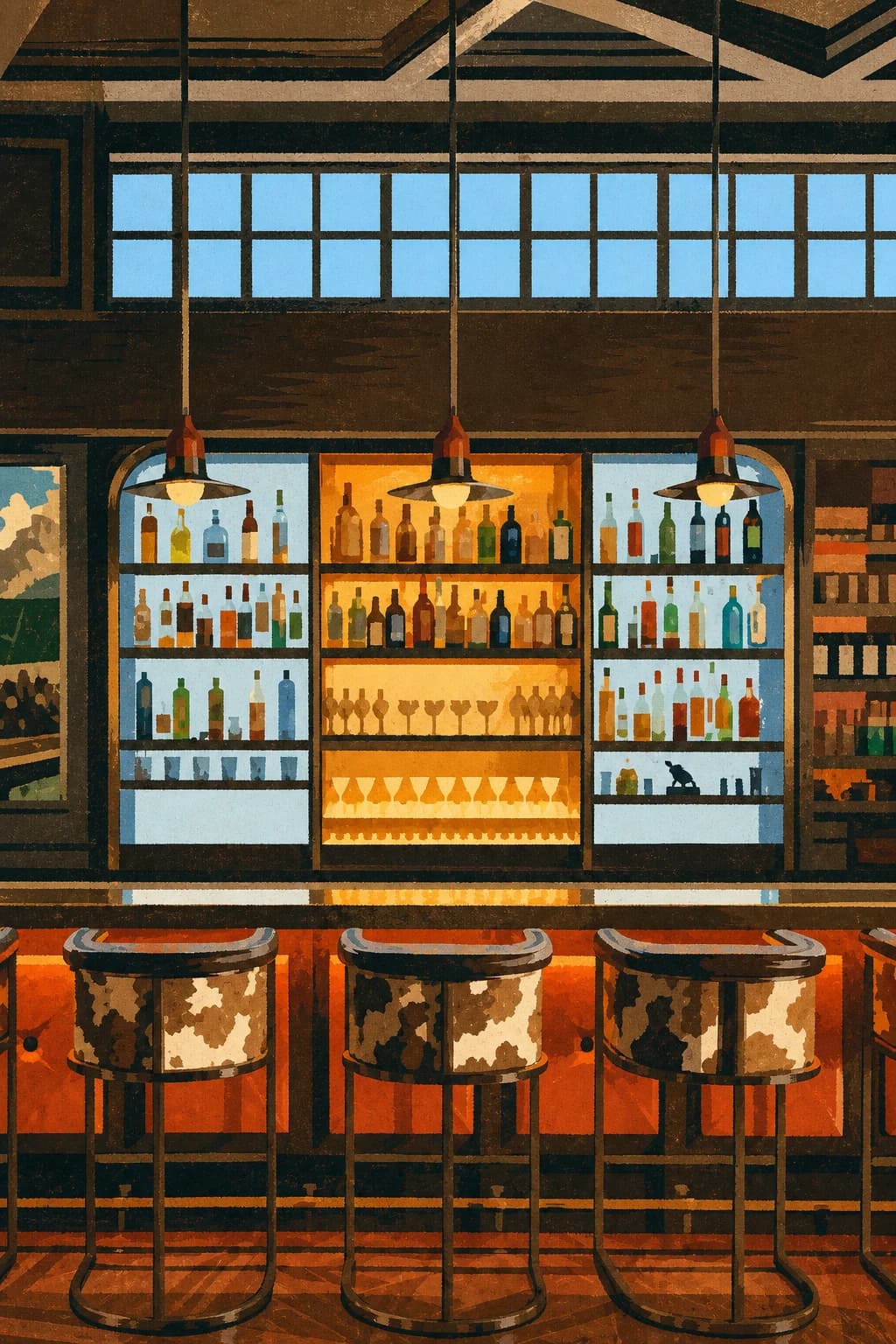
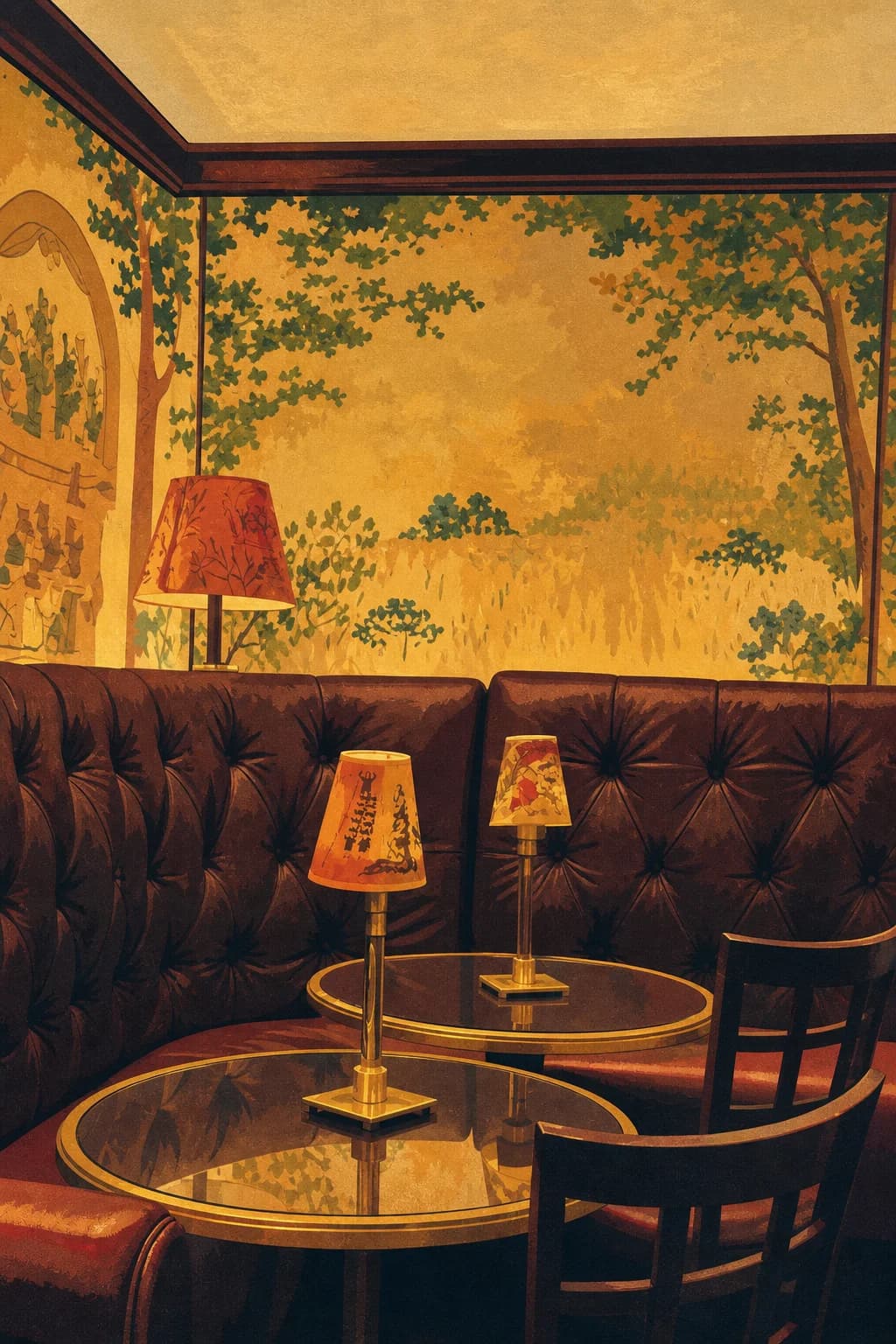
The Hoxton brand, started in London in 2006 and now owned by Ennismore, built a signature around mid-priced design hotels that feel more considered than their rate suggests. The Williamsburg property runs that playbook: exposed concrete, vintage furniture, mid-century lighting, velvet bar stools, and public spaces that double as a neighborhood co-working office most afternoons. The design has dated well for a 2018 opening.
Wythe Avenue and the Bridge View
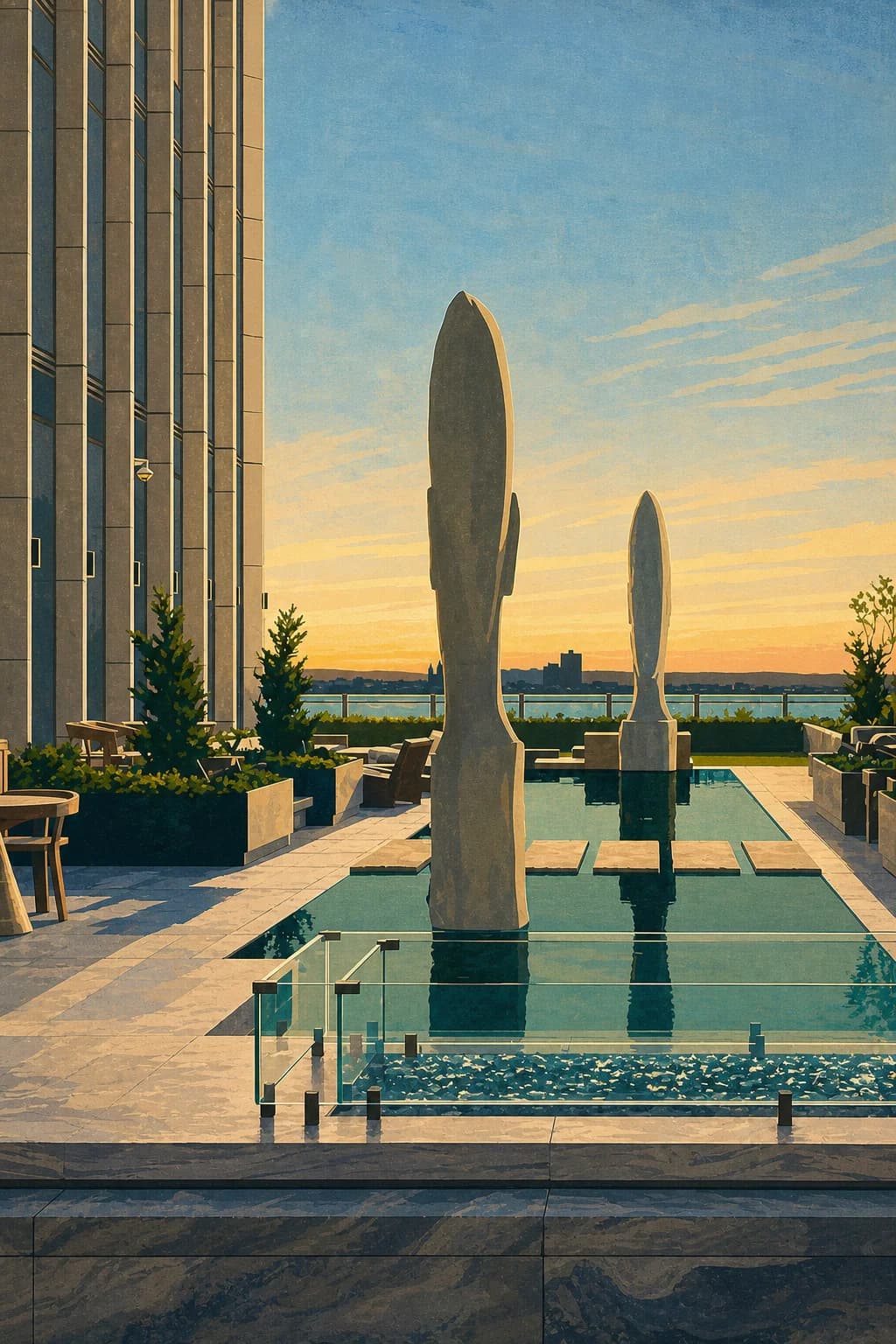
The location sits on Williamsburg's unofficial hotel strip, a block from the East River and with rooms facing directly onto the Williamsburg Bridge and the Manhattan skyline. The walk to Domino Park is five minutes, the L train at Bedford Avenue is ten, and Smorgasburg on Saturdays is visible from the upper floors. This corner of Brooklyn is as walkable as any neighborhood in the city.
talk.
mapped.
“the hotel occupies the former premises of the Rosenwach factory, which built the many wooden water towers that can be spotted all over the city”
record.
It is about what sits underneath them. Laser Wolf, Michael Solomonov's Israeli charcoal-grilled rooftop exported from Philadelphia, is one of the hardest reservations in New York, and K'Far, the all-day bakery and cafe in the lobby, is the other.
The hotel itself is 175 rooms of industrial-chic at a price point that still feels reasonable by Manhattan standards, with 427,000 Instagram followers and sweeping views over the Williamsburg Bridge. What you are really booking is a shortcut into the Solomonov restaurants plus a room upstairs afterwards. That is a clean value proposition for anyone who has ever tried to get a Laser Wolf booking through the normal channels, which is to say, anyone who has tried.
changed.
Late April–early May beats Met Gala. First two weeks of September beat UNGA. Anything Sep–Dec needs 60–90 days of lead time.
September is the single hardest month to book in New York City, and nothing else comes close. Fashion Week and the United Nations General Assembly collide in the same two-week window, pulling designers, buyers, diplomats, journalists, and their combined entourages into a city already running near capacity. Rates during UNGA week routinely blow past the rest of the year by wide margins.
October runs a close second, and for entirely different reasons. Hudson Valley foliage trips drain weekend supply, while NY Comic Con and a dense events calendar keep midweek pressure high. If September is out of reach, expect October to feel almost identical at the top of the market.
The holiday corridor from November through December is the other sustained peak. NYC Marathon weekend in early November compresses supply across all five boroughs before Thanksgiving arrives with the Macy's parade and family travel. December then stacks Rockefeller Center, holiday markets, Broadway's busiest stretch, and New Year's Eve on top of one another.
Booking lead times for November and December should extend to 60 to 90 days minimum at High and Very High tier properties.
May and June bring sharp, event-driven spikes rather than a broad surge. Met Gala week in early May and Frieze New York concentrate pressure in Midtown and downtown Manhattan respectively. June adds NYC Pride, the Tribeca Festival, and the Tony Awards, keeping demand high but with more day-to-day variability than the fall corridor.
The value window runs January through February. NYC Restaurant Week in January and February's Fashion Week supply the cultural programming, but overall demand hits its yearly floor, with rates falling 40 to 50 percent below peak and normally rigid properties running promotions during NYC Hotel Week. August is the other soft spot: residents flee for the summer, and while the US Open opens late in the month, the first three weeks sit well below their neighbors.
The practical read: chase the shoulders. Target late April, early May before the Met Gala, or the first two weeks of September before UNGA arrives, and you'll get peak-season energy with meaningfully better availability. July is warm and less programmed but also cheaper, a fair trade if theater and outdoor dining are the priority.
approach.
briefing.
“This first US outpost of boutique British hotel group the Hoxton is nestled in the heart of trendy Williamsburg.”
stands.
demand's going.
The real Instagram following over time, plus where this hotel sits for demand in New York City. Pick a range, toggle the lines. Followers are reach and demand, not engagement.
assessment.
File closes at MODERATE. Book direct four to six weeks out for September through December weekends. Skip if you want quiet; the Laser Wolf demand spillover runs all night.
The numbers behind the tiers
The Hoxton, Williamsburg · SOURCE READINGS · REDACTED- Availability density · sampled
- Monthly search volume · raw
- TikTok hashtag views · raw
- YouTube total views · raw
- TikTok following · latest sweep
- Pinterest saves · latest sweep
More from New York City.

Get the hotel's Unbookable Score.
Any post or reel with a hotel in it. Booking.com hotel pages work too. One free check, no account needed.