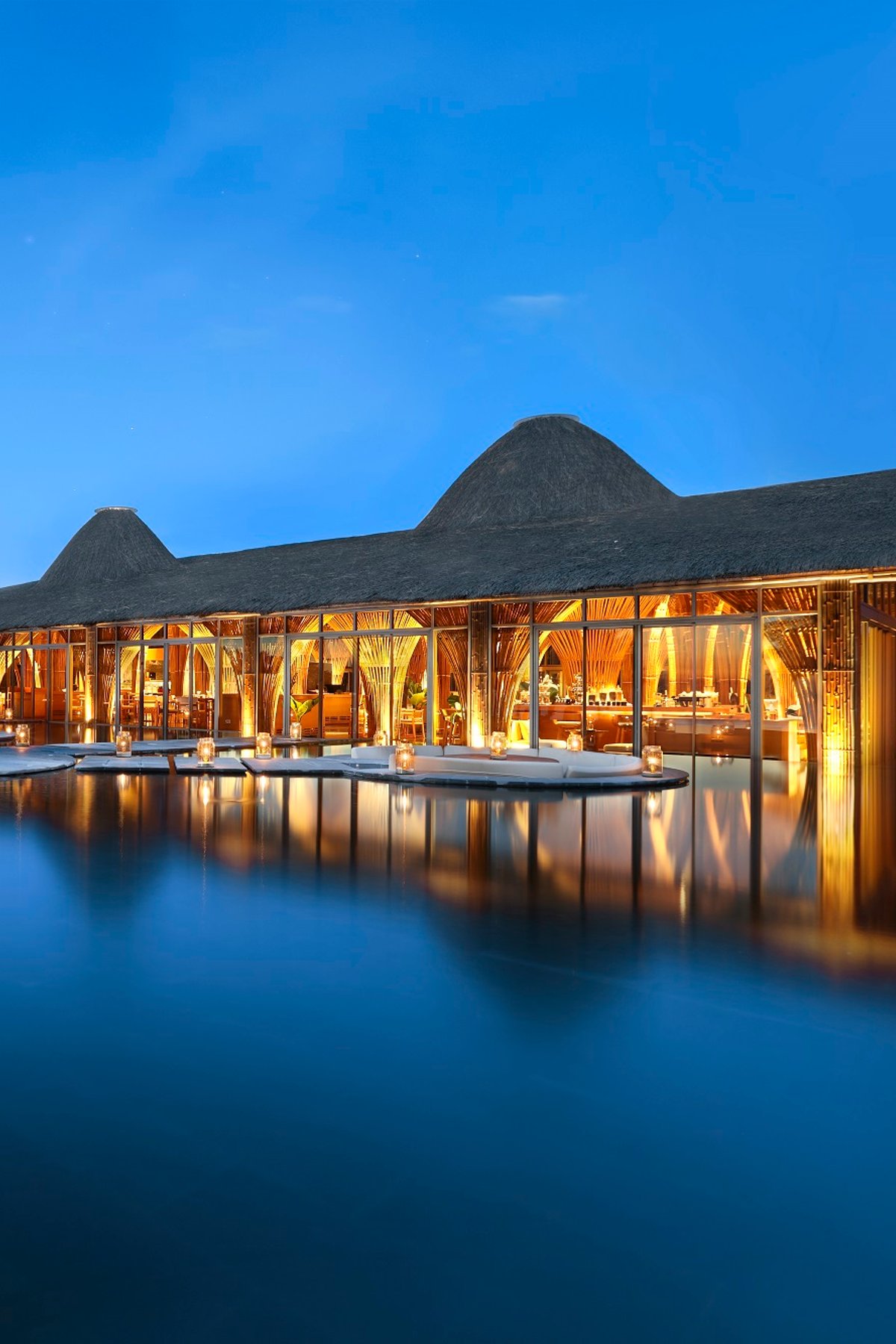
As a place to actually experience Hoi An, yes. The riverside setting and the short walk into the Ancient Town are a genuinely good combination, and the pools earn their keep in the heat. Just calibrate expectations: this is a solid, spread-out resort, not a design statement.
Not exactly hidden, since it is a sizeable resort that shows up across the booking sites. But it is under-appreciated by people fixated on sleeping inside the Ancient Town itself, who overlook how much better the islet sleeps. The river-view rooms in particular are a quietly good call.
The genius here is the ten-minute walk. You cross onto An Hoi islet and the crowds, the scooters and the lantern-lit crush of the Ancient Town thin out fast. You get to stroll into the old streets for dinner and drift back out to a garden that goes silent after dark. Staying inside the historic core sounds romantic until the third night of noise. This is the version where you still sleep.
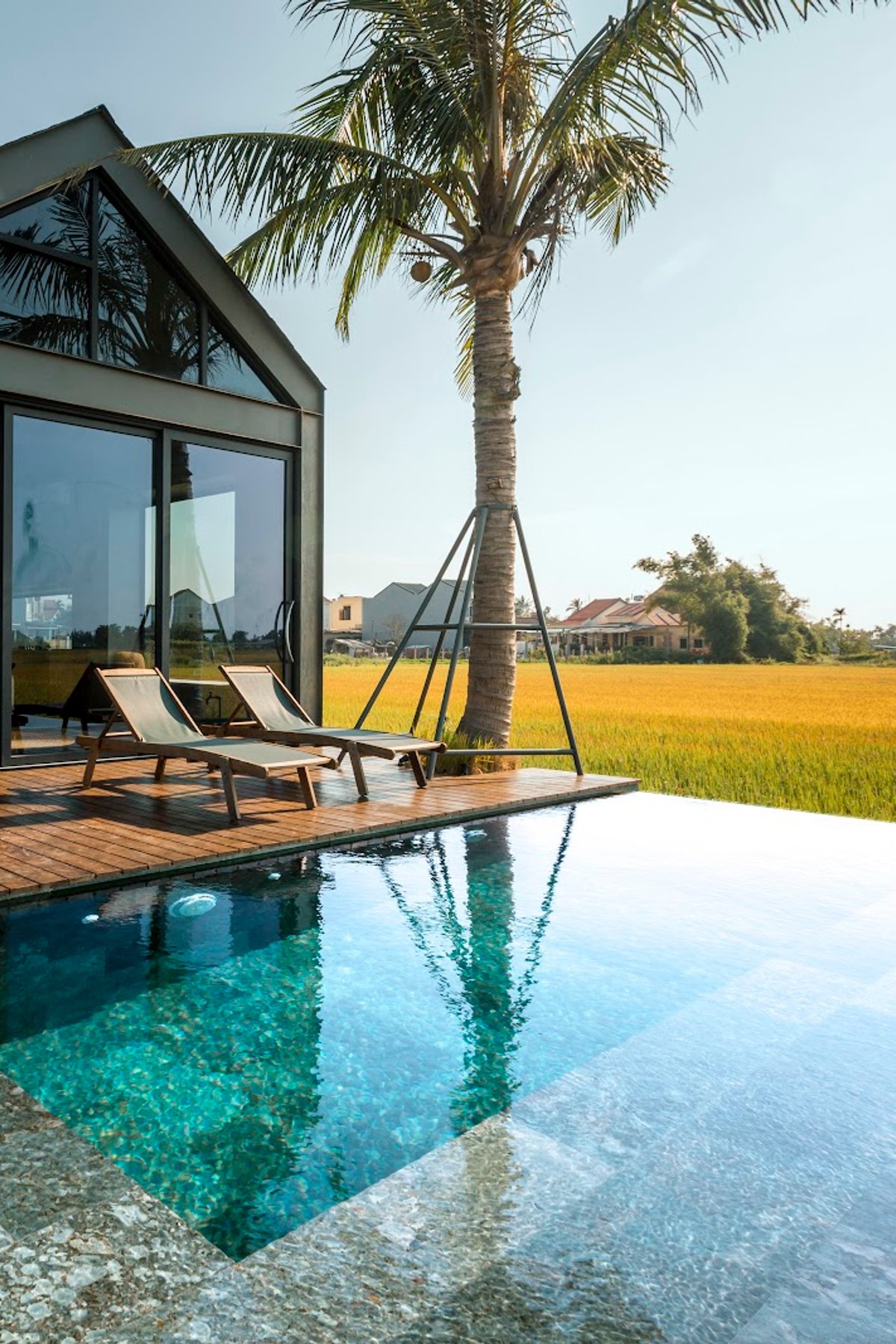
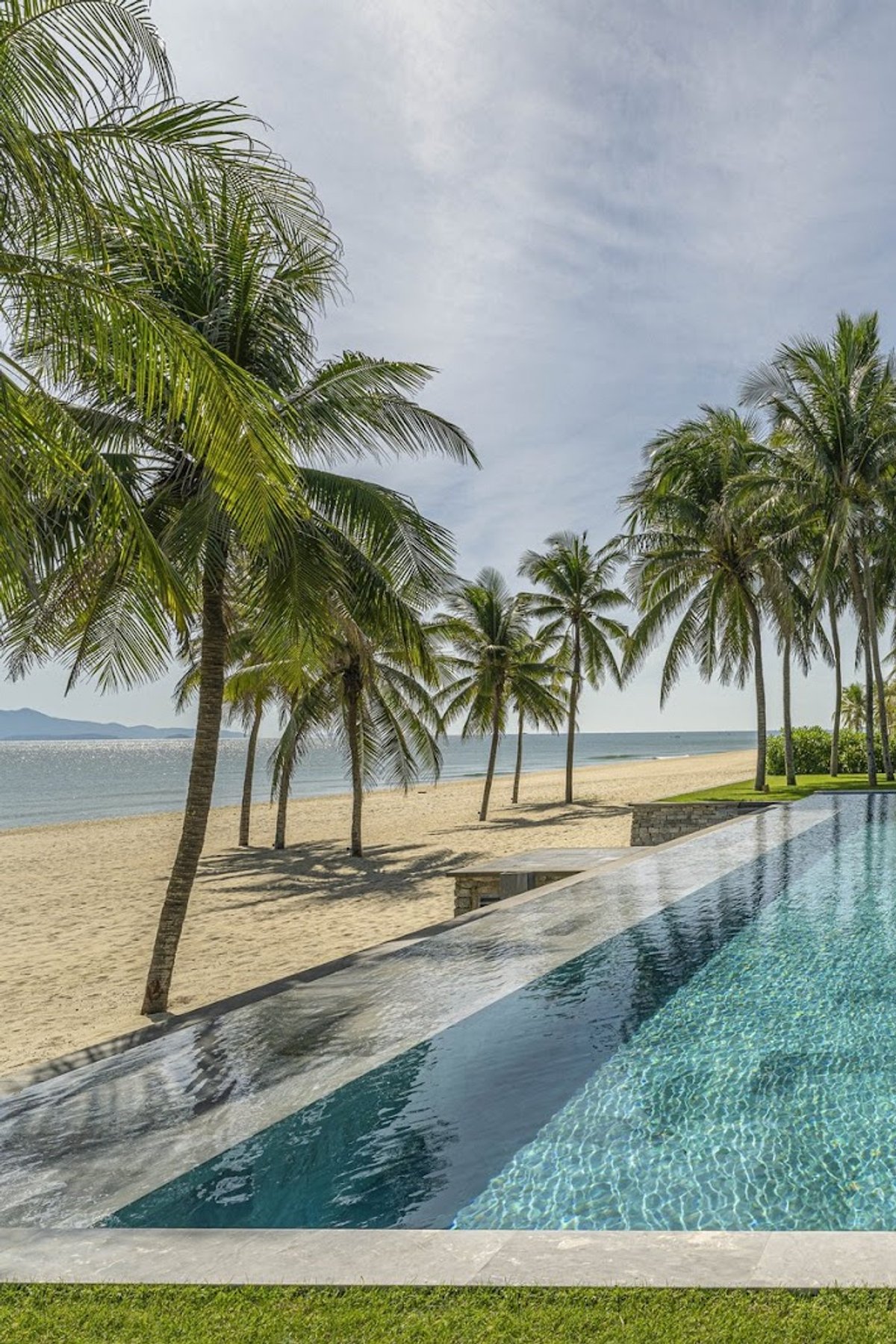
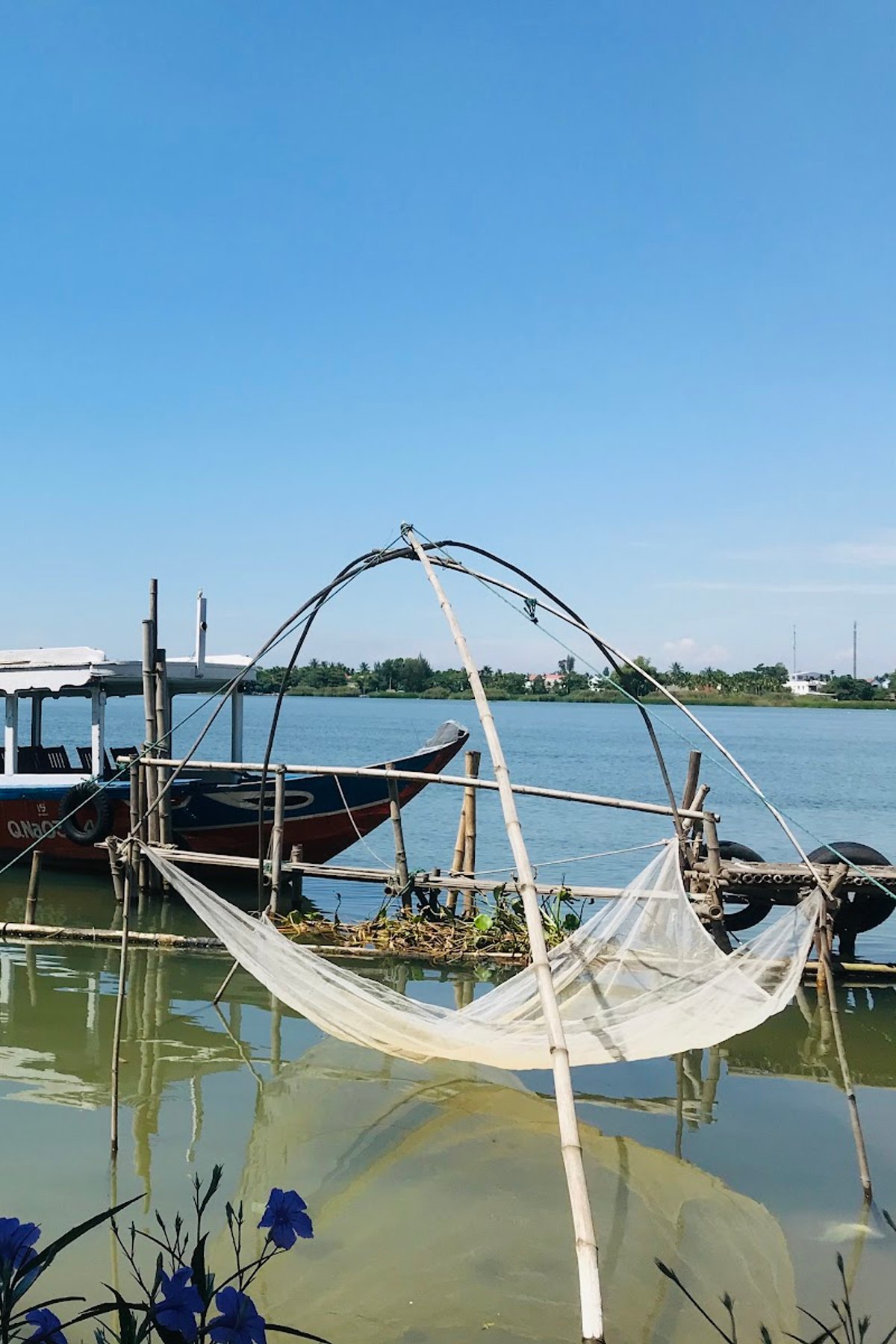
This is a genuine riverside property, not a hotel that happens to face water. The grounds spread along the Thu Bon under old coconut palms, with lawns and pools threaded between the room blocks down to the bank. It gives the place a low, spread-out feel rather than a tower stacked with rooms. Morning coffee by the water while the river boats work the current is the reason to be here.
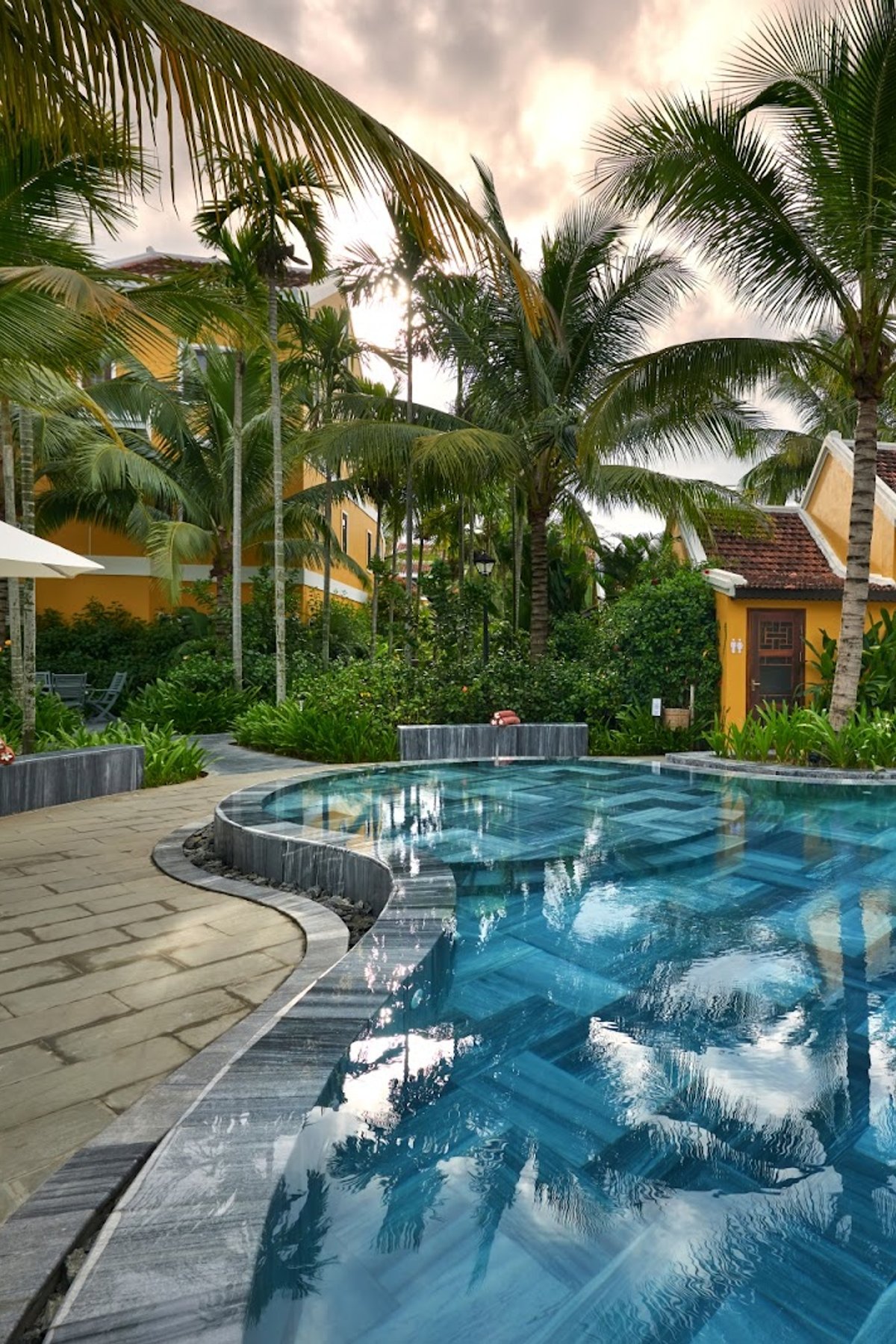
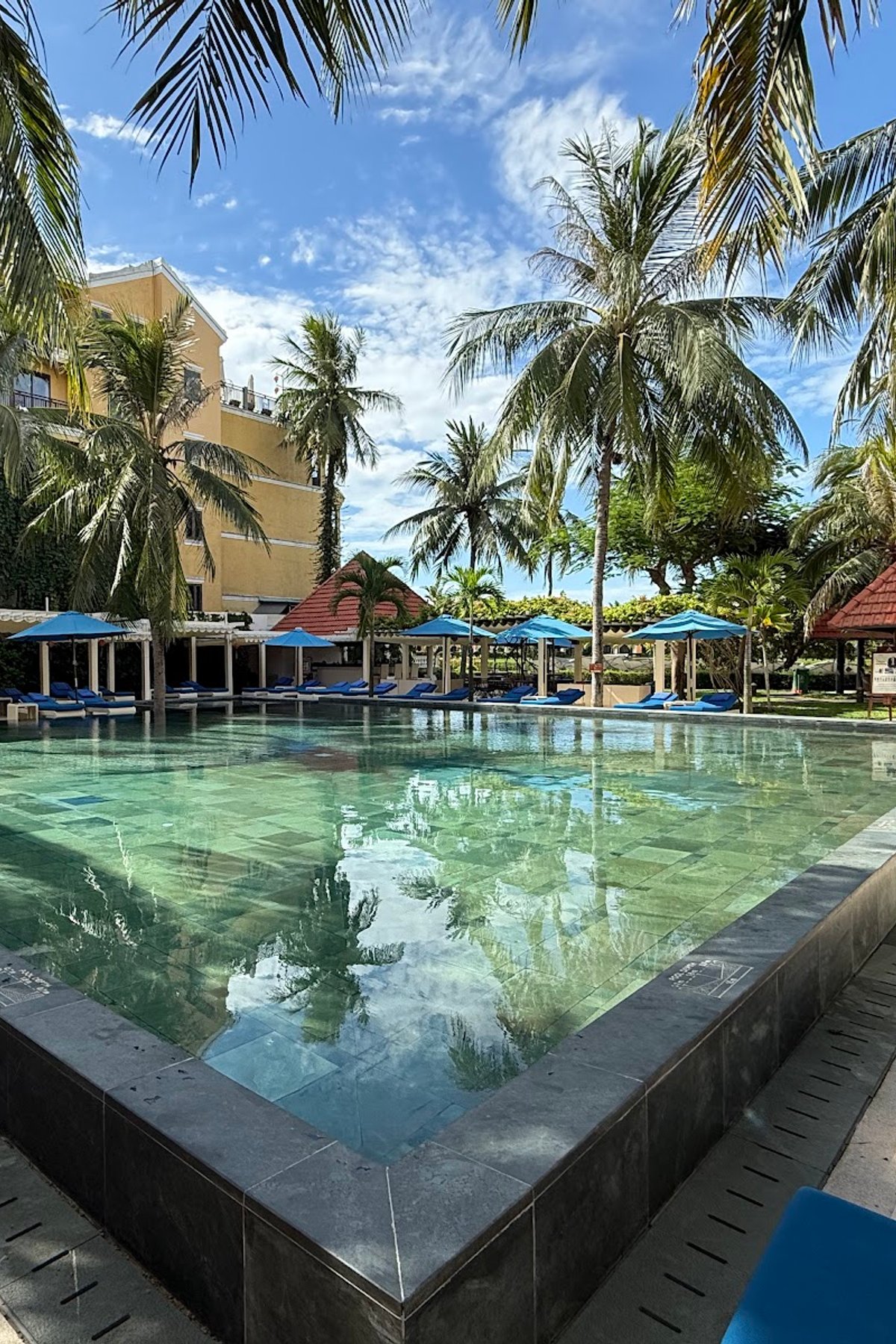
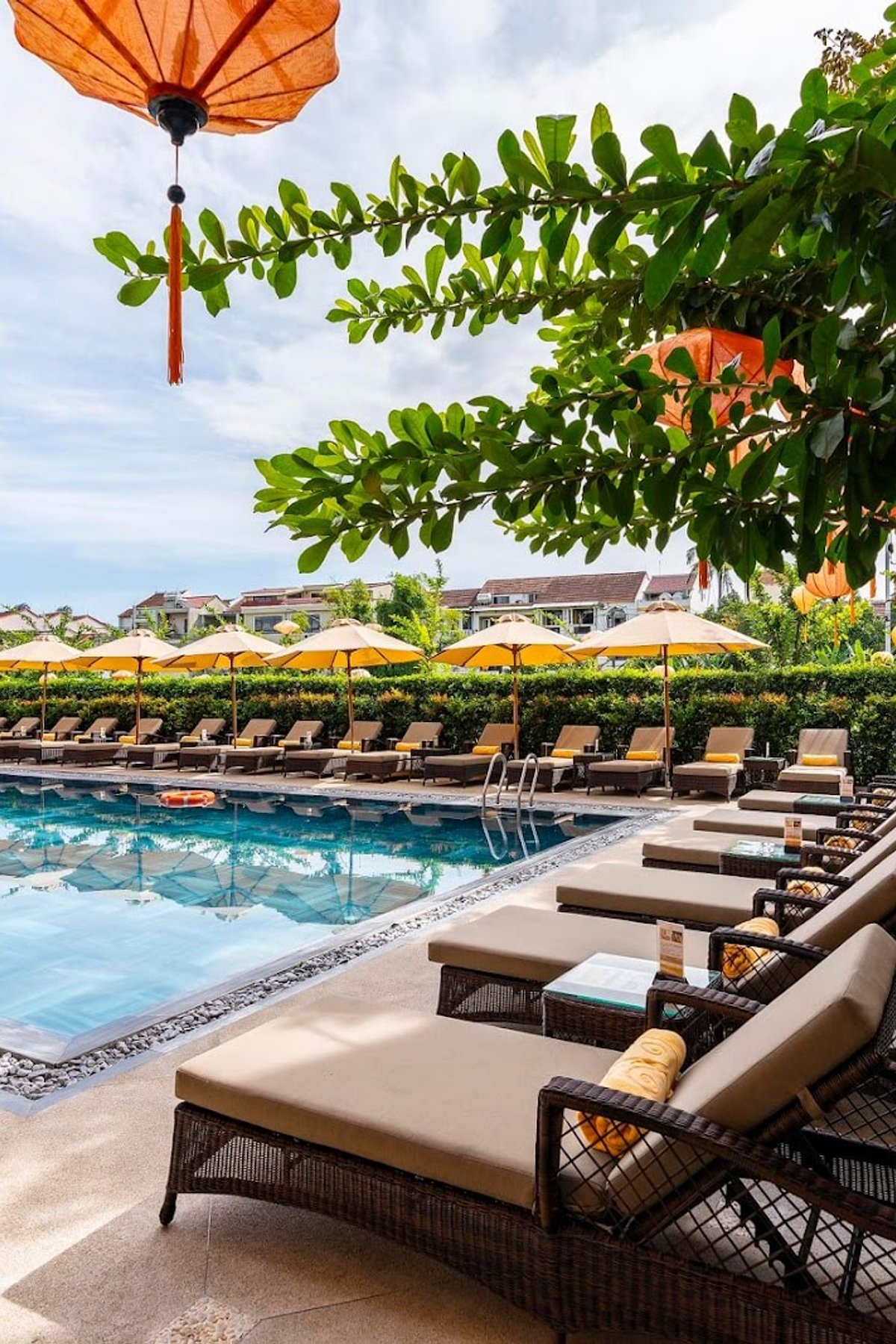
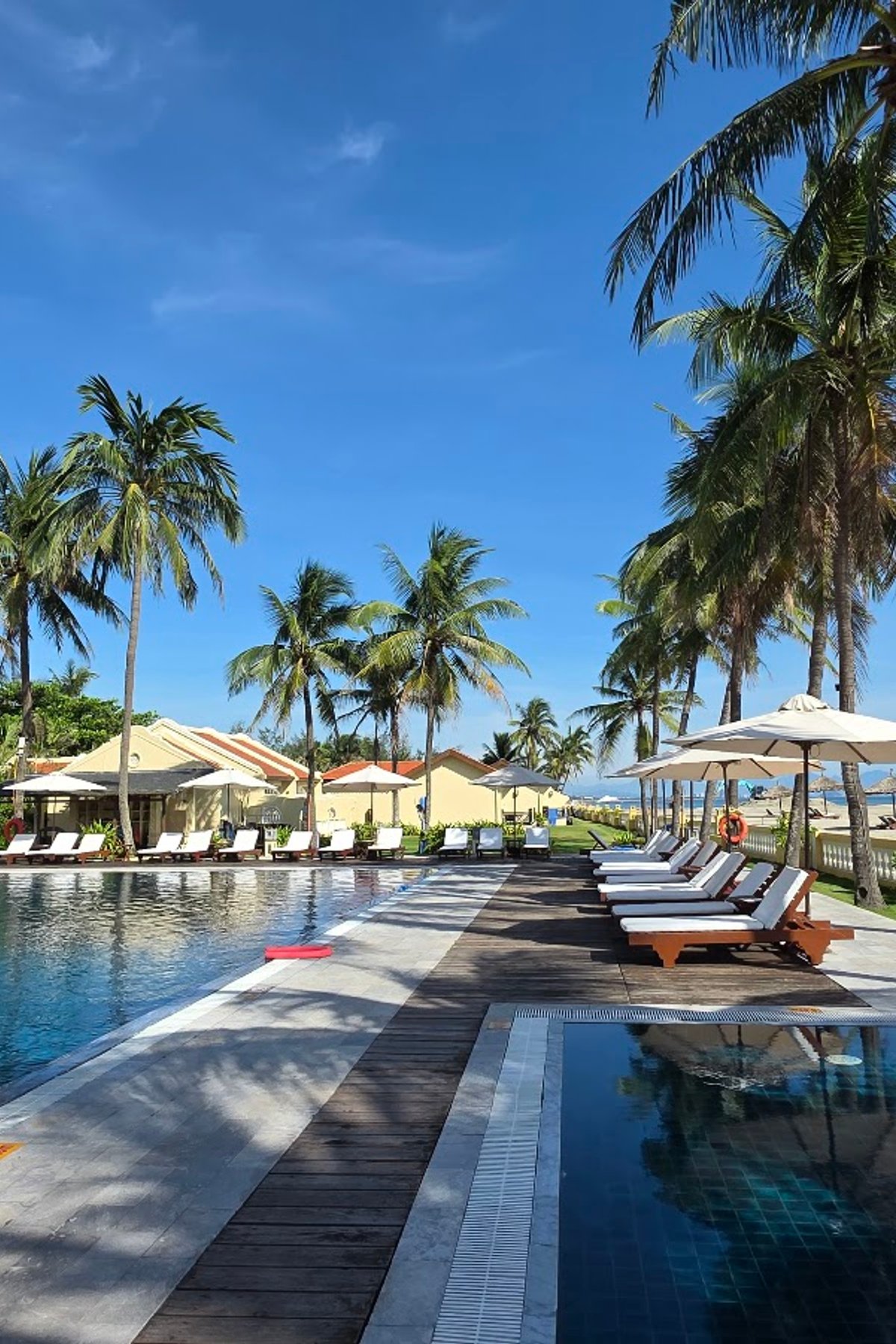
Hoi An days run hot and busy: tailors, markets, cooking classes, temple after temple. What you want at 3pm is a pool and a shaded chair, and this place delivers exactly that. There are pools set into the gardens, a spa, and dining on site for the nights you cannot walk another step. It is unfussy and family-friendly rather than design-forward, and that is the point.
With 89 rooms across sprawling riverside grounds, this is a full resort rather than an intimate hideaway.
Room condition and views differ a lot across the property, so the category and side you book genuinely matter.
It suits families and travellers who want pools and calm over boutique design and a scene.
It competes with Ancient Town boutiques that trade quiet and space for being steps from the lanterns.
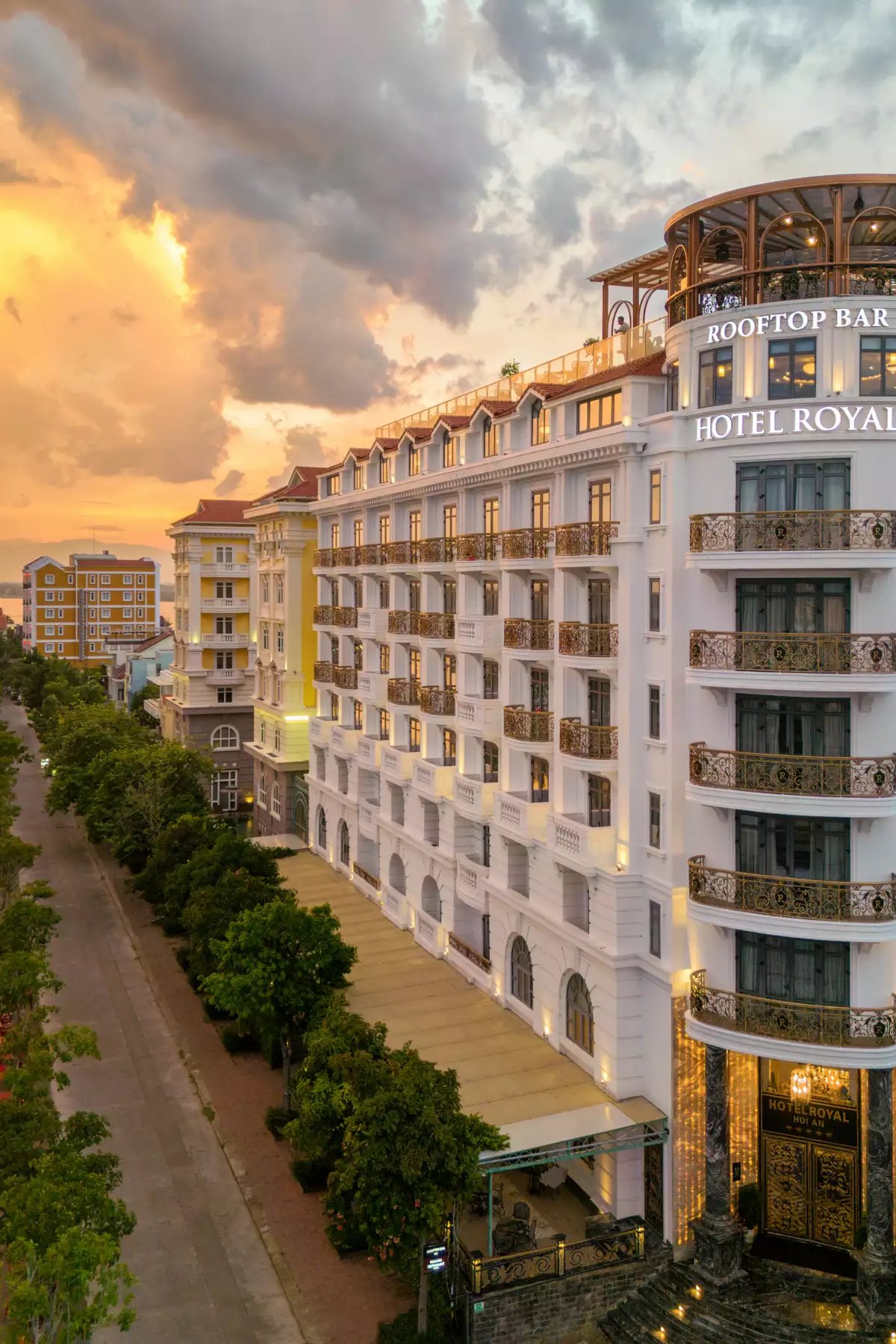
Most people booking Hoi An fight for a room inside the Ancient Town and pay for the privilege of sleeping in a museum. This is the smarter play: close enough to walk to the lanterns, far enough to actually sleep. The resort sits on An Hoi islet, its 89 rooms spread through gardens shaded by coconut palms that lean down toward the Thu Bon river.
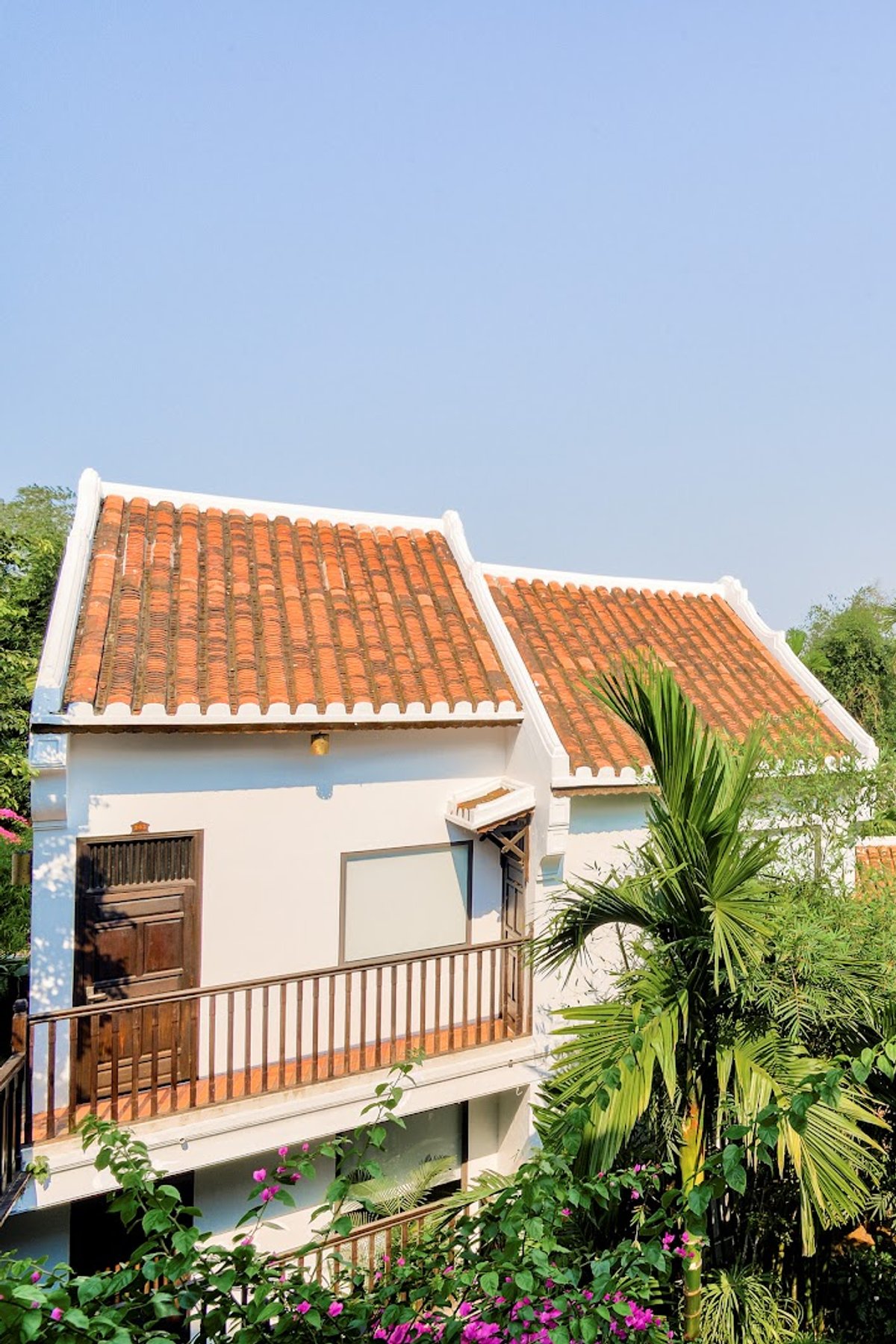
Rooms are done in a quiet Vietnamese style, dark wood, soft light, many with balconies or terraces opening onto the water or the gardens. There are pools to disappear into after a hot afternoon of tailors and temples, and food on site when you cannot face the ten-minute walk back into town. It is a resort, not a boutique, and it knows it. In peak season the riverfront rooms go first, so plan ahead if the water view is the whole point for you.
The demand curve here has one sharp spike and a long, flat tail, and understanding why saves both money and disappointment. The February-to-April peak exists because it is the only stretch when central Vietnam reliably delivers dry, mild days: the winter rains have gone and the brutal summer heat has not yet arrived. That window also overlaps Tet, the lunar new year, which stacks a wall of domestic demand on top of the international crowd. If you want a specific room in a small Cam Thanh retreat or a heritage resort near the Covered Bridge during these months, plan on booking three to six months out. The top-tier addresses are few, and they sell their peak dates first. The rest of the year rewards flexibility. May and September are the genuinely undervalued months. They sit in the shoulder band on price and availability but still deliver plenty of usable weather, and September in particular lands before the rains turn serious. The deep summer of June through August is hot and humid, which is exactly why it prices as shoulder; for beach-first travelers and families who will spend the afternoons in a pool or at An Bang, that heat is a feature, not a deterrent, and it is the easiest time to walk into a good room on short notice. October and November are the honest gamble. This is central Vietnam's wet season, and the Thu Bon can rise enough to flood the Ancient Town's lower streets; locals paddle boats down them most years. Demand stays in the shoulder band, which means the rooms are there and the rates are soft, but you are trading certainty for value. Nothing closes, so the calculus is yours. One timing note cuts across every month: the lantern festival falls on the fourteenth night of each lunar cycle, when the town douses its electric lights for candlelit lanterns. It is worth building a trip around, and it is not a summer-versus-winter decision. Check the lunar calendar, then pick your dates.
The real Instagram following over time, plus where this hotel sits for demand in Hoi An. Pick a range, toggle the lines. Followers are reach and demand, not engagement.
File closes at MODERATE. Bookable year-round, but river-view rooms go first in peak season, so plan ahead. Book it if you want calm, pools and a short walk into Hoi An; skip it if you need boutique design or to sleep inside the Ancient Town itself.