La Maison
d'Indochine.

1 critic review
filed.
For what it is, a tiny hosted villa with a real point of view, yes. You are not getting resort amenities or Ancient Town doorstep convenience, and the price sits at the upper-boutique end for the area. If you want intimacy and taste over scale, it delivers.
Very much under the radar. With five rooms, a tiny social footprint and a location out among the herb gardens rather than on the main tourist drag, most visitors to Hoi An will never hear of it. That is precisely its appeal for the people who do.
angles.
Colonial Villa, Artist's Imprint
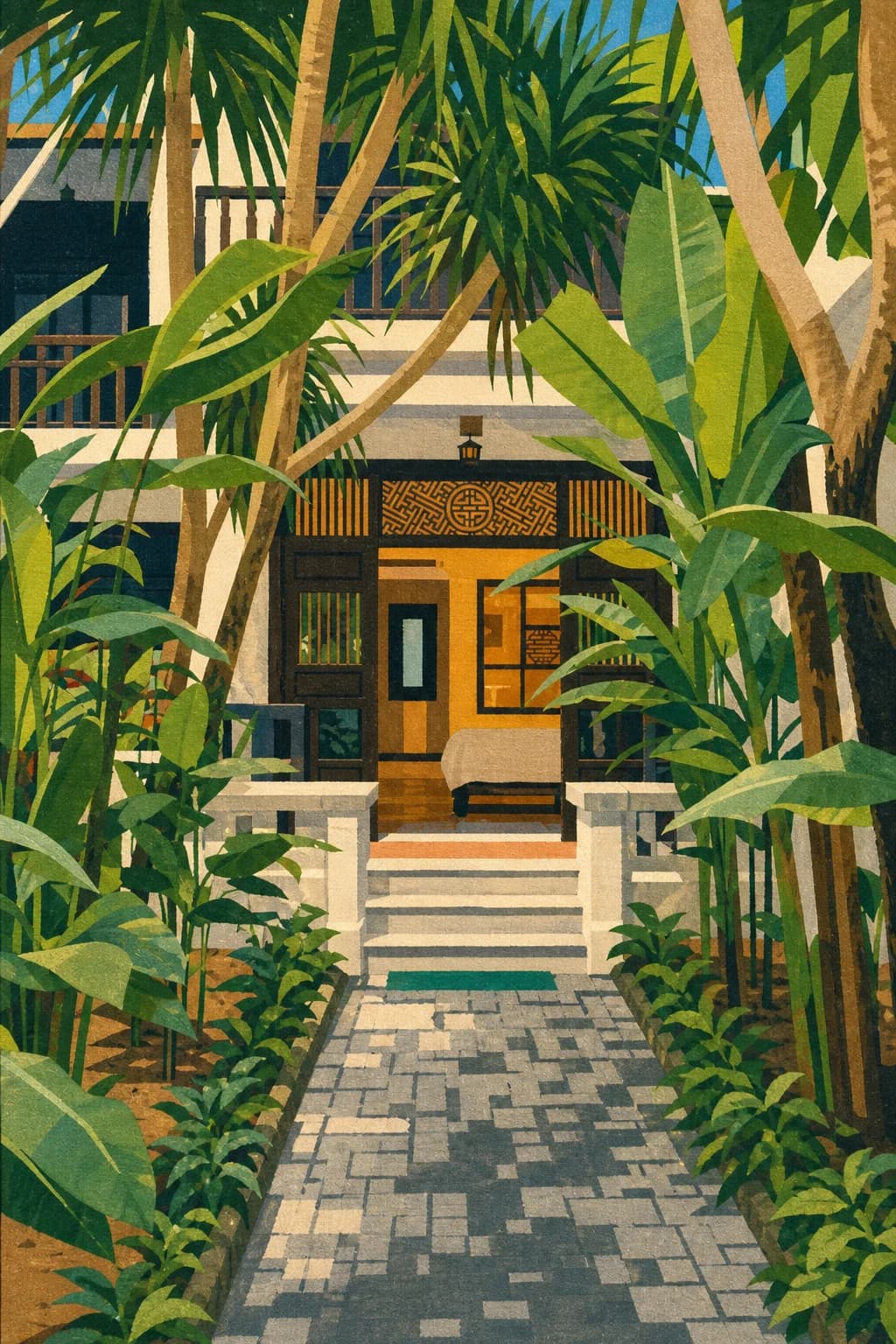
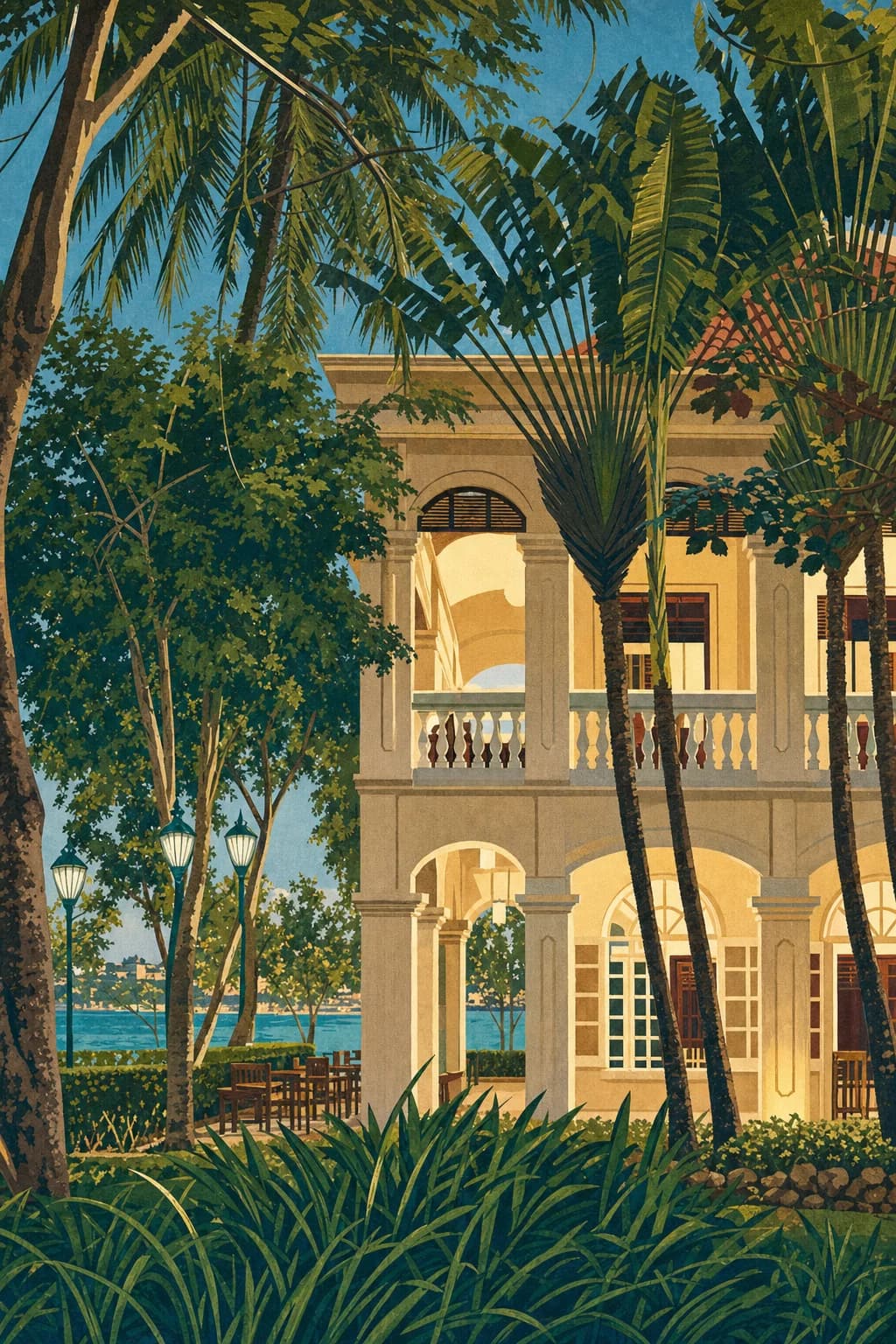
The villa wears colonial colors and still carries the imprint of the photographer-artist who lived here first. Inside, it plays like a collection more than a hotel: bamboo and lacquerware, antiques, ceramics and porcelain, framed art photographs on the walls. It reads as the border between yesterday's Indochina and today's Vietnam, arranged by people who clearly care about the objects they live among.
Rice Fields, Then Lanterns
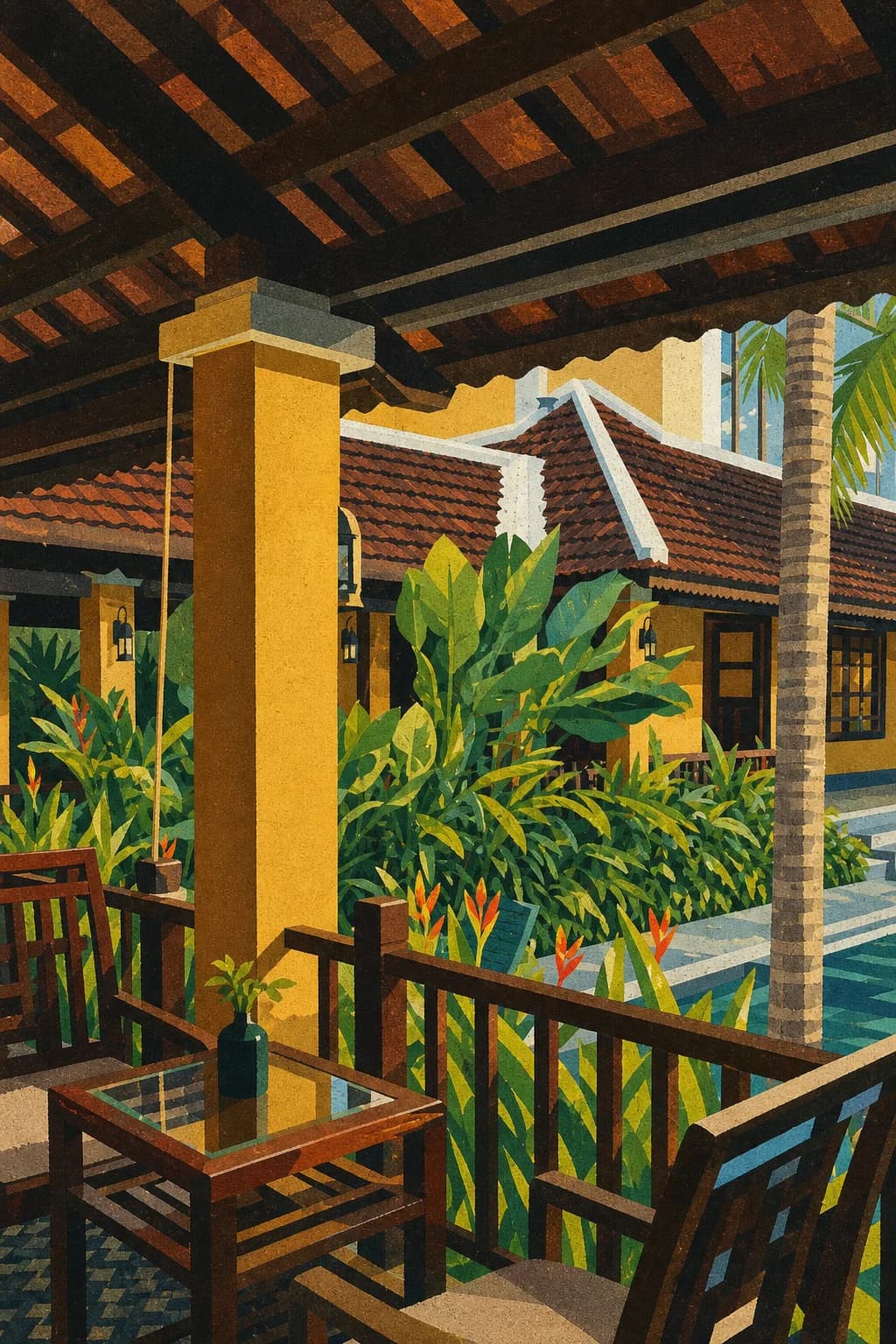
Position is the quiet flex here. The house sits among the rice paddies, waterways and herb plots of Tra Que village, so mornings are birds and bicycles, not scooters. Yet the Ancient Town's lantern-lit lanes and the beach are each only minutes away, which means you get the rural hush and the postcard Hoi An without having to choose between the two.
Francophone Hosting, Five Rooms
With five rooms and hosts who run it like their own home, this is a guesthouse in the truest sense, not a front desk. Pascale and Olivier keep it French in spirit and Vietnamese in texture, the kind of place where breakfast conversation and local pointers come standard. If you speak French it lands even warmer, though the welcome never requires it.
talk.
mapped.
“I loved the rooftop in the evening with the view of the village. With a bottle of wine, a cheese and charcuterie board, it feels like home.”
record.
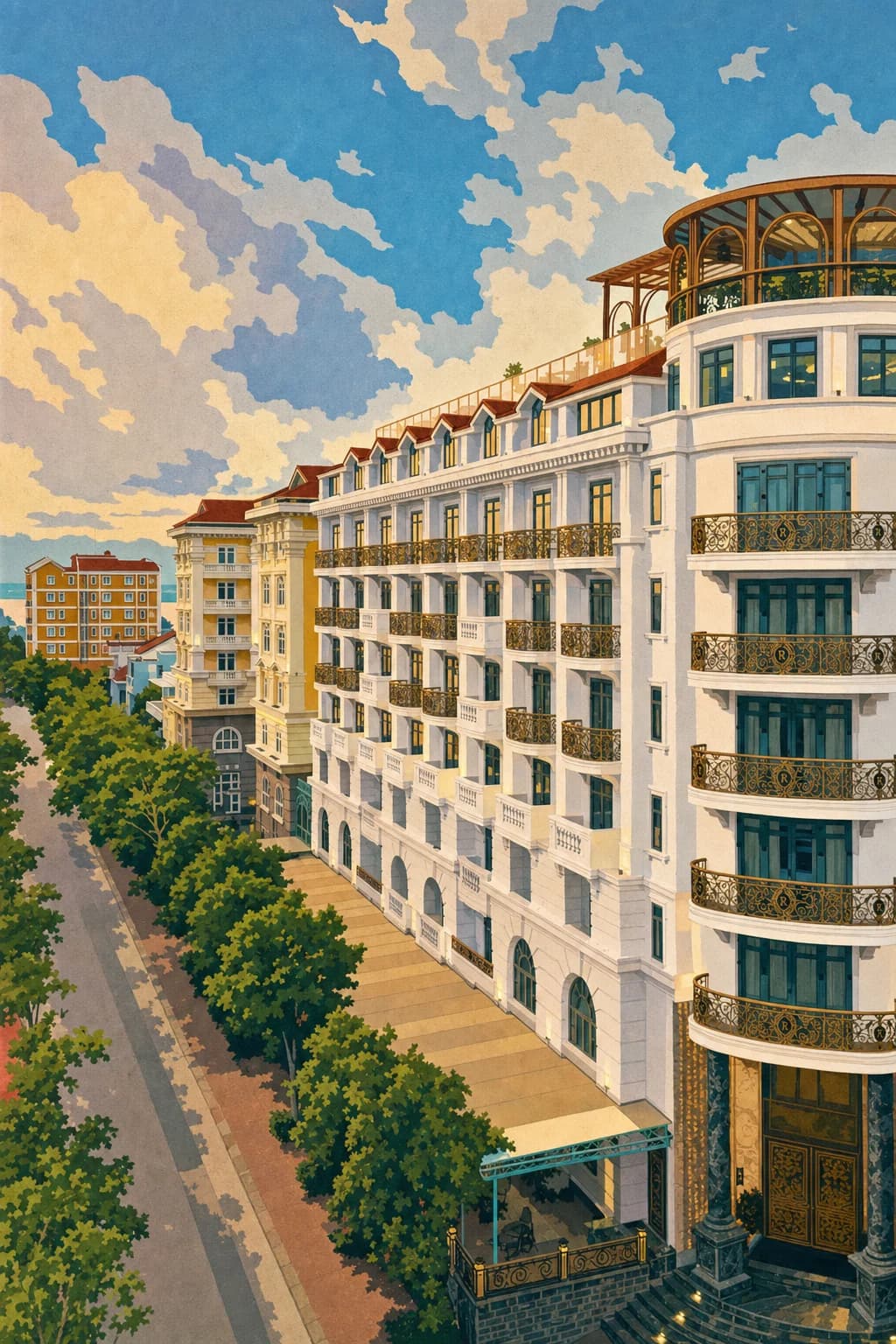
Hosts Pascale and Olivier keep a contemporary villa in colonial colors, its identity still marked by the imprint of photographer-artist Réhahn, who lived here first.
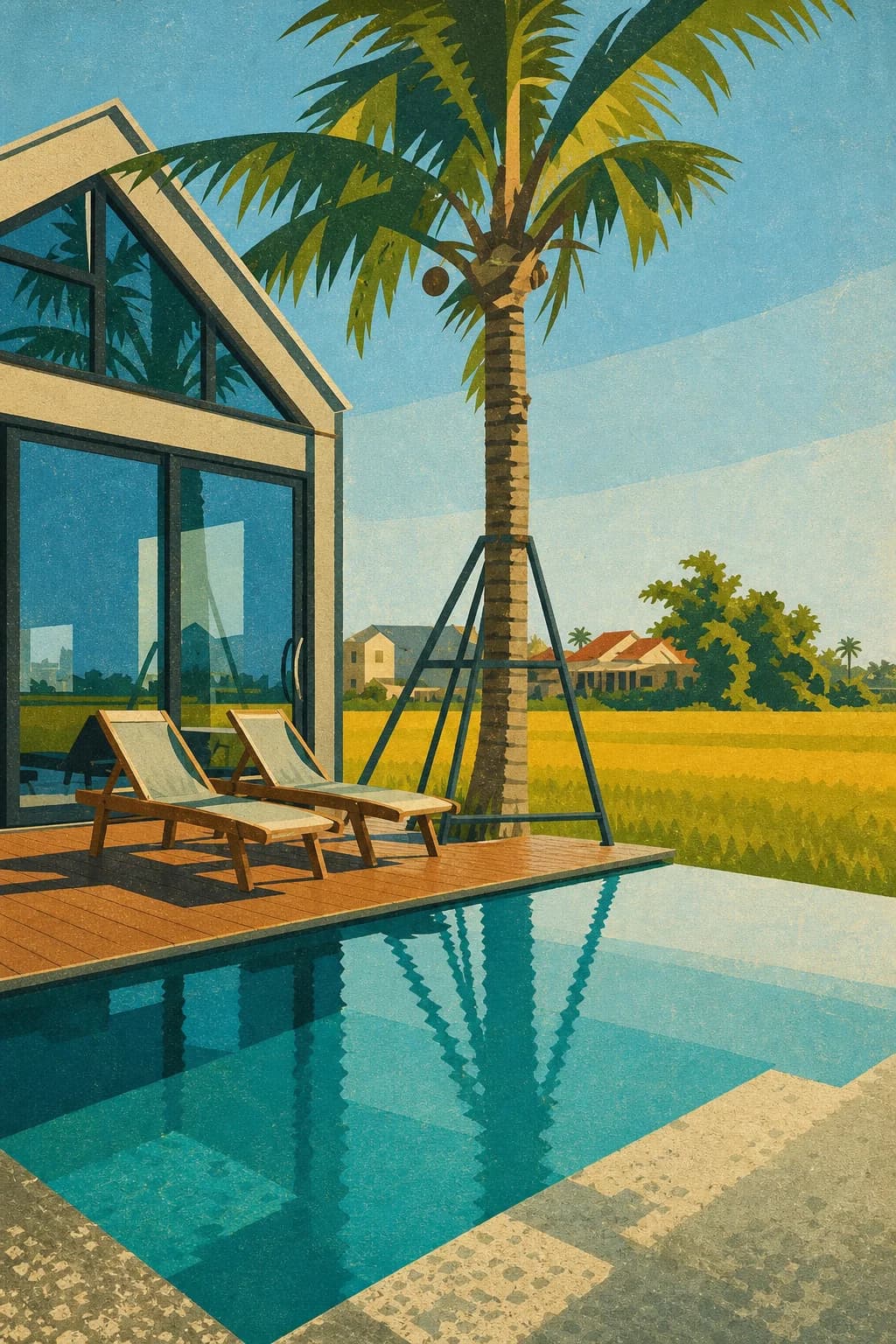
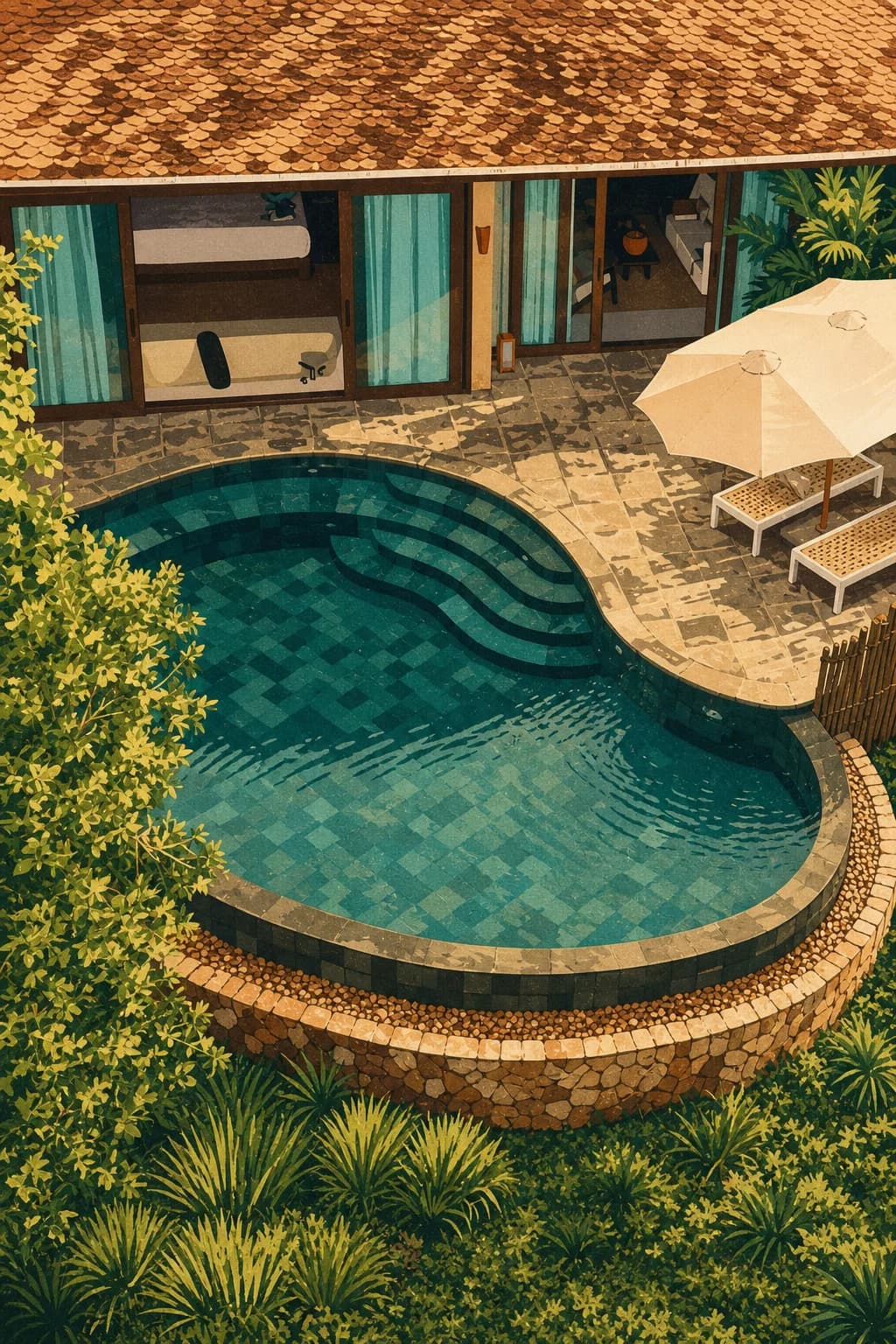
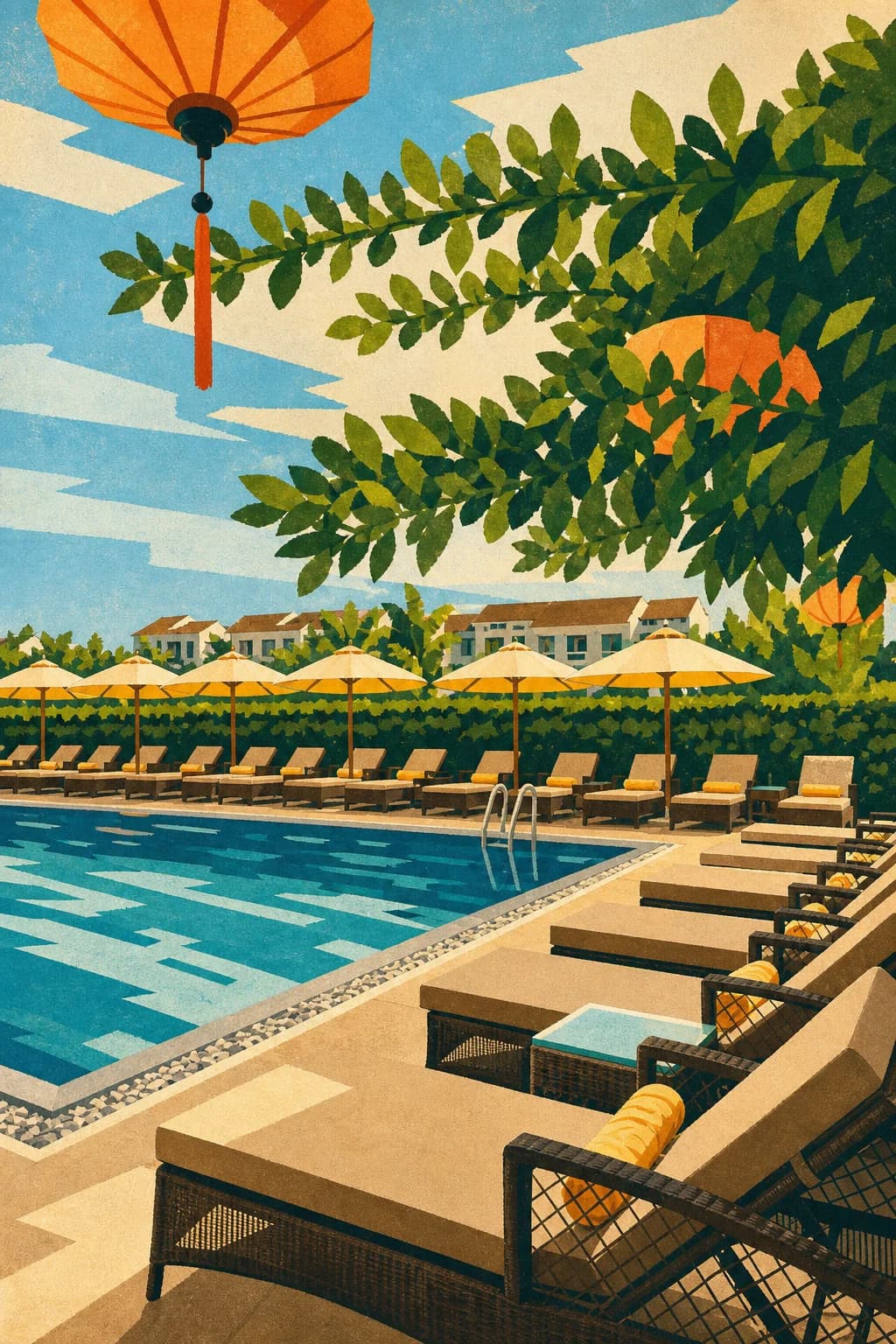
The setting is the good part: rice fields and the herb gardens of Tra Que on one side, the Ancient Town and the beach each a short hop away. Inside it reads like a slow inventory of yesterday's Indochina meeting today's Vietnam: bamboo and lacquerware, antiques, ceramics, framed photographs, a rooftop bar and a pool to loosen the afternoon. With only five rooms and real seasonal swings, the place fills at peak. Decide early which weeks you want, then move on them before someone else does.
changed.
Hoi An's demand curve has one sharp spike and a long, flat tail, and understanding why saves both money and disappointment. The February-to-April peak exists because it is the only stretch when central Vietnam reliably delivers dry, mild days. Everything else in the calendar trades certainty for value.
February through April is the only genuinely reliable weather window, and the entire market knows it. The winter rains have gone and the brutal summer heat has not yet arrived. That stretch also overlaps Tet, the lunar new year, which stacks a wall of domestic demand on top of the international crowd. If you want a specific room in a small Cam Thanh retreat or a heritage resort near the Covered Bridge during these months, plan on booking three to six months out. The top-tier addresses are few, and they sell their peak dates first.
May and September are the genuinely undervalued months. They sit in the shoulder band on price and availability but still deliver plenty of usable weather, and September in particular lands before the rains turn serious. The deep summer of June through August is hot and humid, which is exactly why it prices as shoulder. For beach-first travelers and families who will spend the afternoons in a pool or at An Bang, that heat is a feature, not a deterrent, and it is the easiest time to walk into a good room on short notice.
October and November are the honest gamble. This is central Vietnam's wet season, and the Thu Bon can rise enough to flood the Ancient Town's lower streets; locals paddle boats down them most years. Demand stays in the shoulder band, which means the rooms are there and the rates are soft.
You are trading certainty for value, but nothing closes, so the calculus is yours.
The lantern festival cuts across every month and ignores the seasons entirely. It falls on the fourteenth night of each lunar cycle, when the town douses its electric lights for candlelit lanterns. It is worth building a trip around, and it is not a summer-versus-winter decision. Check the lunar calendar, then pick your dates.
approach.
briefing.
stands.
demand's going.
The real Instagram following over time, plus where this hotel sits for demand in Hoi An. Pick a range, toggle the lines. Followers are reach and demand, not engagement.
assessment.
File closes at MODERATE. A five-room hosted villa that fills at peak but stays bookable if you plan. Book it for the calm, the taste and the Tra Que address; skip it if you need the Ancient Town on your doorstep or full resort service.
The numbers behind the tiers
La Maison d'Indochine · SOURCE READINGS · REDACTED- Availability density · sampled
- Monthly search volume · raw
- TikTok hashtag views · raw
- YouTube total views · raw
- TikTok following · latest sweep
- Pinterest saves · latest sweep
More from Hoi An.
Get the hotel's Unbookable Score.
Any post or reel with a hotel in it. Booking.com hotel pages work too. One free check, no account needed.