Dreamsea
Bali.

4 critic reviews
filed.
Dreamsea runs a surf-camp format that actually delivers on the community angle: shared dinners, coaching tiered by level, and a paddle-out group that leaves on a schedule. For solo travellers it is one of the best-value entry points to Bukit surf. The hype misses that couples looking for a private-villa experience will find the shared-space model intense.
The Monday-night beach bonfire is technically for guests on the surf package, but walk-ins from the other Uluwatu villas can usually join for the cost of a drink. Ask which coach is running the intermediate session the next morning and bring a board the property does not stock, because the longboard selection is thin.
angles.
Impossibles From the Terrace
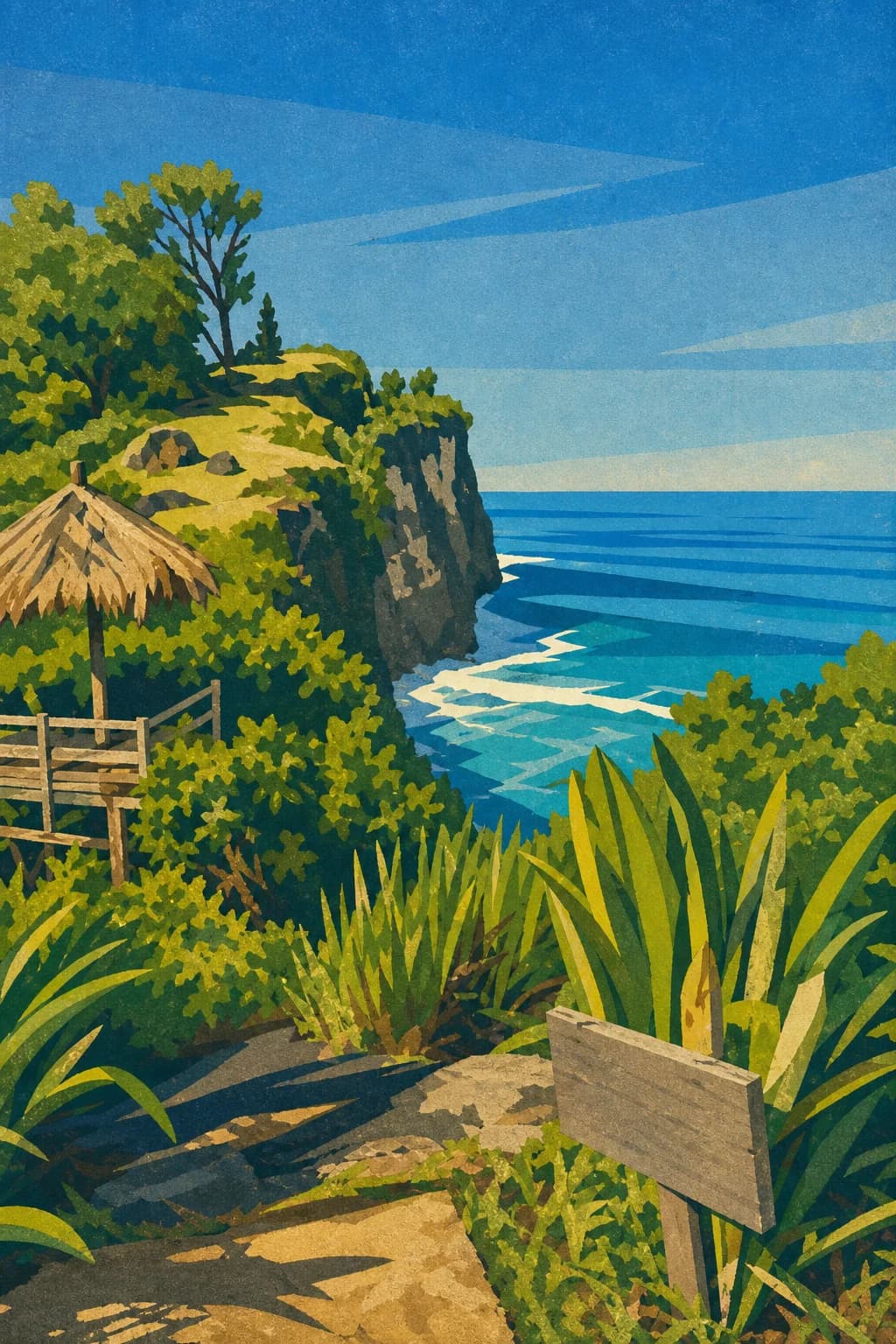
The cliffside location faces directly onto Impossibles, one of Bali's most respected surf breaks. Padang Padang is below. The view from the terrace is uninterrupted ocean and breaking waves. Honeycombers described it as "a million-dollar location without the hefty price-tag." At dorm-bed rates, the view-per-dollar maths beats nearly anything on the island.
Eight Countries, One Community
Dreamsea runs camps in France, Portugal, Nicaragua, Sri Lanka, and more. The Bali outpost isn't a standalone hotel; it's a node in a global surf-travel community. Guests who've stayed at Dreamsea Portugal or Nicaragua bring that connection to Bali. The community model creates a social atmosphere from day one. If you travel alone, you won't eat alone.
100 Stairs to the Sand
The cliff access involves roughly 100 steep stairs down to the beach. It's physical and non-negotiable. The stairs filter the guest base: anyone staying here has committed to the climb, which keeps the beach access feeling earned rather than easy. The isolation at the bottom, away from the road-level crowds, is part of the appeal.
talk.
mapped.
“Focus more on the Dreamsea part of the name and you may begin to envisage this magical luxury surf retreat nestled into the cliff face above Padang Padang Beach.”
record.
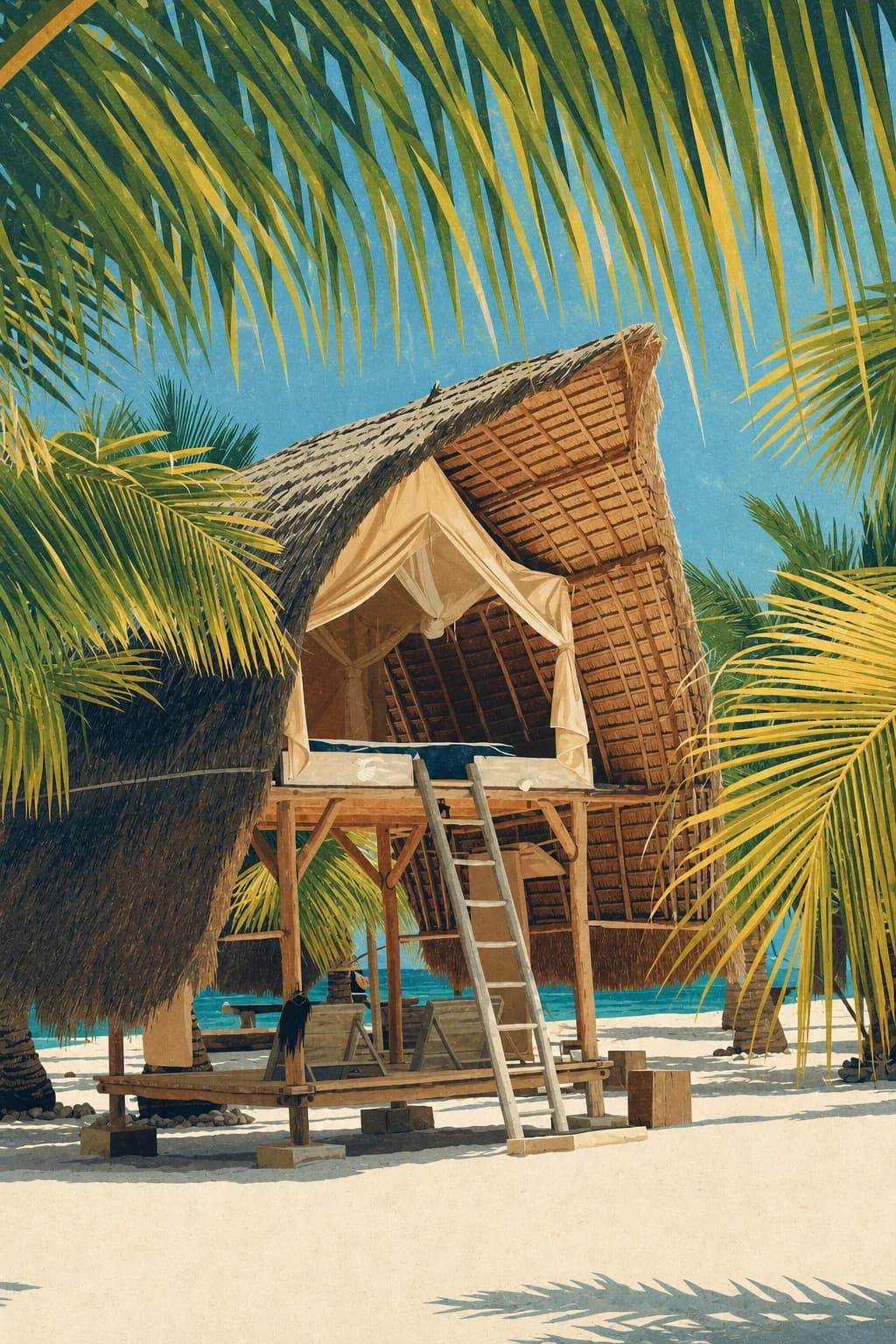
The brand now operates across eight countries. The Bali cliffside camp faces Padang Padang and Impossibles, two of the island's best breaks, accessible only by roughly 100 steep stairs down the cliff. The aesthetic is boho-chic: whitewashed bamboo walls, hanging rattan chairs, Indonesian carved-wood interiors.
Rooms range from shared dorms to private suites. Breakfast included. The on-site restaurant serves lunch and dinner with vegan options; happy hour runs 7 to 8pm. Surf lessons, yoga, and group activities are sold separately. Solar-powered. Forty-five minutes from DPS airport. This is a surf camp, not a hotel. The cliff position and the community energy are the product.
changed.
Book April–June or September–October for the value sweet spot. Plan July–August four to six months out. Confirm Nyepi (March) before booking.
Bali runs on two overlapping clocks: its equatorial wet-dry cycle and the school holiday calendars of Australia and Europe, its two largest visitor markets. Where those systems collide, demand spikes hard. The rest of the year, the island is far more negotiable than its reputation suggests.
The dry season runs April through October, and July and August are its unforgiving peak. European summer holidays flood the island in July; Australian school holidays layer on top in August, pushing demand to its annual maximum. Skies clear, humidity drops, and the island's outdoor infrastructure runs at full capacity. If your dates are fixed in those two months, book early. Ultra and Very High tier properties fill months in advance. Uluwatu Surf Villas currently shows as sold out, and Veluvana Bali runs at scarce availability through peak periods.
The shoulder windows, April through May and September through October, deliver the best value equation on the island. Weather is reliably dry, crowds thin considerably once the school-holiday cohorts leave, and Room Demand Scores fall to roughly half the August peak. These months are especially strong for Ubud and the highland properties, where clear mornings reveal volcanic panoramas that vanish during the wet season.
Book the April-to-May shoulder for dry weather, moderate demand, and the full range of the island's 75 tracked properties available without peak-season competition.
The wet season spans November through March, and it is more manageable than the name implies. Rain arrives in intense afternoon bursts rather than all-day gray, and mornings are often clear. Temperatures stay warm. The trade-offs are real: some outdoor activities turn unreliable, rural roads can flood, and boat crossings to the Nusa and Gili Islands get rougher. But hotel pricing drops significantly, and the rice terraces turn an almost electric green.
One date demands specific attention: Nyepi, the Balinese Day of Silence, falls in March on a date that shifts annually with the Saka lunar calendar. The entire island shuts down for 24 hours. No flights land or depart, no cars move, no lights are permitted after dark, and hotels ask guests to remain on property. It is a genuinely singular cultural experience, but it requires planning. If your trip overlaps with Nyepi, confirm your hotel's policy in advance and treat the day as part of the itinerary rather than an inconvenience.
approach.
briefing.
“Being super close to some of the best surf spots in Bali is not Dreamsea's only forte — the rooms are totally stunning.”
stands.
demand's going.
The real Instagram following over time, plus where this hotel sits for demand in Bali. Pick a range, toggle the lines. Followers are reach and demand, not engagement.
assessment.
File closes at HIGH. Book direct one to two months out; shoulder months keep the waves and cut the crowd. Skip if private hotel polish matters; this one runs as a surf camp.
The numbers behind the tiers
Dreamsea Bali · SOURCE READINGS · REDACTED- Availability density · sampled
- Monthly search volume · raw
- TikTok hashtag views · raw
- YouTube total views · raw
- TikTok following · latest sweep
- Pinterest saves · latest sweep
More from Bali.








Get the hotel's Unbookable Score.
Any post or reel with a hotel in it. Booking.com hotel pages work too. One free check, no account needed.