Laqua
Countryside.
1 critic review
filed.
The Cannavacciuolo name carries serious Italian culinary weight (two Michelin stars at Villa Crespi, national TV presence), and the Ticciano farmhouse restaurant earned its first Michelin star within three months of opening under Chef Nicola Somma. For an eight-room property, an on-site Michelin star is a rare configuration. What the hype does not cover is the rural isolation: no restaurants, shops, or nightlife within walking distance, and the property is seasonal, late March to early November only.
The rooms are named after characters from Cannavacciuolo's childhood in this exact house: La Stanza della Nonna, La Stanza dello Zio Matto, La Stanza del Curato. Requesting a room by its character name rather than a standard category turns the booking into part of the family story. The kitchen garden and orchard are walkable and are where Somma genuinely sources, which means a morning walk through the garden before dinner is effectively the menu preview.
angles.
Somma's Michelin Kitchen
Executive Chef Nicola Somma runs Cannavacciuolo Countryside under the broader Cannavacciuolo Group umbrella. The restaurant earned a Michelin star within three months of opening. Ingredients come from the property's own kitchen garden and orchard in the Ticciano hills. The cuisine is Campanian at its core, shaped by what grows on the hill. For a property with only eight rooms, a Michelin-starred restaurant on-site is a rare configuration.
Grandma's Room, Uncle's Room
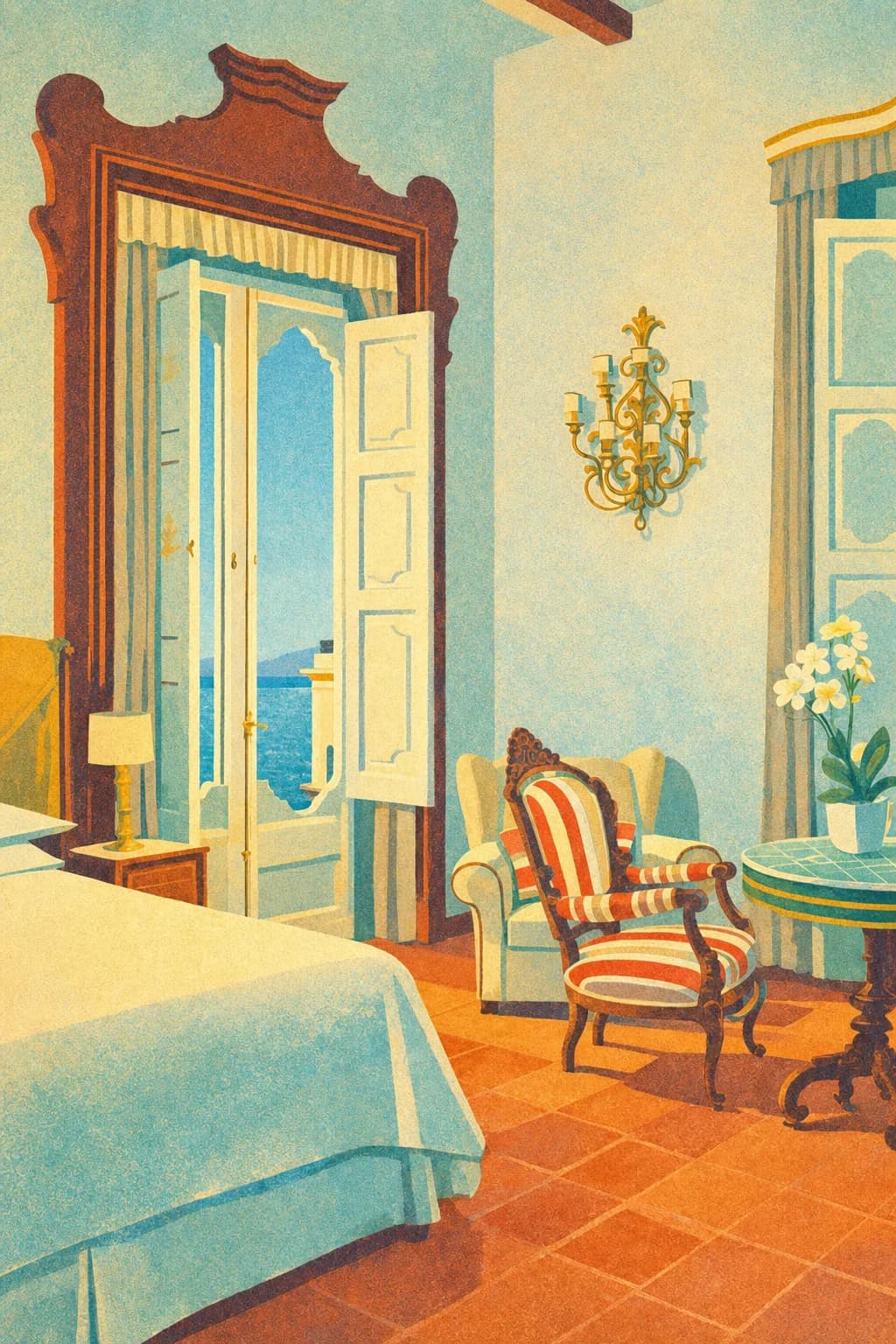
Each of the rooms is named after a figure from Cannavacciuolo's childhood: La Stanza della Nonna, La Stanza del Tuttofare (The Handyman), La Stanza dello Zio Matto (The Mad Uncle), La Stanza del Curato (The Parish Priest), La Stanza di Annarella, and La Stanza di Marina (a 178-square-metre rooftop suite). The naming transforms generic room categories into autobiography. You're sleeping in someone's family story.
The Hill Above the Coast
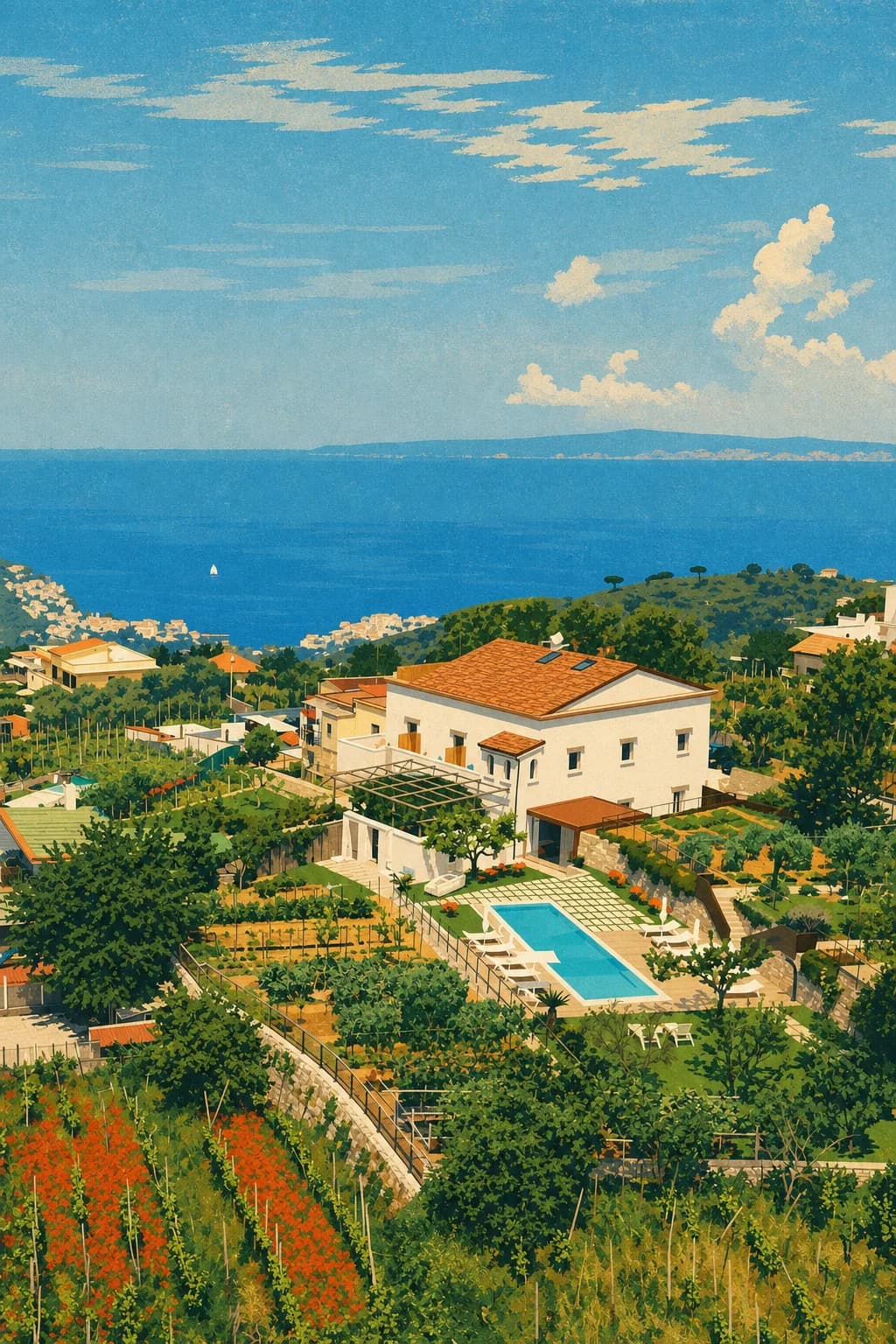
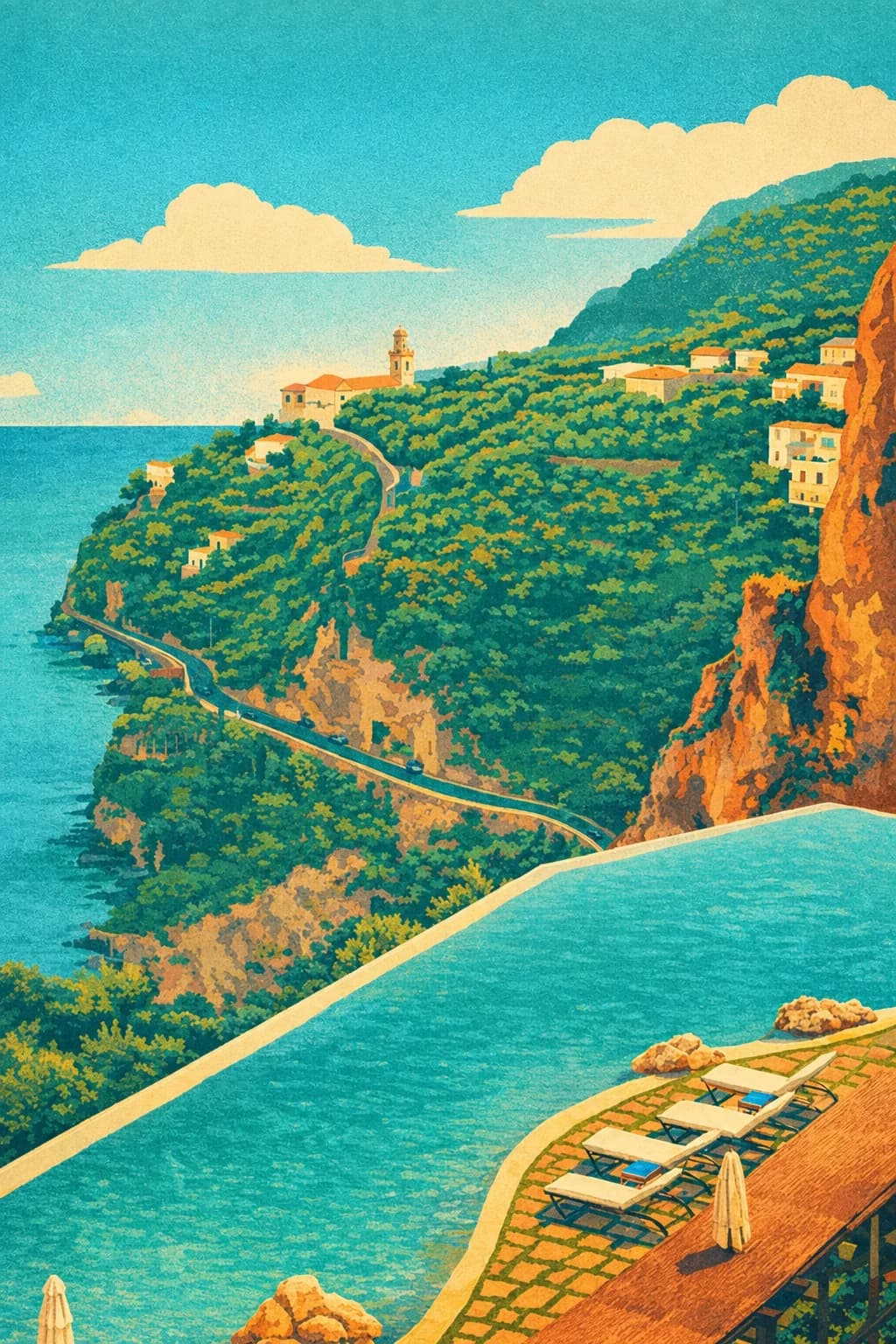
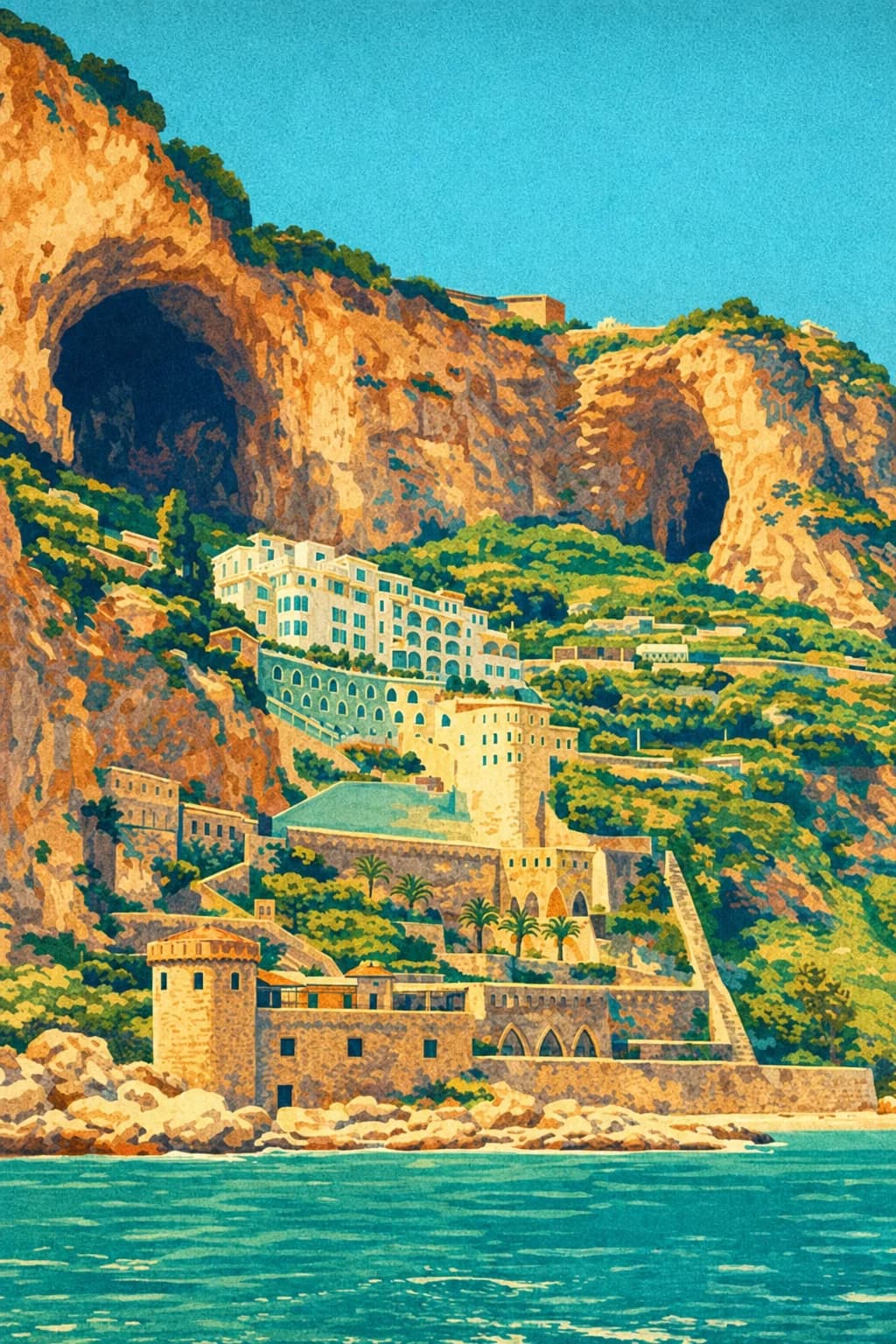
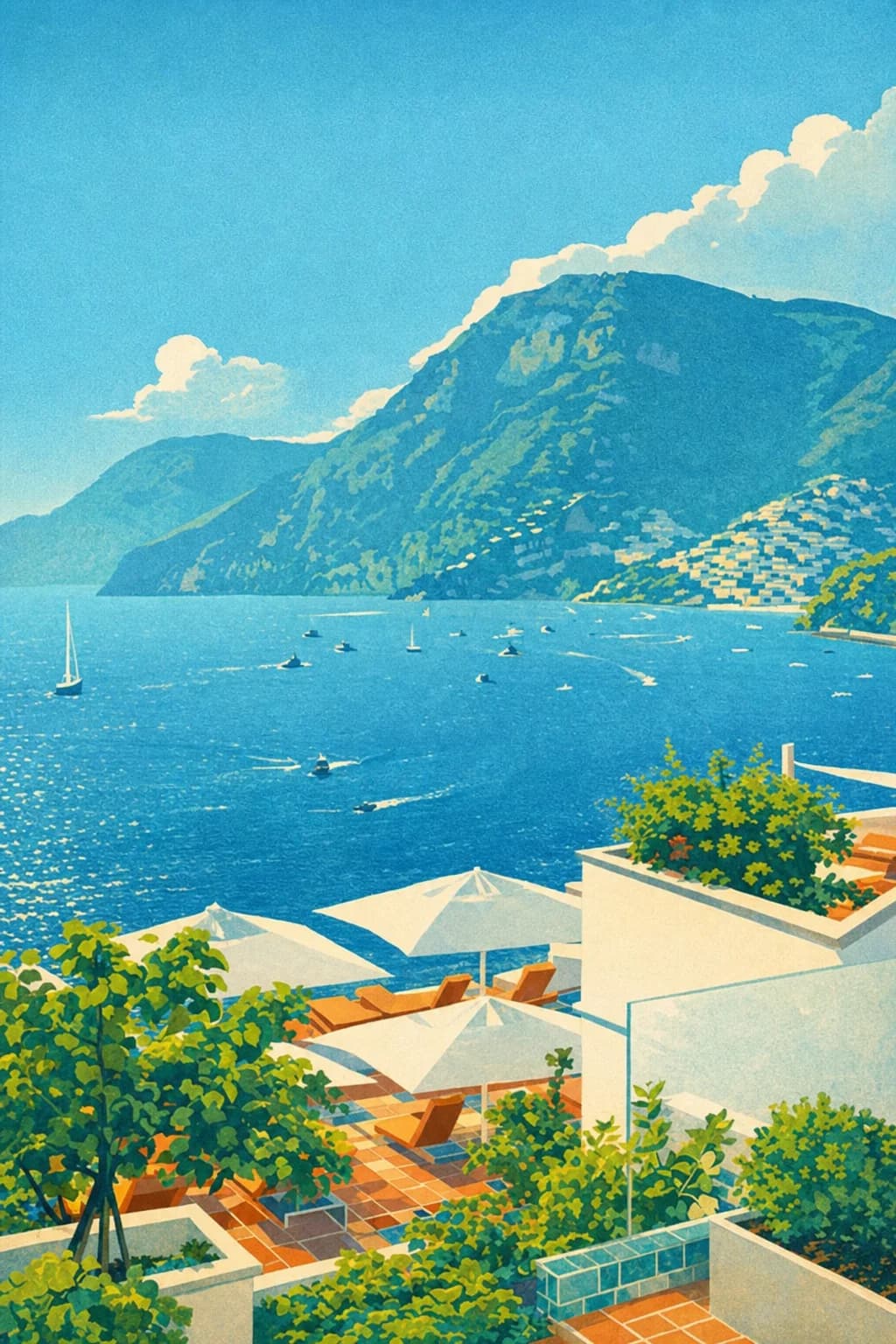
Ticciano sits in the wooded hills above Vico Equense, on the Sorrento Peninsula side of the Amalfi Coast. The property is surrounded by over 1,000 square metres of garden, orchard, and kitchen plots. The elevation gives it cooler air and wider views than the coast below. It's a countryside retreat with an Amalfi Coast address, which is unusual in a region where most hotels compete for sea frontage.
talk.
mapped.
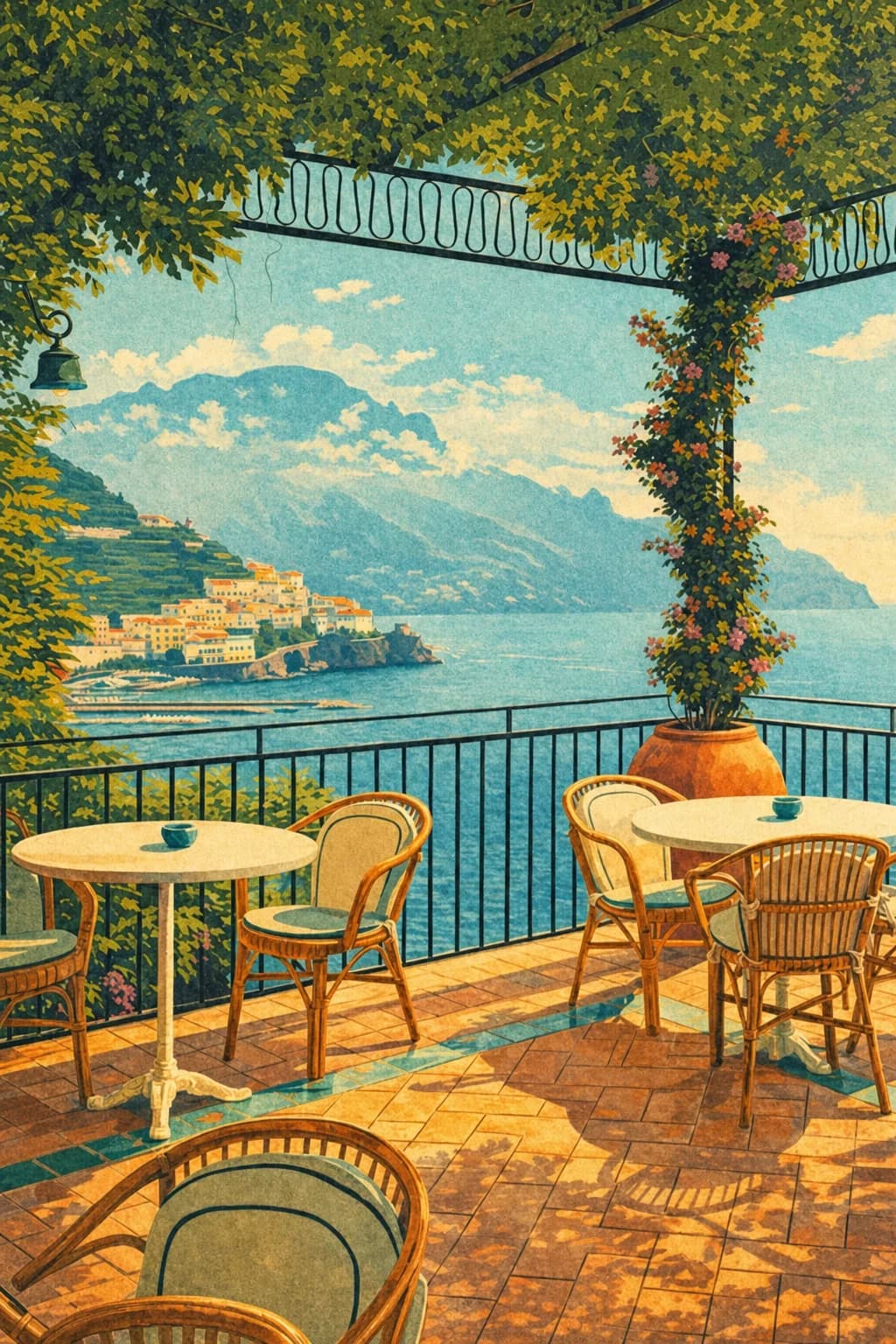
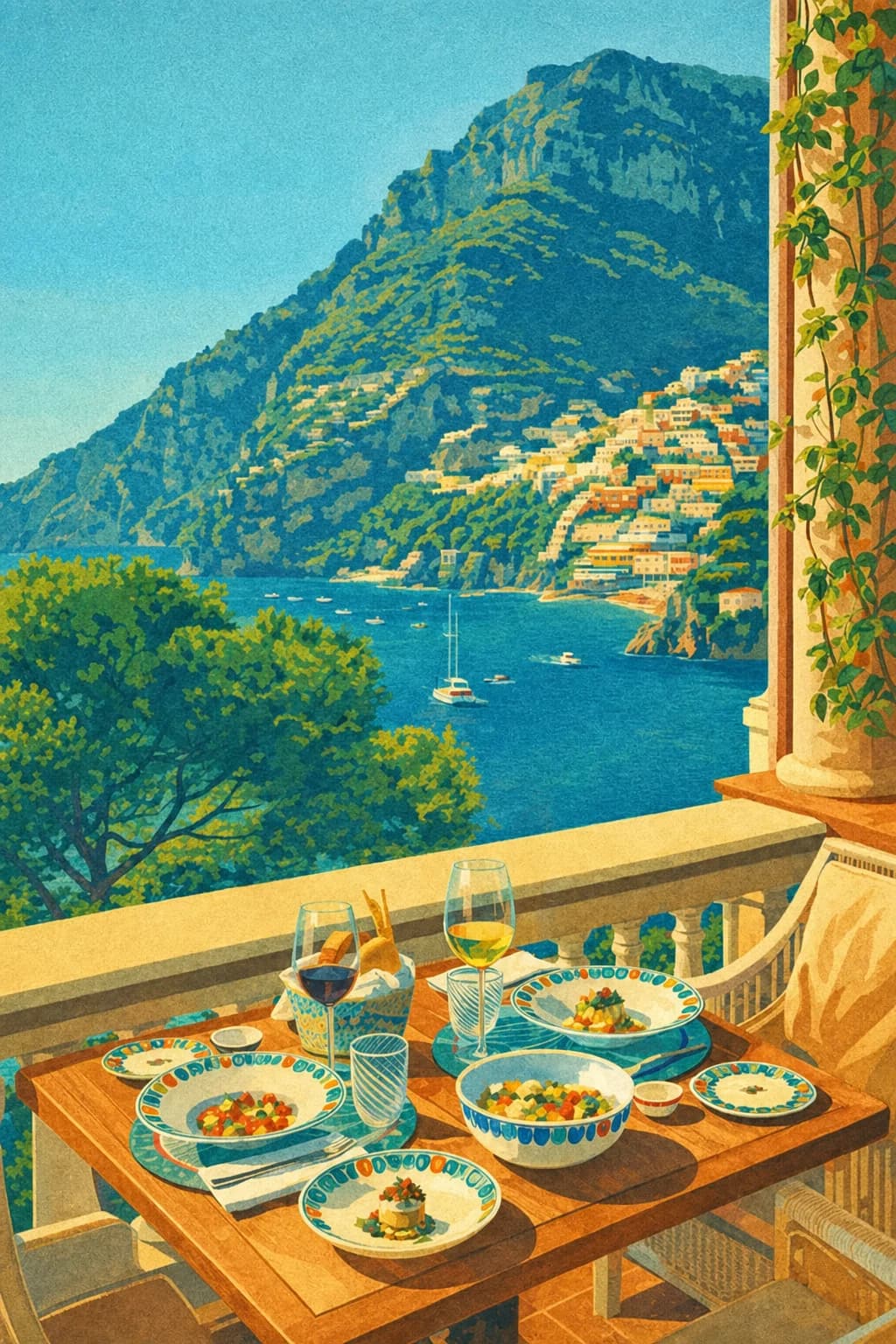
“Tee up your dinner bookings when you reserve your room and slumber only steps from the pergola-shaded terrace where you've just feasted.”
record.
Chef Antonino Cannavacciuolo, one of Italy's most famous television chefs and holder of two Michelin stars at Villa Crespi on Lake Orta, converted his grandfather's childhood farmhouse in Ticciano into a boutique retreat. The rooms are named after characters from his upbringing: La Stanza della Nonna (Grandma's Room), La Stanza dello Zio Matto (The Mad Uncle's Room), La Stanza del Curato (The Parish Priest's Room).
Architect Luca Macri of lamatilde studio designed the interiors. The restaurant, Cannavacciuolo Countryside, earned its first Michelin star within three months of opening, led by Executive Chef Nicola Somma. Ingredients come from the property's kitchen garden and orchard. Solar panels, heat pumps, and rainwater irrigation. Google reviewers hold it at 4.7. Open late March to early November.
changed.
May–June and September are the sweet spots. Skip November–March: most hotels are closed. July–August demands four to six months of lead time.
The Amalfi Coast is not a year-round destination, and it doesn't pretend to be. Most hotels close entirely from November through March, and the handful that stay open run on reduced services and limited restaurant options. January through March posts demand scores in the single digits.
April opens the season, and Easter week delivers the first booking pressure of the year. Demand jumps to around 40, but availability stays reasonable outside the holiday itself. The weather suits walking the Path of the Gods and exploring without crowds, though some beach clubs and boat services haven't yet started running.
May and June are the sweet spot. Demand climbs from 65 to 85, the lemon groves are in full bloom, the sea warms enough for swimming by late May, and the SS163 coast road hasn't yet hit its summer gridlock. Restaurant reservations are manageable and hotel rates sit below their July peak. For Ultra-tier properties like Villa Cimbrone or Le Sirenuse, May still requires booking two to three months out, and June availability tightens further.
July and August are a different animal entirely. Demand hits 100 in July and 95 in August. The coast road slows to a crawl, particularly on weekends and around the Ferragosto holiday on August 15, when Italian domestic tourism surges and many restaurants switch to fixed holiday menus. Boat transfers become not just convenient but essential for moving between towns. Ultra-tier rooms in these months demand four to six months of lead time. The tradeoff is the fullest expression of the coast's energy: every restaurant open, every beach club running, warm seas, and long evenings.
September is the most undervalued month on the coast, when quality of experience and ease of booking align most favorably.
September rewards travelers who wait. Demand drops to 70 as European schools reopen, yet the sea stays warm from months of summer heat. Hotel rates step down, the SS163 clears, and the grape harvest adds a layer of activity in the hillside towns. Late September into early October is the window worth targeting.
October is the last shoulder month before the shutdowns. Demand falls to 40, some properties begin their seasonal closures in the final week, and the weather grows less reliable. It works best for travelers who prioritize quiet over guaranteed sunshine.
approach.
briefing.
stands.
demand's going.
The real Instagram following over time, plus where this hotel sits for demand in Amalfi Coast. Pick a range, toggle the lines. Followers are reach and demand, not engagement.
assessment.
File closes at HIGH. Book direct two to three months out; the Cannavacciuolo Michelin star fills dinner seats independently of rooms. Skip if you came for the coast; this is countryside above Vico Equense.
The numbers behind the tiers
Laqua Countryside · SOURCE READINGS · REDACTED- Availability density · sampled
- Monthly search volume · raw
- TikTok hashtag views · raw
- YouTube total views · raw
- TikTok following · latest sweep
- Pinterest saves · latest sweep
More from Amalfi Coast.
Get the hotel's Unbookable Score.
Any post or reel with a hotel in it. Booking.com hotel pages work too. One free check, no account needed.